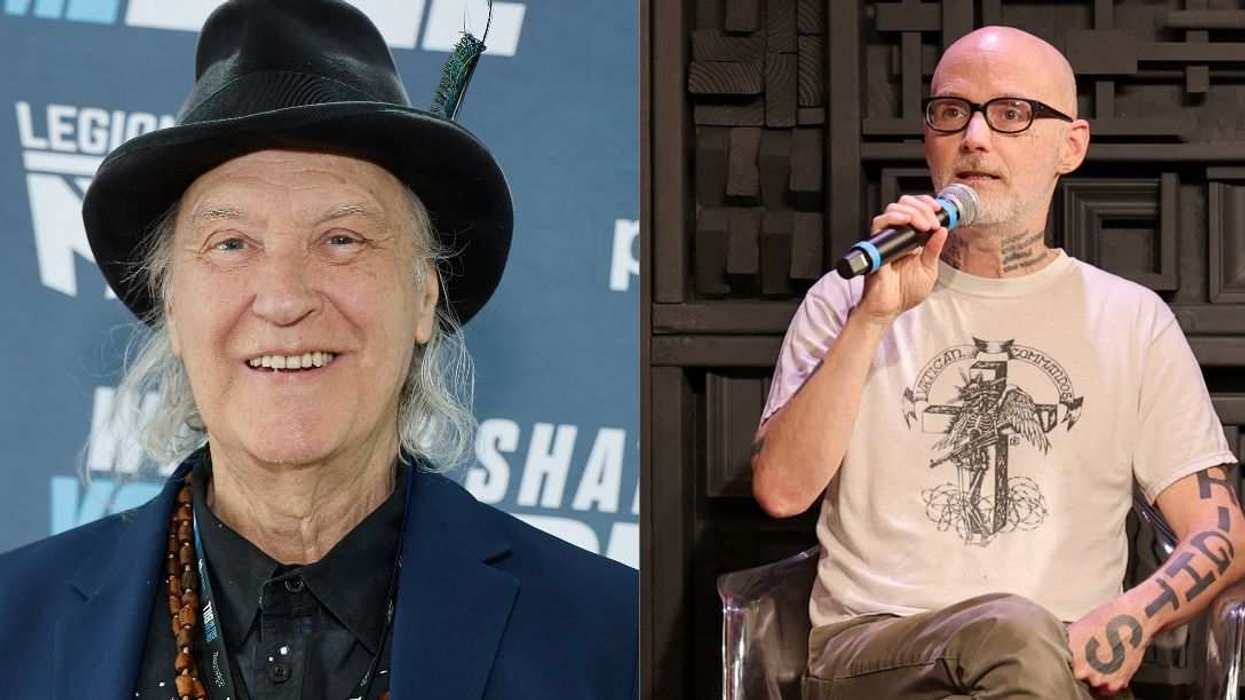

A decades-old rock classic is back under scrutiny, but Dave Davies isn’t letting Moby’s critique of "Lola" go unanswered. In a Guardian “Honest Playlist” Q&A, Moby singled out the track as one he “can no longer listen to,” arguing that its lyrics haven’t aged well.
The “South Side” singer didn’t hold back in his critique:
“'Lola' by the Kinks came up on a Spotify playlist, and I thought the lyrics were gross and transphobic. I like their early music, but I was really taken aback at how unevolved the lyrics are.”
Moby, 60, made the comments in the interview, prompting a swift response from Davies, 79, who took issue with both the characterization and what he viewed as a misreading of the song’s intent.
Released in 1970, "Lola" tells the story of a young man’s encounter with a person named Lola in a Soho bar, with lyrics that famously blur gender expectations. The track includes the line about someone who “walked like a woman but talked like a man,” a phrase that has sparked debate but has also been embraced by many listeners as part of the song’s narrative ambiguity.
The Kinks frontman Ray Davies’ lyrics captured the moment:
"Well, I'm not dumb, but I can't understand / Why she walked like a woman but talked like a man.”
You can view the remastered performance of "Lola" here:
- YouTubeThe Kinks
The single became one of the band’s biggest hits, reaching No. 2 in the United Kingdom and No. 9 in the United States, and is frequently cited among the greatest rock songs of all time. In a 2020 interview with the New York Times, Ray Davies said he researched drag culture while writing the song and expressed admiration for people “who can get up and be what they want to be.”
Dave Davies, however, made clear he found Moby’s comments out of line. Taking to social media on Sunday, March 22, he called the remarks insulting and defended both his brother and the song’s legacy.
Dave Davies fired back directly at Moby:
"I am highly insulted that MOBY would accuse my brother of being ‘unevolved’ or transphobic in any way.”
In a separate post, Davies wondered why Moby was "being so rude" about the song:
I don’t wanna show the guy up, but Moby should be careful what he says. the cockettes
And their friends used to follow us around on tour. We appreciated them. Why is Moby being so rude about this simple song? We’re not trans phobic. Why does he have to have a go at us?
— Dave Davies (@davedavieskinks) March 23, 2026
His first post amplified voices from within the transgender community, including transgender punk singer Jayne County, whose reflections on "Lola" offered a sharply different perspective.
County, 78, recalled first hearing the song and recognizing what she believed was its subject matter, connecting it to earlier cultural references and expressing surprise that more listeners didn’t immediately pick up on it.
County reflected on her first reaction to the song:
"And a woman with a low voice and the name Lola, would certainly qualify for a possible encounter with either a transvestite or transexual. When I heard the song, I was both thrilled and amazed that the Kinks would be singing a song about a trans person and wondered if anyone else had picked up on it!"
She went on to describe the song as personally influential, saying it helped shape her own songwriting and cultural outlook.
She emphasized the song’s lasting personal impact:
"Who was cool or hip enough to realize what The Kinks were singing about! Lola will always be one of those songs that, for me, broke the ice, so to speak.”
Social media reaction was sharply divided, with some users echoing Moby’s criticism while others defended "Lola" as a groundbreaking song that reflected and embraced gender diversity for its time. Many also pointed to Jayne County’s comments as evidence that the track has long held cultural significance within parts of the LGBTQ+ community.
Here’s what people are saying:
Moby has not publicly responded to Davies’ remarks.
The exchange has reignited debate around the song's legacy and modern interpretation. The Kinks, one of the defining bands of the 1960s British Invasion, remain known for hits like "You Really Got Me," "Waterloo Sunset," and "Lola," with Dave Davies’ guitar work helping shape their lasting influence.







 @joannawietrzyk/Instagram
 reply to @joannawietrzyk/Instagram
 reply to @joannawietrzyk/Instagram
 reply to @joannawietrzyk/Instagram
 reply to @joannawietrzyk/Instagram
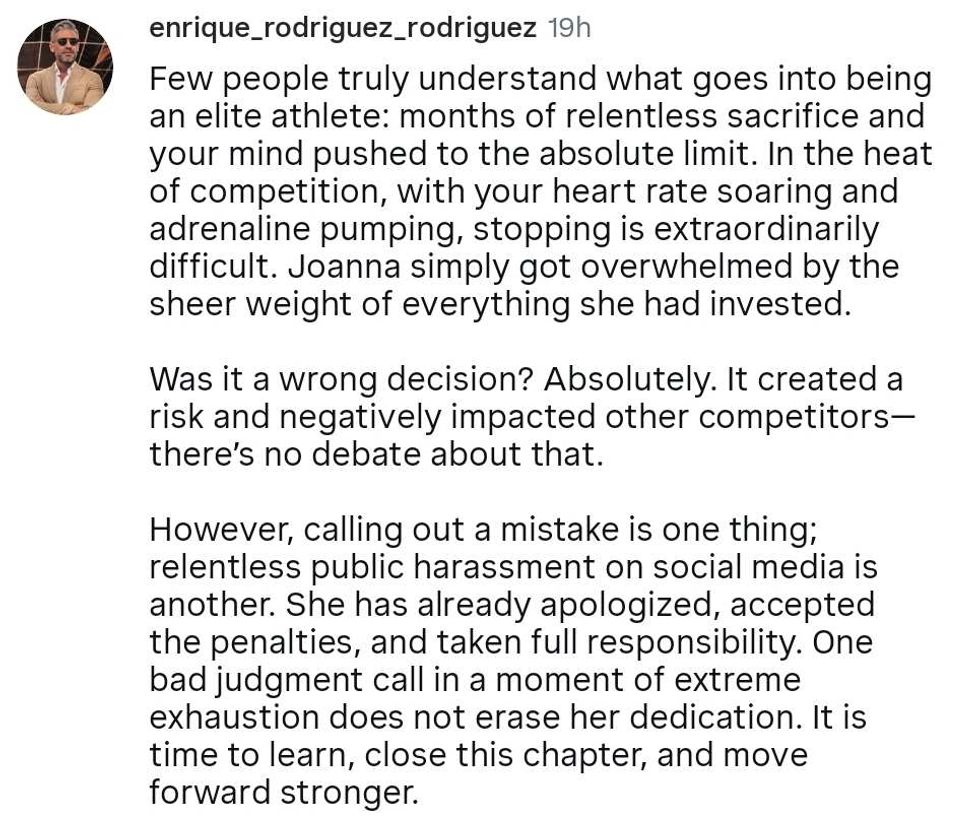 reply to @joannawietrzyk/Instagram
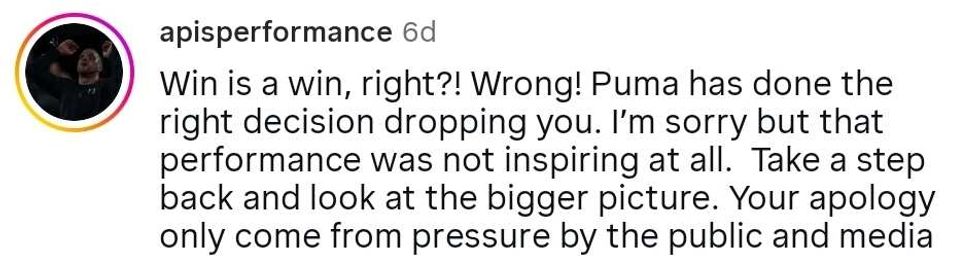 reply to @joannawietrzyk/Instagram
 reply to @joannawietrzyk/Instagram
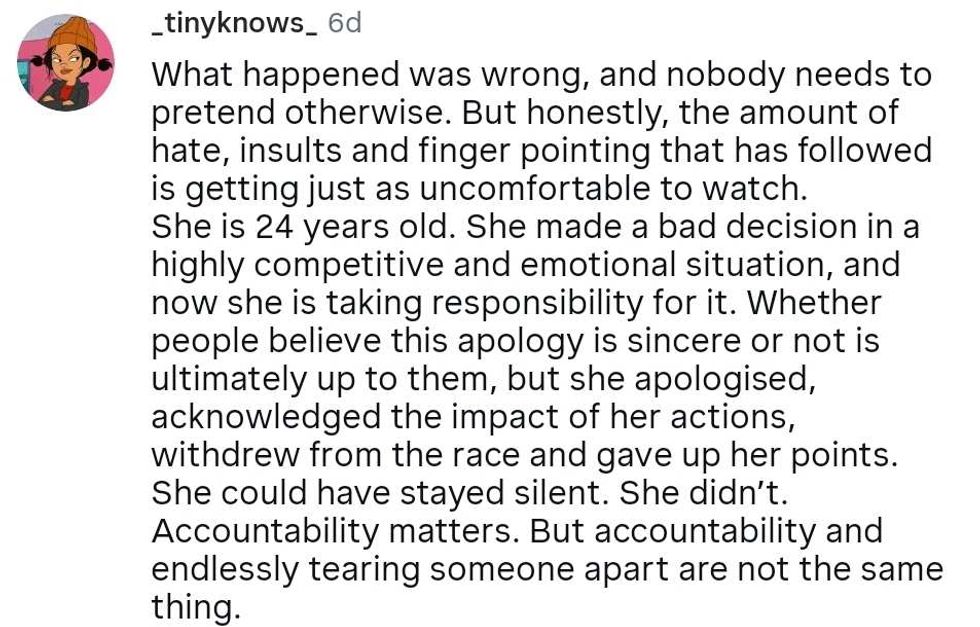 reply to @joannawietrzyk/Instagram
 reply to @joannawietrzyk/Instagram