
Did you know that experiencing trauma, even at a societal level, can have a lasting impact on your brain development, your aging process, and your perception of your age and capabilities?
Millennials, especially Elder Millennials, have become a classic example of this, and it's a wide-spread problem.
Much of this generation was raised by their family's television and their backyards, creating distant relationships with their parents. They were the youngest generation to be trained on protocols for school shootings in the same breath as tornado drills and bus safety tips.
They experienced 9/11 at just an old enough age to understand and be impacted by what was going on. They experienced the 2008 recession. They were raised to believe they had to work hard and go to college, only for many of their degrees to be rendered obsolete, with student loans climbing through the roof by the time they graduated.
They navigated the internet boom, the introduction of social media, and being accused by those both older and younger than them of being cringey, delusional, and lazy.
Now Millennials are in their thirties and forties, staring in the face of another recession after a first-of-its-kind pandemic, and they are tired. Worst of all, they're struggling to grasp their age and what they're actually capable of.
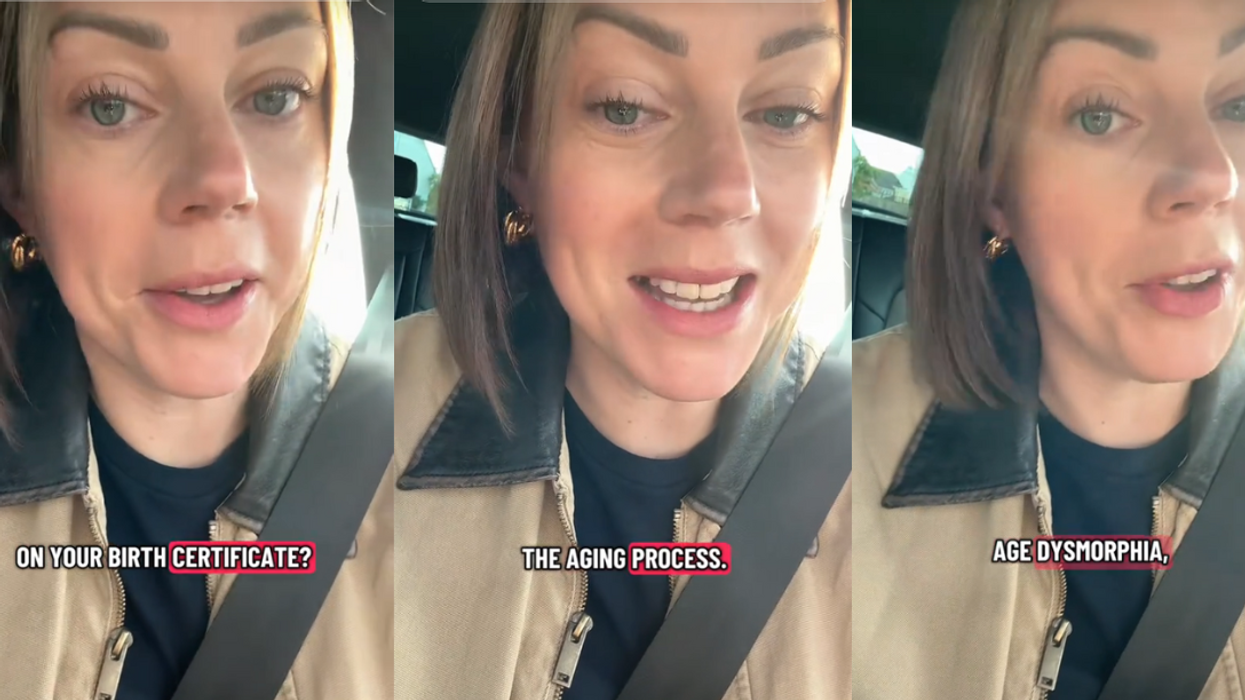
Tiktoker Helen McPherson calls this "Millennial Age Dysmorphia," and says that Millennials, when in the face of an emergency or tough adult task, wouldn't trust themselves to get the job done. They'll look around, assuming an "adultier adult" is about to enter the chat, ready to do the work for them.
You can watch the video here:
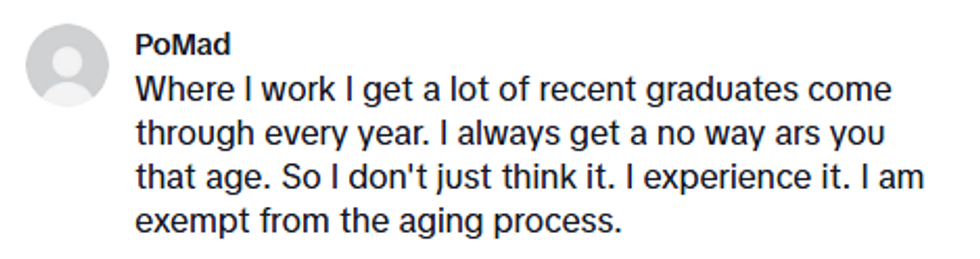
Fellow TikTokers identified with this, admitting that they felt like 40-year-old teens, with many questioning how they reached a point of being made responsible for children and colleagues.
 @helsmcp/TikTok
 @helsmcp/TikTok
 @helsmcp/TikTok
 @helsmcp/TikTok
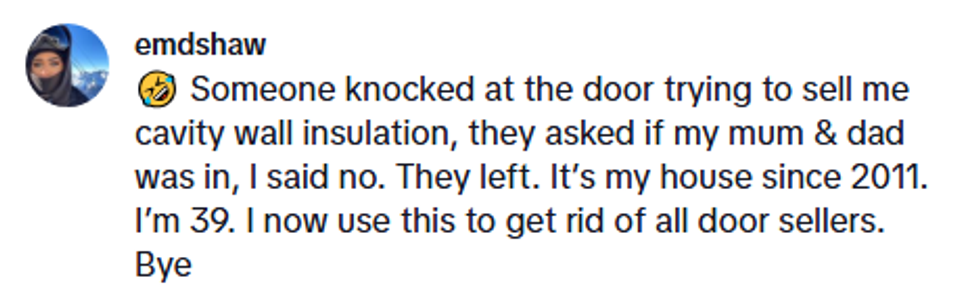 @helsmcp/TikTok
 @helsmcp/TikTok
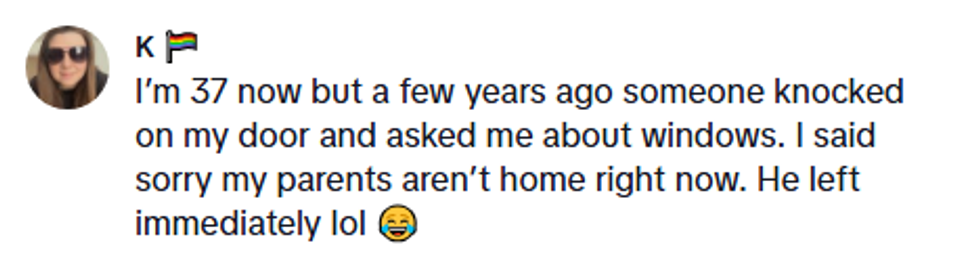 @helsmcp/TikTok
 @helsmcp/TikTok
 @helsmcp/TikTok
 @helsmcp/TikTok
Though these societal shifts impacted everyone, they impacted Millennials at the perfect ages to really affect their development and their perception of themselves.
In a way, it's been the perfect storm to create a generation of people who want a better future for their children but who aren't confident that they'll be able to give it to them.

 reply to @fievel42/Instagram
 reply to @fievel42/Instagram
 reply to @fievel42/Instagram
 reply to @fievel42/Instagram
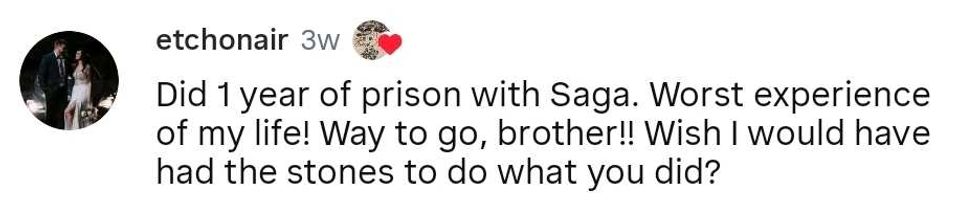 reply to @fievel42/Instagram
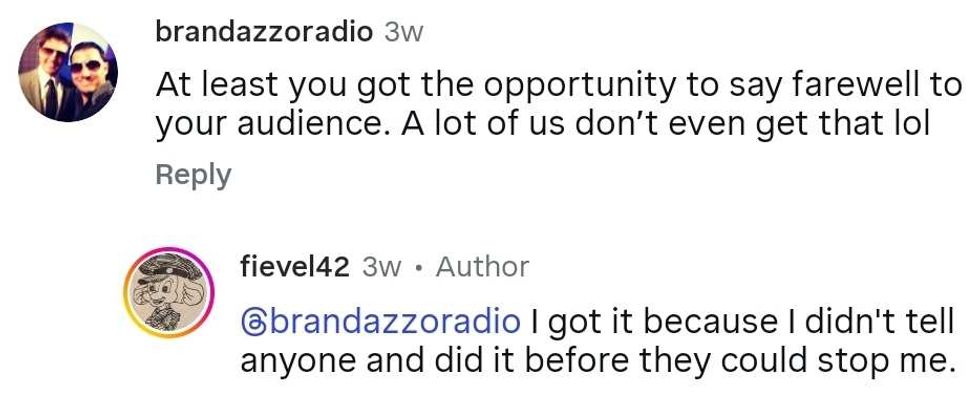 reply to @fievel42/Instagram
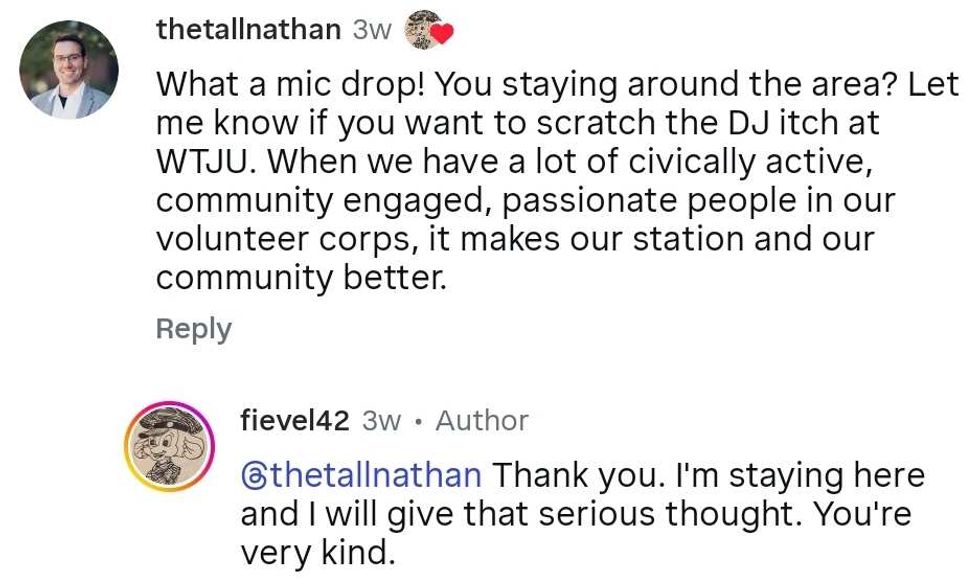 reply to @fievel42/Instagram
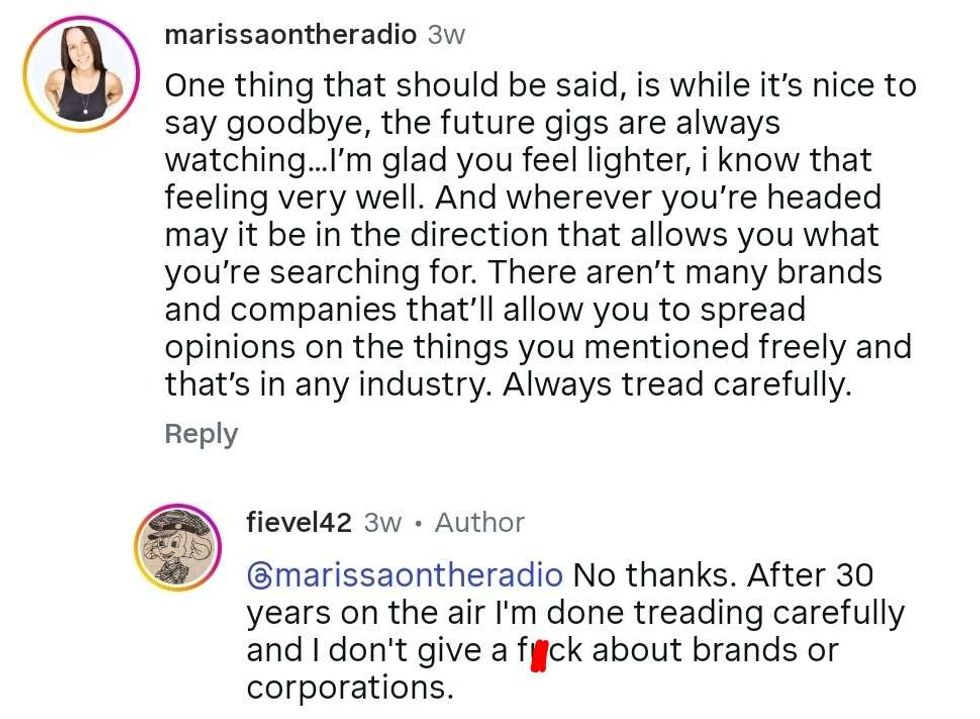 reply to @fievel42/Instagram
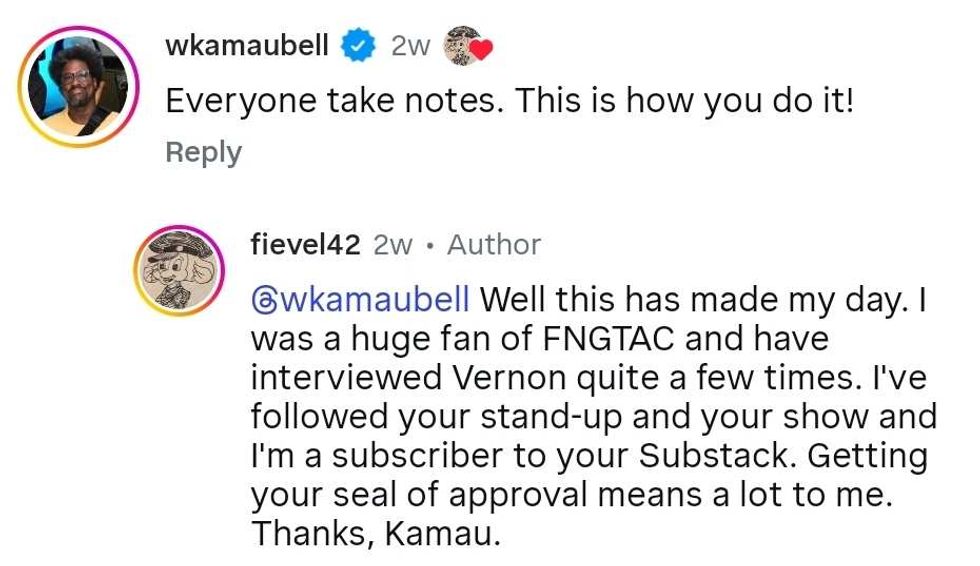 reply to @fievel42/Instagram
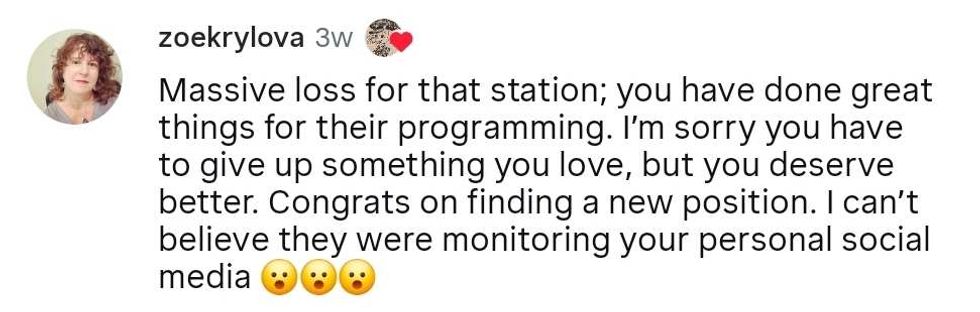 reply to @fievel42/Instagram
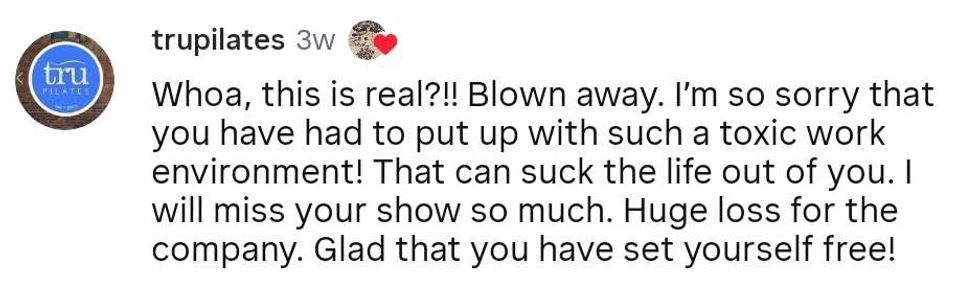 reply to @fievel42/Instagram
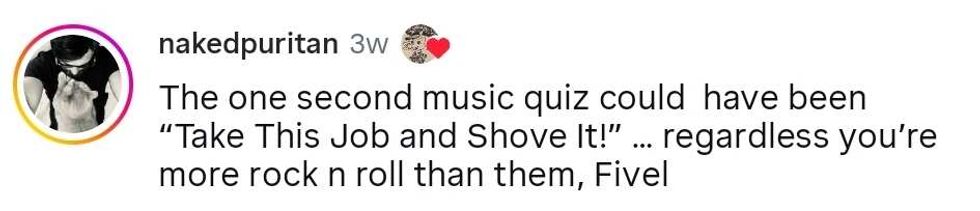 reply to @fievel42/Instagram
 reply to @fievel42/Instagram
 reply to @fievel42/Instagram
 reply to @fievel42/Instagram

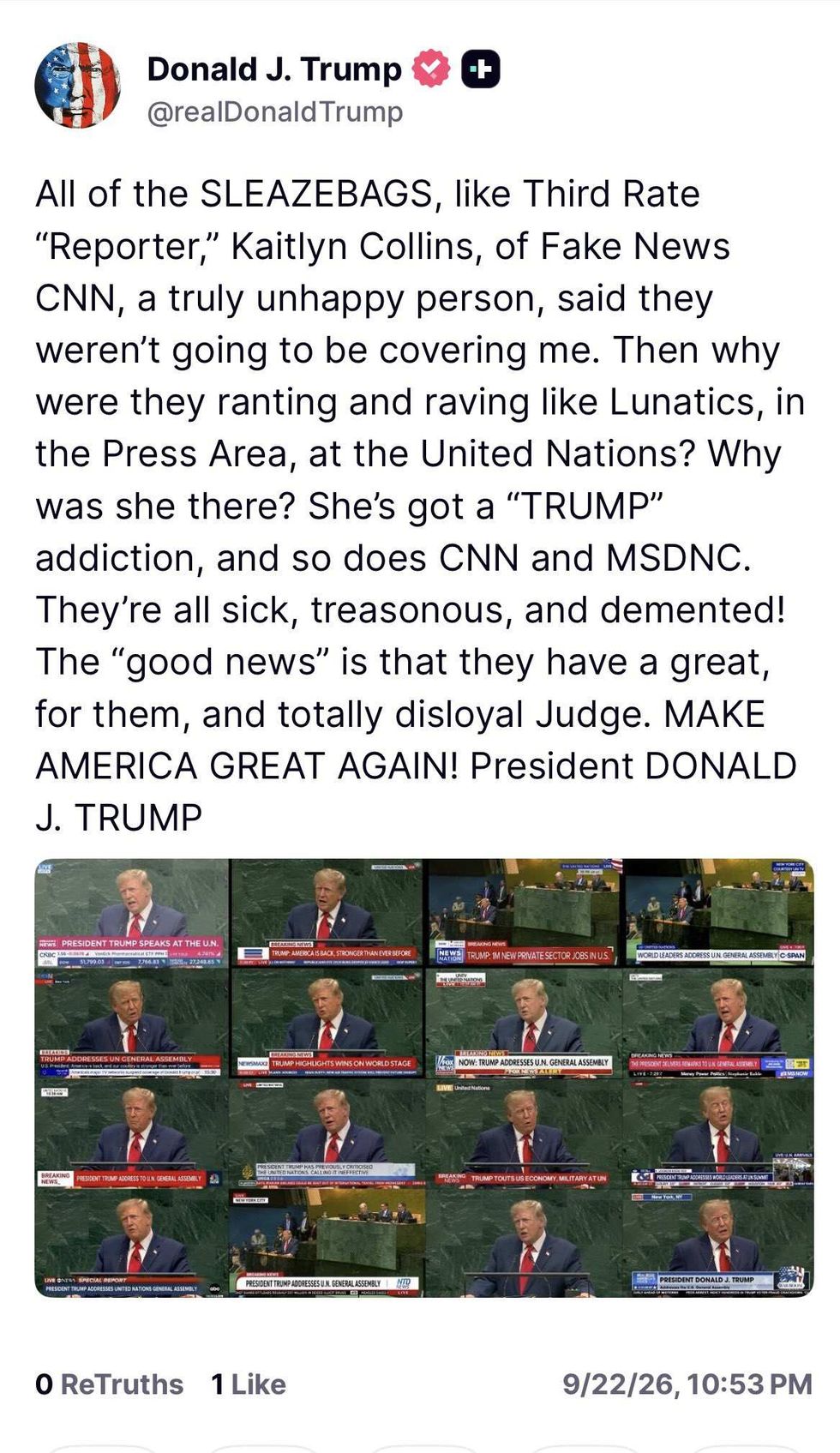 @realDonaldTrump/Truth Social