
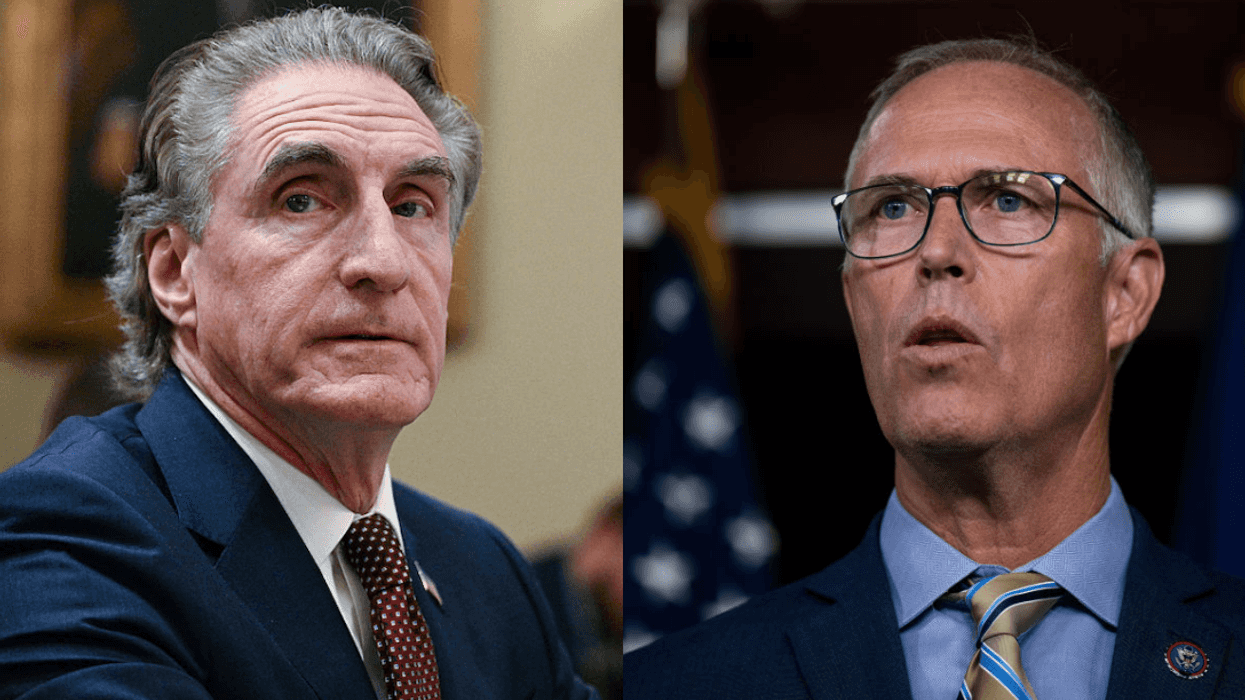

Interior Secretary Doug Burgum was trolled by California Democratic Representative Jared Huffman after he, testifying before the House Natural Resources Committee, seemed to think solar panels are unreliable because they don't work when the sun goes down.
The sun produces heat and light through solar, or electromagnetic, radiation. Solar energy technologies capture that radiation and convert it into usable power. The two primary forms of solar technology are photovoltaics (PV) and concentrating solar-thermal power (CSP).
Solar panels rely on PV technology. When sunlight hits a solar panel, the PV cells absorb energy from the sun, generating electrical charges that move within the cell’s internal electric field and produce electricity.
Solar batteries store surplus electricity generated during the day so it can be used at night or during periods of high demand. The batteries work by converting direct current (DC) electricity into stored chemical energy and later converting it back into alternating current (AC) electricity through an inverter.
If the solar panels stop generating power, the system can automatically draw electricity from the grid instead.
Much of this information is already explained on the official website of the Department of Energy, and one would expect an Interior Secretary to be familiar with it given the close coordination required between energy policymakers and federal land management officials.
Nonetheless, Burgum—who has deep ties to the fossil fuel industry—complained about claims that solar power was the "cheapest form of energy":
"All of these projects are describing in Nevada have one thing in common. When the sun goes down, they produce zero electricity. And this nation over-rotated towards intermittent forms of energy. And the idea that we could add intermittent and shut down baseload is what put our grid at deep risk."
"The idea that it's the cheapest, if you want to add intermittent, you have to keep everything else. We have to have a discussion about the total cost of grid, not the cost of incremental because it's true on an incremental basis."
"You may have an incremental source, but it doesn't work. The whole machine doesn't work when the sun goes down. And there's examples from around the world of this happening."
"It's cherry-picking an analysis that doesn't work. We're looking at reliable, affordable, and secure ... most of these components, very few of these components for the solar industry are coming from the U.S. They're coming from China."
"Just like we have with Huawei equipment, there's modifications on those that would allow foreign governments to interfere with our grid and I just want to have a rational discussion with everybody. This is not an ideological thing, it's about reliable, affordable, and secure, those three things."
Following his remarks, Huffman directed the following to Bruce Westerman, the committee chair:
“Mr. Chairman, I request unanimous consent to enter in the record this amazing new technology that apparently the secretary is unaware of: It’s a battery."
"China’s figured it out. That’s why they’re cleaning our clock on clean energy. But I want to enter that into the record."
You can watch what happened in the video below.
Huffman was right on the money—and people criticized Bugum in response.
Clearly the Trump administration is not sending their best.







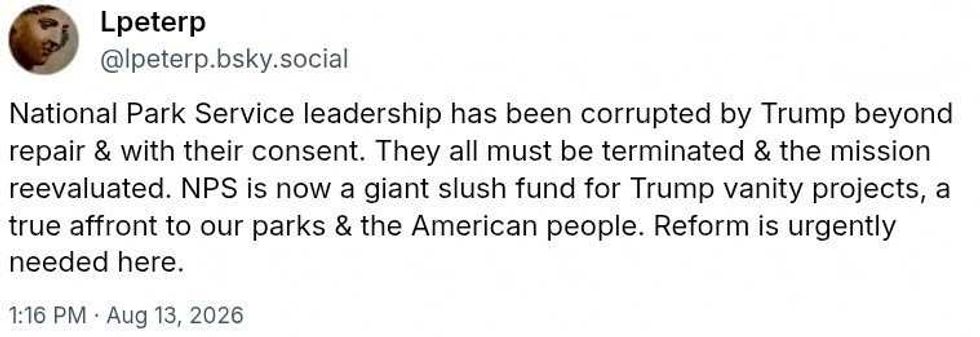 @lpeterp/Bluesky
 @FPWellman/X
 @bobsbeatgmail.com5/Threads