


Method acting has long been associated with actors who stay in character on and off set, but Anya Taylor-Joy thinks there's a reason women aren't often part of that conversation. Her explanation followed her being asked whether her own immersive approach to acting qualifies as method acting.
While method acting is often synonymous with performers remaining in character off set, its roots trace back to Russian theatre director and actor Konstantin Stanislavski, who developed techniques to help actors better understand their characters' motivations. Over the years, however, some performers have taken that level of immersion far beyond its original intent.
Asked whether she considers herself a method actor, Taylor-Joy had an interesting take:
"The way that I describe it, so like, if you'll notice, women don't method act because we have things to take care of. So we can't completely lose our minds."
And she isn't referring to simply staying in character. Think Jared Leto, who notoriously sent his Suicide Squad co-stars dead animals and used condoms because he believed the Joker "doesn't really respect things like personal space or boundaries."
Taylor-Joy sees that kind of immersion a bit differently:
"I see acting as kind of a controlled psychosis in a way. You're pretending to be somebody else and having their thoughts 16 hours a day and moving like them and in these, in their house, in their clothes…”
Rather than embracing the more headline-grabbing side of method acting, The Menu actress described it as stepping into another person's mindset while still keeping one foot in reality.
She continued:
“So there is an element of like, having a sister or a roommate check in here for a little bit. And I'm just very grateful that the people in my life understand that and know that."
Robert Pattinson is another actor who's spoken openly about taking that level of immersion to the extreme. Reflecting on filming The Lighthouse, he said playing a "psychotic" character gave him license to "be mad the whole time," later describing the shoot as so physically demanding that he was "basically unconscious" throughout much of it.
For Taylor-Joy, though, there's a difference between disappearing into a role and forgetting the people around you.
That's why Taylor-Joy said she relies on the people around her to help keep one foot in reality:
"Sometimes, if it gets a little bit out of hand, they'll call me by the character name, and they'll be like, 'Yo, this needs... We need to like... Yes. Check in again…'”
While she acknowledged that stepping into another person's mindset can be mentally demanding, Taylor-Joy said there's also a responsibility to everyone else on set.
She concluded:
"But yeah, I can't imagine keeping it up all the time because again, you're going to work with hundreds of people and it is your responsibility to be good to them and to help them do their best job. If you're too invested in being an a**hole, then that's not going to be very fun."
Watch Taylor-Joy's full Complex News interview below:
- YouTube @Complexnews
Taylor-Joy opened up about her new Apple TV+ series Lucky, discussing the challenge of portraying a morally complex con artist while keeping audiences invested in her journey. She also reflected on becoming an executive producer, balancing life after emotionally demanding roles, and everything from turning 30 to her love of Twilight and Harry Potter.
Here's what people had to say online after hearing Taylor-Joy's take on method acting:
Taylor-Joy isn't the first actress to question why the most extreme examples of method acting tend to be associated with men. Last year, Kristen Stewart drew praise after sharing a similar perspective while discussing Marlon Brando's approach to the craft.
Stewart weighed in on method acting:
"Performance is inherently vulnerable and therefore quite embarrassing and unmasculine. There's no bravado in suggesting that you're a mouthpiece for someone else's ideas. It's inherently submissive. Have you ever heard of a female actor that was method?"
Between Stewart's comments and Taylor-Joy's perspective, the conversation seems less about whether women method act and more about what audiences have come to associate with the term in the first place.



 Brendan Smialowski/AFP via Getty Images
 Brendan Smialowski/AFP via Getty Images
 Brendan Smialowski/AFP via Getty Images



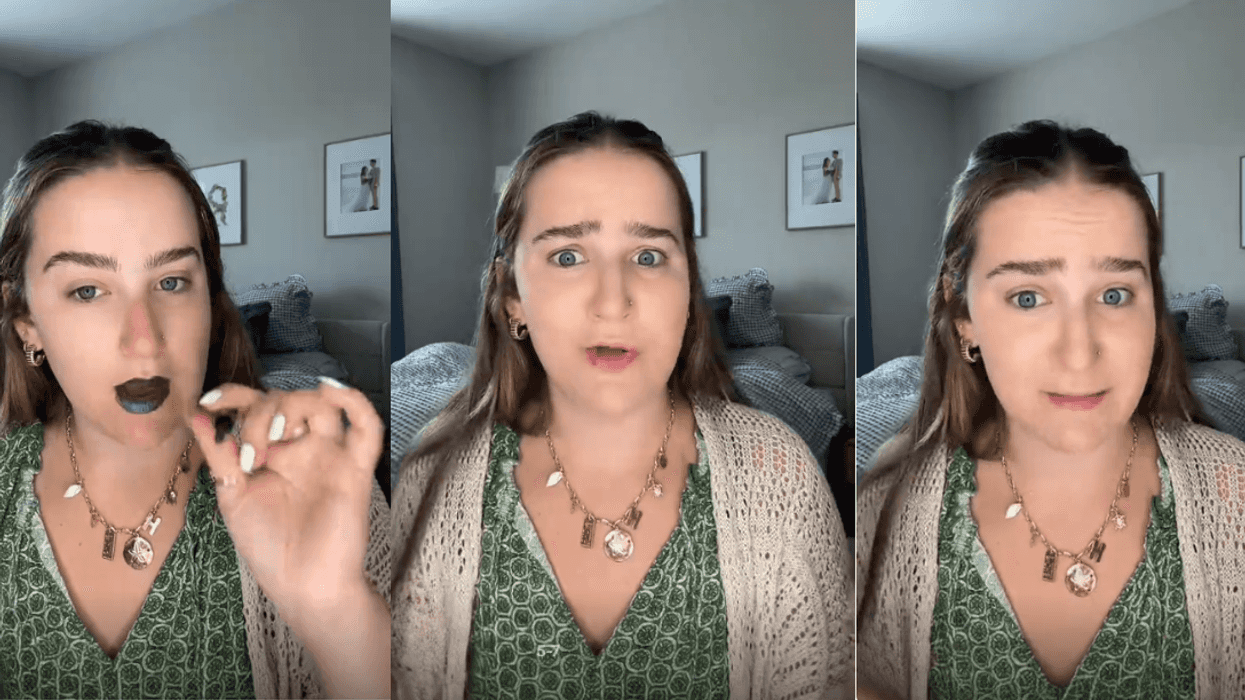
 @hannahhrevels/TikTok
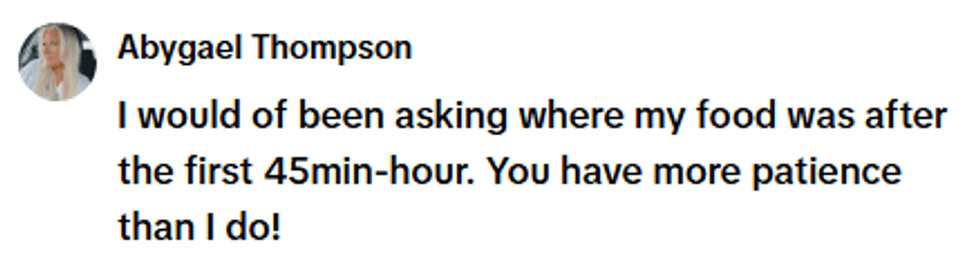 @hannahhrevels/TikTok
 @hannahhrevels/TikTok
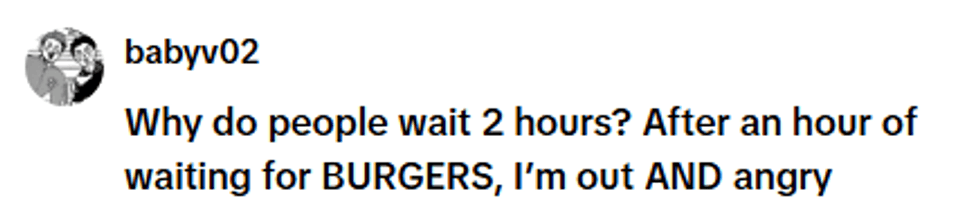 @hannahhrevels/TikTok
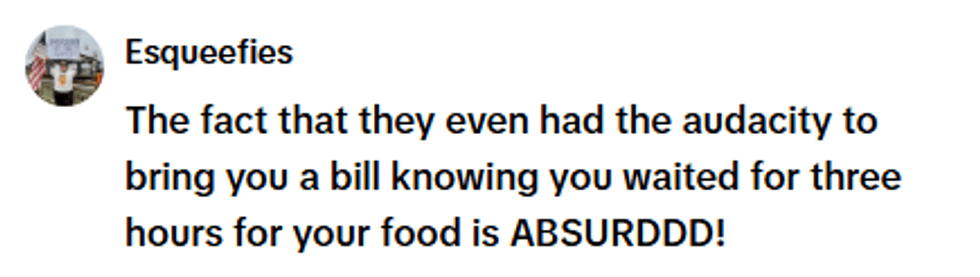 @hannahhrevels/TikTok
 @hannahhrevels/TikTok
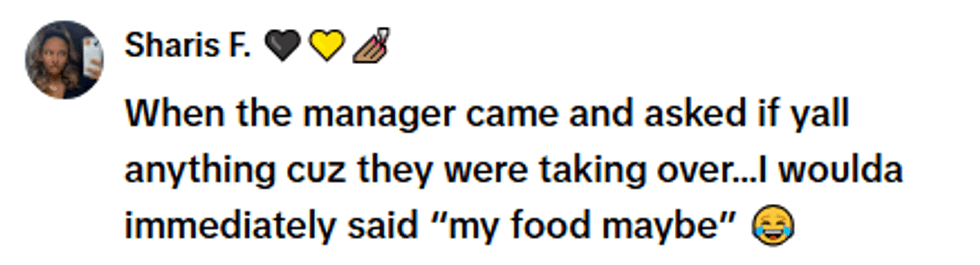 @hannahhrevels/TikTok
 @hannahhrevels/TikTok
 @hannahhrevels/TikTok
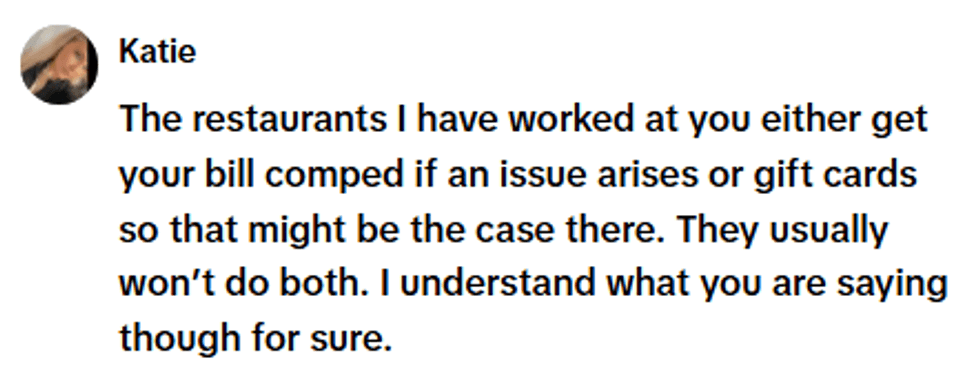 @hannahhrevels/TikTok
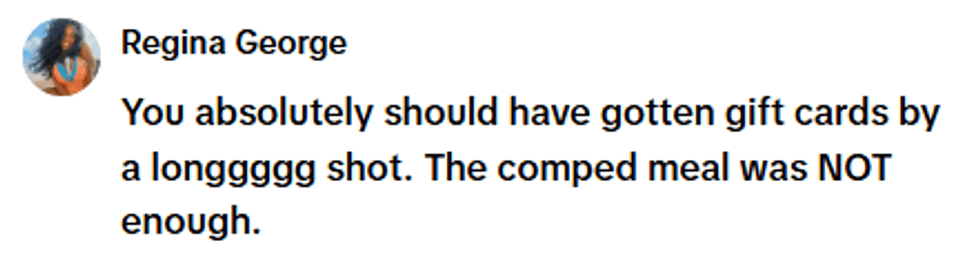 @hannahhrevels/TikTok
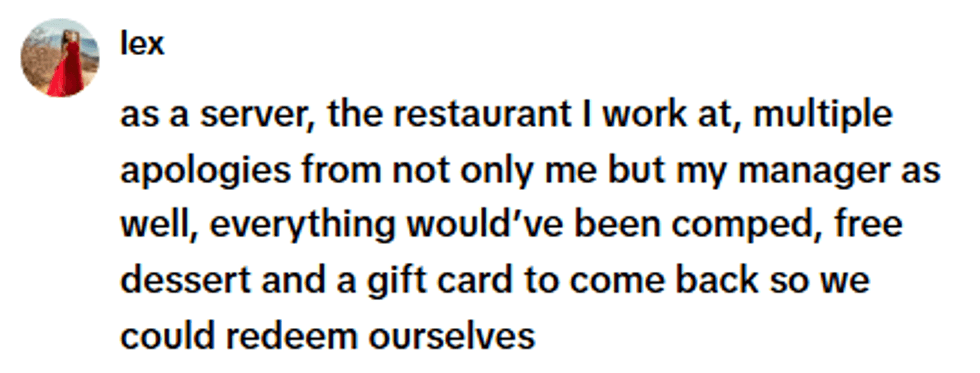 @hannahhrevels/TikTok
 @Raye455/X
 @JoJoFromJerz/X
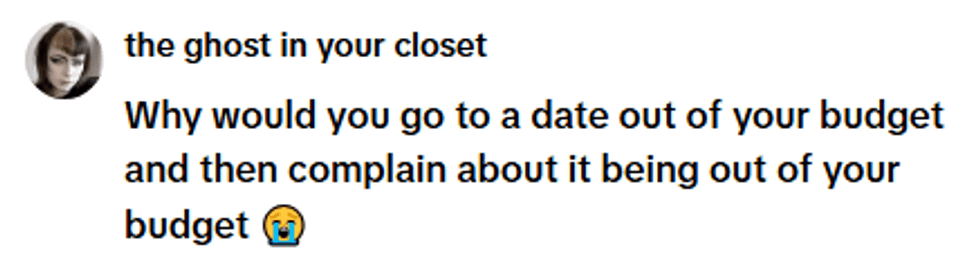 @phlynnmartin/TikTok
 @phlynnmartin/TikTok
 @phlynnmartin/TikTok
 @phlynnmartin/TikTok
 @phlynnmartin/TikTok
 @phlynnmartin/TikTok
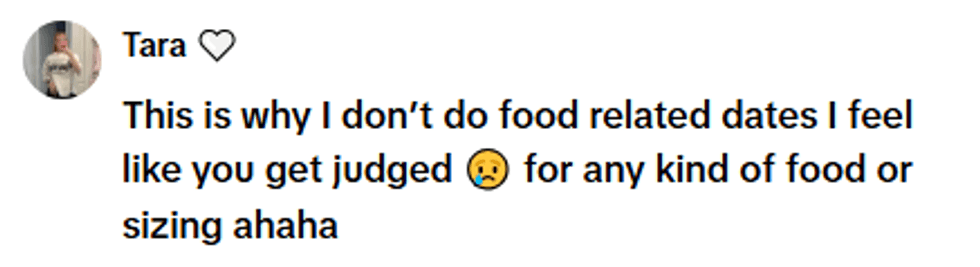 @phlynnmartin/TikTok
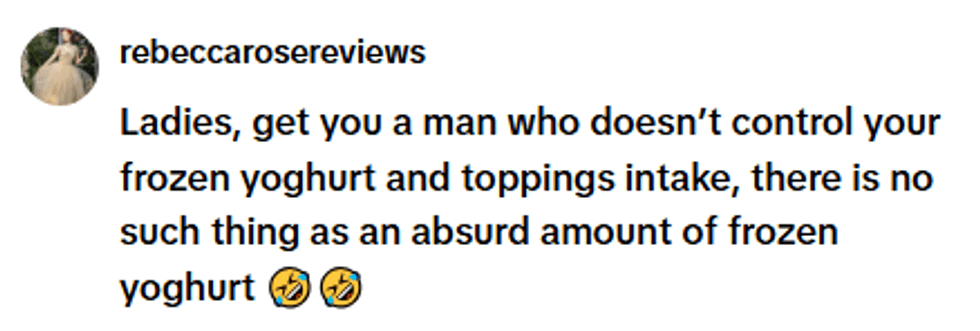 @phlynnmartin/TikTok
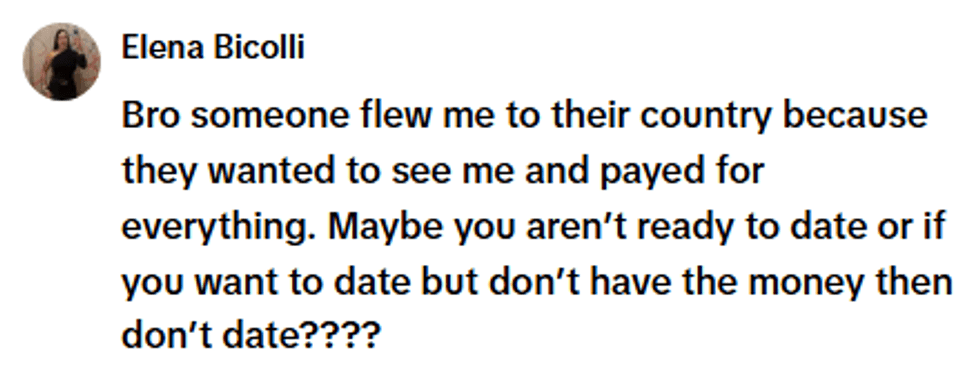 @phlynnmartin/TikTok
 @phlynnmartin/TikTok
 @phlynnmartin/TikTok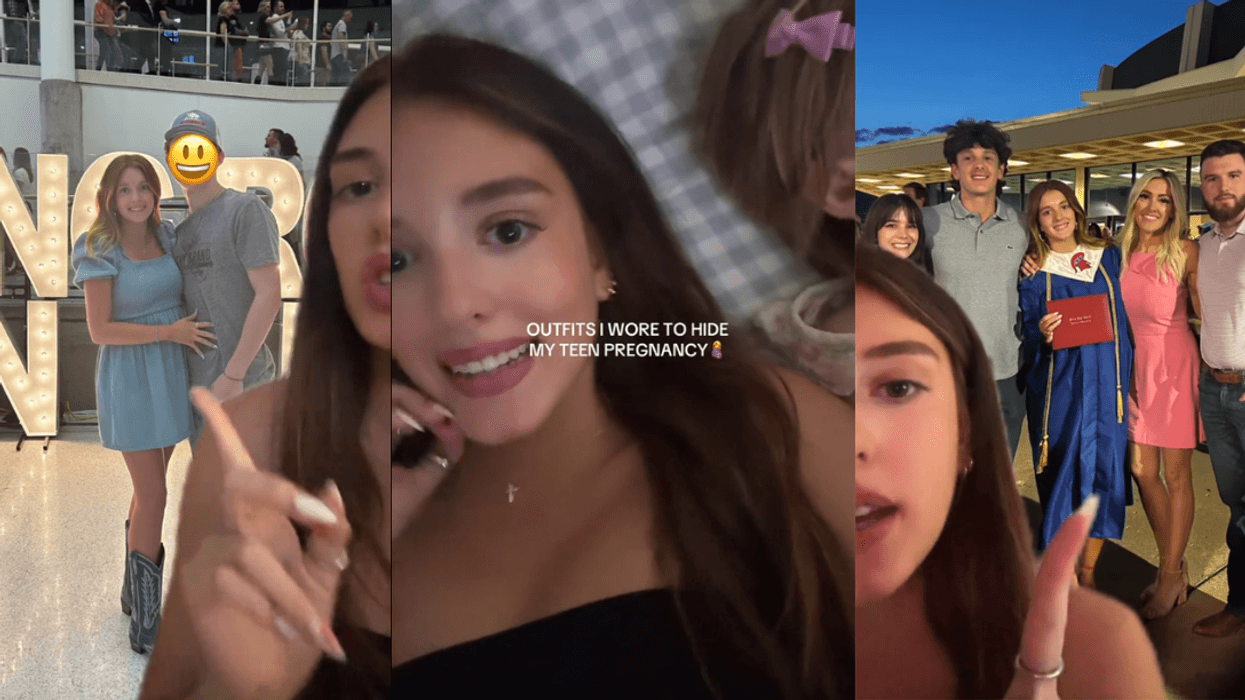
 @sailors.mama/TikTok
 @sailors.mama/TikTok
 @sailors.mama/TikTok
 @sailors.mama/TikTok
 @sailors.mama/TikTok
 @sailors.mama/TikTok
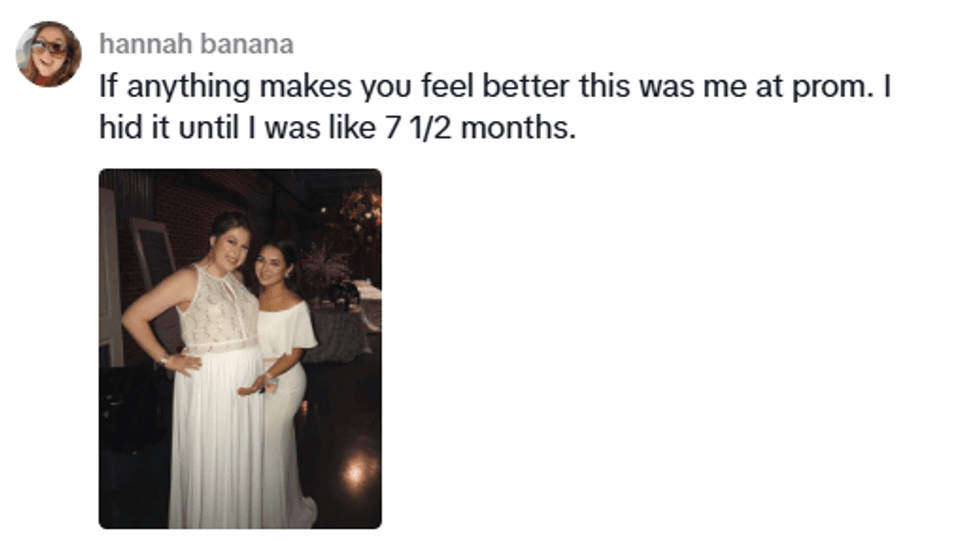 @sailors.mama/TikTok
 @sailors.mama/TikTok
 @sailors.mama/TikTok
 @sailors.mama/TikTok
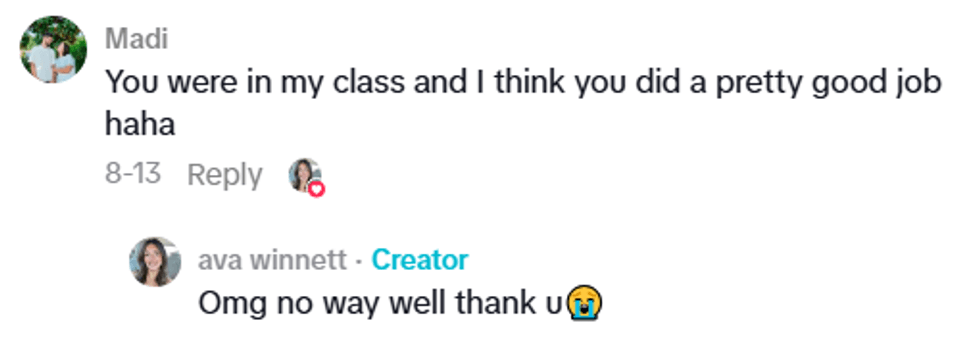 @sailors.mama/TikTok
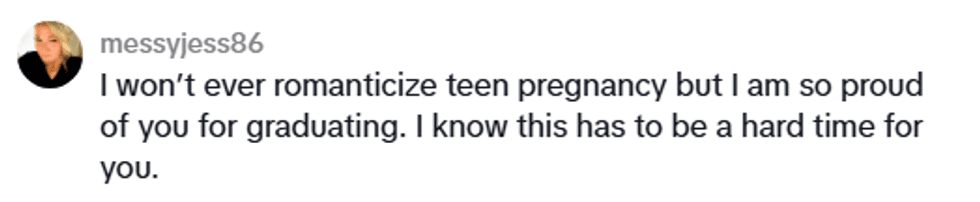 @sailors.mama/TikTok