
In every behind-the-scenes acting documentary, there’s always one guy eager to recount the time he took method acting “too far.”
The stories are lauded as part of a toxic and misogynistic Hollywood lore: Jared Leto allegedly terrorizing Suicide Squad castmates with Joker-inspired “gifts,” Daniel Day-Lewis insisting on being addressed as “Mr. President” on and off set filming Lincoln, and Christian Bale radically altering his body for The Machinist.
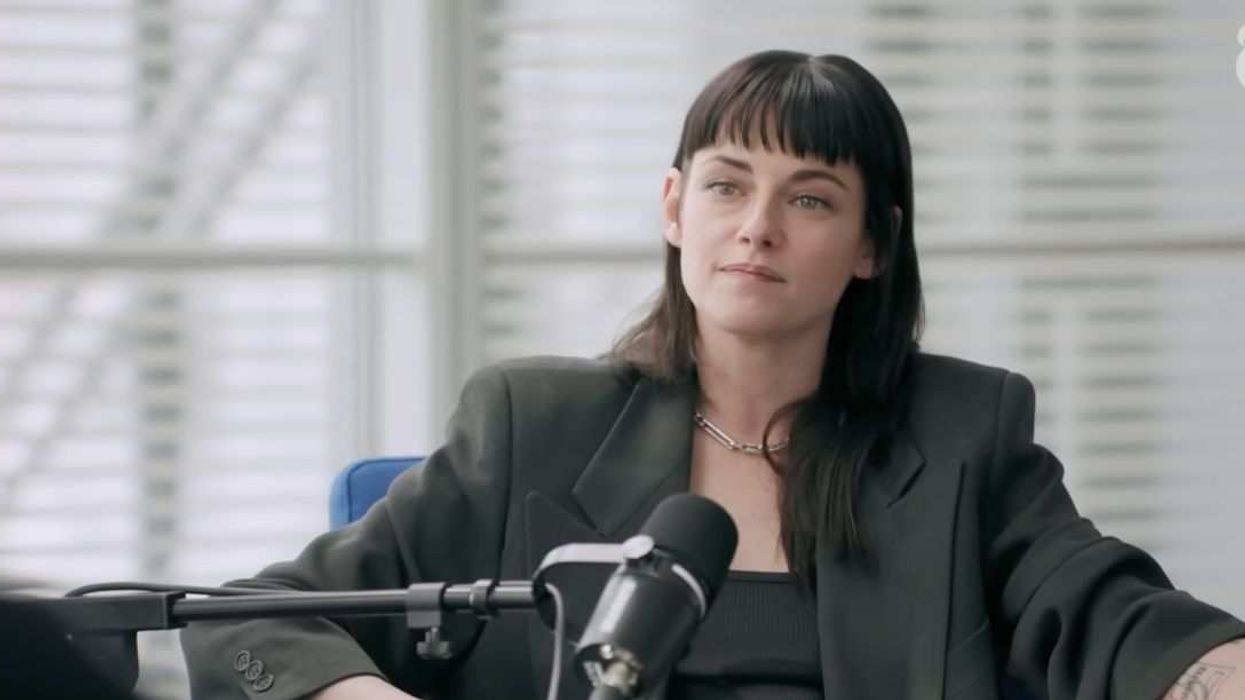
What started as a collection of acting school techniques aimed at enhancing emotional authenticity has, in some cases, turned into a strange masculinity ritual disguised as art. Kristen Stewart, whose career has included teenage superstardom, bold indie projects, and now directing, has watched this spectacle long enough to recognize which performers are making the most noise.
During a recent conversation with the New York Times, she was asked whether she related to Marlon Brando’s brand of method acting, including the infamous moment he insisted on pronouncing “Krypton” as “Kryp-tin” in Superman to maintain his sense of artistic independence during a movie he considered beneath him.
“Poor male actors. It must be so painful…”
Her sigh said the rest: men might be taking Method mythology just a little too seriously.
Method acting, of course, has a long and complicated history. The Method, developed by Konstantin Stanislavski and later reshaped by Lee Strasberg, was created to help actors connect with their own emotional impulses.
Stanislavski introduced his ideas beginning with My Life in Art in 1924, and the technique made its way to the United States through the Group Theatre and later the Actors Studio, founded in 1947.
Women were central to its evolution—Ellen Burstyn, Sally Field, Melissa Leo, Jane Fonda, Marilyn Monroe—yet the cultural image of “the Method actor” calcified around tortured men performing suffering like an emotionally cathartic Olympic event.
Asked about this disparity, Stewart offered her thesis:
“That kick-started so many things! Performance is inherently vulnerable and, therefore, quite embarrassing and unmasculine. There’s no bravado in suggesting that you’re a mouthpiece for someone else’s ideas. It’s inherently submissive. Have you ever heard of a female actor that was method?”
Well… sort of. Lady Gaga famously couldn’t shake Patrizia Reggiani while filming House of Gucci, prompting British Vogue to note she had “lost touch with reality.” Meryl Streep maintained her glacial Miranda Priestly shell throughout The Devil Wears Prada, and she regretted it immediately.
Streep later admitted the experiment cured her of any lingering Method curiosity:
“It was horrible! I was [miserable] in my trailer… That’s the last time I ever attempted a method thing!”
Natalie Portman has put it more bluntly: method acting is a “luxury that women can’t afford.”
Stewart distilled that double standard:
“Men are aggrandized for retaining self. Brando sounds like a hero, doesn’t he? If a woman did that, it would be different.”
Translation: a man disappears into a role; a woman “needs to calm down.”
It’s not that Stewart dismisses the emotional labor of acting. She just argues that much of the “method mystique” revolves around shielding men from the vulnerability of performance.
She explained:
“There’s a common act that happens before the acting happens on set: If they can protrude out of the vulnerability and feel like a gorilla pounding their chest before they cry on camera, it’s a little less embarrassing. It also makes it seem like a magic trick, like it is so impossible to do what you’re doing that nobody else could do it.”
This, she says, is a habit reinforced by decades of flattening female actors into caricatures—emotional, unstable, “crazy”—while male actors get lionized (and awarded) for refusing to break character long enough to say hello.
Stewart recalled bringing this up to another actor:
“As soon as I said ‘male actor, female actor,’ the reaction was like, Do not mention the elephant in the room. And he goes, ‘Oh, actresses are crazy.’”
You can watch that exchange at the 14:20 mark:
- YouTubeThe Interview | A Podcast From the New York Times
Yet Stewart is hardly stuck in critique mode these days. Flash forward to 2025, and she has fully stepped into her next creative chapter. After coming out publicly in 2017 and marrying screenwriter Dylan Meyer this year, she’s become both a millennial queer icon and a filmmaker redefining what stories she wants to tell.
Social media lit up with agreement, many noting that Stewart had neatly summarized decades of gendered double standards when it comes to “Method Acting” in a single eye-roll.
Her first full-length feature as a director, The Chronology of Water, is now in select theaters. An adaptation of Lidia Yuknavitch’s memoir, the film stars Imogen Poots as a competitive swimmer navigating trauma, desire, and self-invention. It’s raw, visually daring, and emotionally unguarded, qualities Stewart clearly values but doesn’t feel obliged to package in macho mythology.
As she put it:
“If you want to know anything about me, if you want to have a continued conversation, you have to watch my movie first… it would be like you wanted to hang out with me.”
You can watch the trailer below:
- YouTubeThe Forge
As Hollywood continues to applaud men who starve themselves, storm around set, and call it “authenticity,” Stewart’s interview cuts through the noise: acting is built on vulnerability, not drywall damage or berating a production assistant mid-monologue.
And maybe, just maybe, women deserve the same benefit of the doubt.




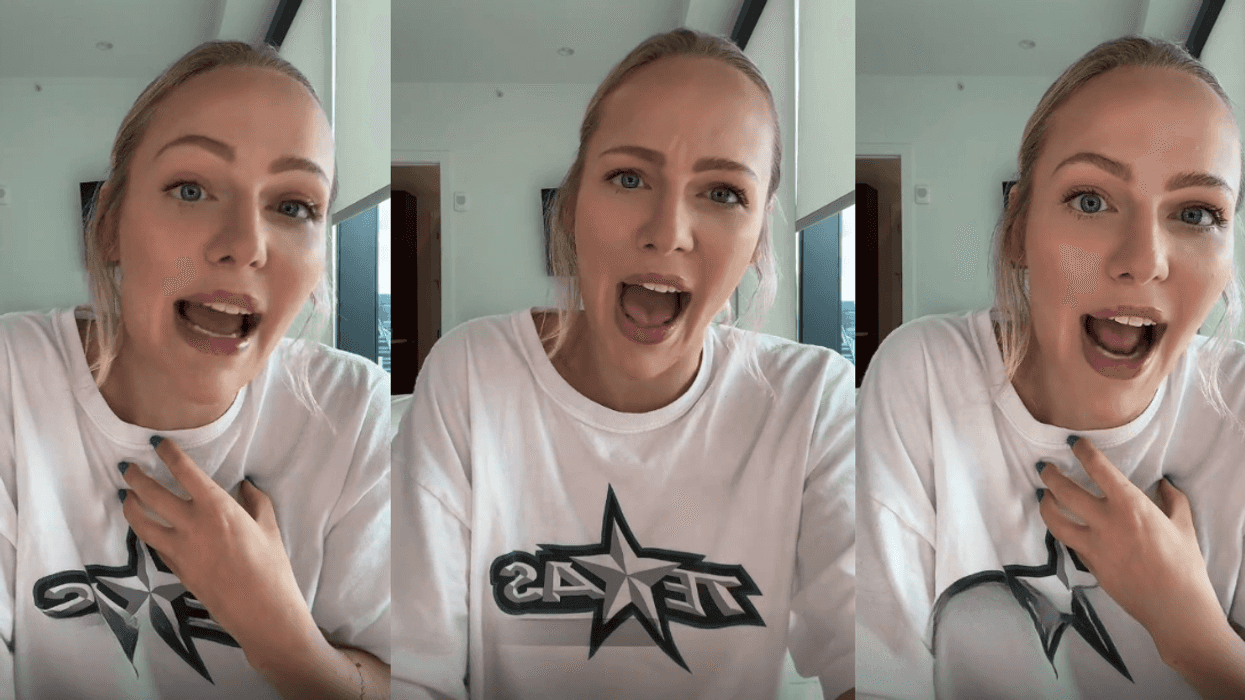
 @kelsgordon/TikTok
 @kelsgordon/TikTok
 @kelsgordon/TikTok
 @kelsgordon/TikTok
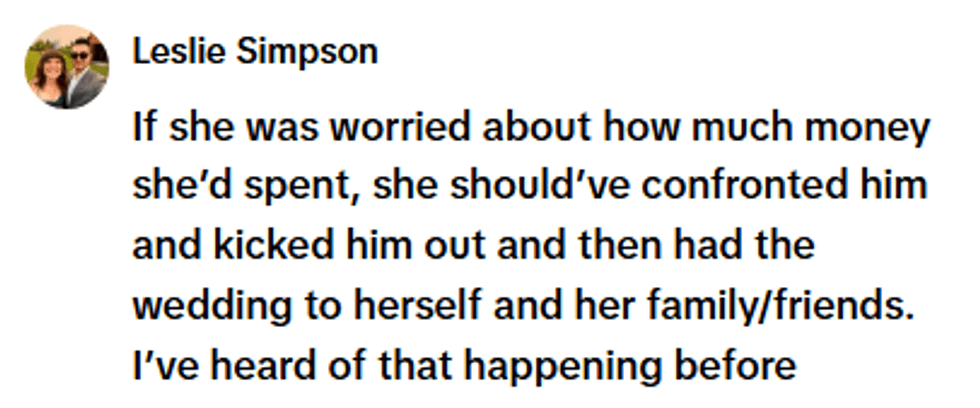 @kelsgordon/TikTok
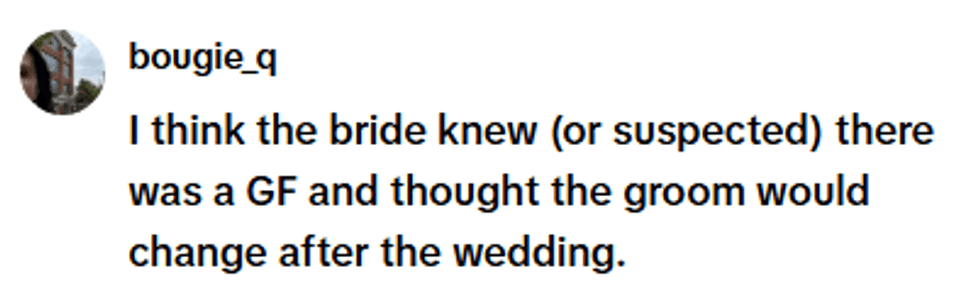 @kelsgordon/TikTok
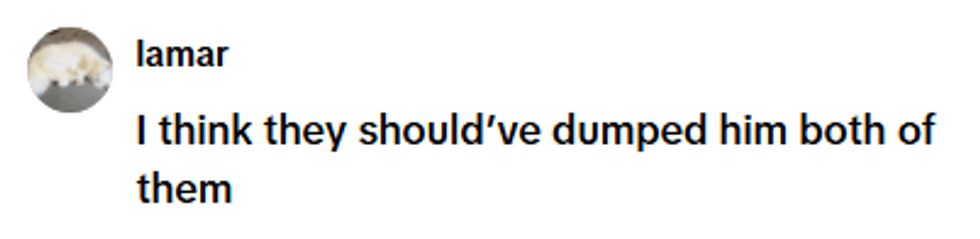 @kelsgordon/TikTok
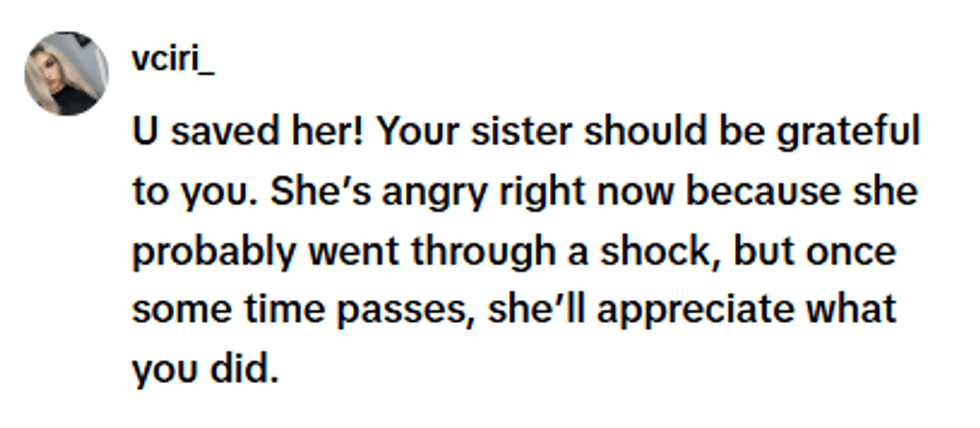 @kelsgordon/TikTok
 @kelsgordon/TikTok
 @kelsgordon/TikTok
 @kelsgordon/TikTok
 @maddieogle10/TikTok
 @maddieogle10/TikTok
 @maddieogle10/TikTok
 @maddieogle10/TikTok
 @maddieogle10/TikTok
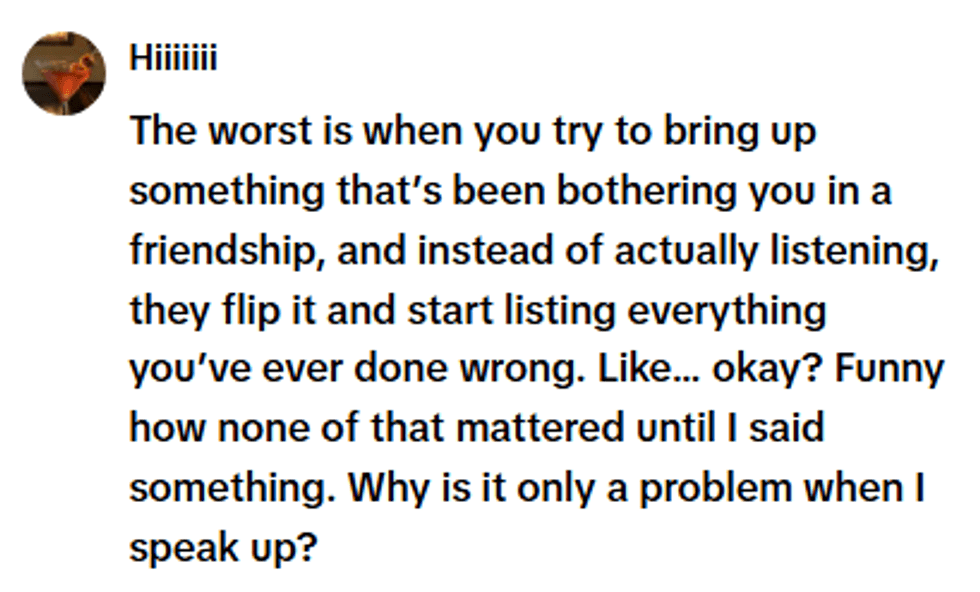 @maddieogle10/TikTok
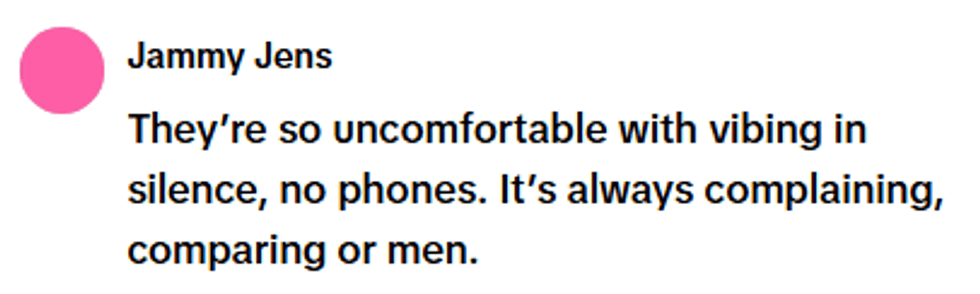 @maddieogle10/TikTok
 @maddieogle10/TikTok
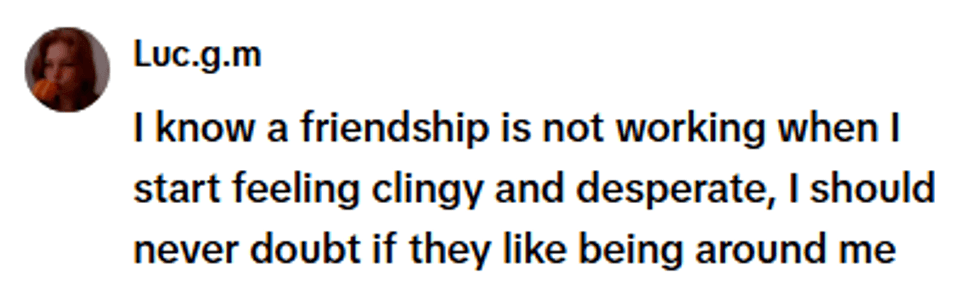 @maddieogle10/TikTok
 @maddieogle10/TikTok
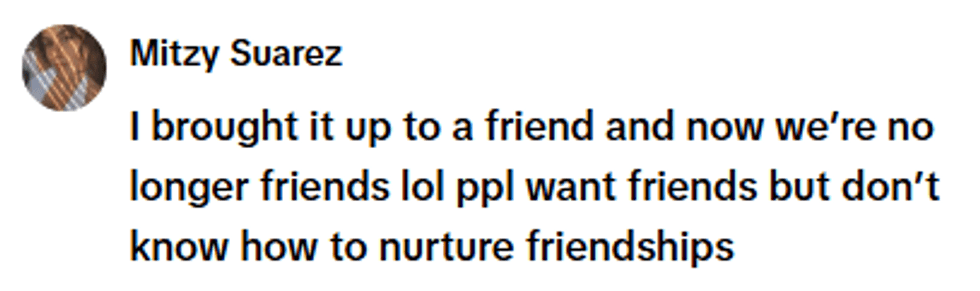 @maddieogle10/TikTok