
If it feels like TV seasons are getting shorter, it’s because they are—and audiences have been side-eyeing the shift for years.
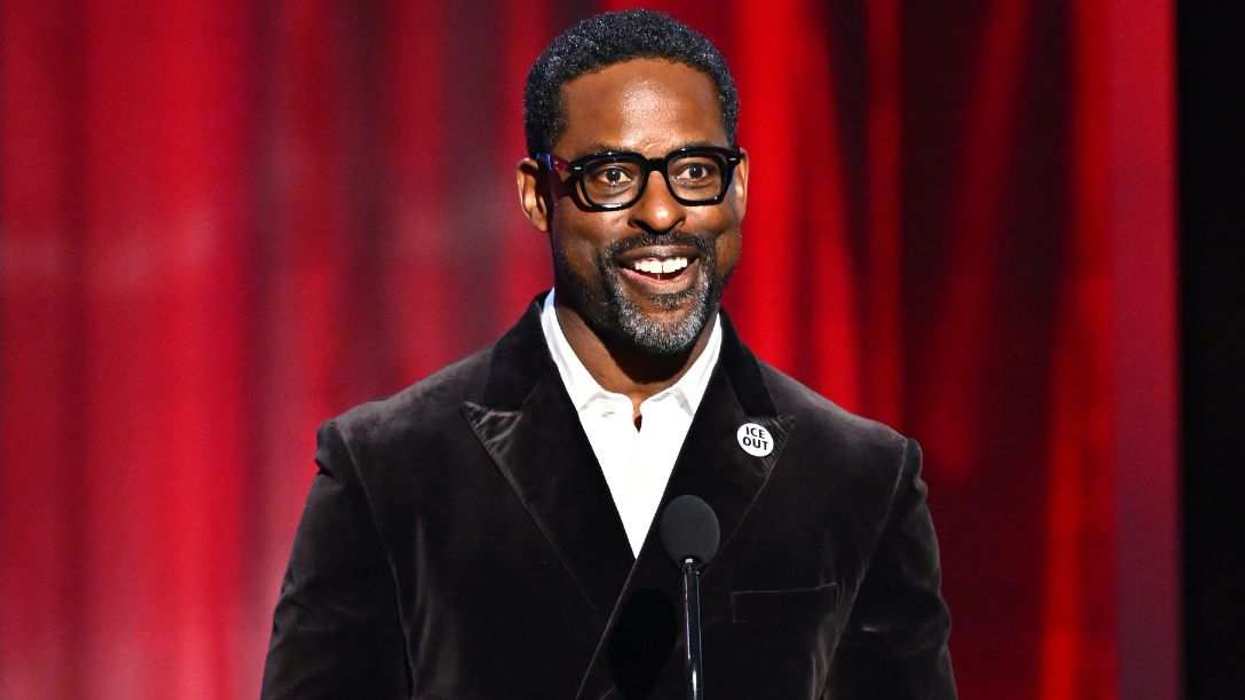
Now, Sterling K. Brown is stepping in with a clear-eyed breakdown of why fewer episodes have become the new normal.
In a recent Instagram comment, the three-time Emmy Award winner, known for This Is Us and The Marvelous Mrs. Maisel, offered an explanation for why episode counts have shrunk across both cable and streaming.
The conversation picked up around Season 2 of Paradise, which premiered on February 23 with just eight episodes. When Hulu confirmed the finale would air March 30—only weeks after its debut—fans were quick to push back, questioning why seasons now feel over almost as soon as they begin
One frustrated viewer reacting to Paradise’s shortened season:
"Ugh… 8 episodes are so short… it's too difficult to see the word 'finale' knowing that we are already HALFWAY THROUGH season 2 & we've only just begun!! 😫😫😫😫 I'll take what I can get though, it's just so good!!!!!"
That frustration reflects a broader shift. The once-standard 22-episode season has largely been replaced by tighter runs, often landing between six and 10 episodes—a change driven less by creativity and more by how television is now financed.
But Brown offered an explanation on the key difference between network and streaming models:
"Cable and streamers don't make money on more episodes, but network does. Network is all about advertisers. The more shows you have, the more ads you can run, the more money you make."
That’s the whole shift. Network TV needed more episodes to sell more ads. Streaming doesn’t—it needs new shows to keep subscribers hooked.
So instead of 22 episodes, you get eight. Higher budgets, tighter storytelling, faster drop-offs.
And while that cuts the filler, it also means less breathing room and a whole lot more waiting.
Brown addressed how platforms define success in this new TV watching landscape:
"Premium cable and streamers make their money off subscribers. So it's not about how many shows do you have. It's about how many new shows do you have that make people wanna subscribe to your platform."
The strategy is already visible across major releases. Bridgerton has maintained eight-episode seasons, sometimes split into multiple parts. HBO’s A Knight of the Seven Kingdoms debuted with six episodes, while Apple TV+’s Pluribus ran for nine.
Meanwhile, network comedies like Abbott Elementary continue to produce longer seasons, reflecting a system still built around weekly programming and syndication.
Ultimately, the divide is about business incentives. And unless those incentives shift, shorter seasons are likely here to stay.
Brown weighed in on whether audiences tuning in can influence that model:
“So if they did more episodes, they don't necessary get new subscribers. But if they come with something that's new and shiny that's makes people say 'ooooo I wanna see that, then they're building their subscriber base."
"The only thing that could change it is if fans actually stop subscribing and mandate that these platforms make longer seasons, but I don't think that's gonna happen."
You can view his comment here:
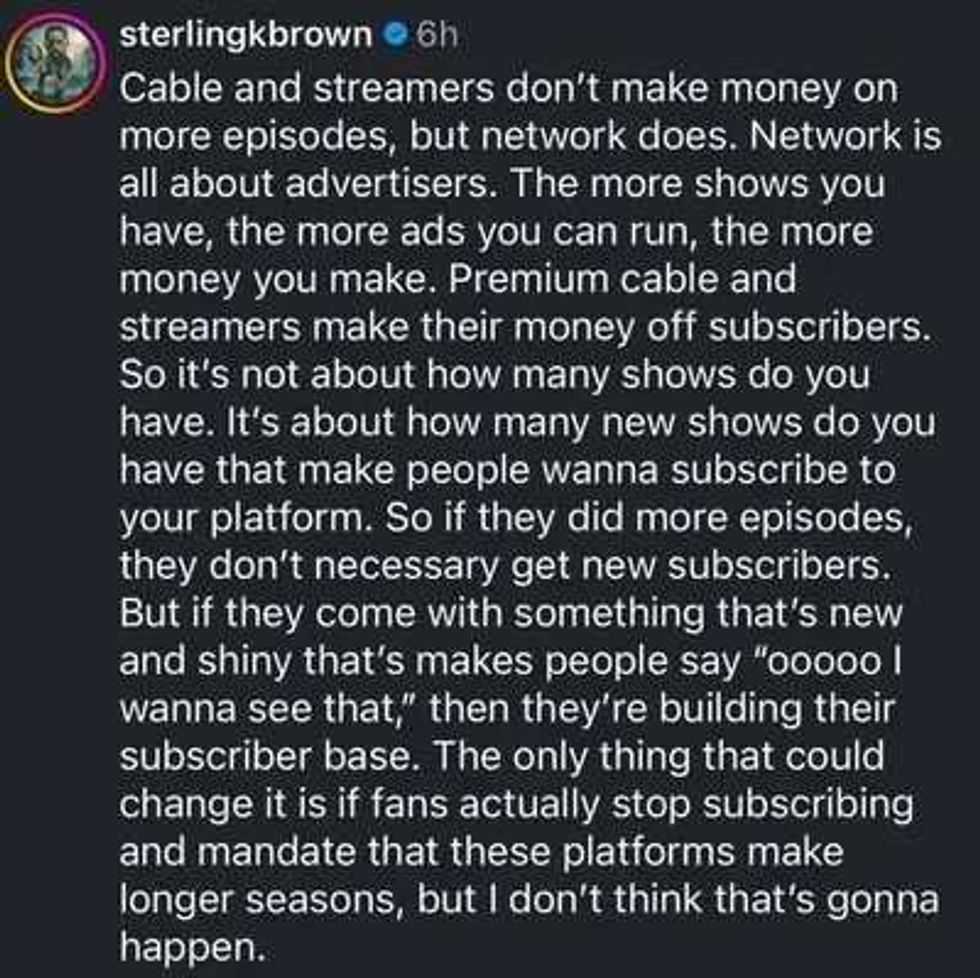 @sterlingkbrown/Instagram
Brown’s comments have since gone viral, reigniting debate around whether “quality over quantity” actually satisfies viewers, or simply reframes what they’ve come to expect.
As for Paradise, the series has already been renewed for a third and reportedly final season, continuing creator Dan Fogelman’s planned arc, further underscoring how tightly structured modern streaming shows have become.
The internet didn’t exactly disagree, but that didn’t stop viewers from voicing frustration over a model they feel prioritizes churn over consistency.
Brown is stepping into his 50th birthday with a comedy roast planned by his wife, actor Ryan Michelle Bathé, pulling in friends and collaborators from This Is Us, Paradise, and beyond.
Comedian and The Daily Show host Josh Johnson offered his own take with a toast to the roast:
Daily Show/YouTube
Brown’s wife also appeared in Season 2 of Paradise as Stacy, a mentor to Jane, played by Nicole Brydon Bloom, with her storyline unfolding through flashbacks, in an approach that mirrors the shorter, more strategic season structures Brown says are driven by today’s subscriber-first model.












 @kelsgordon/TikTok
 @kelsgordon/TikTok
 @kelsgordon/TikTok
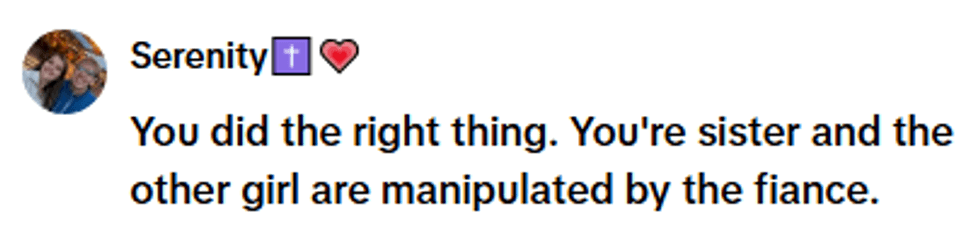 @kelsgordon/TikTok
 @kelsgordon/TikTok
 @kelsgordon/TikTok
 @kelsgordon/TikTok
 @kelsgordon/TikTok
 @kelsgordon/TikTok
 @kelsgordon/TikTok
 @kelsgordon/TikTok