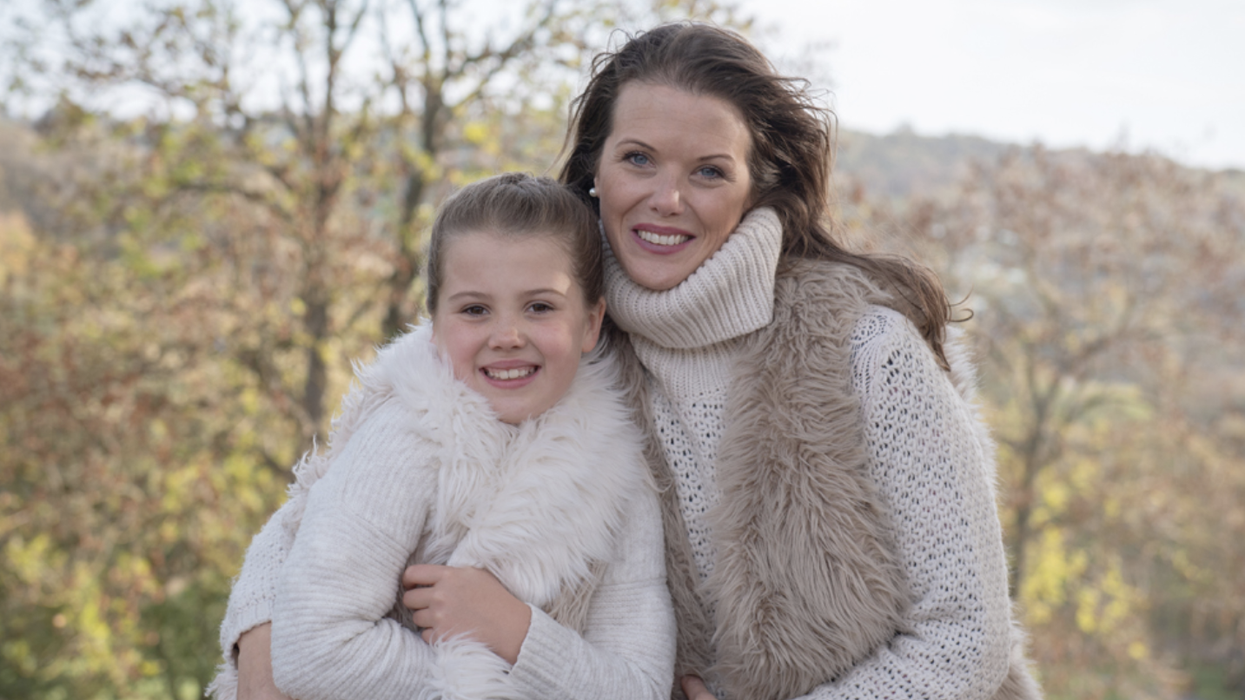

A breast care nurse with a form of cancer so rare that only three cases are diagnosed annually per million people in England is marking her 40th birthday by fundraising for the hospital that has saved her life four times in a decade.
Just 24 when she was told that scarring on her right fallopian tube could make conceiving difficult, when Charlotte Ward, 39, fell pregnant she was elated—only for a sonographer at Halifax's Calderdale Royal Hospital to detect a cyst on her right ovary at an early seven week scan.
By 22 weeks, the growth was so big that surgeons had no option but to remove the ovary and the fallopian tube—an operation which, in itself, posed considerable risk to the expectant mother and her unborn child.
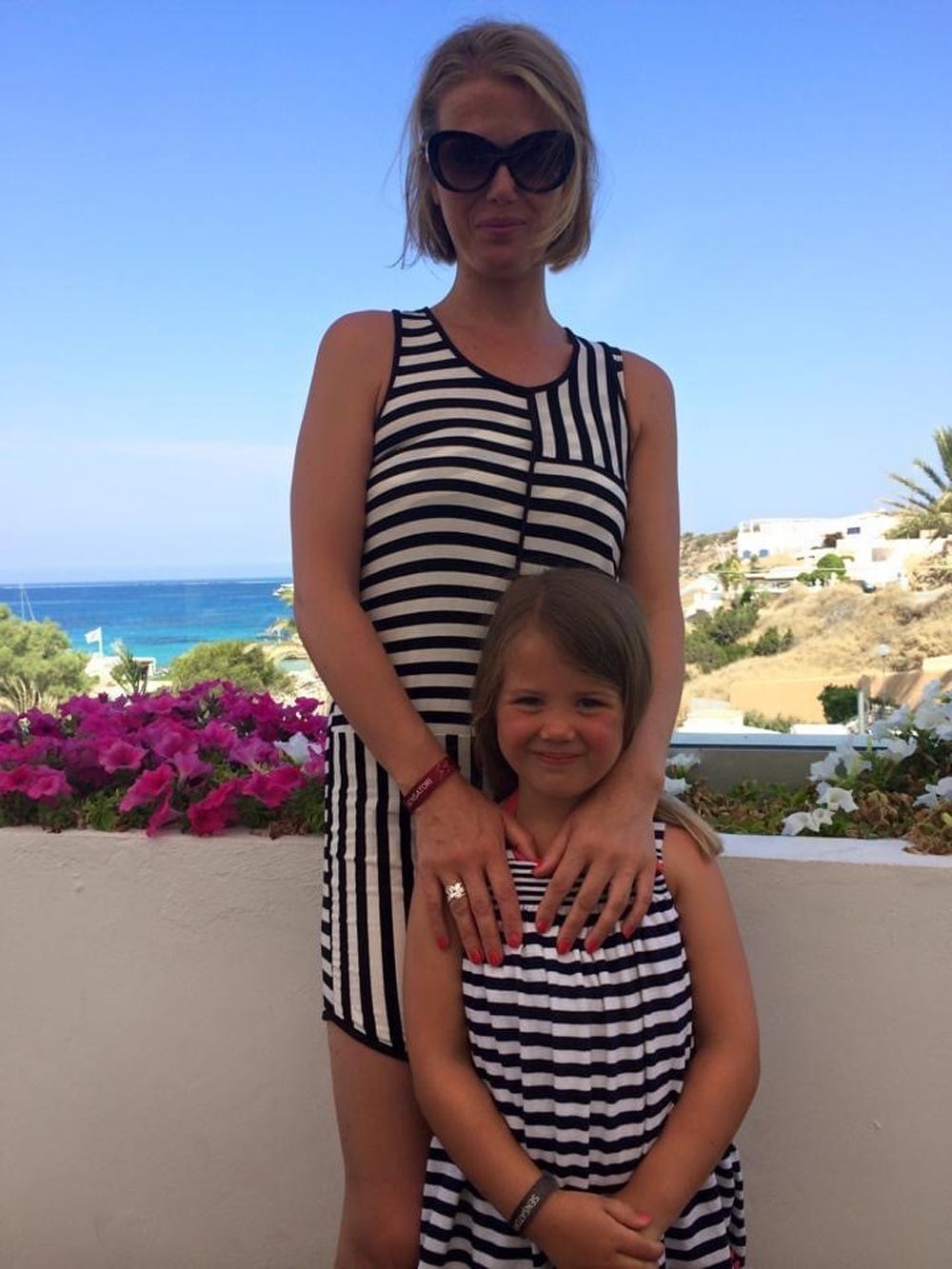
Fortunately, surgery was successful and Isabella was born naturally on March 8, 2010, weighing 7lb 8oz, at the same West Yorkshire hospital.
But, just eight weeks later following a CT scan, Charlotte was diagnosed with pseudomyxoma peritionei (PMP) which, according to cancer charity Macmillan, is a rare form of cancer that starts in the appendix and spreads into the peritoneum – the serous membrane lining the cavity of the abdomen and covering the abdominal organs.
Charlotte, of Lightcliffe, West Yorkshire, who split up with her daughter's dad when she was two, said:
“I could tell there was something wrong because the consultant, who was always so friendly, struggled to look me in the eye and couldn't look at Isabella. He said, 'I'm really sorry, it's not the news we were expecting. It's shown further spread to your ovaries, liver and stomach'."
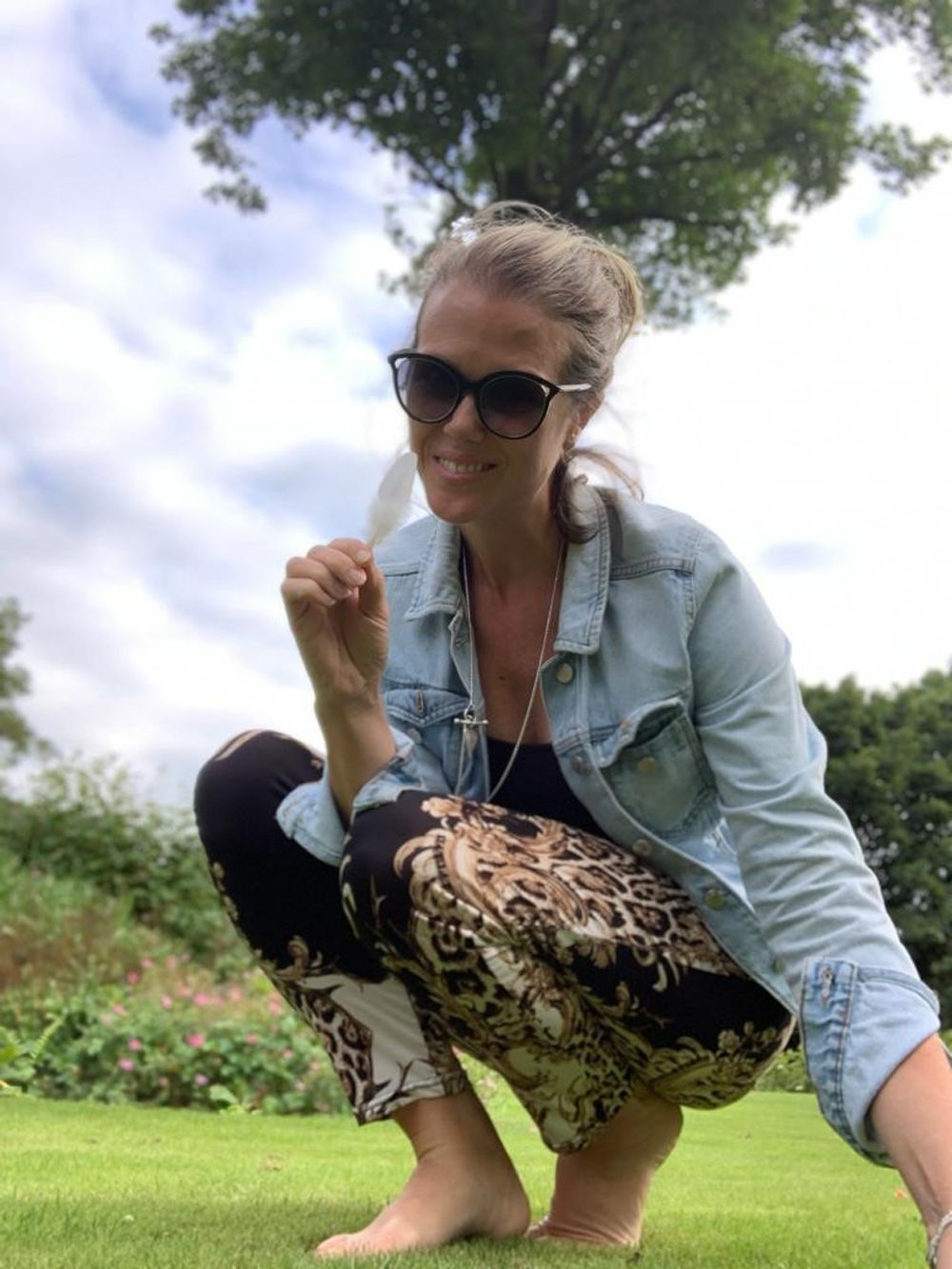
She continued:
“I've heard people say you go into shock and can't retain the information you're being told. I could not bear to look at my mum or partner, or Isabella. I just closed my eyes and hoped that if I did that, I wouldn't have to take this information in."
“The specialist told me I would need a total hysterectomy. I was 29 at the time, but my concern was whether I would live to see Isabella grow up, rather than if I'd have more children."
“The preservation of life was more important. I wanted to be there for her."
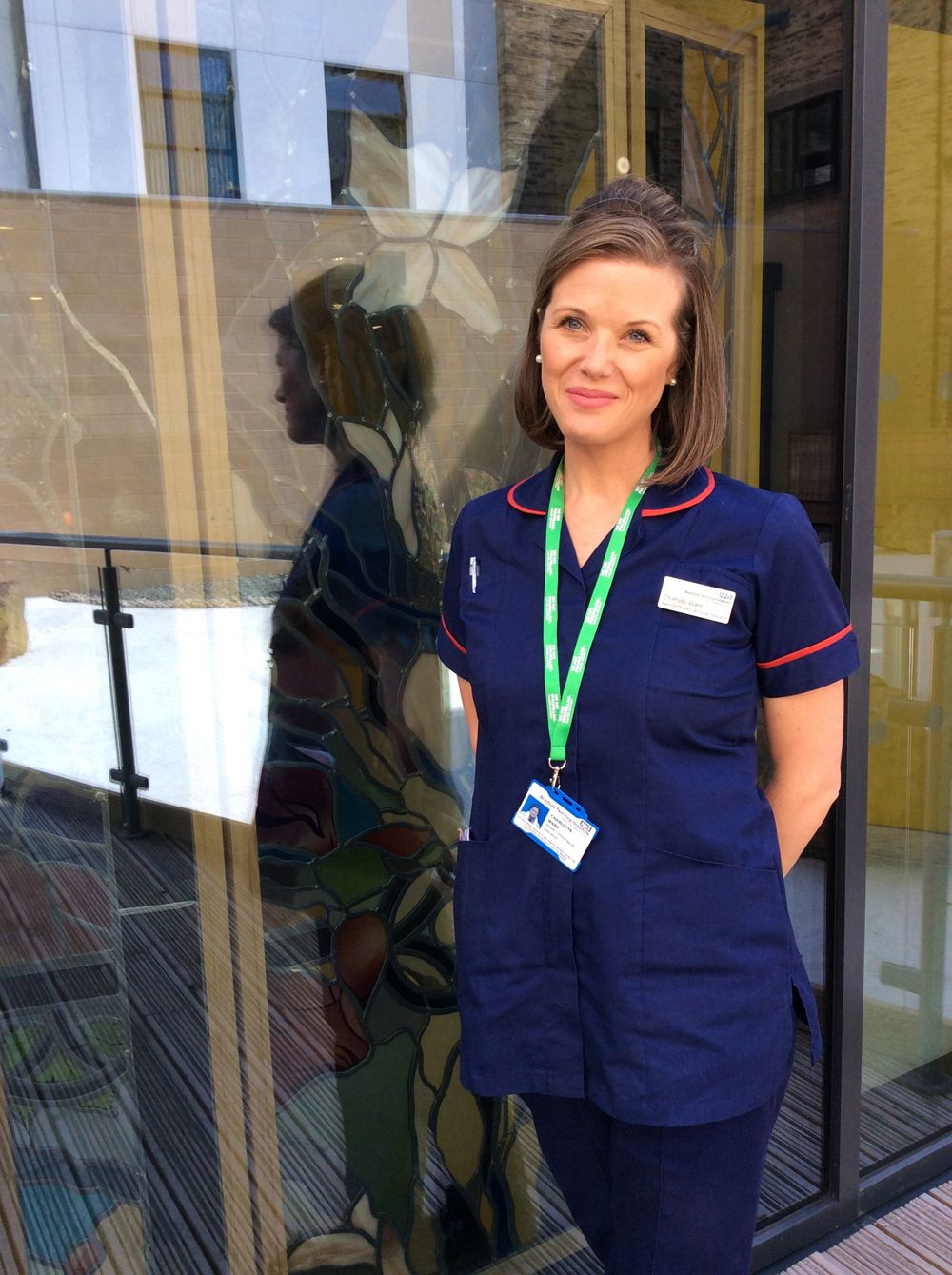
She added:
“I had this overwhelming sense of guilt, at bringing her into the world and then thinking that I may end up leaving her. I couldn't look at her without crying."
“She was my source of strength and my weakness at the same time. It was sheer torment and torture."
Despite experiencing abdominal pain throughout her teens and occasionally seeing the doctor, Charlotte was never diagnosed with anything more serious than irritable bowel syndrome.
Her first real health shock came when she was 24, after seeing a gynecologist, when tests revealed she had scarring on her right fallopian tube, which she was told would make it difficult to conceive.
Then an air hostess, Charlotte said:
“This was devastating for me. I'd never been a big career person. Family was going to be the most important thing for me, so when I got that news, the bottom dropped out of my world."
“It meant I had a massive rethink and switched to nursing as a career."

To her surprise, during her second year of training, she and her then boyfriend discovered they were expecting Isabella—although their delight was tempered when an early scan at seven weeks detected something unusual on her right ovary and in her abdomen.
“I had been so elated to find out I was pregnant, I was on an all time high, then I heard this bombshell."
“The sonographer said it was something she had never seen before, then a scan showed it was an ovarian cyst—about six centimeters in length. The doctors said it was nothing to worry about unless it grew to 10cm—but, by my 20 week scan, it was 12cm and they were concerned about the blood flow to the mass, so they had to operate—removing my right ovary and fallopian tube."
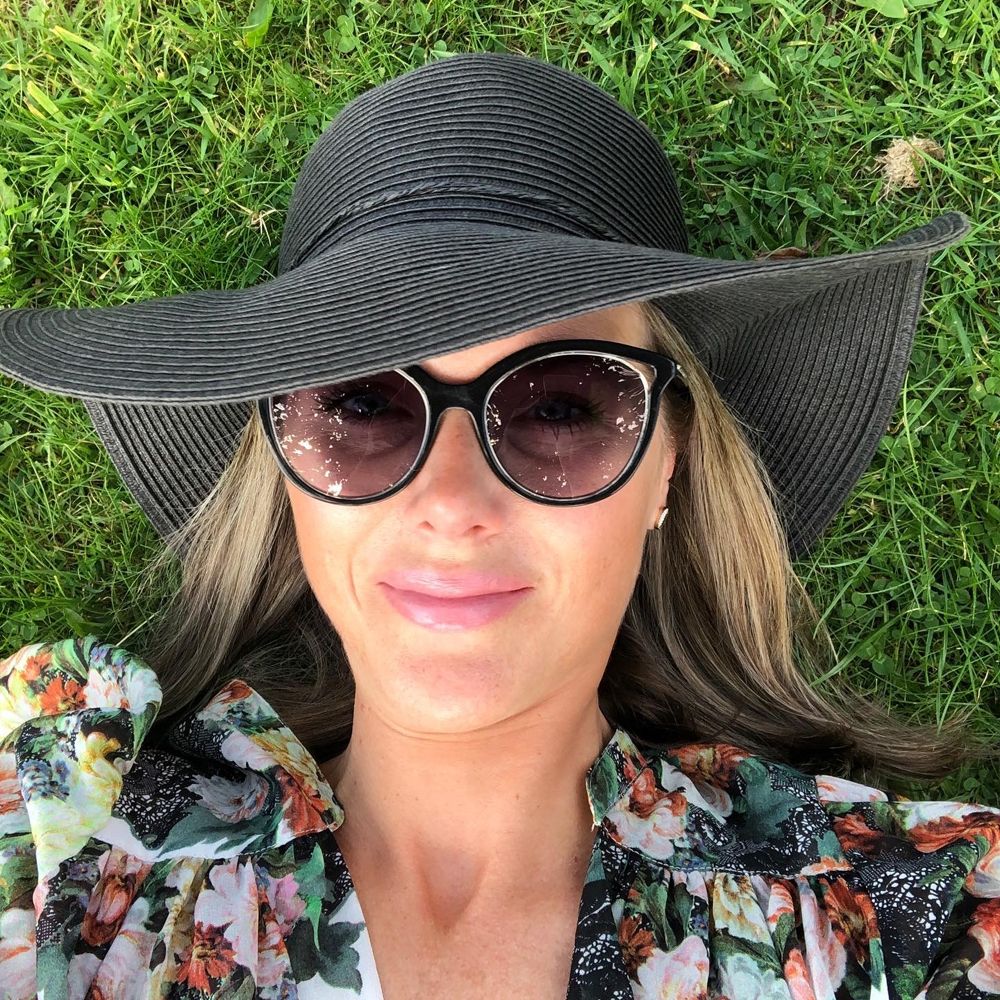
Charlotte then faced a terrifying wait, as her first ultrasound following surgery failed to detect her baby's heartbeat.
She recalled:
“I had an agonizing wait overnight for them to do another one the next day. I was thinking, 'That's it, me and my baby are dying'."
But, at the second ultrasound, the baby's heartbeat was loud and clear, while the results of a biopsy on the tumor were 'borderline'—neither confirming it was something sinister, nor that it was benign.
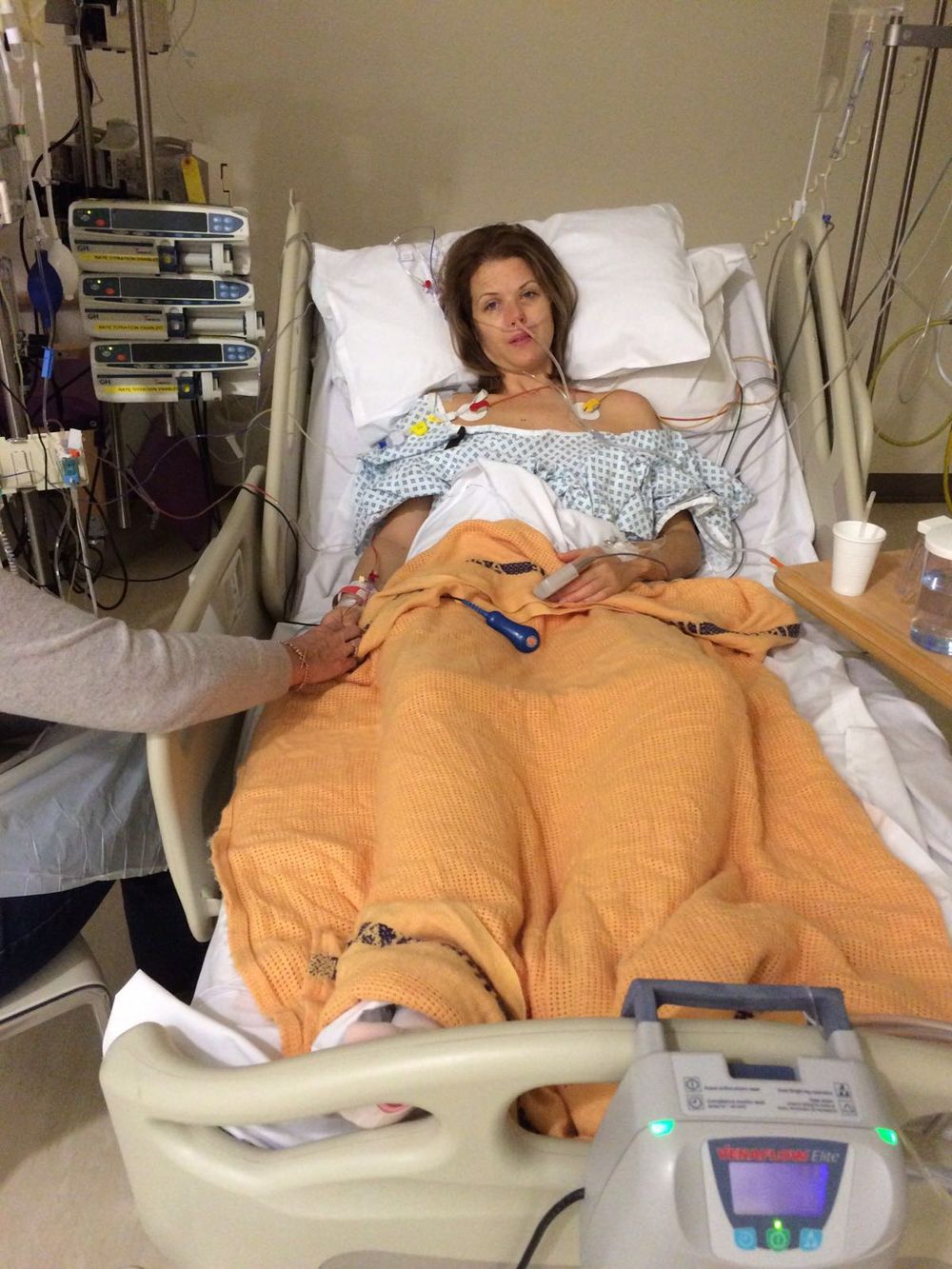
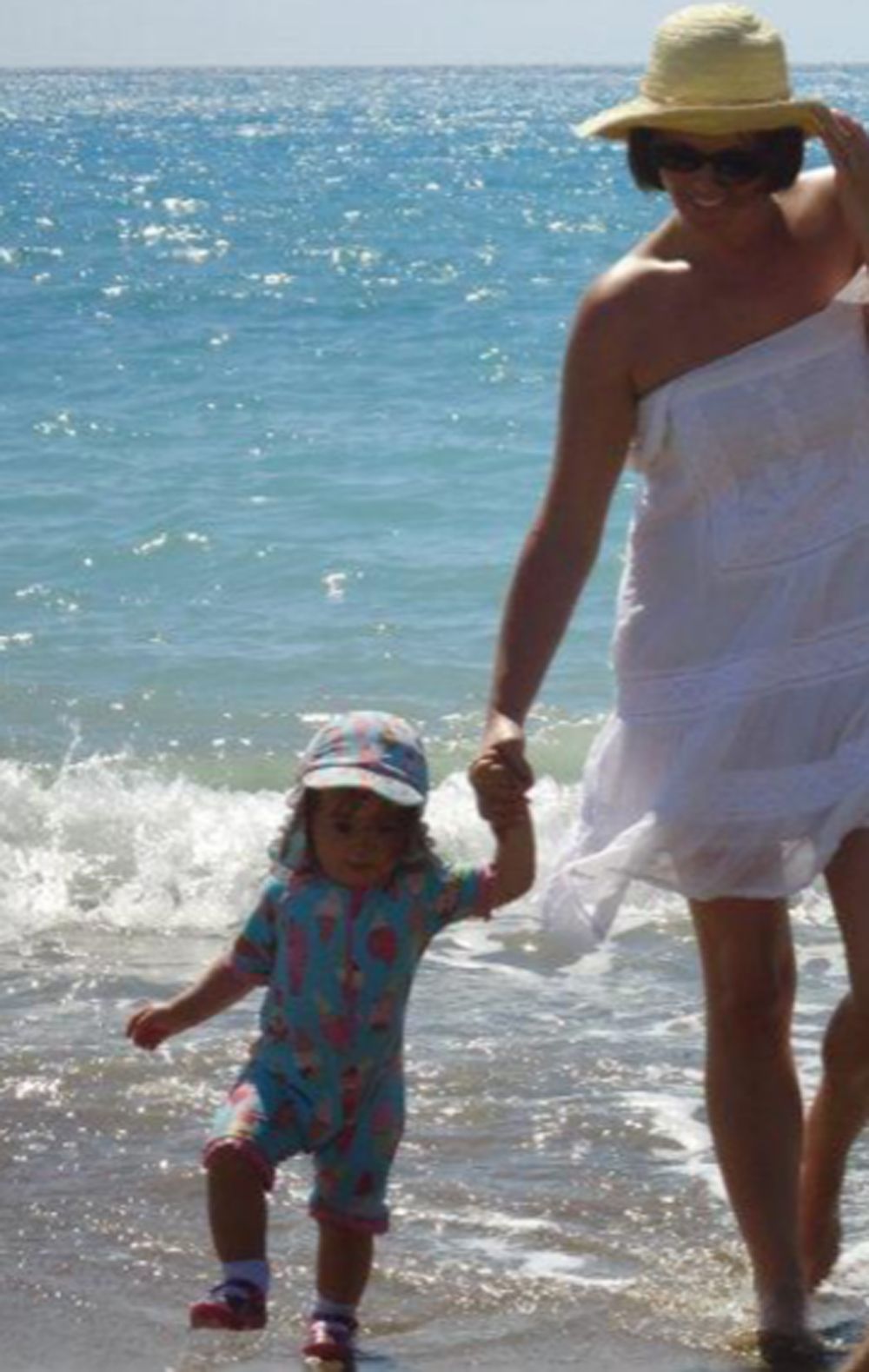
Putting her own health to the back of her mind, Charlotte concentrated on her pregnancy—welcoming Isabella to the world on March 8, 2010.
“She was just gorgeous and the main thing is that she survived and was unaffected. It had been a bumpy ride, but I couldn't have been happier."
Next came the earth shattering moment eight weeks later, when Charlotte discovered she had cancer.
Due to the rareness of PMP and the treatment required, she was referred to Manchester's specialist cancer hospital, The Christie, in May 2010, and has been under their care ever since.
According to research published in June in the leading cancer journal, the Annals of Surgical Oncology, there are only 3.2 new cases per million people in England each year, while one in every 45.000 people in Europe is currently living with the condition.
She needed cytoreductive surgery with hyperthermic intraperitoneal chemotherapy (HIPEC) which, according to Macmillan, aims to remove as much of the cancer as possible, before washing the peritoneal space with a heated chemotherapy liquid.
Only offered at The Christie and The Basingstoke and North Hampshire Hospital in the UK, the operation can last up to 15 hours and requires a stay in the intensive care unit afterwards, as part of up to three weeks recovering in hospital.
Booked in for what ended up being her first of four HIPEC procedures in September 2012, Charlotte said:
“It's brutal surgery, really grueling, you are tube fed for 10 days afterwards and it takes about three months to get back on your feet again."
“I know some people who have had it once will not go through it again. It's very tough, but it's life giving."

Scanned every six months subsequently, sadly, the cancer kept returning and Charlotte had the operation again in 2014, 2016 and most recently in March, just as lockdown came into force.
She said:
“There was a lot of trauma this time around, because I'd said goodbye to Isabella, booked the time off work and then got to the hospital and it was cancelled. Thankfully, it went ahead a couple of days later."
“I've also got a stoma now. It's permanent and has taken some adjusting to, but I want to live for as long as possible and if it helps to give me life, I will go with it."
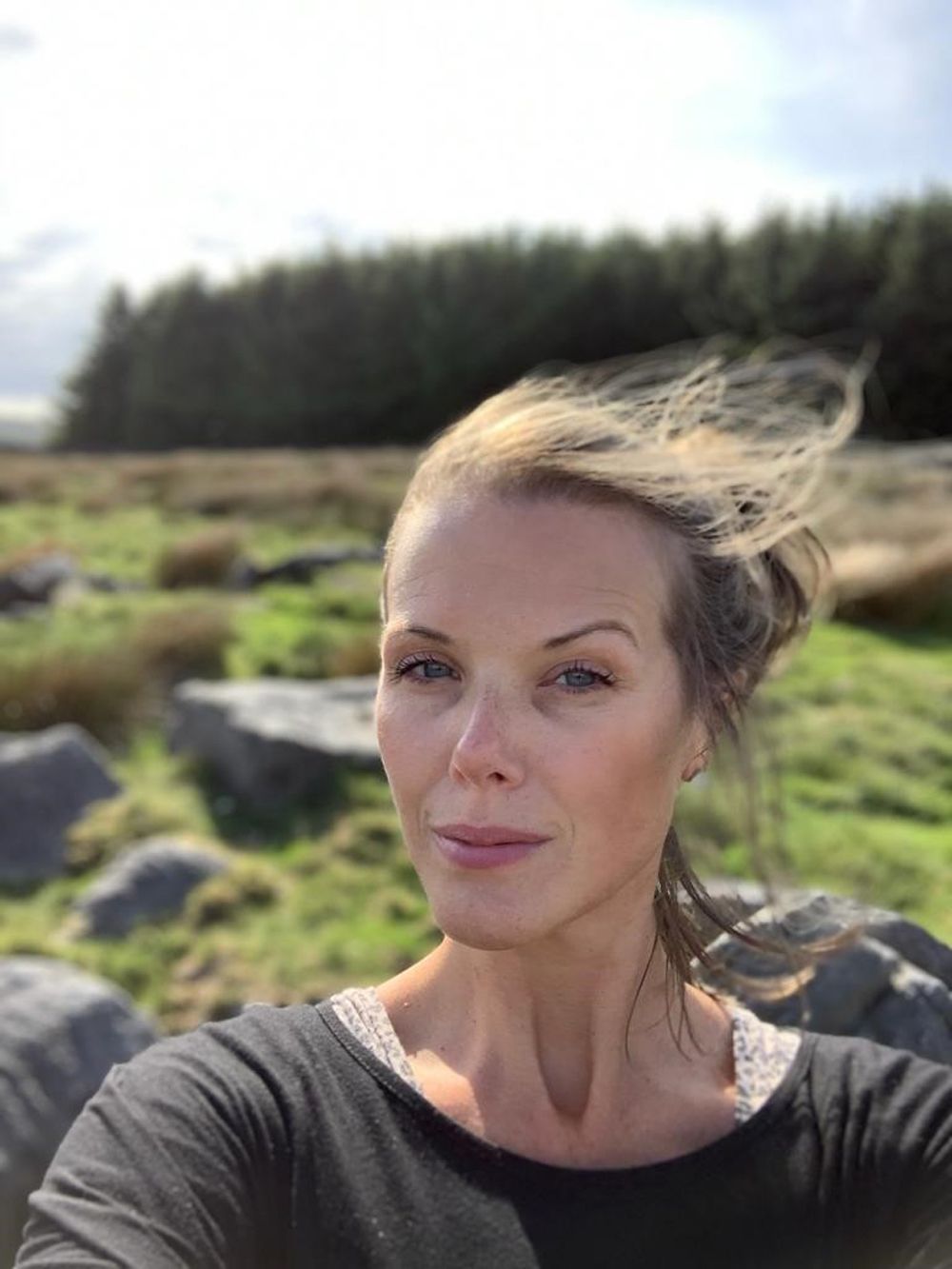
Charlotte explained:
“I was in hospital for two weeks and was not allowed any visitors because of [the pandemic]."
“I haven't been back to work since, because I'm classed as vulnerable. It is a worry as a single parent, because my sick pay will halve soon. There's a lot of pressure on top of everything else."
“It was a real battle to recover, too. Isabella was at home, so I was trying to home school and my energy levels were very low."
Taking each day as it comes, Charlotte, a devout Christian, is able to live a mostly healthy life thanks to the treatment, and she refuses to worry about things beyond her control.
She said:
“When doctors told me back in 2016 I would need the operation for a third time, I remember thinking, 'I can't do this.' My energy just drained from head to toe, but I thought, 'I've got to try and fight. I've done it twice before, I can do it again'."
“While I was worrying I was missing out on life and I don't want this disease to rob me of my time with Isabella."
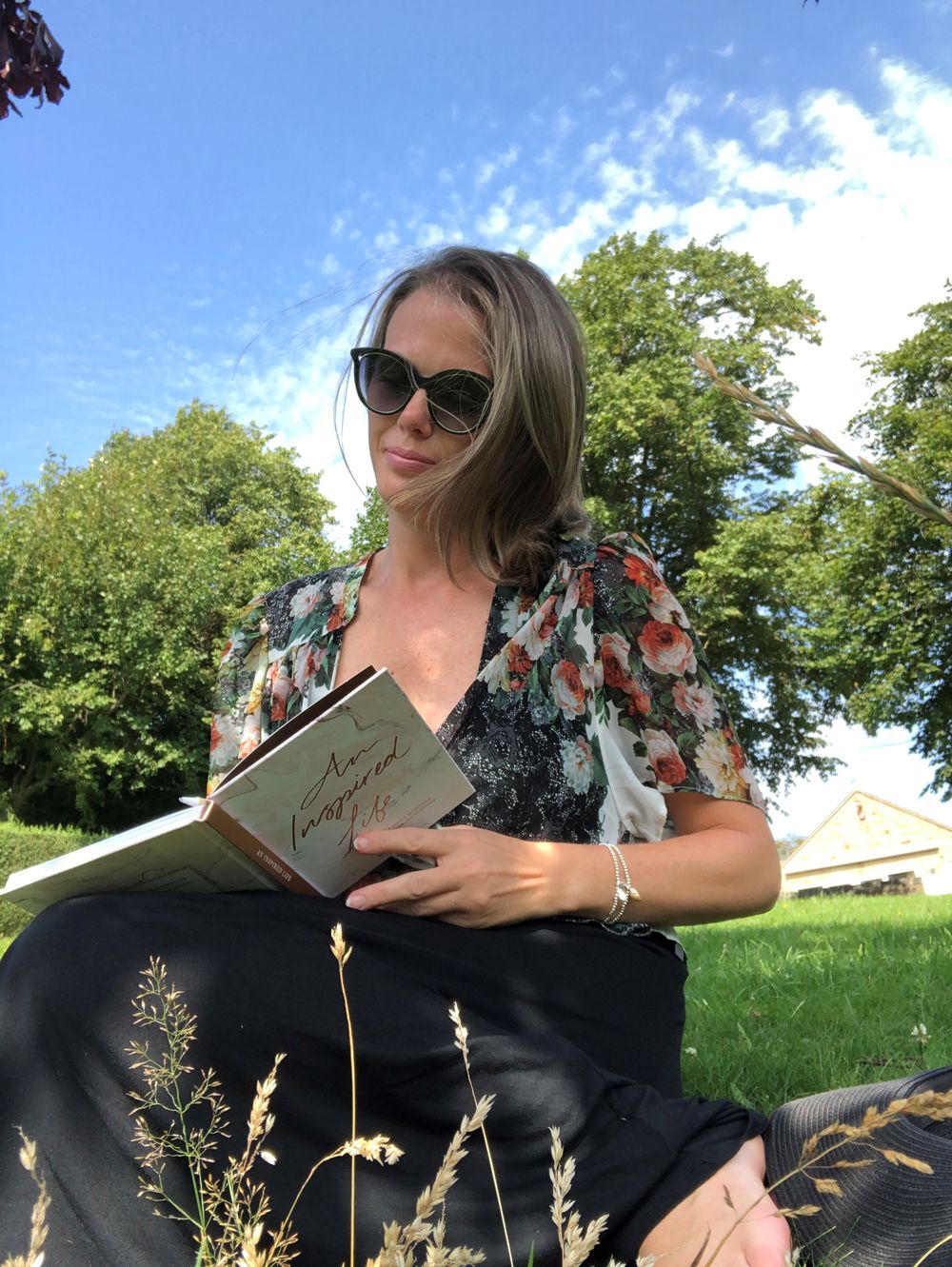
She said:
“Instead, I want to show that you can turn your pain into a purpose. Whatever impossibility you are facing, there is always a possibility."
“I don't say the C word to Isabella, as it is classed as a 'low grade' cancer, but I tell her it's something that needs treating in my tummy. For as long as they tell me there are things they can do for me, that's the most important thing for her to know."
Despite all her trials and tribulations, Charlotte is determined to show her appreciation to the staff at The Christie, who have saved her life four times in the last decade and had planned to hold a charity ball for them to mark her 40th birthday on August 21.
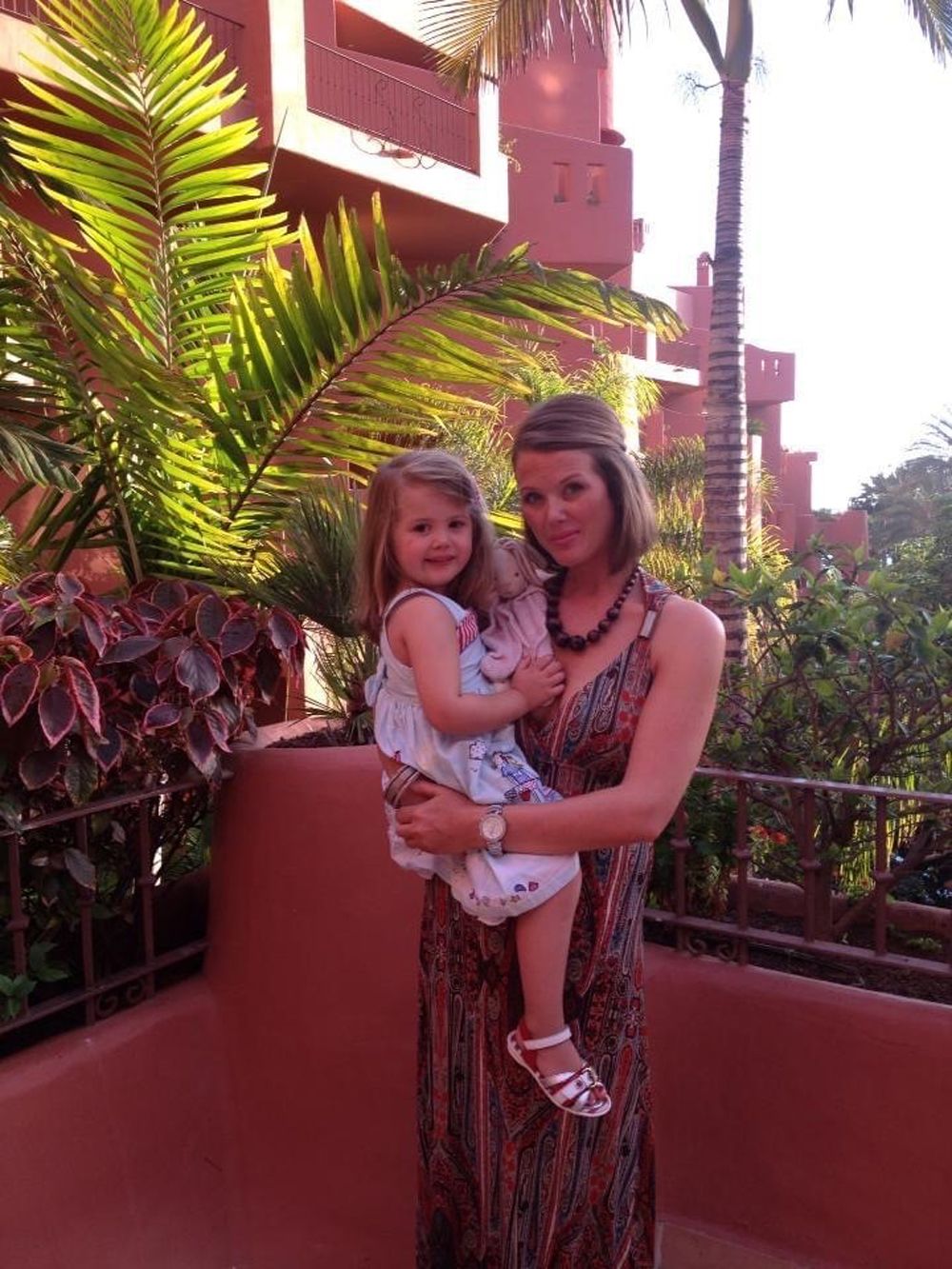
Pandemic restrictions mean that is no longer possible, so she is seeking donations for The Christie charity instead through GoFundMe , which she also wants to honor the memory of one of her consultants, Paul Fulford, who tragically died of cancer in November 2018.
She said:
“He was an absolute angel. When I heard that Paul, who had helped to save my life, was dealing with that, it was such a shock. These people seem invincible and it hit me very hard when he passed away."
“I'm really passionate about the NHS and think we often take it for granted when we're so lucky to have it."
She added:
“The Christie is an incredible place, which invests so much time and money into treatments and research."
“They have saved my life four times. Without them I wouldn't be here today, celebrating my 10 year survival, my life with Isabella and my 40th birthday."
Malcolm Wilson, a Colorectal Consultant and Peritoneal Surgeon at The Christie explained the seriousness of this form of cancer.

He said:
“The Christie is one of two institutions that offer cytoreduction and HIPEC for the treatment of PMP in the UK. PMP is caused by a tumor originating in the appendix and if left untreated leads to the death of 85 per cent of sufferers within five years of diagnosis."
“We perform about 160 of these procedures a year and our data indicates that with this treatment about 85 per cent become long-term survivors after a single operation."
“Some patients, like Charlotte, unfortunately suffer recurrence of their disease and require further operations in order to control it."
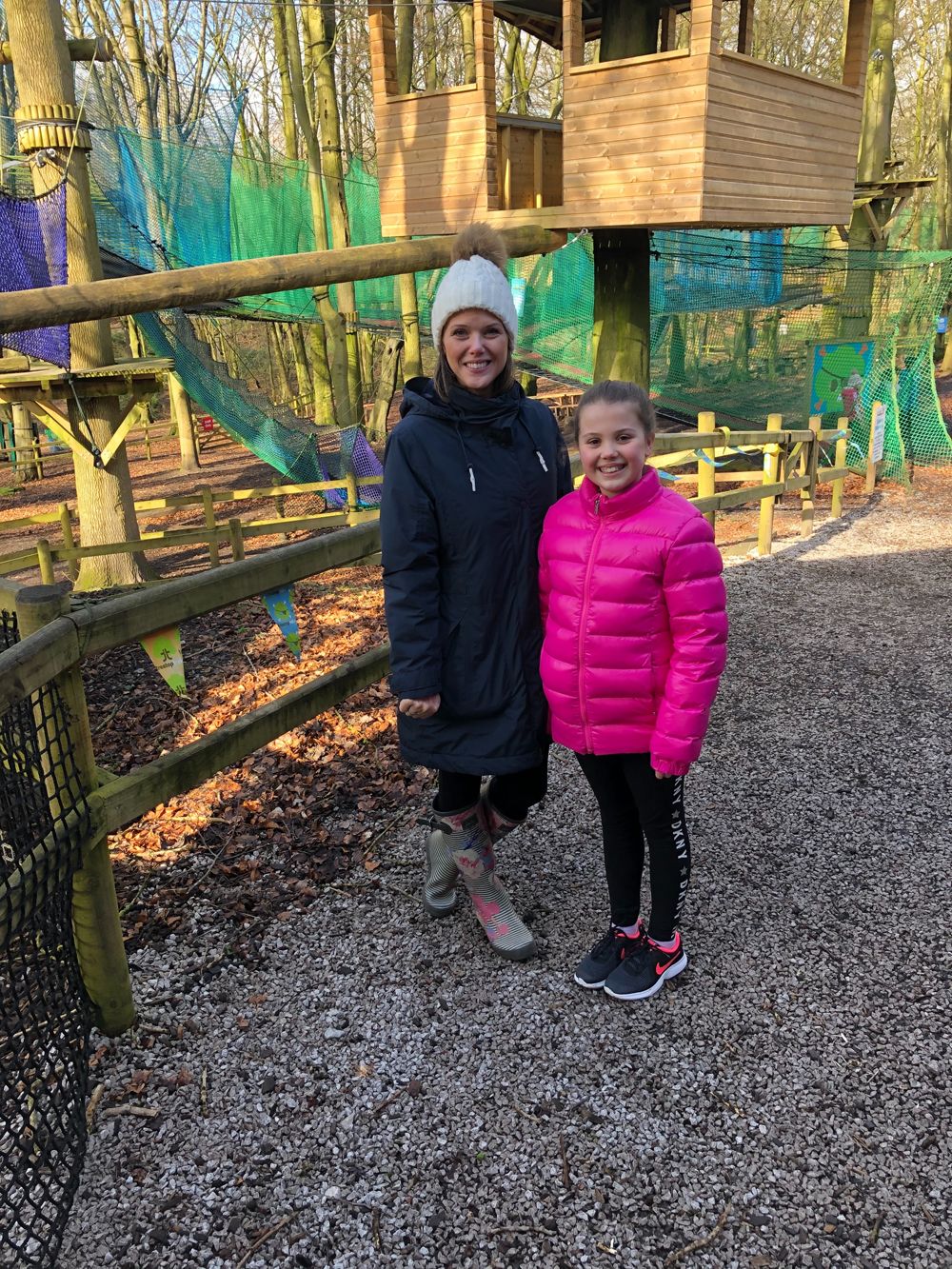
He continued:
“In our experience, about six to seven per cent of treated individuals require multiple cytoreductions and we have one of the largest series of such patients internationally. As Charlotte demonstrates, although it is a tough experience having to withstand such arduous treatment, such patients can ultimately do very well and continue to live a healthy life."
Charlotte is also setting up a community group Make Your Life Matter, to inspire people to make the most of their lives and achieve their full potential. For more information search Instagram for @charlward_makeyourlifematter
To donate visit GoFundme here and for more information, support or for someone to talk to about cancer visit macmillan.org.uk



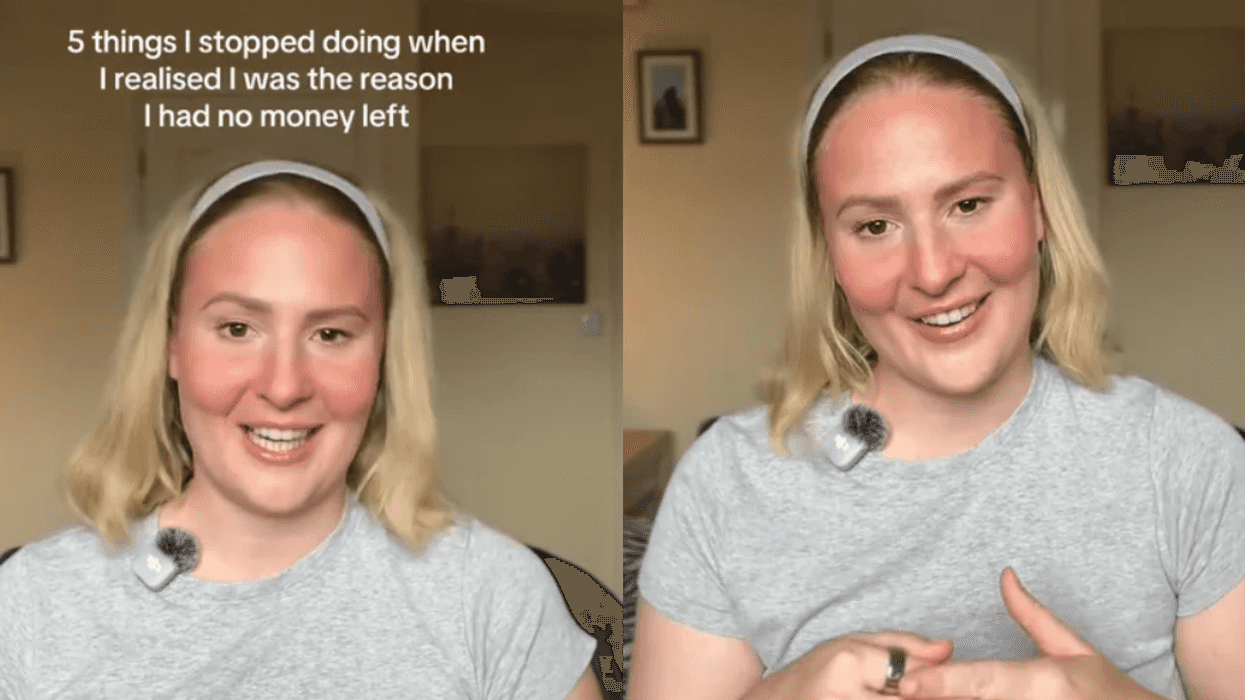
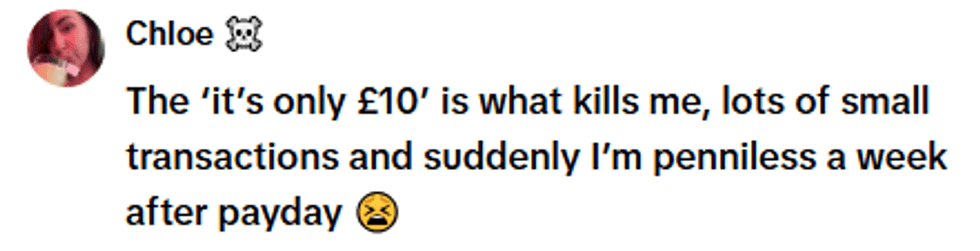 @georgiamaythornley/TikTok
 @georgiamaythornley/TikTok
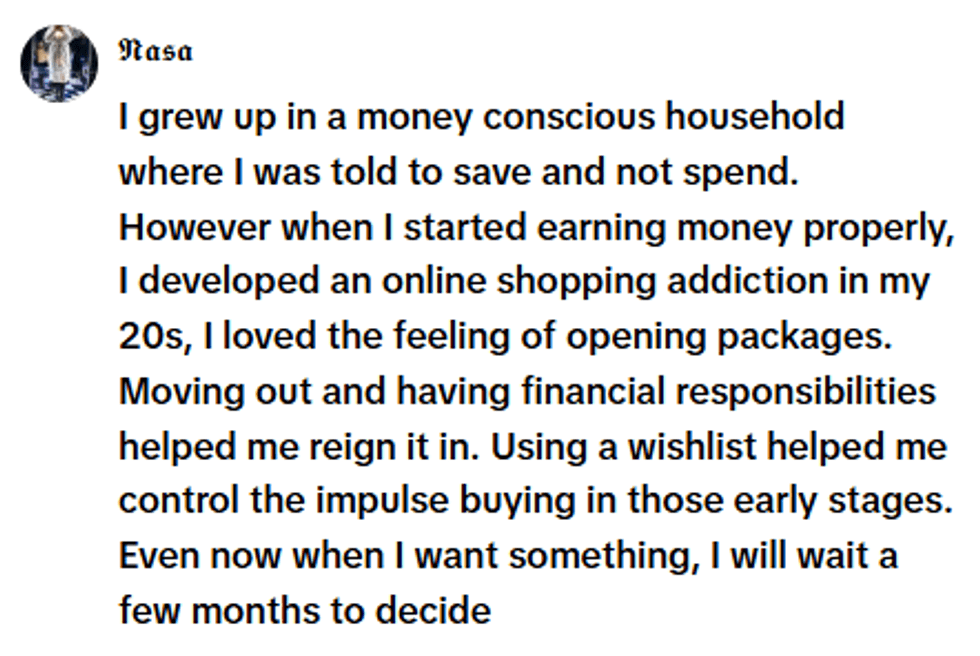 @georgiamaythornley/TikTok
 @georgiamaythornley/TikTok
 @georgiamaythornley/TikTok
 @georgiamaythornley/TikTok
 @georgiamaythornley/TikTok
 @georgiamaythornley/TikTok
 @georgiamaythornley/TikTok
 @georgiamaythornley/TikTok





 @bsquaredtravels_/Instagram
 @bsquaredtravels_/Instagram
 @bsquaredtravels_/Instagram
 @bsquaredtravels_/Instagram
 @bsquaredtravels_/Instagram
 @bsquaredtravels_/Instagram
 @bsquaredtravels_/Instagram
 @bsquaredtravels_/Instagram
 @bsquaredtravels_/Instagram
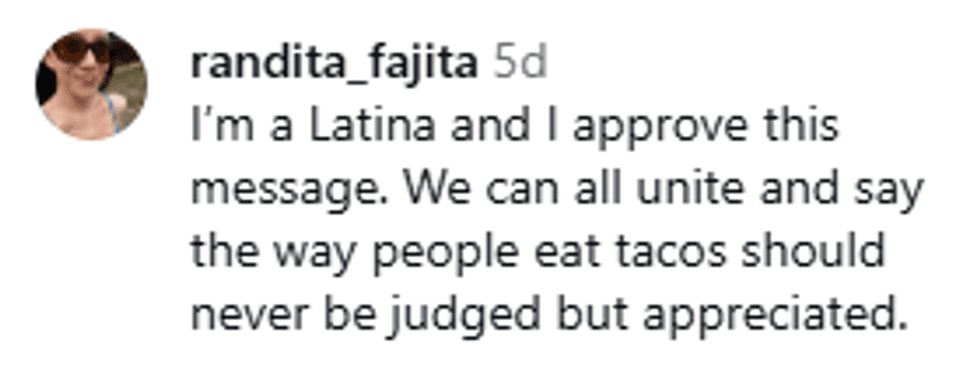 @bsquaredtravels_/Instagram
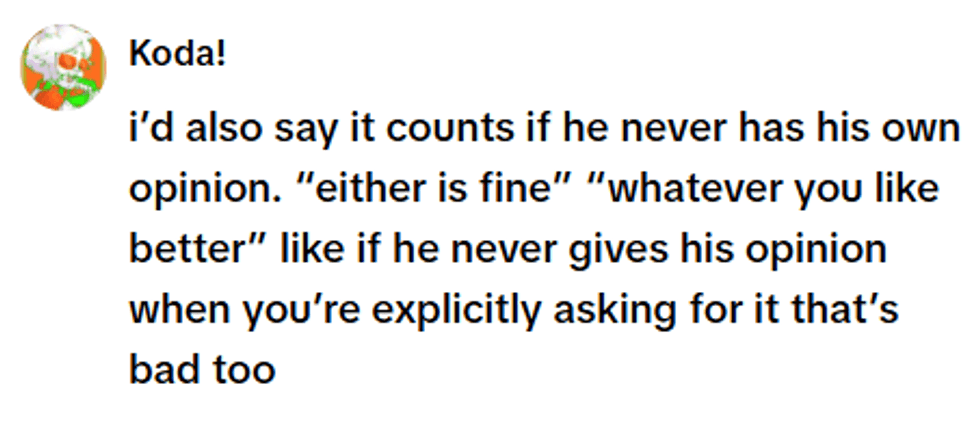 @maddie_bado/TikTok
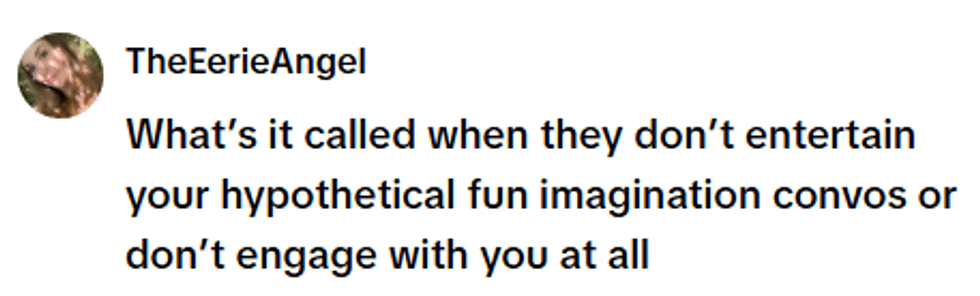 @maddie_bado/TikTok
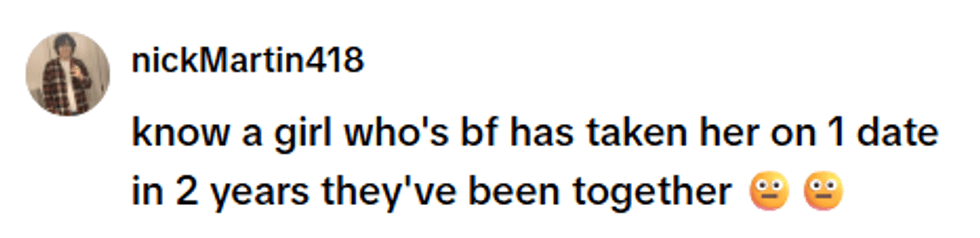 @maddie_bado/TikTok
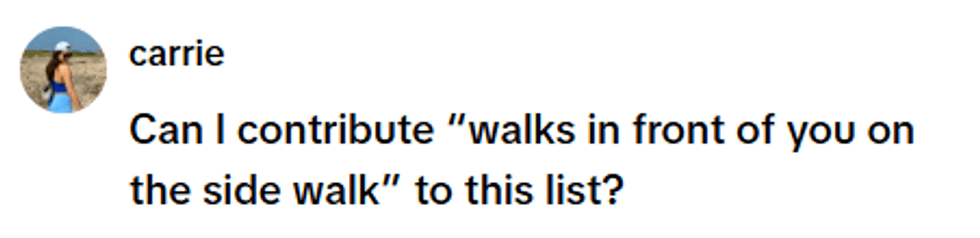 @maddie_bado/TikTok
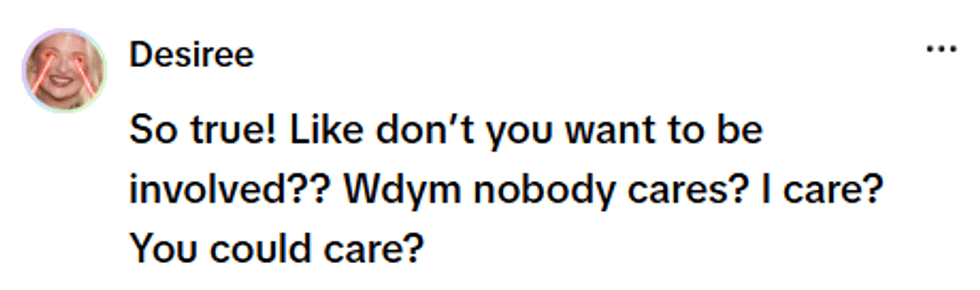 @maddie_bado/TikTok
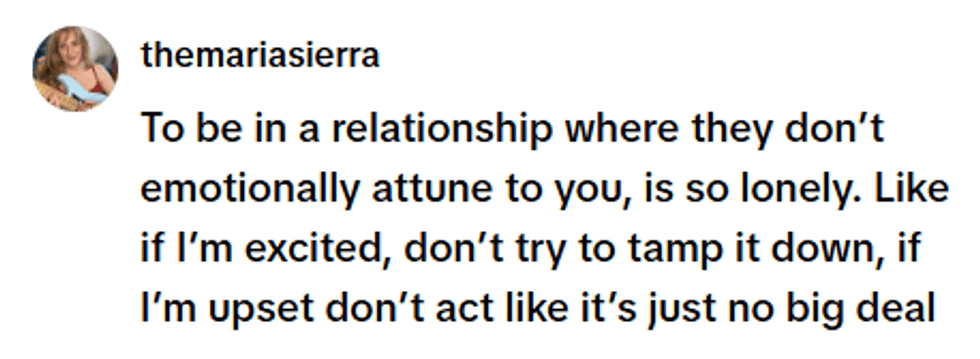 @maddie_bado/TikTok
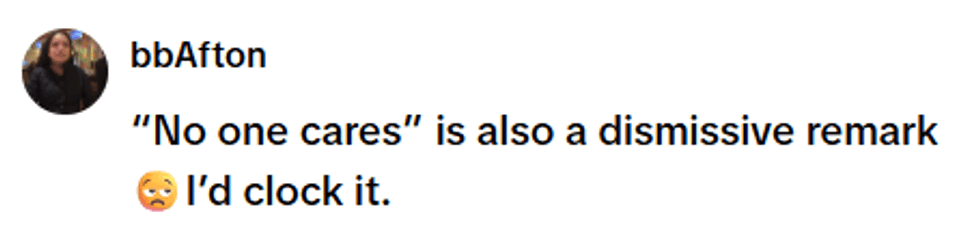 @maddie_bado/TikTok
 @maddie_bado/TikTok
 @maddie_bado/TikTok
 @maddie_bado/TikTok