

It's so important to be prepared. Especially on the East Coast where there's a ton of hurricanes. And the West Coast where there's a ton of earthquakes. And the Midwest where there's a ton of tornadoes. Basically, nowhere in the US is safe, so it's best to be safe, rather than sorry.
u/statementbrand: What supplies or items should every household have in case of a large-scale emergency?
Some of those doomsday preppers have the right idea.
 Giphy
GiphyI got doomsday prepper survival food because I live in Houston and we have hurricanes. I can keep it in my closet for 25 years and it will always be there.
I also have a few jugs of water and a camping stove with several propane cartridges.
Good tip!
Water.
Can't stress this enough.
You can only survive about 3 days without it, and better to have some than rely on a questionable or bad source.
Yeah, heard the best thing to do is (assuming you can somewhat predict the emergency) fill the bath up as much as you can beforehand so you can boil and use it.
That's a very true point.
 Giphy
GiphyExtra doses of your medication. Ex., insulin for diabetics.
In college I had one roommate who was diabetic, one who was deaf with hearing aids, and one who had his thyroid removed and required medication daily. We used to watch The Walking Dead together and morbidly joke that if it ever happened our house would be in a lot of trouble.
A nifty trick.
Water, a few days of food, a radio and extra batteries, decent first aid kit, light of some kind.
During our last power outage we realized the solar outdoor lights worked for indoors after dark. We put them in vases around the house. Just a thought for others if you have those in your yard.
Can't prepare for the apocalypse without these things.
I think most people have covered water and food, you really can't survive without much of that. Some items you might not think to have stored away but would be invaluable would be like:
Can opener - How awesome it is to have so much canned food, but what are you going to do if you can't open it?
Matches or other fire generator - Being able to heat things will become invaluable.
Emergency blankets - If left with no power, these can help preserve body heat. Many don't know, but shivering causes you to expend a lot of calories.
A sharp hunting/camping knife - Many uses from cutting, opening things, working with rope, etc.
Maps - If the internet/GPS goes down, these are invaluable in knowing where you are and where you can go.
Food is a top priority.
 Giphy
GiphyShelf stable food supply that does not require refrigeration.
Have you seen those tubs of dehydrated emergency ration foods that the preppers like to buy?
Buy one of those big tubs. Enough to feed everyone in your home for at LEAST 3 days. Preferably more.
Put the thing in the back of your pantry, or your closet, or wherever, and forget you have it.
But if the worst happens, you will have a food buffer.
Don't forget about the pets!!!
So yes to all the water/food comments in here. 🙂 But also consider keeping hard copies of important documentation, like IDs, medical information, contact list, birth certificates, passports, titles, recent photos of loved ones and pets to help with reunification, etc. Keep it all together in a folder or something in a safe, so you can grab it if needed.
Can confirm, hot sauce is a life saver.
Hot sauce.
You're probably gonna be eating a lot of shitty food.
If you all are s***ting your brains from a little hot sauce you got bigger problems than hot sauce.
And hot sauces basically last forever. Most brands of hot sauce you'd find in the store are basically vinegar and chile peppers, which are basically natural preservatives. The acidity in the hot sauce means they can last for years and don't really go bad. I found they get more vingegary the longer they sit around, but still consumable.
Pro-level preparedness!
 Giphy
GiphyPLANS - A plan for shelter in place - minimum ten days supplies of food, water and meds for person and pet in the household or who could be at your home (think older relatives). Presume electricity and running water are not operational (bucket/trash bags/ kitty litter for toilet), extra water for hygiene). Lighting (batteries/ flashlights). Foods that don't need lots of water or elaborate cooking. Manual can opener.
Plan for sudden evacuation (in case of wildfire for example). Identify hotels 50-100 miles in each direction from your house, if you have pets / physically disabled person, make sure a hotel will accept them. Print out directions/phone number (stop relying on cells/ contact lists/gps). As soon as you get an evac notice, make arrangements to get to that hotel (with the following:)
Right now, go through each room of your house and identify one-two items in each room absolutely irreplaceable either sentimentally or physically. Tape a list of those items in that room on the door of that room so you don't have to "think" in a panic.
For actual evacuation (now)- make a very short checklist of things to prep house - usually cutting off power / water / gas connections if you can safely and quickly. Make an evac pack or go bag for every person in your household including potential visitors AND for PETS. Shelters are getting better about taking pets but you should still be prepared to support their care (food, water, toys, leashes/collars with IDs, poop bags/ kitty litter). Human go bag - food, water, meds, clothing, small bedding, non-electrical entertainment (books, cards, coloring books, toys), charge cords, power strip, ear plugs, head phones.
Shelters are a roof over your head; not a four-star hotel. It will be loud, crowded and stressful. Best is to be prepared mentally / physically and bring your own stuff so you are not such a burden. Be nice to shelter staff; most of them are volunteers with affected families themselves.
In all cases, Lots of cash including coins and small bills (not just a stack of $100s). Misc: good pocket knife, duct tape, print out hard copies of anything important including phone numbers (don't presume cellular service is working). First aid kit include a good tourniquet and know how to use everything. Think self care, buddy care, medic care.
If cellular service is still up - texts will get through on busy networks better than calls. I don't know the situation since so many folks are getting rid of true landlines, but it used to be (even three-five years ago), that you could reach another US region even if your region was ringing busy. For example, if you/disaster is in VA, you can't call someone in MD, but you could call someone in NV. We have identified a family member in each US time zone as a disaster point of contact to help with coordination and check in.
Ready.gov and after action reports of disasters (non-secure available by internet search) are good sources of more information.
Source: I am an emergency management planner with expertise in planning, training and exercises.
You kinda do need to stay entertained.
Board/card games.
A lot of the things mentioned here are very important and would definitely cover a lot of physical aspects of getting through it. I wanted to bring in some sort of entertainment not only to help pass the time, but also to serve as a bit of distraction from whatever is going on because your mental well-being is important too.
Good point.
FILTER. YOUR. WATER. I cannot stress this enough. A lot of people have suggested keeping a bathtub full of it which is a great idea and boiling it is too. But sometimes you need to filter it too.
Most people probably haven't thought of this.
 Giphy
GiphyCash. Probably $100-200 per person in ones and fives. Everyone else is going to have only credit cards and the few that have cash, will have twenties.
Important stuff.
Water and flash lights.
When a large-scale emergency happens water and electricity are the first to go. It hard to remain safe if you cant see, hence why flash lights are so important.
Water because once the water goes you purely don't have any. Unlike food because you will always have food around the house you can take.
GENIUS.
My grandma, who is a bit of a prepper, as cases and cases of cigarettes. She doesn't smoke, but always says she'll be able to trade them for whatever she needs. Genius.





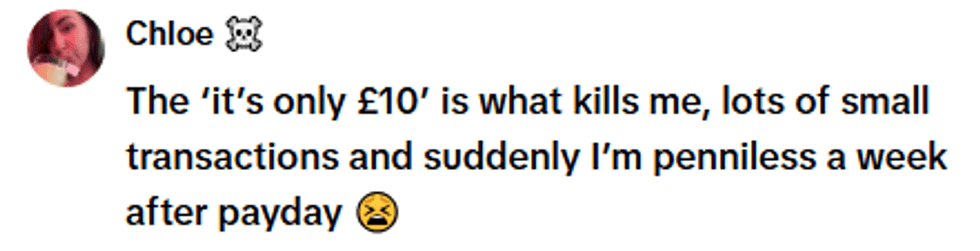 @georgiamaythornley/TikTok
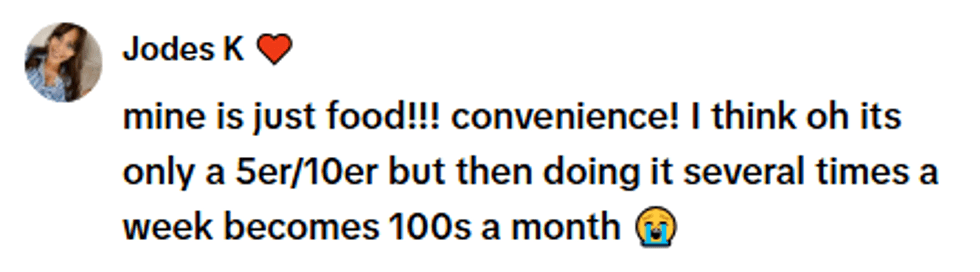 @georgiamaythornley/TikTok
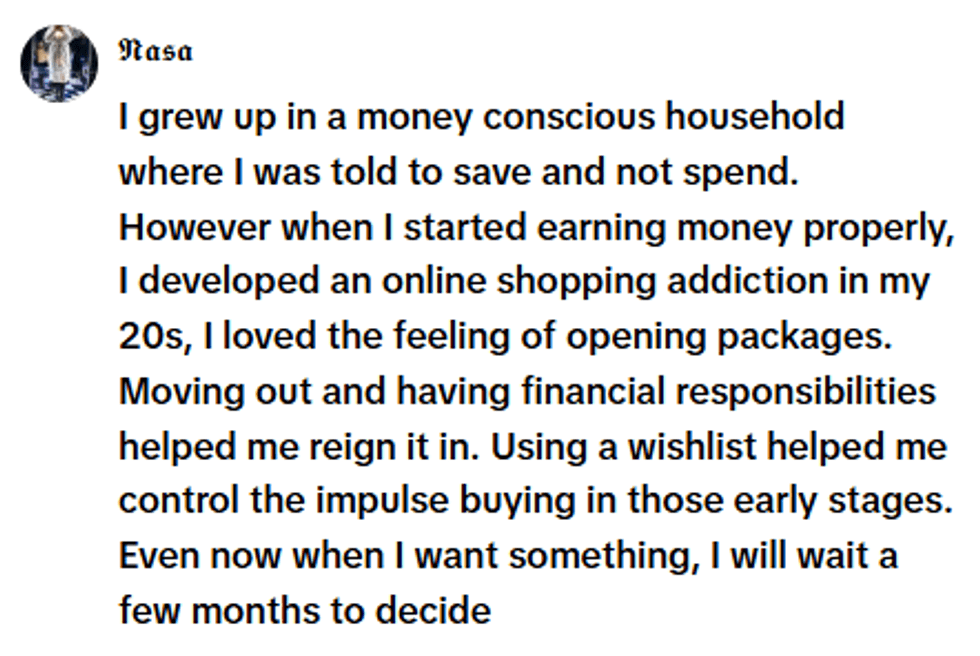 @georgiamaythornley/TikTok
 @georgiamaythornley/TikTok
 @georgiamaythornley/TikTok
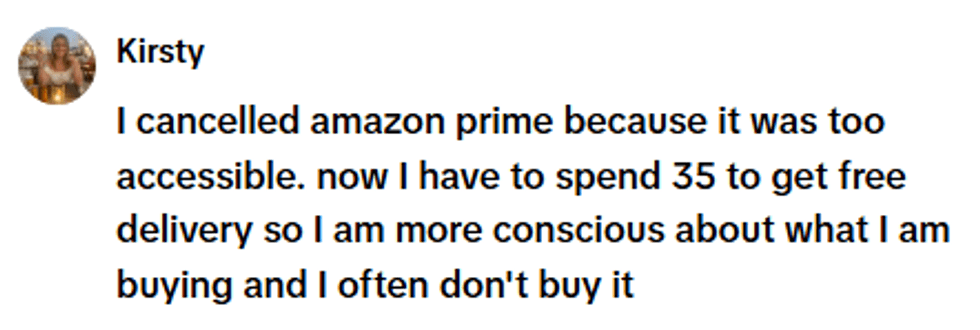 @georgiamaythornley/TikTok
 @georgiamaythornley/TikTok
 @georgiamaythornley/TikTok
 @georgiamaythornley/TikTok
 @georgiamaythornley/TikTok






 @bsquaredtravels_/Instagram
 @bsquaredtravels_/Instagram
 @bsquaredtravels_/Instagram
 @bsquaredtravels_/Instagram
 @bsquaredtravels_/Instagram
 @bsquaredtravels_/Instagram
 @bsquaredtravels_/Instagram
 @bsquaredtravels_/Instagram
 @bsquaredtravels_/Instagram
 @bsquaredtravels_/Instagram
 @maddie_bado/TikTok
 @maddie_bado/TikTok
 @maddie_bado/TikTok
 @maddie_bado/TikTok
 @maddie_bado/TikTok
 @maddie_bado/TikTok
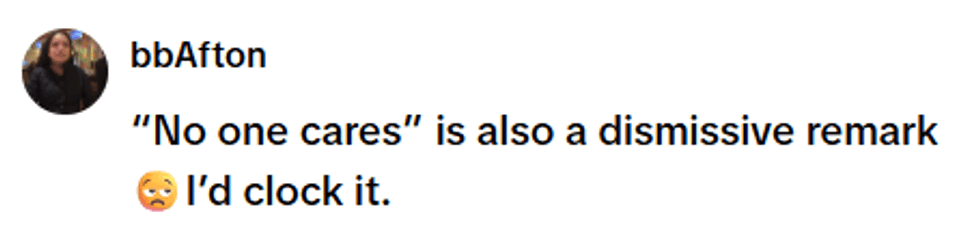 @maddie_bado/TikTok
 @maddie_bado/TikTok
 @maddie_bado/TikTok
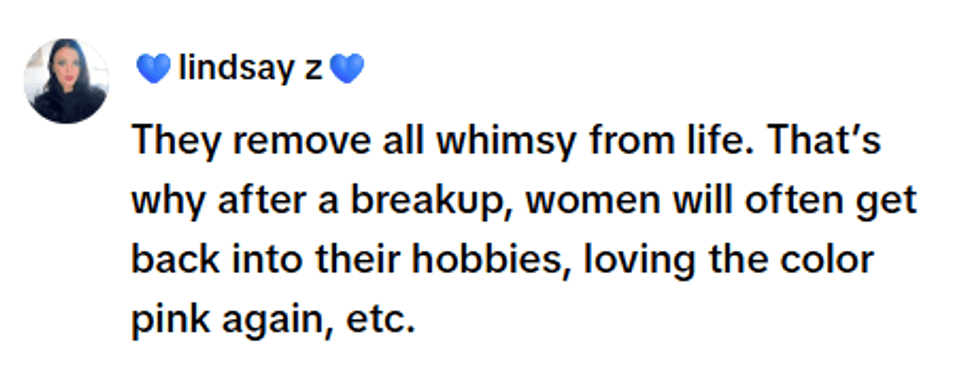 @maddie_bado/TikTok