
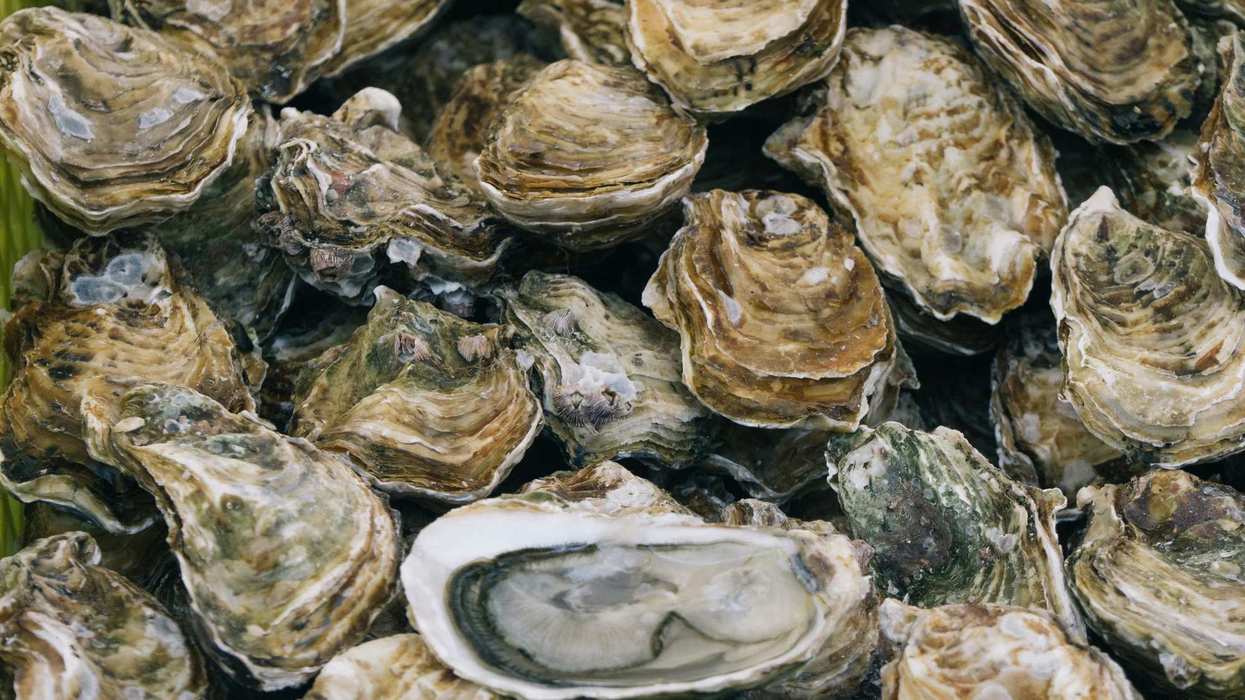

The world’s oceans are vast, yet humans have disrupted nearly every form of life there — even the lowly oyster. Scientists in France have discovered that oysters respond to sound, and noisy human activity in the ocean is disrupting their natural behavior.
In a study of 32 oysters removed from the ocean environment, scientists were able to determine that oysters responded to sounds between 10 and 1,000 hertz. (The typical range of hearing for a human is between 10 and 20,000 hertz.) While oysters don’t hear as well as we do, they do react to sounds, and typically close their valves when they are stressed or threatened. Oysters don’t have “ears,” but they perceive sounds as vibrations, using an organ called the statocyst, which is present in some aquatic invertebrates.
Many of the oysters’ life activities are cued by sounds. Jean-Charles Massabuau, one of the scientists involved in the study, said sounds and vibrations cue activities such as feeding, spawning or protective movements. “Our results show that in shallow waters, they must be able to hear breaking waves and water currents,” he said. This enables them to open to receive food during the arrival of a tide. It also helps them to avoid becoming food for other creatures. “Lobsters or fish, which feed on young oysters, produce sounds in the oyster hearing range, if they’re close enough.”
Oysters also spawn during thunderstorms. The sound of the storm is thought to trigger synchronized spawning activity. Massabuau likens the closing action the oysters exhibit when exposed to loud sounds to the reflexive jolting action people make when startled.
Human-generated sounds, such as those made by huge container ships, offshore oil drilling, and explosives, “muddle the normal oyster sound landscape,” says Massabuau, who says human-generated sounds may cause the oysters to open up at the wrong time, for instance, responding to ship noises as if they were tidal sounds. The noise could also mask the sound of predators, or cause the oysters to close during feeding times.
“If mussels and oysters keep their shells closed because of the vibration from human-produced noise, then they may be unable to feed, leading to starvation, poor reproduction and other impacts,” said Mike Elliott, a University of Hull, UK, researcher whose own studies previously discovered that hermit crabs and marine mussels can sense sound vibrations.
Ocean sounds have been found to have a devastating effect on more complex sea creatures. Andre’s earlier studies found that the loud sounds produced by the shipping and oil drilling industries turned the delicate balancing organs of squid, cuttlefish, and octopuses into pulp, rendering them unable to move properly or orientate themselves, leading to their imminent death. “For the first time we are seeing the effects of noise pollution on species that apparently have no use for sound,” he said. “We were shocked by the magnitude of the trauma.”
Underwater sonar, such as those used by the US Navy, also has a devastating effect on sea life. Whales, dolphins, and porpoises are injured and killed by sonar systems, which generate a sound of up to 235 decibels that can range as slow-moving waves up to 300 miles without losing much strength. (The loudest rock concert is around 180 decibels.)
In a desperate attempt to escape the painful and destructive impact of sonar, whales will swim hundreds of miles, rapidly change their depth (sometimes leading to bleeding from the eyes and ears), and even beach themselves. Many mass beaching events are preceded by military exercises involving explosives or sonar.
If humans are unconcerned about the fate of other animals, they might at least take consideration of the impact on the availability of one of their favorite delicacies. Wild oyster populations have been declining due to a number of factors, including pollution, warming waters, and even hurricanes. In Florida, oyster beds have been closed in recent years because polluted water flushes the oyster beds with dangerous bacteria blooms, rendering them unsafe to eat.
Texas oysters, which have already been severely impacted by Hurricane Ike and the Deepwater Oil Spill in the past 10 years, also took a direct hit from Hurricane Harvey.
“From the standpoint of oysters, the biggest impact is probably going to be felt in the Galveston Bay area,” Lance Robinson, Deputy Division Director for Coastal Fisheries, says. “We certainly have seen mortalities of oyster reefs in the bay approaching 100 percent.”
These delicate creatures are facing increasingly tough conditions. The least we could do is turn the volume down.





 @georgiamaythornley/TikTok
 @georgiamaythornley/TikTok
 @georgiamaythornley/TikTok
 @georgiamaythornley/TikTok
 @georgiamaythornley/TikTok
 @georgiamaythornley/TikTok
 @georgiamaythornley/TikTok
 @georgiamaythornley/TikTok
 @georgiamaythornley/TikTok
 @georgiamaythornley/TikTok







 @bsquaredtravels_/Instagram
 @bsquaredtravels_/Instagram
 @bsquaredtravels_/Instagram
 @bsquaredtravels_/Instagram
 @bsquaredtravels_/Instagram
 @bsquaredtravels_/Instagram
 @bsquaredtravels_/Instagram
 @bsquaredtravels_/Instagram
 @bsquaredtravels_/Instagram
 @bsquaredtravels_/Instagram
 @maddie_bado/TikTok
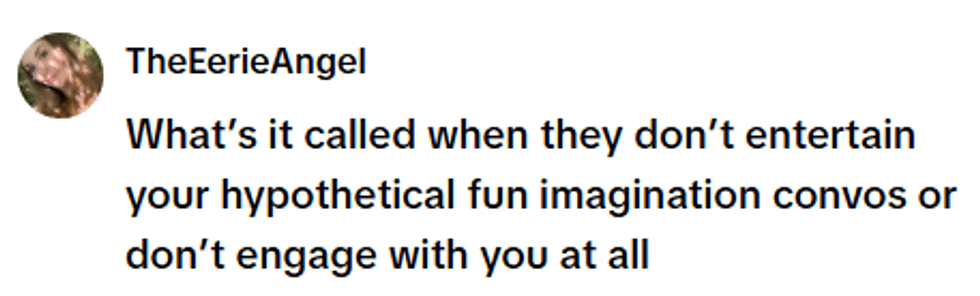 @maddie_bado/TikTok
 @maddie_bado/TikTok
 @maddie_bado/TikTok
 @maddie_bado/TikTok
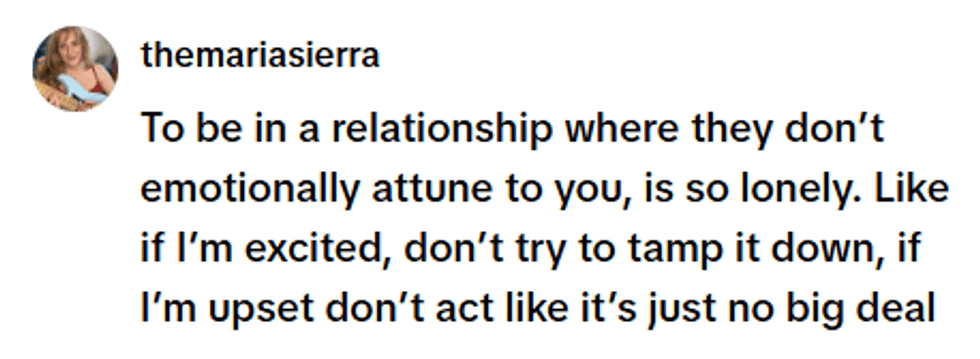 @maddie_bado/TikTok
 @maddie_bado/TikTok
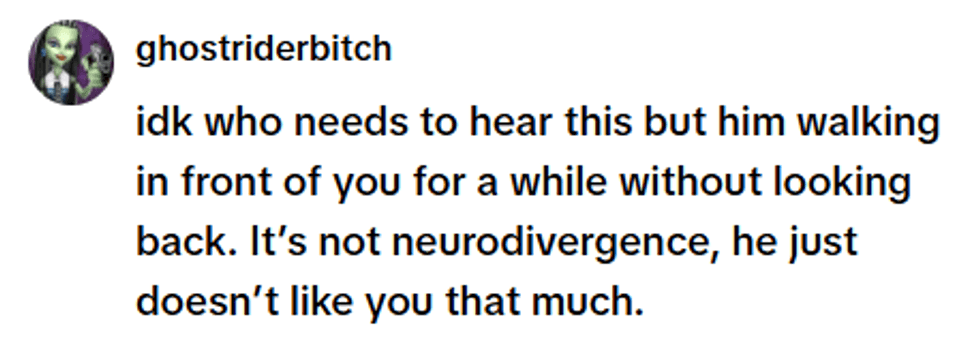 @maddie_bado/TikTok
 @maddie_bado/TikTok
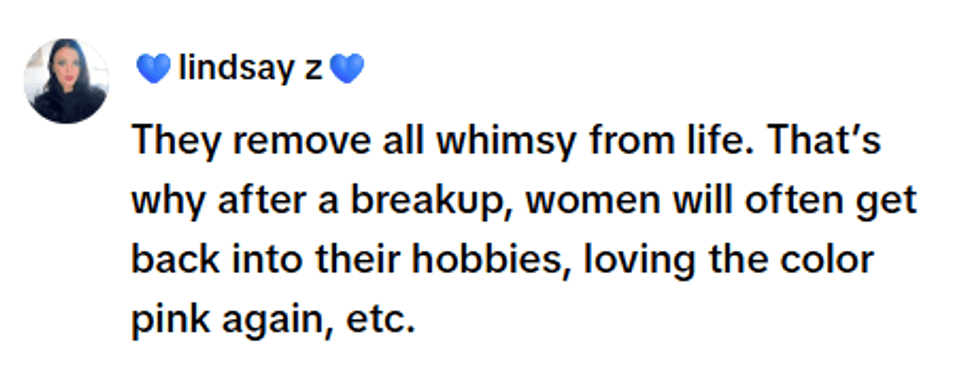 @maddie_bado/TikTok