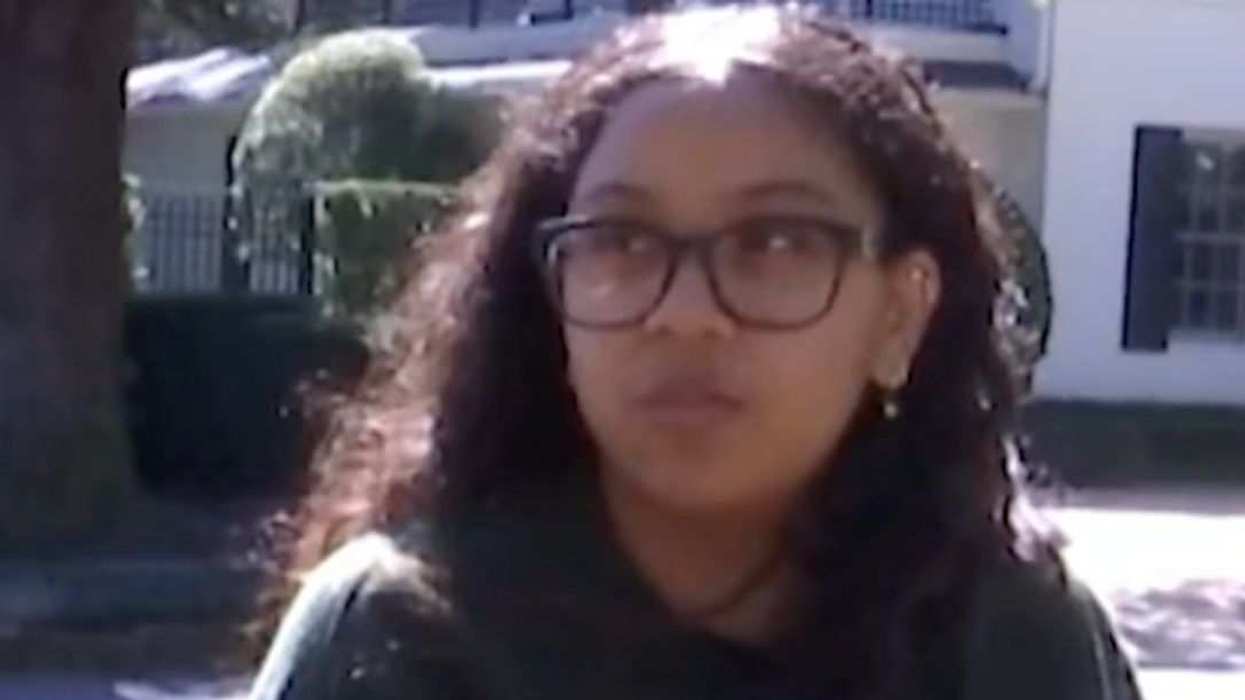

A Black History Month event at Florida A&M University ignited controversy after a student organizer said she was instructed to remove the word “Black” from promotional materials, a move the university has since described as a “staff-level error.”
For many, the directive struck a nerve at Florida’s only public Historically Black College and University (HBCU).
Aaliyah Steward, a final-year law student and co-lead of the Black Law Students Association, told WKMG News 6 in Orlando that campus staff flagged several words during the approval process for event flyers.
Steward described the moment she said administrators drew the line:
“We couldn’t use the word ‘Black’ in Black History Month. We had to abbreviate it.”
Steward also told the Orlando Sentinel that the school’s dean informed students that administrators had been given a list of “37 words” that could not be published or broadcast, including “Black,” “affirmative action,” and “women."
She recalled her immediate reaction to the restriction:
“I was very angry and baffled because this is a Historically Black College and University, and for them to say we can’t use the word ‘Black’ was kind of insane.”
Florida A&M University did not dispute Steward’s account in its initial response. In a statement to WKMG News 6, the university said it is following state law and guidance from the Florida Board of Governors.
The university’s statement emphasized compliance with state policy:
“Florida A&M University has consistently been in full compliance with Senate Bill 266 and Board of Governors’ Regulation 9.016. We support and have implemented the policy direction established by the Governor, the Legislature, and the Board of Governors as it relates to DEI, and consistent with related federal court rulings.”
Signed into law in 2023, Senate Bill 266 restricts how Florida’s public colleges and universities can use state or federal funds for diversity, equity, and inclusion initiatives and expands oversight of certain academic programs.
In 2024, the State Board of Governors, which oversees Florida’s 12 public universities, voted to prohibit the use of public funds for diversity programs and activities, reinforcing the law signed by Florida Governor Ron DeSantis.
Critics say the legislation has created confusion on campuses statewide, particularly at institutions whose missions center on celebrating inclusivity with Black history and cultural expression.
Steward said the broader impact feels like censorship:
“I just don’t want us to be censored this way. Not being able to use the word ‘black’ is very frustrating… We’re just trying to promote the core mission statement, diversity, and inclusion for everybody.”
Students resubmitted materials and requested clearer guidance from administrators. Steward said she later submitted a Black History Month flyer without abbreviations and was awaiting a further response.
She outlined what students are seeking moving forward:
“We want to celebrate our history. That shouldn’t be something we have to justify.”
You can watch a clip of the news coverage below:
- YouTubeWKMG News 6 ClickOrlando
Needless to say, the optics of limiting the word “Black” during Black History Month quickly drew scrutiny online and in higher education circles. On social media, critics described the situation as emblematic of the broader anti-DEI campaign taking place nationwide, while others questioned how such a directive could surface at an HBCU.
You can view reactions to the story below:
Three days after its initial statement emphasizing compliance with state law, the university reversed course. Florida A&M President Marva Johnson and College of Law Interim Dean Cecil Howard issued separate statements clarifying that the word “Black” is not prohibited under state law.
Howard acknowledged what he called an internal misstep, according to the Orlando Sentinel:
“What occurred was a staff-level error—an overly cautious interpretation that went beyond what the law requires. It has been corrected, and I take full responsibility for ensuring it does not happen again.”
Howard said the university consulted a higher education law expert, who confirmed that using the term “Black” does not violate Florida law.
Johnson also addressed the controversy:
“The University unequivocally confirms that the use of the word 'Black,' or the phrase 'Black History Month,' does not violate the letter, spirit, or intent of Florida Senate Bill 266, Board of Governors Regulation 9.016, or any relevant federal guidance.”
Johnson added that the review process for student organization materials would be updated to ensure greater clarity and consistency.
Steward said she was encouraged by the public response and the university’s reversal:
“I was very happy that what’s going on may change now that the public is involved and it’s been brought to light. I was glad that a lot of people were having the same reactions that we had—that we broke the news that we were being censored in this way."
This year marks the 100th anniversary of historian Carter G. Woodson’s launch of Negro History Week in 1926, the precursor to Black History Month.
Created to ensure Black history—long excluded from textbooks and institutions—would be formally studied and recognized, the observance has since evolved into a nationwide February celebration, particularly at HBCUs whose missions center on Black scholarship and cultural preservation.
That milestone made the controversy at Florida A&M University especially resonant. During a year meant to honor Black identity and achievement, the temporary restriction of the word “Black”—even if later reversed—underscored the broader tensions surrounding diversity, equity, and inclusion policies in higher education.






 @kelsgordon/TikTok
 @kelsgordon/TikTok
 @kelsgordon/TikTok
 @kelsgordon/TikTok
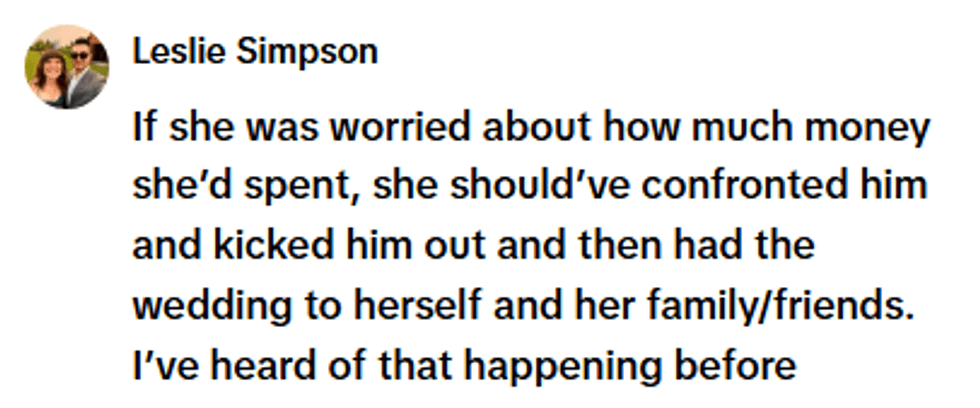 @kelsgordon/TikTok
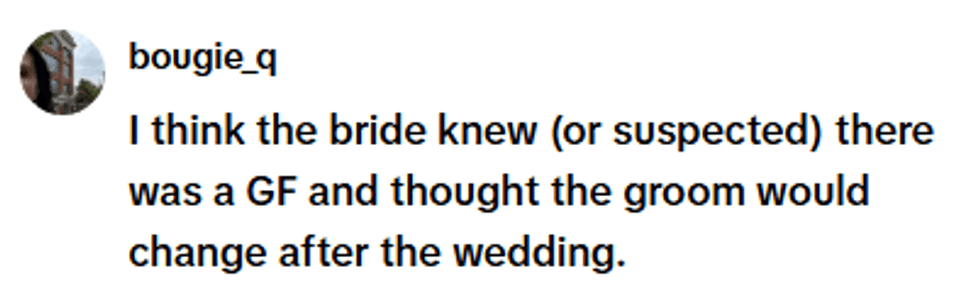 @kelsgordon/TikTok
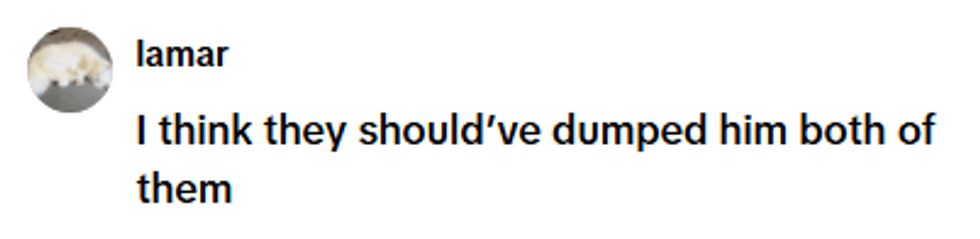 @kelsgordon/TikTok
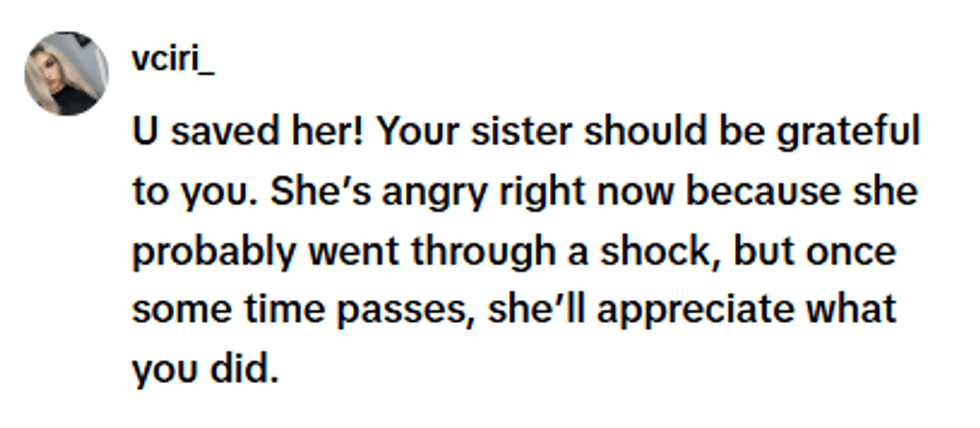 @kelsgordon/TikTok
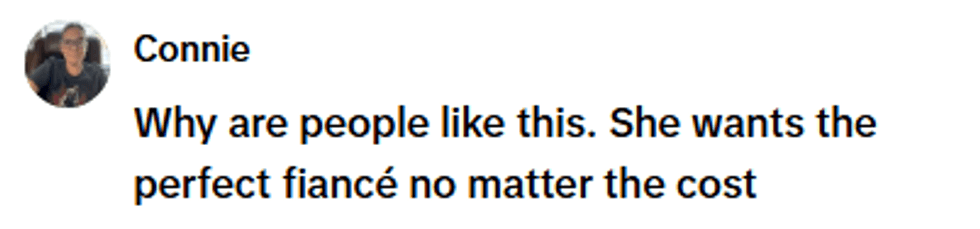 @kelsgordon/TikTok
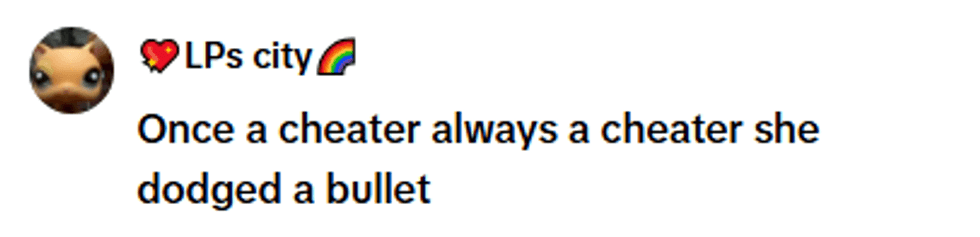 @kelsgordon/TikTok
 @kelsgordon/TikTok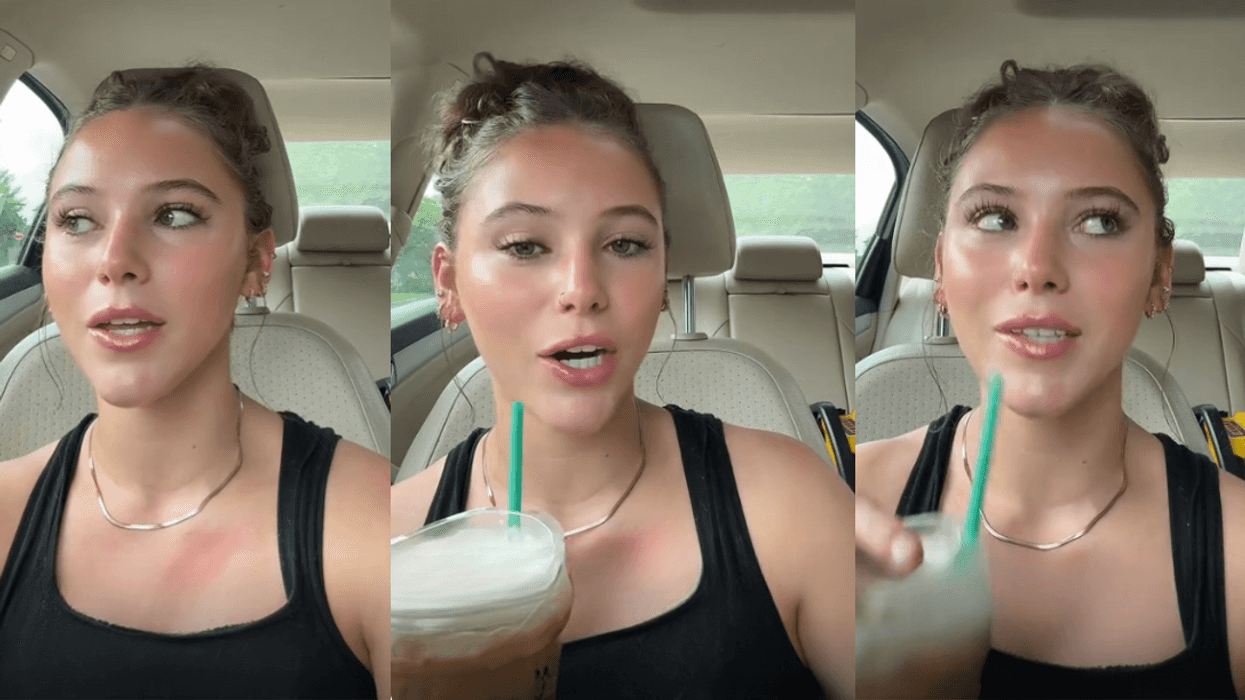
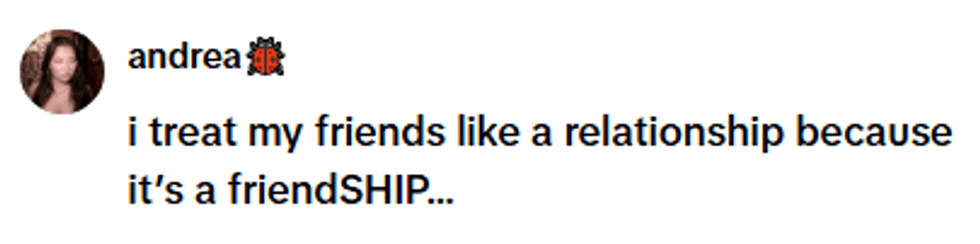 @maddieogle10/TikTok
 @maddieogle10/TikTok
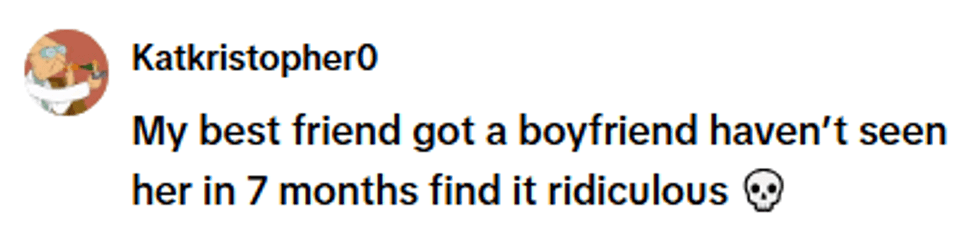 @maddieogle10/TikTok
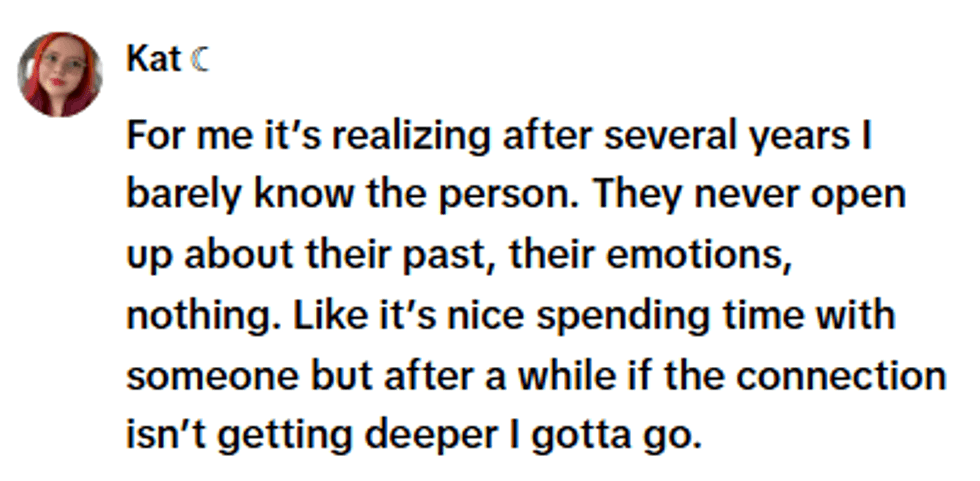 @maddieogle10/TikTok
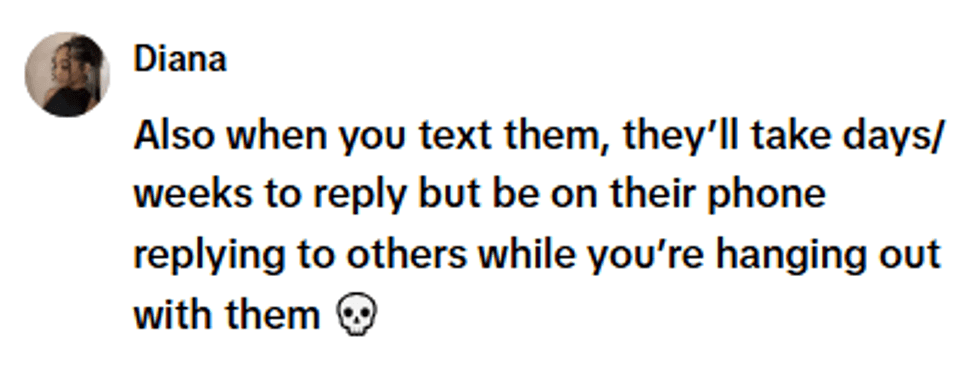 @maddieogle10/TikTok
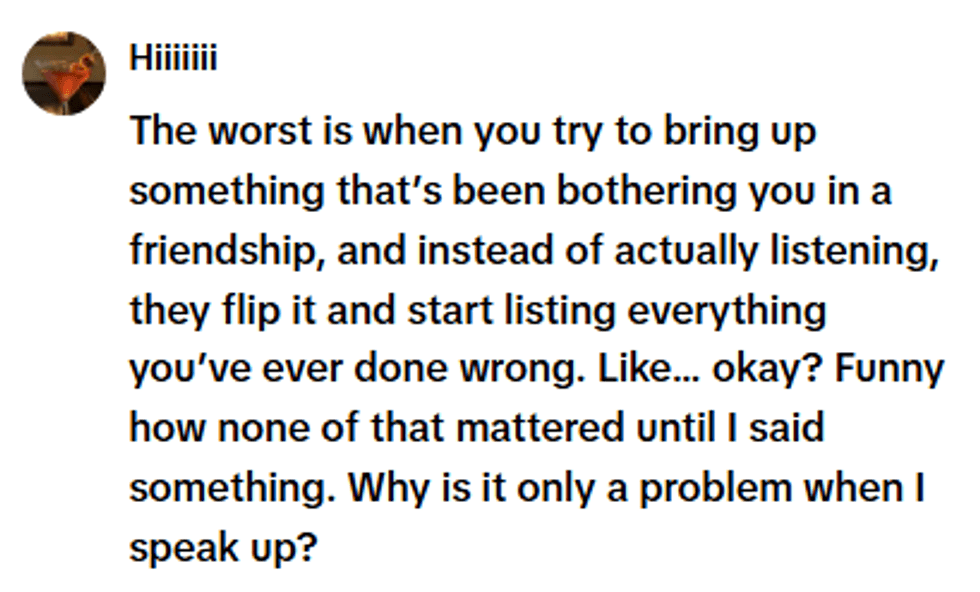 @maddieogle10/TikTok
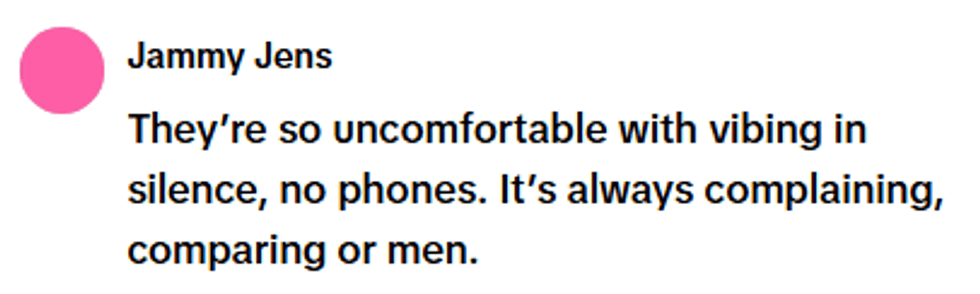 @maddieogle10/TikTok
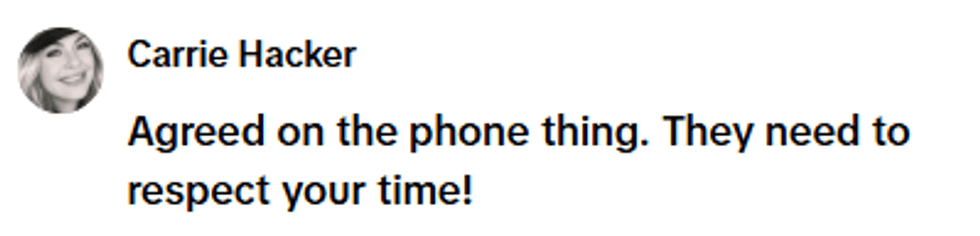 @maddieogle10/TikTok
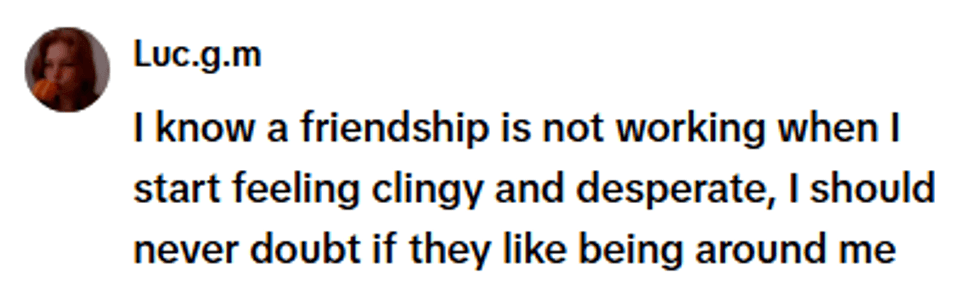 @maddieogle10/TikTok
 @maddieogle10/TikTok
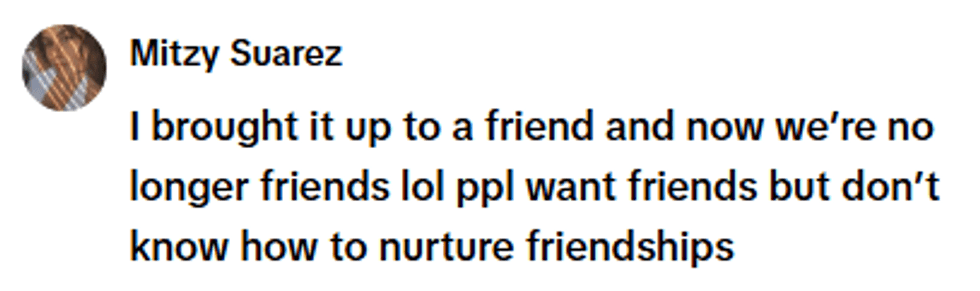 @maddieogle10/TikTok