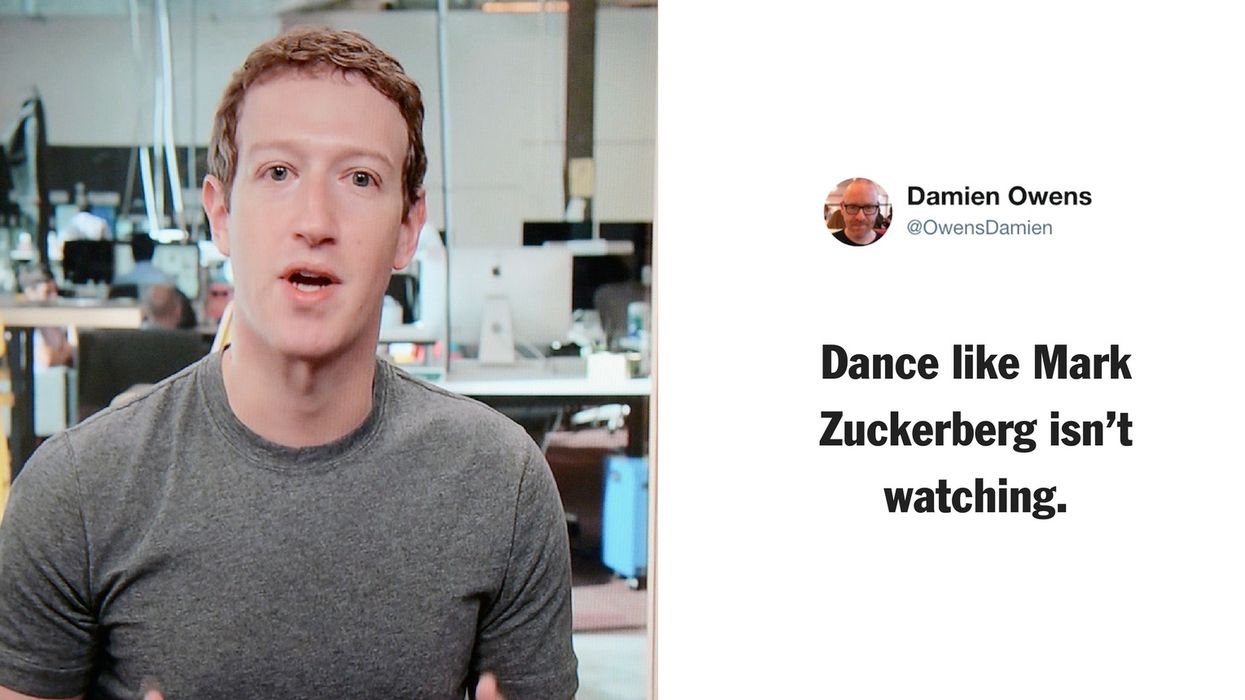

Is Mark Zuckerberg hiding something? That is the unnerving question weighing on many users' minds when Facebook retracted its co-founder's private messages from recipients' inboxes.
Although other sites like Whatsapp and Instagram allow users to delete potentially embarrassing messages, Facebook does not.
Evidently, an exception was made for the Internet entrepreneur.
TechCrunch said three anonymous sources confirmed messages sent from Zuckerberg – according to logs and email receipts in 2010 – disappeared from their inboxes while their responses to him remained.
Facebook did not make a public announcement about deleting the missing messages, nor were the recipients informed privately about their missing correspondence.
The CEO did not respond with a statement when asked if this was a possible breach of user trust.
But Facebook did acknowledge the message retractions were fear-based precautionary measures to avert hackings similar to the one Sony Pictures suffered in which the emails of studio executives containing sensitive acquisitions and strategies were exposed.
After Sony Pictures' emails were hacked in 2014 we made a number of changes to protect our executives' communications. These included limiting the retention period for Mark's messages in Messenger. We did so in full compliance with our legal obligations to preserve messages.
In an update, TechCrunch reported Facebook users will be able to use a new "unsend" feature in the upcoming months but won't allow access for Zuckerberg until it officially launches for all users. The new feature will also have the ability for users to set an expiration timer.
While such a convenient feature was a long-time coming, critics cited the introduction of the ability seemed forced due to the increasing enmity from users concerned about their online security.
Facebook may have had intentions of protecting sensitive corporate information, but it's possible the company attempted to permanently eradicate personal and embarrassing messages.
Facebook also may have looked to thwart the publication of potentially embarrassing personal messages sent by Zuckerberg or other executives. In 2010, Silicon Alley Insider aka Business Insider published now-infamous instant messages from a 19-year-old Zuckerberg to a friend shortly after starting The Facebook in 2004. "yea so if you ever need info about anyone at harvard . . . just ask . . . i have over 4000 emails, pictures, addresses, sns" Zuckerberg wrote to a friend. "what!? how'd you manage that one?" they asked. "people just submitted it . . i don't know why . . . they 'trust me' . . . dumb fucks" Zuckerberg explained.
Next week, Zuckerberg is scheduled to appear before the U.S. Senate Judiciary and Commerce committees on April 10 and the House Energy and Commerce Committee on April 11 in the wake of the Cambridge Analytica data breach that already put the social networking company under scrutiny.
One Twitter user commented on Mark Zuckerberg's ongoing apology tour and faulted Facebook's business model as the culprit for its latest shortcomings.
H/T - TechCrunch, BusinessInsider, Twitter
 Brendan Smialowski/AFP via Getty Images
 Brendan Smialowski/AFP via Getty Images
 Brendan Smialowski/AFP via Getty Images

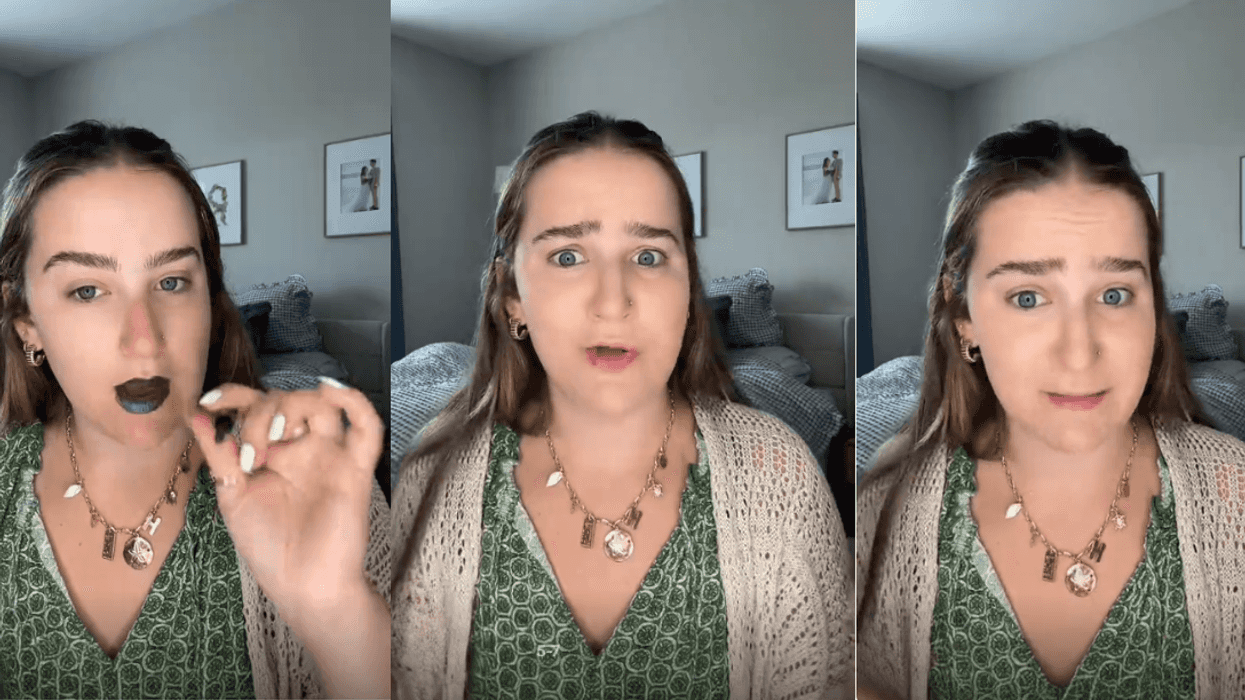
 @hannahhrevels/TikTok
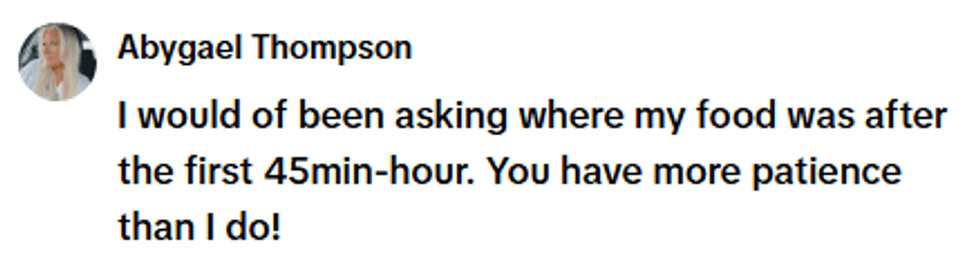 @hannahhrevels/TikTok
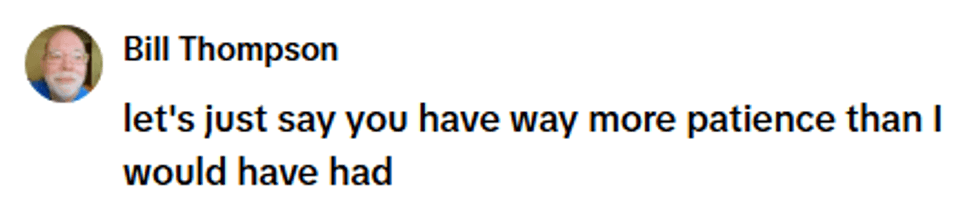 @hannahhrevels/TikTok
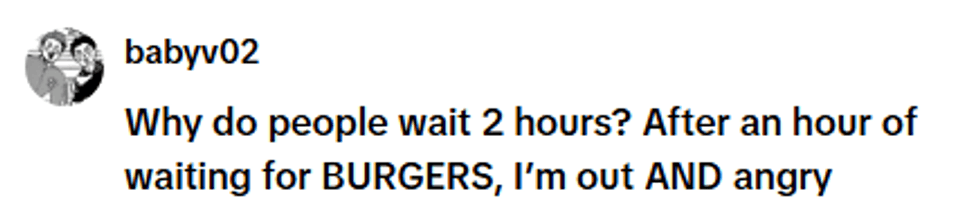 @hannahhrevels/TikTok
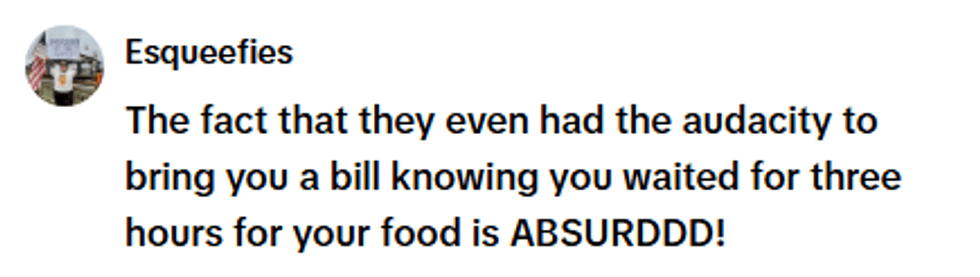 @hannahhrevels/TikTok
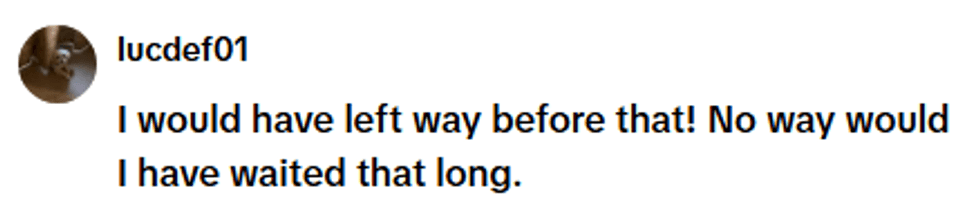 @hannahhrevels/TikTok
 @hannahhrevels/TikTok
 @hannahhrevels/TikTok
 @hannahhrevels/TikTok
 @hannahhrevels/TikTok
 @hannahhrevels/TikTok
 @hannahhrevels/TikTok
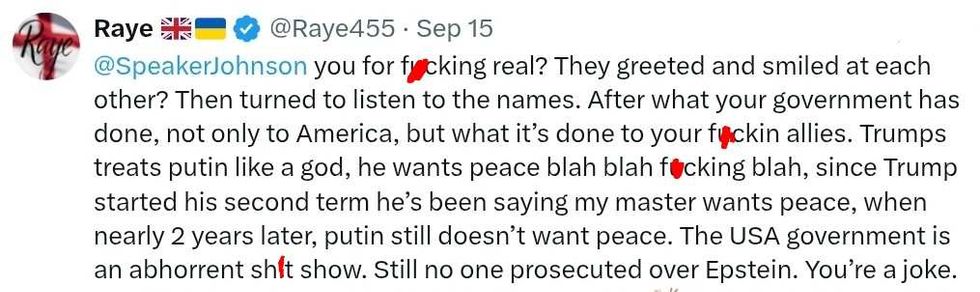 @Raye455/X
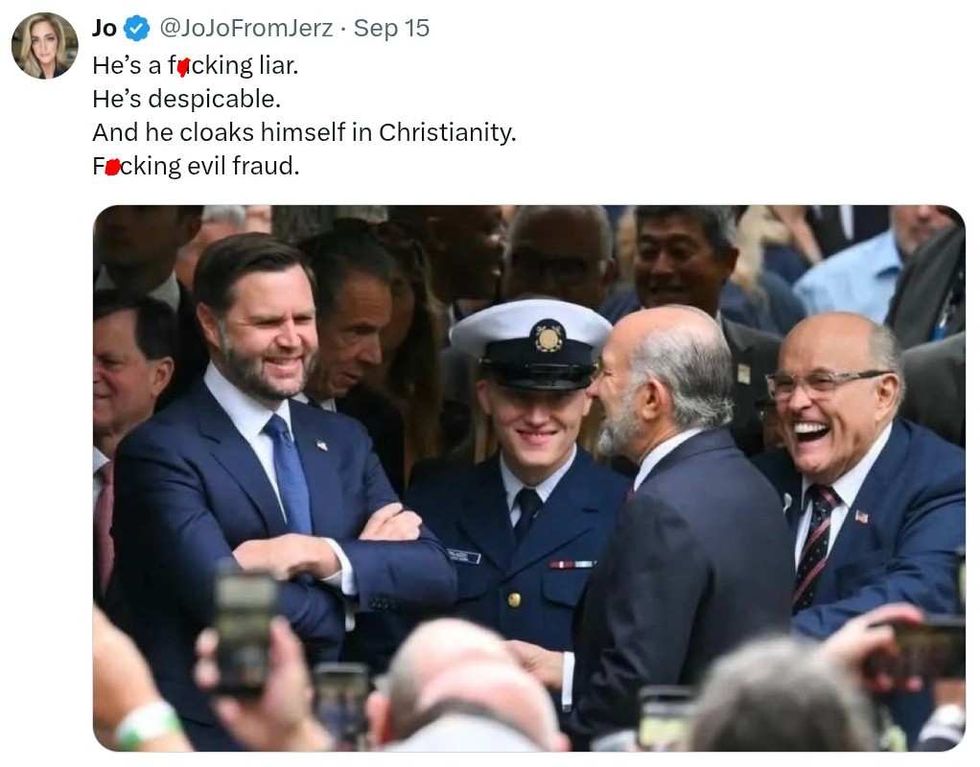 @JoJoFromJerz/X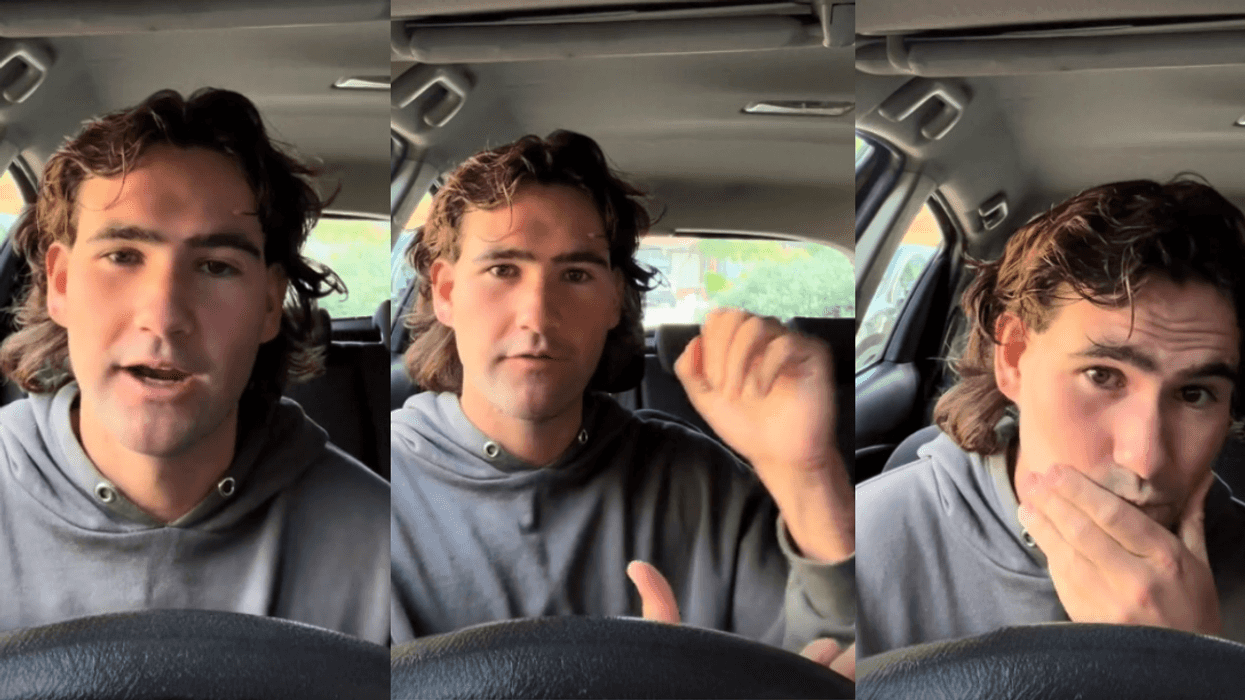
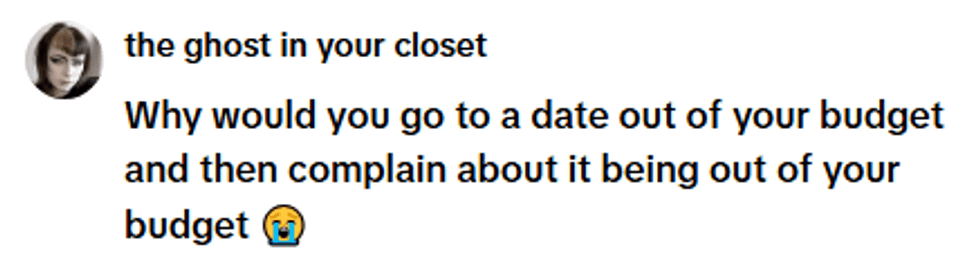 @phlynnmartin/TikTok
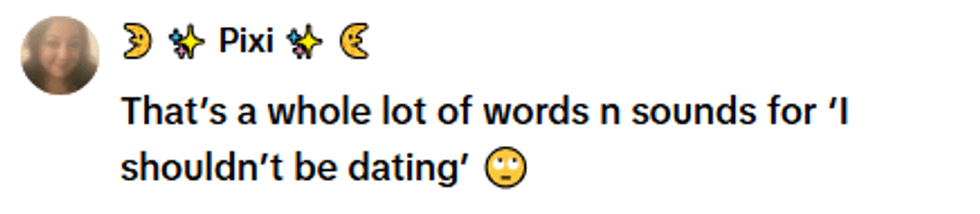 @phlynnmartin/TikTok
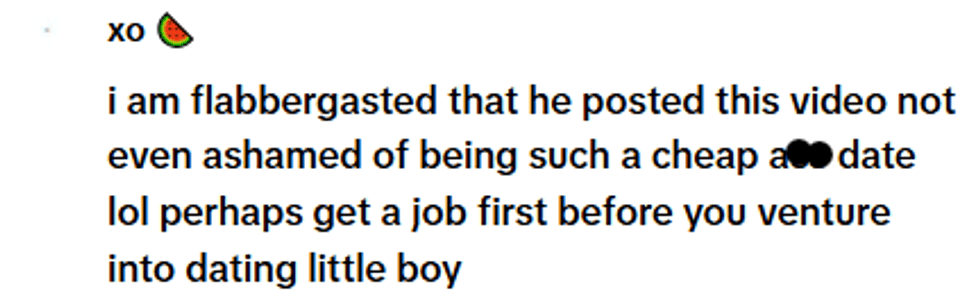 @phlynnmartin/TikTok
 @phlynnmartin/TikTok
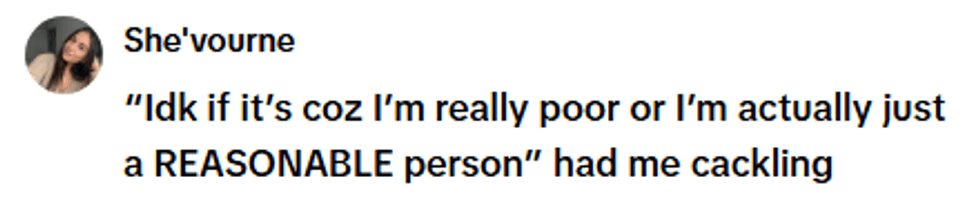 @phlynnmartin/TikTok
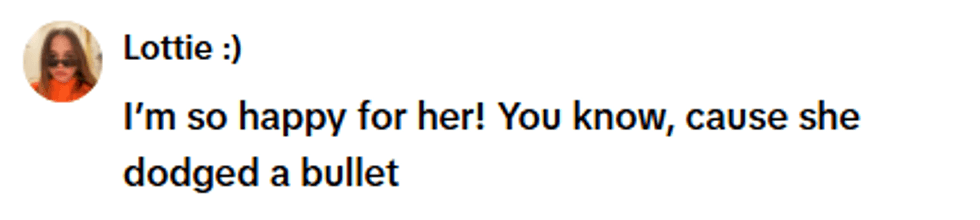 @phlynnmartin/TikTok
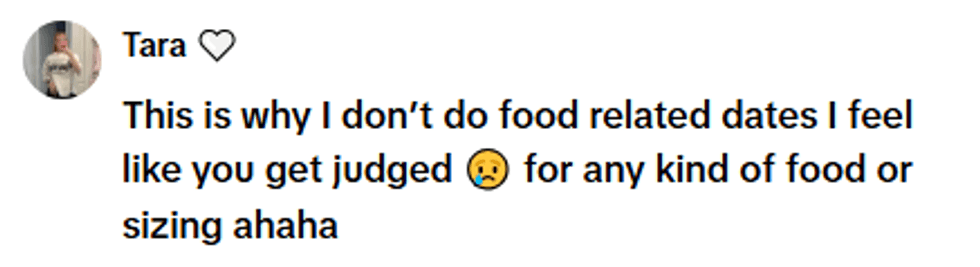 @phlynnmartin/TikTok
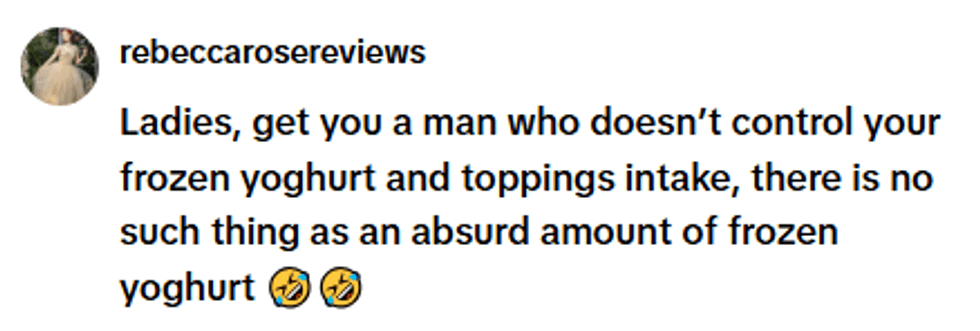 @phlynnmartin/TikTok
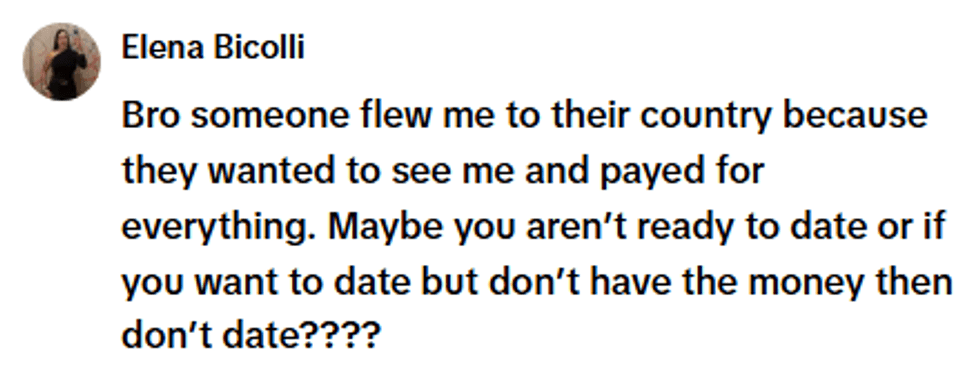 @phlynnmartin/TikTok
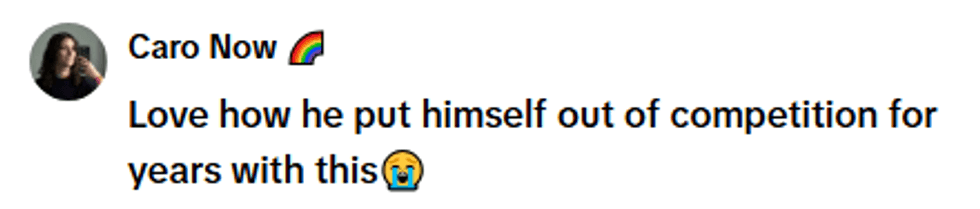 @phlynnmartin/TikTok
 @phlynnmartin/TikTok
 @sailors.mama/TikTok
 @sailors.mama/TikTok
 @sailors.mama/TikTok
 @sailors.mama/TikTok
 @sailors.mama/TikTok
 @sailors.mama/TikTok
 @sailors.mama/TikTok
 @sailors.mama/TikTok
 @sailors.mama/TikTok
 @sailors.mama/TikTok
 @sailors.mama/TikTok
 @sailors.mama/TikTok