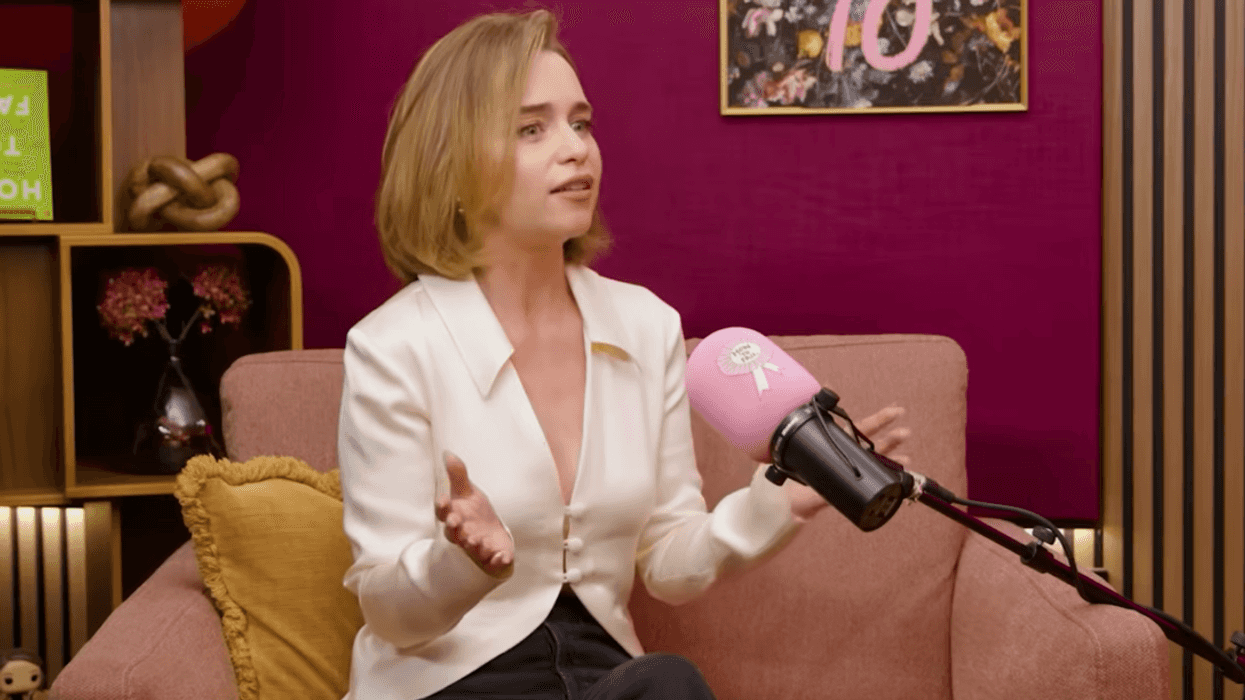
Emilia Clarke earned worldwide fame for her iconic performance as Daenerys Targaryen on the smash hit HBO series Game of Thrones. In one of the most notoriously violent shows to ever air on television, Clark's character would frequently find herself in one dangerous situation after another until she met (SPOILERS) her shocking demise in the series finale, "The Iron Throne."
Nothing seen on Game of Thrones, however, can compare with an actual near-death experience Clarke experienced, which she recently discussed on the podcast How To Fail with Elizabeth Day:
- YouTubeyoutu.be
Clarke openly disclosed that one of the "failures" she has endured was her failure to fully recover from not one, but two brain aneurysms.
Upon wrapping the first season of Game of Thrones, Clarke suffered her first "brain hemorrhage" while doing a plank in the gym.
Shockingly, Clarke's main concern after the terrifying experience was not making her health a priority, but rather ensuring she didn't lose her career-making job:
"...[I] spent the next two weeks with my agent trying to not tell HBO until they knew I wouldn’t die”.
During these two weeks, Clarke was examined by countless doctors at multiple hospitals, all the while concerned that it would delay her return to the Game of Thrones set.
A month or so later, Clarke was on the press tour for the first season of GoT, on "a bit of morphine," and still hiding her medical condition.
"I was so ashamed that this thing had happened, and that the people who had employed me might see me as weak, or see me as something that could be broken."
"I was so young and so unassuming that any repercussions of the injury I just absolutely ignored, and tried my best to pretend like it didn't happen in order to get back to work."
When filming commenced on season two of Game Of Thrones, Clarke still didn't tell a "single soul" about her injury, with the exception of showrunners David Benioff and D.B. Weiss.
Two years later, after appearing on Broadway in a critically panned stage adaptation of Breakfast at Tiffany's, Clarke thought she was "doing really well" healthwise.
But with her Screen Actors Guild insurance soon to run out, she needed to get another brain scan, which she had been doing every six months since her first scan.
After this scan, Clarke was told that what was initially described as a "mirror aneurysm" had grown three sizes in the last six months.
While the doctors initially said this would be a routine procedure, Clarke confessed she knew deep down all was not well.
"I remember counting down with the anesthetic, and I had just a terrible feeling."
Unfortunately, Clarke's fears proved to be well-founded.
"The next thing I remember is them waking me up, and having that pain all over again, because they went 'it went wrong, we have to crack your head open, and we have to have your permission.'"
"And then, all I remember is lying on the gurney and i could see my mum and dad over there, and i can just remember my mum's head nodding going 'say yes.'"
While Clarke has no specific memories of the immediate aftermath of this emergency surgery, her parents later reported to her that the doctors, who came to check on her status every half-hour or so, warned her parents that blindness, paralysis, and even death were all more than likely possibilities.
However, Clarke's mother was confident that she would pull through and come out stronger.
"Every half hour, they were just trying to figure out what parts of my brain were going and how they were trying to save me, and my mum says that she felt a bright light, and she knew that everything was going to be OK."
"And then they came down and said, 'she's fine', so that's pretty wild."
Viewers of the interview on X (formerly Twitter) were in awe of Clarke's ability to talk so openly about such a harrowing experience that could have easily taken her life, prompting others to share their own similar experiences:
Clarke openly admitted, however, that surviving the experience made her feel anything but stronger, admitting that even a minor headache sparks the "fear of death" in her, and the vulnerability of the experience continues to follow her.
She explained:
“It just cuts you off from being able to engage with the outside world, because you’re walking around knowing that your body has failed you, your brain has failed you."
“This thing that you know to be where yourself, your perception of yourself lies, has failed you, and no one else can see it so you become very sensitive”.
Even so, Clarke has made impressive strides in helping other survivors of strokes and brain injuries know that they are not alone by launching the charity SameYou, which strives to "develop better mental health treatments" for the aforementioned survivors.
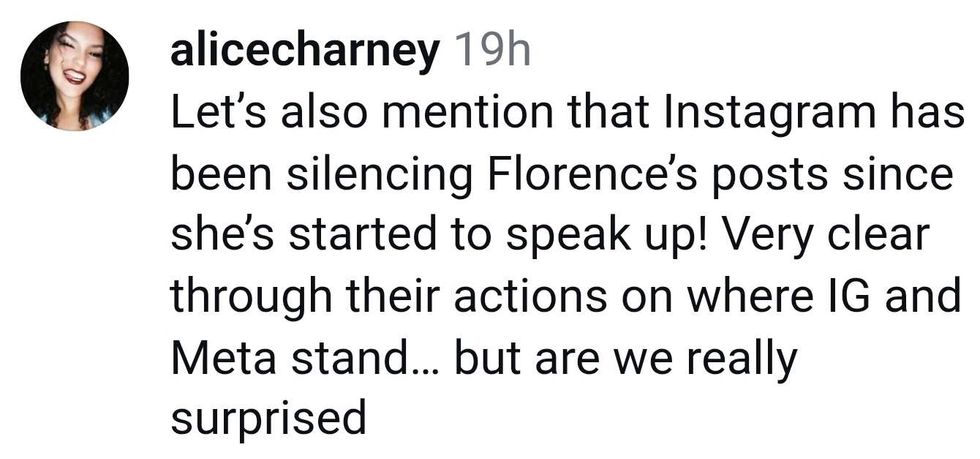 @alicecharney/Instagram
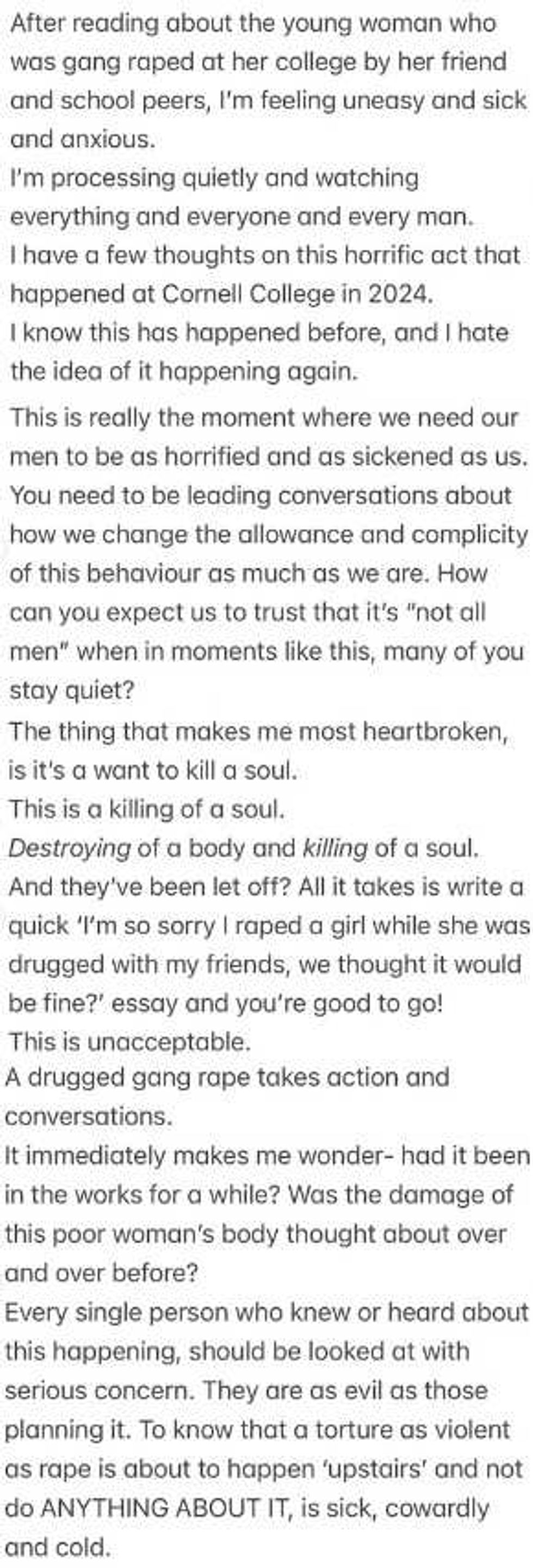 @florencepugh/Instagram
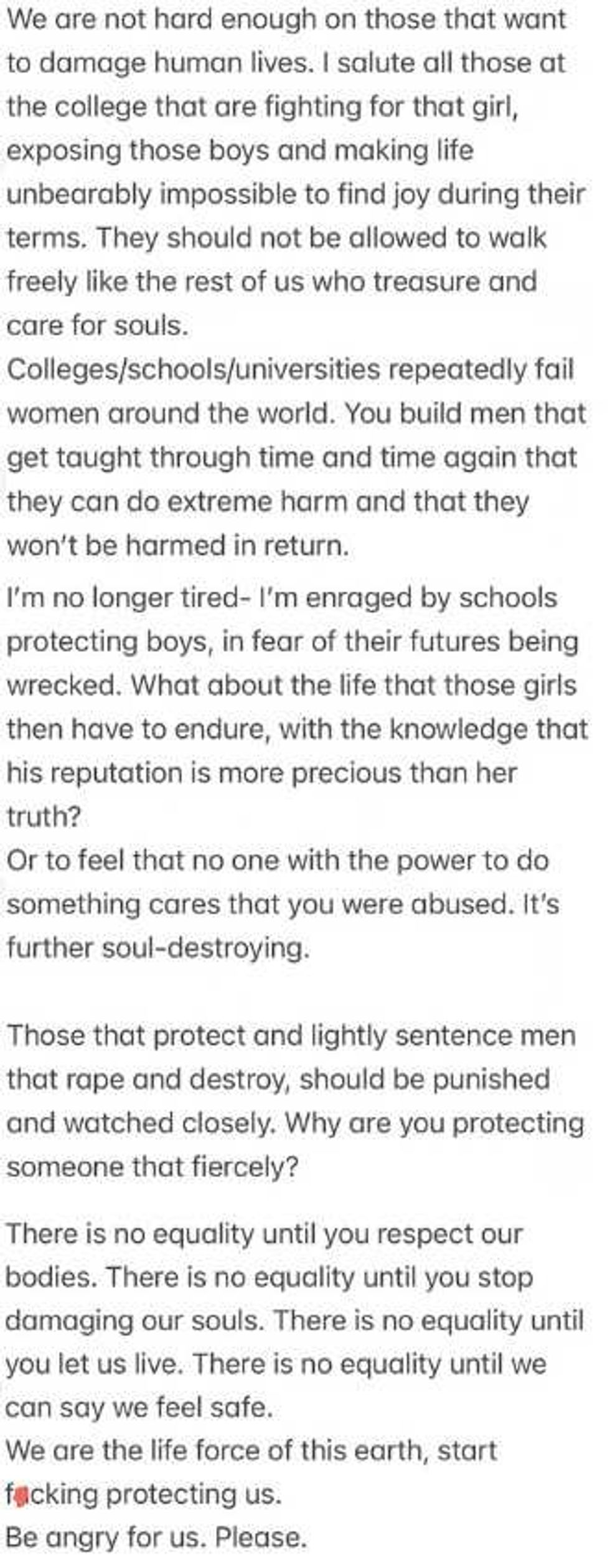 @florencepugh/Instagram
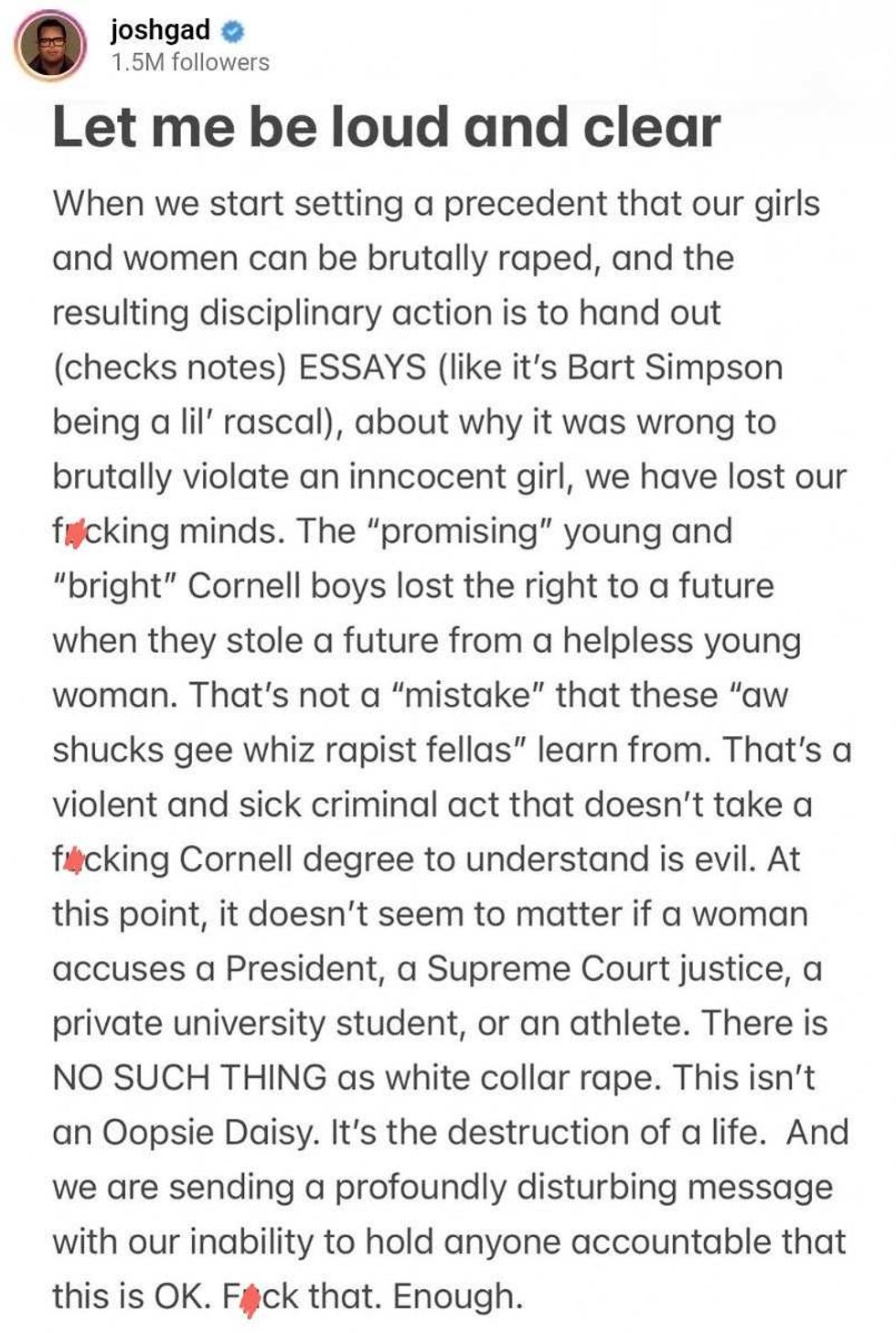 @joshgad/Instagram
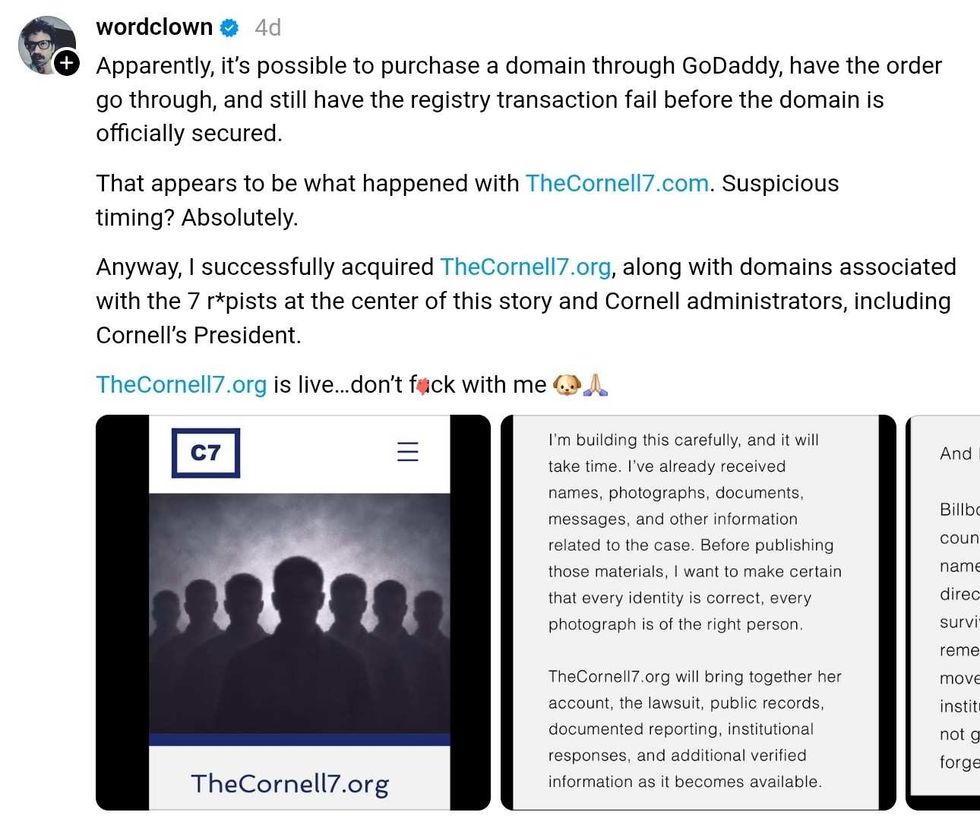 @wordclown/Threads
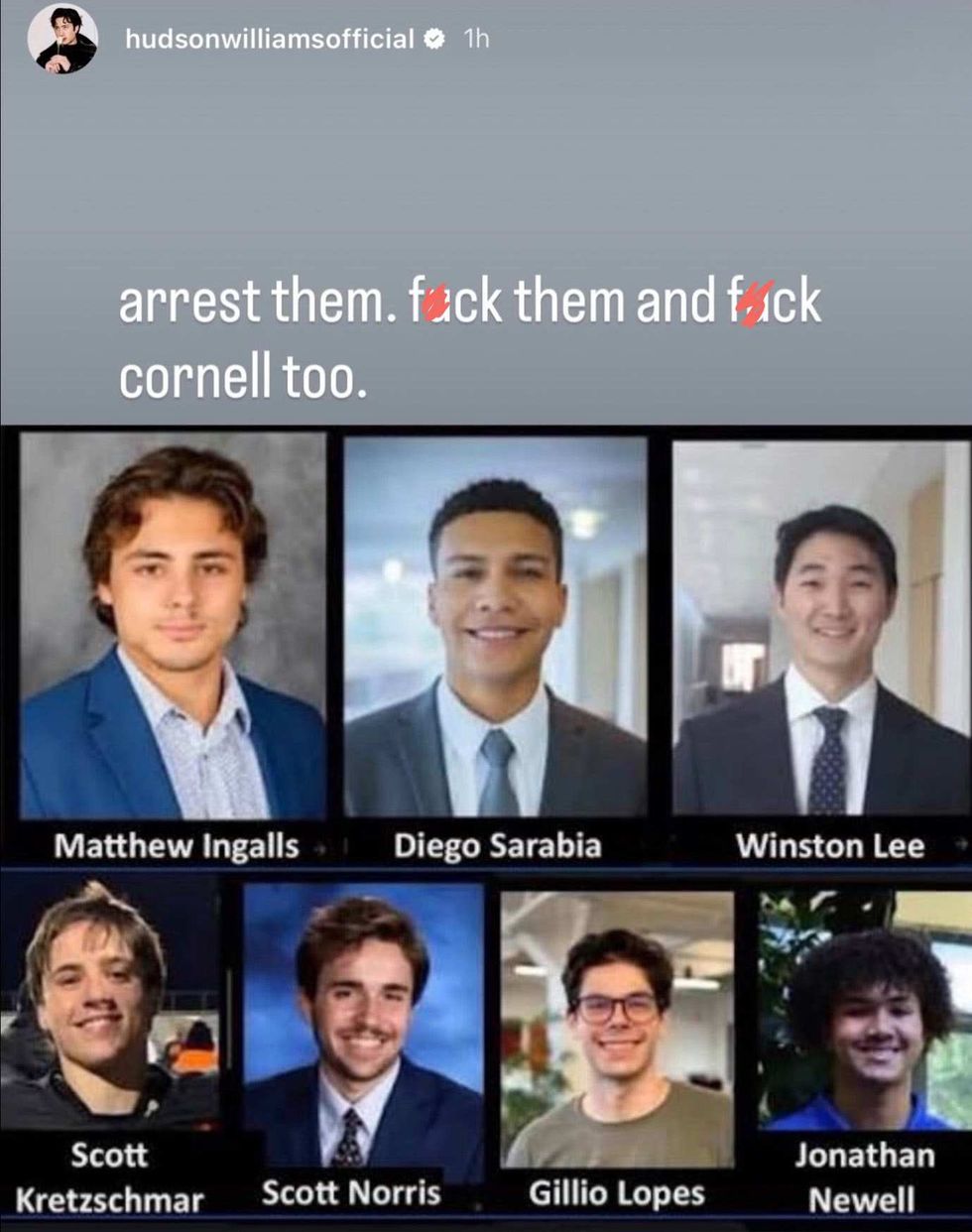 @hudsonwilliamsofficial/Instagram
 @jameelajamil/Instagram



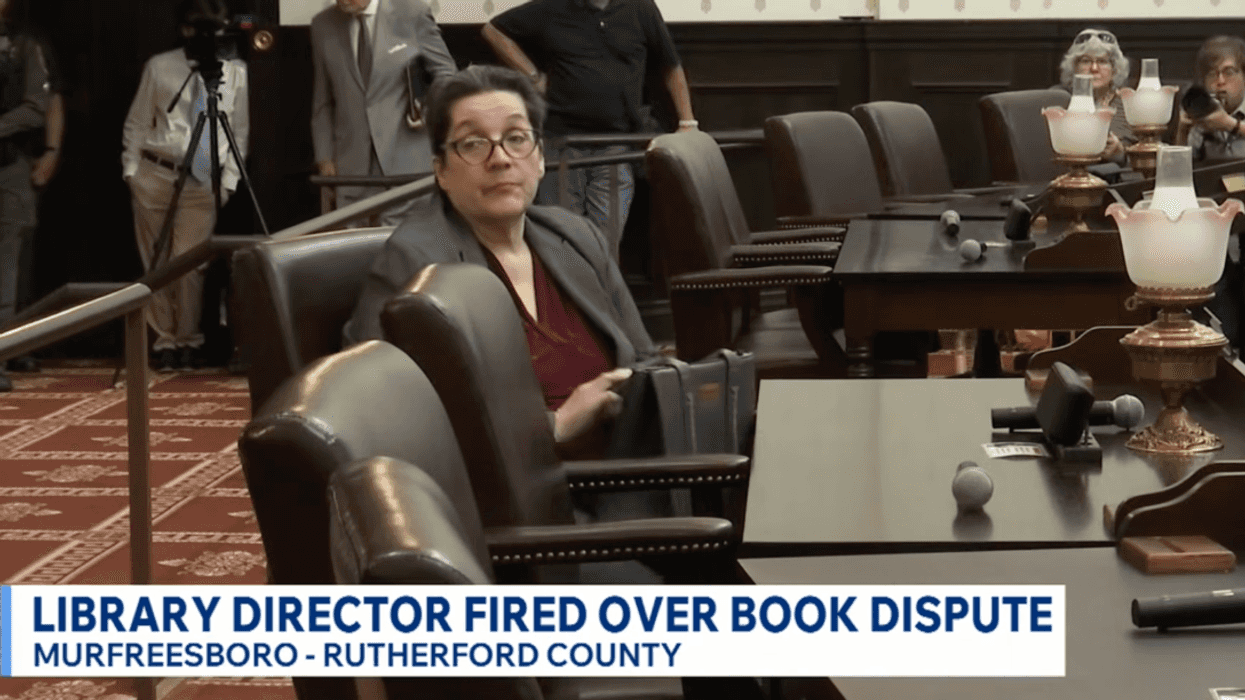
 Rae Markus/Facebook
 Jason Thomas/Facebook
 Terree Hautman Newberry/Facebook
 Judy Tyler/Facebook
 Cat Degges/Facebook
 Susie Doran/Facebook
 Matthew J Bushman/Facebook
 @ddale8/X
 @ddale8/X
 @ddale8/X
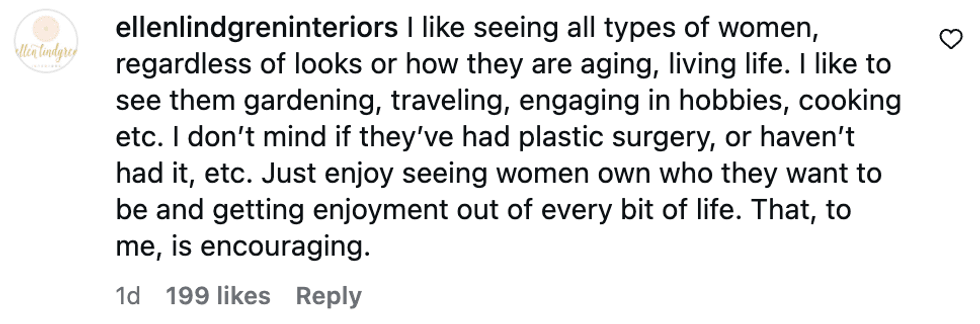 @ellenlindgreninteriors/Instagram
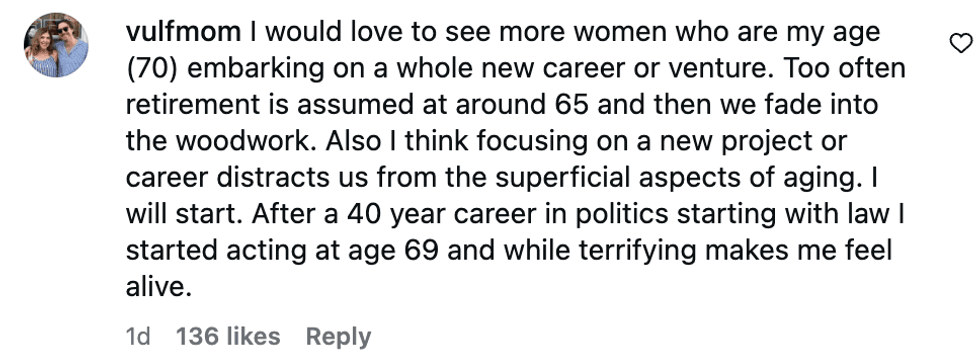 @vulfmom/Instagram
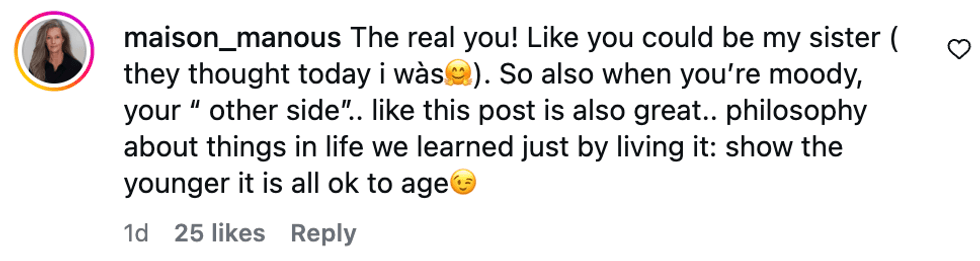 @maison_manous/Instagram
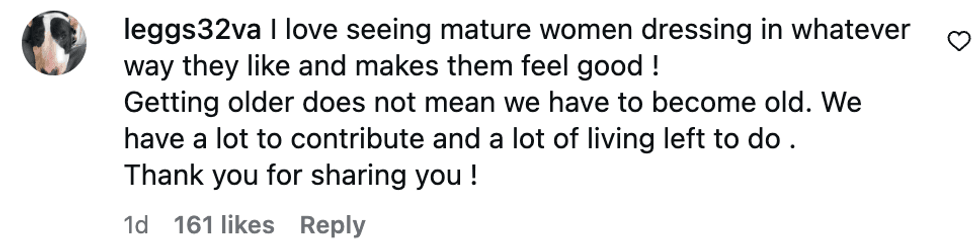 @leggs32va/Instagram
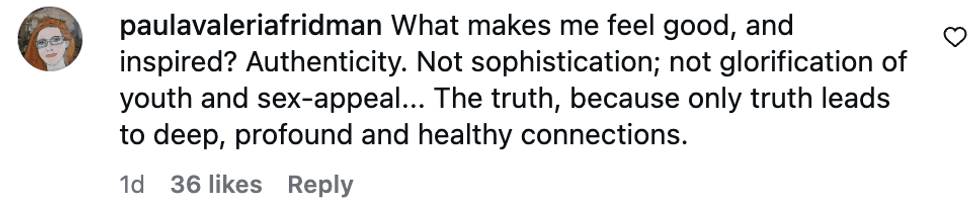 @paulavaleriafridman/Instagram
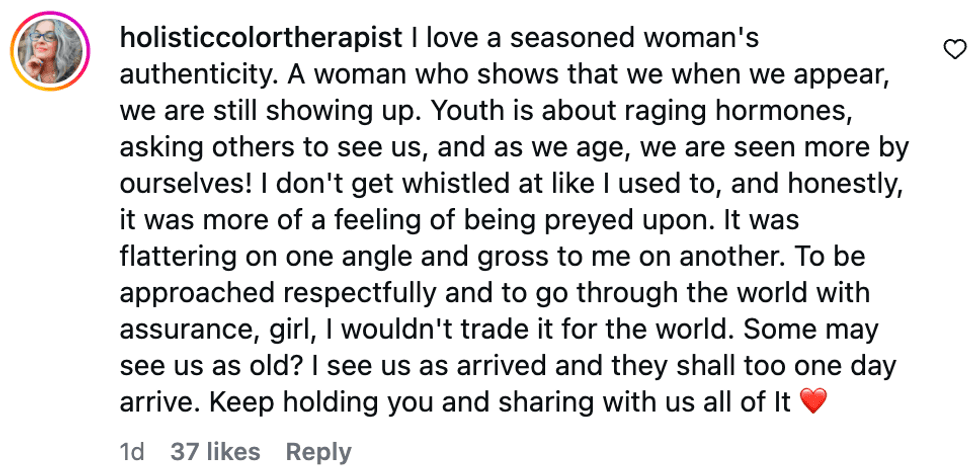 @holisticcolortherapist/Instagram
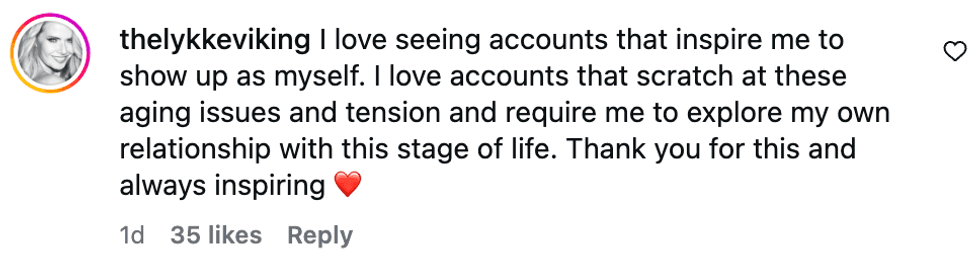 @thelykkeviking/Instagram
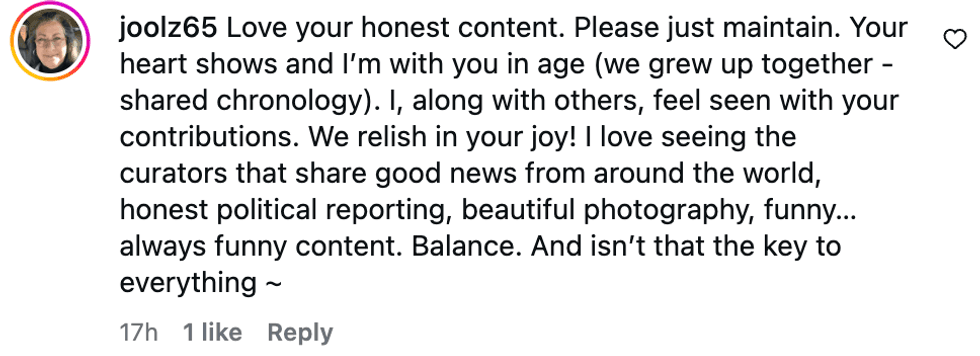 @joolz65/Instagram
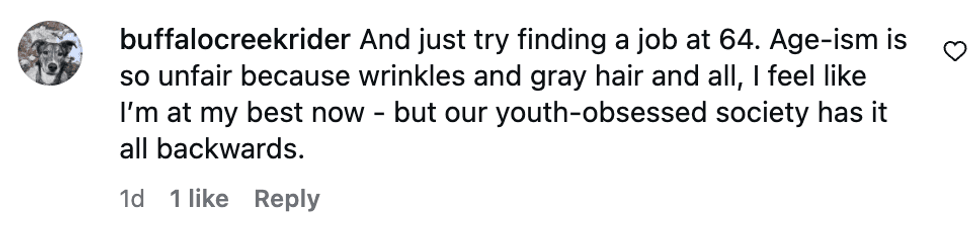 @buffalocreekrider/Instagram
 @healinghomescaping/Instagram
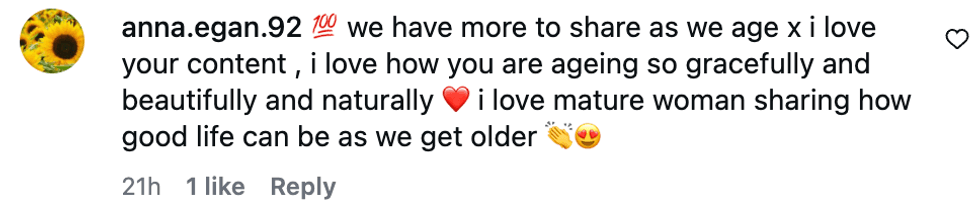 @anna.egan.92/Instagram
 @ashleynvoss/Instagram