
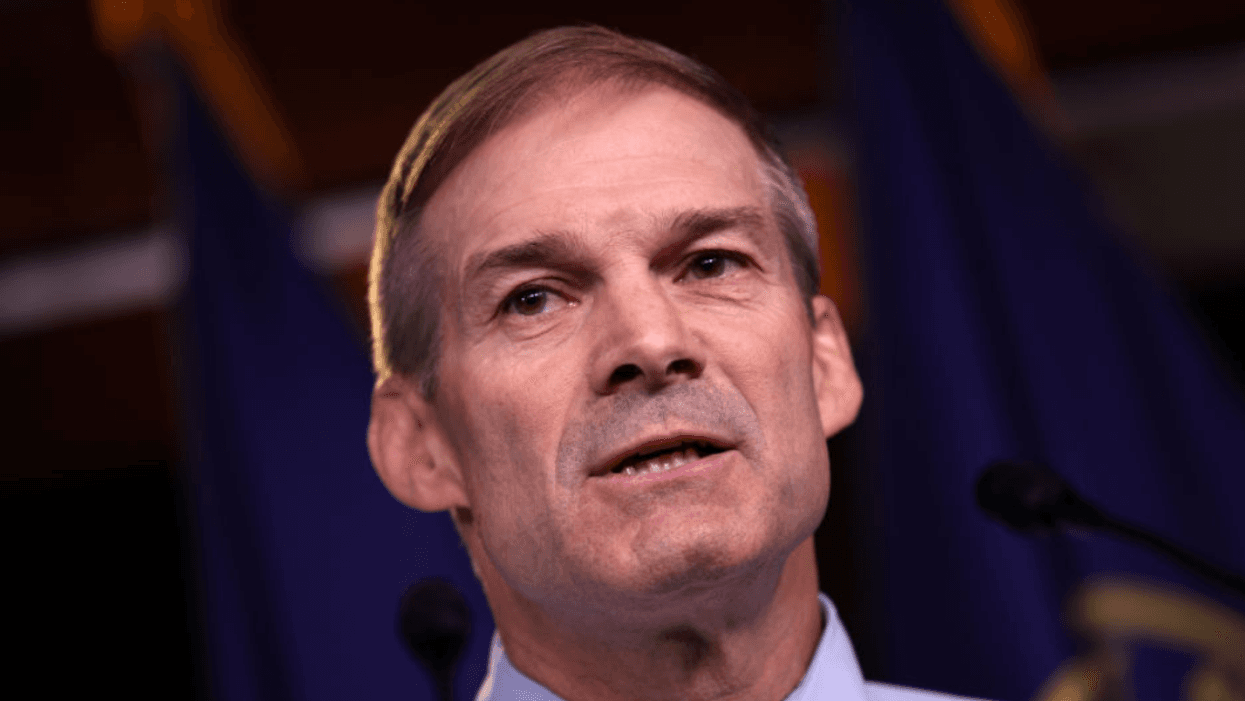

Ohio Republican Representative Jim Jordan received heavy criticism after he claimed that groceries "weren't expensive during the Trump administration."
Jordan's claim comes as many continue to feel the economic fallout from the Covid-19 pandemic and as the impacts of inflation continue to be felt at the grocery store.
The Wall Street Journal reported on this phenomenon earlier this week, noting that:
"Inflation is now so hot that staples companies feel they have no option but to pass it on. Nestlé, Danone and Procter & Gamble all said this week that consumers can expect higher bills at the grocery store."
"The question is how far they can push before shoppers defect to cheaper brands or buy fewer items."
However, rising grocery prices are not necessarily new and were, in fact observed during former President Donald Trump's time in office.
Trump generated significant controversy in 2018 after he initiated a trade war, raising taxes on aluminum and steel. Ultimately, the agriculture industry and farmers in particular ended up paying the price when countries leveled retaliatory tariffs.
In 2018, at the height of the trade war, CNBC interviewed Matt Gold, a former deputy assistant U.S. Trade Representative for North America under former President Barack Obama, who said that:
"With Chinese retaliatory tariffs, we've imposed those on $34 billion of different goods coming from China. It's a very broad array of consumer products, industrial products."
"So everything from the person who walks into Walmart is going to pay higher prices as well as the manufacturer buying material imports for their manufacturing processes."
Indeed, the ripple effects of these tariffs have been felt across numerous sections of the food industry, including beef, beer, cheese, pork, soybeans, and even whiskey and bourbon.
Jordan's claim was swiftly criticized by the online community, with many sharing their observations during the pandemic and even sharing headlines from Trump's time in office.
The combination of tariffs and the economic shock of the pandemic have dealt a heavy blow to consumers' wallets in the last few years, though the Trump administration often attempted to obfuscate the reality.
Former President Trump once characterized tariffs as a "simple" repercussion of negotiating trade deals that would impact the United States "unfairly."
However, Trump's understanding of economics is lacking.
Tariffs are taxes on imports or exports between sovereign states.
In the United States, many tariffs are paid at the time of entry into the country via a U.S. customs broker or agent, and that doesn't necessarily account for duties and fees that may apply to the import.
Trump's words came as the United States and China saw tensions rise after Trump announced an additional $200 billion in tariffs on Chinese goods in an attempt to get businesses to use fewer Chinese-produced goods and opt for goods made in the U.S. or by allies with whom the country has less precarious trade relationships.
These tariffs did not benefit the U.S. or, as Trump put it, "the piggy bank that's being robbed."
The tariffs actually resulted in production cost increases for businesses that used imported Chinese products. These increases happened because businesses either had to use more expensive domestic parts or pay more for the finished products.
Trump's tariffs also focused on intermediary goods, or parts, which many small-to-medium-sized U.S. businesses use to make finished products.
Consequently, the increased cost of parts placed businesses into positions where they were forced to either raise prices on their goods and pass the cost on to the consumer, reduce their workforce, or shutter U.S. operations and move overseas to avoid tariffs.



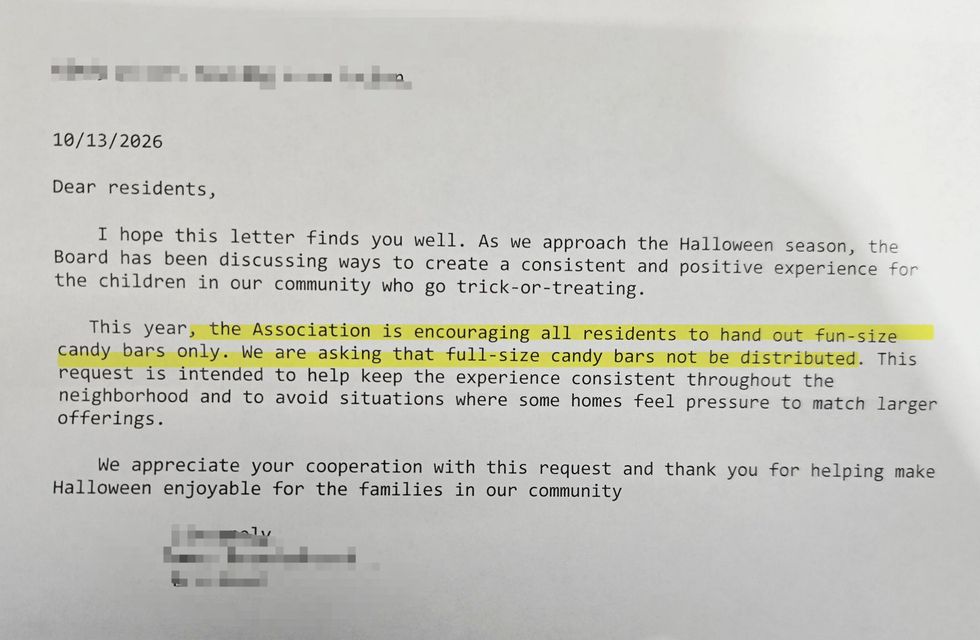 @MuffinsNsuch/X
 @serena_loscalzo/TikTok
 @serena_loscalzo/TikTok
 @serena_loscalzo/TikTok
 @serena_loscalzo/TikTok
 @serena_loscalzo/TikTok
 @serena_loscalzo/TikTok
 @serena_loscalzo/TikTok
 @serena_loscalzo/TikTok
 @serena_loscalzo/TikTok
 @serena_loscalzo/TikTok
 @itsvictoriavega/TikTok
 @itsvictoriavega/TikTok
 @itsvictoriavega/TikTok
 @itsvictoriavega/TikTok
 @itsvictoriavega/TikTok
 @itsvictoriavega/TikTok
 @itsvictoriavega/TikTok
 @itsvictoriavega/TikTok
 @itsvictoriavega/TikTok
 @itsvictoriavega/TikTok
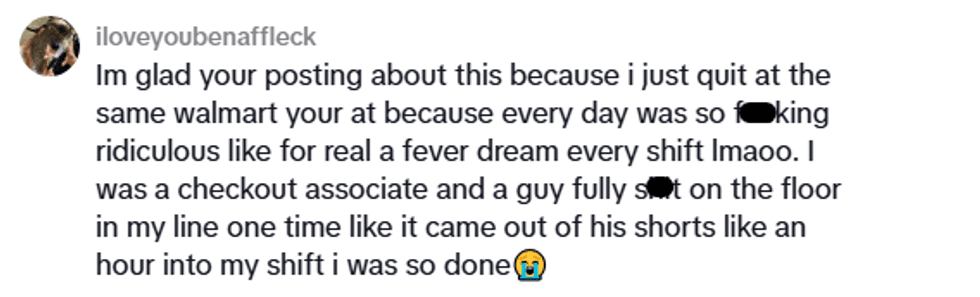 @lolxdlolxdlolxd23455/TikTok
 @lolxdlolxdlolxd23455/TikTok
 @lolxdlolxdlolxd23455/TikTok
 @lolxdlolxdlolxd23455/TikTok
 @lolxdlolxdlolxd23455/TikTok
 @lolxdlolxdlolxd23455/TikTok
 @lolxdlolxdlolxd23455/TikTok
 @lolxdlolxdlolxd23455/TikTok
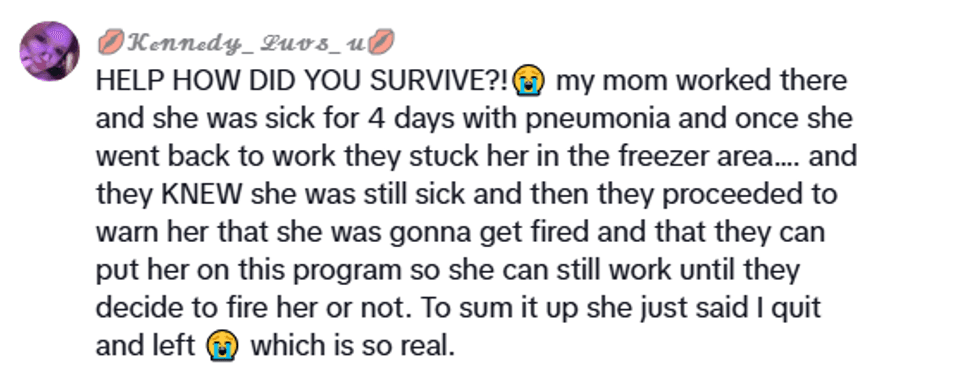 @lolxdlolxdlolxd23455/TikTok
 @lolxdlolxdlolxd23455/TikTok
Larry David's New Satirical Essay Mocking Democratic Socialists Isn't Sitting Well With People