
Is the science in science fiction always sound?
Does the action in action films always obey the laws of physics?
Do moviegoers care?
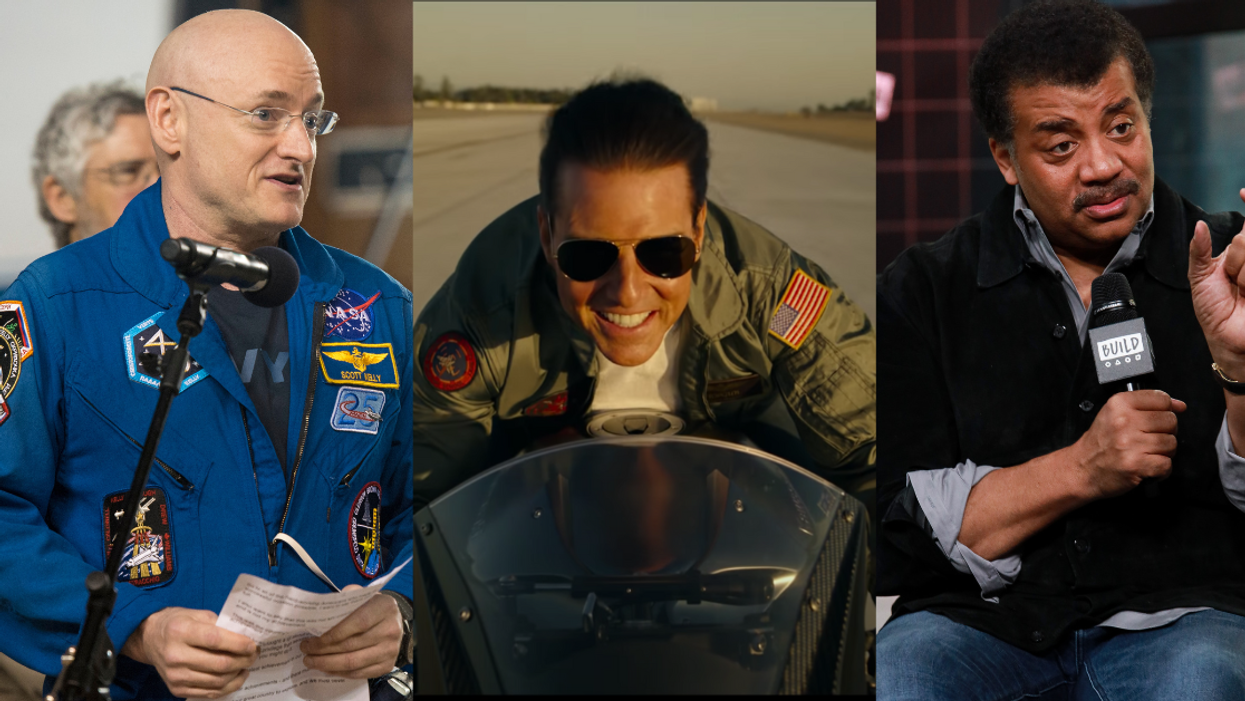
Astrophysicist and movie-science-ruiner supreme Neil DeGrasse Tyson recently came for some of the action in the recent Top Gun: Maverick movie.
He tweeted:
"Late to the party here, but In this year’s [Top Gun: Maverick, [Tom Cruise]’s character Maverick ejects from a hypersonic plane at Mach 10.5, before it crashed."
"He survived with no injuries."
"At that air speed, his body would splatter like a chainmail glove swatting a worm."
"Just sayin’."
DeGrasse Tyson received a chorus of responses.
One notable commenter was NASA astronaut Scott Kelly.
Kelly is an engineer, retired astronaut and a naval aviator like the pilots in Top Gun. A veteran of four space flights, Kelly commanded the International Space Station (ISS) on Expeditions 26, 45 and 46.
Kelly is sometimes mistaken for Democratic Senator Mark Kelly, who is also a retired astronaut and naval aviator. The men are identical twins.
Scott Kelly tweeted:
"Depends on his altitude."
"I was going Mach 25 when I left the ISS on a spacewalk and that was just fine."
Kelly conceded it wouldn't be the speed, but the fall that would kill the character.
With two giants of space knowledge discussing a sequel of a beloved film on Twitter, the response was quick and fierce.
It sort of fell into two camps.
First, the armchair astronauts/physicists who felt the need to flex their intellectual muscles.
Many commented this argument is, after all, about a movie.
Those commenters included Kelly himself.
Others just commented on the entire discussion as a whole.
What is more predictable than the physics of falling at Mach speeds?
The speed at which people will run to correct experts on Twitter.






 @joannawietrzyk/Instagram
 reply to @joannawietrzyk/Instagram
 reply to @joannawietrzyk/Instagram
 reply to @joannawietrzyk/Instagram
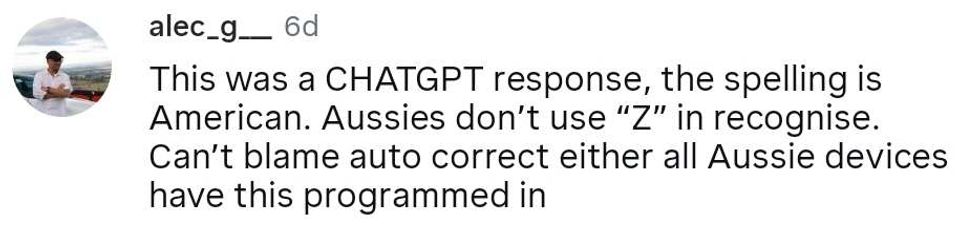 reply to @joannawietrzyk/Instagram
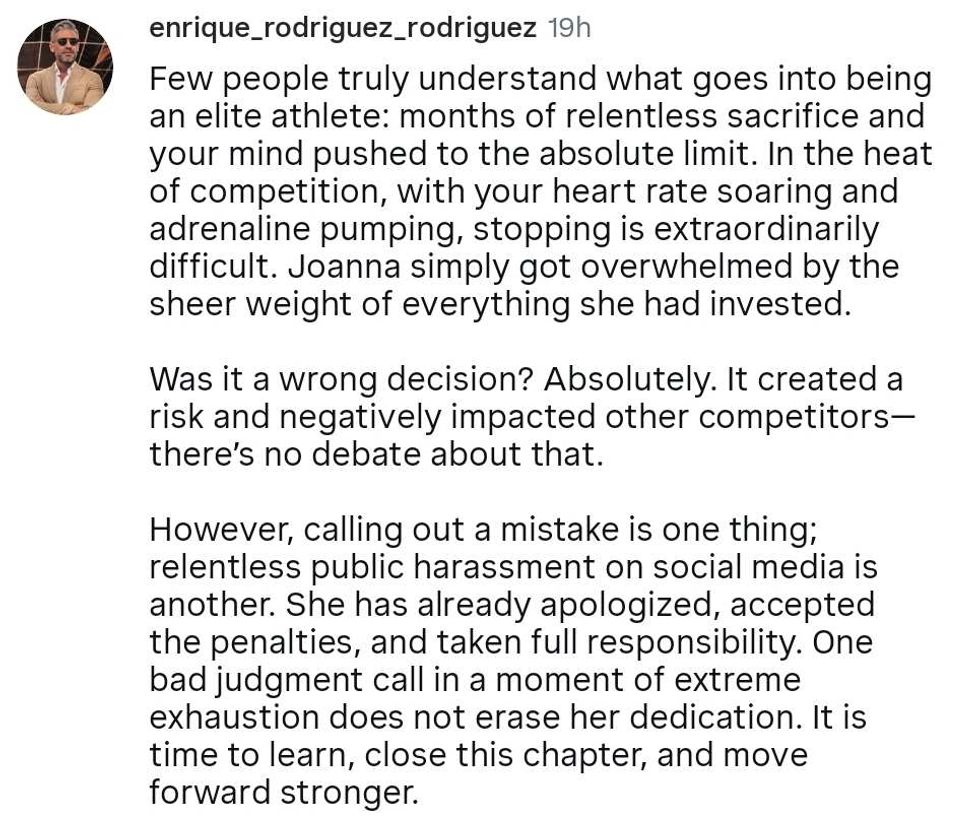 reply to @joannawietrzyk/Instagram
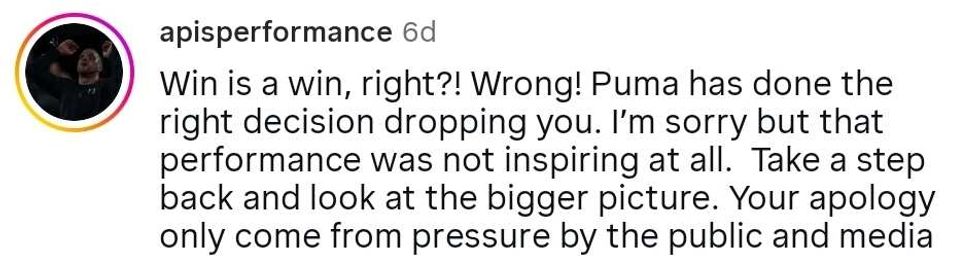 reply to @joannawietrzyk/Instagram
 reply to @joannawietrzyk/Instagram
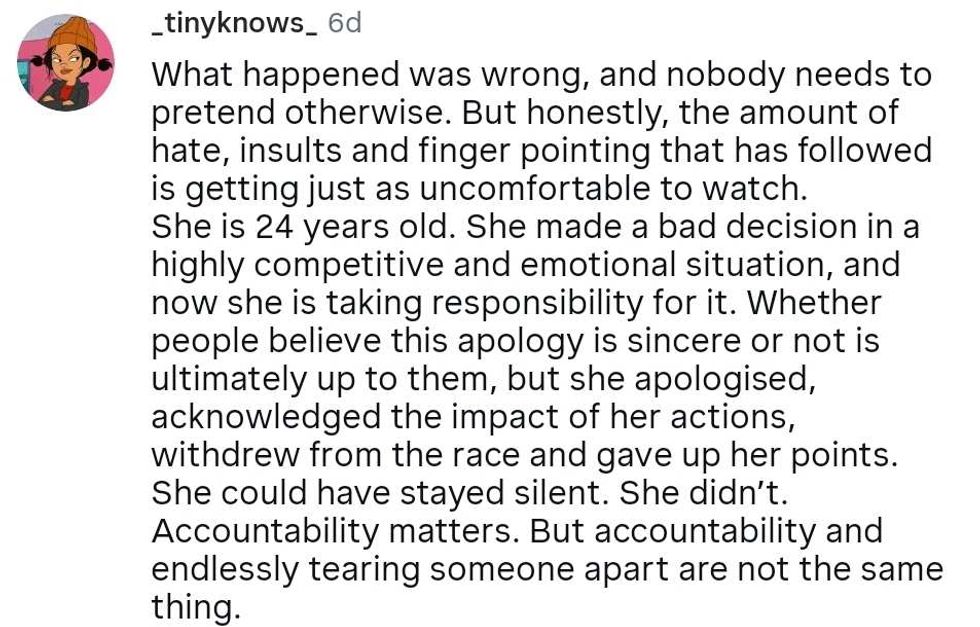 reply to @joannawietrzyk/Instagram
 reply to @joannawietrzyk/Instagram