
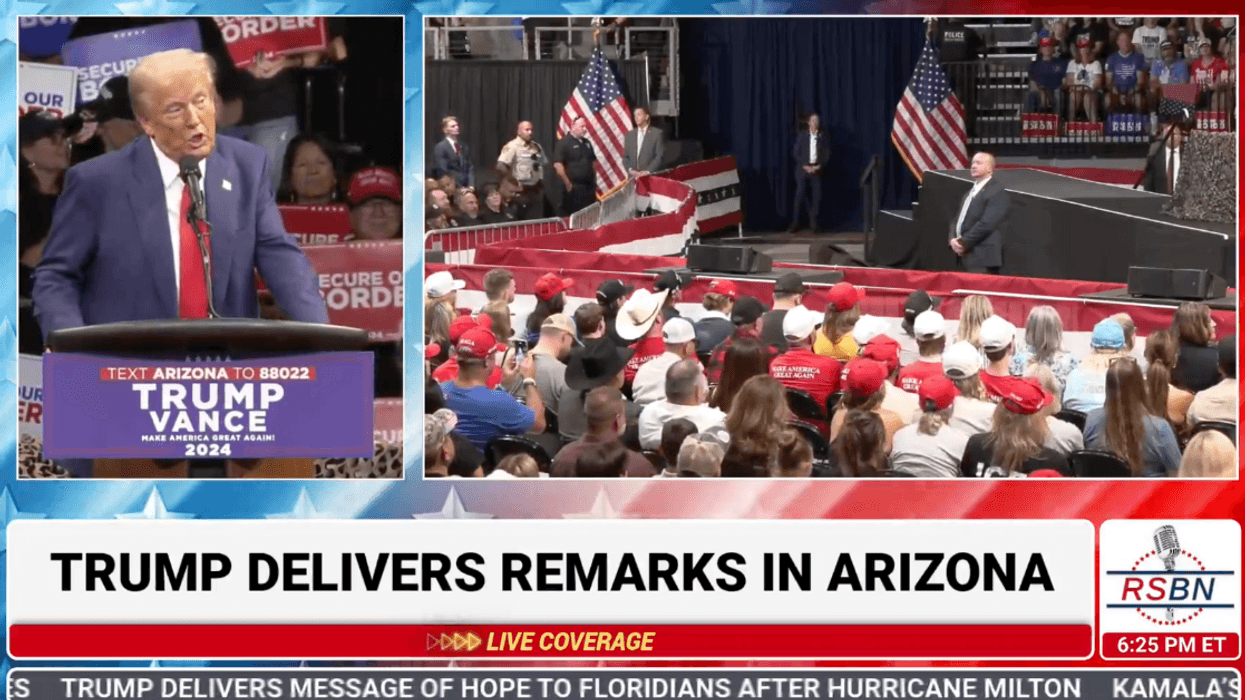
Former President Donald Trump was widely mocked for a bizarre mispronunciation at his rally in Prescott Valley, Arizona on Sunday—sparking theories as to who he was actually talking about.
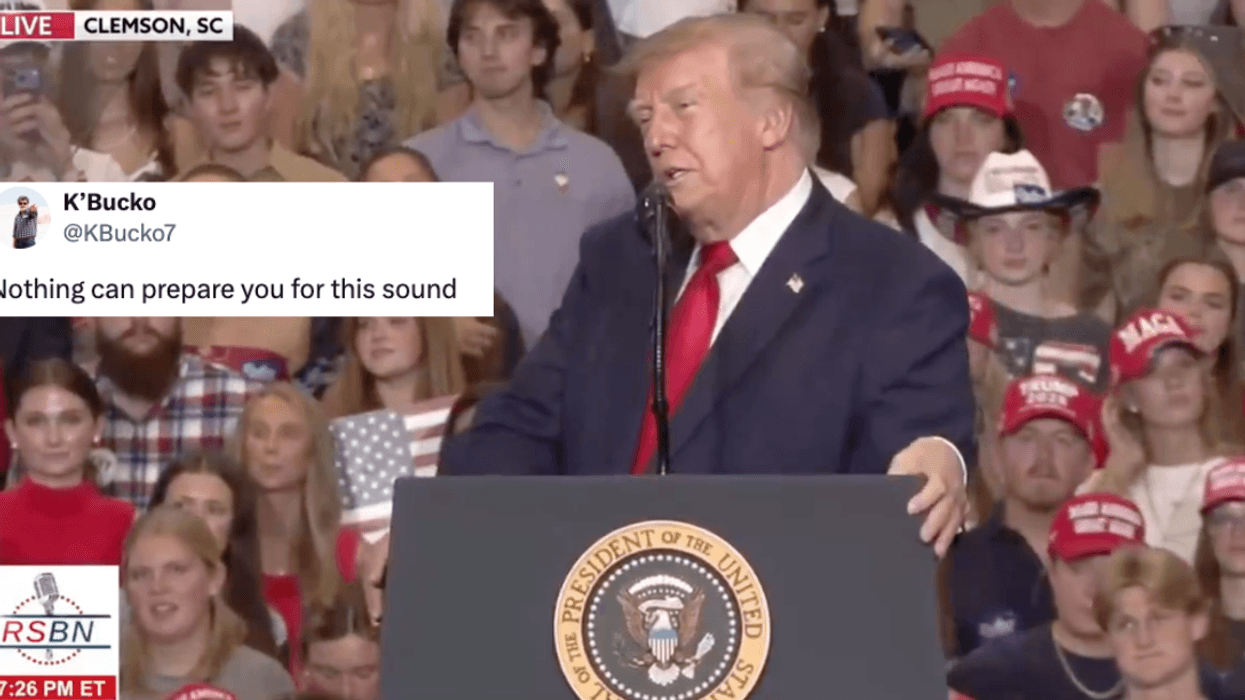
While greeting his audience, Trump proudly introduced the many "Azure-asians" present in the crowd:
"We have many Aseurasians in our room. We have some incredible people in our room. We have so many that we just can’t. But we have some people, we have some people in our room that I'm not going to mention because they fully understand why because we're out of time."
You can hear what he said in the video below.
People were very confused. Was he trying to say "Arizonans"??
Trump appears to have been referring to a group of supporters in red shirts that said “Assyrians for Trump.
 RSBN
RSBN
The modern Assyrian community traces its heritage to ancient Mesopotamia, which corresponds to present-day northern Iraq, Syria, Turkey, and Iran. Predominantly Christian or Catholic, they often see themselves as culturally distinct from the predominantly Muslim Arab world.
Still, it didn't make what Trump said any less weird.
A review of Trump's rallies, interviews, statements, and social media posts reveals notable changes since he entered the political arena in 2015. While he has always rambled, his speeches have become darker, harsher, longer, angrier, less focused, and increasingly fixated on the past over time.
According to a computer analysis by The New York Times, Trump's rally speeches now average 82 minutes, up from 45 minutes in 2016. He uses all-or-nothing terms like "always" and "never" 13 percent more frequently than he did eight years ago, which some experts view as a sign of advancing age.
Additionally, he employs 32 percent more negative words compared to positive ones now, compared to 21 percent in 2016, suggesting a possible cognitive shift. Furthermore, his use of swear words has increased by 69 percent since his first campaign, a trend that may indicate what experts refer to as disinhibition.

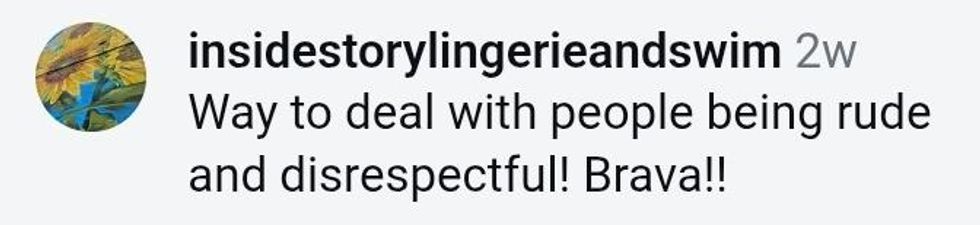 reply to @lisakearnsward2/Instagram
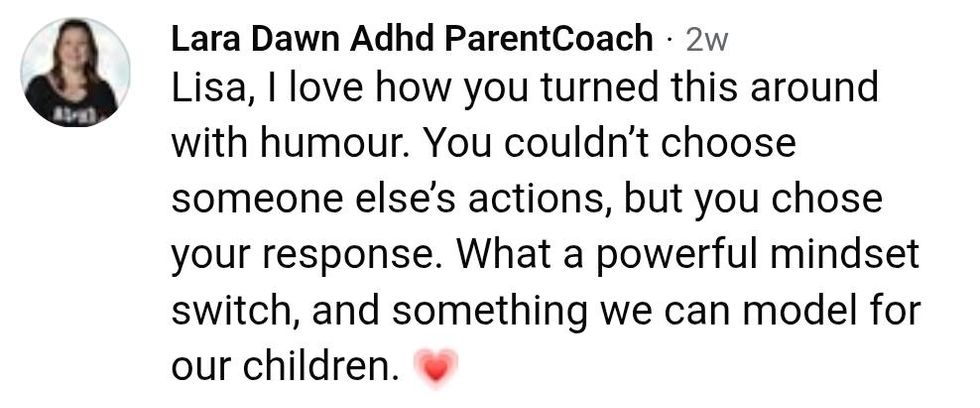 reply to Lisa Kearns/Facebook
 reply to Lisa Kearns/Facebook
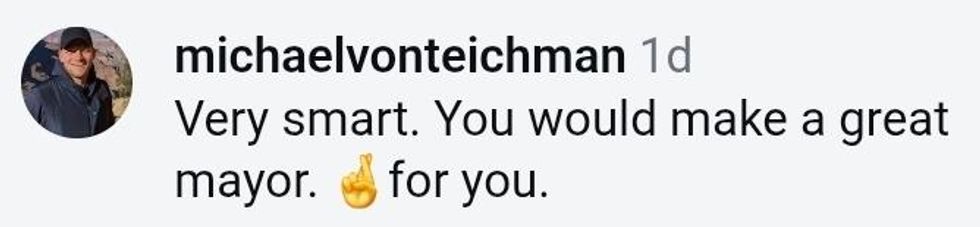 reply to @lisakearnsward2/Instagram
 reply to Lisa Kearns/Facebook
 reply to Lisa Kearns/Facebook
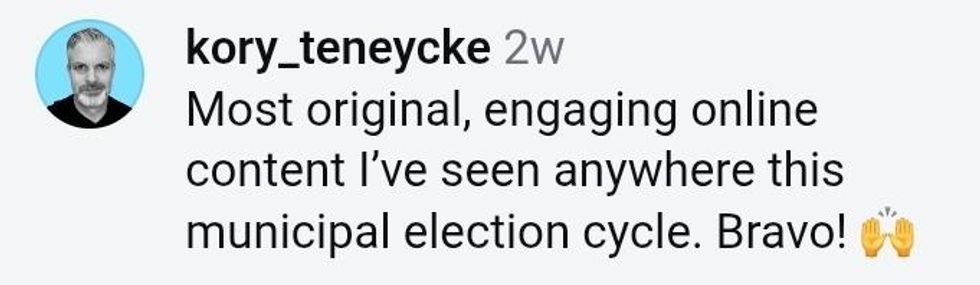 reply to @lisakearnsward2/Instagram
 reply to Lisa Kearns/Facebook
 reply to Lisa Kearns/Facebook
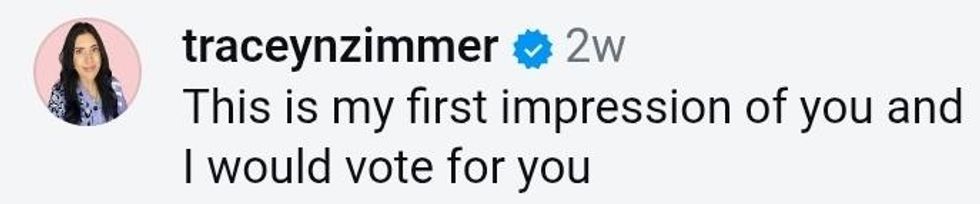 reply to @lisakearnsward2/Instagram
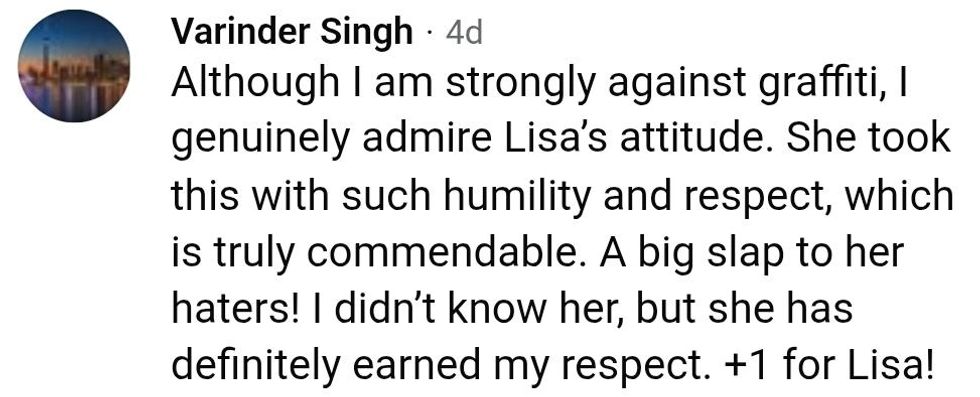 reply to Lisa Kearns/Facebook
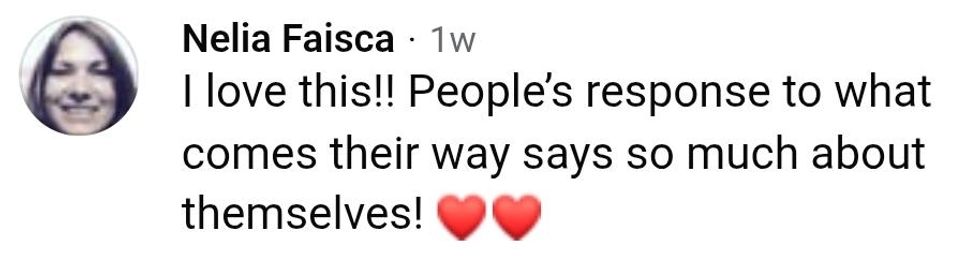 reply to Lisa Kearns/Facebook
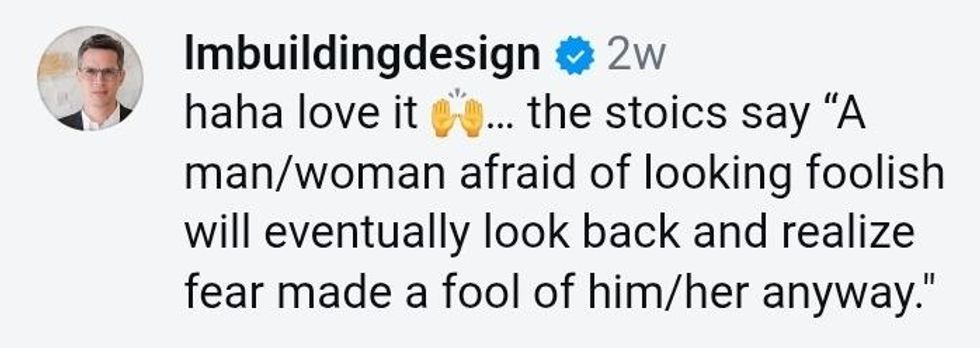 reply to @lisakearnsward2/Instagram
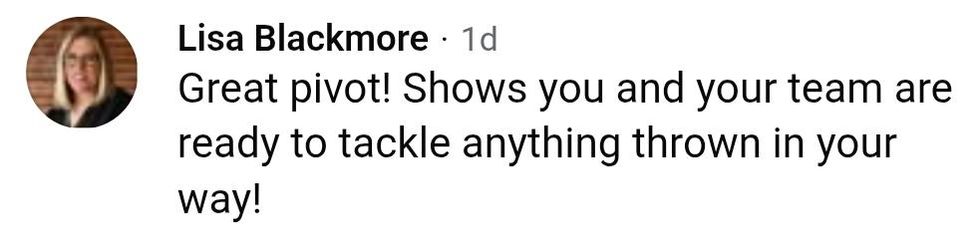 reply to Lisa Kearns/Facebook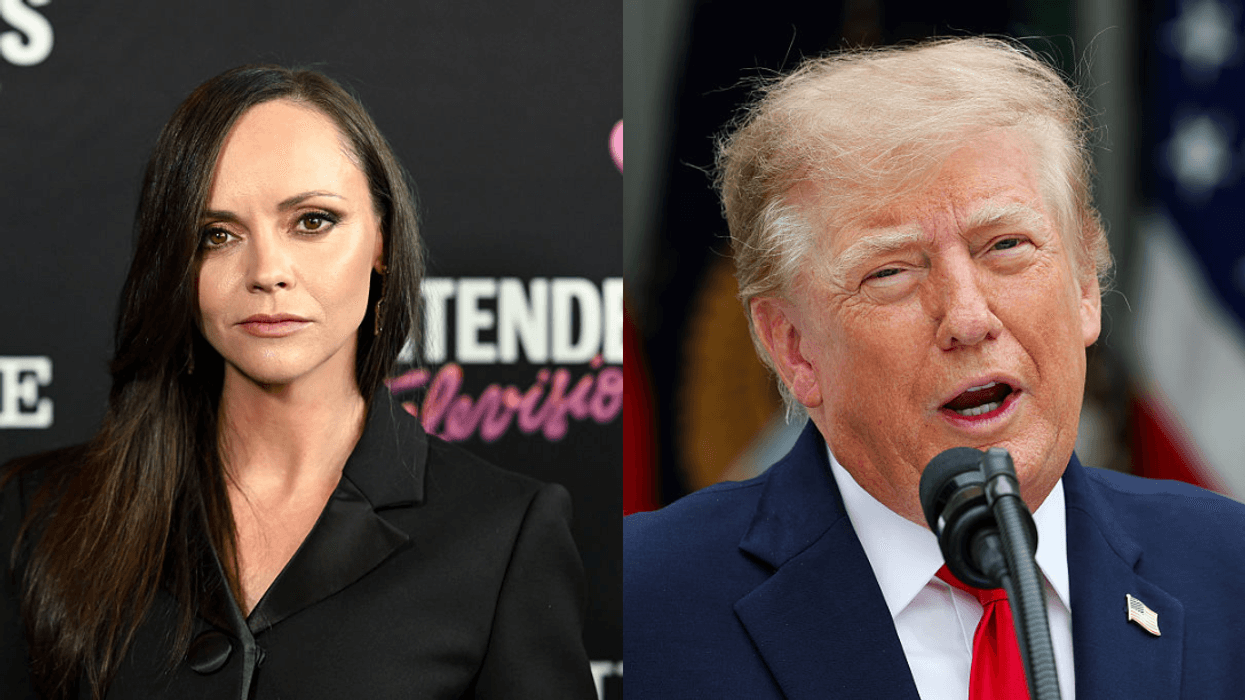
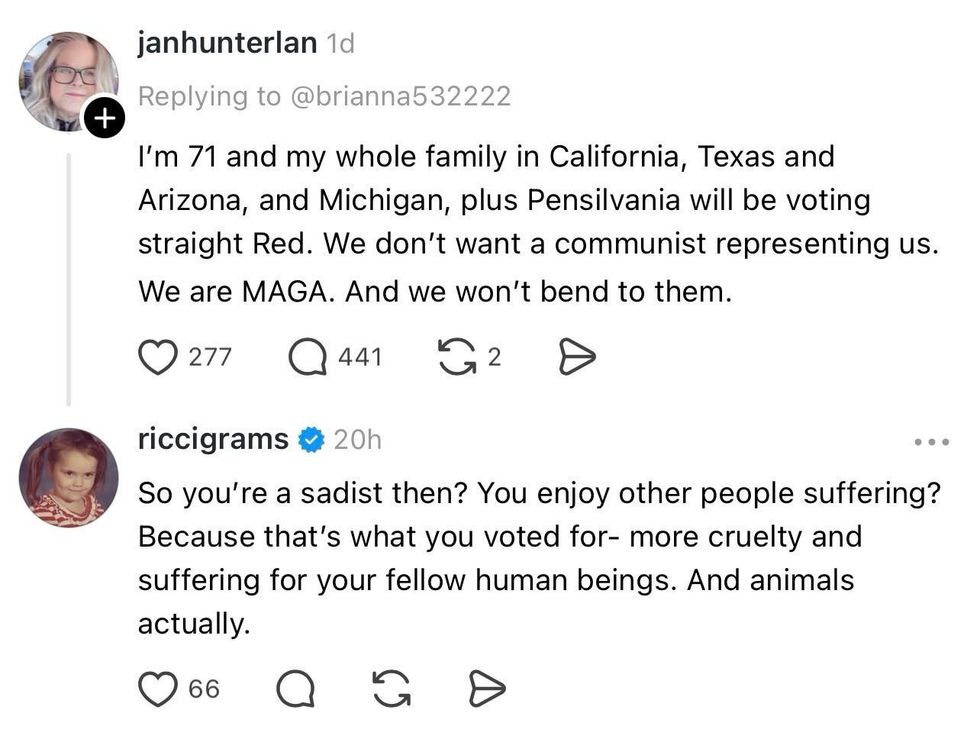 @janhunterlan/Threads; @riccigrams/Threads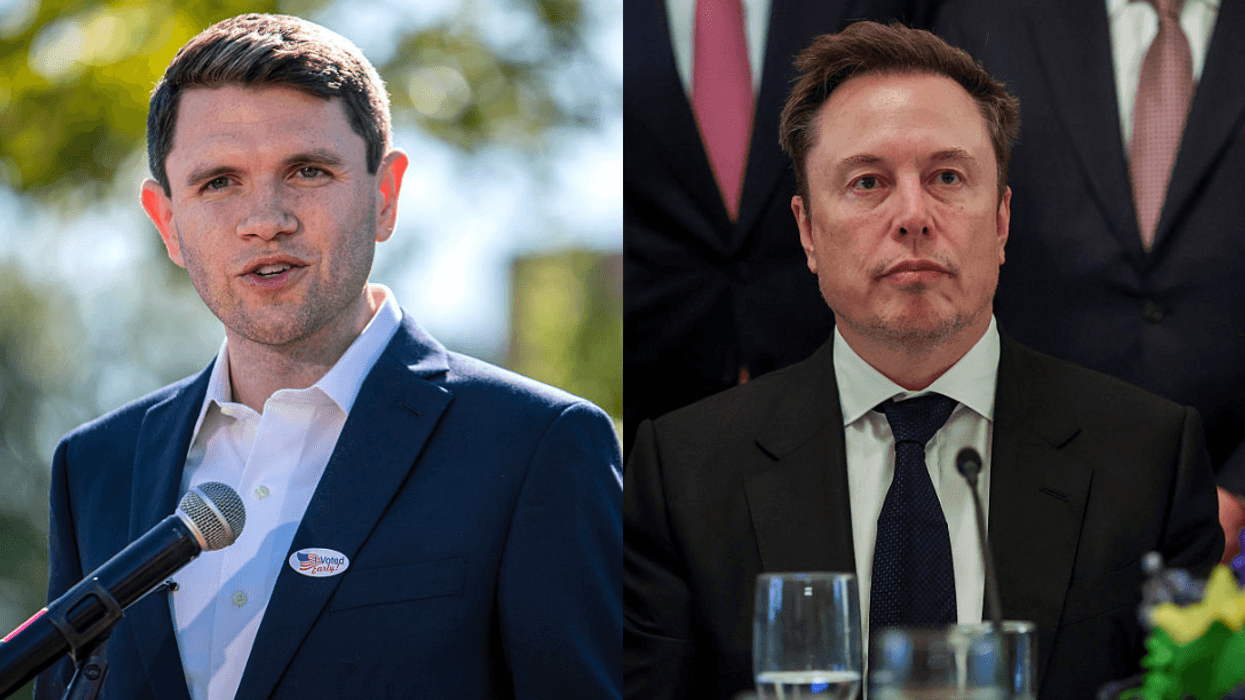
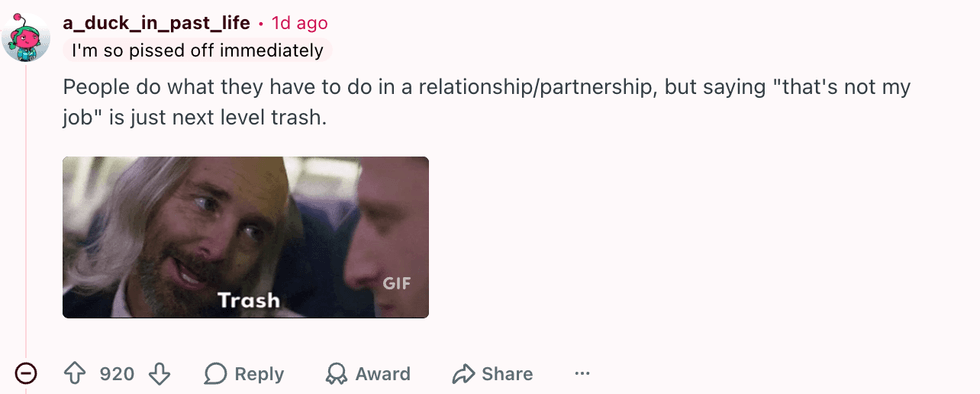 u/a_duck_in_past_life/Reddit
 u/GordEisengrim/Reddit
 u/qu33rtyc0wboy/Reddit
 u/-SnuffBox-/Reddit
 u/Kooky-Blueberry-5352/Reddit
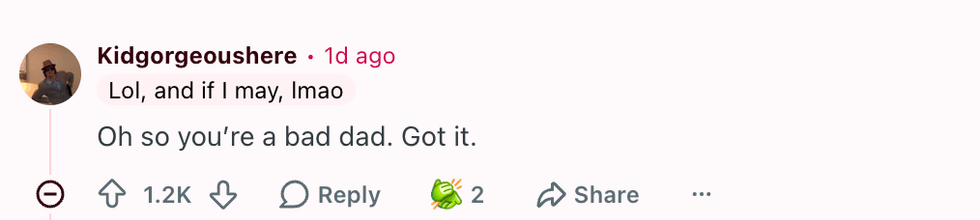 u/Kidgorgeoushere/Reddit
 u/OShaunesssy/Reddit
 u/eugeneugene/Reddit
 u/AvengingHero2012/Reddit
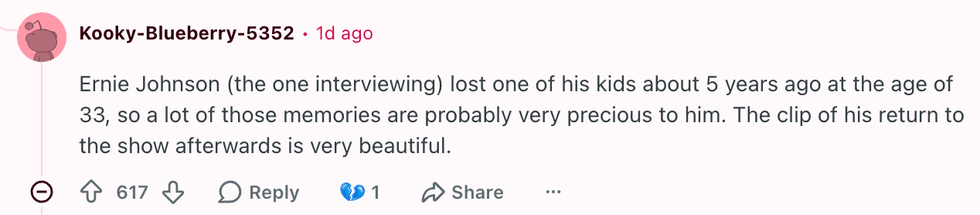 u/Kooky-Blueberry-5352/Reddit
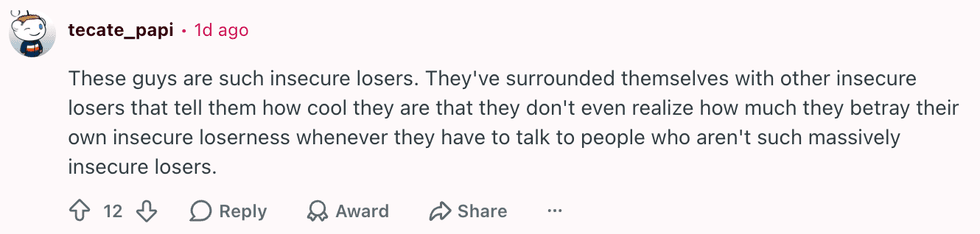 u/tecate_papi/Reddit
 u/Accomplished_Ad5811/Reddit
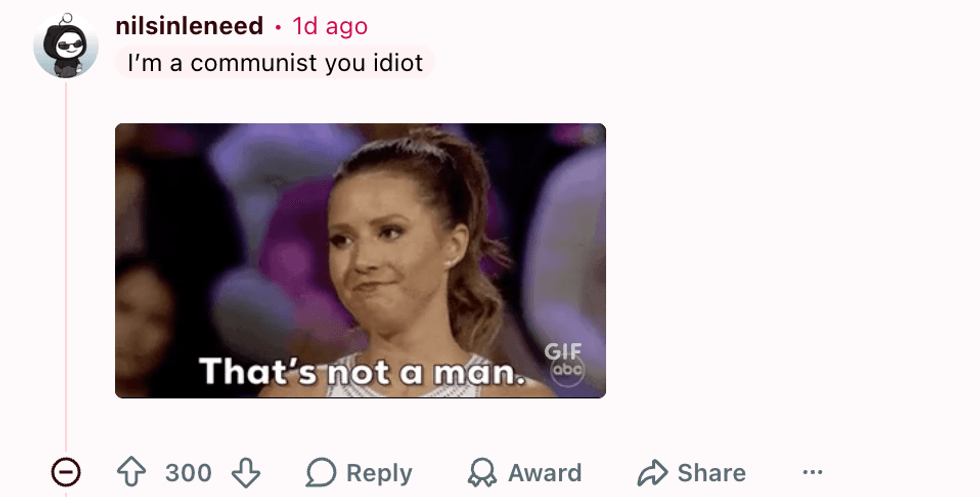 u/nilsinleneed/Reddit