
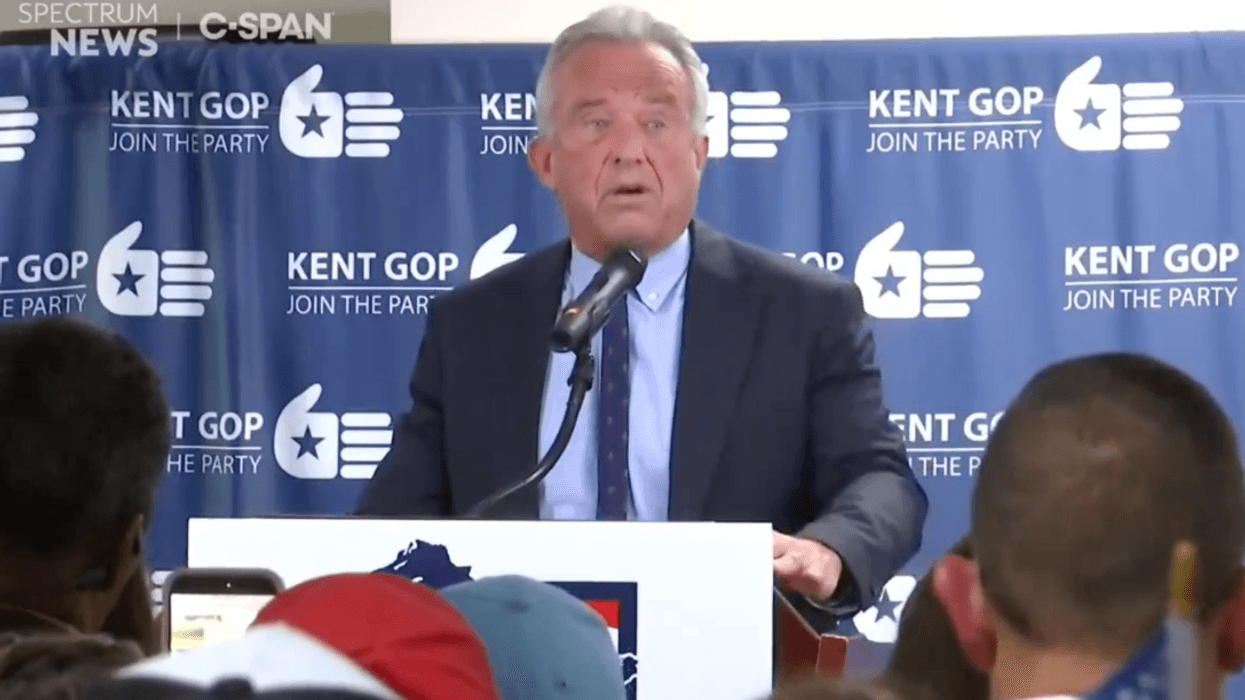

Health and Human Services Secretary Robert F. Kennedy Jr. was widely criticized after claiming during a campaign event in Michigan on Monday that Arabs "don't produce" or win awards for science or literature.
Kennedy made the comments while campaigning for Michigan Republican Senate candidate Mike Rogers, who trails in the polls behind Abdul El-Sayed, his Democratic opponent.
El-Sayed, a democratic socialist, has faced accusations from Rogers and other Republicans—including President Donald Trump—that he is a member of the Muslim Brotherhood. This accusation is just the most prominent one in a slew of attacks that are based in Islamophobia.
Kennedy said:
“There’s 500 million Arabs in the world, and yet they don’t produce science. They don’t win the Nobel Prize. They don’t win the Fields Prize. They don’t win the Wolf Prize. They don’t produce literature.”
"They were the first to make books and they, in the thirteenth century, typical Muslim princes had more books in their libraries than existed in all of Europe. Oh, and all of that tradition has been destroyed by the Muslim Brotherhood. They’ve created stagnant societies that do one of two things: hatred and war and victimization."
You can hear what he said in the video below.
Yet Kennedy’s remarks overlook the significant and ongoing contributions of Arabs across science, literature, diplomacy and human rights.
Egyptian diplomat and legal scholar Mohamed ElBaradei, who served as vice president of Egypt and led the International Atomic Energy Agency, shared the 2005 Nobel Peace Prize with the agency for their efforts to prevent nuclear energy from being used for military purposes. In 2011, Yemeni journalist, politician and human rights activist Tawakkol Karman became the first Yemeni and the first Arab woman to receive the Nobel Peace Prize.
As The Associated Press also noted in a fact-check that Egyptian-American scientist Ahmed Zewail received the 1999 Nobel Prize in Chemistry for his pioneering work in femtochemistry.
Other notable achievements include:
- Naguib Mahfouz, the Egyptian novelist, who won the Nobel Prize in Literature in 1988.
- Omar M. Yaghi, the Jordanian-born chemist, who shared the 2025 Nobel Prize in Chemistry and received the 2018 Wolf Prize in Chemistry.
- Sir Michael Atiyah, the mathematician of Lebanese descent who was awarded the Fields Medal in 1966.
- Yasser Arafat, the former chairman of the Palestine Liberation Organization, who shared the 1994 Nobel Peace Prize with former Israeli Prime Ministers Shimon Peres and Yitzhak Rabin for their efforts to advance peace in the Middle East. Arafat died in 2004.
- Anwar al-Sadat, Egypt’s former president, who shared the 1978 Nobel Peace Prize with then-Israeli Prime Minister Menachem Begin following their signing of the Camp David Accords, which led to Israel’s withdrawal from the Sinai Peninsula.
The racism is off the charts from the Trump administration these days—and it's still not a winning midterm elections strategy.




 @LaneyHawes/X
 @LaneyHawes/X


 u/mintycaramelyhazel/Reddit
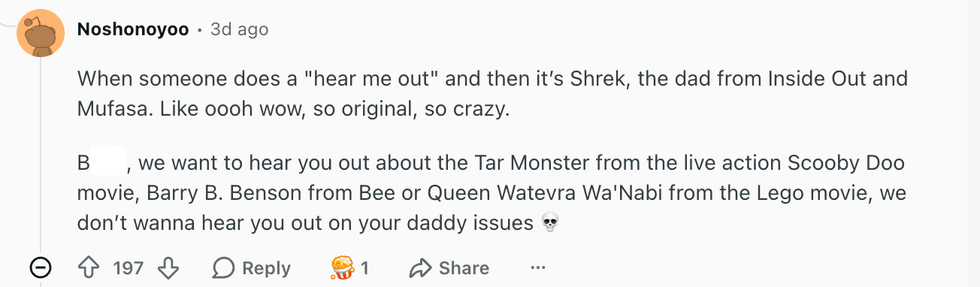 u/Noshonoyoo/Reddit
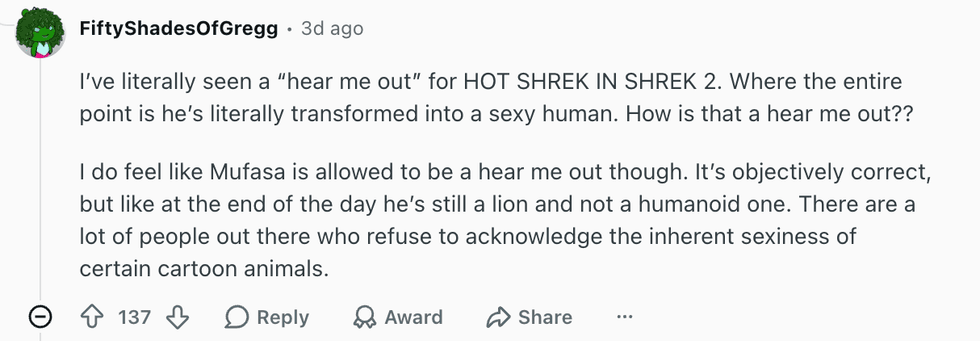 u/FiftyShadesOfGregg/Reddit
 u/Independent-Oil8029/Reddit
 u/DueEconomist9617/Reddit
 u/youreyeslikespiders/Reddit
 u/rayybloodypurchase/Reddit
 u/Parishdise/Reddit
 u/theimmortalfawn/Reddit
 u/pdlbean/Reddit
 u/Bbychknwing/Reddit
 u/agitatedandroid/Reddit
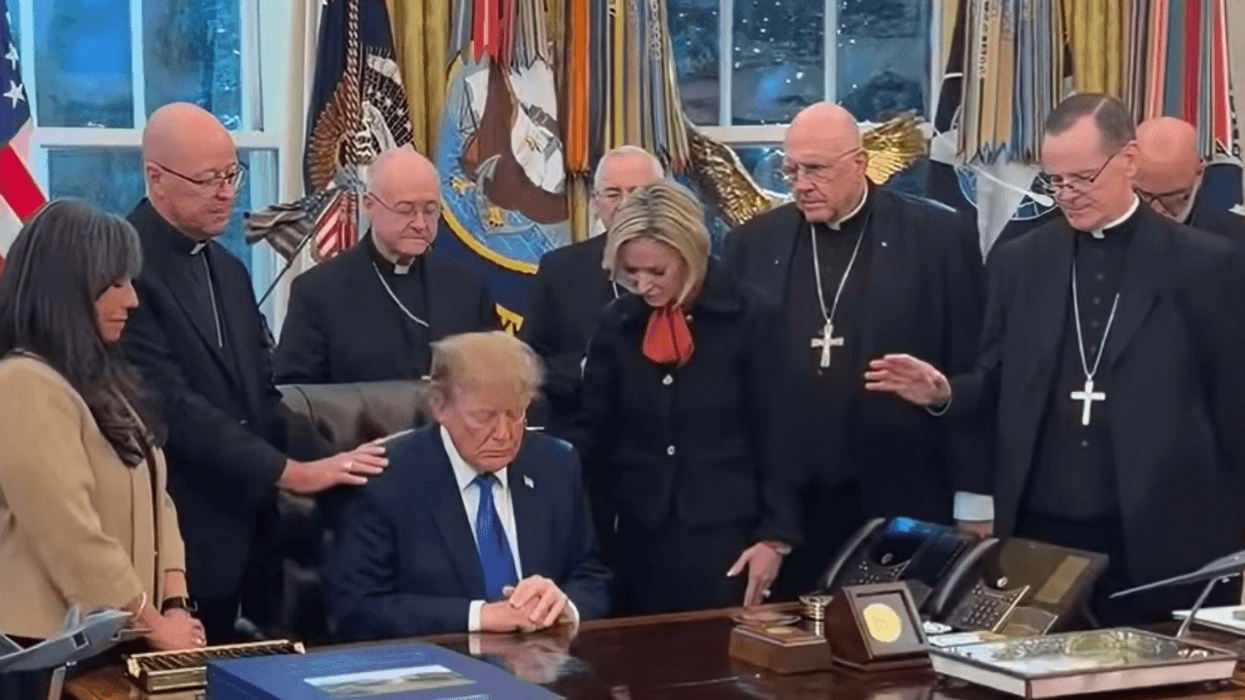
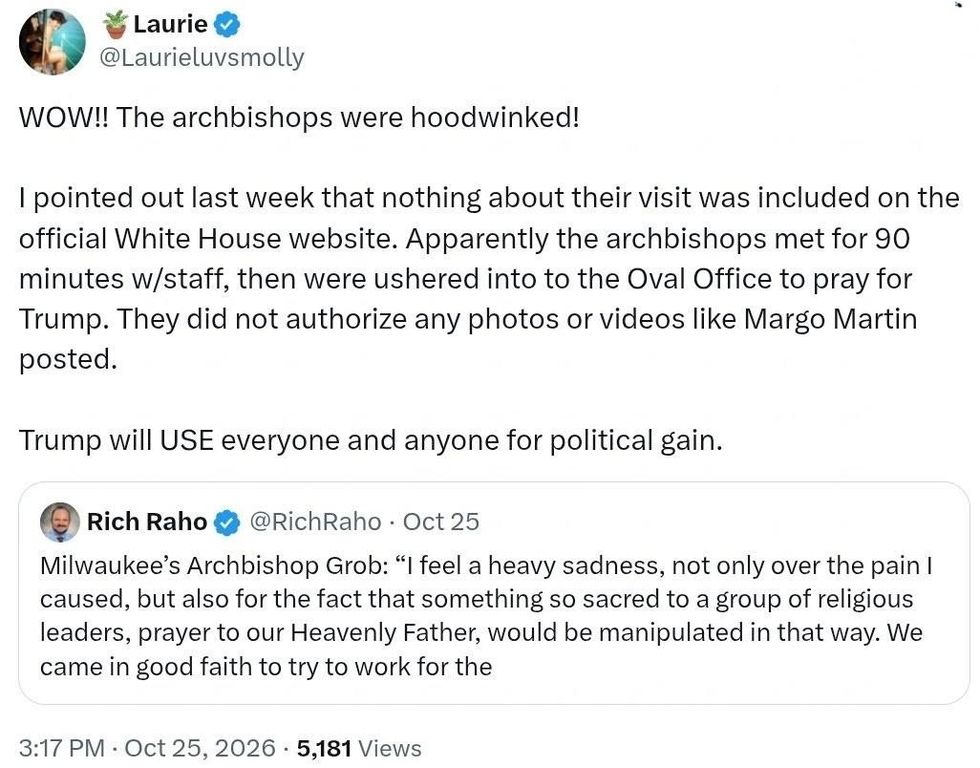 @Laurieluvsmolly/X
 @GoreloRuth98405/X