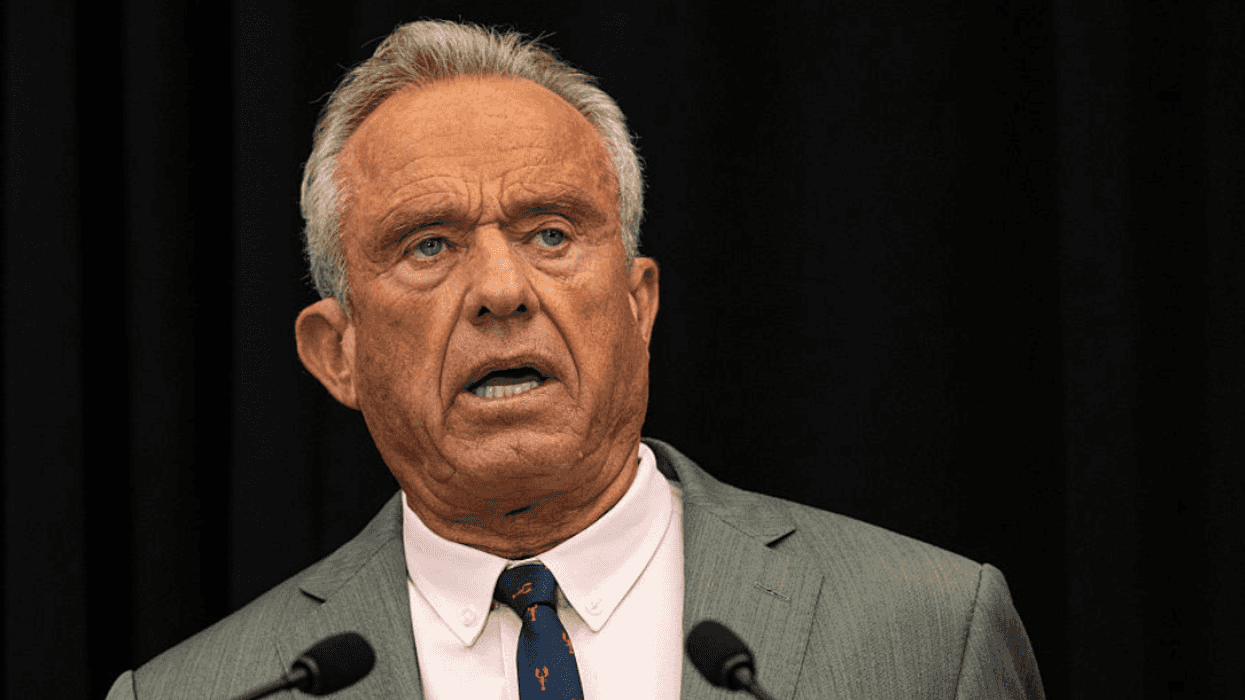
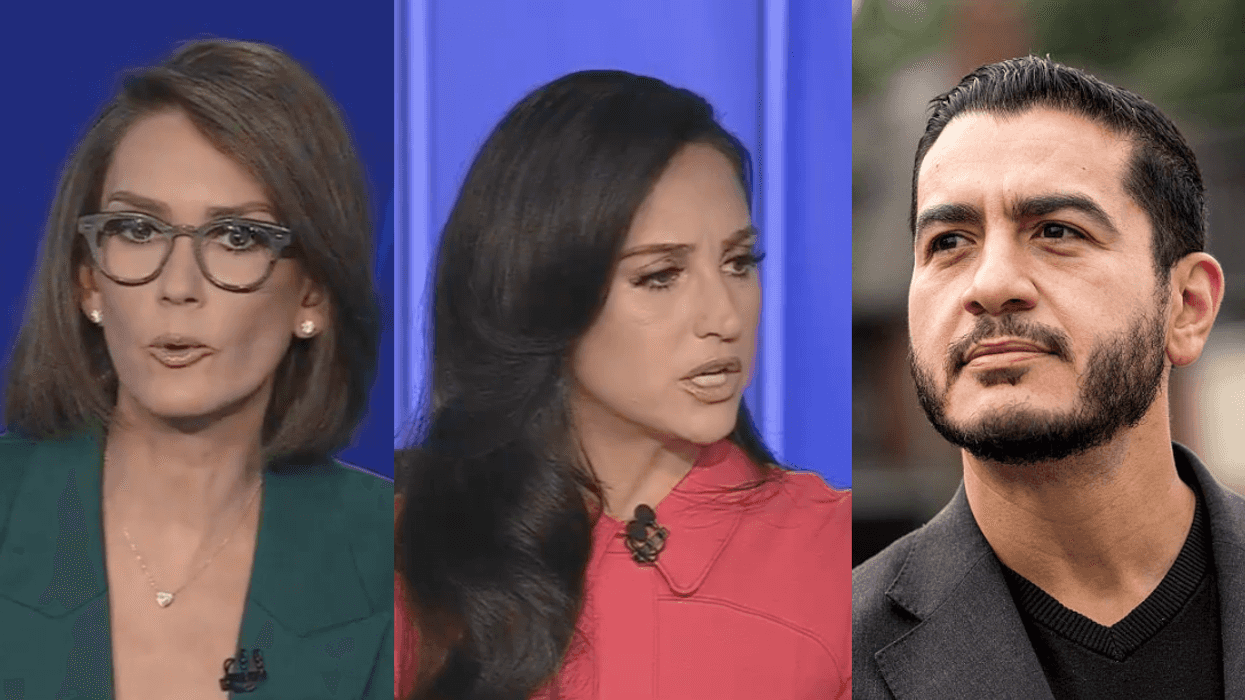
Health and Human Services Secretary Robert F. Kennedy Jr. lashed out at CNN host Erin Burnett for running a segment that fact-checked his supposedly "affordable" meal plans for families.
Correspondent Tom Foreman tested the price of a recipe featured on Kennedy’s YouTube cooking show, The Real Food Show. Kennedy said the meal—wild Alaskan salmon cakes with a white-bean salad for four—cost just $19.64. But when Foreman priced the ingredients at a local grocery chain, the total came to $70.54.
Foreman explained that much of the difference came from how the recipe calculated ingredient costs. Kennedy’s program charged only for the portions actually used, even when stores require shoppers to purchase the full package.
For instance, the show priced one egg at 25 cents, while Foreman had to buy a dozen for $2.79. Likewise, the recipe counted only 40 cents’ worth of avocado mayonnaise because it used a few tablespoons, but the full bottle cost $11.19. Foreman noted that "they're only pricing parts of it, and grocery stores don’t sell things that way."
After making and tasting the meal, Foreman acknowledged that it was “certainly tasty” and appeared healthy. But he concluded that the $20 price tag was unrealistic for someone actually shopping for the ingredients, saying he did not see how a family could “walk into a grocery store with $20 and come out with what you need” to make four servings.
You can see the segment below.
Later, Kennedy wrote an angry post on X criticizing the segment and accusing CNN of having "Trump Derangement Syndrome," even though the report did not mention President Donald Trump at all.
He wrote:
"Trump Derangement Syndrome has so debilitated @ErinBurnett that she has abandoned both common sense and basic arithmetic. CNN wants us to incorporate the full package price of every ingredient, regardless of what is used in the recipe."
"If you put a squirt of ketchup on your burger, would you be surprised if the restaurant charged you for the whole bottle? The Real Food Show uses standard recipe costing: we count what the recipe actually uses. The rest stays in your kitchen for the next meal—and the meals after that."
"Our goal is simple: help Americans reclaim their kitchens, cook healthy food without breaking the bank, and stock their pantries with high-quality ingredients they can use again and again. That’s how we Make America Healthy Again."
You can see his post below.
But no one was buying it.
For all of Kennedy's defensiveness about the integrity of MAHA, it's little more than a money-making scheme.
Washington Post reporters broke the news that Kennedy applied to trademark “Make America Healthy Again" for potential use in marketing supplements, vitamins, essential oils, and cryptocurrency, according to documents filed with the U.S. Patent and Trademark Office.
Kennedy transferred ownership of the trademark application for “Make America Healthy Again” and its abbreviation to an LLC managed by Del Bigtree, a longtime anti-vaccine activist. The trademark filing covers a wide range of products—including vaccines.
As part of his ethics disclosure, Kennedy reported earning $100,000 from MAHA-branded merchandise such as stickers, hats, and hoodies before transferring the trademark “to a third party for no compensation.” That third party was Bigtree’s LLC.
Bigtree, who previously served as Kennedy’s campaign communications director, also hosted the “MAHA Inaugural Ball” in January 2025 through his organization MAHA Action, which aims to mobilize grassroots support for the Trump administration. Trademark documents list Bigtree as a manager of MAHA Worldwide, a largely opaque entity registered to a Wyoming address.
 @julie.says.things/TikTok
 @julie.says.things/TikTok
 @julie.says.things/TikTok
 @julie.says.things/TikTok
 @julie.says.things/TikTok
 @julie.says.things/TikTok
 @julie.says.things/TikTok
 @julie.says.things/TikTok
 @julie.says.things/TikTok
 @julie.says.things/TikTok
 @julie.says.things/TikTok
 @therock/TikTok
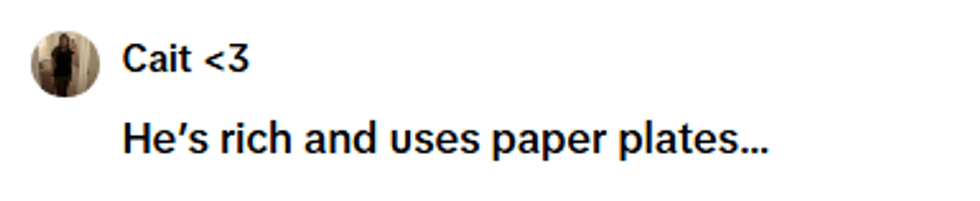 @therock/TikTok
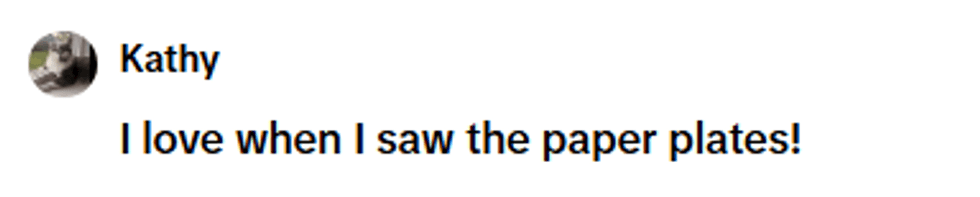 @therock/TikTok
 @therock/TikTok
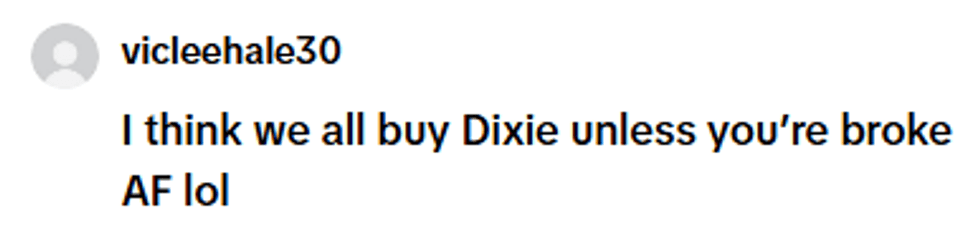 @therock/TikTok
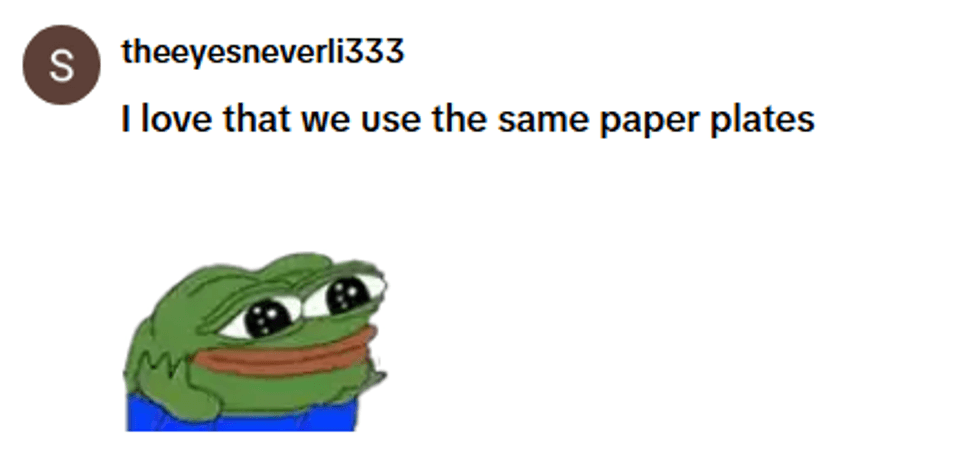 @therock/TikTok
 @therock/TikTok
 @therock/TikTok
 @therock/TikTok
 @therock/TikTok
 @dieworkwear/X
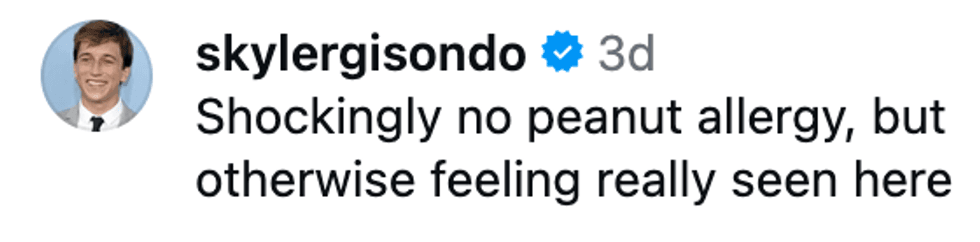 @skylergisondo/Instagram