

Former DOGE staffer Nate Cavanaugh is under fire after saying in a viral deposition video that that he doesn't regret cutting jobs and people's income to reduce the federal deficit, even while admitting that DOGE didn't even do that at all.
Cavanaugh and his colleague Justin Fox used ChatGPT to identify grants that might fit the Trump administration’s definition of “radical and wasteful” DEI programs.
But vague criteria, combined with the limits of the chatbot and what critics described as careless judgment, led to sweeping cuts—including funding for a North Carolina museum’s HVAC system and a digital archive of Oregon newspapers. Grants containing terms like “BIPOC,” “homosexual,” “LGBTQ,” or “tribal” were especially likely to be eliminated.
The fallout from the depositions has since intensified. On March 13, a judge ordered the videos removed from the internet, though they remain widely accessible.
In one key moment, when asked if he regrets eliminating positions that helped people around the country obtain housing and services, Cavanaugh responded "No."
He had this to say when asked if he regrets "that people might've lost important income to support their lives":
"No, I think it was more important to reduce the federal deficit from $2 trillion to close to zero."
When asked if DOGE had successfully reduced the deficit, Cavanaugh replied:
"No, we didn't. ... No, I don't believe we did."
You can hear what he said in the video below.
Cavanaugh is remorseless—and the anger toward him is palpable.
DOGE founder Elon Musk previously stated that his goal was to reduce federal spending by $2 trillion from the $6.75 trillion annual budget recorded in the 2024 fiscal year.
In March 2025, just two months into the second Trump administration, DOGE claimed its initiatives have led to an estimated $140 billion in savings—an amount that was called into question.
Bloomberg reported just one month prior that the DOGE website accounted for only $16.6 billion of the $55 billion it claimed to have saved at the time. Additionally, the New York Times revealed that DOGE had incorrectly cited an $8 billion savings on a federal contract that was actually valued at just $8 million.
Laurence Tribe, a leading constitutional scholar and professor emeritus at Harvard Law School, has made clear he views Musk's actions as unconstitutional, saying from the start that Musk could not legally wield sweeping control over multiple government departments.
Tribe also argued that Musk's move to enlist a team of young programmers who took control of the Treasury Department’s payment system, gaining access to Americans’ addresses, Social Security numbers, and bank account information, raises "serious issues of privacy."

 Brendan Smialowski/AFP via Getty Images
 Brendan Smialowski/AFP via Getty Images
 Brendan Smialowski/AFP via Getty Images



 @hannahhrevels/TikTok
 @hannahhrevels/TikTok
 @hannahhrevels/TikTok
 @hannahhrevels/TikTok
 @hannahhrevels/TikTok
 @hannahhrevels/TikTok
 @hannahhrevels/TikTok
 @hannahhrevels/TikTok
 @hannahhrevels/TikTok
 @hannahhrevels/TikTok
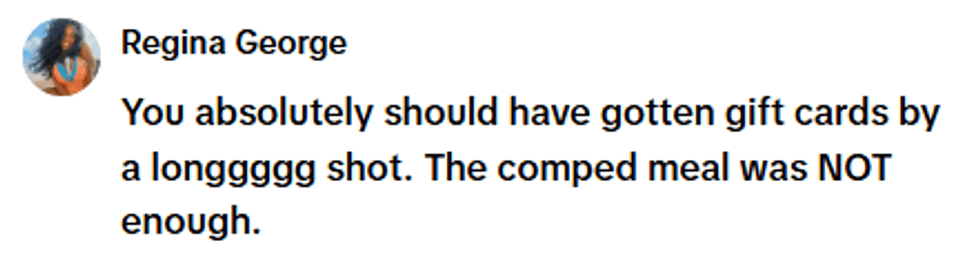 @hannahhrevels/TikTok
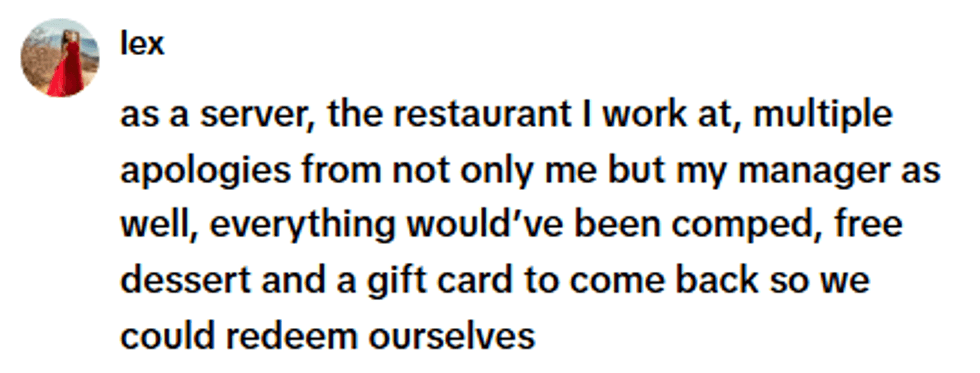 @hannahhrevels/TikTok
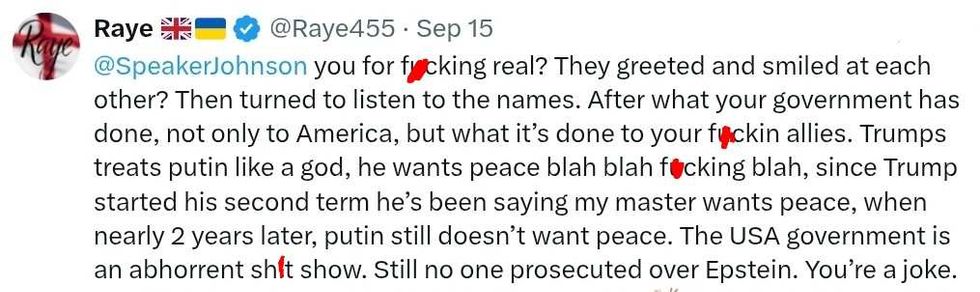 @Raye455/X
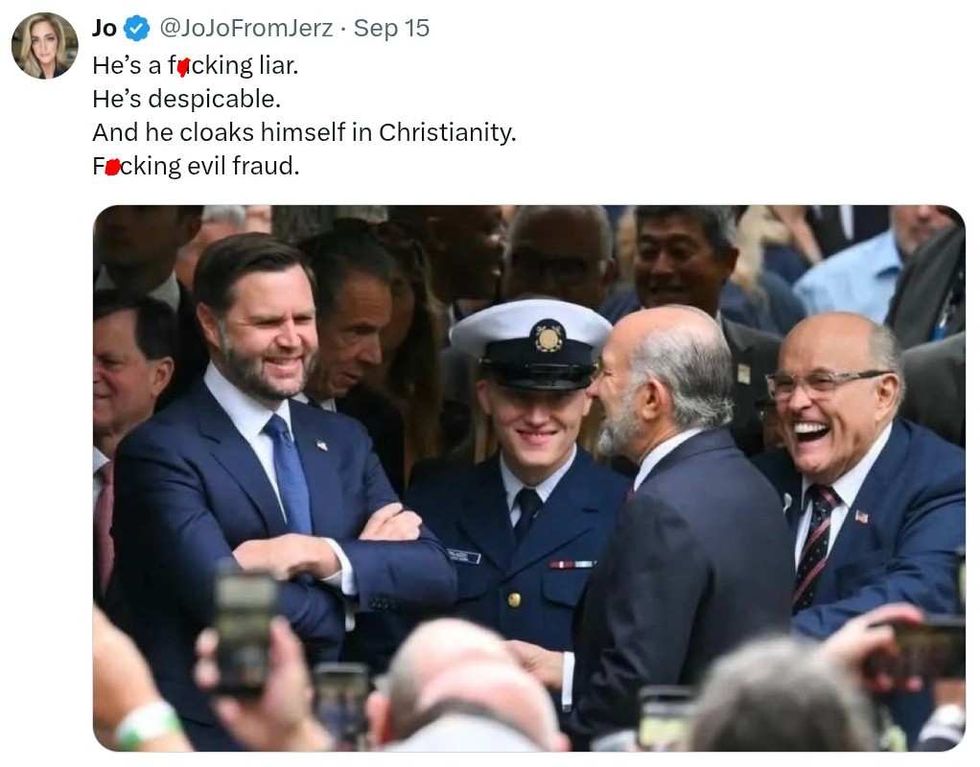 @JoJoFromJerz/X
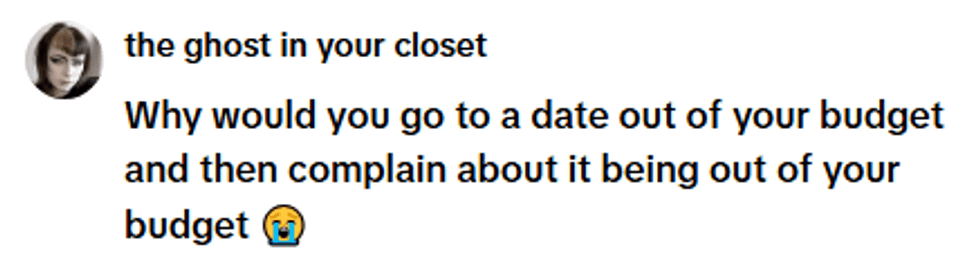 @phlynnmartin/TikTok
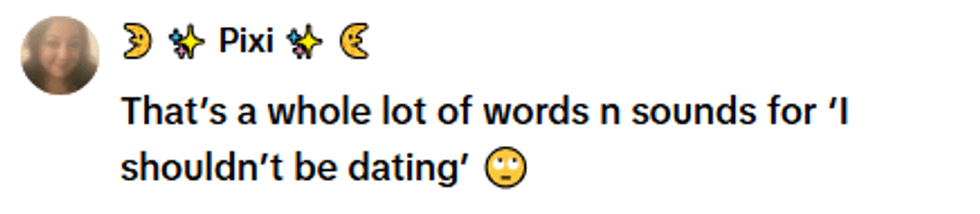 @phlynnmartin/TikTok
 @phlynnmartin/TikTok
 @phlynnmartin/TikTok
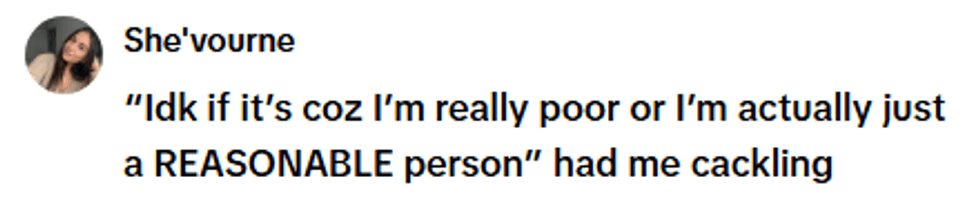 @phlynnmartin/TikTok
 @phlynnmartin/TikTok
 @phlynnmartin/TikTok
 @phlynnmartin/TikTok
 @phlynnmartin/TikTok
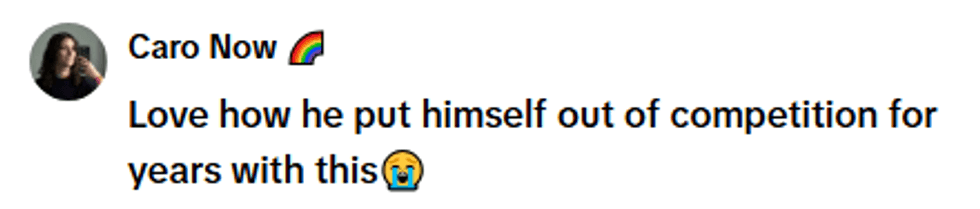 @phlynnmartin/TikTok
 @phlynnmartin/TikTok
 @sailors.mama/TikTok
 @sailors.mama/TikTok
 @sailors.mama/TikTok
 @sailors.mama/TikTok
 @sailors.mama/TikTok
 @sailors.mama/TikTok
 @sailors.mama/TikTok
 @sailors.mama/TikTok
 @sailors.mama/TikTok
 @sailors.mama/TikTok
 @sailors.mama/TikTok
 @sailors.mama/TikTok