
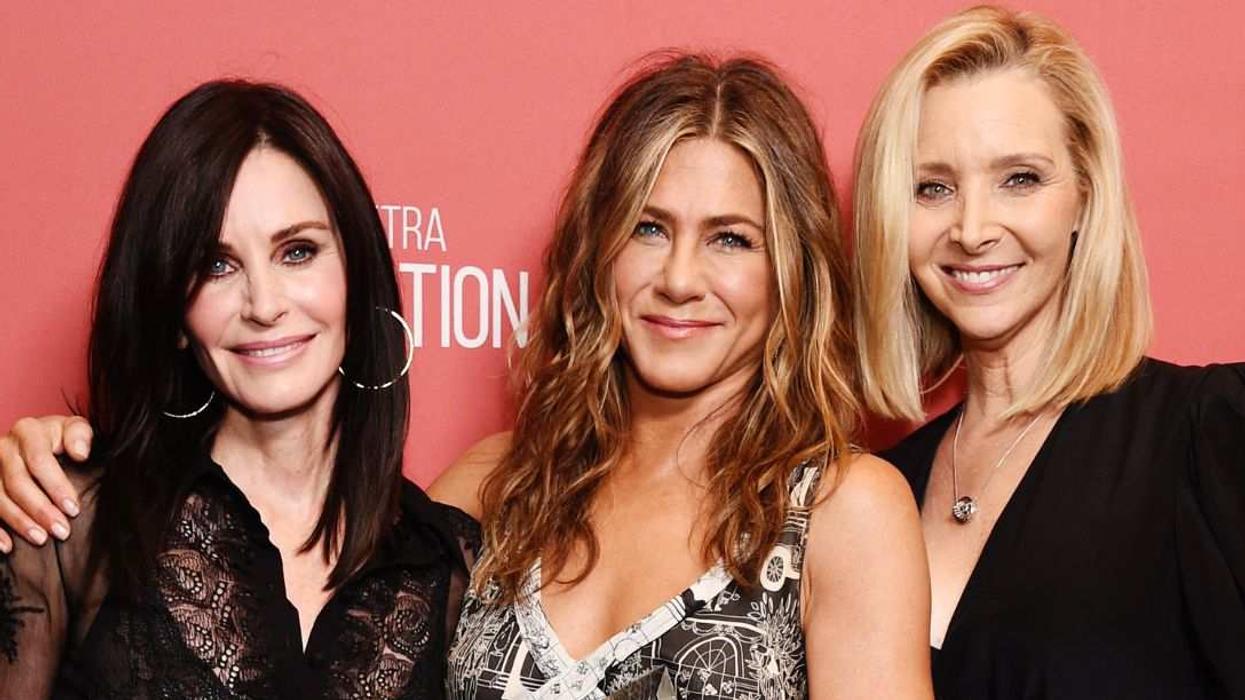

Two decades after Friends defined a generation of sitcom television, Lisa Kudrow is pulling back the curtain on what she describes as a “mean” and at times inappropriate behind-the-scenes culture that didn’t treat its female stars equally.
While the NBC hit sold audiences on the easy chemistry of six tight-knit friends, Kudrow talked about a writers’ room dominated by men and shaped by behavior that often crossed the line. In a recent interview with the Times, Kudrow pointed to an overwhelmingly male writers’ room of 12–15 people as a key force shaping that dynamic.
Kudrow called out the behind-the-scenes culture on Friends:
“There was definitely mean stuff going on behind the scenes.”
Kudrow, who was 30 when she was cast as Phoebe Buffay, became one of the show’s breakout stars, earning both an Emmy and a Screen Actors Guild Award. By Season 9, the cast had negotiated $1 million per episode, then the largest deal in sitcom history. As the show shattered records, Kudrow says the atmosphere off-camera could be cutting and at times explicitly sexist.
She detailed how writers reacted to performances:
“Don’t forget, we were recording in front of a live audience of 400, and if you messed up one of these writers’ lines or it didn’t get the perfect response, they could be like: ‘Can’t the b***h f***ing read? She’s not even trying. She f***ed up my line…”
It may have been a show built partly on the chemistry of its female leads, but according to Kudrow, some of the men writing those characters spoke about them with open hostility, and the behavior didn’t stop at harsh criticism.
Kudrow revealed even more inappropriate conversations in the writers’ room:
“And we know that back in the room, the guys would be up late discussing their sexual fantasies about Jennifer and Courteney. It was intense.”
That claim echoes a real-life legal case tied to the show.
Amaani Lyle, a writer’s assistant on Friends, filed a sexual harassment lawsuit alleging she was exposed to explicit and degrading conversations while transcribing brainstorming sessions. According to the complaint, those discussions included talk of sleeping with Jennifer Aniston and Courteney Cox, along with graphic behavior like “feigning masturbation and receiving oral sex.”
Lyle ultimately lost the case, but Kudrow’s comments drew renewed attention to an environment where crude humor could be pointed and exclusionary.
She reflected on how she coped at the time:
“Oh, it could be brutal, but these guys—and it was mostly men in there—were sitting up until 3 a.m. trying to write the show, so my attitude was: ‘Say what you like about me behind my back because then it doesn’t matter.’”
Brushing off comments as part of the process illustrates how ingrained that culture may have been, even on one of television’s most successful productions. And for longtime viewers, the disconnect between Friends’ feel-good image and Kudrow’s account was jarring.
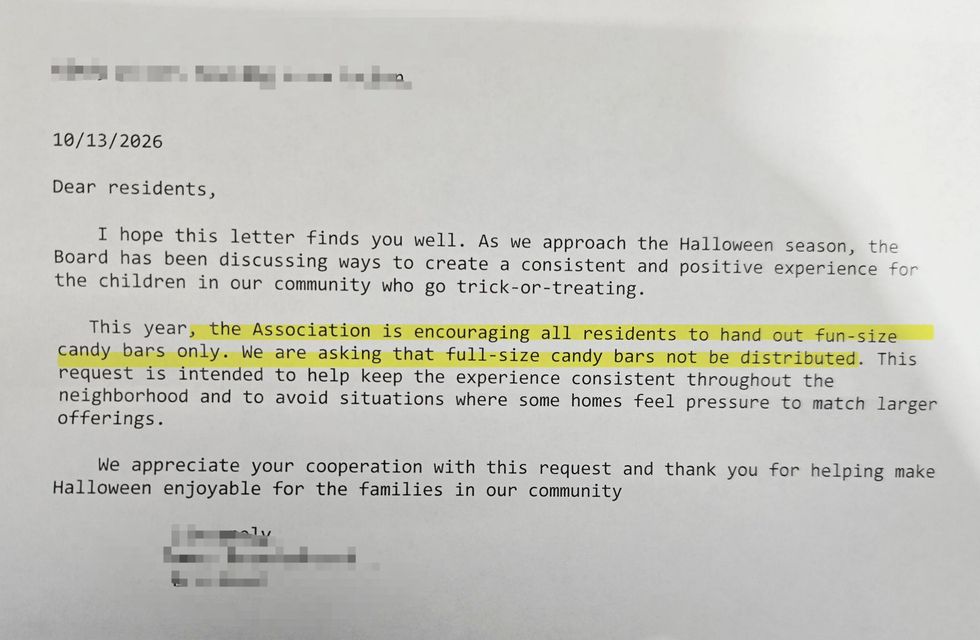
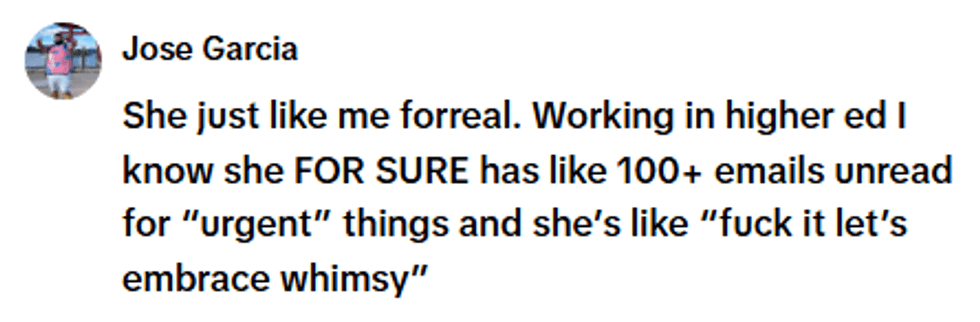
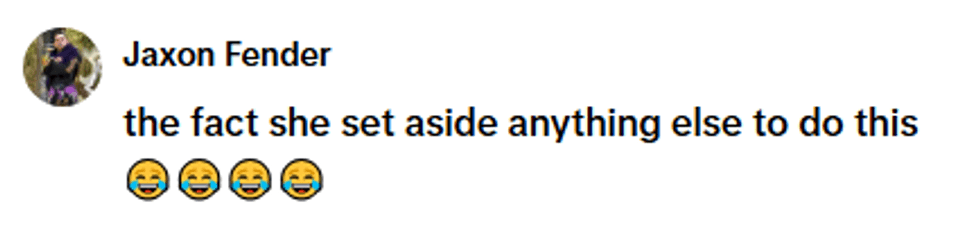
Here’s how the conversation played out online:
In another interview, Kudrow shared how quickly she returned to work after giving birth:
“I had given birth to my son, and 10 days later, I was at a meeting, I did The Tonight Show.”
Her pregnancy had been written into Friends through Phoebe’s surrogate storyline in a rare instance of the show adapting to real life. Still, the turnaround raises questions about expectations placed on performers, particularly women, during that era.
Friends remains a cultural juggernaut, but Kudrow's reflections challenge the long-held perception of a uniformly supportive set, and remind us that even the most beloved sitcoms can carry stories that don’t quite fit the laugh track.



 @MuffinsNsuch/X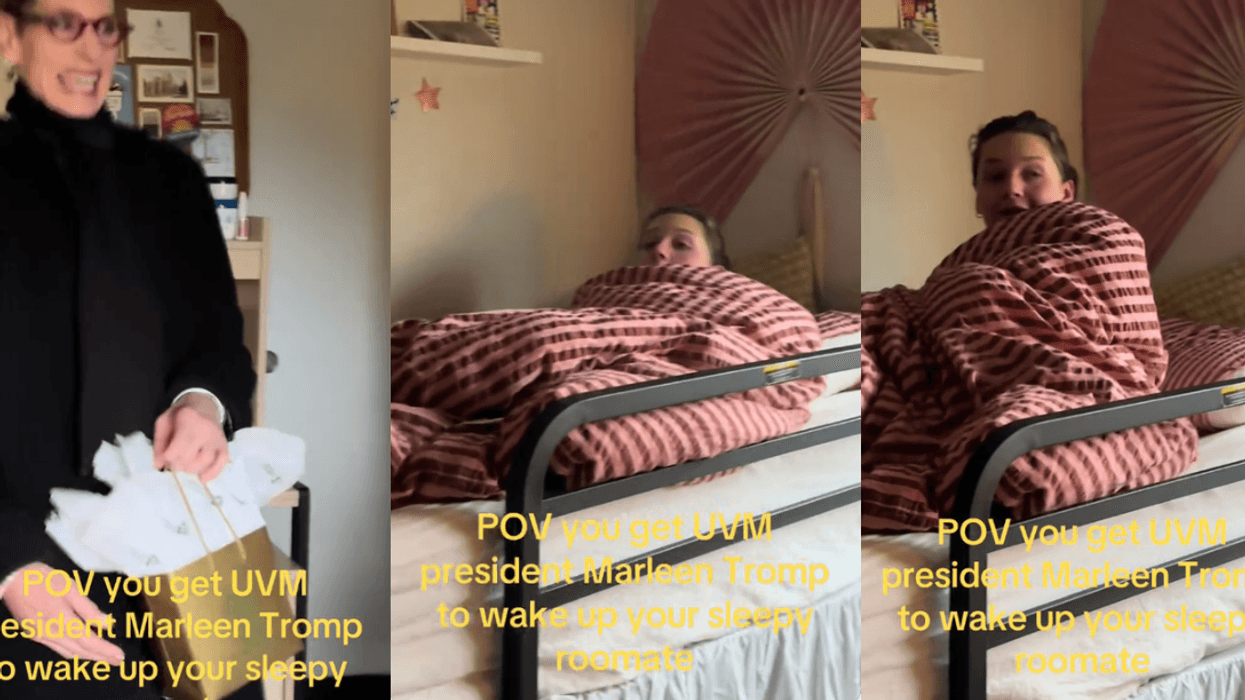
 @serena_loscalzo/TikTok
 @serena_loscalzo/TikTok
 @serena_loscalzo/TikTok
 @serena_loscalzo/TikTok
 @serena_loscalzo/TikTok
 @serena_loscalzo/TikTok
 @serena_loscalzo/TikTok
 @serena_loscalzo/TikTok
 @serena_loscalzo/TikTok
 @serena_loscalzo/TikTok
 @itsvictoriavega/TikTok
 @itsvictoriavega/TikTok
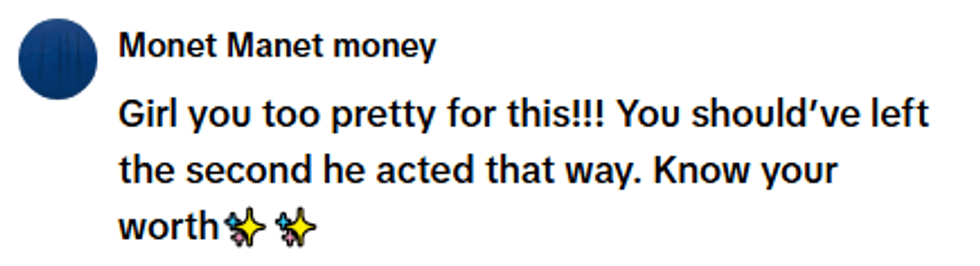 @itsvictoriavega/TikTok
 @itsvictoriavega/TikTok
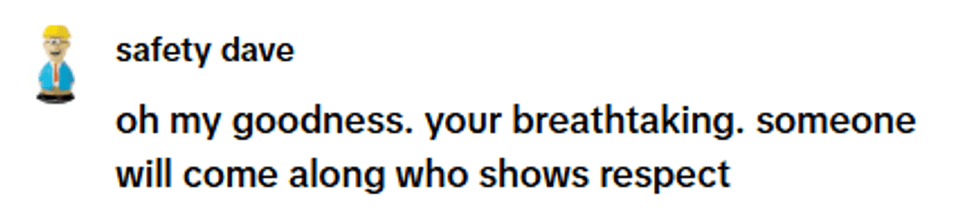 @itsvictoriavega/TikTok
 @itsvictoriavega/TikTok
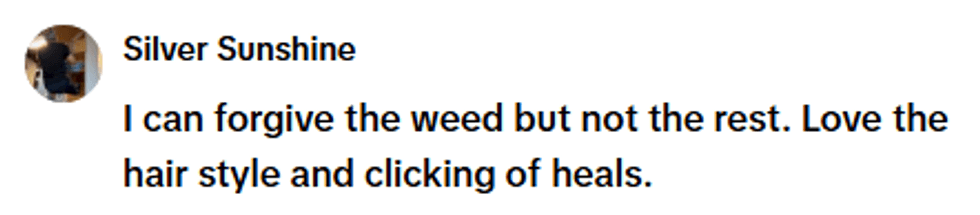 @itsvictoriavega/TikTok
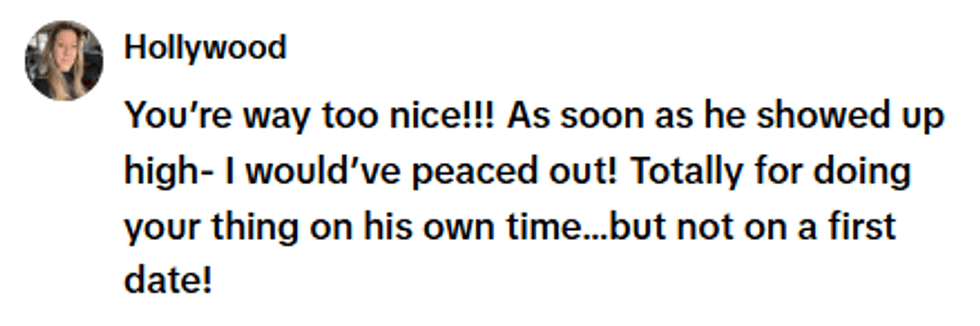 @itsvictoriavega/TikTok
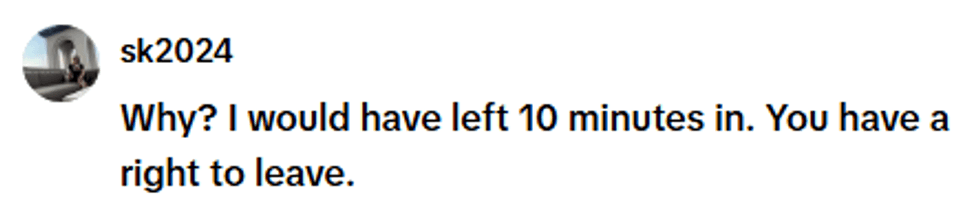 @itsvictoriavega/TikTok
 @itsvictoriavega/TikTok
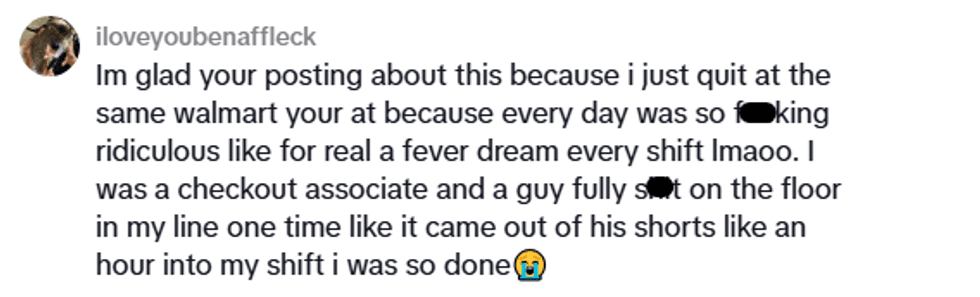 @lolxdlolxdlolxd23455/TikTok
 @lolxdlolxdlolxd23455/TikTok
 @lolxdlolxdlolxd23455/TikTok
 @lolxdlolxdlolxd23455/TikTok
 @lolxdlolxdlolxd23455/TikTok
 @lolxdlolxdlolxd23455/TikTok
 @lolxdlolxdlolxd23455/TikTok
 @lolxdlolxdlolxd23455/TikTok
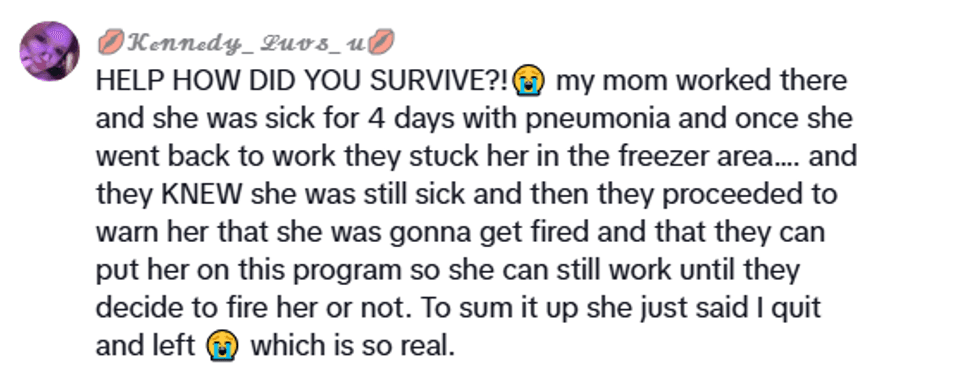 @lolxdlolxdlolxd23455/TikTok
 @lolxdlolxdlolxd23455/TikTok
Larry David's New Satirical Essay Mocking Democratic Socialists Isn't Sitting Well With People