
A recent poll by Economist/YouGov contained a telling and troubling piece of data. The poll asked respondents to consider, "Which comes closest to your view?"
Here were the two very different options:
1. "Our lives are threatened by terrorists, criminals, and illegal immigrants and our priority should be to protect ourselves."
2. "It's a big, beautiful world, mostly full of good people, and we must find a way to embrace each other and not allow ourselves to become isolated."
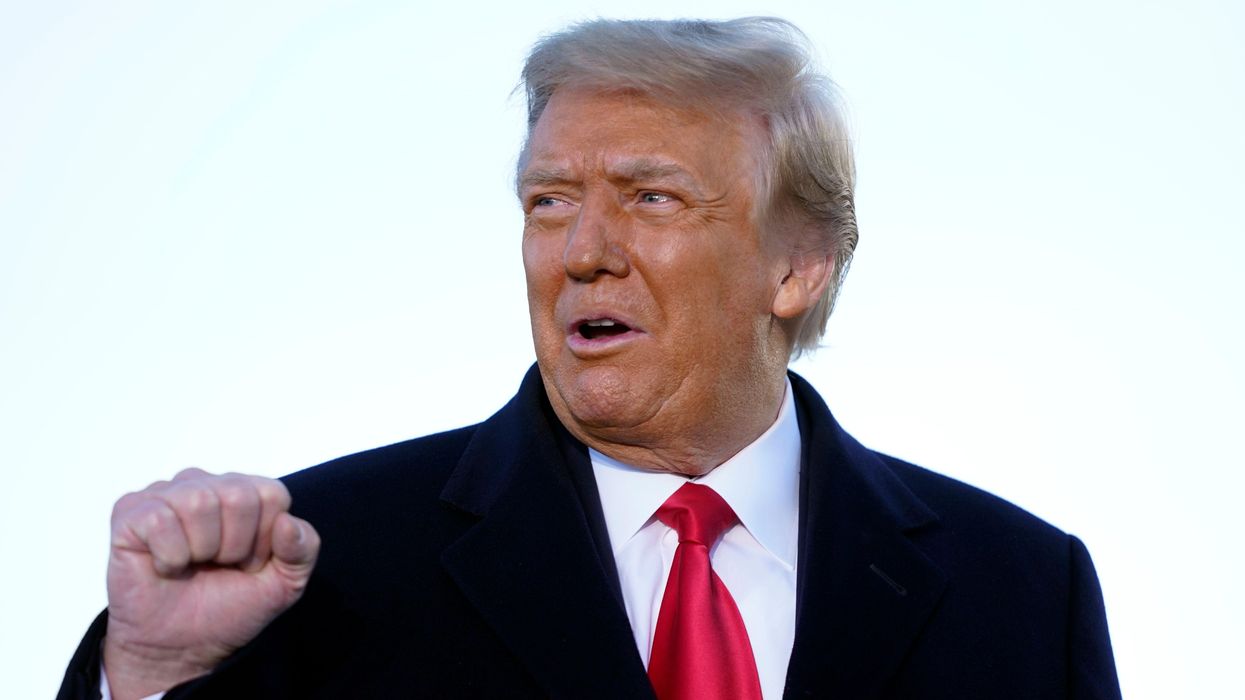
Most Independents and Democrats selected Choice #2. But among GOP respondents, most picked #1. And among Trump voters specifically, fully two-thirds chose the first, darker option.
Trump voters, ironically, are not actually threatened by terrorism, crime and illegal immigration. With the exception of the domestic threat from white nationalists, terrorism is down historically. So is crime, and so is illegal immigration. Native-born Americans are more likely to commit crimes than undocumented immigrants.
This fear-based world outlook is nonetheless stoked by Trump, Fox News, OAN and Newsmax, as well as websites, podcasts and programs from the alt-right. This keeps GOP voters living world where ISIS will kill them and illegal immigrant caravans will swarm the border, rob their homes and rape their families.
The poll data data is consistent with a theory many political scientists have begun to examine more urgently in recent years. In her 2005 work, The Authoritarian Dynamic, political psychologist Karen Stenner posited that there is a certain percentage of the population in any society that has strong "authoritarian" leanings.
So-called "authoritarian voters" have a more fearful worldview than the rest of the electorate. They want to impose order wherever they see dangerous social change, and they gravitate toward leaders who pledge to use force to stop those changes. Authoritarian voters would readily cast aside democratic norms and place their trust in a single leader like Trump.
Authoritarian voters are identifiable through personality surveys, even non-political surveys built around attitudes toward child-rearing. They comprise a startlingly high percentage of our population and likely always have. Indeed, among white voters, a Vox-Morning Consult survey showed that just under half of white voters in America scored "high" on measures for authoritarian voting, and one in five scored "very high."
It may not just be white voters, either. Trump's recent popularity among some African American and Latino men could correlate to their affinity for authoritarian rule, but more data would be needed here.
"Authoritarian voters" don't just prefer a strongman leader. They prefer strongman tactics deployed to quash perceived threats to their safety and position in society. Thus, if they want to stop "illegal voting" (usually by minority voters), then using the military to seize ballot boxes is perfectly appropriate. If they fear Black Lives Matter protestors, then beating them and rounding them all up is just fine. If they want to "stop the steal" of a general election, martial law is the way to go.
Authoritarian voters are believed to carry these tendencies latently. These tendencies become activated in times of destabilizing change or perceived threat. The readiness by which Americans have trammeled the constitutional rights of their fellow citizens after traumatic attacks like Pearl Harbor or 9/11 are good examples. These tendencies can also be stoked, however, by false threats to perceived security, something Trump managed well with his public attacks on immigrants and Muslims.
Because the GOP rebranded itself in the 1960s as the party of law and order, one theory posits that authoritarians naturally began to gravitate towards it. Trump was able to capitalize on them and stir his voters into a frenzy beginning in 2015. Today, the GOP must grapple with strong or even dominant anti-democratic forces within its own ranks, creating a deep and possibly irreparable rift with traditional conservatives.
Moreover, the social instability of 2020, with both the pandemic and the Black Lives Matter protests on the minds of many Americans, likely fueled generalized fears of social disorder and pushed even more Americans over toward Trump. This could help explain why 74 million people still voted for him, even if he seemed less likely to be able to actually solve these social problems.
In order to keep GOP voters loyal and within this useful yet fearful worldview, Fox News et al. have had to invent ever more ominous threats to Trump voters—from Antifa, to alleged ballot harvesting, to trans people in their daughters' bathrooms. Adding to this list are dangerous conspiracies such as QAnon, which also use demonstrably false but heightened threats, including the chestnut of child sexual exploitation which gives license to and justifies almost any form of extreme action.
If we want to root out widespread support for authoritarianism, we will need to address the source of the fears driving it. So long as child sex ring conspiracies, the Big Lie of a stolen election, and rage-inducing right-wing propaganda continue to grow and spread, so will the grip that fascism has on our politics and society.
Cutting off the megaphones of disinformation from sources like Trump and QAnon, and holding companies like Fox News and its anchors liable for defamation, is critical. Such actions stand the best chance of actually de-radicalizing Trump voters and ultimately releasing them from unfounded and intentionally fabricated fears.
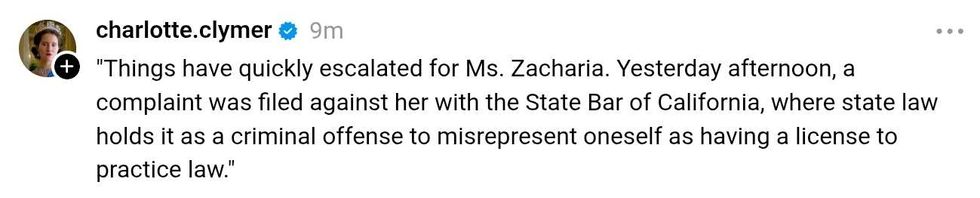 @charlotte.clymer/Bluesky
 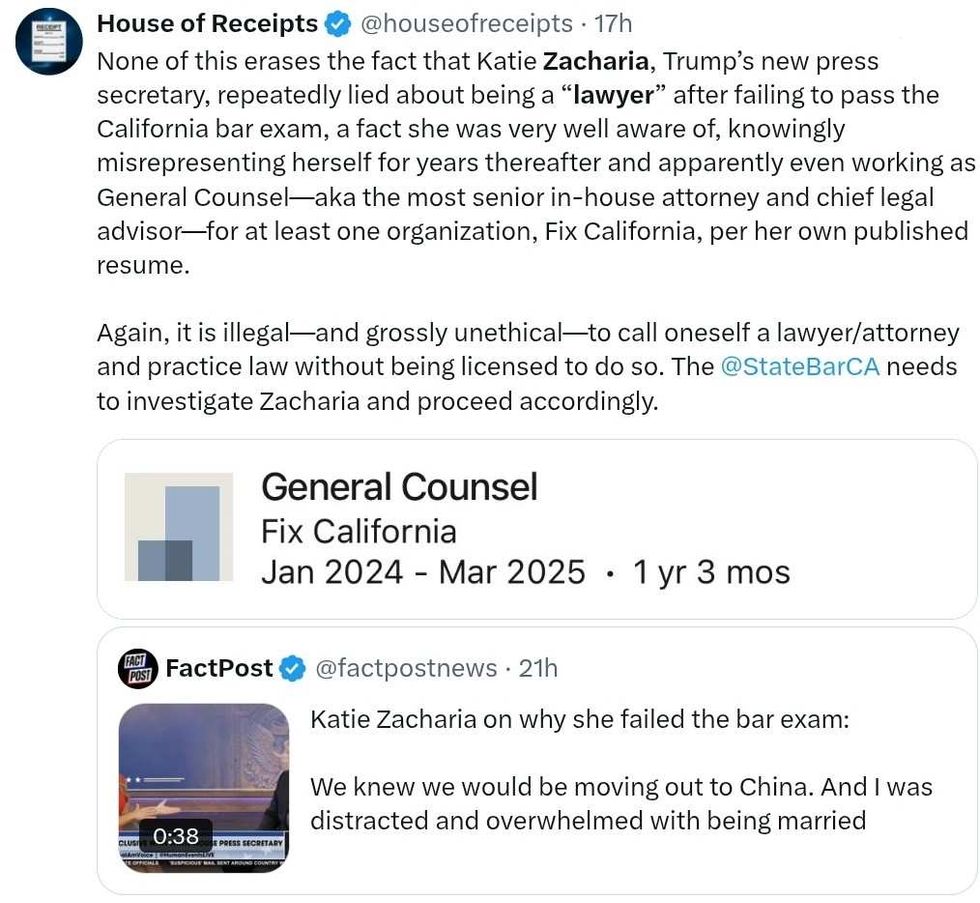 @houseofreceipts/X

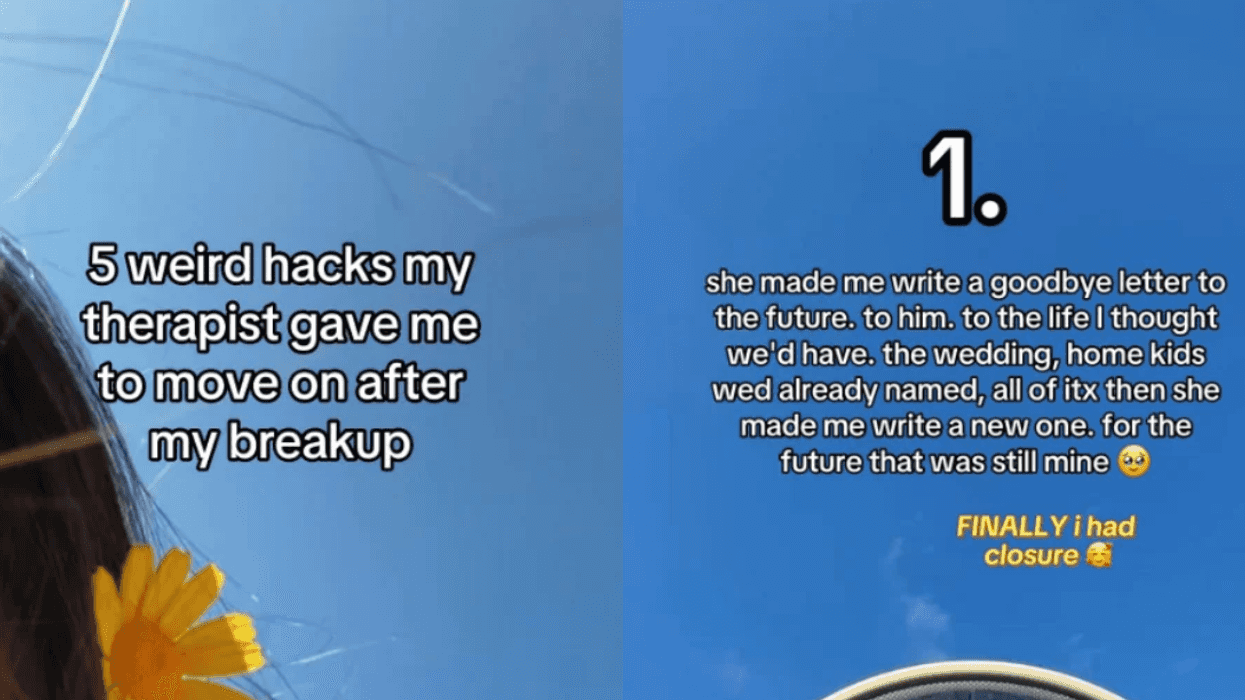
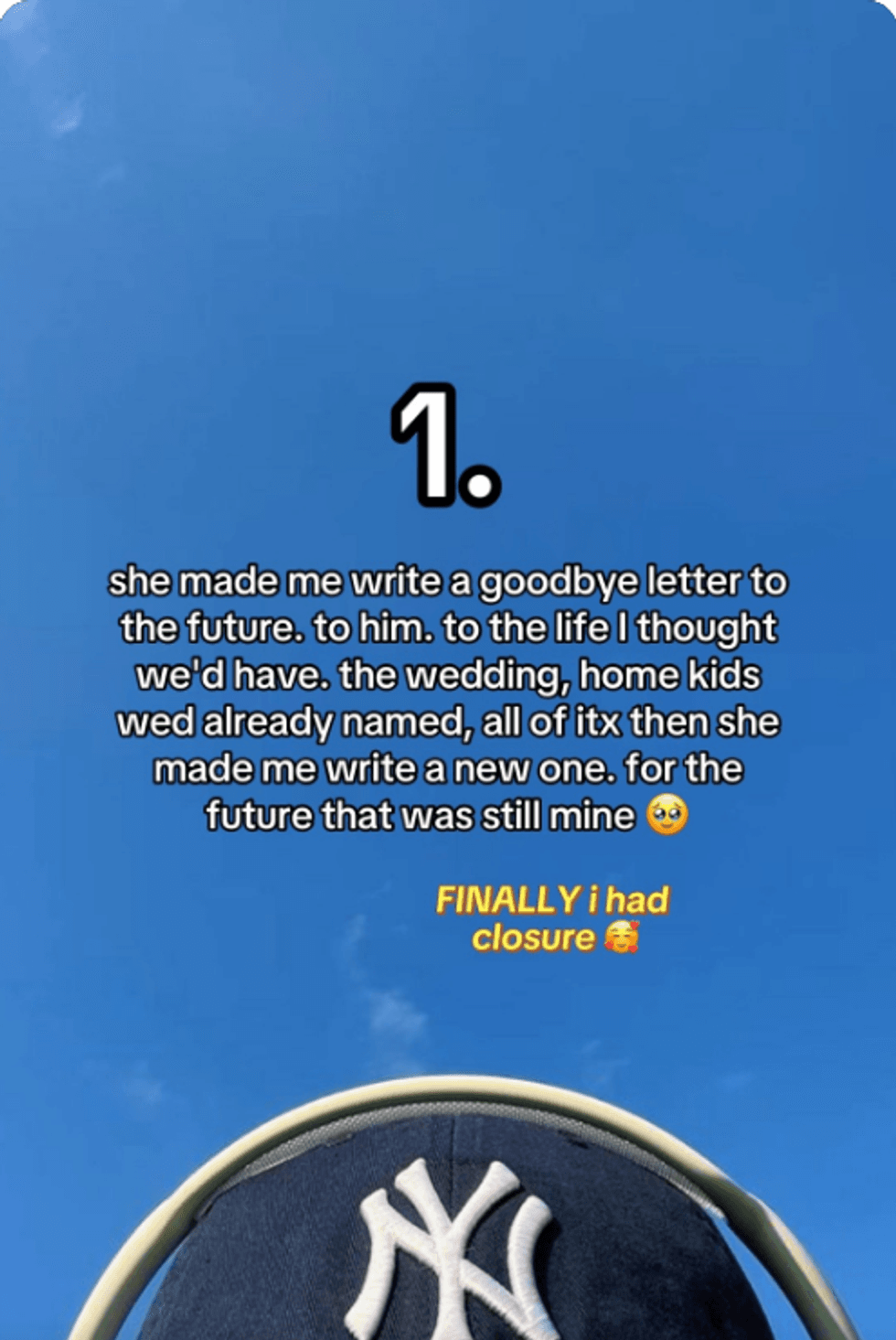 @lillys.healingera/TikTok
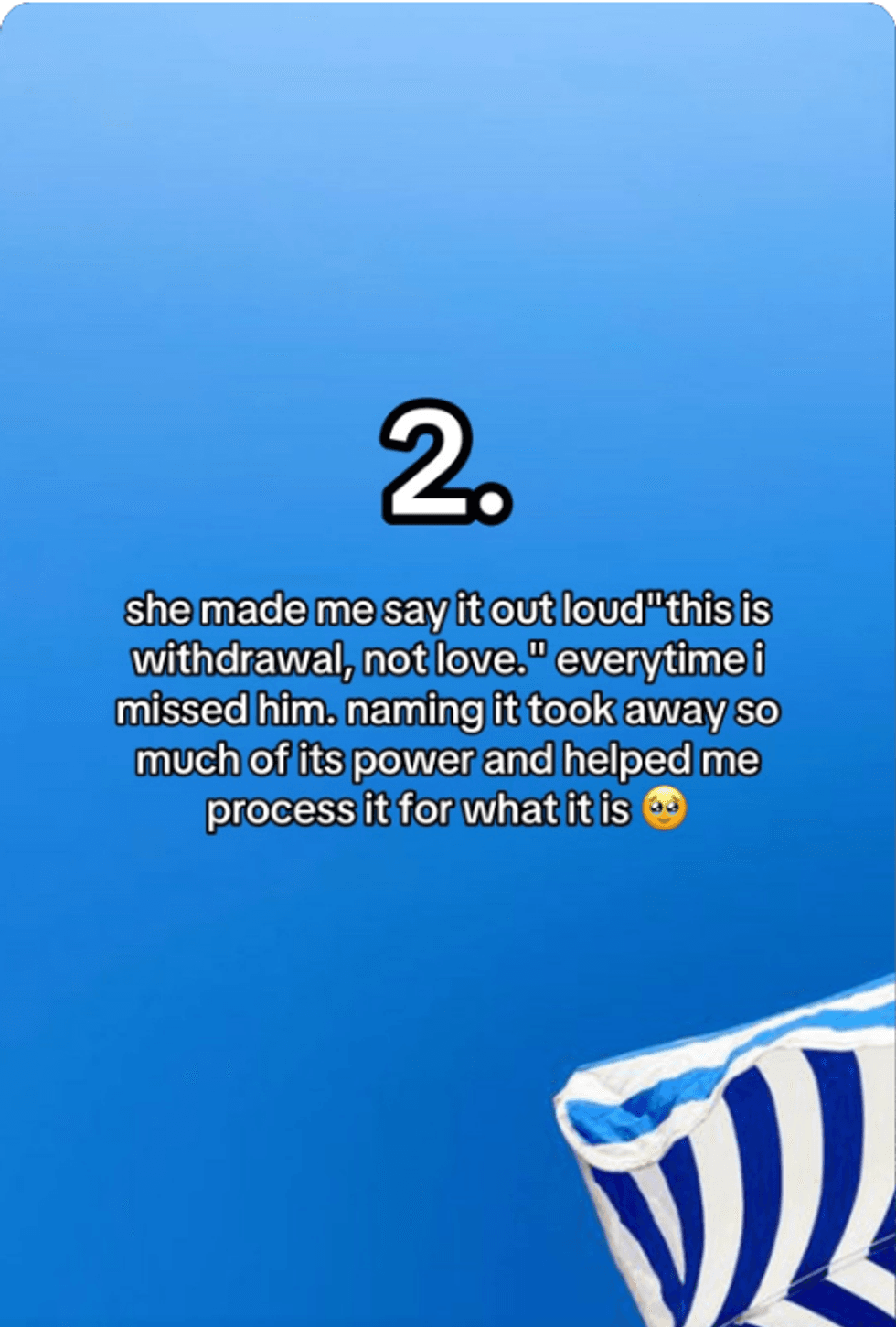 @lillys.healingera/TikTok
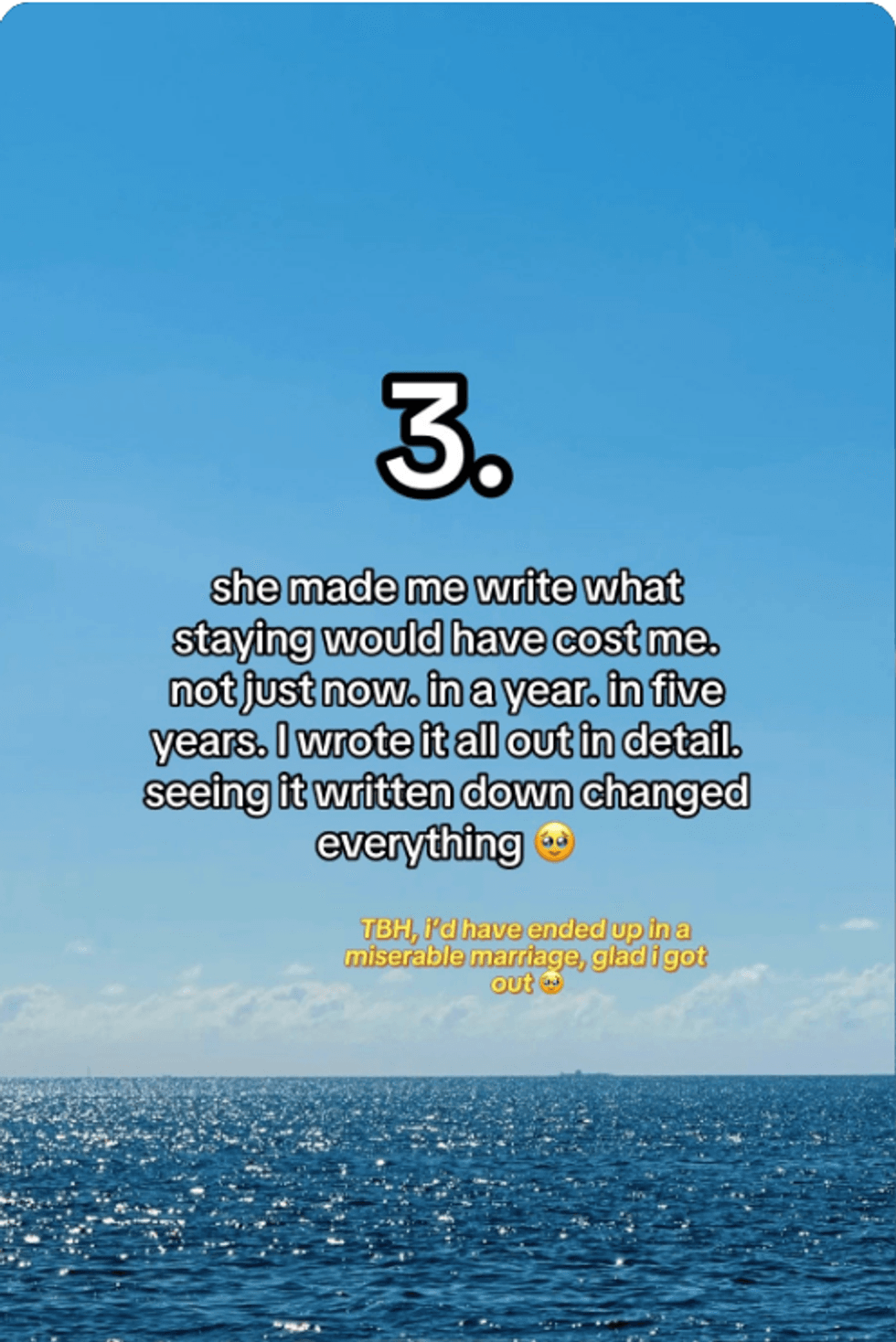 @lillys.healingera/TikTok
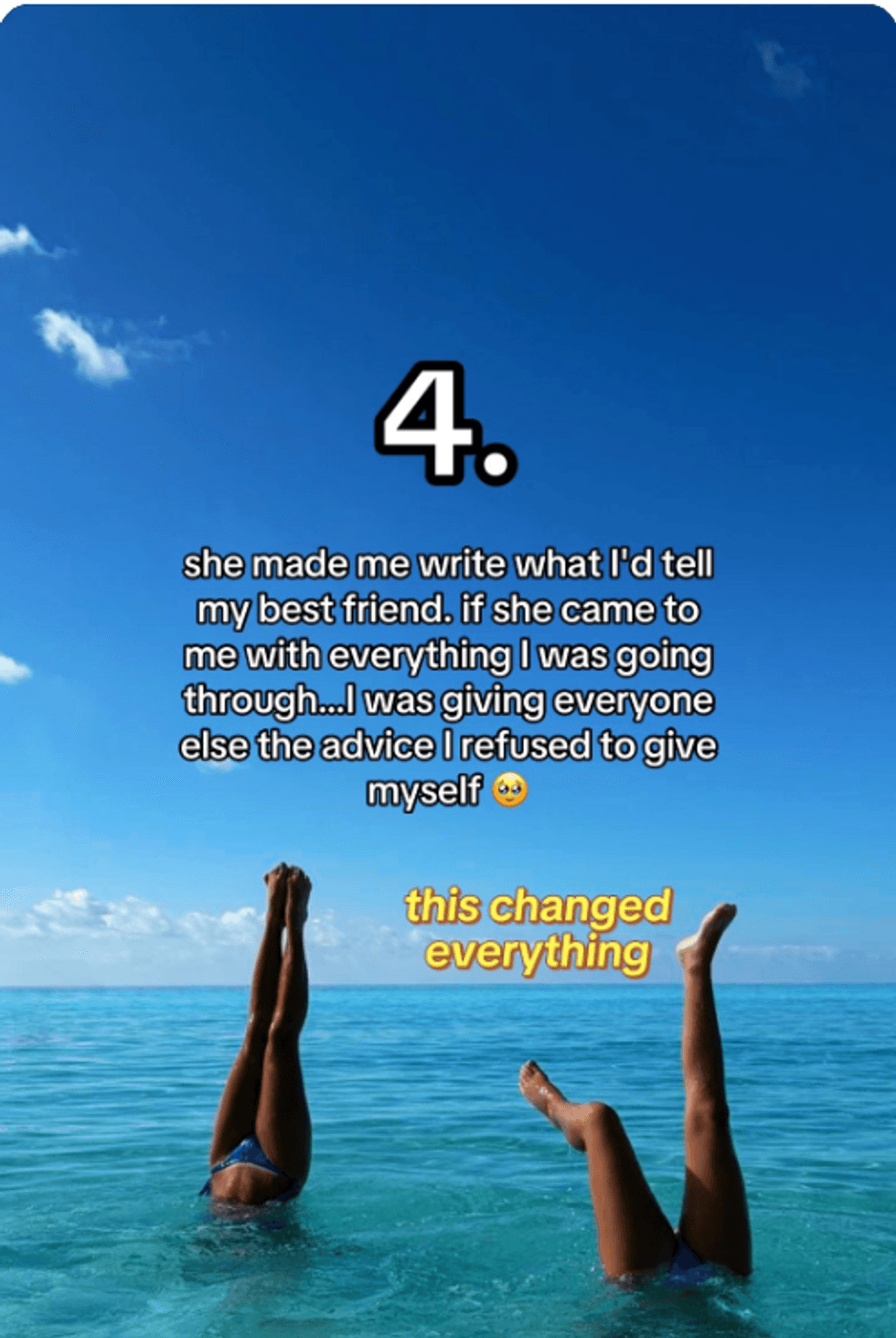 @lillys.healingera/TikTok
 @lillys.healingera/TikTok
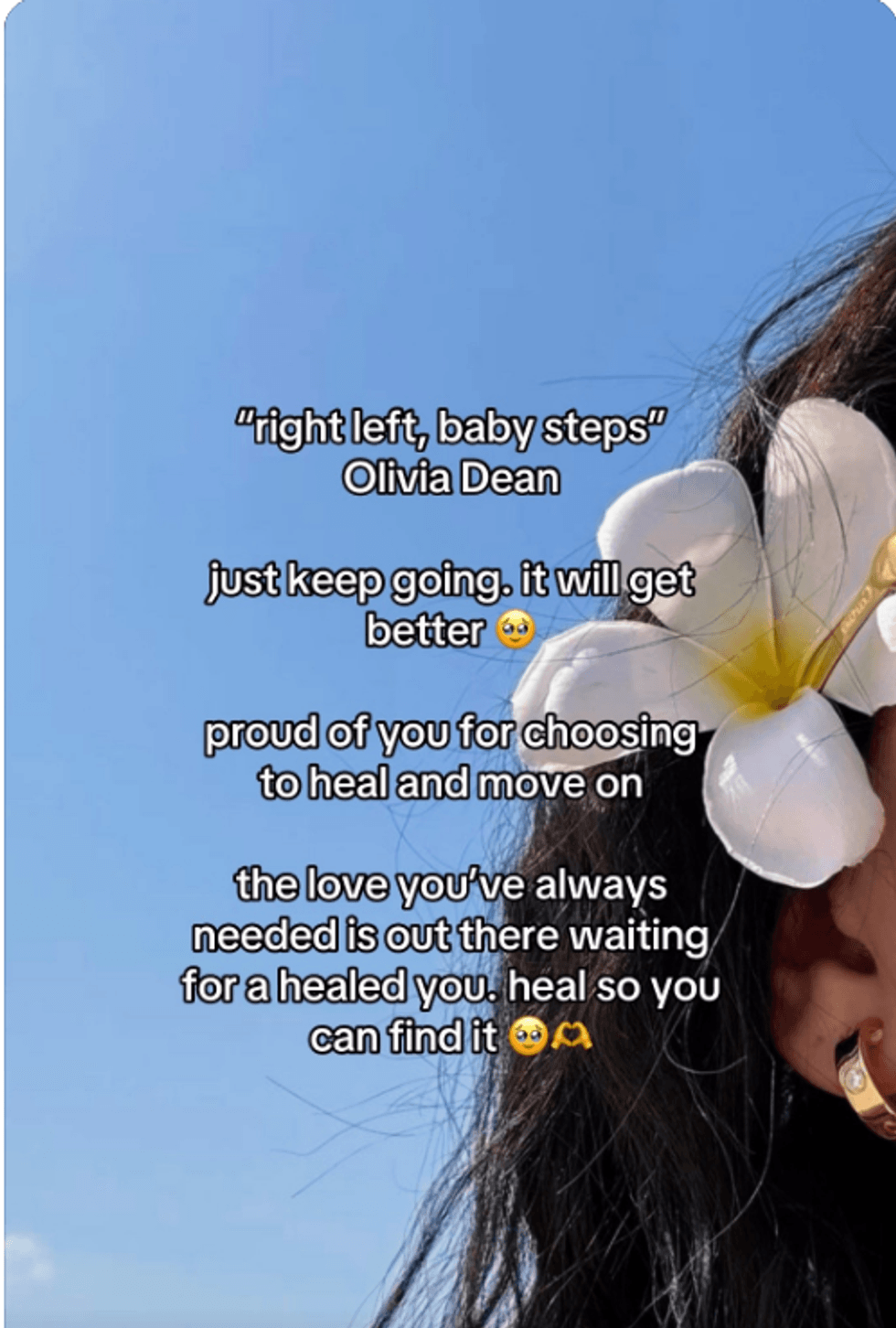 @lillys.healingera/TikTok
 @lillys.healingera/TikTok
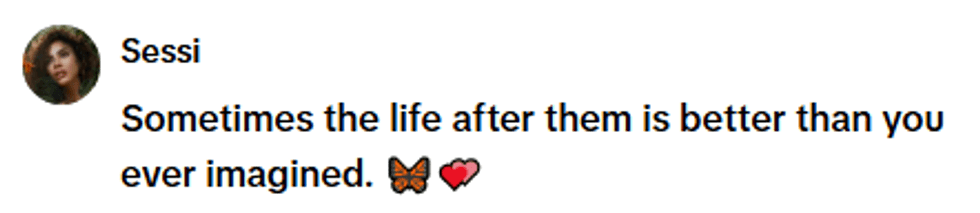 @lillys.healingera/TikTok
 @lillys.healingera/TikTok
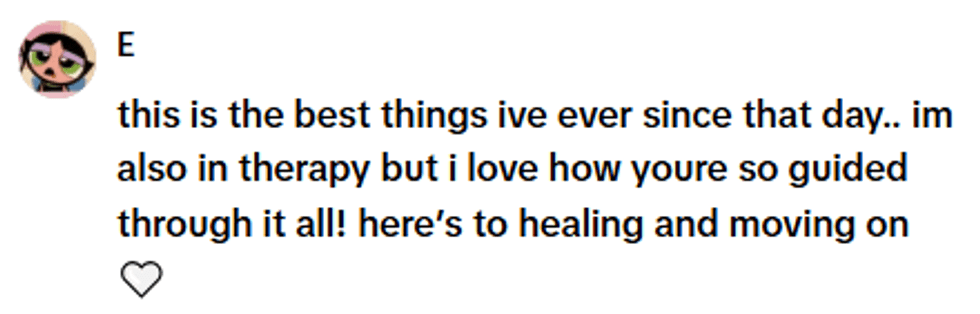 @lillys.healingera/TikTok
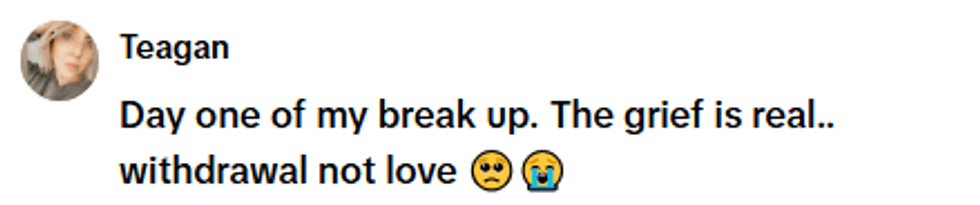 @lillys.healingera/TikTok
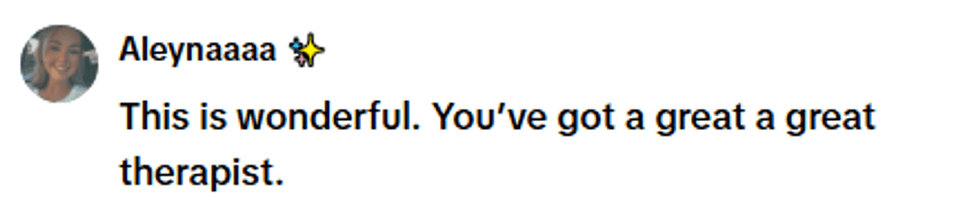 @lillys.healingera/TikTok
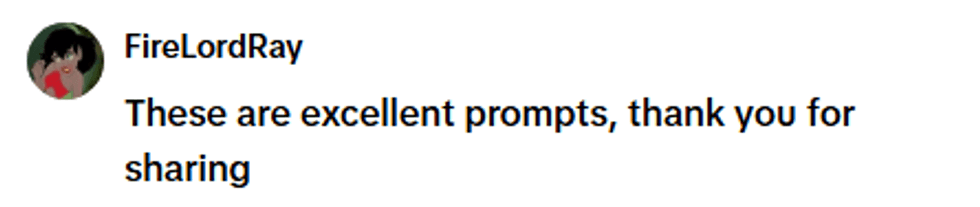 @lillys.healingera/TikTok
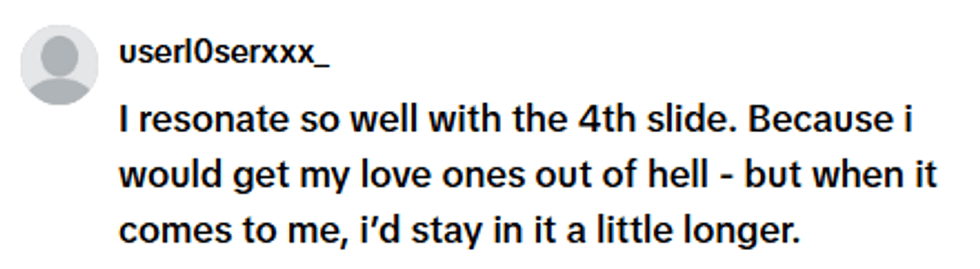 @lillys.healingera/TikTok
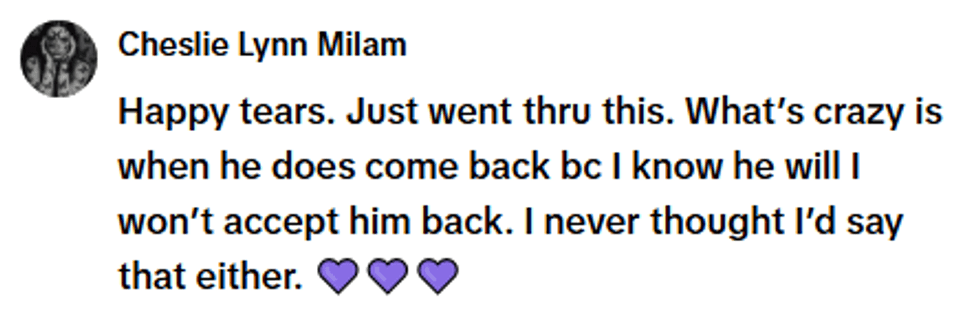 @lillys.healingera/TikTok
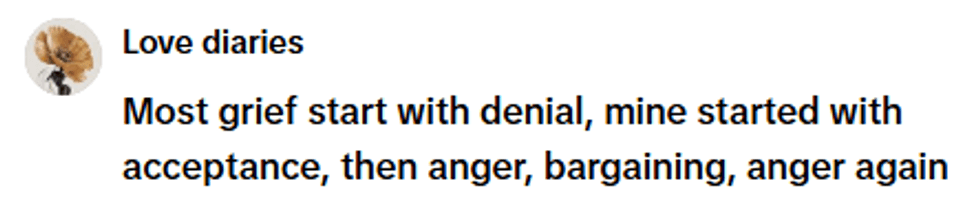 @lillys.healingera/TikTok
 @whatsinthekoolaid/TikTok
 @whatsinthekoolaid/TikTok
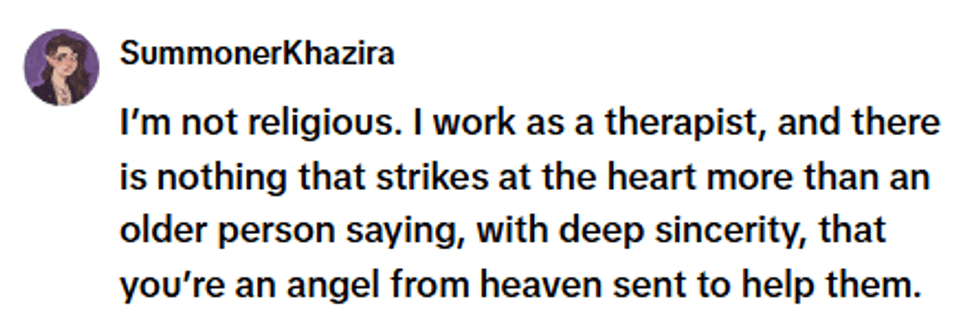 @whatsinthekoolaid/TikTok
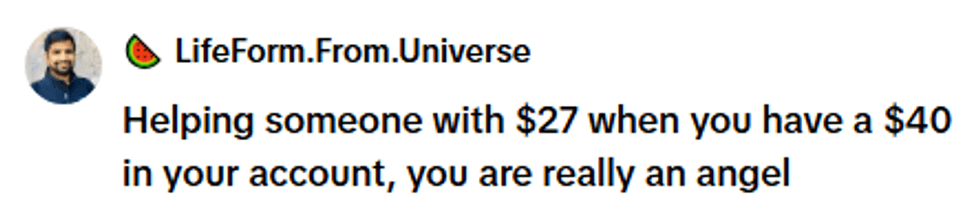 @whatsinthekoolaid/TikTok
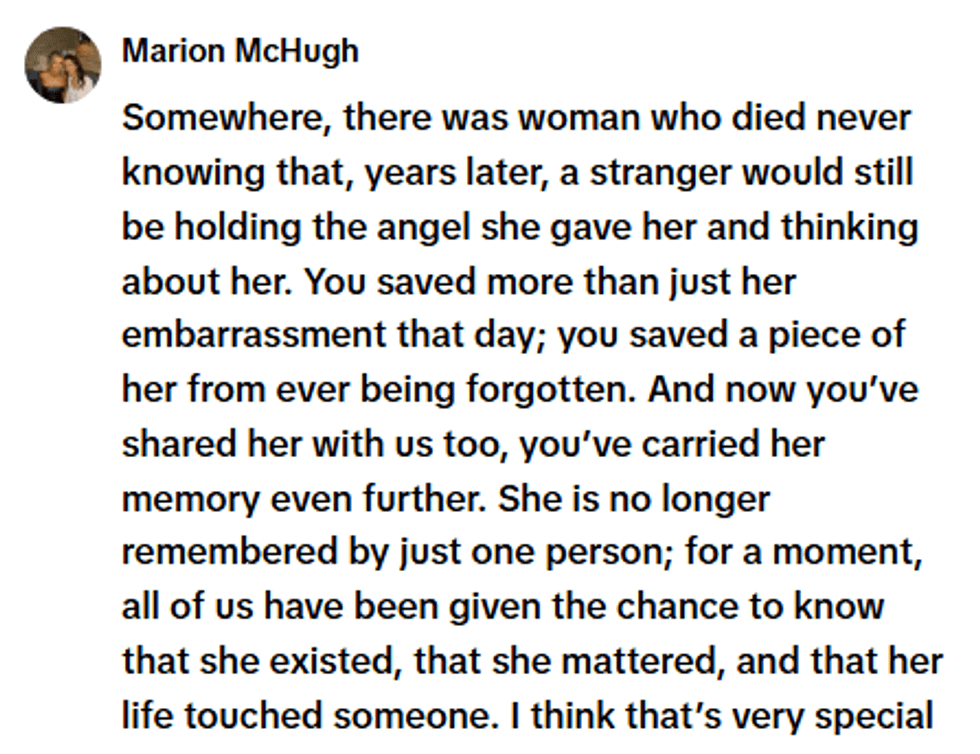 @whatsinthekoolaid/TikTok
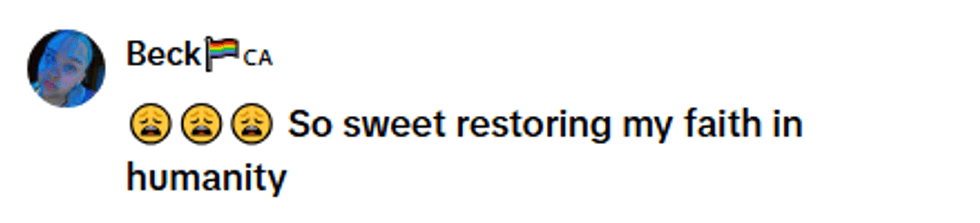 @whatsinthekoolaid/TikTok
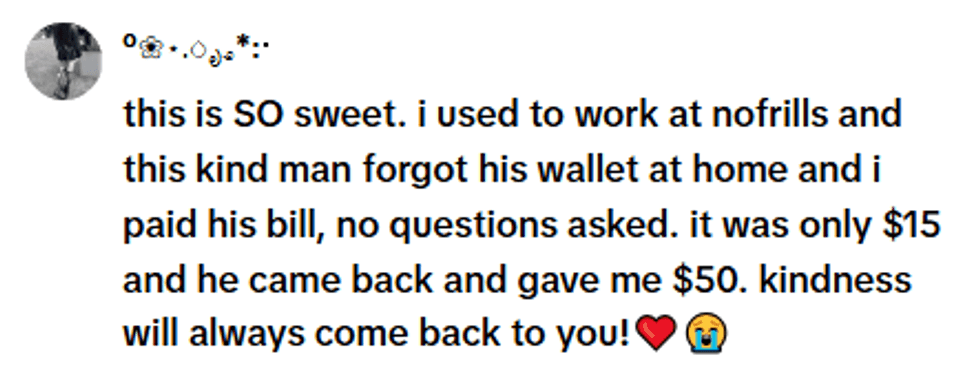 @whatsinthekoolaid/TikTok
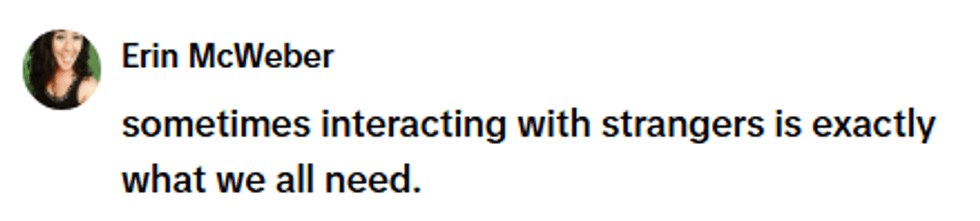 @whatsinthekoolaid/TikTok
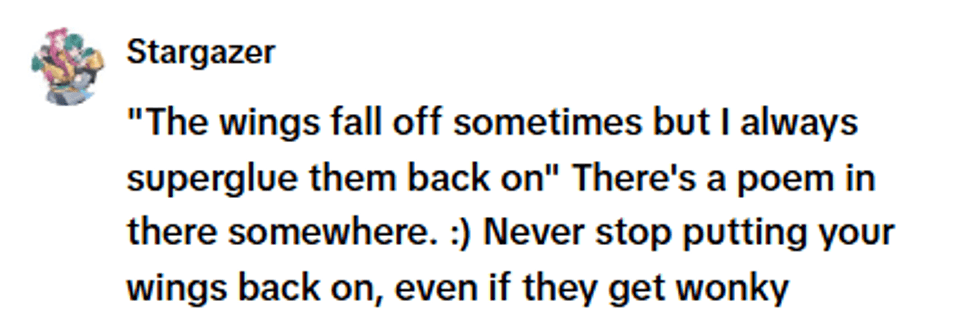 @whatsinthekoolaid/TikTok
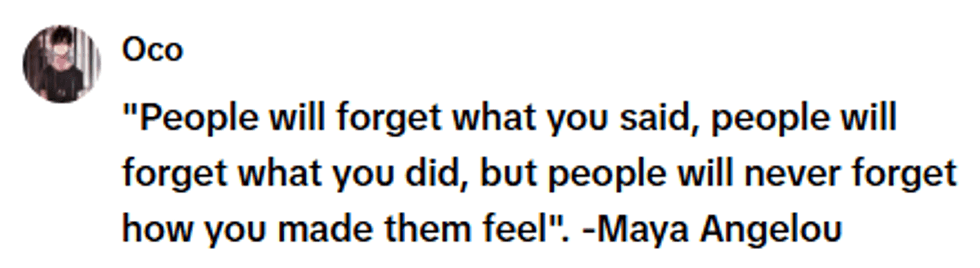 @whatsinthekoolaid/TikTok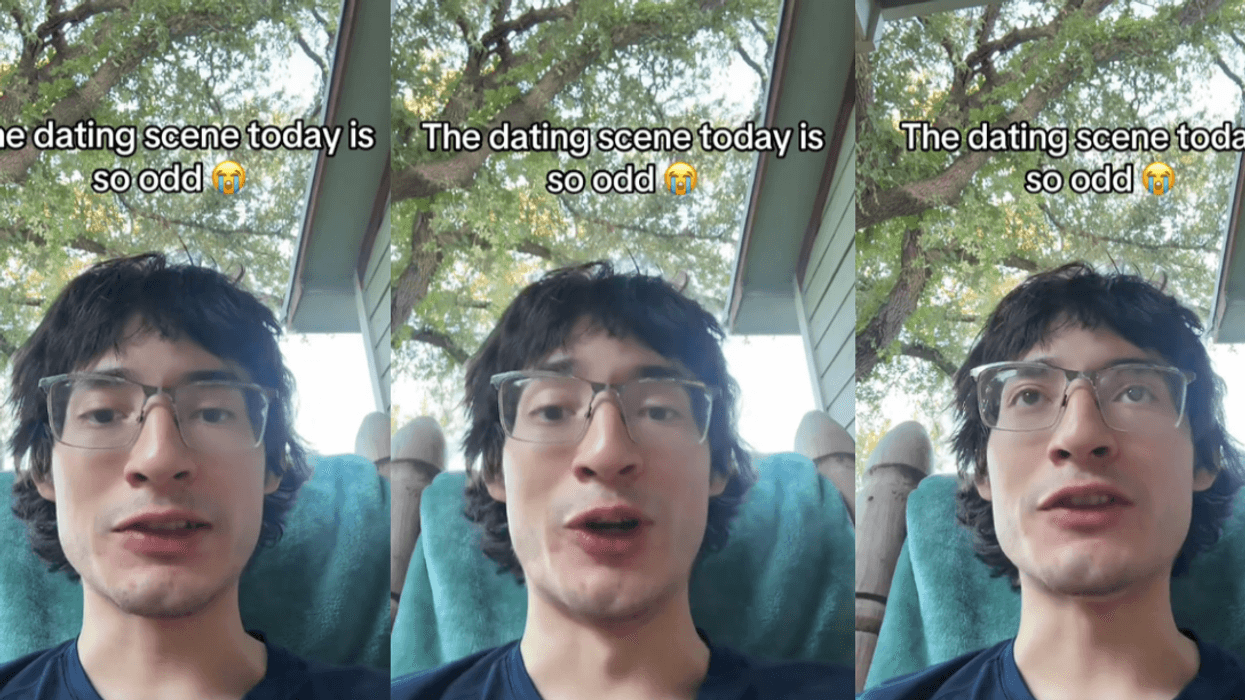
 @palladiumpaladin/TikTok
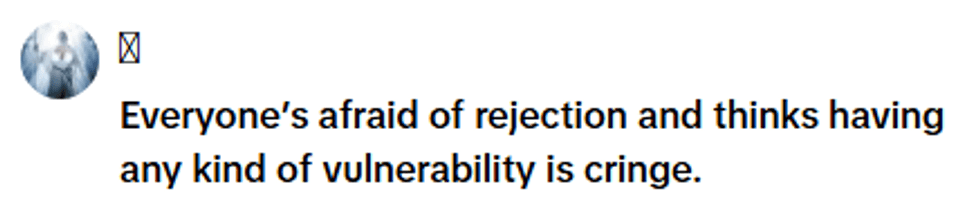 @palladiumpaladin/TikTok
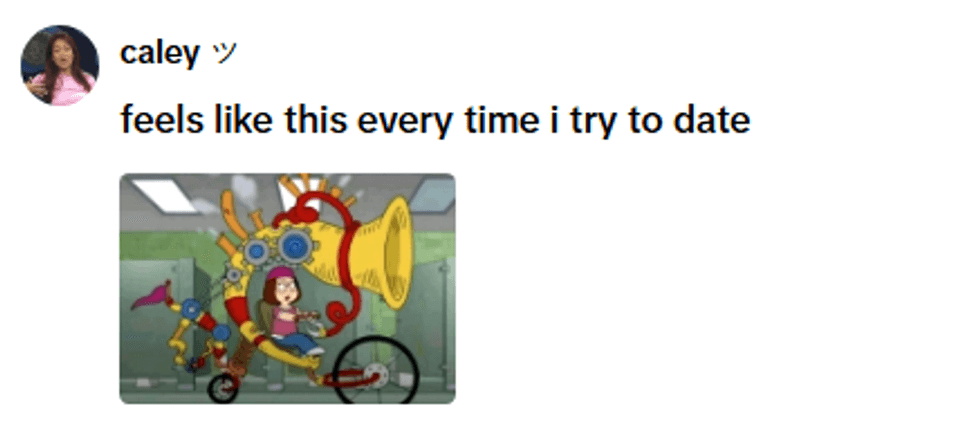 @palladiumpaladin/TikTok
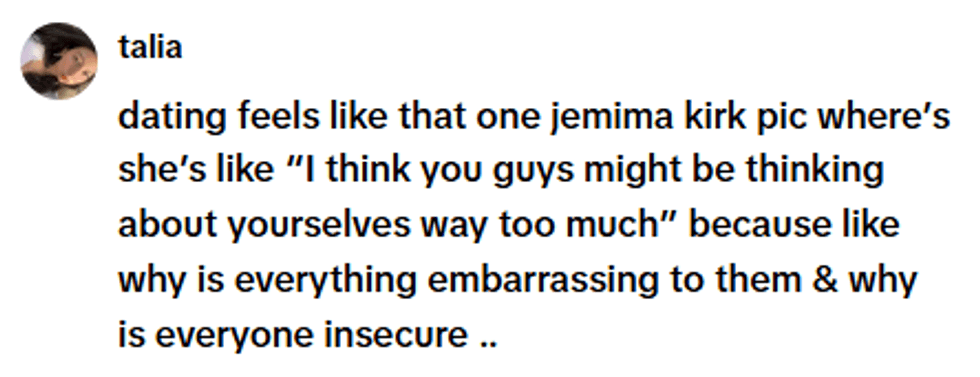 @palladiumpaladin/TikTok
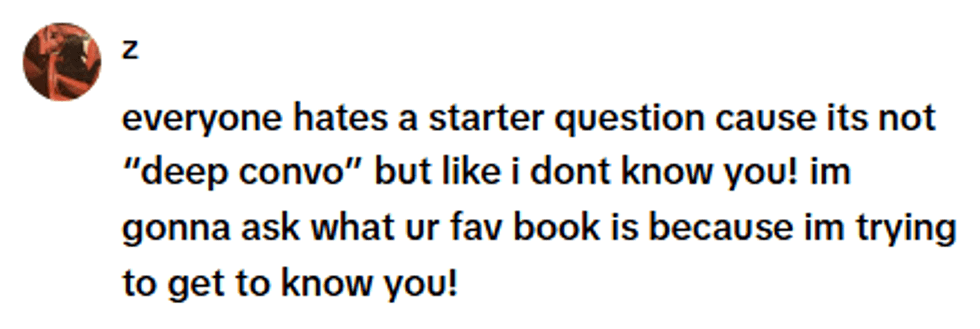 @palladiumpaladin/TikTok
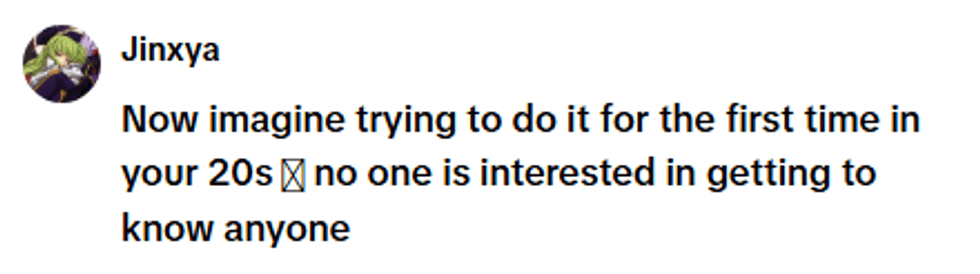 @palladiumpaladin/TikTok
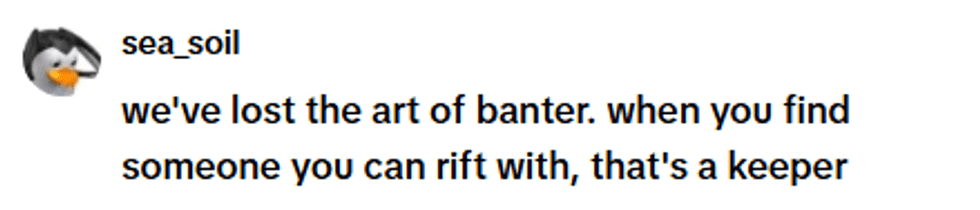 @palladiumpaladin/TikTok
 @palladiumpaladin/TikTok
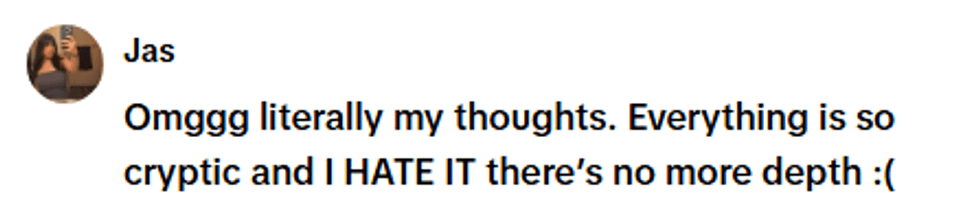 @palladiumpaladin/TikTok
 @palladiumpaladin/TikTok