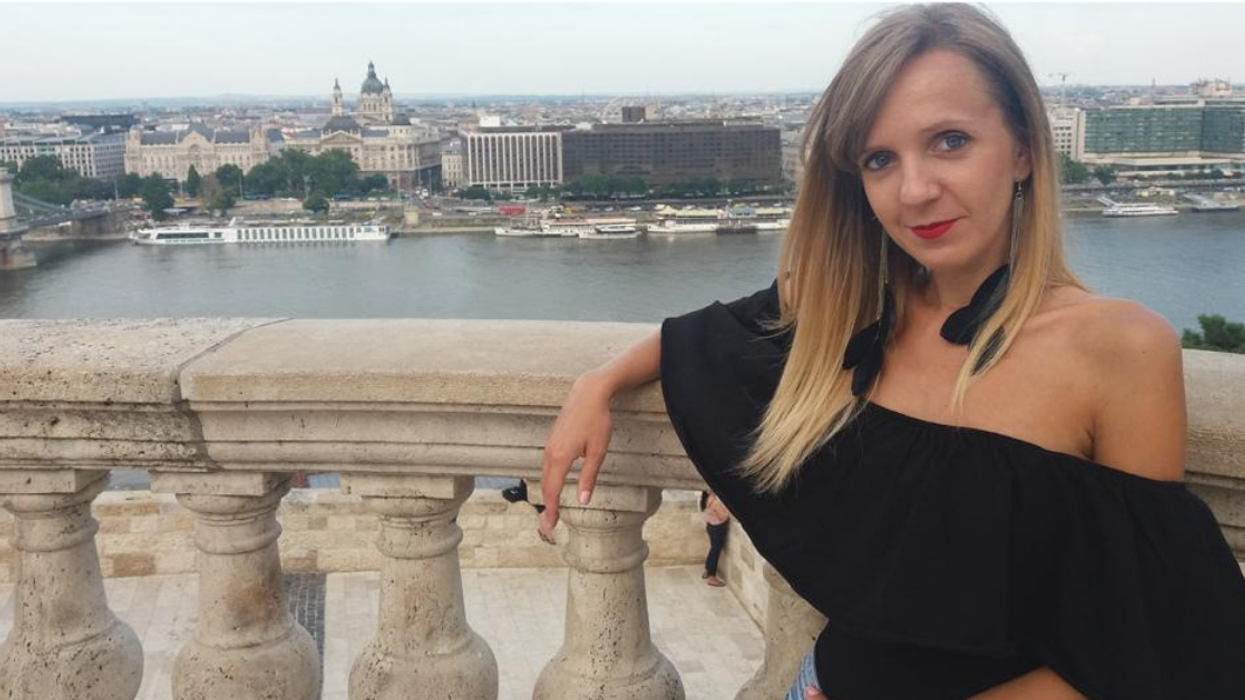
A former foodie has revealed how she became so phobic about eating that she survived on nothing but dry cornflakes and plain potatoes, until a session of hypnotherapy changed her life.
In her early twenties, Ewa Gierlowska loved dining out with friends and enjoyed all the rich culinary offerings of the capital.
But, in 2018 she was suddenly struck down by a painful stomach inflammation that made it difficult for her to eat.

“It was like I'd suddenly become allergic to everything I used to love eating, even though I knew that wasn't logical. I tried to push myself, but my body would go crazy when faced with food. I'd gag and sweat and my heart would pound," Gierlowska said.
Terrified of becoming even more unwell, Gierlowska began to severely restrict her diet.
The only thing she could bear to eat was dry cornflakes and plain potatoes, which she had for every meal for months on end.
By December 2018, she vowed to do whatever it took to get help.
Discovering a London-based hypnotherapist on the internet specializing in food phobia, she paid $330 for a Skype session in January 2019 after which, miraculously, she was able to happily tuck into her most-feared meals.
“It got to the point where I felt as if I'd had a total breakdown. I shut myself off from the world. My loved ones were really concerned and would beg me to eat – but it wasn't that I didn't want to, I couldn't," she said.
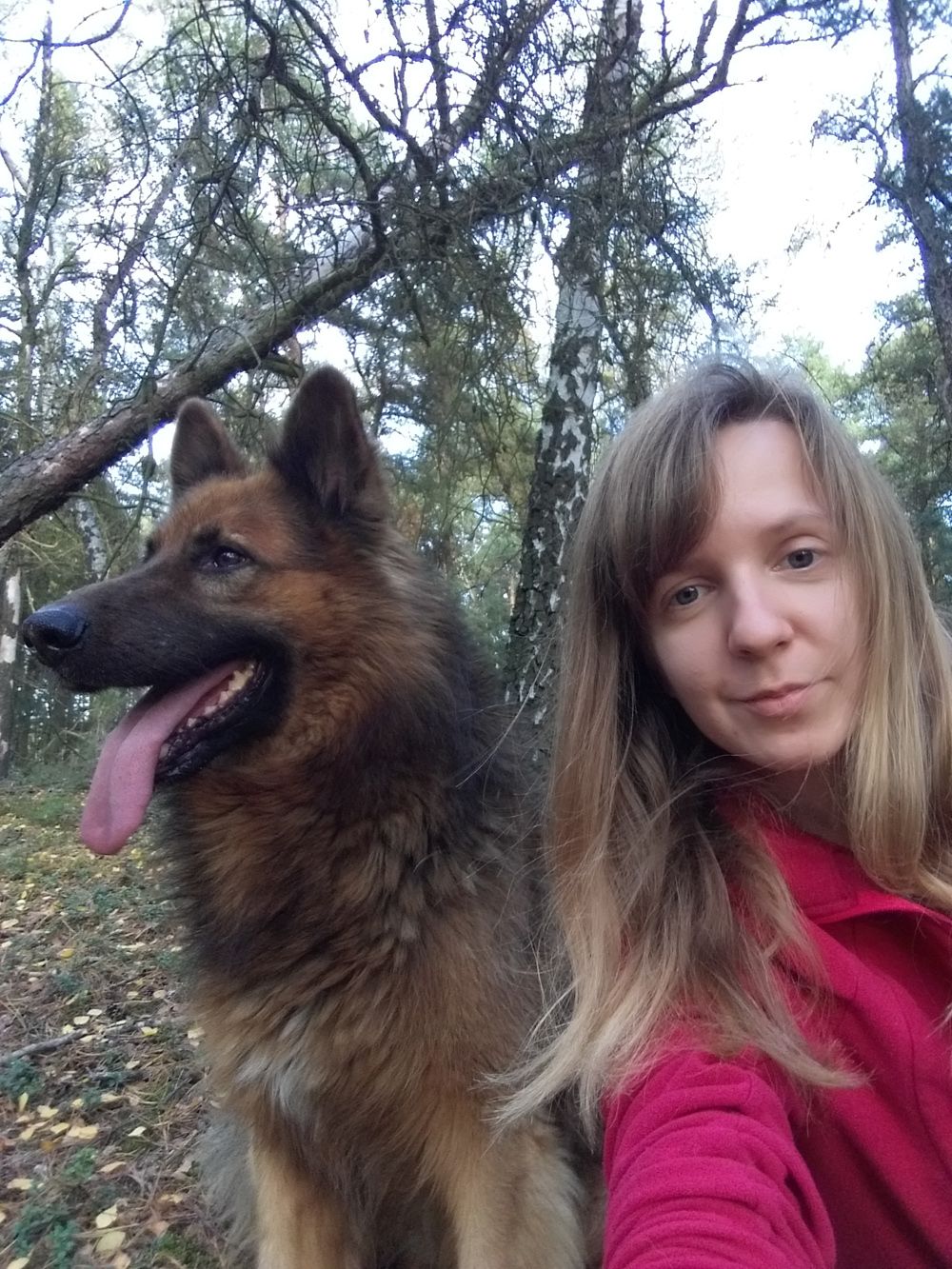
“After the hypnotherapy, it was incredible – my terrible anxiety had gone. The fear had disappeared. I built myself back up, slowly, and am now feeling healthy again. It's been life-changing," she said.
Convinced that her digestive problems had triggered her issues with food, Gierlowska recalled seeing her GP, who suspected she had an inflammation of her stomach lining and advised her to avoid anything rich or spicy.
“I didn't really see it as an issue at first," she said. “I was a real foodie and would eat pretty much anything," she said.
“But, by the summer of 2018, I was having quite a stressful time and was under a lot of pressure at my then job as a team leader. It took its toll on my stomach and the pool of what I was able to eat became smaller and smaller."
Things reached a head at the end of the summer, when Gierlowska woke with such severe stomach pain that she could not eat or drink a single thing for two days.
“It was a tiny amount, but at least it was something. Then, a few days later, I tried to eat some boiled rice, but immediately felt sick," she said.
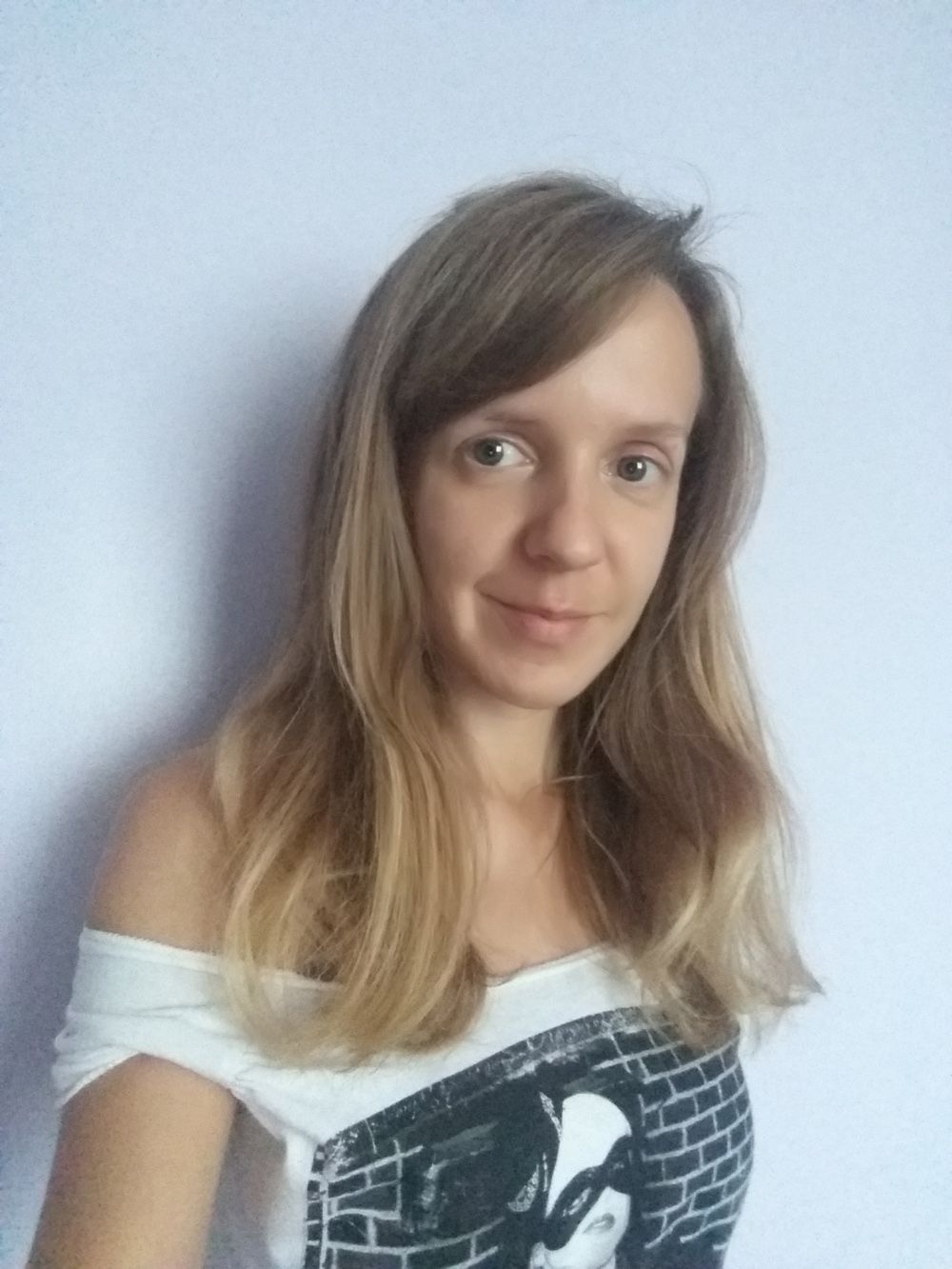
“The same thing happened with banana – once my favorite food," Gierlowska added. “It was like my body was rejecting almost everything I put into it, except cornflakes and potato."
Convinced this was the only “safe food" she could consume, Gierlowska no longer ate anything else.
Happily submitting to blood tests to try and identify her problem, they came back clear.
Certain she was developing an eating disorder, she even saw a psychiatrist, who told her that she could have anorexia nervosa, a diagnosis she did not agree with.
But now, after conducting her own research and following hypnotherapy, she believes she had avoidant restrictive food intake disorder (ARFID) which, according to the eating disorder charity beat, sees sufferers avoiding certain food or types of food.
ARFID may cause people to only eat things with a particular taste, temperature or texture, and it can be triggered by a traumatic event, such as choking, vomiting by significant abdominal pain.

“My mind was in a very bad place," she said. “I saw all sorts of specialists, who agreed that I had an eating disorder of some sort, but nobody ever mentioned ARFID."
“I was told I was being self-destructive and starving myself. I was in a state of total despair. It seemed like nobody could help me and I felt so guilty for making my loved ones suffer and worry."
“I would wake up every morning in utter disbelief at what had happened to my body, how it had suddenly started to reject virtually all food – and terrified of what would happen next."
Gierlowska's turning point came in December 2018.
“I needed to save my life. It was as simple as that," she said.
Doubting the ability of traditional medicine to help her, she began searching for alternatives. Eventually finding Felix Economakis, a psychologist and clinical hypnotherapist, who previously worked for the NHS, but now has a private practice in north west London and specializes in food phobia and ARFID.
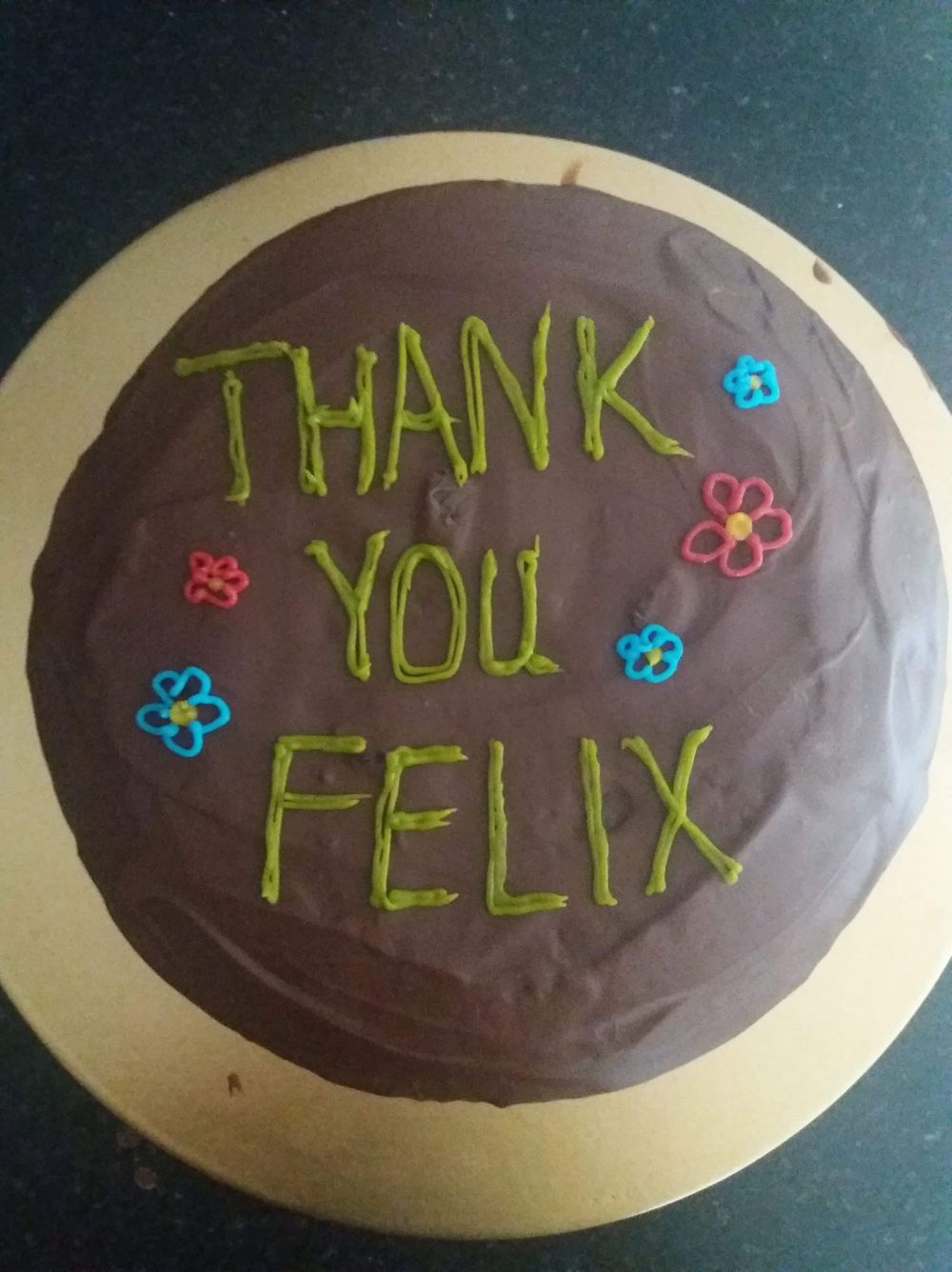
“That was the first time I had ever heard of ARFID. Reading up on it, I knew without a doubt that's what I had," she said. “I called Felix right away and organized a Skype session for January 2019."
“I was really nervous when it came round, but hypnotherapy is nothing like what you see on TV when you suddenly go under. We talked at length about my issues, where they came from and what I was most afraid of eating."
After the session, Gierlowska was asked to try and eat some pre-prepared portions of her most-feared foods.
Since then, she has been slowly rebuilding her strength and introducing a variety of food back to her diet.
After eight months, she was back to her old self and was so convinced by the power of hypnotherapy that she returned last summer to have a course in order to conquer her fear of flying.
Luckily, she has not been left with any long-lasting health issues as a result of her experience with ARFID and hopes that telling her story will encourage fellow sufferers to seek help and raise awareness of the condition.

“It is a huge misconception that people with ARFID are just picky eaters. I would smell food and want more than anything to eat it. I'd feel hungry enough to – but when I tried, panic would take over. There was a resistance deep in my subconscious stopping me," she said.
“It impacted everything. I shut myself off from the world, barely spoke to anyone, stopped socializing and stopped going out for dinner. Now, I don't have to worry about anything like that. It has been a long journey, but I'm finally healthy and strong again."
“It worries me that ARFID isn't more widely known. I believe that general medicine and psychiatry need to be more closely linked, in order to properly help people like me. I never thought anything like this would happen to me, but now I'm out the other side of it, I want to speak up for others."








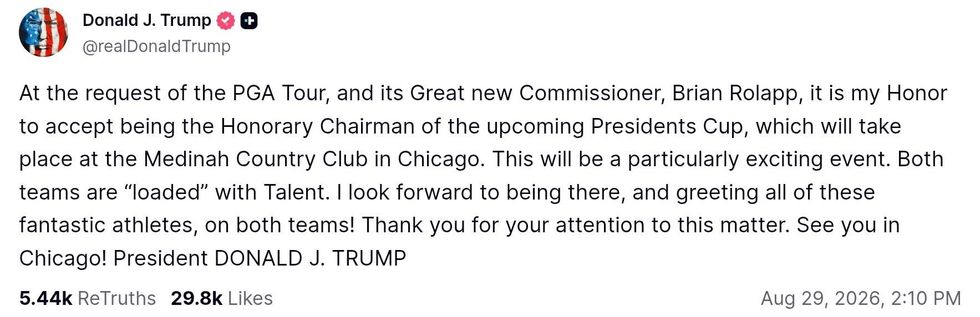 @realDonaldTrump/Truth Social
 @riotwomennn/X
 @CCarl76/X
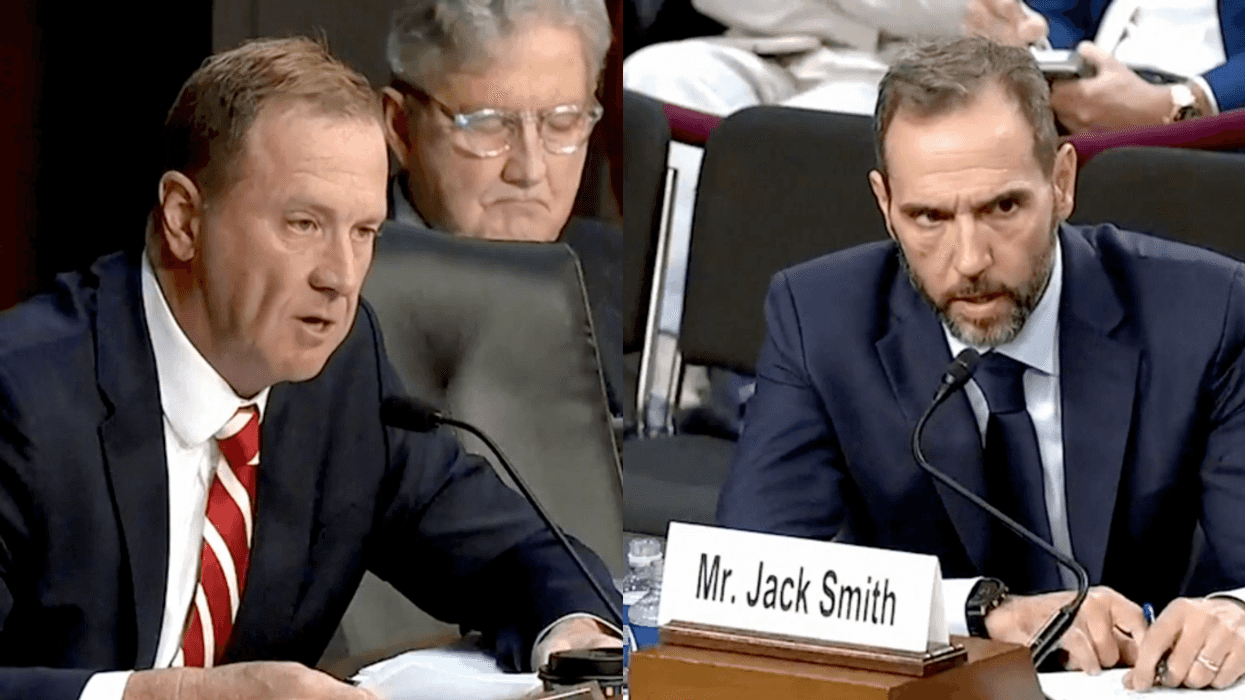
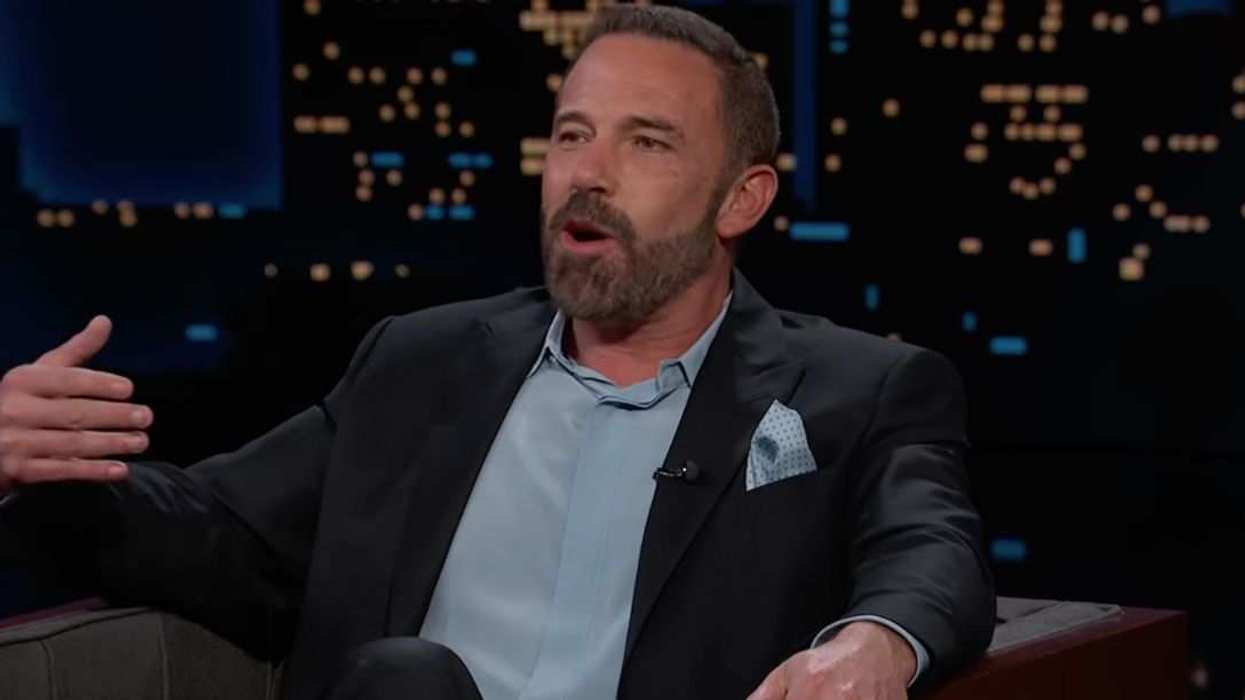
 u/justlovespeacocks/Reddit
 u/basicbong/Reddit
 u/mandatorypanda9317/Reddit
 u/niamhellen/Reddit
 u/thetallgirll/Reddit
 u/VixxenFoxx/Reddit
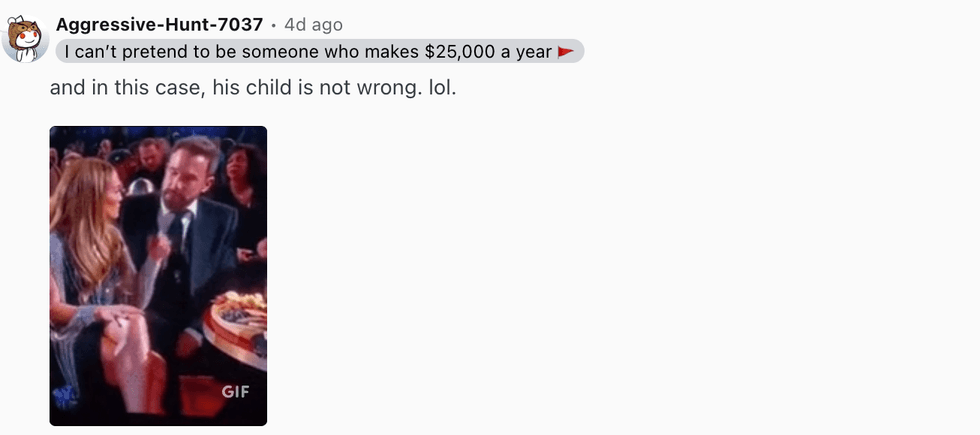 u/Aggressive-Hunt-7037/Reddit
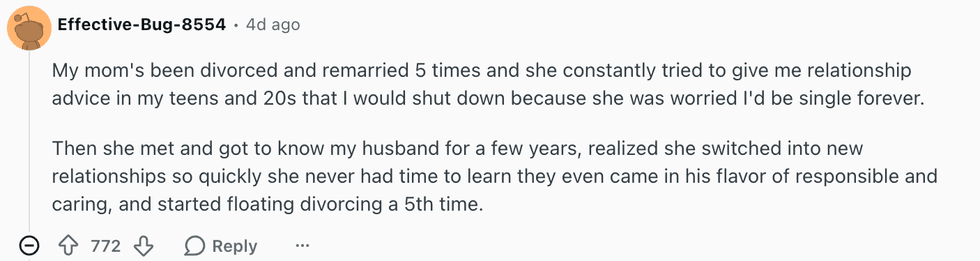 u/Effective-Bug-8554/Reddit
 u/Ardilla_sovietica/Reddit
 u/chadthundertalk/Reddit
 u/0ttoChriek/Reddit
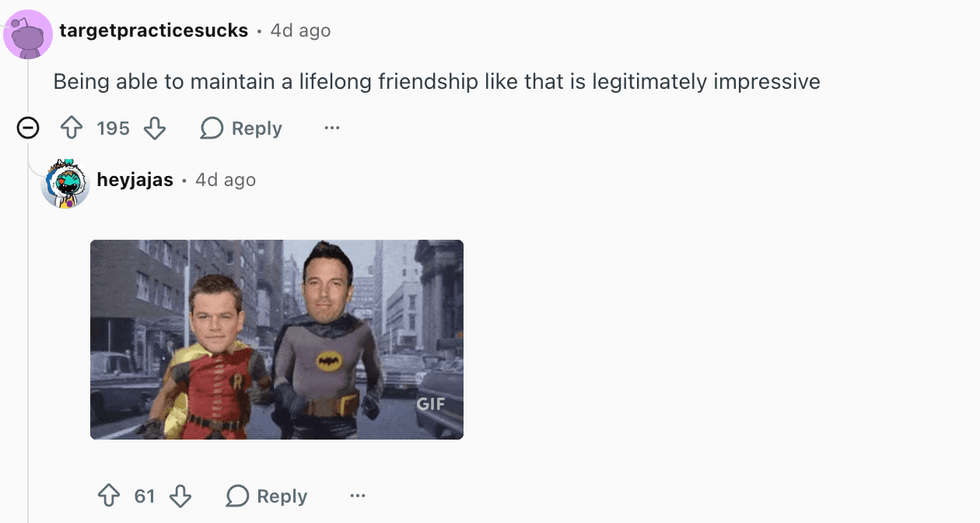 u/targetpracticesucks; u/heyjajas