
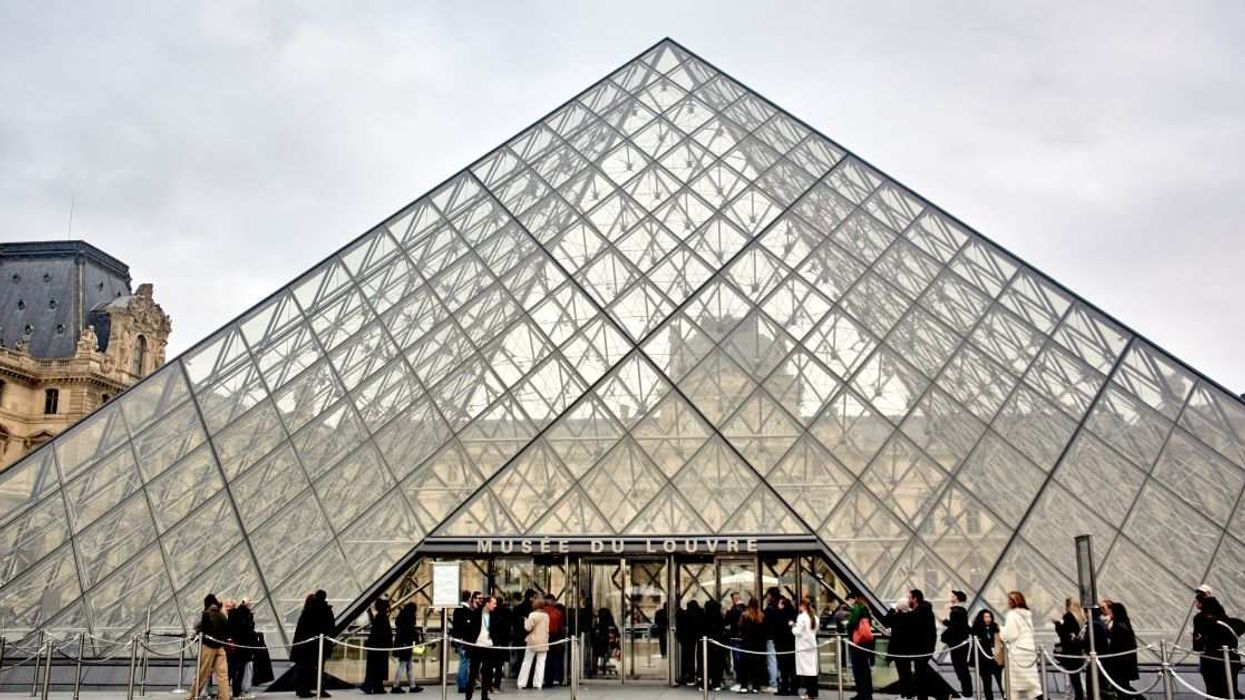

The world’s most famous museum—once the guardian of France’s looted treasures—apparently guarded itself with a password that could’ve been guessed… by a toddler.
On October 19, in broad daylight, the Louvre in Paris was hit by a group of bandits in an eight-minute spree worth $102 million. At around 10 a.m., four men in yellow vests and motorcycle helmets rolled up in a stolen cherry picker.
Tourists assumed it was a maintenance crew, until the “crew” started revving chainsaws inside the Apollo Gallery. And in under eight minutes, they shattered display glass, swiped eight royal gems (including a sapphire diadem and necklace once worn by 19th-century queens), and fled on scooters.
The whole thing took less time than ordering a latte in the museum café.
In the aftermath, investigators uncovered a revelation so ridiculous it belongs in a Monty Python sketch: the Louvre, home of the Mona Lisa, protected its video surveillance system with the password “LOUVRE.”
Yes, that’s it. Not “Louvre123.” Not “Louvre!” Not even “LouvreBoobs69.” Just an ALL CAPS… “LOUVRE”
So how did four blue-collar burglars outsmart the Louvre? By outsmarting absolutely no one. The museum’s security setup might as well have handed them a map and a thank-you note.
According to Libération, France’s National Cybersecurity Agency (ANSSI) discovered that this same password had been flagged and never changed.
Auditors wrote in the 2014 report:
“Type ‘LOUVRE’ to access a server managing the museum’s video surveillance, or ‘THALES’ to access one of the software programs.”
Sacrebleu, indeed. The hackers of history must be shaking their powdered wigs.
Subsequent audits found “serious shortcomings,” including systems still running on Windows 2000—an operating system so old that it probably remembers Y2K as if it were yesterday. The same report warned of a “dramatic incident” if no action was taken. Fast-forward to 2025: dramatic incident achieved.
Even more humiliating, the only camera near the Apollo Gallery window—the one the thieves broke through—was pointed away from it. Pierre Moscovici, head of France’s Court of Accounts, called the heist “a deafening alarm signal.”
During testimony before the French Senate, Louvre director Laurence des Cars offered this masterpiece of denial:
“The security system, as installed in the Apollo Gallery, worked perfectly. The question that arises is how to adapt this system to a new type of attack and modus operandi that we could not have foreseen.”
Translation: the system worked fine, except for the part where it didn’t.
Des Cars later admitted she’d been “appalled” by the museum’s security since 2021, adding:
“Today, we are witnessing a terrible failure at the Louvre.”
That “terrible failure” didn’t surprise anyone who’d read the audits. The Court of Accounts found that the museum had prioritized “visible and attractive” projects—such as renovations and shiny acquisitions—over protecting its priceless artifacts from theft.
The report also revealed that in 2024, the Louvre had just 432 CCTV cameras for 465 galleries, meaning 61 percent of the museum had zero coverage. By American comparison, the Detroit Institute of Arts, with a similar footprint, boasts more than 550 cameras.
So someone please tell Mr. Donald Trump—yes, that Donald Trump, who’s spent years trash-talking Detroit—that Motor City is officially better at guarding art than Paris.
Cybersecurity expert Dale Meredith summed it all up on X:
“I’m not stunned—this is a pattern of inept security. A 2014 audit flagged the laughably weak password ‘LOUVRE.’ Years of ignored warnings, no patches, no upgrades—stuck on Windows 2000 post-2010. Why no fix? Probably budget cuts or classic IT neglect.”
You can read the rest of his critique below:
As a cybersecurity expert, I'm not stunned—sadly, this is a pattern of inept security practices. A 2014 ANSSI audit flagged the laughably weak password "LOUVRE" for the surveillance system (and "THALES" for their software!). Where was the follow-up? YEARS of ignored warnings, no…
— Dale Meredith (@dalemeredith) November 5, 2025
Meanwhile, France’s culture minister, Rachida Dati, has been spinning harder than a carousel at the Tuileries.
The day after the robbery, she told lawmakers:
“Did the Louvre Museum’s security measures fail? No, they didn’t. It’s a fact.”
A week later, even she dropped the act, admitting that “security failures did indeed occur.”
Social media, of course, had a field day—with users serving up snark, disbelief, and password suggestions that would give your iPhone’s Face ID a midlife crisis.
Inside sources say the thieves weren’t part of any international ring, just local opportunists who noticed the Louvre’s “protection perimeter” had all the resilience of a croissant. To their credit, they used a lift, climbed through an unmonitored window, chainsawed open cases, and were gone before most visitors had finished filming their TikToks.
Police have since arrested four suspects—including a taxi driver, a garbage collector, and two small-time crooks from the Paris suburbs—after tracing DNA left at the scene. One was caught at Charles de Gaulle Airport with a one-way ticket to Algeria, proving that even getaways, like passwords, require better planning.
The Mona Lisa, of course, remains safe behind her bulletproof glass—watching the chaos with the same sly smirk she’s had for 500 years. Perhaps she knows something the rest of the museum doesn’t: sometimes the real masterpiece isn’t on the wall, but the comedy of human error happening just beneath it.
Now, if you’ll excuse me, I’m off to update my password to something more secure—like “LouvreB00bZ69!”



 @meitham/TikTok
 @meitham/TikTok
 @meitham/TikTok
 @meitham/TikTok
 @meitham/TikTok
 @meitham/TikTok
 @meitham/TikTok
 @meitham/TikTok
 @meitham/TikTok
 @meitham/TikTok
 @meitham/TikTok
 @meitham/TikTok



 @taylaajacksonn/TikTok
 @taylaajacksonn/TikTok
 @taylaajacksonn/TikTok
 @taylaajacksonn/TikTok
 @taylaajacksonn/TikTok
 @taylaajacksonn/TikTok
 @taylaajacksonn/TikTok
 @taylaajacksonn/TikTok
 @taylaajacksonn/TikTok
 @taylaajacksonn/TikTok

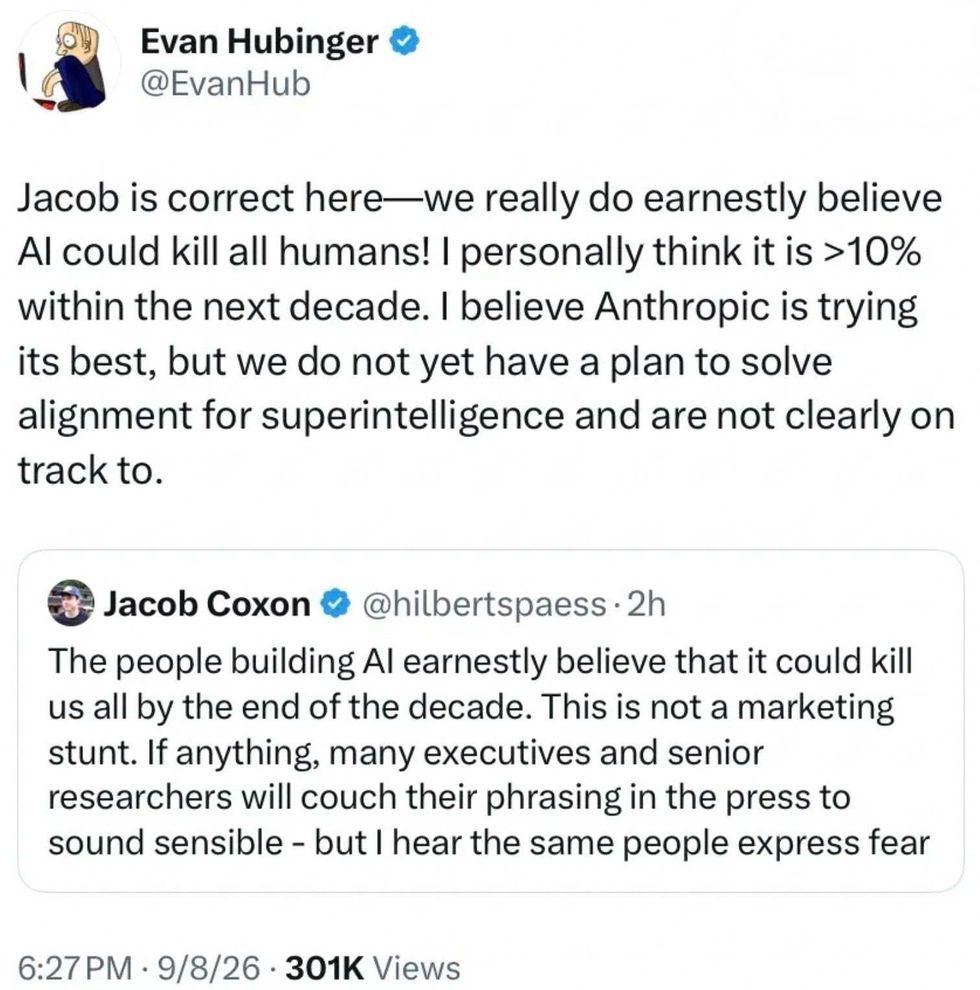 @EvanHub/X
 @PostigoElena/X
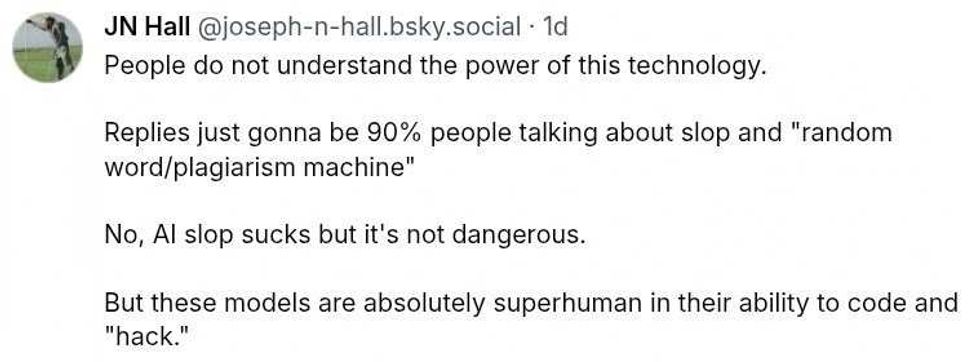 @joseph-n-hall/Bluesky
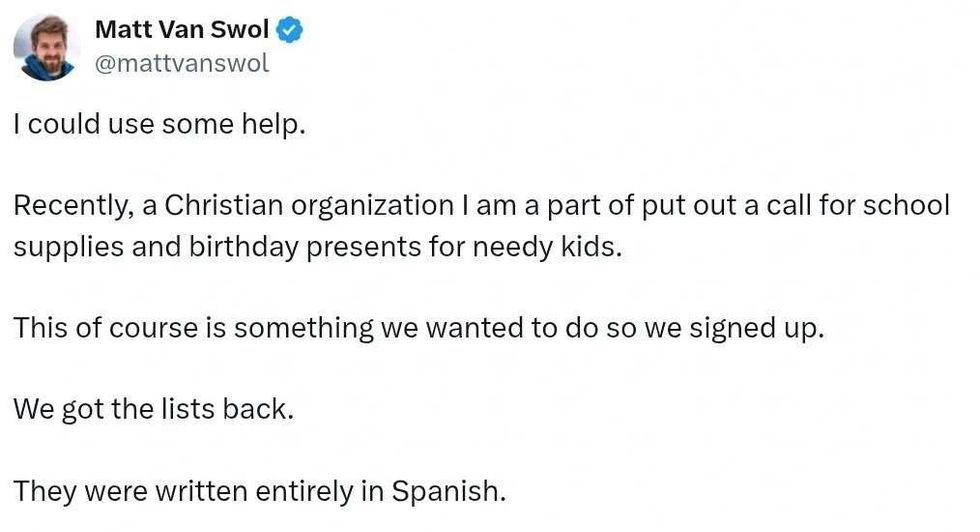 @mattvanswol/X
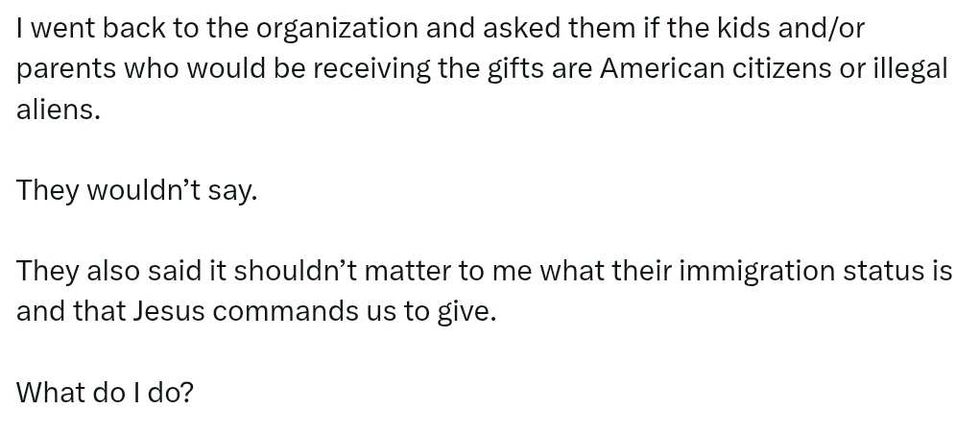 @mattvanswol/X
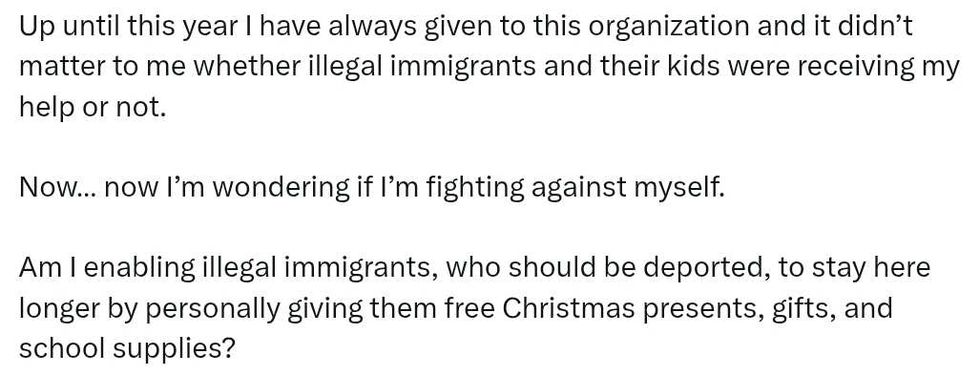 @mattvanswol/X
 @mattvanswol/X
 @iamalmostlegend reply to @mattvanswol/X
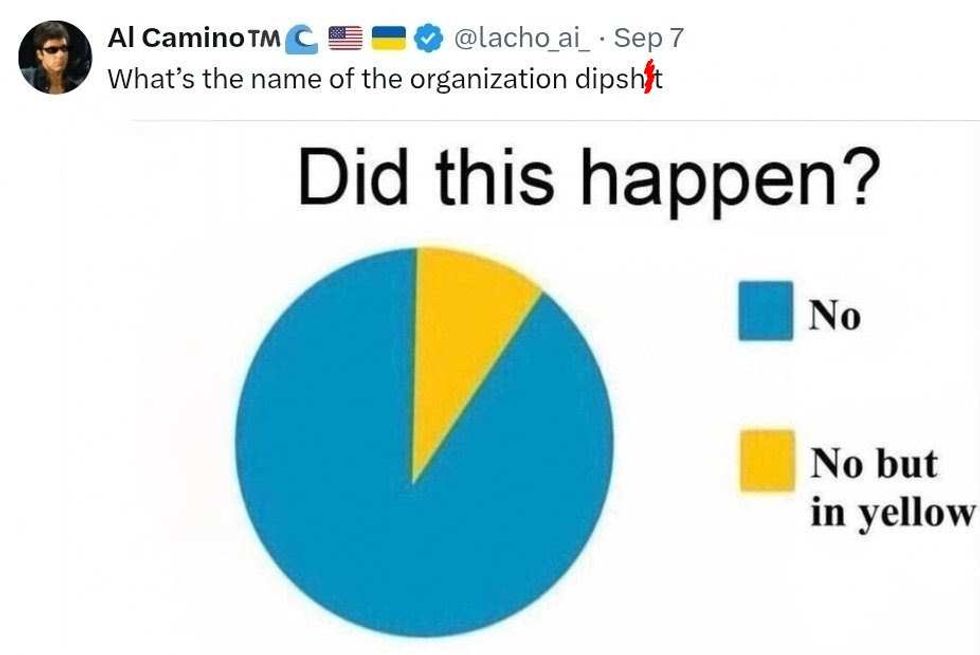 @lacho_ai_ reply to @mattvanswol/X