

Let's be honest: We all get stressed sometimes, and as much as we might try to avoid them, we all go through some exceptionally stressful times. From job changes to big moves to tremendous amounts of grief, stress just annoyingly is a part of the human condition, it seems.
But Dr. Leigh Erin Connealy wants to caution all of us that our experiences with stress and how we process that stress is much more important to our physiology than we might realize.
Dr. Connealy follows the studies of Bessel van der Kolk, who is best known for his book, The Body Keeps the Score, to a tee. The basic premise of the book is that our bodies literally keep a "score" of our harsher experiences, and how we did or did not work through those stressful experiences.
We might have noticed that we got a bad cough one time when putting in extra hours at work, or right before we were going to visit family across the country, or annoyingly mid-move to a new country. Each of these examples is a stressful experience for us, and sometimes that stress is expressed through illness.
Unfortunately, our bodies keep a score of those illnesses, as well. Over time, our bodies take our growing "scores" and might rework our physiology to accommodate what our bodies believe to be our natural stress state. This can lead to higher cortisol levels, weight gain, more anxious and depressive episodes, and more.
But most importantly, Dr. Connealy points out, it can lead to cancer.
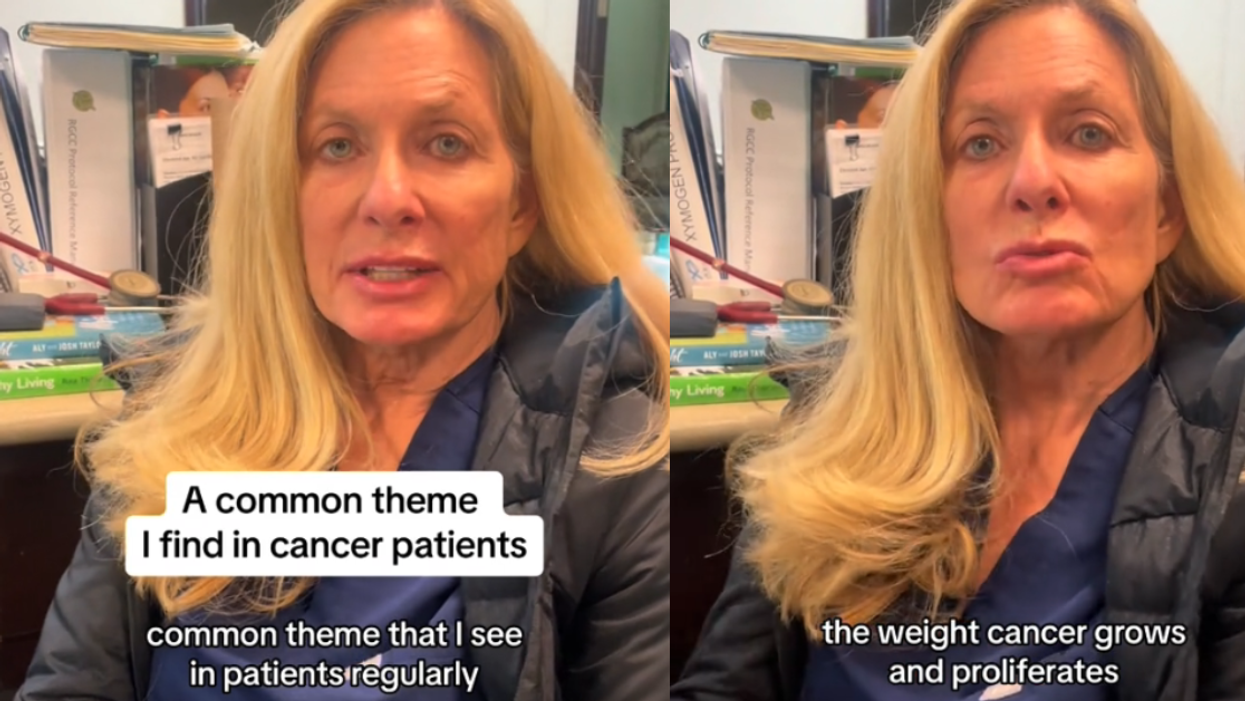
In a thorough and heartfelt precautionary TikTok video, Dr. Connealy explains:
“A common theme that I see in patients regularly is that they have usually suffered some very, very stressful event."
"It could be extreme work conditions. It may be a child, it might be a parent, it might be a divorce, but they usually have gone under some extreme stress, which we know affects the whole hypothalamic-pituitary axis and the cortisol production. And extreme cortisol production is contributing to the way cancer grows and proliferates."
Essentially, whether we have cancer or not, our stressful experiences are making us sicker, and if we aren't careful to practice positive self-regulatory exercises and minimize our external stressors, we're more likely to experience more significant illnesses than just a common cold.
You can watch the video here:
In the caption of her video, Connealy explained:
"New research suggests that high cortisol and stress hormones play a key role in the development of cancer, metastasis, and increase the risk of recurrence. An excess of these hormones may be directly carcinogenic by suppressing immune function, promoting inflammation, and inhibiting normal cell function."
"Treating and mitigating stress should be a top priority when treating cancer. Stress hormones, such as cortisol and adrenaline, increase in response to perceived stressors. They play a role in the 'fight or flight' response and help mobilize energy reserves, increase heart rate and blood pressure, and sharpen focus to cope with immediate threats."
"Stress hormones are absolutely necessary because they enable the body to respond effectively to stressful situations and ensure our survival."
"Tips: Spend time in natural light shortly after waking up and get adequate sunlight. Ensure adequate intake of necessary nutrients, especially protein, fat-soluble vitamins, B vitamins, vitamin C minerals, etc."
"Balance hormones. Get enough sleep for your body. Limit toxin exposure. Practice gratitude and mindfulness. Hug and spend time with loved ones. Take frequent walks in nature. Find ways to express your creativity."
Some were suddenly concerned for all of their fellow TikTokers.

@connealymd/TikTok

@connealymd/TikTok

@connealymd/TikTok

@connealymd/TikTok

@connealymd/TikTok
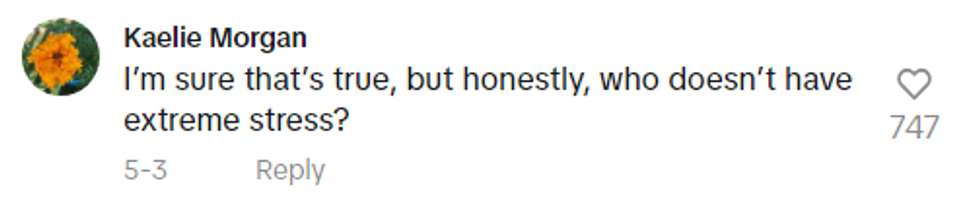
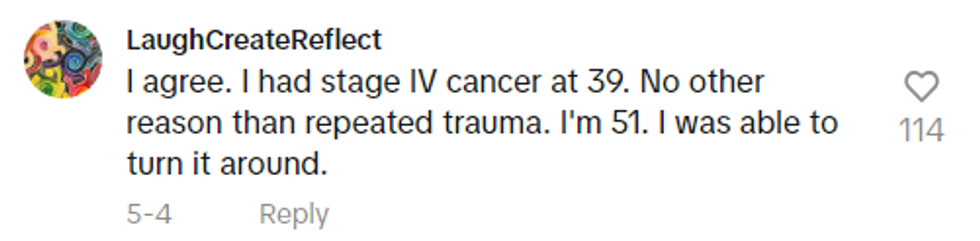
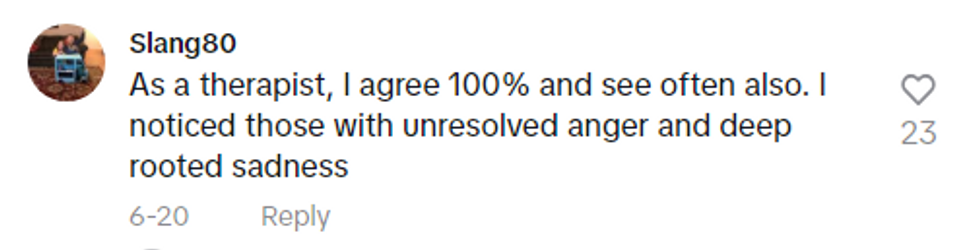
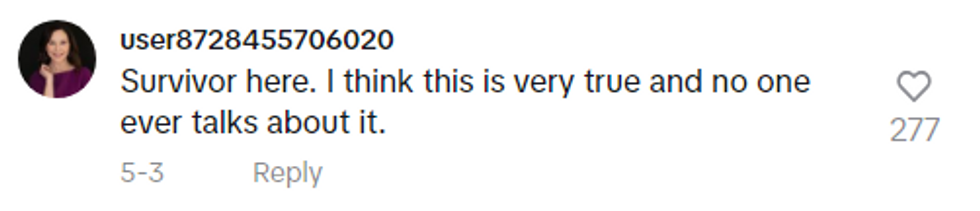
Others agreed with Dr. Connealy's logic about stress and cancer.

@connealymd/TikTok
@connealymd/TikTok
@connealymd/TikTok
@connealymd/TikTok
@connealymd/TikTok
Fortunately, Dr. Connealy had some good news for us in another video.
Though it was geared specifically toward current cancer patients and patients in remission, Dr. Connealy shared a critical point that we could all apply to our own health journeys.
Dr. Connealy states:
"There is no finish line to health. You should always optimize your health."
Whether we're already in pretty tiptop condition or feel like we couldn't do one pushup right now if we tried, we still have time to improve our physical health, and even when we get started, there are always we could improve or refine our health journeys.
Some fun ways might be to try walking down a new path during our daily walk, trying out a new recipe, or trying out a new meditation. Each of these are new and different approaches to improving our health, but as long as we are working at it, we are heading in the right direction.
The same can be said for our mental health, our emotional regulation, and our stress levels.
This whole conversation is an eye-opening reminder of how important it is to avoid stressful situations when possible, practice our bodily and emotional self-regulation, and to involve ourselves in relaxing and rejuvenating activities.
Now if you'll please excuse us...we're going to go stress over how much stress is too much stress.











 Happy Jennifer Aniston GIF
  look ceiling GIF
  Creepy GIF
  Hidden Room Loop GIF by sheepfilms
 @AzRepGillette/X
 @AzRepGillette/X
 @AzRepGillette/X
 @nicolekatelynn1/TikTok
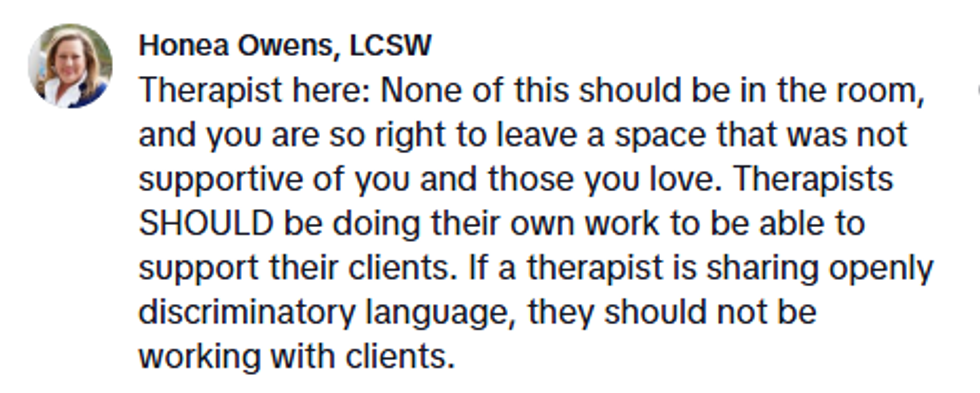 @nicolekatelynn1/TikTok
 @nicolekatelynn1/TikTok
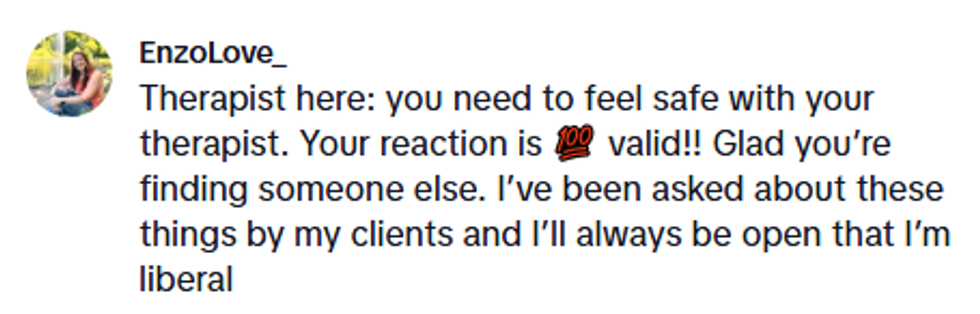 @nicolekatelynn1/TikTok
 @nicolekatelynn1/TikTok
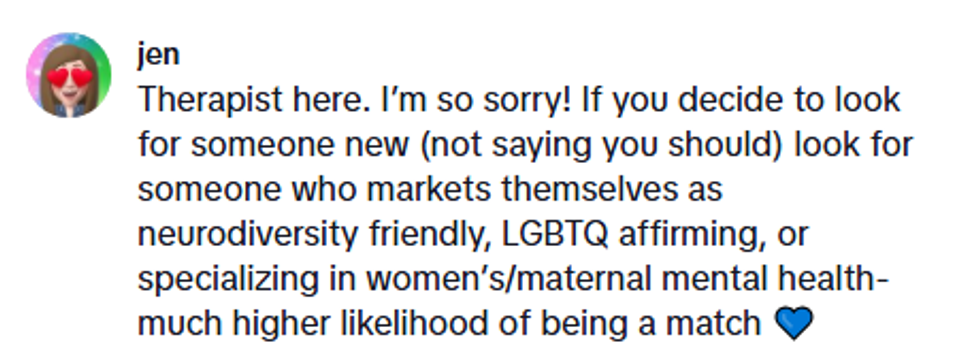 @nicolekatelynn1/TikTok
 @nicolekatelynn1/TikTok
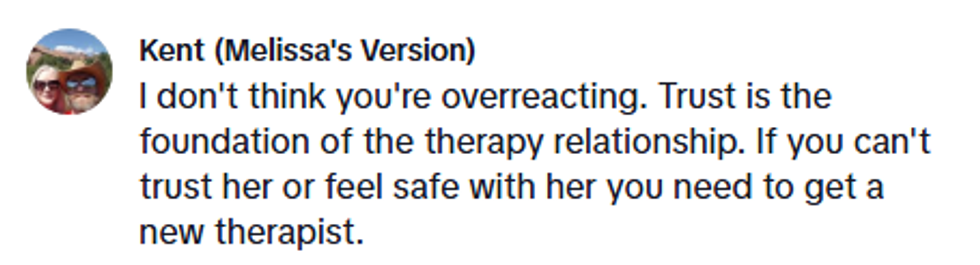 @nicolekatelynn1/TikTok
 @nicolekatelynn1/TikTok
 @nicolekatelynn1/TikTok
 @nicolekatelynn1/TikTok
 @nicolekatelynn1/TikTok
 @valerieelizabet/TikTok
 @valerieelizabet/TikTok
 @valerieelizabet/TikTok
 @valerieelizabet/TikTok
 @valerieelizabet/TikTok
 @valerieelizabet/TikTok
 @valerieelizabet/TikTok
 @valerieelizabet/TikTok
 @valerieelizabet/TikTok
 @valerieelizabet/TikTok
 @valerieelizabet/TikTok