


There was not a dry eye at 30 Rock during Bowen Yang’s final Saturday Night Live episode, which aired this past weekend. Hosted by his Wicked co-star Ariana Grande and featuring Cher as the musical guest, the night felt engineered in Lorne Michaels’ lab to emotionally devastate the gays and their mothers everywhere.
But before the live show even began, Yang posted his formal goodbye after months of speculation about whether one of SNL’s most indispensable players was on his way out.
The post began:
“i loved working at SNL, and most of all i loved the people. i was there at a time when many things in the world started to seem futile, but working at 30 rock taught me the value in showing up anyway when people make it worthwhile…”
Midseason exits are rare at SNL, and Yang, at the precocious age of 35, wasn’t simply another cast member aging out of the system. He first joined the show as a writer in 2018, transitioned to on-air appearances the following season, and was promoted to the main cast soon after.
Over seven seasons, Yang became a cornerstone of the ensemble. He was also the show’s first Chinese American cast member and one of only a handful of LGBTQ performers in its history.
In his post, Yang reflected on the lessons learned during his time inside Studio 8H:
“i’m grateful for every minute of my time there. i learned about myself (bad with wigs). i learned about others (generous, vulnerable, hot). i learned that human error can be nothing but correct.”
Filming with the cast during COVID lockdowns, dealing with canceled shows, and the general chaos of live television under pressure shaped and evolved Yang’s creative approach to comedy.
He didn’t romanticize the work so much as demystify it:
“i learned that comedy is mostly logistics and that it will usually fail until it doesn’t, which is the besssst.”
His most memorable work reflected both his range and the representational ground he broke with side-splitting humor and live-on-air hijinks. During “Weekend Update,” he would steal the show with elaborate, culture-literate desk bits, playing everything from the anthropomorphized iceberg that sank the Titanic to Moo Deng, the internet-famous baby hippo.
His first on-camera appearance came as North Korean dictator Kim Jong Un, a role previously played by white cast members, though his impressions stretched from political figures to pop culture archetypes, often with a sharp, queer-coded edge.
Yet Yang’s longevity wasn’t built solely on being a standout. Like any great ensemble player, he knew how to blend in even with a knowing grin when he wasn’t the load-bearing part of a sketch. That talent carried him through the pandemic, multiple cast shakeups, and into an infamously contentious second Trump term.
Yang also made sure to thank the infrastructure behind the show, including cast members, crew, pages, hosts, and ultimately Michaels, whose approval still functions as the final boss of American comedy.
He wrote:
“thank you to lorne for the job. for the standard. and for bringing everyone at work together. they all care deeply about people in the room, any room, enjoying themselves. i can’t believe i was ever included in that.”
The comedian ended his statement with the following message: "the show doesn’t go on because it’s ready, but s**t, i hope i am. ❤️🌃⌛️🎥."
You can view the full post here:
The episode leaned fully into the moment. In his final sketch, Yang played a retiring airline employee opposite Grande and Cher, singing “Please Come Home for Christmas” and barely disguising the wink to an audience that was very much not okay.
When Kenan Thompson told him he’d miss him, Yang smiled and returned the sentiment. And when Grande’s character expressed disbelief that he was leaving, Yang said he wanted to go out on top—promptly corrected by Grande, who reminded him that everybody knows that he’s always been a bottom.
In character, he added:
“I just feel so lucky that I ever got to work here… I’ve loved every single person who works here because they’ve done so much for me, especially my boss.”
That rare blend of grace, gratitude, and an unapologetic love for all things gay defined Yang’s run.
And not to undersell his SNL success, in 2021, he even made history as the first featured player to earn an Emmy nomination for supporting actor in a comedy series. Three more nominations followed, cementing him as the most-nominated Asian male performer in the Emmys’ 77-year history.
“This place will always be home,” he added later in the sketch. “But it’s time to go.”
You can view Yang’s emotional goodbye sketch here:
- YouTubeSaturday Night Live
Fans carried the moment with them, flooding social media with reactions:
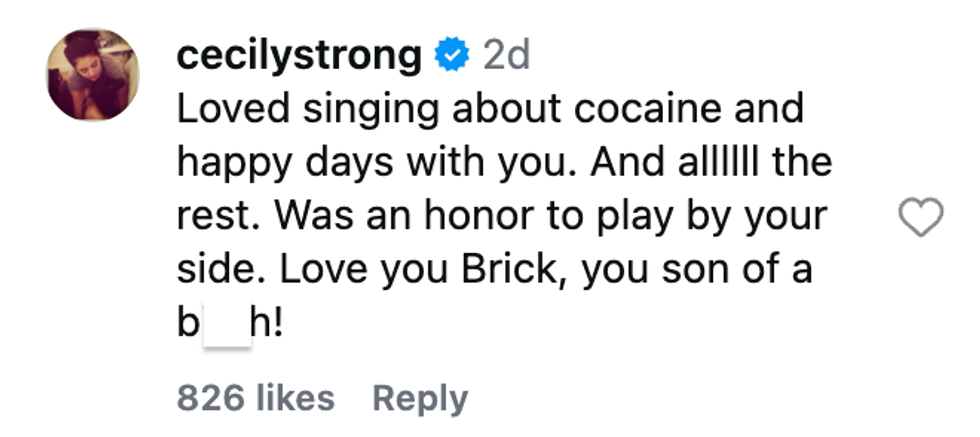 @cecilystrong/Instagram
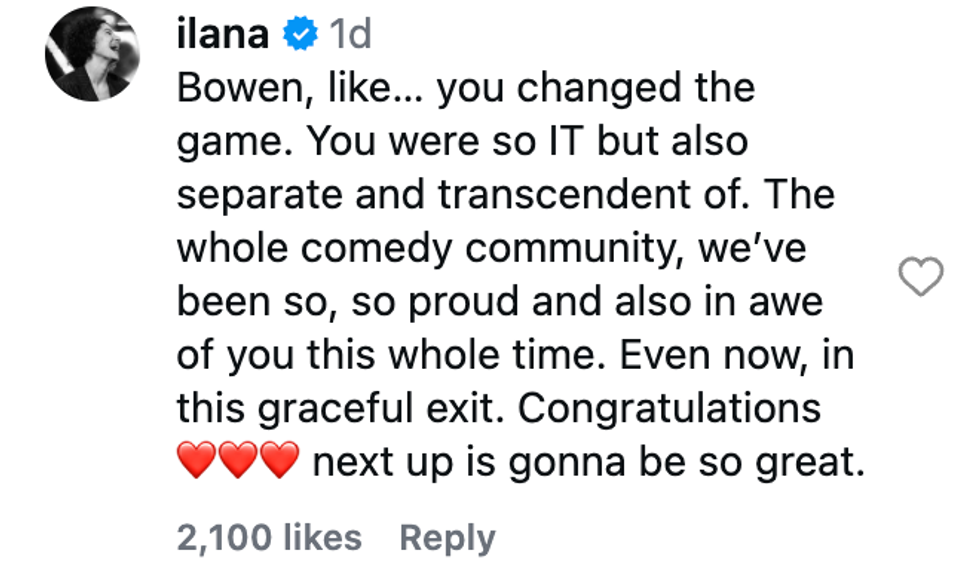 @ilana/Instagram
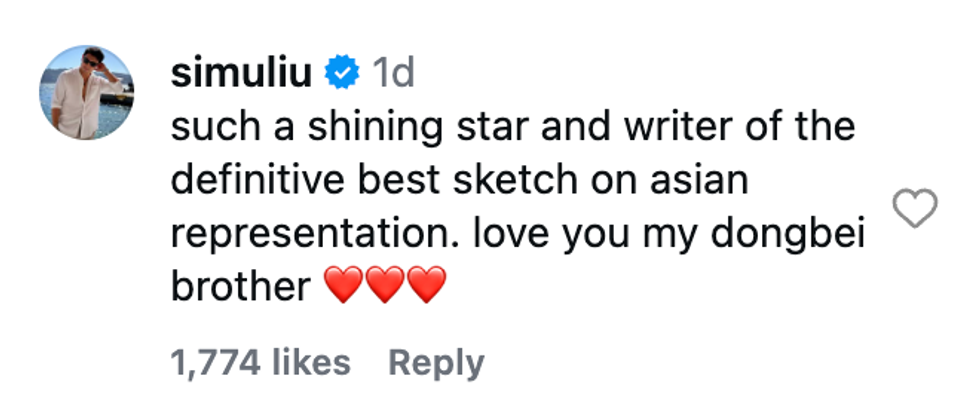 @simuliu/Instagram
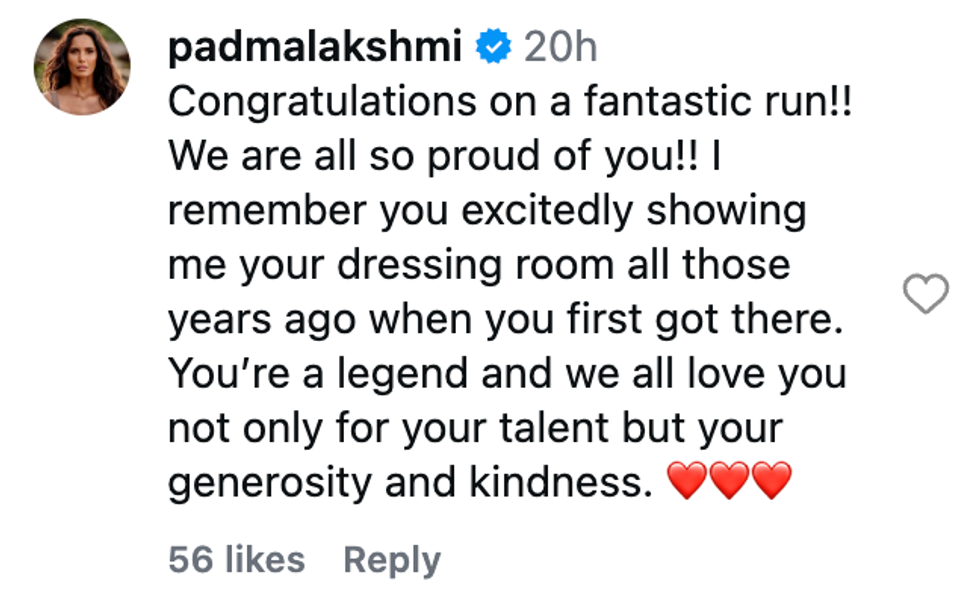 @padmalakshmi/Instagram
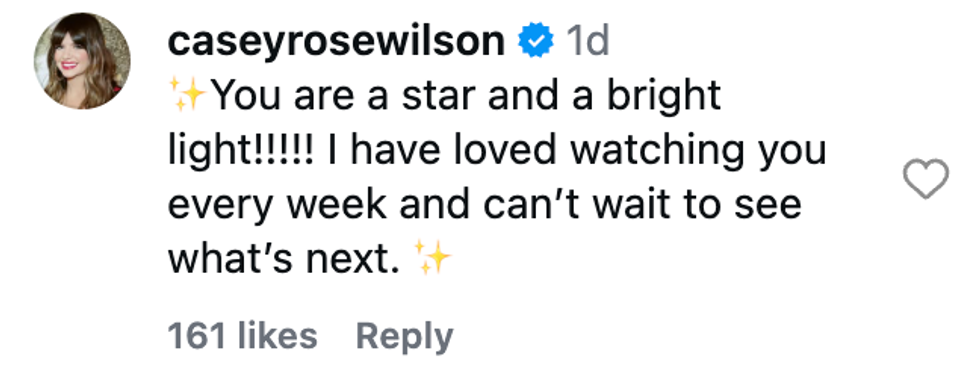 @caseyrosewilson/Instagram
 @hounddogenthusiast/Instagram
 @rockefellercenter/Instagram
Yang leaves SNL at a moment when the show is in flux, with several cast members exiting earlier this season and the ensemble still recalibrating on what’s funny and what can wait to be watched on YouTube the next day. And creatively, his timing makes sense. He’s been building a parallel career that has steadily expanded beyond Studio 8H.
Yang co-hosts the wildly popular Las Culturistas podcast with Matt Rogers, which has grown from niche chaos into a full-blown cultural must-listen-to institution, complete with the Las Culturistas Culture Awards, a televised event.
He has starred in Fire Island, Bros, Fantasmas, and Overcompensating, appeared in Wicked and Wicked: For Good, and continues to voice projects including Hot White Heist and the upcoming Cat in the Hat animated film.
In April, Yang told Vanity Fair that he had already been thinking about the end of his run:
“It’s this growing, living thing where new people come in and you do have to sort of make way for them and to grow and to keep elevating themselves. And that inevitably requires me to sort of hang it up at some point.”
Go get ’em, Bowen Yang.


 @voycebutler5/TikTok
 @voycebutler5/TikTok
 @voycebutler5/TikTok
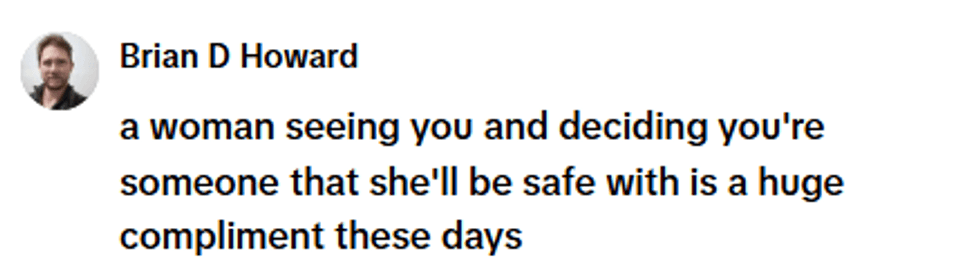 @voycebutler5/TikTok
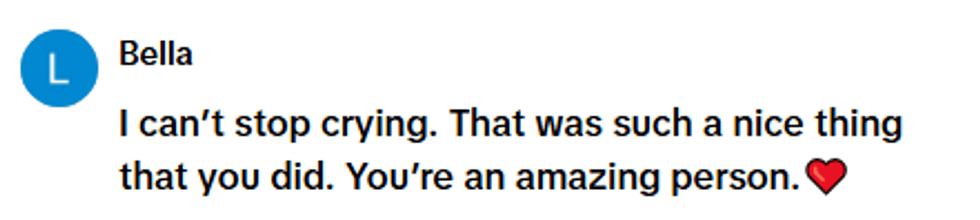 @voycebutler5/TikTok
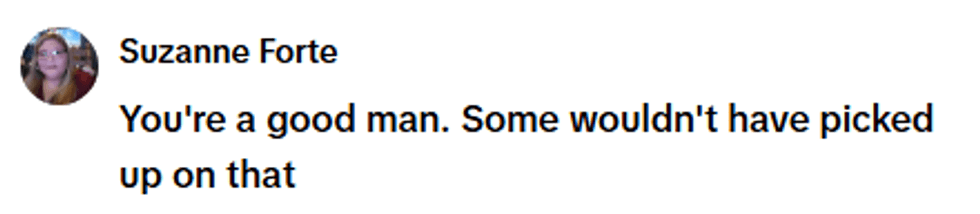 @voycebutler5/TikTok
 @voycebutler5/TikTok
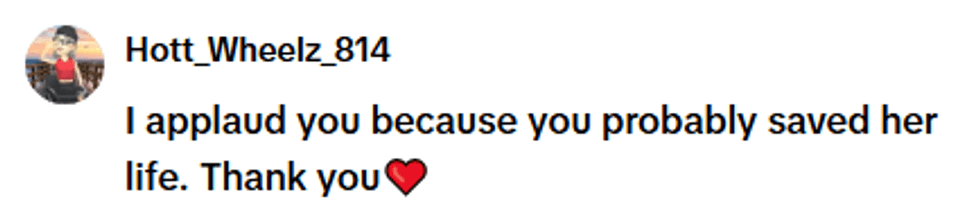 @voycebutler5/TikTok
 @voycebutler5/TikTok
 @voycebutler5/TikTok
 @voycebutler5/TikTok


 @ulovelailahakim/TikTok
 @ulovelailahakim/TikTok
 @ulovelailahakim/TikTok
 @ulovelailahakim/TikTok
 @ulovelailahakim/TikTok
 @ulovelailahakim/TikTok
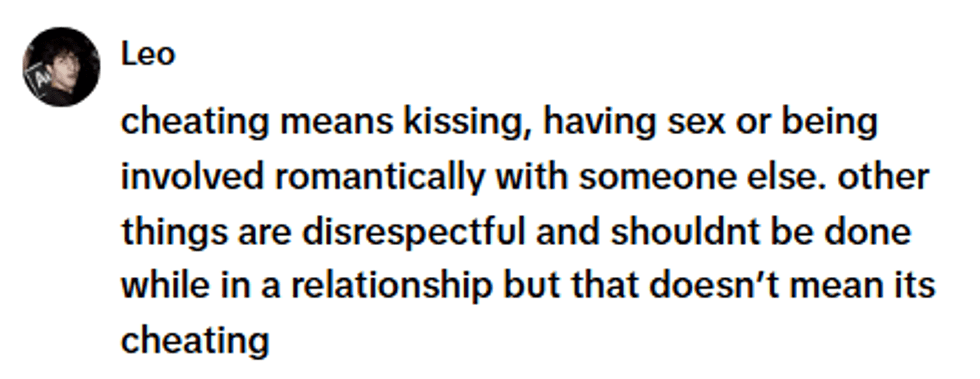 @ulovelailahakim/TikTok
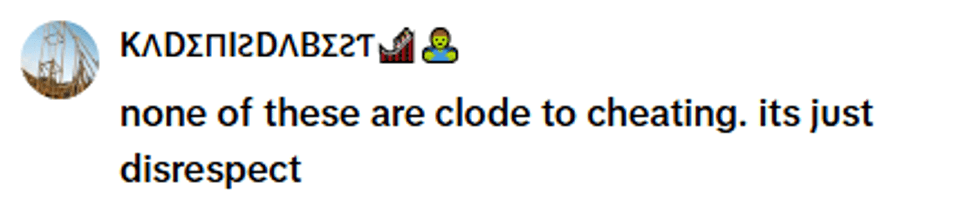 @ulovelailahakim/TikTok
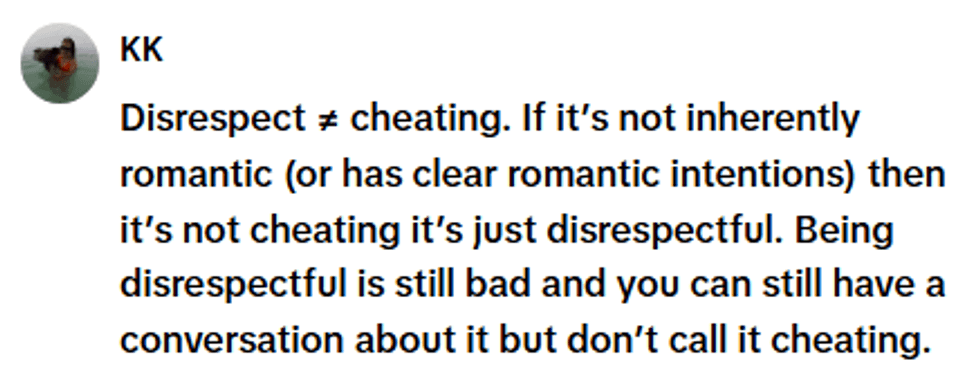 @ulovelailahakim/TikTok
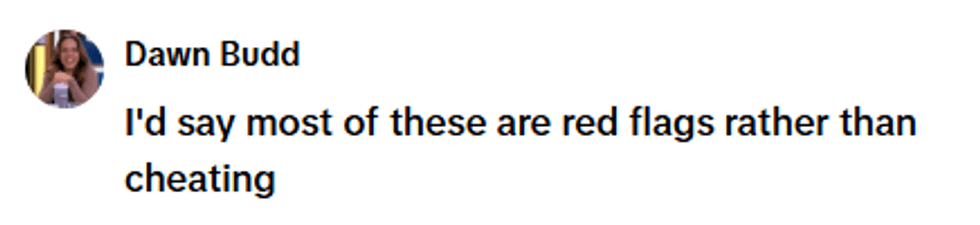 @ulovelailahakim/TikTok
 @ulovelailahakim/TikTok
 @ulovelailahakim/TikTok
 @ulovelailahakim/TikTok
 @ulovelailahakim/TikTok
 @kristinoem/X
 @arriegatoo/TikTok
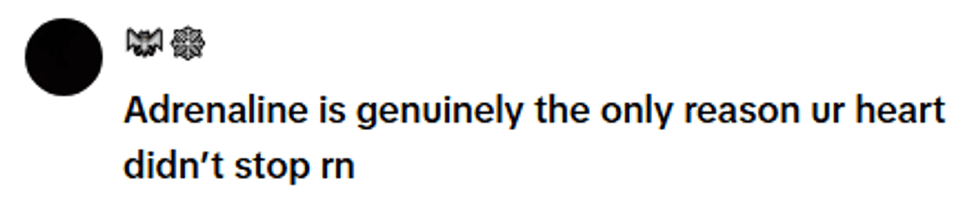 @arriegatoo/TikTok
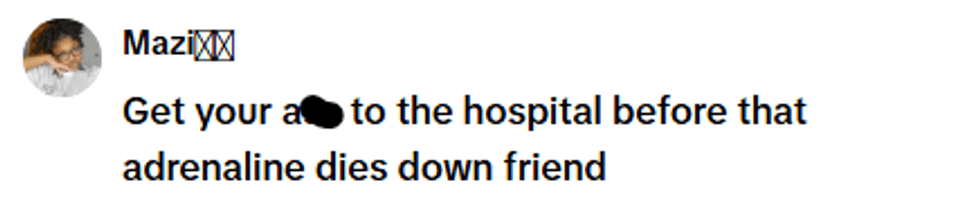 @arriegatoo/TikTok
 @arriegatoo/TikTok
 @arriegatoo/TikTok
 @arriegatoo/TikTok
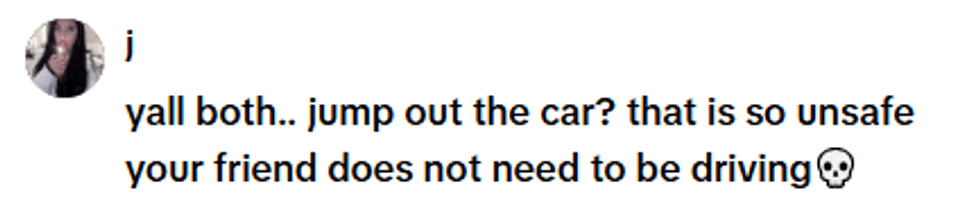 @arriegatoo/TikTok
 @arriegatoo/TikTok
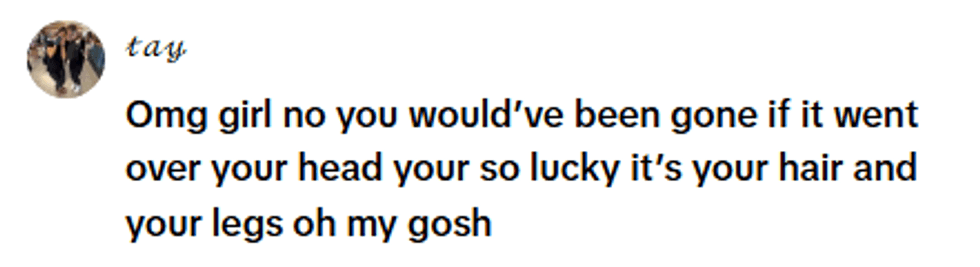 @arriegatoo/TikTok
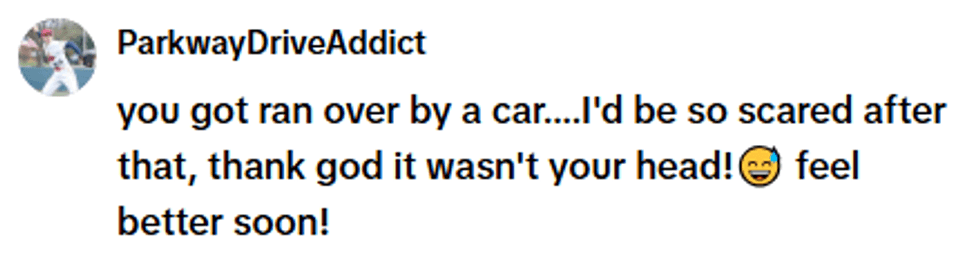 @arriegatoo/TikTok