
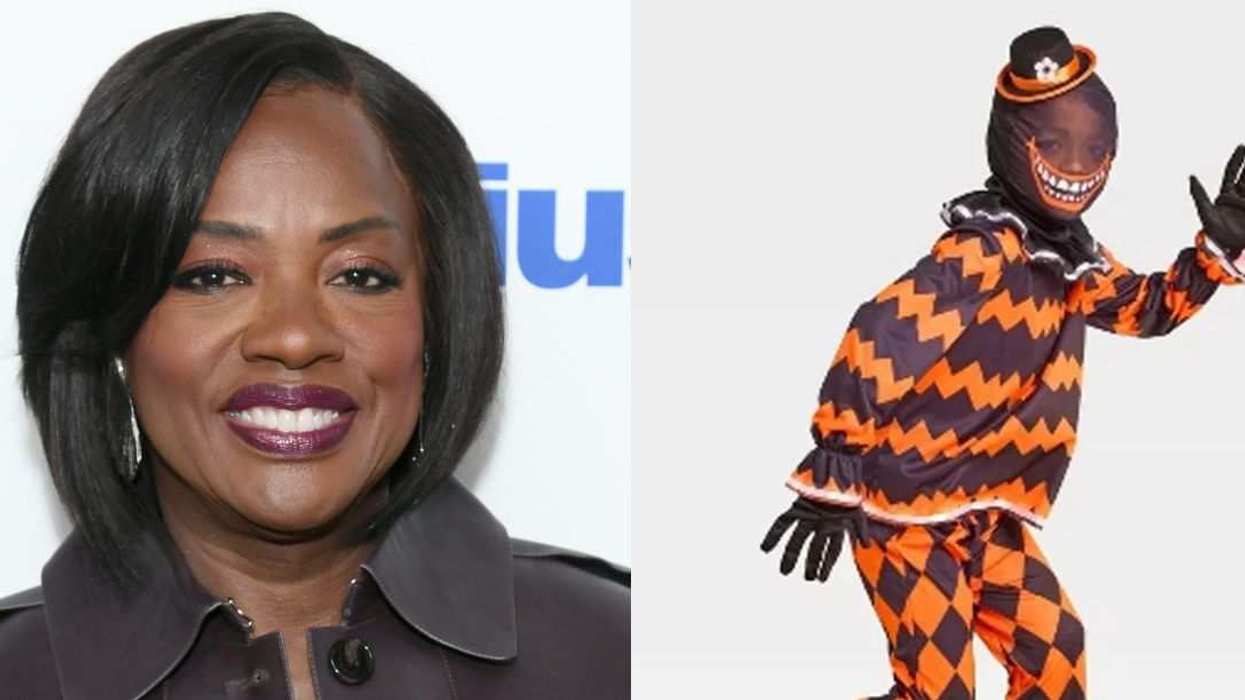

Target apologized after a children’s Halloween costume drew backlash for its resemblance to blackface, but Viola Davis wasn’t letting the retailer off that easily.
On August 24, 2026, people online came across a new Halloween costume for boys on Target’s website. The now-deleted listing showed a young Black boy modeling the Kids’ Glows under Blacklight Circus Clown costume—a black-and-orange printed bodysuit complete with a hood featuring an exaggerated smile and a mini top hat.
But it wasn’t just the costume raising eyebrows. The model was photographed with one leg lifted and one arm raised in a wave, a pose critics said evoked racist Jim Crow-era depictions of Black people.
And yes, this is how the costume appeared on Target’s website:
The outrage was swift. Comedian LaTrez Anderson was among those questioning how the costume made it that far in the first place.
Reacting in a now-deleted Instagram Reel, Anderson wrote:
“Target, for real? I’m not surprised, but this is a new low.”
And really, that became the bigger question: How did something this loaded make it through the approval process and onto Target’s website? That’s where knowing Black history matters, because without it, the Jim Crow reference can easily get reduced to segregation alone.
The imagery goes back much further. In the 1800s, minstrel shows became a popular form of American entertainment, with white performers darkening their faces with blackface makeup and portraying Black people through exaggerated features, expressions, and movements. Jim Crow emerged from that tradition as a racist caricature of a Black man.
Once the costume began making the rounds online, Target removed the costume and issued an apology:
“We removed an offensive Halloween costume that should never have been part of our assortment. It is no longer for sale. As a company, we got this wrong, and we are deeply sorry.”
And the timing doesn’t exactly help Target’s case. The Halloween costume controversy comes nearly a year after the retailer rolled back its Diversity, Equity, and Inclusion (DEI) initiatives. Target has faced consumer boycotts since early last year over those cuts.
The controversy also follows a major shake-up at the top. In August 2025, Target announced that CEO Brian Cornell would step down after 11 years with the company.
And Target’s apology? Well, Davis wasn’t about to let that be the end of the conversation.
Davis took to Instagram earlier this week with a message for Target:
“Target, I do not accept your apology, and I do not believe that you understand the impact… the pain… the dehumanization of the above.”
And that dehumanization has history behind it. Minstrel performances weren’t laughing with Black people; Blackness itself was the joke, packaged as entertainment for white audiences. That history is what gives Jim Crow imagery its weight today.
For Davis, what appeared on Target’s website was part of a much bigger conversation:
“These images laid the foundation and the ideology for every atrocity that has been committed against my people.”
Davis’ words reach beyond one racist caricature. They point to generations of Black Americans who endured slavery, lynchings, racial terror, Jim Crow segregation, political violence and the destruction of Black communities in a country that repeatedly denied Black people their humanity.
And the EGOT winner’s final words left little room for interpretation:
"We MATTER!! You have shown us that you are not on OUR side.”
Davis has since received an outpouring of support from people applauding her decision to speak out.
Take a look at her full Instagram post below:
Target has yet to publicly address the backlash surrounding its apology, but the latest controversy comes as the retailer is already feeling the fallout from previous consumer pushback.
Davis wasn’t alone in her criticism, with social media users rallying behind her:
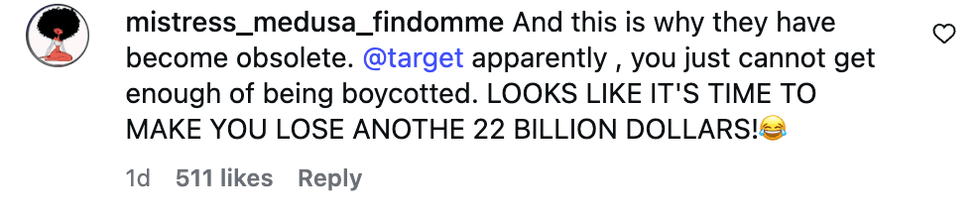 @mistress_medusa_findomme/Instagram
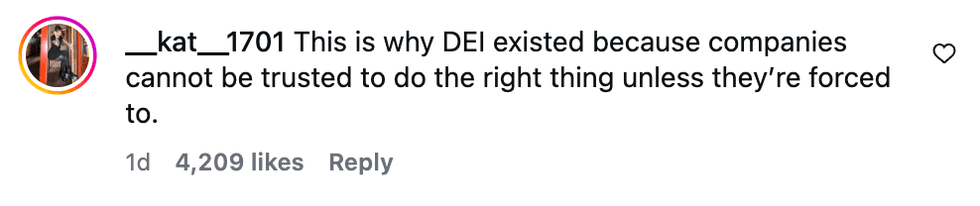 @__kat__1701/Instragram
 @kenyaac129/Instagram
 @paulydavid1/Instagram
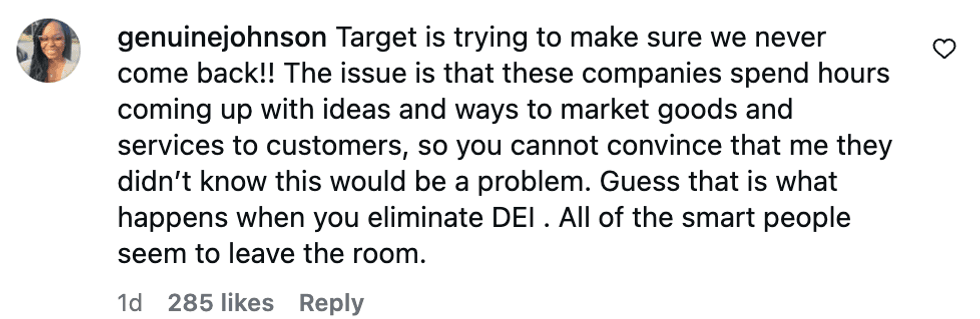 @genuinejohnson/Instagram
 @thatpixierosex/Instagram
 @sangjazzy/Instagram
 @eyeamlisa/Instagram
 @raisingmyvibration/Instagram
 @fatimasees/Instagram
 @growingivy/Instagram
 @thewokeginger/Instragram
If Target needs a reminder that consumer outrage can hit beyond social media, the numbers are already there. After the retailer rolled back its DEI initiatives in 2025, its stock plunged roughly $27.27 per share by the end of February, wiping out about $12.4 billion in market value in one month.
And if Davis’ message made anything clear, it’s that she has no intention of staying silent when that conversation involves the dignity and humanity of Black people.





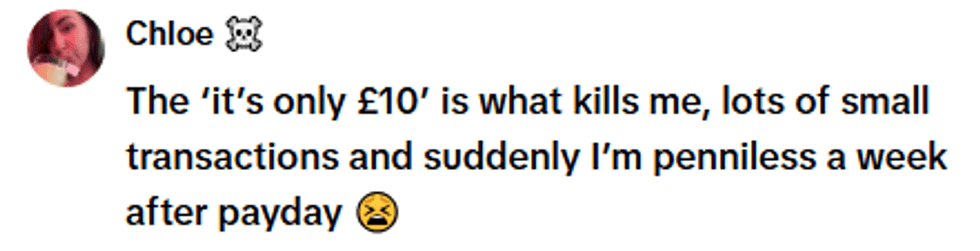 @georgiamaythornley/TikTok
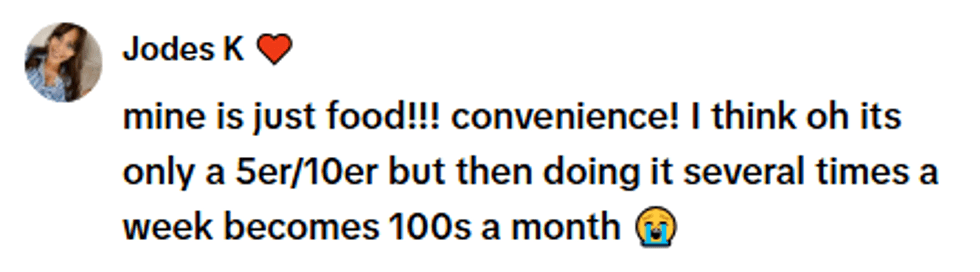 @georgiamaythornley/TikTok
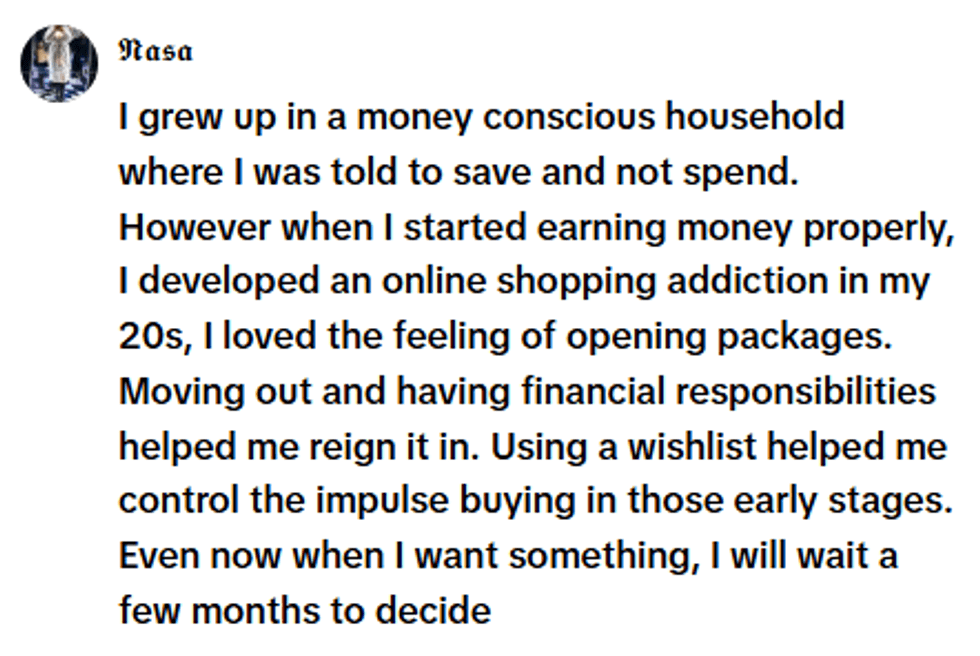 @georgiamaythornley/TikTok
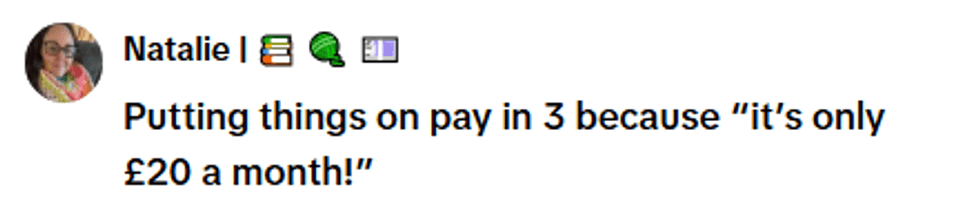 @georgiamaythornley/TikTok
 @georgiamaythornley/TikTok
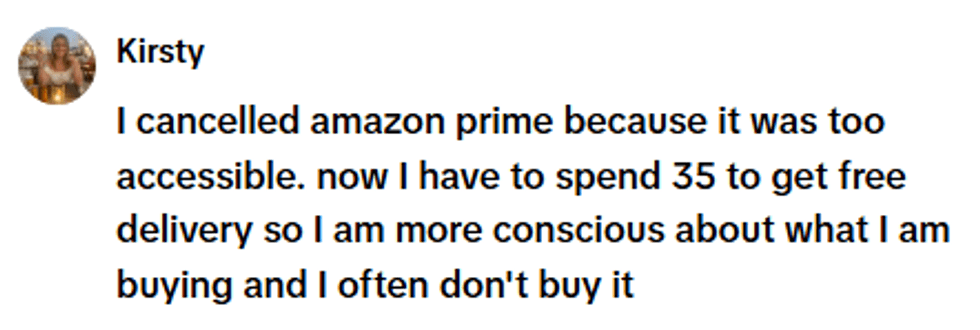 @georgiamaythornley/TikTok
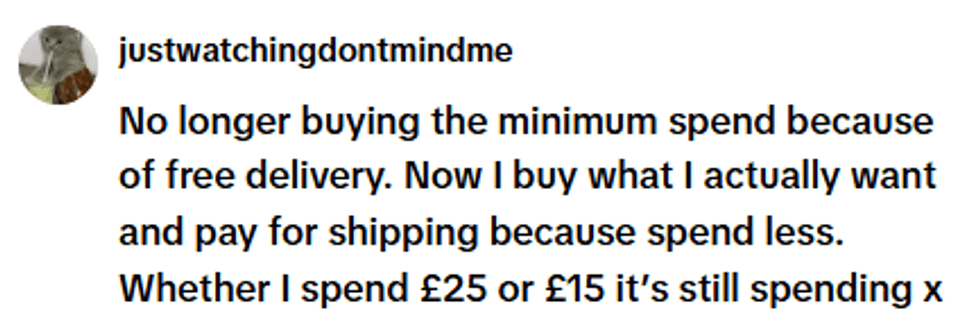 @georgiamaythornley/TikTok
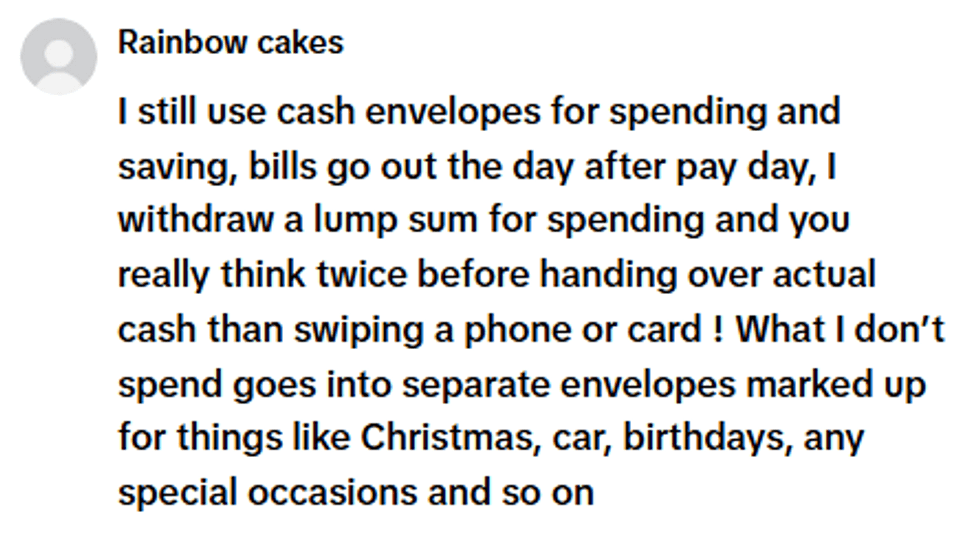 @georgiamaythornley/TikTok
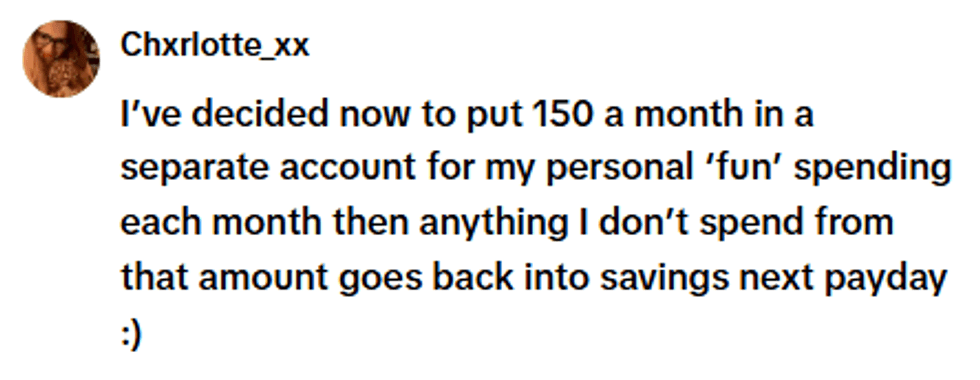 @georgiamaythornley/TikTok
 @georgiamaythornley/TikTok






 @bsquaredtravels_/Instagram
 @bsquaredtravels_/Instagram
 @bsquaredtravels_/Instagram
 @bsquaredtravels_/Instagram
 @bsquaredtravels_/Instagram
 @bsquaredtravels_/Instagram
 @bsquaredtravels_/Instagram
 @bsquaredtravels_/Instagram
 @bsquaredtravels_/Instagram
 @bsquaredtravels_/Instagram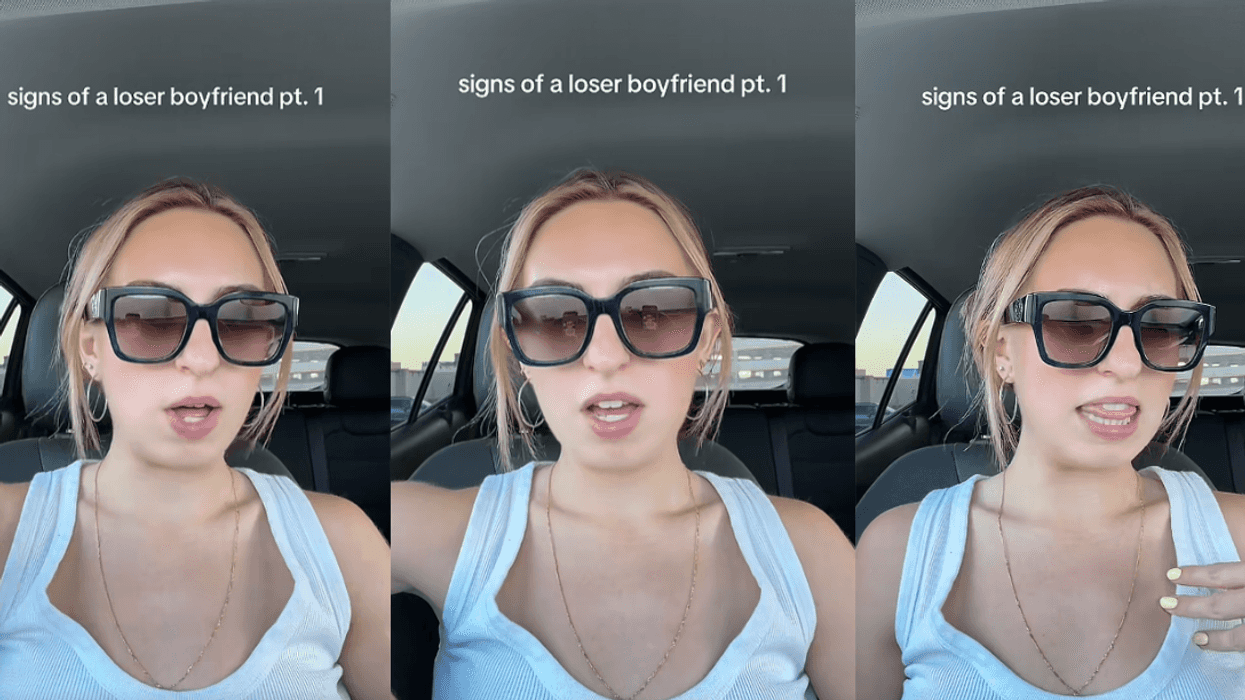
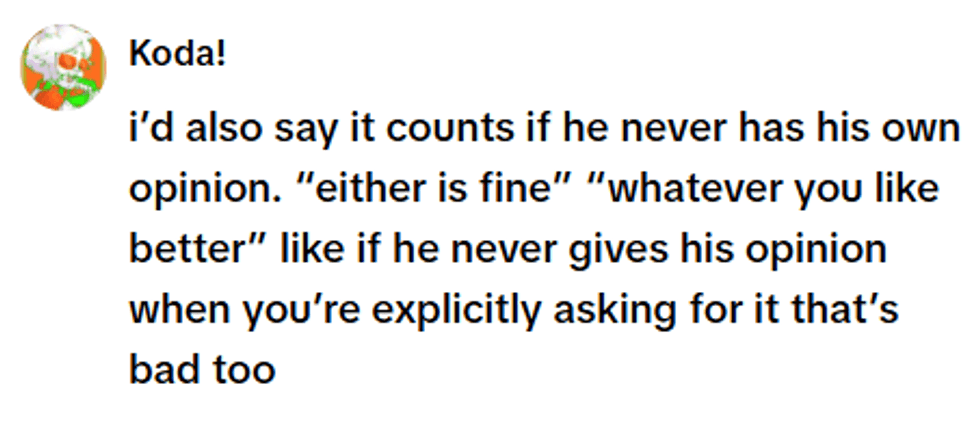 @maddie_bado/TikTok
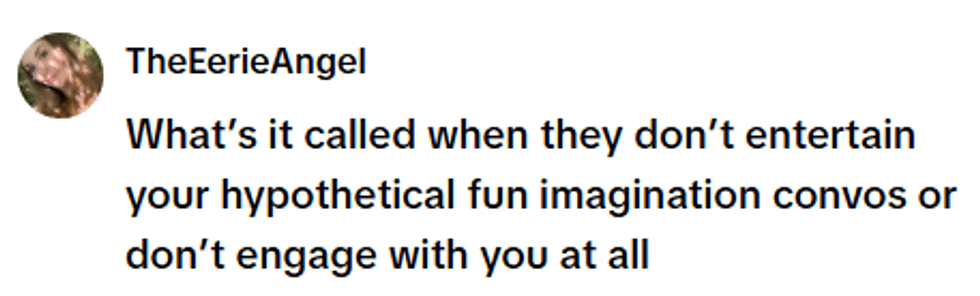 @maddie_bado/TikTok
 @maddie_bado/TikTok
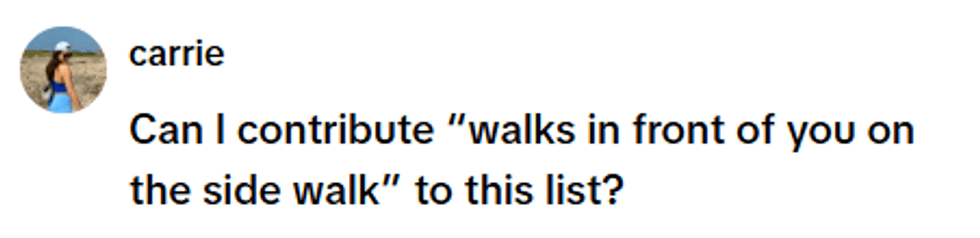 @maddie_bado/TikTok
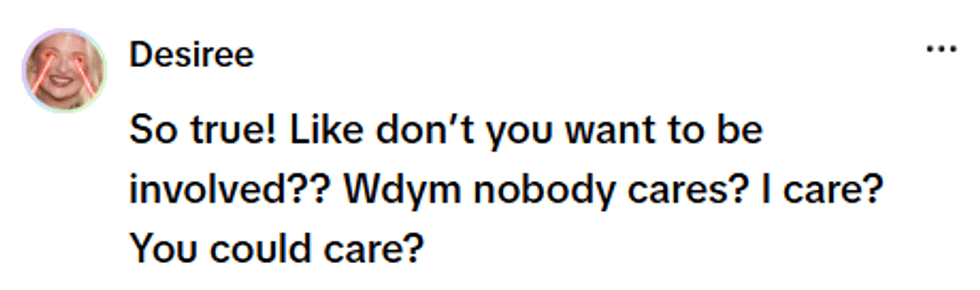 @maddie_bado/TikTok
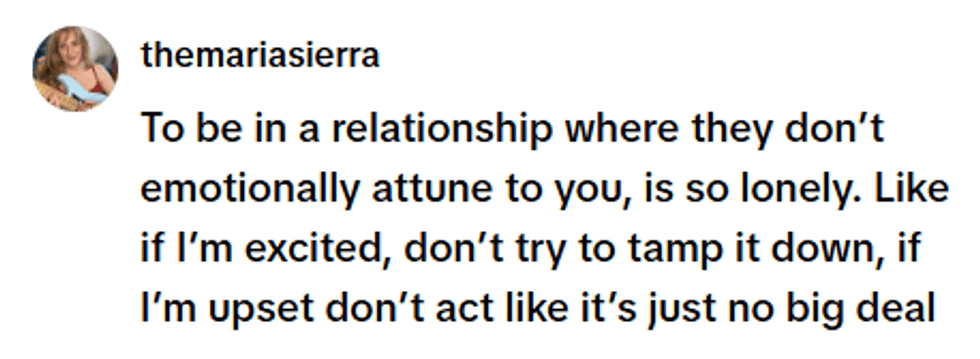 @maddie_bado/TikTok
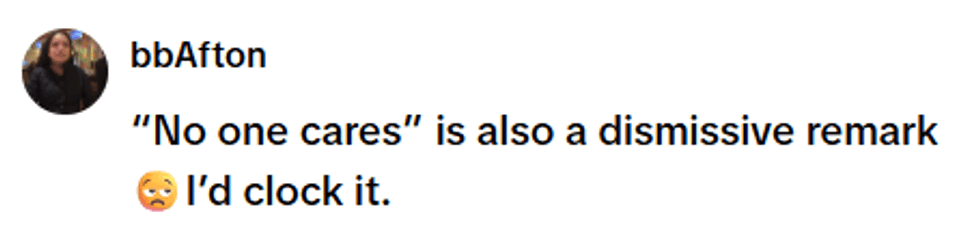 @maddie_bado/TikTok
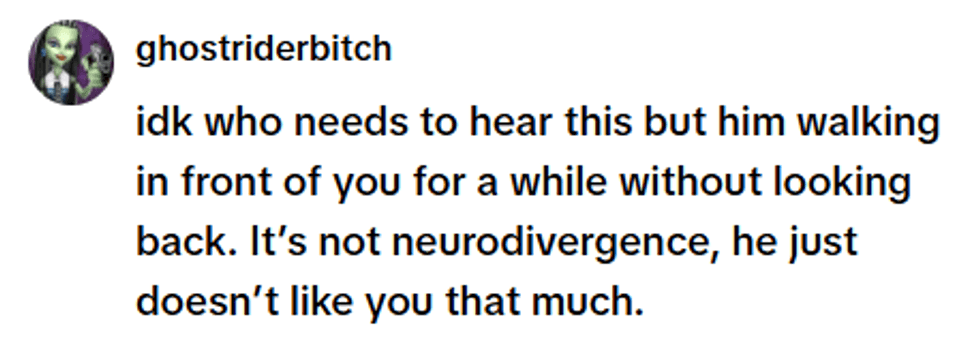 @maddie_bado/TikTok
 @maddie_bado/TikTok
 @maddie_bado/TikTok