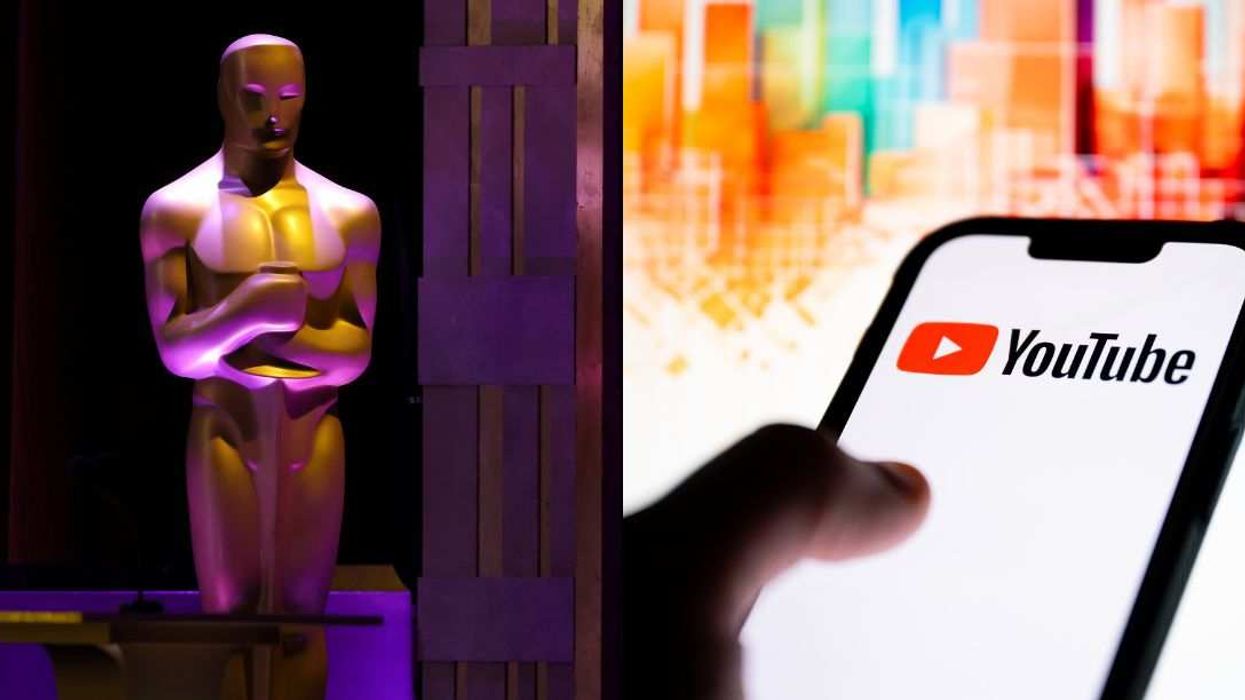

In 2029, viewers will be able to watch influencer vlogs, conspiracy explainers, AI slop, and the Oscars ceremony all in the same place. After more than half a century on broadcast television, the Academy Awards are officially moving to YouTube, where the ceremony will stream exclusively beginning with the 101st Oscars.
It’s a seismic shift for Hollywood’s biggest night. The Oscars were first broadcast on NBC in 1953, bounced between NBC and ABC throughout the 1960s and ’70s, and eventually settled into a long, uninterrupted run on ABC starting in 1976. That partnership will officially end with the 100th Oscars ceremony in 2028, closing out more than 50 years on network television.
In a joint statement announcing the partnership, Academy CEO Bill Kramer and Academy President Lynette Howell Taylor emphasized the global ambitions behind the move.
The statement reads:
“The Academy is an international organization, and this partnership will allow us to expand access to the work of the Academy to the largest worldwide audience possible, which will be beneficial for our Academy members and the film community.”
That global push comes as Oscars viewership has steadily declined over the past decade. Ratings have fallen from more than 40 million U.S. viewers in the late 1990s to roughly 18 million in recent years, including the 2022 and 2023 ceremonies, as audiences increasingly opt to watch viral clips and highlights online rather than sit through the full broadcast.
YouTube CEO Neal Mohan echoed the Academy’s optimism on the deal as both forward-looking and respectful of tradition.
Mohan said:
“This collaboration will inspire a new generation of creativity and film lovers while staying true to the Oscars’ storied legacy.”
The announcement itself was kind of straightforward. The internet’s reaction was not.
Almost immediately, social media locked onto one shared concern: ads. Specifically, YouTube ads. The same joke kept appearing, just phrased slightly differently. Would an unskippable ad interrupt Best Picture? Would the In Memoriam montage be followed by a mobile game promo? Would viewers have to wait five seconds to hear a winner thank their mom?
That timing, of course, begs the question: why announce the move 1,108 days in advance?
The anxiety wasn’t random. YouTube’s ad experience is famously aggressive, and viewers collectively seemed to share the same muscle memory of hovering over the “Skip Ad” button. The Oscars already struggle with pacing complaints on broadcast TV. The idea of algorithm-driven interruptions did little to reassure anyone.
Ironically, the Oscars are already deeply embedded in YouTube culture. Official clips like red carpet interviews, musical performances, and viral acceptance speeches like the Chris Rock-Will Smith slap down already circulate on the platform every year.
Viral moments from films like Avengers: Infinity War rack up millions of views long after the ceremony ends. For many viewers, YouTube has become the primary way they experience the Oscars or to be less bored on the metro.
In another Academy statement, the organization stressed just how expansive the partnership will be:
“This collaboration will leverage YouTube’s vast reach and infuse the Oscars and other Academy programming with innovative opportunities for engagement while honoring our legacy. We will be able to celebrate cinema, inspire new generations of filmmakers, and provide access to our film history on an unprecedented global scale.”
Social media quickly shifted to a more pressing concern: how often Timothée Chalamet might pause the ceremony in 2029 to remind viewers to like and subscribe, or what the ad breaks might look like.
Under the new deal, YouTube will hold exclusive global rights to the Oscars from 2029 through 2033. The ceremony will stream live on YouTube’s free app worldwide and on YouTube TV in the United States.
The agreement also includes a broader slate of programming, including a red carpet pre-show, behind-the-scenes content during the ceremony, the Oscars nominations announcement, the Governors Awards, and the Oscars Nominees Luncheon.
For YouTube, landing the Oscars is a significant win. The platform has poured resources into live programming as traditional TV audiences continue to shrink, and awards shows no longer dominate the cultural conversation the way they once did.
That shift has already pushed other ceremonies toward streaming. The Screen Actors Guild Awards moved from TNT to Netflix in 2024 as part of a multiyear deal, while the Academy of Country Music Awards left CBS for Amazon Prime Video in 2022.
As comScore senior media analyst Paul Dergarabedian told Axios:
“If you can’t draw an audience this year, I don’t know what else you got to do.”
And whether YouTube’s new deal will really reverse the Oscars’ ratings decline remains to be seen. But by 2029, Hollywood’s most prestigious night will be living alongside makeup tutorials, reaction videos, and comment sections primed to roast every acceptance speech in real time.
And if the ceremony does get interrupted by an ad, no one will be able to say they didn’t see the joke coming.
 @therock/TikTok
 @therock/TikTok
 @therock/TikTok
 @therock/TikTok
 @therock/TikTok
 @therock/TikTok
 @therock/TikTok
 @therock/TikTok
 @therock/TikTok
 @therock/TikTok
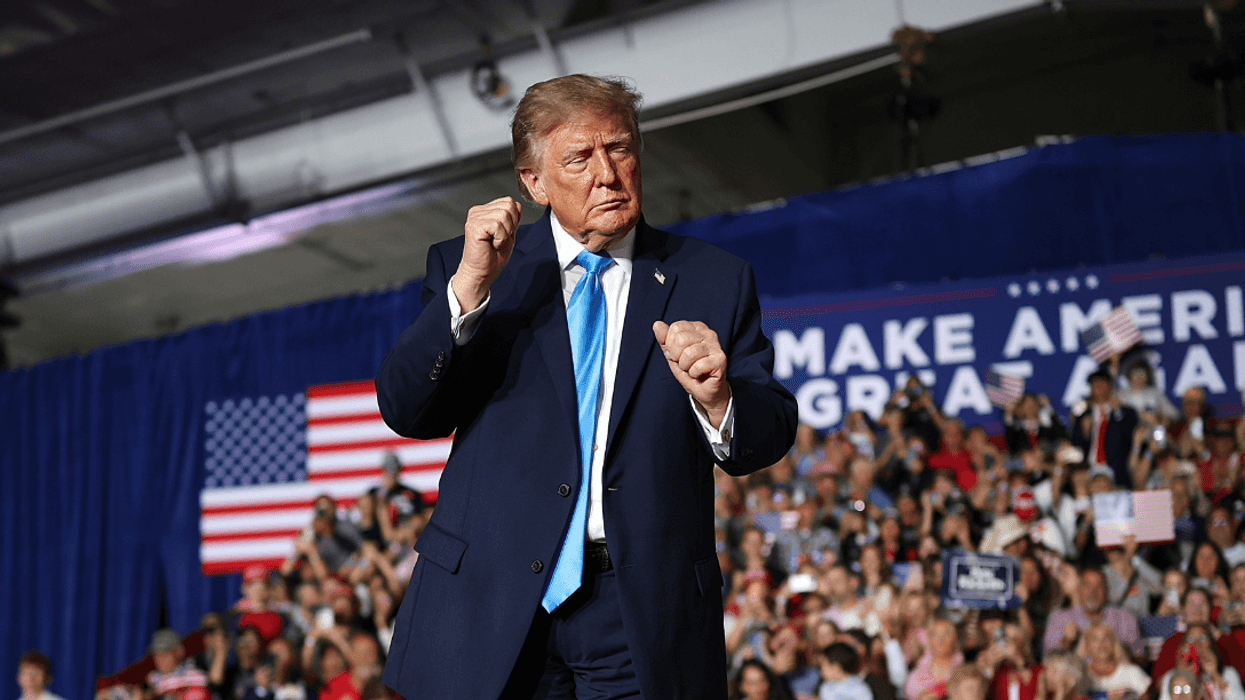
 @dieworkwear/X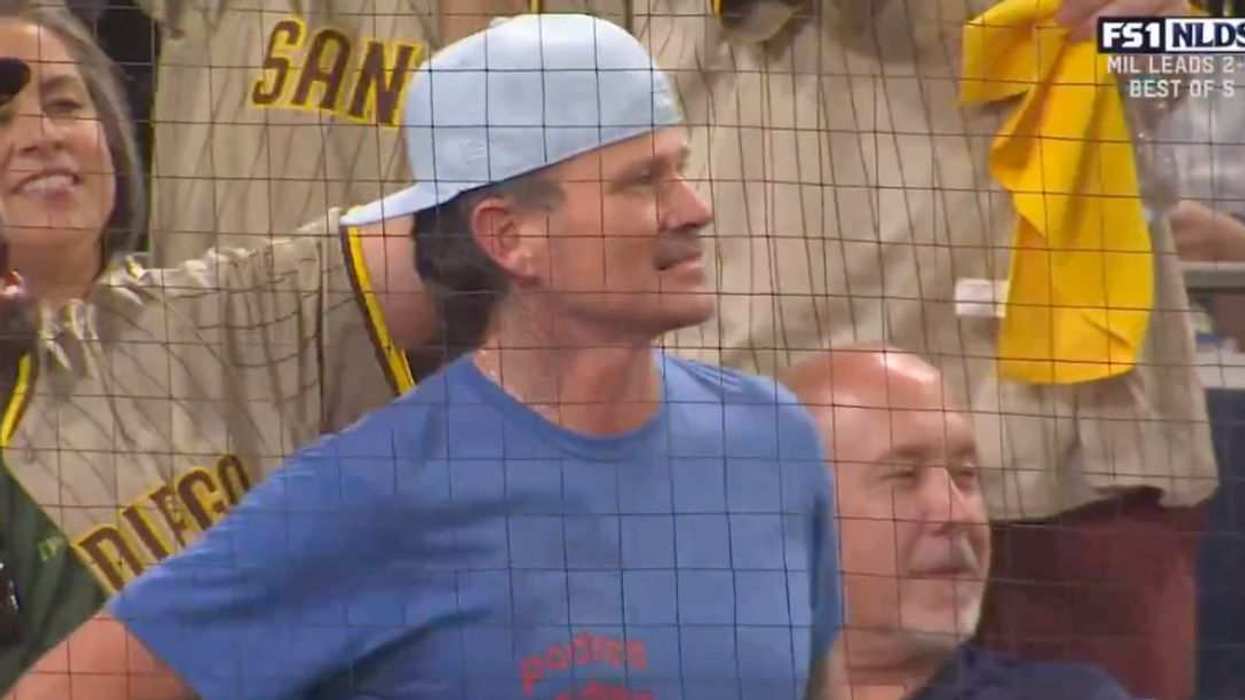
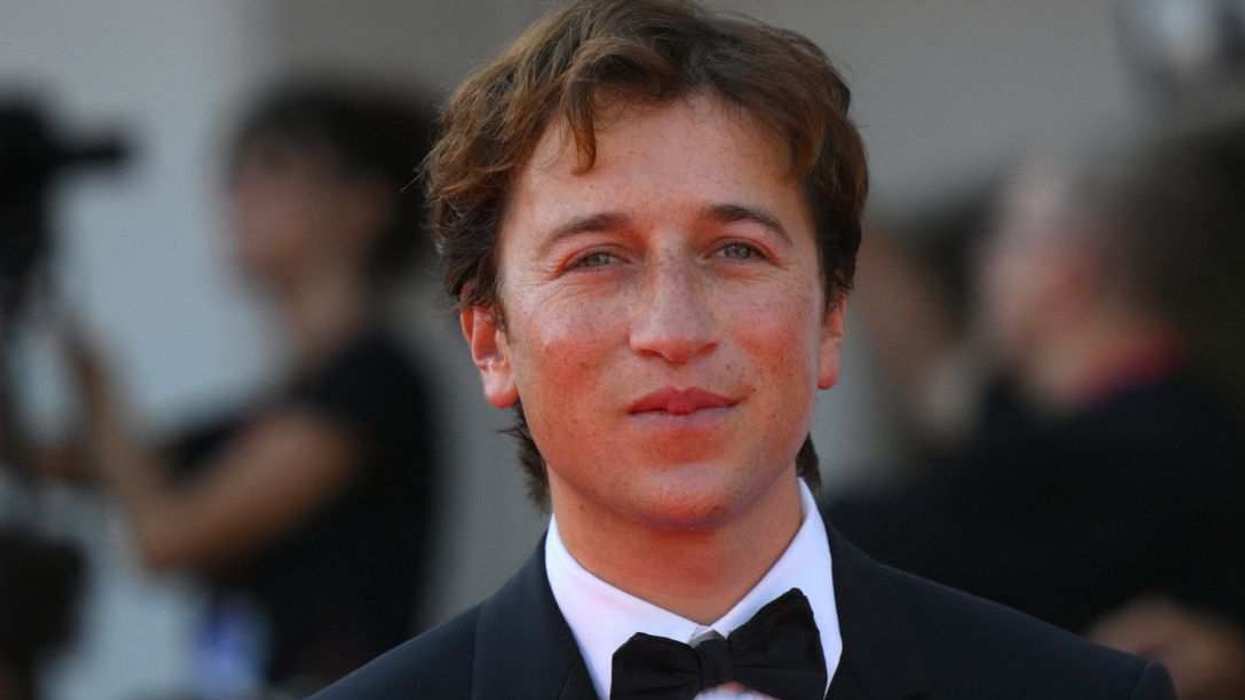
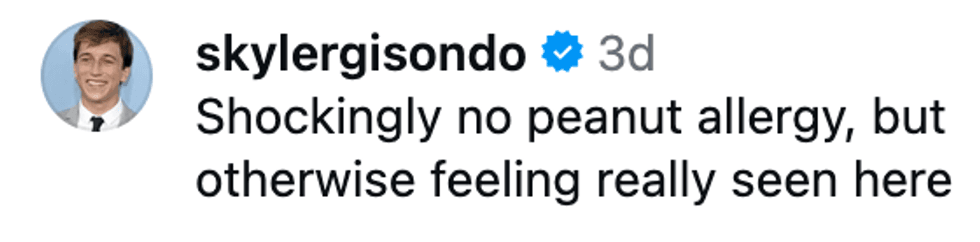 @skylergisondo/Instagram
 @Pretefunkera/X
 @bonnieblue2025/X