
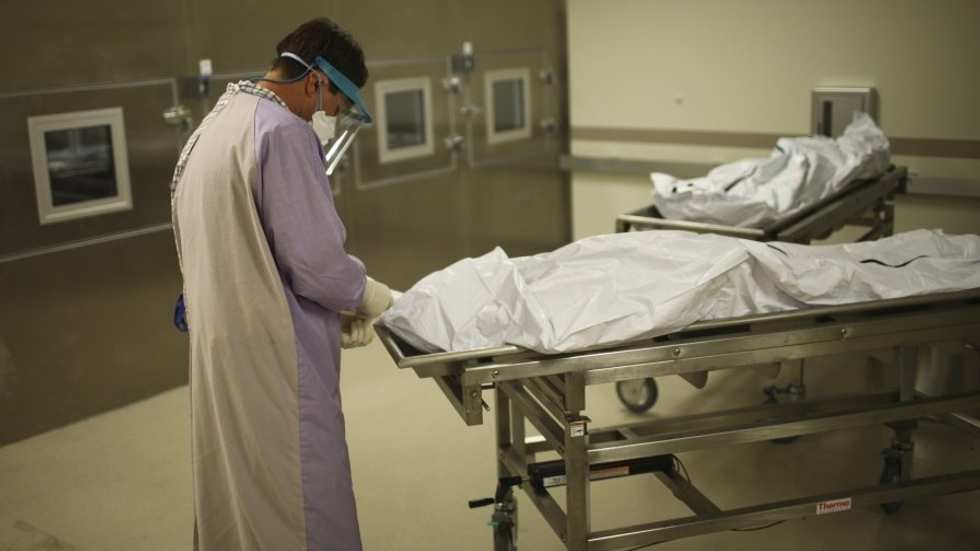

Not everyone has an obvious next of kin. Every year, scores of unclaimed bodies are found in public places, private homes and hospitals. There is no standard policy for dealing with unclaimed or indigent bodies in the U.S., and a wide range of protocols exist — with a wide range of levels of care and civility. In some places, it’s handled on a local level. In other places, state officials make the policy. Unclaimed or indigent bodies are cremated by many entities, as the most economical option, in terms of both dollars and real estate. Other bodies are interred in a mass pit grave. Some are donated to medical schools. Abandoned infants are often given proper funerals, paid for by sympathetic strangers. Across the country, cities are dealing with rising numbers of unclaimed dead, and some of them are coming up with new ways to deal with the problem.
Cook County, Ill., which includes Chicago, has appointed an “indigent coordinator,” a role that has been called “a social worker for the dead.” For $56,000 a year, Rebeca Perrone, who studied criminal justice and sociology at Loyola University, sleuths out and notifies next of kin, or makes plans for unclaimed bodies. Her position was created as part of an overhaul of the medical examiner’s office, which had such a backlog of unclaimed bodies that they were stacked in crowded coolers. She handles 700 cases a year, working with law enforcement, landlords, religious organization, veterans groups, the media, and families. Sometimes she notifies family members of a death, and other times, such as when abandoned babies are buried, she is one of only a few people who attend the funeral of an unknown body. The unidentified bodies of the unclaimed indigent are kept in coolers in case an identification can someday be made.
In Pennsylvania, where the opioid crisis is leading to a boom in dead bodies, the unclaimed are cremated, stored at the local morgue until it runs out of space, then gathered by the hundreds and interred in a mass grave without any service. Many smaller communities have limited cooler space for bodies, and must decide to cremate even before a relative can be located to make room for the next round of bodies.
"Sometimes we can't find the next of kin, and some people honestly can't afford to pay for the burial costs of their loved ones," says Lancaster County Coroner Dr. Stephen Diamantoni. "But more sadly, some don't care enough about their family members to provide a proper burial. One man we contacted said, 'I never liked my dad. For all I care, you can throw him out the window.' That's sad to me that someone would have no emotional attachment, or at least no sense of responsibility. And then it's the taxpayers who have to foot the bill."
In Lansing, Michigan, the medical examiner’s office is tasked with locating the next of kin, using clues found around a home, on social media, or in records from the courts, the state or medical offices. The county’s public administrator, Craig Gerard, a lawyer at the Gallagher Law Firm, examines the estates of people with no kin and determines which assets a decedent may have and how those might be used for burial expenses. He notifies creditors, utility companies, and the IRS, and sells off theirs assets, as needed. As the number of unclaimed bodies rose in recent years, the city changed laws to make it easier for authorities to recover assets to pay for the costs of body disposal. Once family options are exhausted, the law allows for the legal authority to pass to the medical examiner, a guardian, or a designated funeral representative such as a friend or distant relative.
Unclaimed and indigent dead have long been a problem for New York City. There, these bodies are taken to Hart Island, a strip of uninhabited land off the Bronx in Long Island Sound. Since it opened in 1868, over a million people have been buried there. The site is tightly managed by the Department of Corrections, which pays inmates 50 cents an hour to act as pallbearers. Once a month, visitors are allowed to visit, but the site contains open mass pit graves, and visitors aren’t encouraged; only recently was the site opened to the public, after some families sued for access.
In Wisconsin, if a veteran dies with no family or money, funeral homes will contact the Department of Veterans Affairs, which will arrange a military funeral in a veteran cemetery. This process came about after a new bill was signed into law in 2016; previously, dozens of veterans’ cremated remains had been sitting in funeral homes, sometimes for decades.
In Alaska, the unclaimed and indigent are given a generous send-off, including embalming, casket, burial vault and transportation by hearse. Only about a thousand bodies a year end up in with the state. As the state deals with budget cuts, however, it may scale down the way it handles these bodies.
In Boston, the medical examiner’s office takes “exhaustive steps” to locate the next of kin of unclaimed bodies, but when they cannot be found, or won’t take financial responsibility for the dead, the Department of Transitional Assistance looks for a funeral home to bury the body, and pays about $2,000 to that business to handle the details. Until recently, that number was $1,100 but both amounts are less than the market rate for burial services. The state does not allow for cremation of the unclaimed dead. Most of the unclaimed and unidentified bodies in Massachusetts end up being handled by Robert Lawler Jr., a sympathetic funeral director. “It’s the right thing to do,” he said. “You can’t leave these poor guys waiting there forever. I get a lot of satisfaction out of doing it.”
In Los Angeles, unclaimed bodies are cremated and interred once a year in a mass grave marked by a stone bearing the year of death. The names are published in the L.A. Times in a last effort to find someone willing to claim the remains. In 2016, more than 1,400 people were put to rest together in the city’s annual event, marked by a public service honoring the dead, which include the homeless, people who died alone in nursing homes and hospitals, and babies.
If ending up in a mass grave is not your idea of eternal rest, the time to make other plans is now.
“It really hits home that there are this many people either (whose) family couldn’t take care of their disposition or ... were not willing to do it,” said Perrone. “Everybody is your neighbor. Your neighbor down the street that doesn't get out, or you only see him come out in the morning for the mail. Your aunt, who you may not talk to that often. Everyone is going to die at some point. You would never want to die alone yourself. ... Reach out to people.”



 Page Six/Facebook
 Page Six/Facebook
 Page Six/Facebook
 Page Six/Facebook
 Page Six/Facebook
 Page Six/Facebook
 Page Six/Facebook



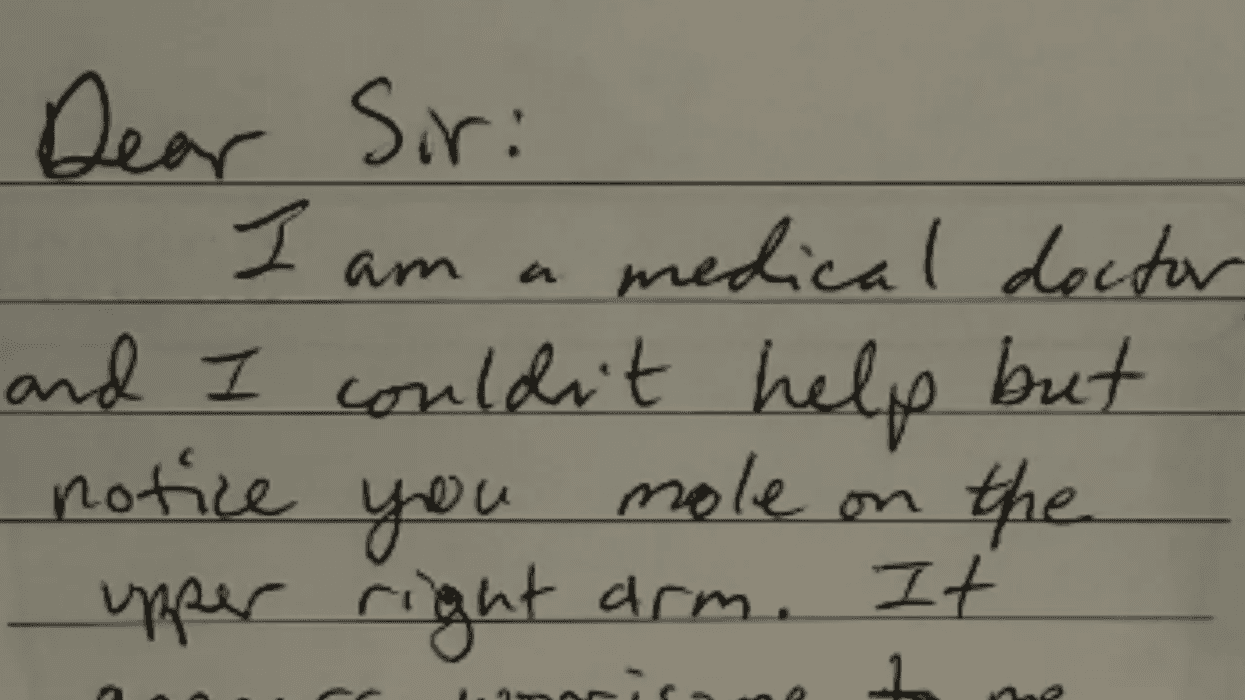
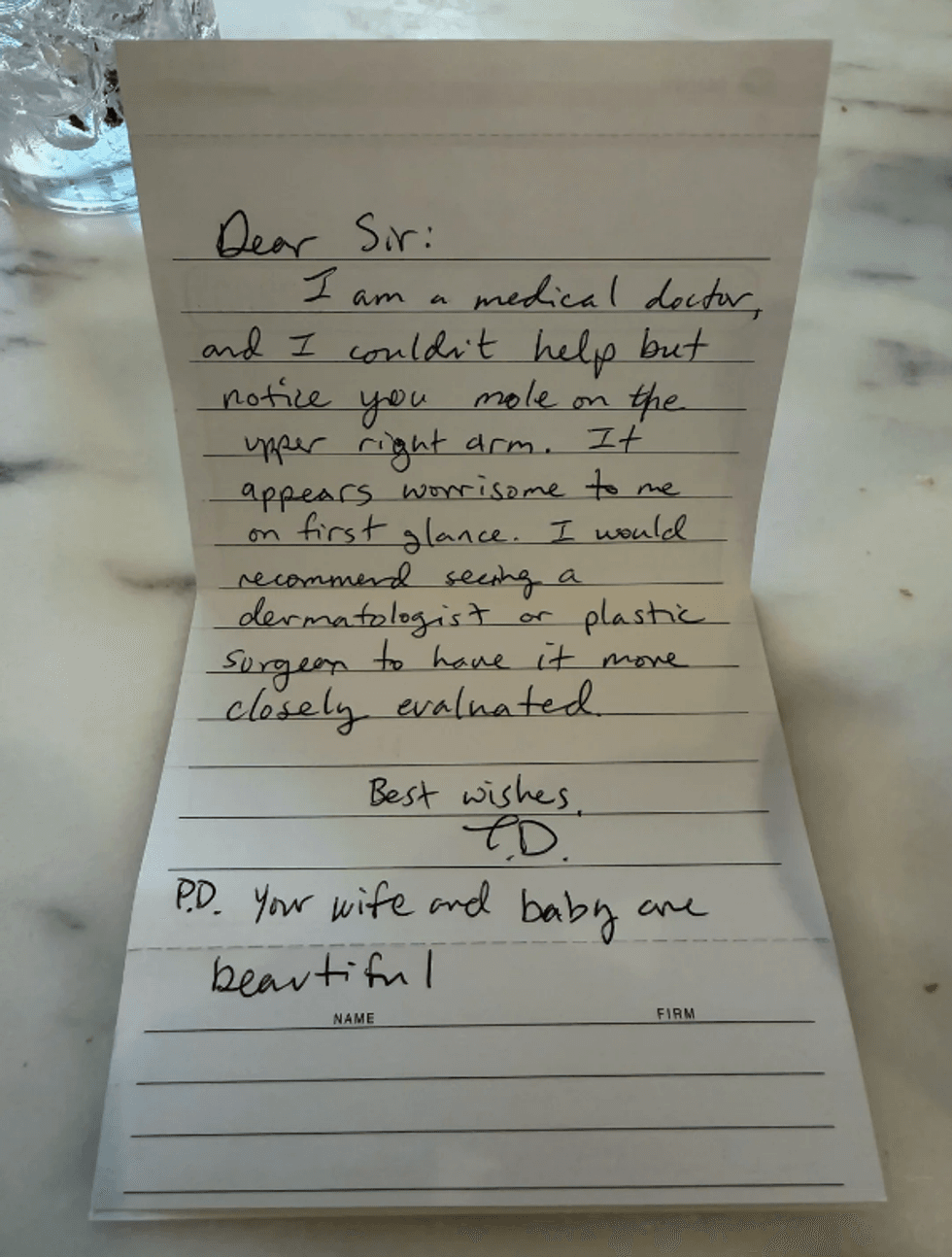 u/jpdiv/Reddit
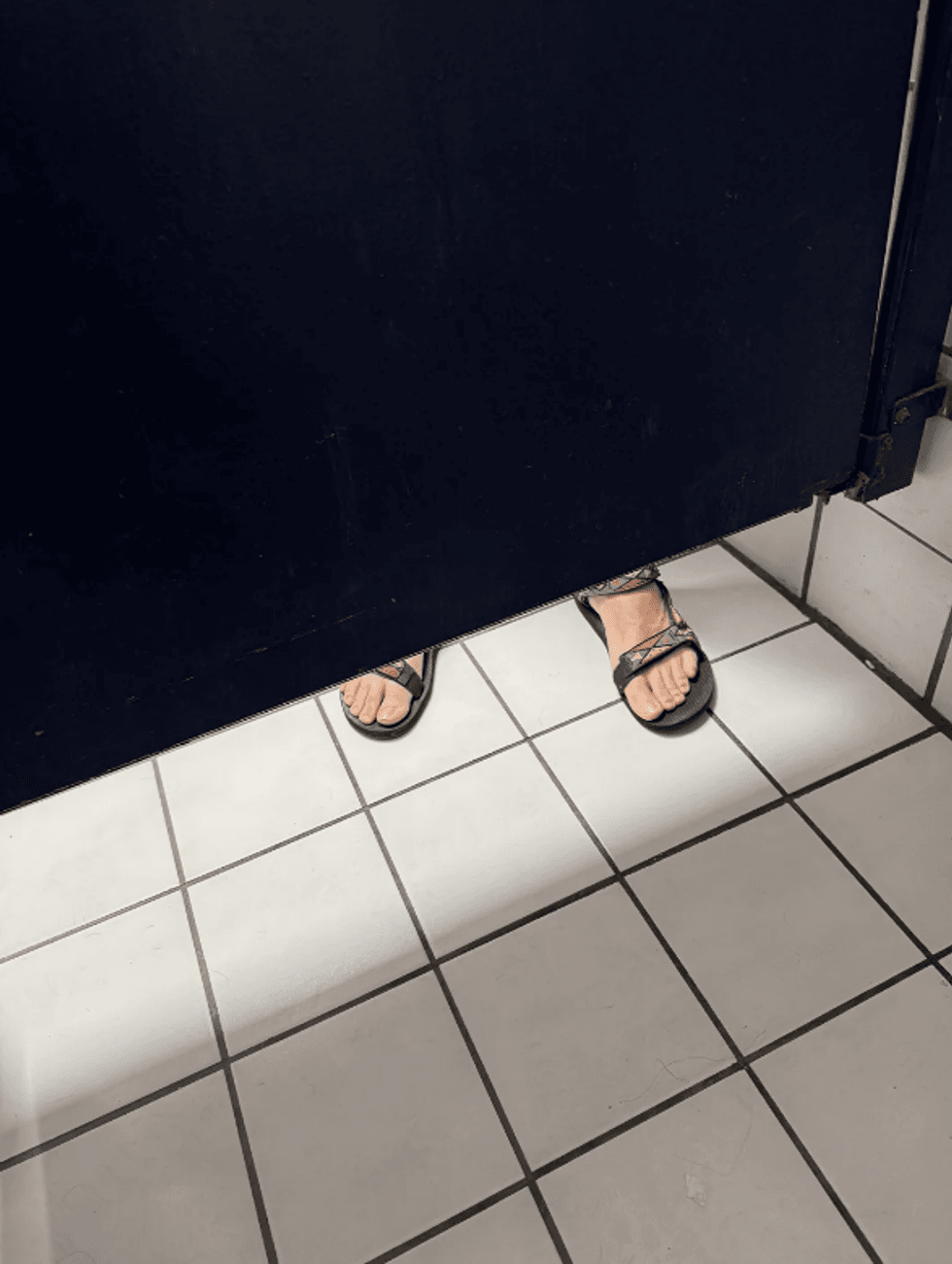 u/nojunkpeter/Reddit
 @scottiferr/TikTok
 @scottiferr/TikTok
 @scottiferr/TikTok
 @scottiferr/TikTok
 @scottiferr/TikTok
 @scottiferr/TikTok
 @scottiferr/TikTok
 @scottiferr/TikTok
 @scottiferr/TikTok
 @scottiferr/TikTok
 @scottiferr/TikTok
 @scottiferr/TikTok
 @scottiferr/TikTok
 @scottiferr/TikTok
 @scottiferr/TikTok
 @scottiferr/TikTok
 @scottiferr/TikTok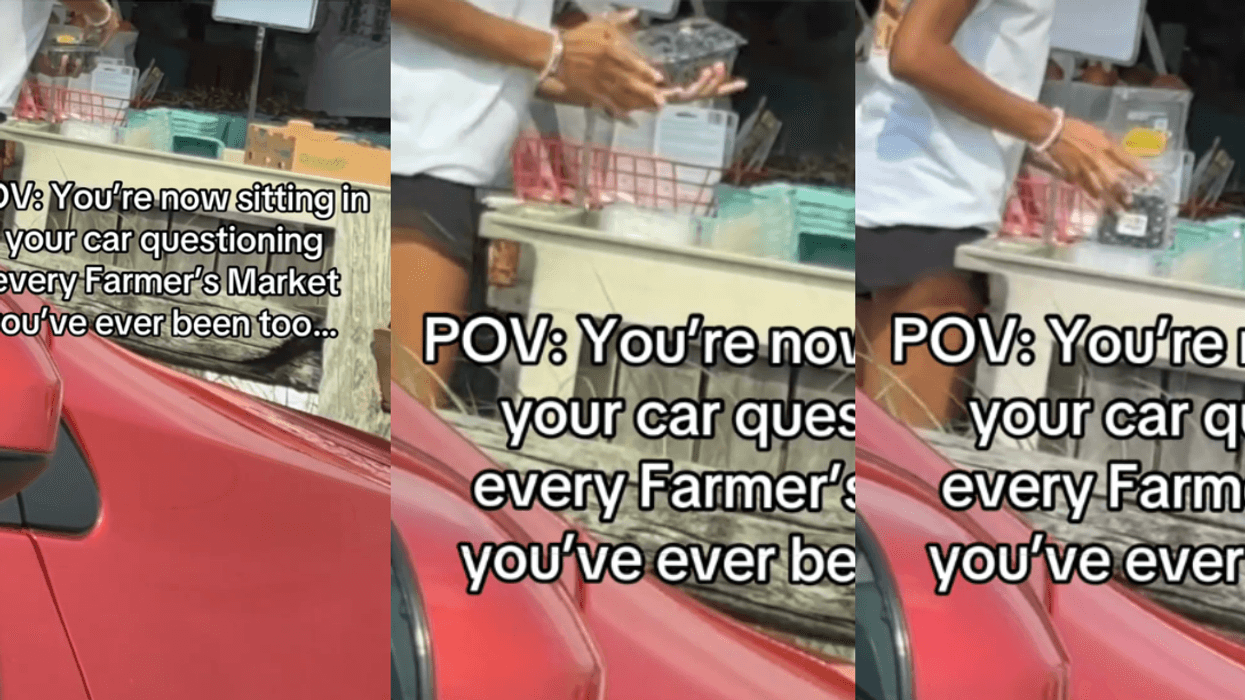
 @wife_mama02/TikTok
 @wife_mama02/TikTok
 @wife_mama02/TikTok
 @wife_mama02/TikTok
 @wife_mama02/TikTok
 @wife_mama02/TikTok
 @wife_mama02/TikTok
 @wife_mama02/TikTok
 @wife_mama02/TikTok
 @wife_mama02/TikTok
 @wife_mama02/TikTok
 @wife_mama02/TikTok
 @wife_mama02/TikTok
 @wife_mama02/TikTok
 @wife_mama02/TikTok
 @wife_mama02/TikTok