
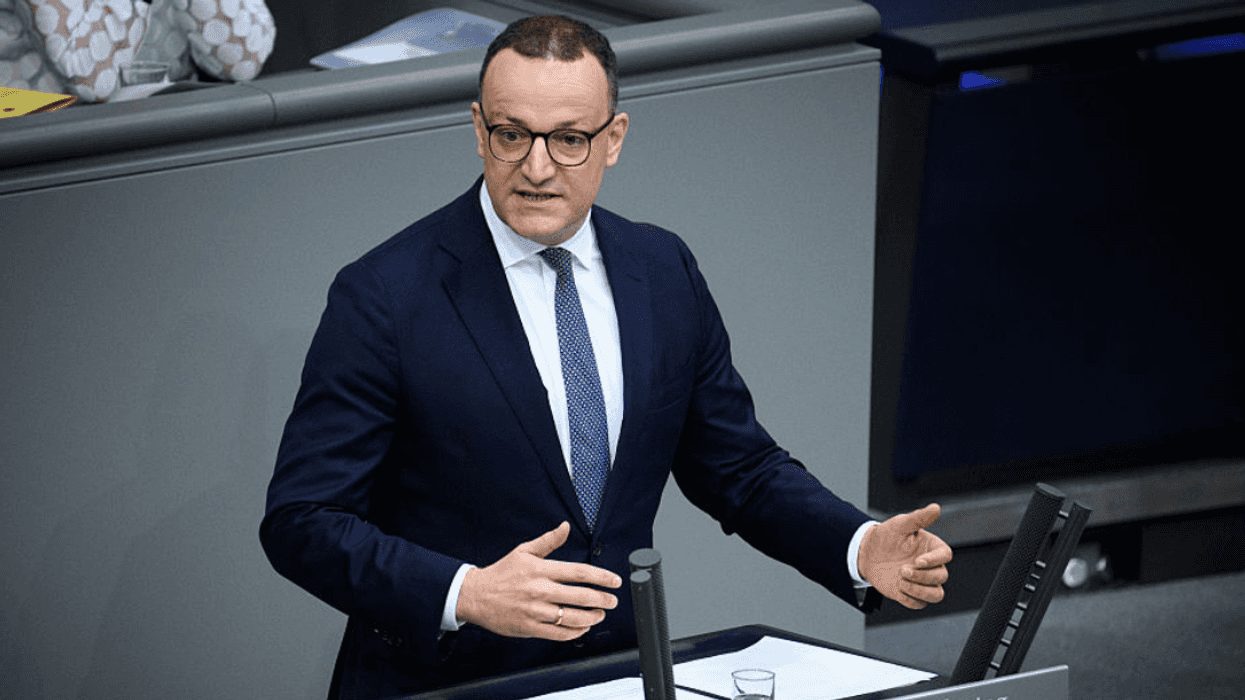

German conservative Jens Spahn resigned from his position as the leader of the joint CDU/CSU (Union) parliamentary group in the 21st Bundestag after it emerged he and his husband welcomed a child via surrogacy despite openly opposing it.
Per the 1990 Embryo Protection Act, surrogacy remains illegal in Germany, a position long supported by the Christian Democratic Union (CDU), which reaffirmed its opposition earlier this year. While German law allows parents to raise children born through surrogacy abroad, arranging a surrogate within Germany is punishable by up to three years in prison or a fine.
Spahn announced that he and his husband, journalist Daniel Funke, had welcomed a child through a surrogate outside Germany. The revelation drew criticism from politicians across the political spectrum, including members of Spahn's own party, particularly because he had previously defended Germany's ban.
In 2020, as health minister, he opposed efforts to relax the law, and in 2015 wrote that, "as a gay man and a Christian," he found it difficult to accept the idea of surrogacy, saying it is "very hard to warm to the idea of a rented womb."
Announcing his resignation as parliamentary group leader, Spahn said the tension between his private decision and the expectations of his public office had become "greater than I anticipated." He also expressed concern about the increasingly harsh tone of public debate, urging people to remain "human" in their disagreements.
Janosch Dahmen, health spokesperson for the Alliance 90/Greens party, criticized Spahn, saying that "anyone who advocates for rules politically should be able to explain clearly why those rules apparently do not apply to them personally."
Others have called out Spahn's hypocrisy.
German media reported that Alexander Hoffmann, leader of the Christian Social Union's parliamentary group, will assume Spahn's responsibilities until a successor is selected.
A cabinet reshuffle could be politically advantageous for German Chancellor Frederich Merz, per Politico, because Spahn "was not only an internal party rival who at times pushed back against his plans, but was also disliked by the more left-wing politicians amid his coalition partners in the Social Democratic Party (SPD)."
The report notes that Merz "can choose a new CDU parliamentary leader to settle down the coalition." Moreover, a reshuffle "also allows him to make a political reset before crucial regional elections in the fall, in which the far-right Alternative for Germany (AfD) party is expected to perform well and could even secure an absolute majority" in Saxony-Anhalt in September.




 @charlotte.clymer/Bluesky
  @houseofreceipts/X




 @lillys.healingera/TikTok
 @lillys.healingera/TikTok
 @lillys.healingera/TikTok
 @lillys.healingera/TikTok
 @lillys.healingera/TikTok
 @lillys.healingera/TikTok
 @lillys.healingera/TikTok
 @lillys.healingera/TikTok
 @lillys.healingera/TikTok
 @lillys.healingera/TikTok
 @lillys.healingera/TikTok
 @lillys.healingera/TikTok
 @lillys.healingera/TikTok
 @lillys.healingera/TikTok
 @lillys.healingera/TikTok
 @lillys.healingera/TikTok

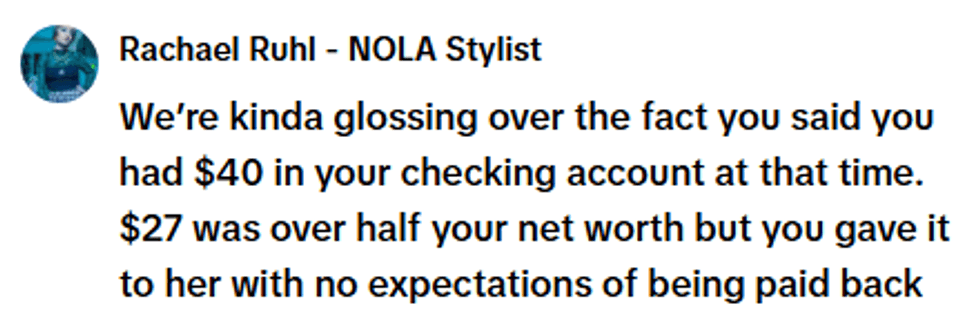 @whatsinthekoolaid/TikTok
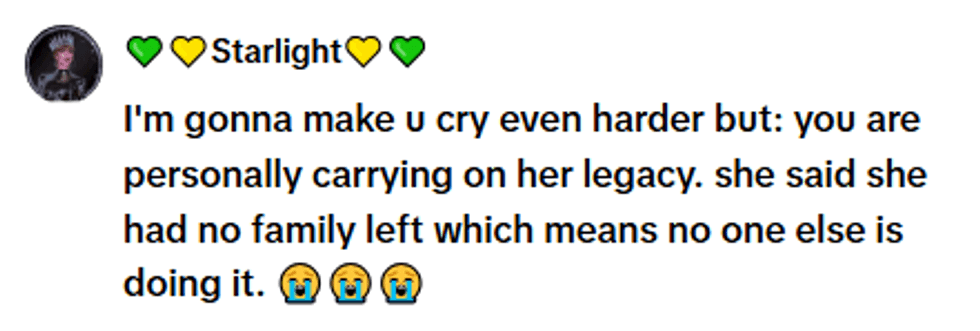 @whatsinthekoolaid/TikTok
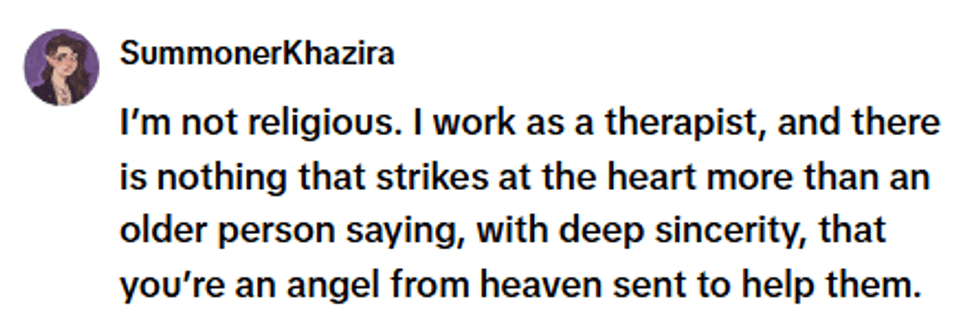 @whatsinthekoolaid/TikTok
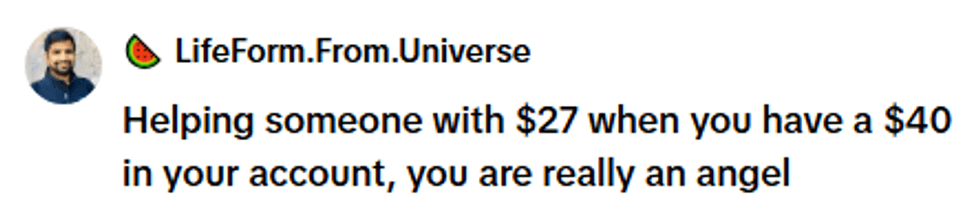 @whatsinthekoolaid/TikTok
 @whatsinthekoolaid/TikTok
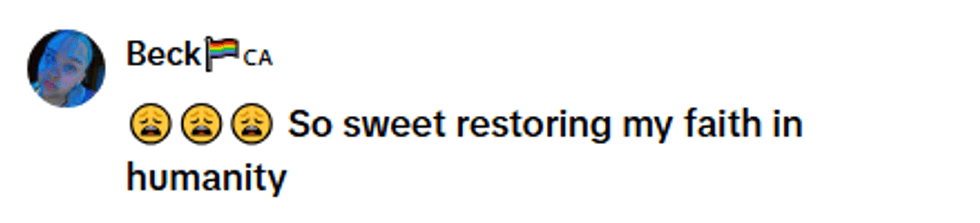 @whatsinthekoolaid/TikTok
 @whatsinthekoolaid/TikTok
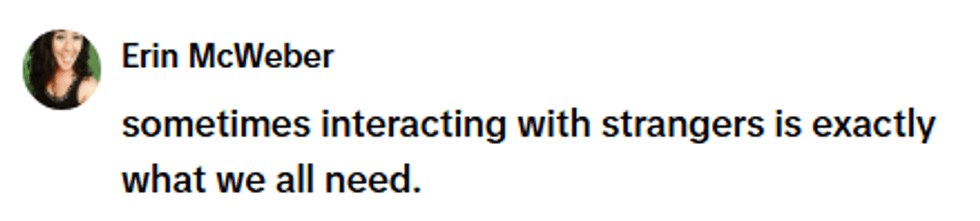 @whatsinthekoolaid/TikTok
 @whatsinthekoolaid/TikTok
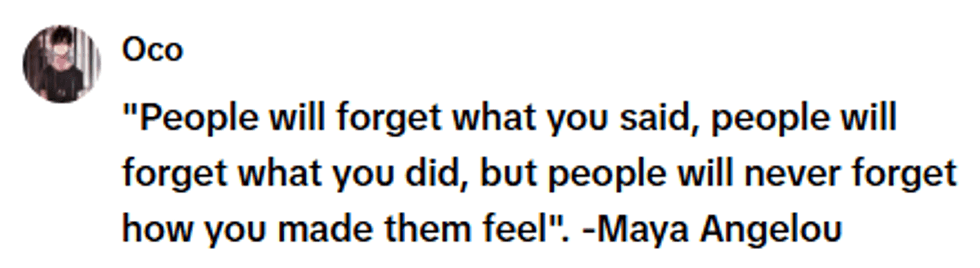 @whatsinthekoolaid/TikTok
 @palladiumpaladin/TikTok
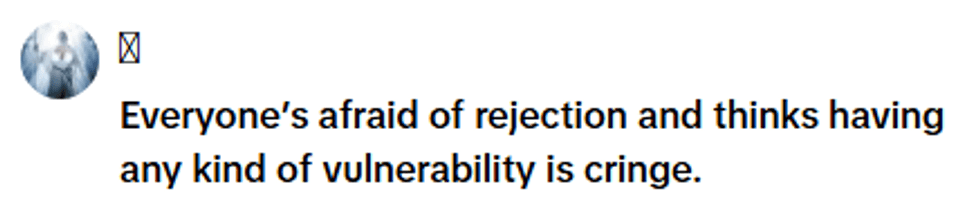 @palladiumpaladin/TikTok
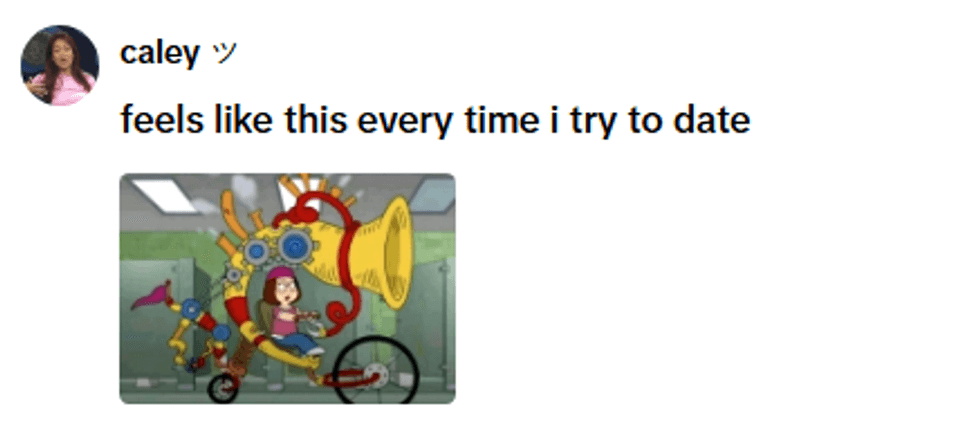 @palladiumpaladin/TikTok
 @palladiumpaladin/TikTok
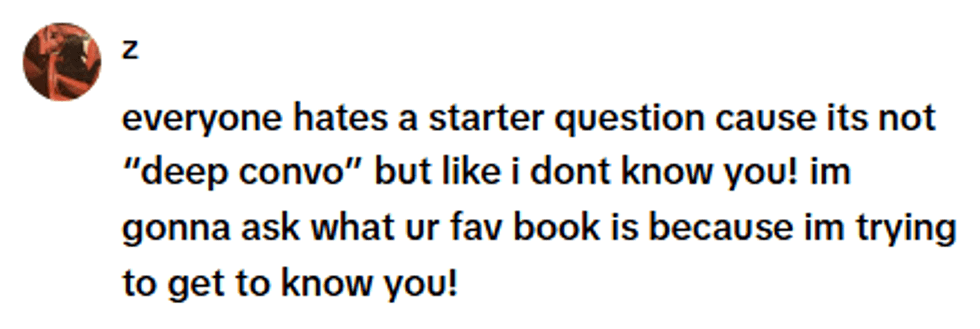 @palladiumpaladin/TikTok
 @palladiumpaladin/TikTok
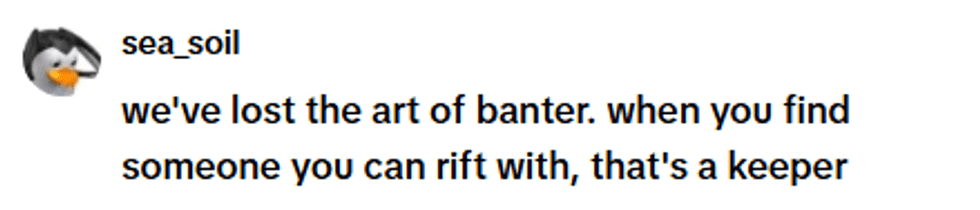 @palladiumpaladin/TikTok
 @palladiumpaladin/TikTok
 @palladiumpaladin/TikTok
 @palladiumpaladin/TikTok