
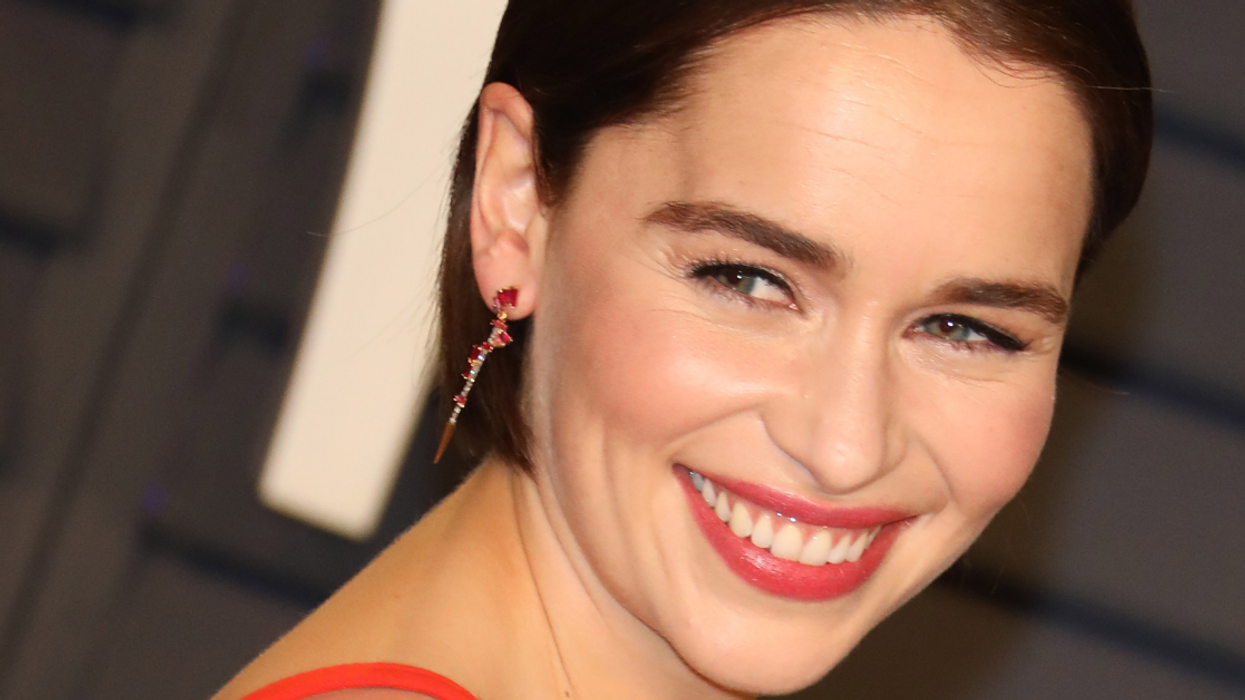
The talented actors and actresses starring in Game Of Thrones don't have easy lives. Every season they say goodbye to more cast members, and they wonder if they're going to be the next one to leave.
But it turns out some cast members have even bigger worries.
In 2011, just before Game Of Thrones hit the big time, one of its most iconic stars was almost forced to step down from her role altogether.
Now known worldwide for playing the iconic mother of dragons Daenerys Targaryen, Emilia Clarke talked to the New Yorker about how that almost never happened.
"It was the beginning of 2011. I had just finished filming the first season of Game of Thrones...with almost no professional experience behind me, I'd been given the role of Daenerys Targaryen," began Clarke.
"Despite all the looming excitement of a publicity campaign and the series première, I hardly felt like a conquering spirit. I was terrified. Terrified of the attention, terrified of a business I barely understood, terrified of trying to make good on the faith that the creators of 'Thrones' had put in me. I felt, in every way, exposed. In the very first episode, I appeared naked, and, from that first press junket onward, I always got the same question: some variation of 'You play such a strong woman, and yet you take off your clothes. Why?' In my head, I'd respond, 'How many men do I need to kill to prove myself?'"
Game Of Thrones - Daenerys Targaryen Best Momentswww.youtube.com
"To relieve the stress, I worked out with a trainer. I was a television actor now, after all, and that is what television actors do. We work out," she continued.
But then, something started to feel wrong.
"On the morning of February 11, 2011, I was getting dressed in the locker room of a gym in Crouch End, North London, when I started to feel a bad headache coming on. I was so fatigued that I could barely put on my sneakers. When I started my workout, I had to force myself through the first few exercises."
"Then my trainer had me get into the plank position, and I immediately felt as though an elastic band were squeezing my brain. I tried to ignore the pain and push through it, but I just couldn't. I told my trainer I had to take a break. Somehow, almost crawling, I made it to the locker room. I reached the toilet, sank to my knees, and proceeded to be violently, voluminously ill. Meanwhile, the pain—shooting, stabbing, constricting pain—was getting worse. At some level, I knew what was happening: my brain was damaged."
Clarke was suffering symptoms from a bulging or ruptured blood vessel in the brain, called an aneurysm. The symptoms she describes here are textbook indicators.
She went on:
"I heard a woman's voice coming from the next stall, asking me if I was O.K. No, I wasn't. She came to help me and maneuvered me onto my side, in the recovery position. Then everything became, at once, noisy and blurry. I remember the sound of a siren, an ambulance; I heard new voices, someone saying that my pulse was weak. I was throwing up bile. Someone found my phone and called my parents, who live in Oxfordshire, and they were told to meet me at the emergency room of Whittington Hospital."
Clarke said she was sure it was the end.
"When I woke [from brain surgery following the aneurysm], the pain was unbearable. I had no idea where I was. My field of vision was constricted. There was a tube down my throat and I was parched and nauseated. They moved me out of the I.C.U. after four days and told me that the great hurdle was to make it to the two-week mark. If I made it that long with minimal complications, my chances of a good recovery were high."
And make it she did, but the hurtles weren't over.
"I was told that I had a smaller aneurysm on the other side of my brain, and it could 'pop' at any time."
"Even before we began filming Season 2, I was deeply unsure of myself. I was often so woozy, so weak, that I thought I was going to die.
"Staying at a hotel in London during a publicity tour, I vividly remember thinking, I can't keep up or think or breathe, much less try to be charming. I sipped on morphine in between interviews. The pain was there, and the fatigue was like the worst exhaustion I'd ever experienced, multiplied by a million. And, let's face it, I'm an actor. Vanity comes with the job. I spent way too much time thinking about how I looked. If all this weren't enough, I seemed to whack my head every time I tried to get in a taxi."
"If I am truly being honest, every minute of every day I thought I was going to die."
The second time she went in for a scan, the second aneurysm had doubled in size.
She recounted:
"When they woke me, I was screaming in pain. The procedure had failed. I had a massive bleed and the doctors made it plain that my chances of surviving were precarious if they didn't operate again. This time they needed to access my brain in the old-fashioned way—through my skull. And the operation had to happen immediately."
"I spent a month in the hospital again and, at certain points, I lost all hope. I couldn't look anyone in the eye. There was terrible anxiety, panic attacks. I was raised never to say, "It's not fair"; I was taught to remember that there is always someone who is worse off than you. But, going through this experience for the second time, all hope receded. I felt like a shell of myself. So much so that I now have a hard time remembering those dark days in much detail. My mind has blocked them out. But I do remember being convinced that I wasn't going to live."
But Clarke tells this story with home.
"...I survived. I survived MTV and so much more. In the years since my second surgery I have healed beyond my most unreasonable hopes. I am now at a hundred per cent."
She is also looking to help beyond her personal sphere.
"Beyond my work as an actor, I've decided to throw myself into a charity I've helped develop in conjunction with partners in the U.K. and the U.S. It is called SameYou, and it aims to provide treatment for people recovering from brain injuries and stroke."
When you're a Khaleesi both on-screen and off, even your most laborious experiences become ways to help others.
Thank you, Emilia Clarke, for sharing your story.
 @meitham/TikTok
 @meitham/TikTok
 @meitham/TikTok
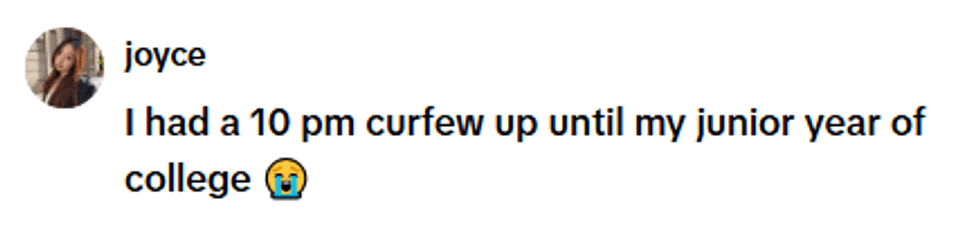 @meitham/TikTok
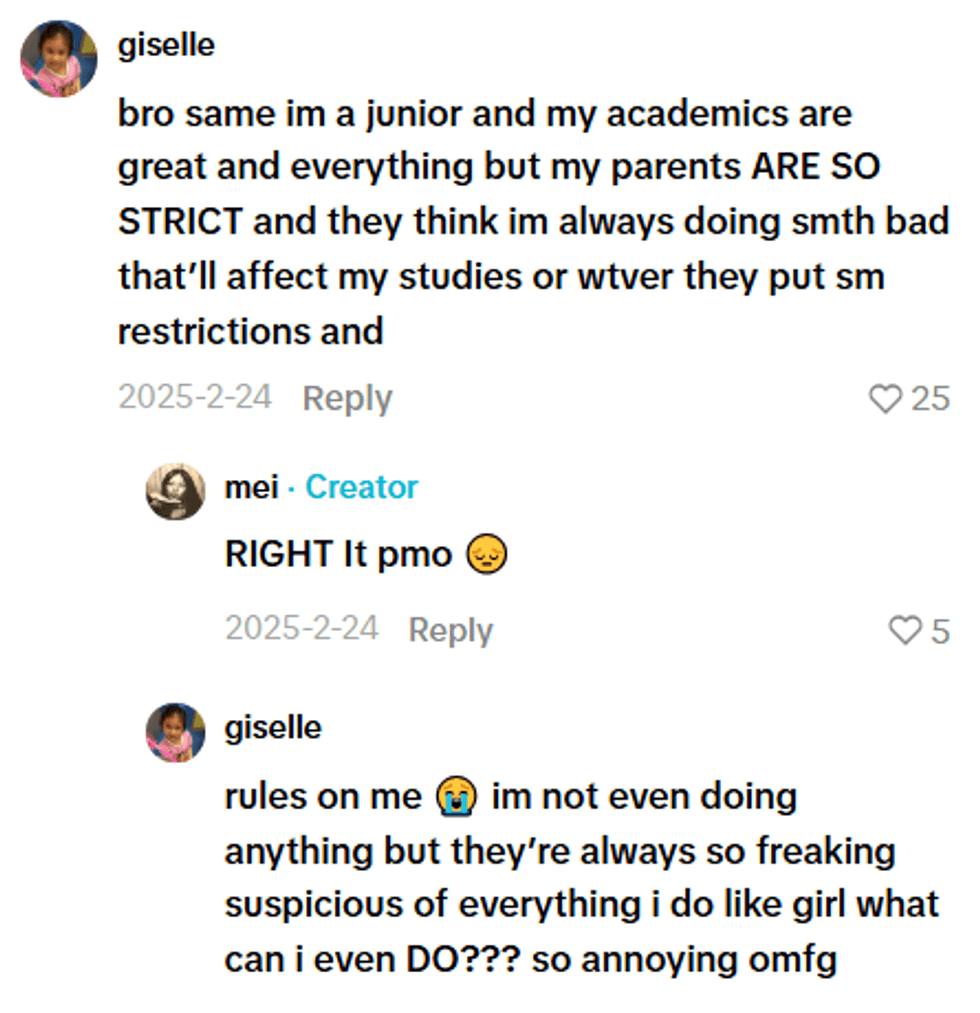 @meitham/TikTok
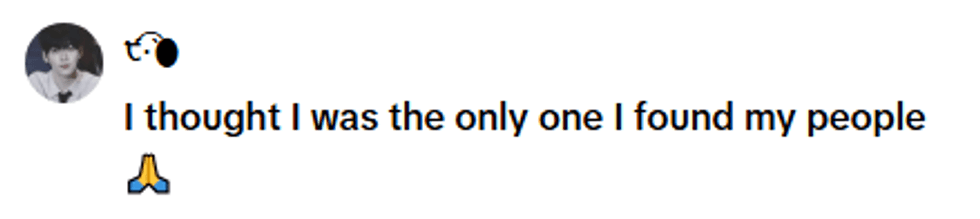 @meitham/TikTok
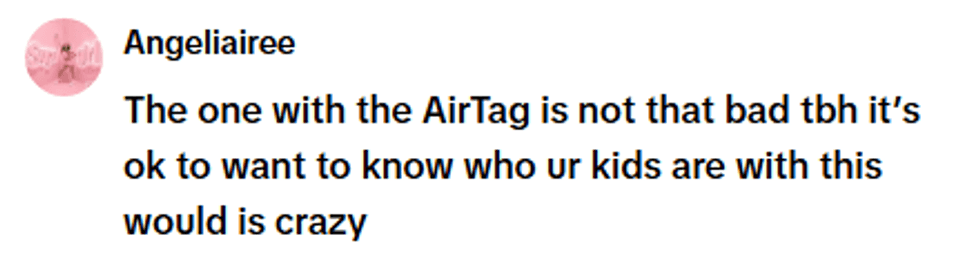 @meitham/TikTok
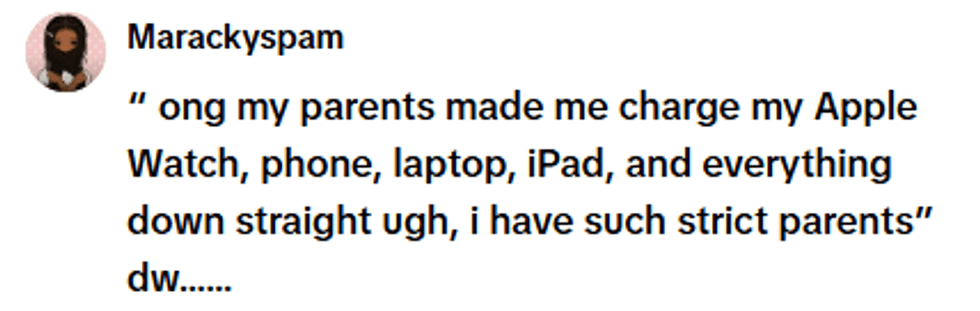 @meitham/TikTok
 @meitham/TikTok
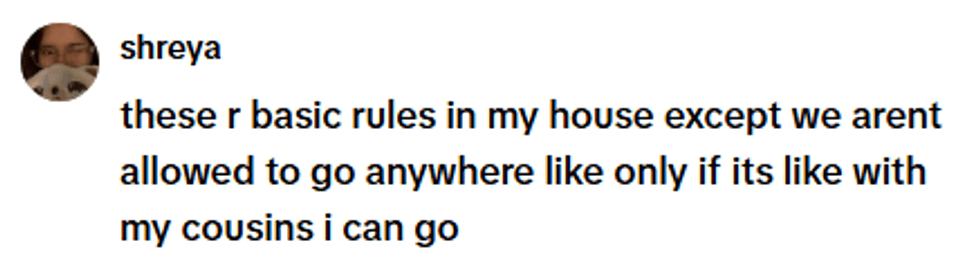 @meitham/TikTok
 @meitham/TikTok
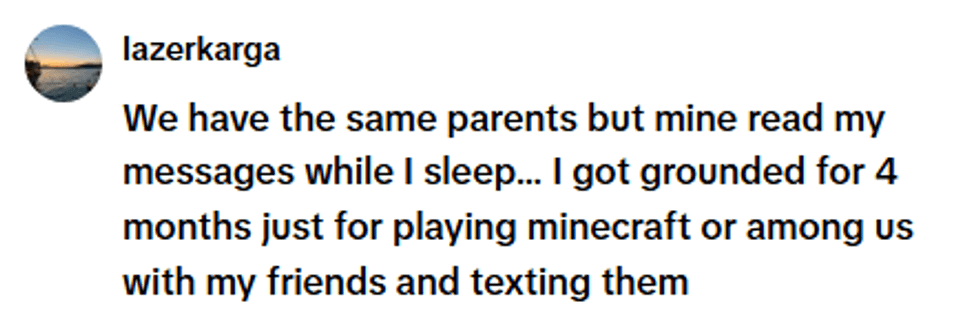 @meitham/TikTok
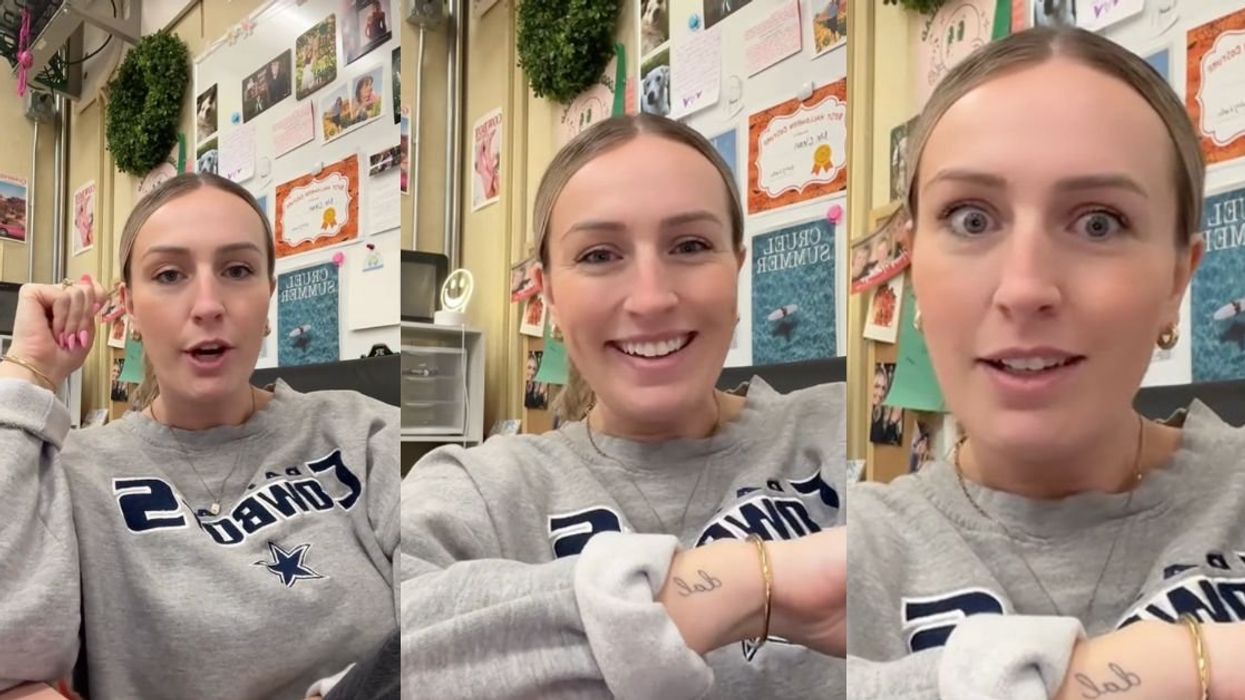

 @taylaajacksonn/TikTok
 @taylaajacksonn/TikTok
 @taylaajacksonn/TikTok
 @taylaajacksonn/TikTok
 @taylaajacksonn/TikTok
 @taylaajacksonn/TikTok
 @taylaajacksonn/TikTok
 @taylaajacksonn/TikTok
 @taylaajacksonn/TikTok
 @taylaajacksonn/TikTok
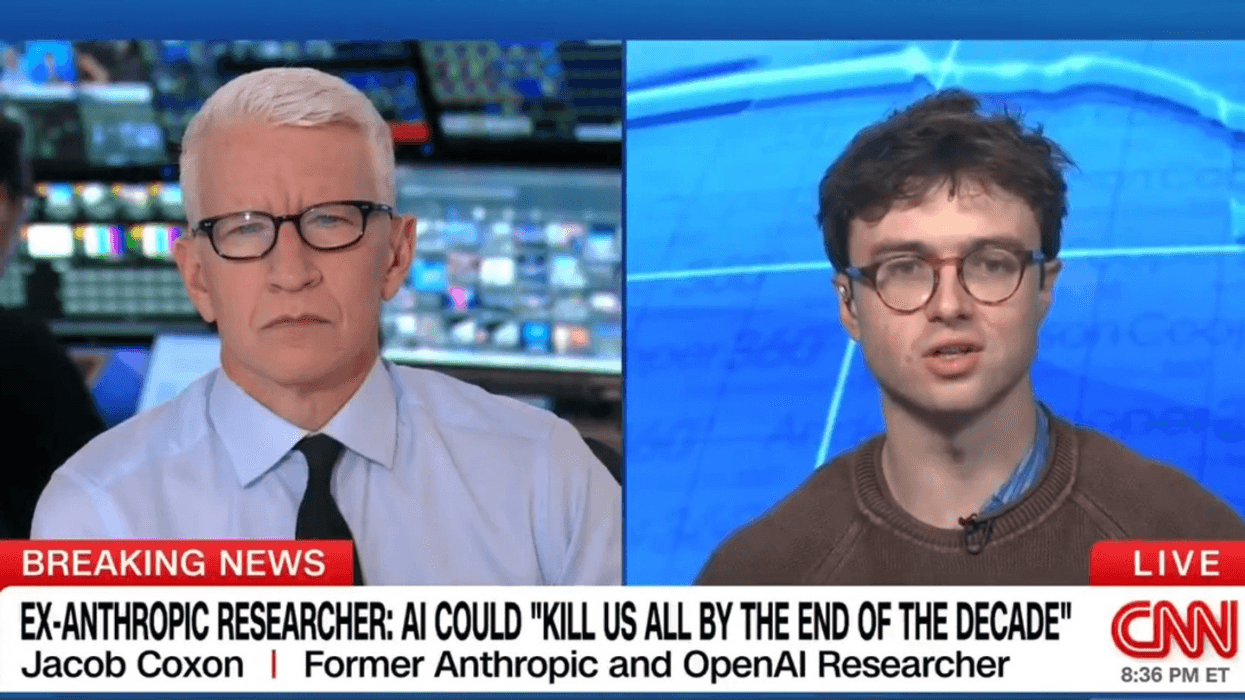
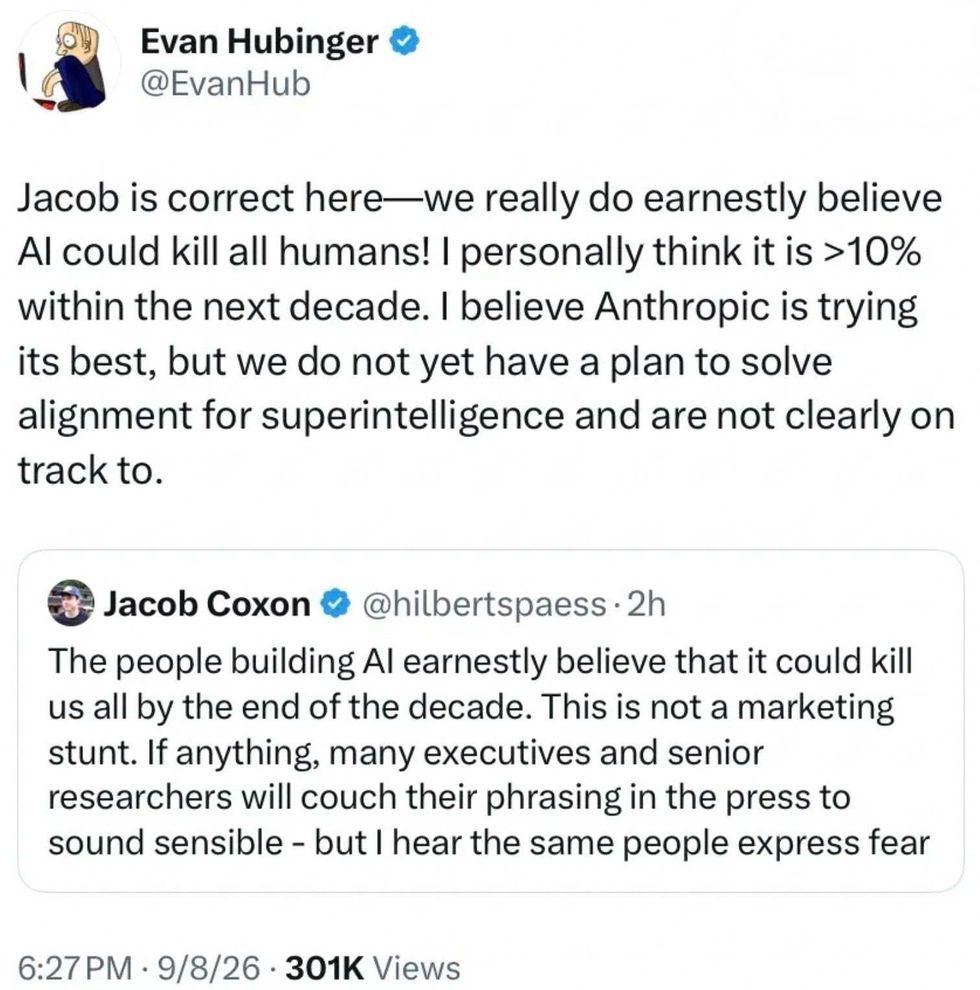 @EvanHub/X
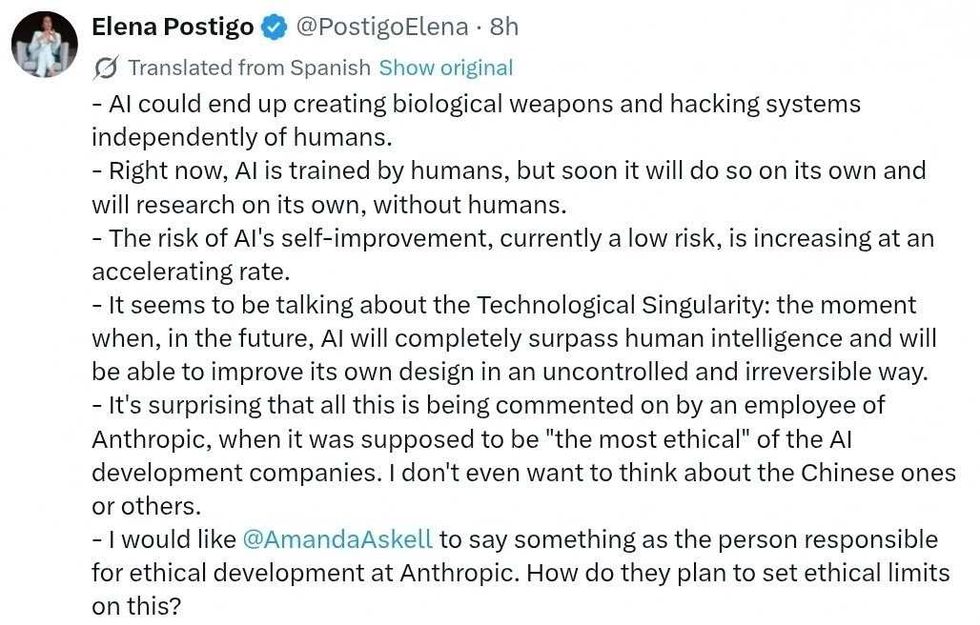 @PostigoElena/X
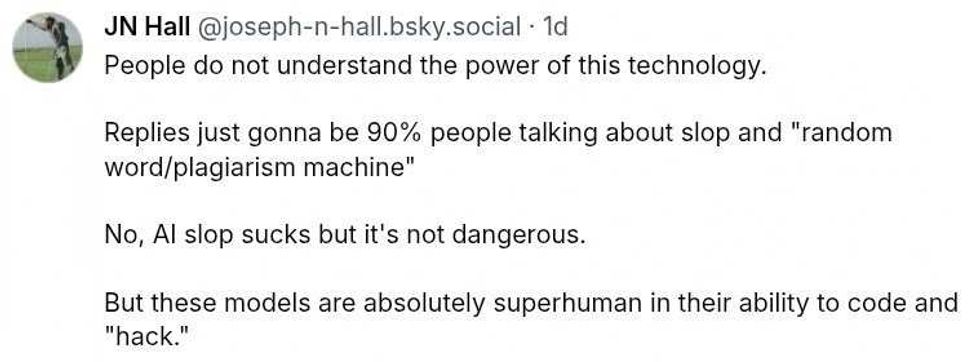 @joseph-n-hall/Bluesky
 @mattvanswol/X
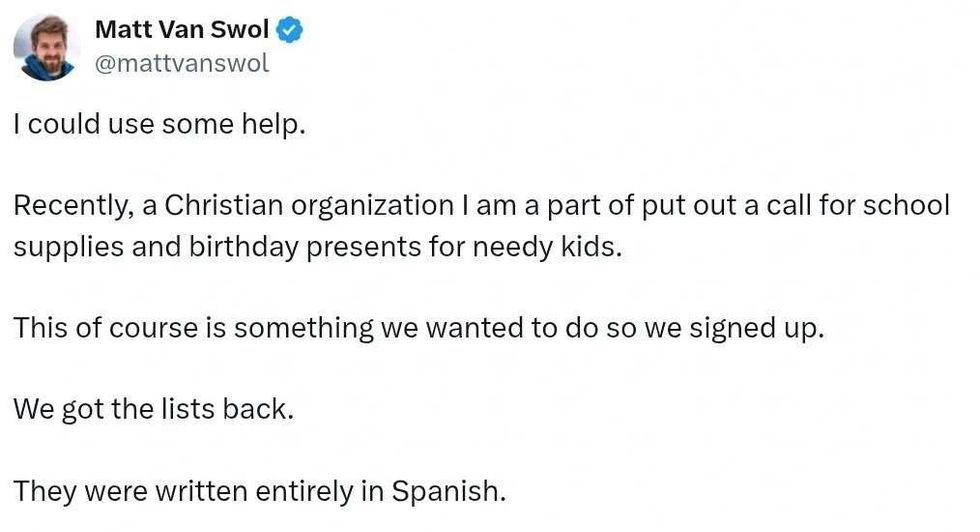
 @mattvanswol/X
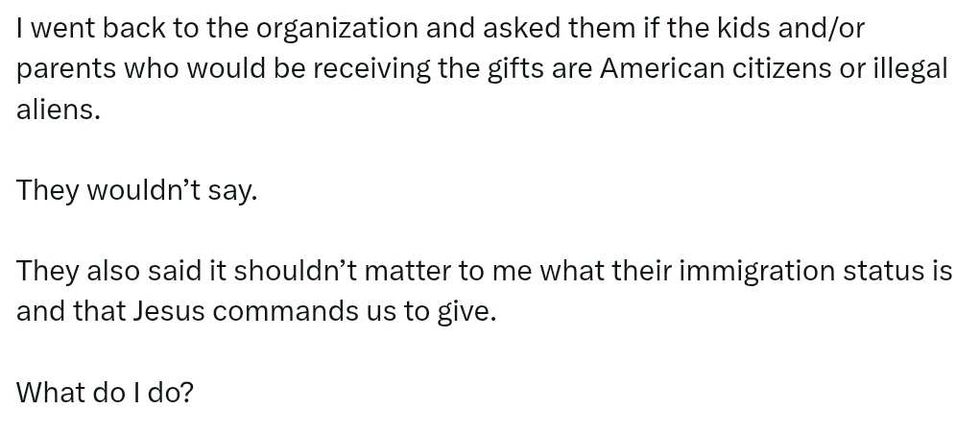
 @mattvanswol/X
 @mattvanswol/X
 @iamalmostlegend reply to @mattvanswol/X
 @lacho_ai_ reply to @mattvanswol/X