
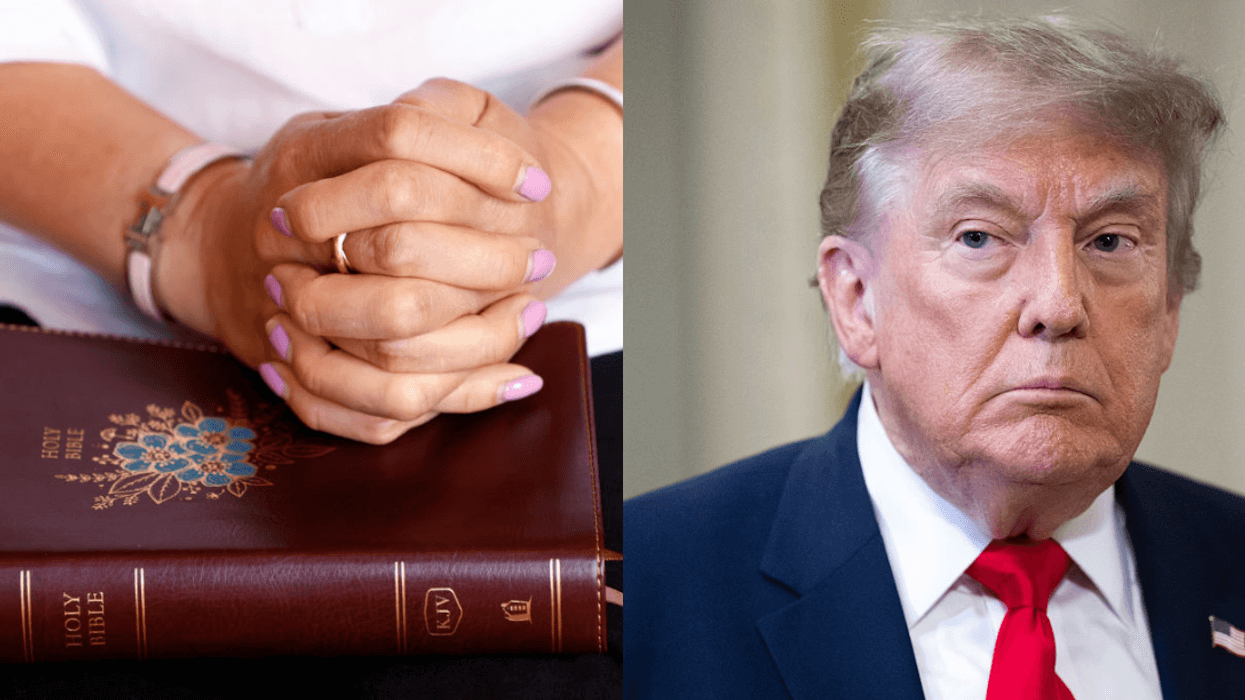

Critics are crying foul after the Texas Board of Education voted on Friday to require students to read select passages from the Bible as part of their literature curriculum.
The state-required curriculum, set to take effect in 2030, pairs literary classics such as Charles Dickens' Great Expectations with selections from the New Testament, making it one of the first reading mandates of its kind in the country.
The Republican-controlled State Board of Education approved the measure in a 9-5 vote after weeks of heated debate over religion's place in public schools. The move follows last year's decision requiring the Ten Commandments to be displayed in every Texas classroom.
At the same time, the board is weighing new social studies standards that draw explicit connections between biblical stories and American history.
The required reading list introduces biblical stories at every stage of a student's education. Elementary school students will read picture-book retellings of stories such as David and Goliath and Daniel and the Lion's Den, while third graders will also be assigned E.B. White's Charlotte's Web. By fourth grade, the curriculum includes passages from the New Testament about Jesus.
Middle school students will study additional biblical excerpts, including the Sermon on the Mount and teachings urging followers to set aside worldly concerns in pursuit of God's kingdom. In high school, selected Bible passages will serve as companion texts to classic literature, including Dickens' works and Jane Austen's Pride and Prejudice.
Under Texas law, parents may opt their children out of classes or activities they believe conflict with their religious or moral convictions.
The move has been criticized as a blatant First Amendment violation.
Texas' new reading requirements stem from a 2023 state law directing education officials to designate at least one literary work for every grade level.
The state, which educates roughly one in 10 U.S. public school students, has long shaped education policy beyond its borders.
Last year, President Donald Trump pledged to "protect prayer" in public schools, continuing a broader push to expand the role of religion in public life. During his first term, he also pursued policies aimed at making it easier for religious organizations to access federal programs.


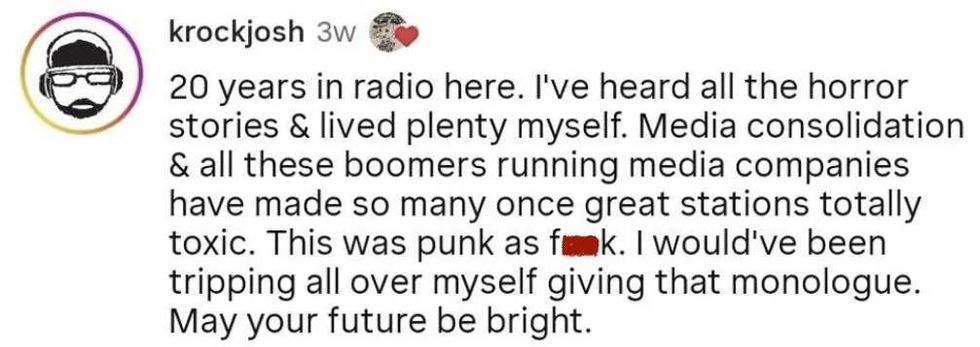 reply to @fievel42/Instagram
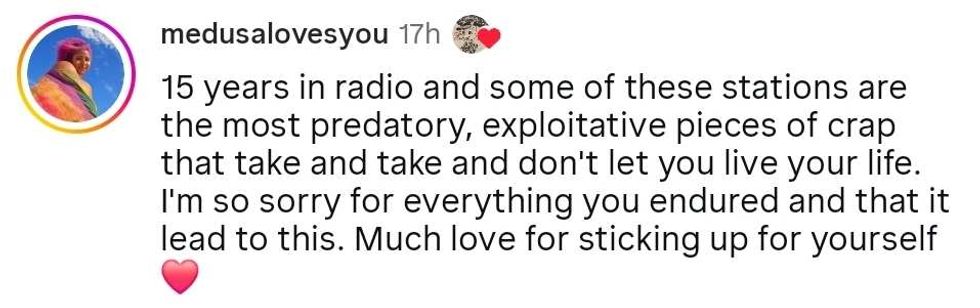 reply to @fievel42/Instagram
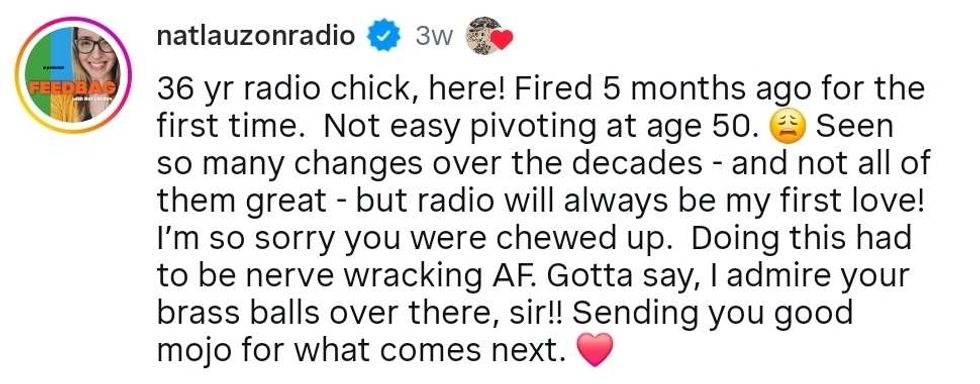 reply to @fievel42/Instagram
 reply to @fievel42/Instagram
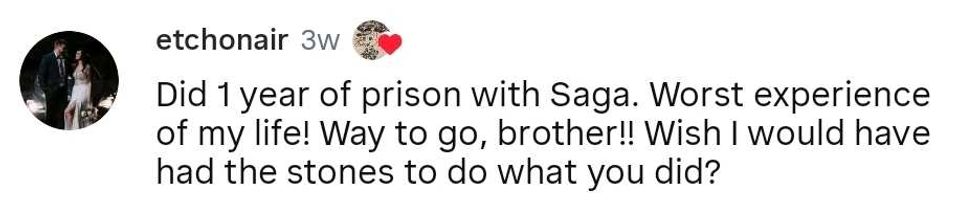 reply to @fievel42/Instagram
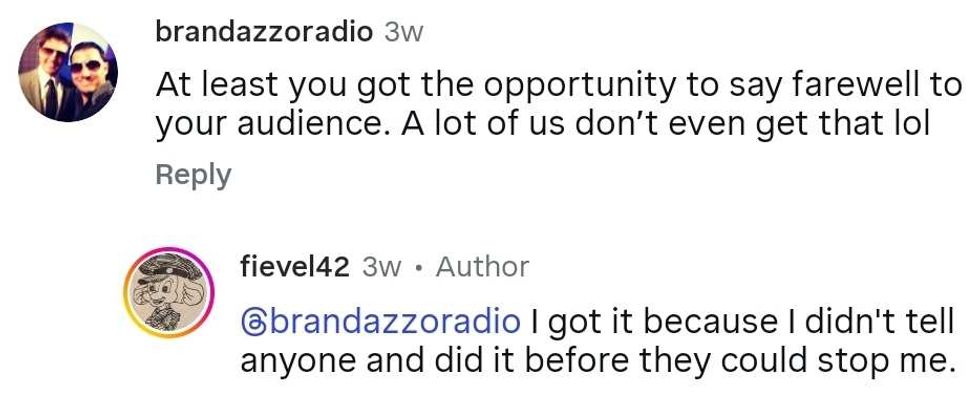 reply to @fievel42/Instagram
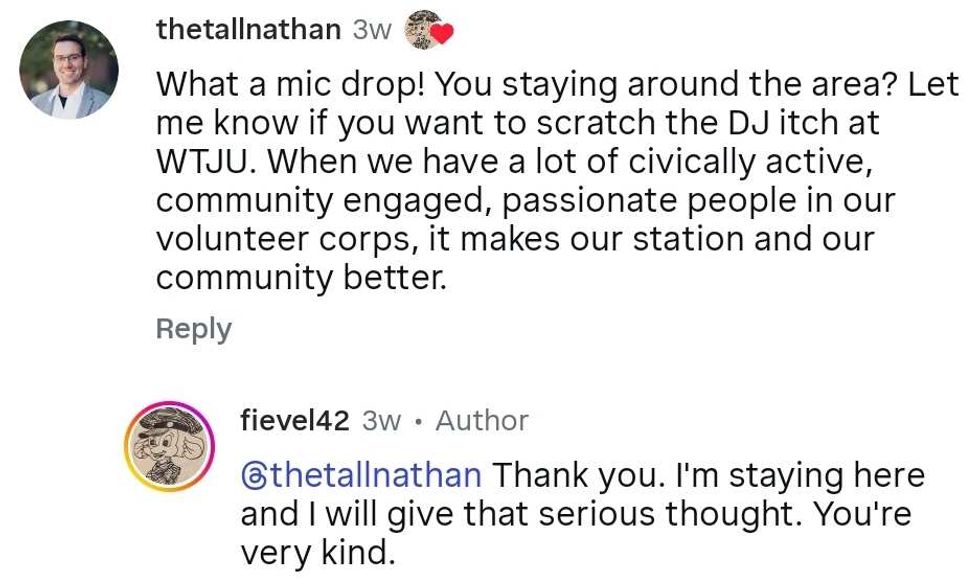 reply to @fievel42/Instagram
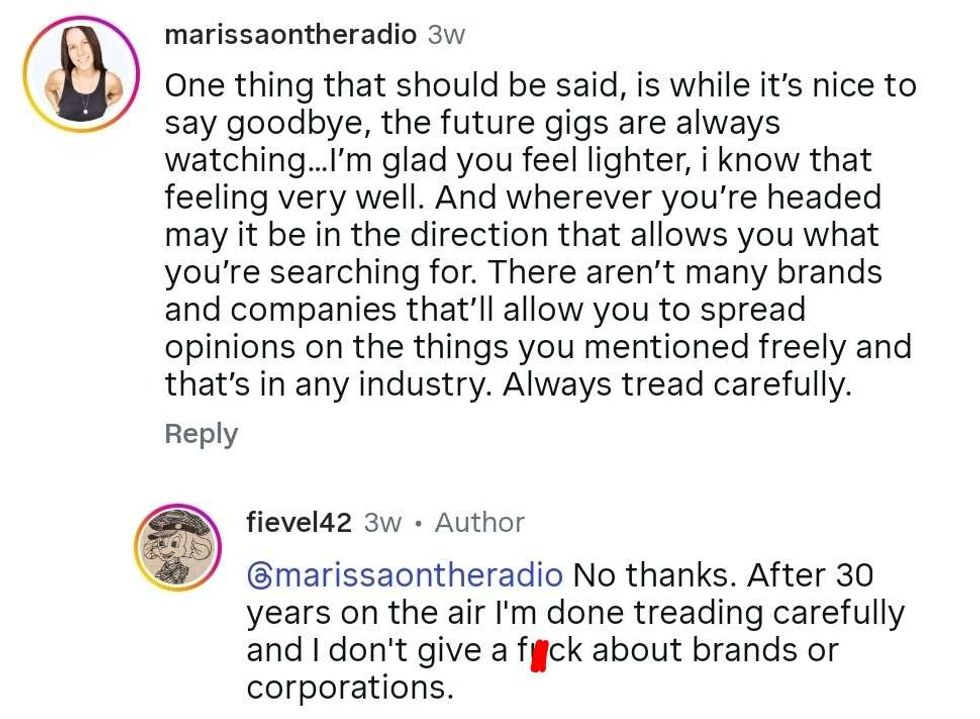 reply to @fievel42/Instagram
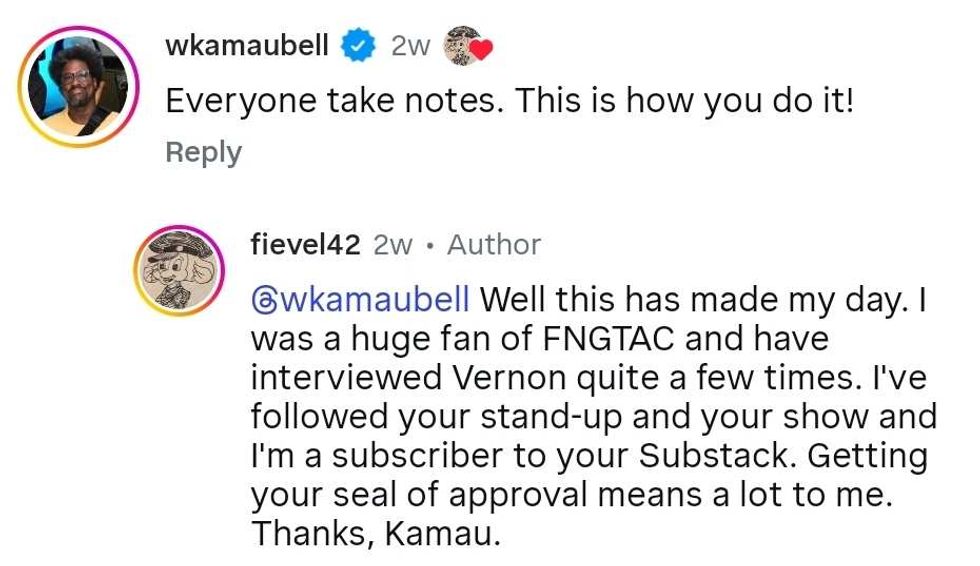 reply to @fievel42/Instagram
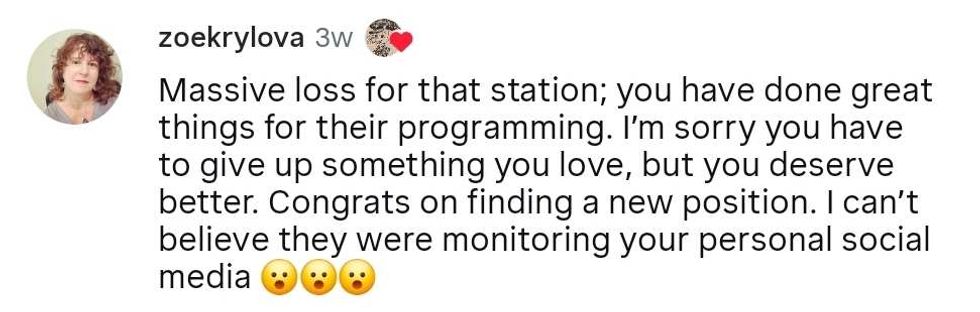 reply to @fievel42/Instagram
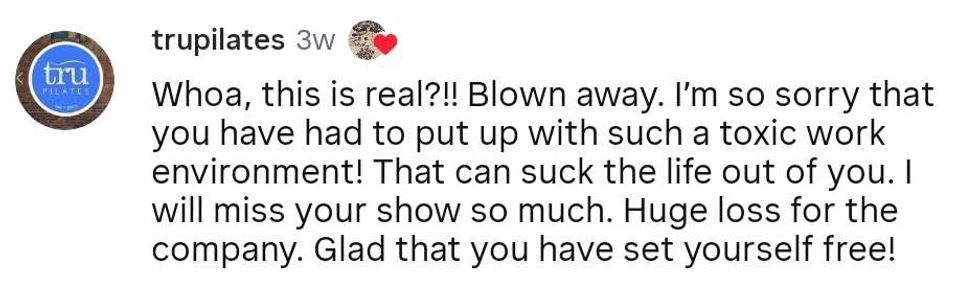 reply to @fievel42/Instagram
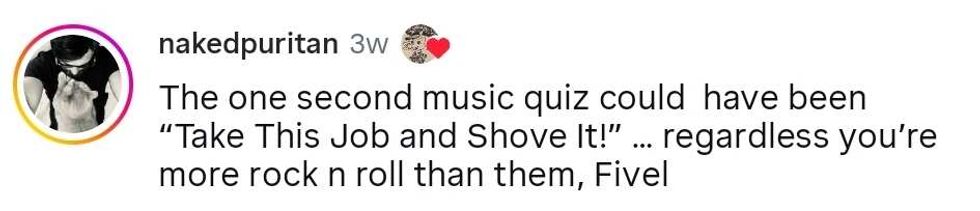 reply to @fievel42/Instagram
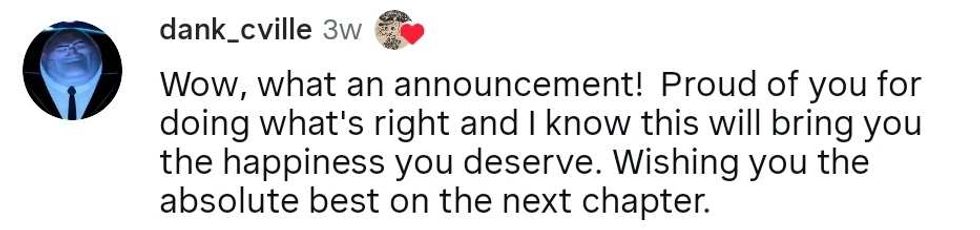 reply to @fievel42/Instagram
 reply to @fievel42/Instagram
 reply to @fievel42/Instagram

 @realDonaldTrump/Truth Social