
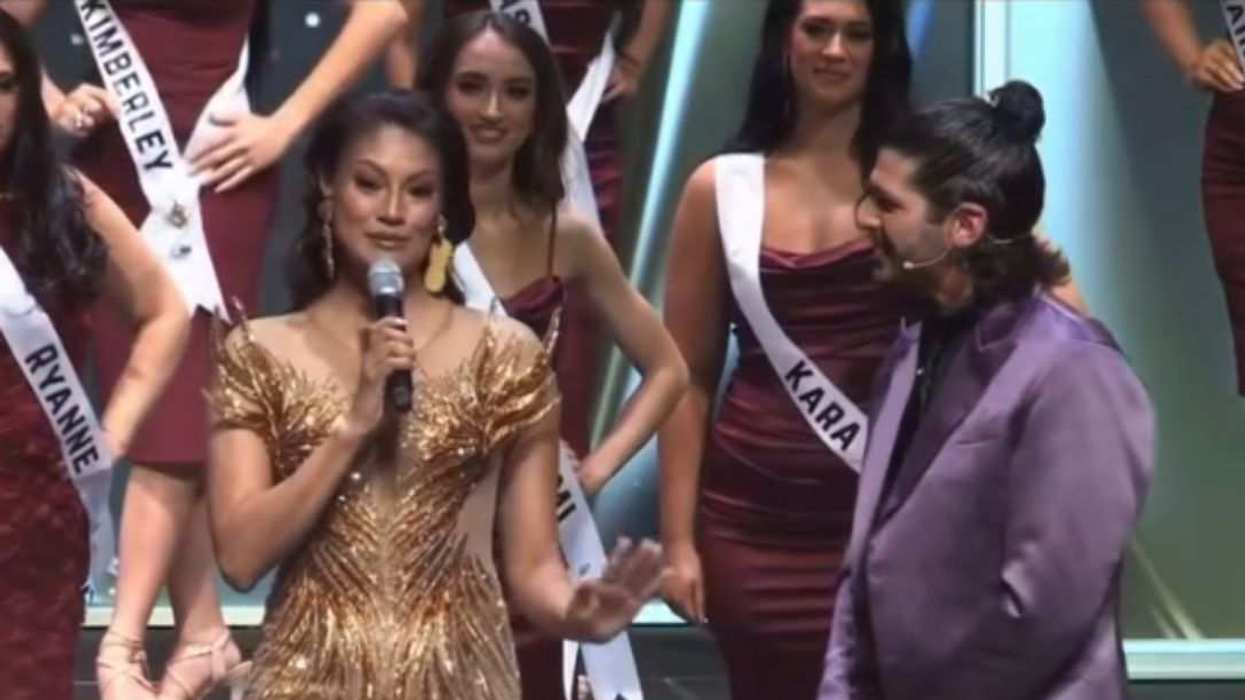

Ashley Callingbull, Canada's 2024 Miss Universe contestant, made history that year when she became the first First Nations competitor to win the pageant.
Now, she's using that platform to call out other contestants for cultural appropriation in their pageant appearances.
Two contestants in this year's pageant on August 8 wore costumes with elements derived from Indigenous cultures.
While hosting the pageant, Callingbull, a Plains Cree woman from the Enoch Cree Nation, took time to speak out about the appropriation during the live broadcast.
The moment came as director of Miss Universe Canada Sonny Borelli began to read the names of the Canadian contestants who'd qualified for the Miss Universe pageant.
Callingbull stopped him and asked that the music be lowered so that she could speak. She then addressed the audience about the appropriation she'd witnessed during previous rounds of the competition.
She began by saying what a huge honor it was for her to be the first First Nations winner from Canada before explaining why she was speaking out.
“I wanted to acknowledge something."
“So with Miss Universe Canada, me being the first Indigenous First Nations Miss Universe Canada, that was such a huge honor. One of the biggest dreams of my life was coming here and fulfilling that.”
“But sometimes there are mistakes that are made. During this week, I wanted to acknowledge this."
Callingbull then described what she'd seen.
"During the national competition, the costume competition, there was cultural appropriation that was done towards Indigenous peoples. And I saw this right away. I wasn’t there. I just saw it on video."
At issue were outfits worn by two contestants, Karisa Haverkamp and Jasleen Kaily in the pageant's costume competition on August 4.
Haverkamp wore a turquoise, black and white headdress with feathers and red hand painted on her cheeck, while Kaily's featured traditionally Indigenous details like fringe on her two-piece costume, braids, and mukluks, one of the several types of Indigenous boots.
Callingbull then praised the pageant and the contestants for the way they handled the ensuing conversation.
“They heard exactly what we need to do to change."
"I think we’re living in a time, it’s 2026, we should know better, but most importantly, a part of reconciliation is that we educate and learn and understand and move on from these things in a good way.”
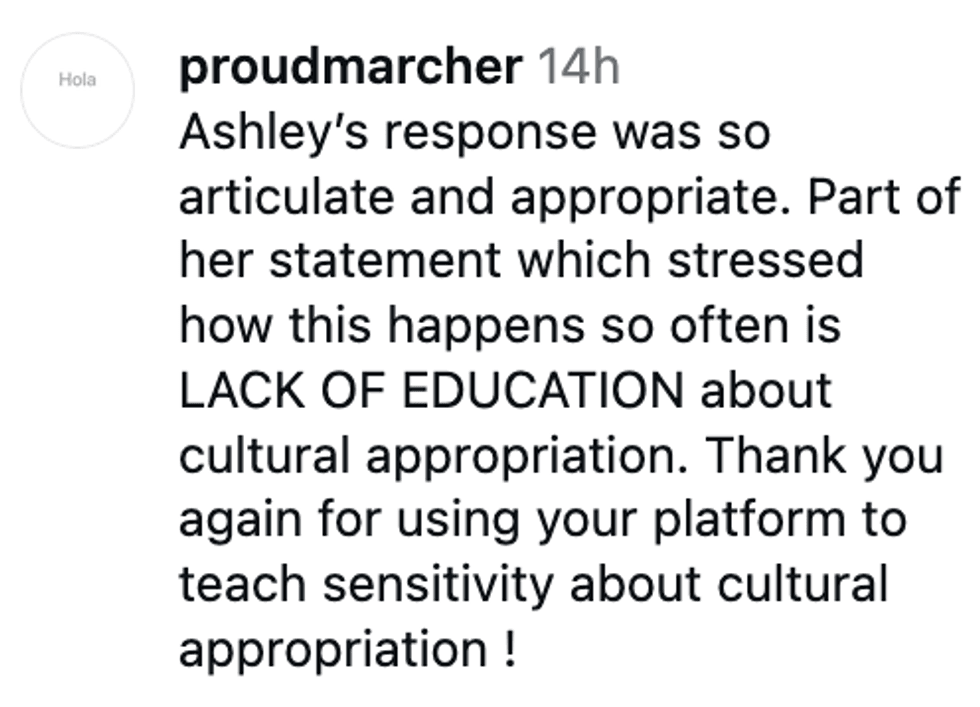
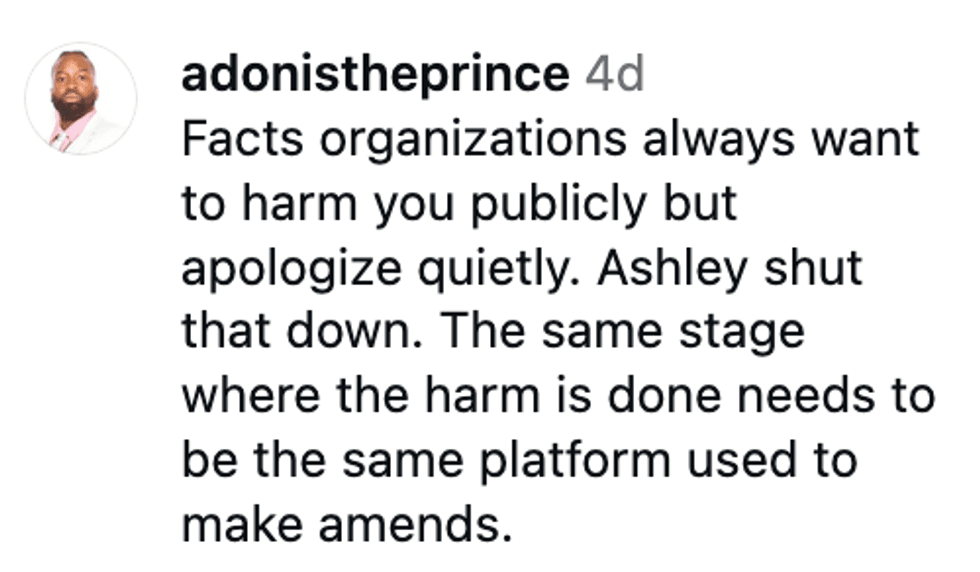
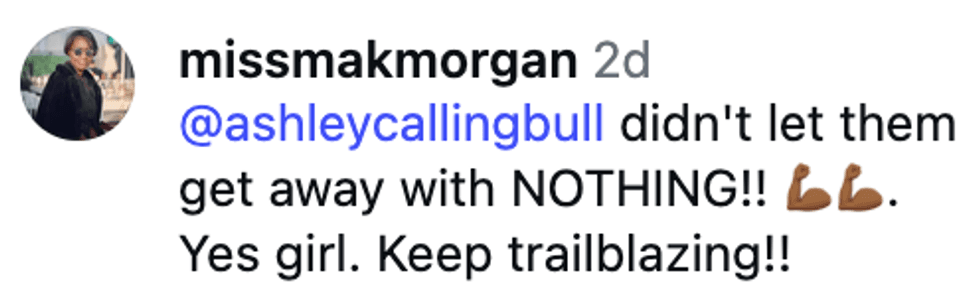
On social media, many people praised Callingbull for speaking out and for the way she handled the matter.



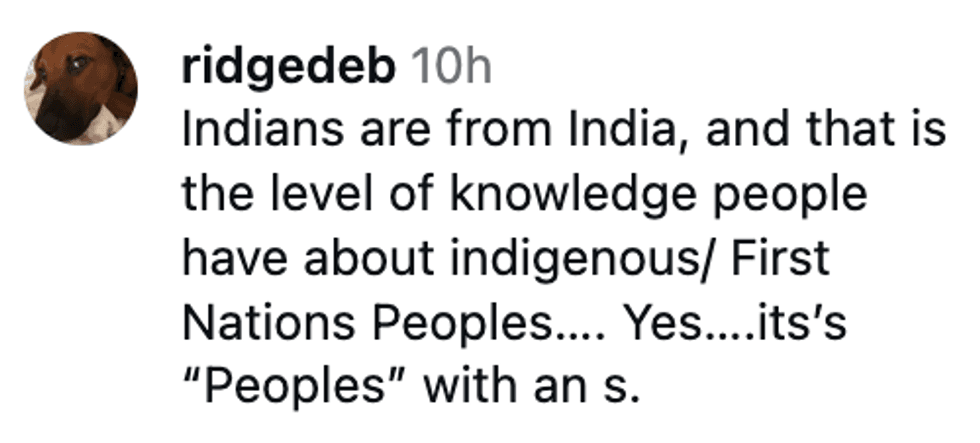

Of course, given the times, Callingbull certainly has her critics, especially because many have mistakenly claimed that both contestants are Indigenous themselves.
Callingbull has been accused by conservatives of bullying both women, but in Kaily's case the Indigenous claim is not true: She is of Indian descent, not Indigenous of First Nations.
Haverkamp, on the other hand, does have Indigenous heritage via her great grandmother, which she has mentioned in her Miss Universe interviews and referenced in her apology for the incident.
Regardless, being a First Nations woman and having Indigenous heritage are two different things, and Haverkamp herself seems to understand the distinction. She apologized for causing "hurt and offence to people in the Indigenous community."
Canada's history with respect to First Nations peoples is every bit as brutal and horrific as the United States', and for the last several years, the country has been engaged in something of a national reckoning with that history that the U.S. has never quite had the guts for.
The Canadian government's reckoning began in earnest 2008 with the formation of the Truth and Reconciliation Commission (TRC), which uncovered the horrors of Canada's "Indian Residential Schools" during its colonial period.
In these schools, which were run primarily by the Catholic Church, First Nations children were horrifically and sadistically abused as part of an assimilation campaign the government has called a "cultural genocide."
Over the years since, scandals have erupted over the discovery of unmarked graves containing the remains of First Nations students who were killed at these schools.
Nevertheless, the topic of reconciliation remains controversial, as the Miss Universe incident reveals.
But while some may not like it, open conversations about the present-day impacts of that horrific history, like the one Callingbull sparked, are a necessary step in confronting that legacy. And the discomfort it creates is kind of part of the point.




 @instadanjlevy/Instagram
 @instadanjlevy/Instagram
 @instadanjlevy/Instagram
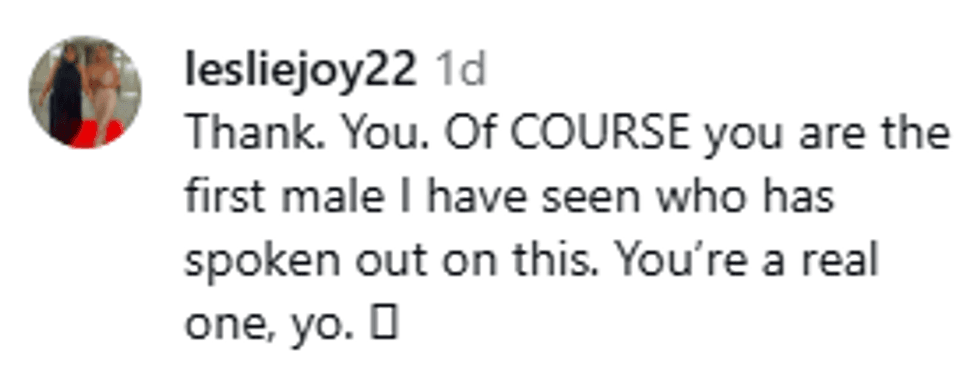 @instadanjlevy/Instagram
 @instadanjlevy/Instagram
 @instadanjlevy/Instagram
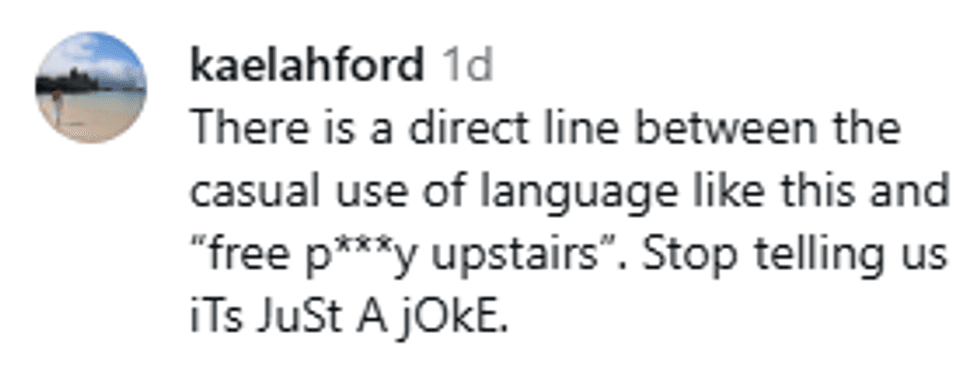 @instadanjlevy/Instagram
 @instadanjlevy/Instagram
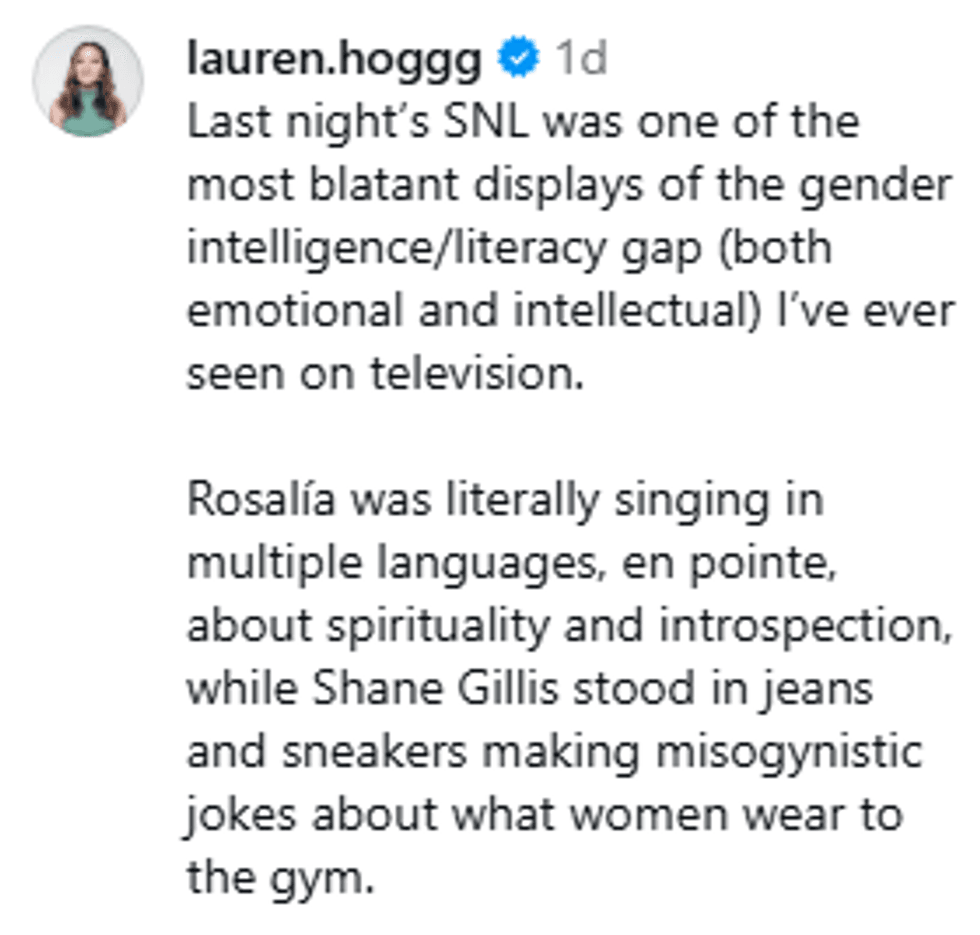 @instadanjlevy/Instagram
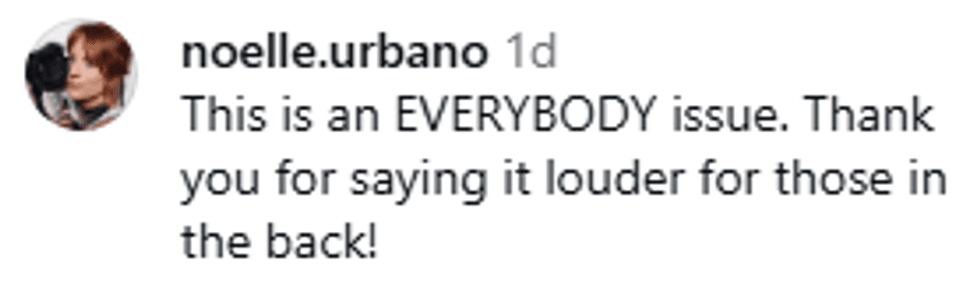 @instadanjlevy/Instagram