
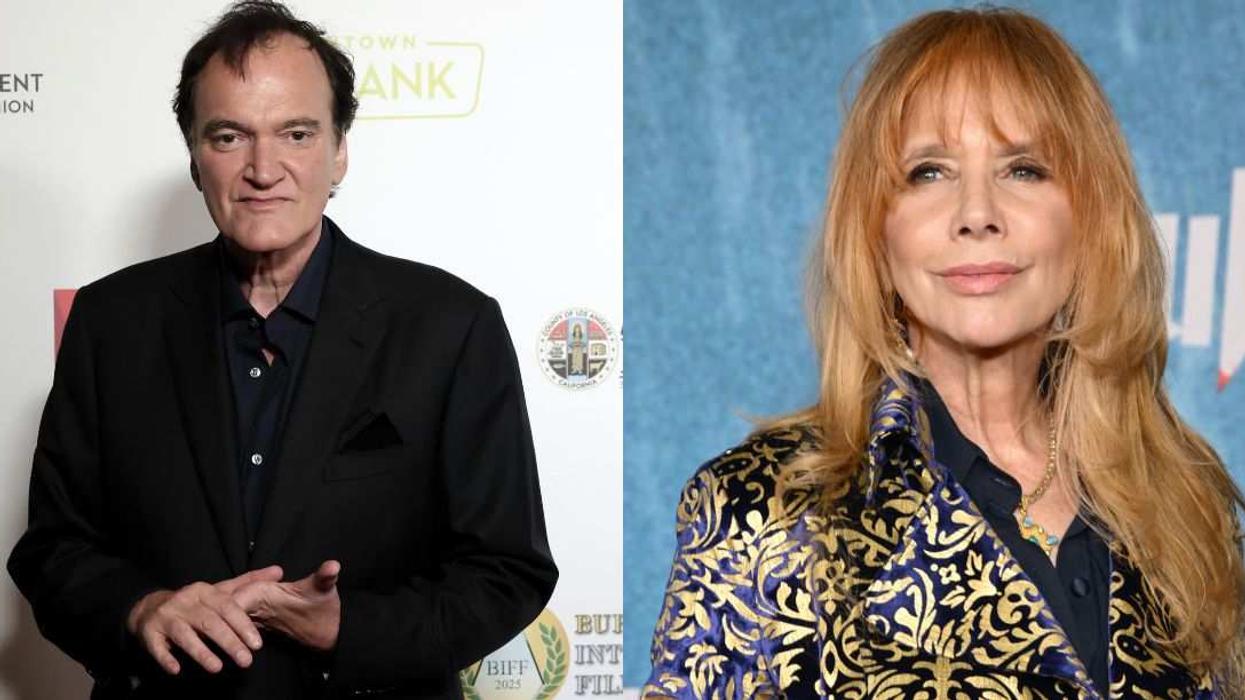

Quentin Tarantino found himself in even deeper hot water after responding to remarks from Pulp Fiction star Rosanna Arquette, who recently discussed the Oscar-winning director’s use of the n-word in his films.
If you need a reminder, Arquette appeared in the 1994 movie as Jody, the wife of Eric Stoltz’s character, Lance, a drug dealer and acquaintance of John Travolta’s Vincent Vega. Her role may have been small, but it was memorable, including the moment when she explains to Travolta why she pierced her tongue.
Speaking to the UK’s Sunday Times in an interview published March 7, Arquette reflected on the film’s legacy while sharing her discomfort with one element of Tarantino’s work.
The 66-year-old actress reminisced:
“It’s iconic, a great film on a lot of levels, but personally, I am over the use of the n-word — I hate it. I cannot stand that [Quentin] has been given a hall pass.”
It’s no secret that Tarantino’s movies, which he writes and directs, are packed with profanity. But the repeated use of the n-word in films like Django Unchained (2012) and The Hateful Eight (2015) has long sparked debate among viewers and critics alike.
To contextualize the criticism, a 2019 report from the Dallas Observer estimated the slur is used roughly 47 times in The Hateful Eight and more than 100 times in Django Unchained.
Arquette didn’t hold back when explaining why the language bothers her:
“It’s not art, it’s just racist and creepy.”
The actor also revealed another reason the film leaves a sour taste for her: she says she was the only member of the cast not to receive a percentage of box-office revenue.
She described her compensation:
“I’m the only person who didn’t get a back end [a share of the takings]. Everybody made money except me.”
Despite the controversy, Pulp Fiction became one of the most influential films of the decade. The movie grossed more than $213 million worldwide on a production budget of under $10 million. It also became the first Miramax film to surpass $100 million at the domestic box office, eventually earning $107.9 million.
And Arquette said she doesn’t blame Tarantino for that situation, instead pointing to the film’s producer, Harvey Weinstein.
She recalled a disturbing encounter with Weinstein in the early 1990s after being invited to discuss a script at the Beverly Hills Hotel. According to Arquette, she was told to go up to Weinstein’s room, where he was waiting in a bathrobe, and he attempted to force her hand onto his genitals.
Arquette is far from the first person to criticize Tarantino’s use of the slur. However, not all of his collaborators agree with the criticism. Samuel L. Jackson, who has appeared in six of Tarantino’s nine films, including Pulp Fiction, Django Unchained, and The Hateful Eight, has repeatedly defended the director’s writing.
Jackson defended Tarantino in a 2019 interview with Esquire:
“You can’t just tell a writer he can’t talk, write the words, put the words in the mouths of the people from their ethnicities, the way that they use their words. You cannot do that, because then it becomes an untruth; it’s not honest.”
Now that Arquette’s comments have reignited the debate, Tarantino has fired back with a pointed response of his own.
The 62-year-old director addressed Arquette in his response letter:
“I hope the publicity you’re getting from 132 different media outlets writing your name and printing your picture was worth disrespecting me and a film I remember quite clearly, you were thrilled to be a part of? Do you feel this way now? Very possibly.”
Tarantino went on to suggest that Arquette’s criticism was opportunistic, framing her comments as a betrayal of the collaborative spirit he believes should exist among actors and filmmakers who worked together on the project.
He continued:
“But after I gave you a job, and you took the money, to trash it for what I suspect is very cynical reasons, shows a decided lack of class, no less honor. There is supposed to be an esprit de corps between artistic colleagues.”
He finished with, “But it would appear the objective was accomplished.”
You can view the letter below:
Quentin Tarantino fires back at "Pulp Fiction" star Rosanna Arquette after she criticized his use of the N-word in movies as "racist and creepy."
"Dear Rosanna,
I hope the publicity you’re getting from 132 different media outlets writing your name and printing your picture was… pic.twitter.com/AZCpBAwGmE
— Variety (@Variety) March 10, 2026
But don’t expect Arquette to respond anytime soon. The actor currently appears in Charli XCX’s mockumentary The Moment, where she plays Tammy, a leather-trousered record label executive determined to squeeze as much money as possible out of her pop star client.
The story follows Charli as she’s pushed into making a concert film with an overbearing director, played by Alexander Skarsgård, who attempts to reinvent the singer as a PG anime character—complete with lime-green hair extensions and a swing performance—regardless of the fallout.
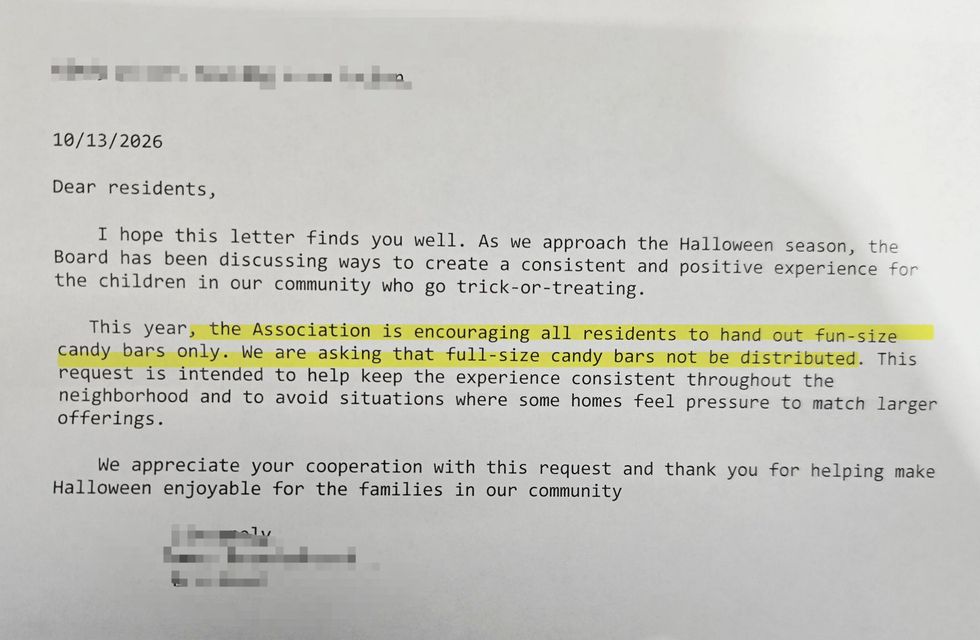
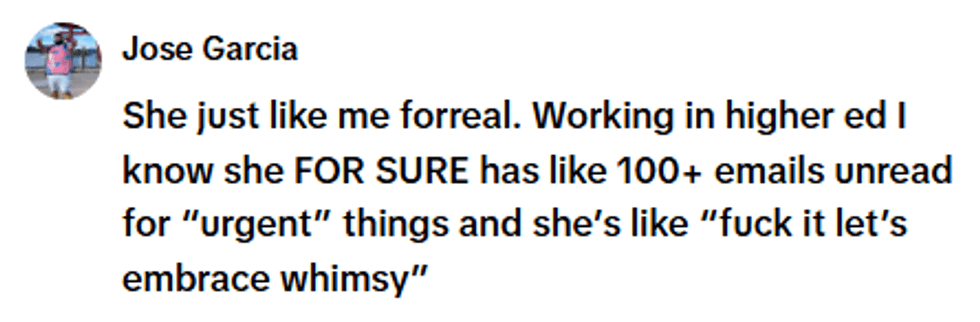
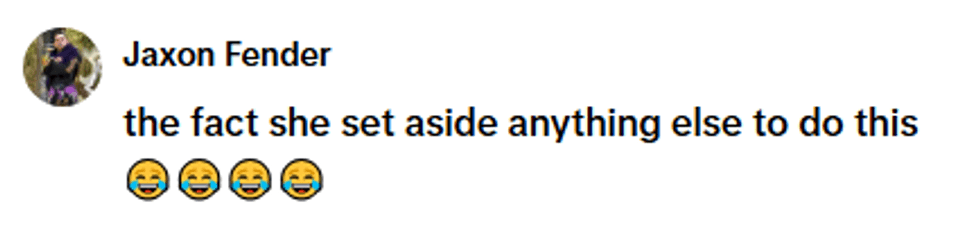
It didn’t take long for Tarantino’s response to circulate online, and many readers weren’t impressed:
The backlash also comes just months after Tarantino sparked another controversy over comments about actors he said he didn’t “care for.” During a December 2025 podcast appearance, the director listed Paul Dano and Matthew Lillard among performers he wasn’t a fan of, a remark that quickly spread across social media.
Lillard later addressed the criticism during an appearance at GalaxyCon Columbus:
“You wouldn't say that to Tom Cruise. You wouldn't say that to somebody who's a top-line actor in Hollywood.”
Notably, Tarantino has not publicly responded to the criticism from Lillard or other male actors who have taken issue with his remarks. His decision to fire back at Arquette, however, has only fueled a fresh round of backlash, with many critics questioning why the director chose to respond so forcefully in this case while remaining silent on similar criticism elsewhere.
For many readers, the exchange has only reignited debate about Tarantino’s long history of controversy, both on and off the screen.



 @MuffinsNsuch/X
 @serena_loscalzo/TikTok
 @serena_loscalzo/TikTok
 @serena_loscalzo/TikTok
 @serena_loscalzo/TikTok
 @serena_loscalzo/TikTok
 @serena_loscalzo/TikTok
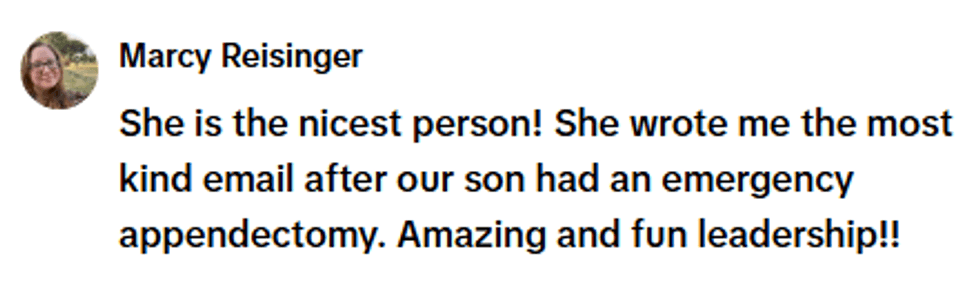 @serena_loscalzo/TikTok
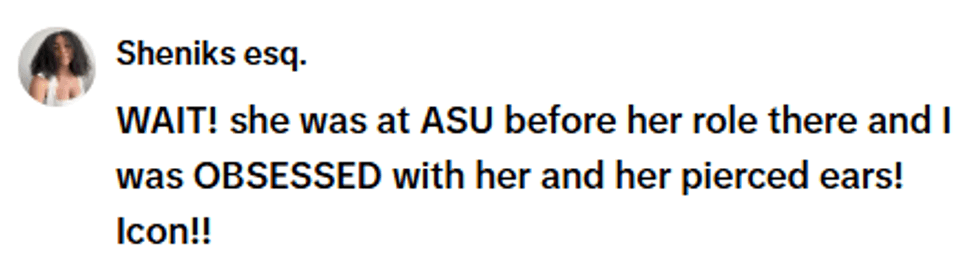 @serena_loscalzo/TikTok
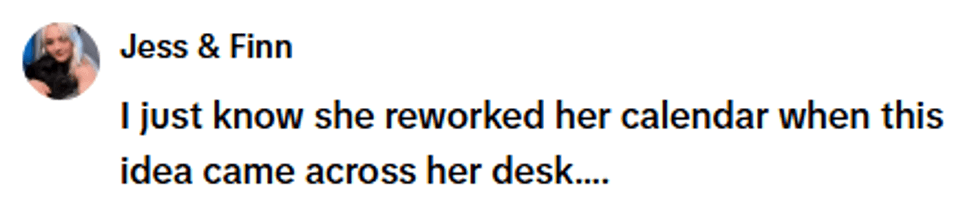 @serena_loscalzo/TikTok
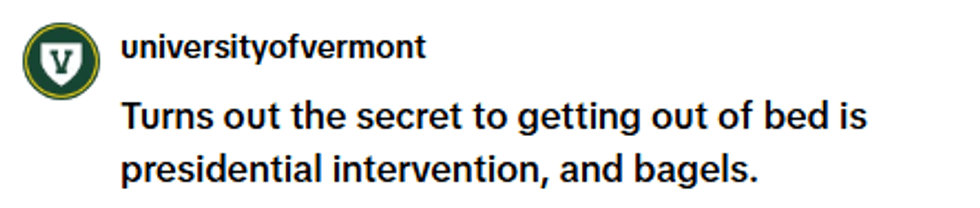 @serena_loscalzo/TikTok
 @itsvictoriavega/TikTok
 @itsvictoriavega/TikTok
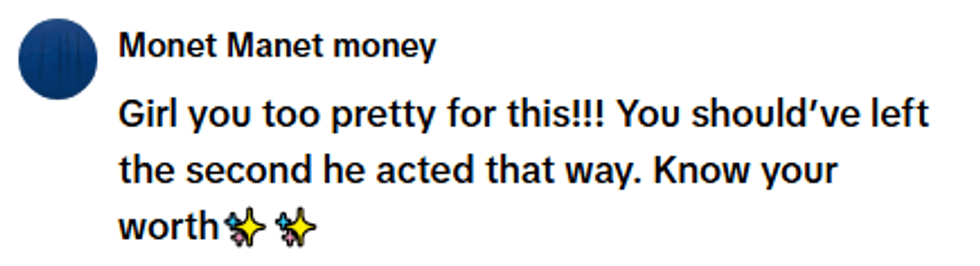 @itsvictoriavega/TikTok
 @itsvictoriavega/TikTok
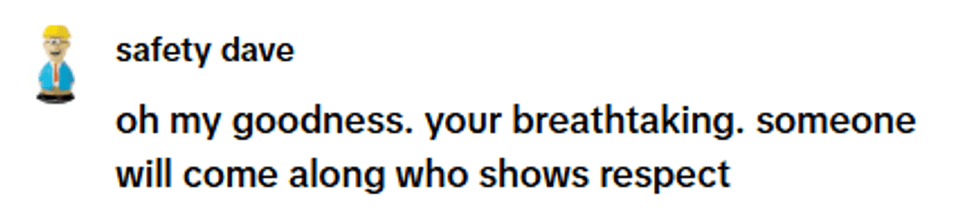 @itsvictoriavega/TikTok
 @itsvictoriavega/TikTok
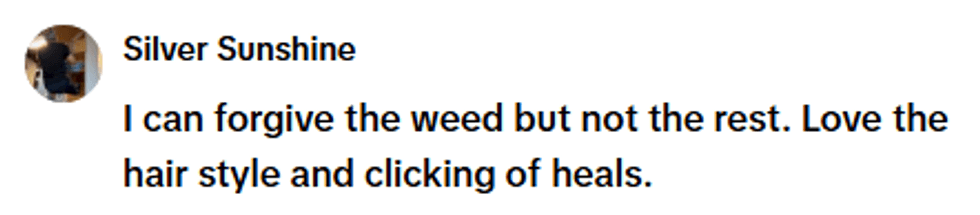 @itsvictoriavega/TikTok
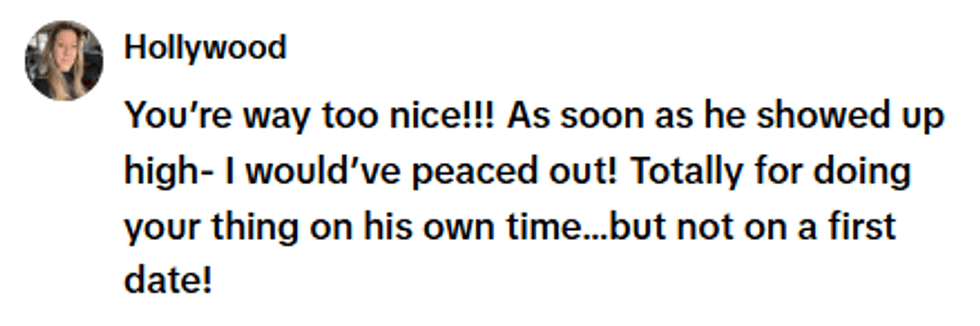 @itsvictoriavega/TikTok
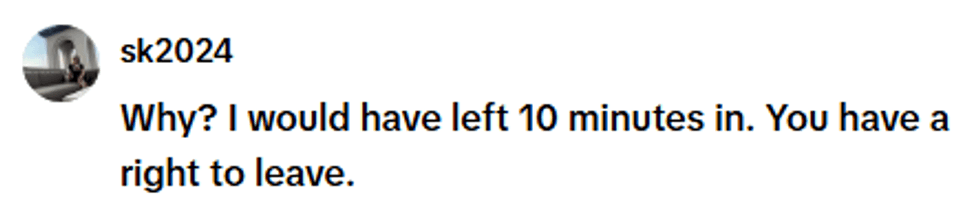 @itsvictoriavega/TikTok
 @itsvictoriavega/TikTok
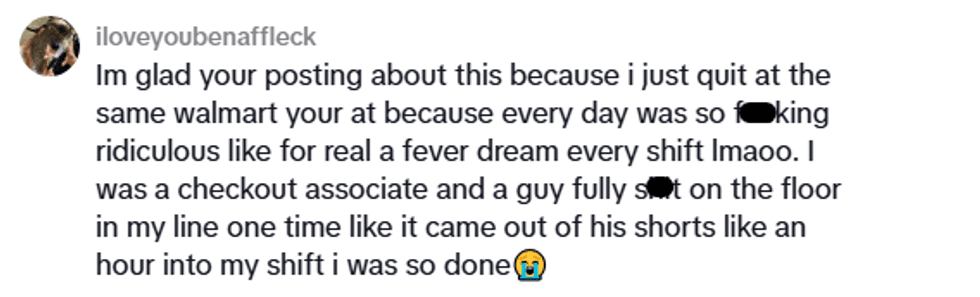 @lolxdlolxdlolxd23455/TikTok
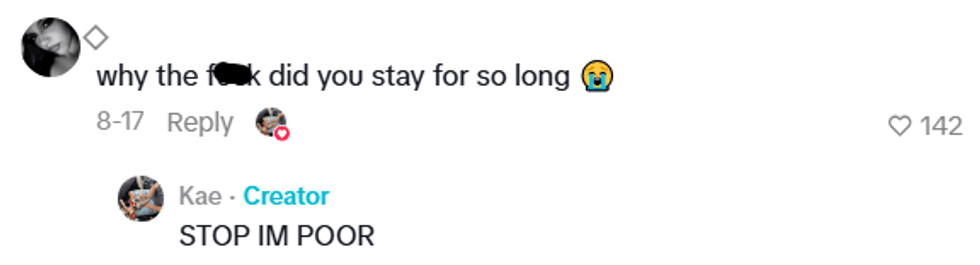 @lolxdlolxdlolxd23455/TikTok
 @lolxdlolxdlolxd23455/TikTok
 @lolxdlolxdlolxd23455/TikTok
 @lolxdlolxdlolxd23455/TikTok
 @lolxdlolxdlolxd23455/TikTok
 @lolxdlolxdlolxd23455/TikTok
 @lolxdlolxdlolxd23455/TikTok
 @lolxdlolxdlolxd23455/TikTok
 @lolxdlolxdlolxd23455/TikTok
Larry David's New Satirical Essay Mocking Democratic Socialists Isn't Sitting Well With People