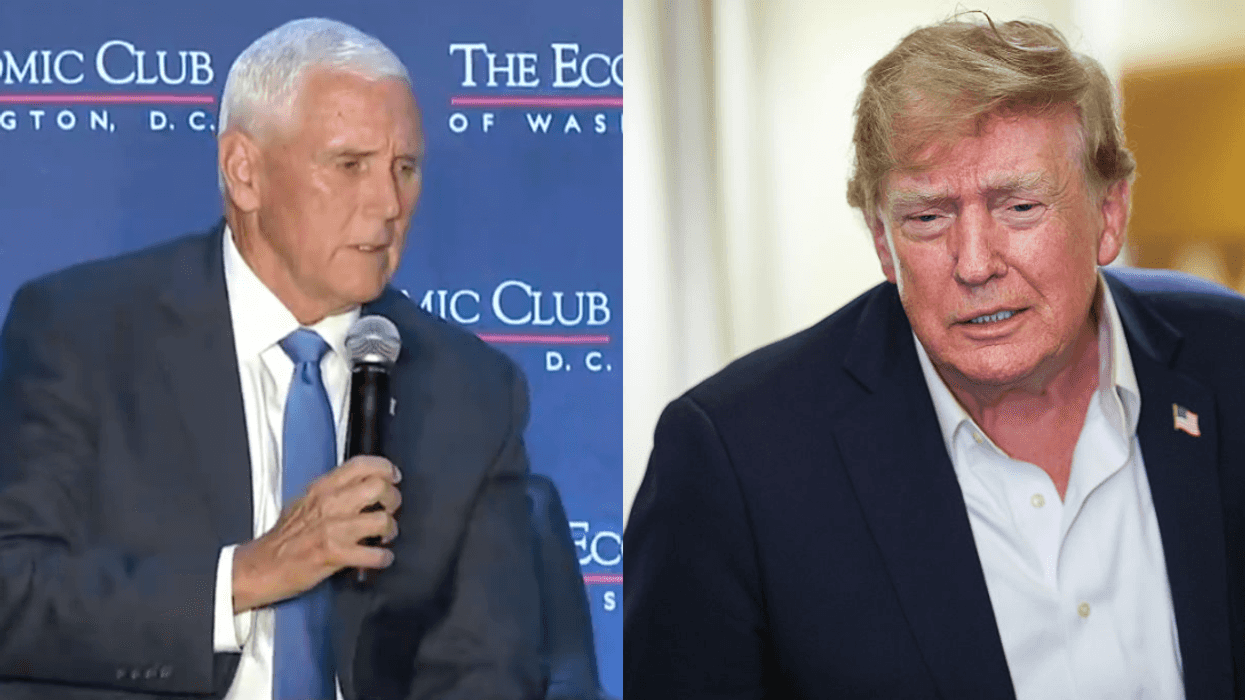

Vice President Mike Pence told the audience during his appearance at the Economic Club of Washington, D.C. that President Donald Trump rejected his offer of "praying" for him following their public rift in the aftermath of the January 6 insurrection.
Pence has long appeared to play both sides, on one hand condemning Trump for pushing the "Big Lie" that the 2020 election was fraudulent, while on the other accusing Democrats of not advocating for election integrity. But he has been out of Trump's good graces for years now since his decision to certify Joe Biden's victory in the 2020 presidential election.
Pence has pushed back against the suggestion that he could have prevented Biden from assuming the presidency. He has argued that he fulfilled his constitutional duty to uphold the process and did not have the authority to personally elect the president, noting that the Constitution clearly states the role of the vice president in opening and counting the electoral votes.
As Trump's supporters stormed the U.S. Capitol in an effort to overturn the election result, then-Vice President Pence was sheltering inside the building with his family, aides, and security detail. During the attack, Trump—who was still posting on Twitter—criticized Pence, writing that he "didn't have the courage to do what should have been done to protect our Country and our Constitution."
Contrary to what Trump may claim, his aides and allies recalled he had initially resisted sending in the National Guard even as rioters grew progressively more violent. His failure to respond has been seen as further evidence that he not only encouraged but ultimately endorsed the attack, and ultimately it was Pence who mobilized the National Guard.
Pence was asked about this decision by a reporter at the event who wondered how it ultimately impacted his relationship with Trump, then and now. Of particular note, the reporter said, is the fact that Pence and Trump have maintained some form of a relationship, having spoken occasionally even after those events.
Pence responded by praising the Trump-Pence administration for fulfilling a wish list of conservative priorities, though he admitted his tenure as vice president "didn't end the way I wanted it to."
He added:
"It was very difficult at the beginning. I tried to carry myself as vice president in such a way that if I had an opinion that was different from the president's, I'd share it with him in private and then I respected, as vice president, the decision the president would make. My oath and the circumstances brought about that very public confrontation." ...
"The president said what needed to be said [condemning the attack later on] and the administration was back on track in my view for its waning weeks but it would be about five days before I'd be approached by a couple of members of the family who asked if I'd be willing to sit down with the president." ...
"We sat down—it was five days later—we talked through all of it and during that time it was a surprise sometimes—and you know the president well— ... The president was very contrite at that time, I think he was, in many ways, saddened how it had come about."
After saying he and Trump spoke "just about every day" in the final days of the first Trump administration, he revealed Trump's telling response:
"I'll never forget particularly a moment I was in that back dining room, just off the Oval Office. He seemed downcast as he had since that sixth day of January."
"And I looked at him as I got up from our meeting and I said, 'Mr. President, I want you to know.' I said, 'I'm praying for you.' And he looked at me, and he said, 'Don't bother.'"
You can hear what he said in the video below.
That response is peak Trump—especially when you consider what would happen down the road.
In one of his first official actions upon returning to office, Trump granted sweeping clemency to nearly 1,600 people charged in connection with the riot. He issued pardons to most defendants and commuted the sentences of 14 members of the Proud Boys and Oath Keepers militia, many of whom had been convicted of seditious conspiracy.
Trump has previously described the rioters as “hostages” and victims of an unfair legal system. Despite the violent nature of the attack—including assaults on police officers, property destruction, and threats against Pence—he has continued to portray the events as largely peaceful protests.
No one was surprised.
Trump has previously struggled to explain his "personal relationship" with God, so we highly doubt Pence's prayers would have done much in hindsight.
 @hannahhrevels/TikTok
 @hannahhrevels/TikTok
 @hannahhrevels/TikTok
 @hannahhrevels/TikTok
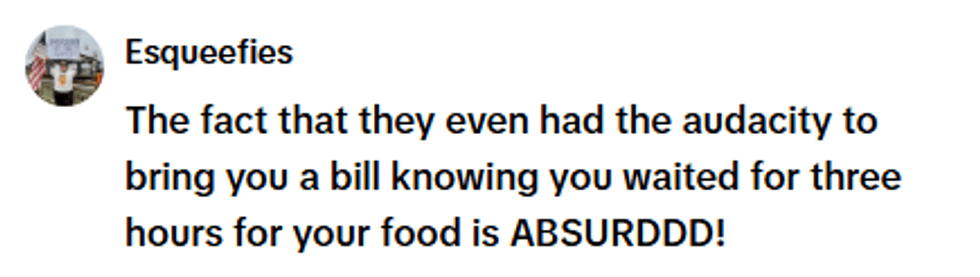 @hannahhrevels/TikTok
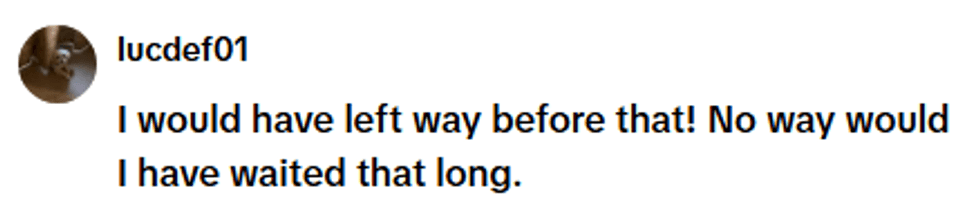 @hannahhrevels/TikTok
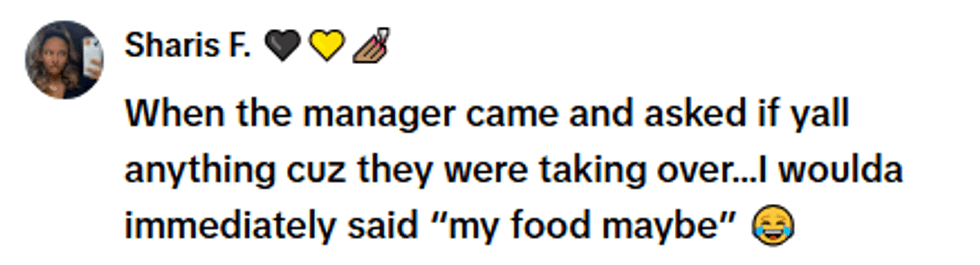 @hannahhrevels/TikTok
 @hannahhrevels/TikTok
 @hannahhrevels/TikTok
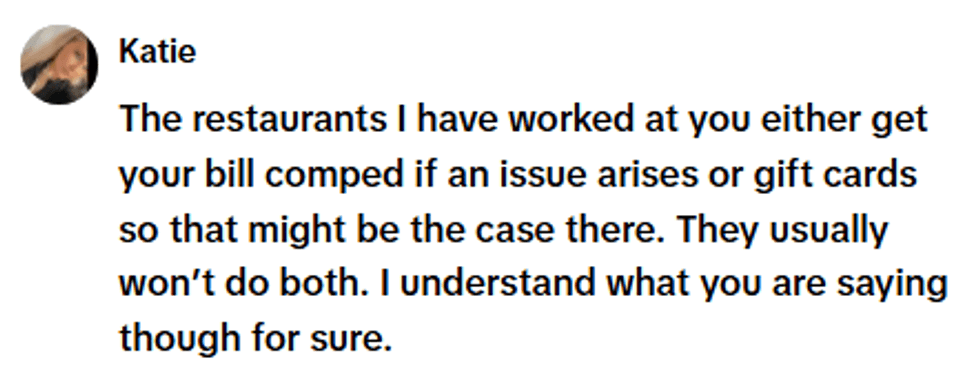 @hannahhrevels/TikTok
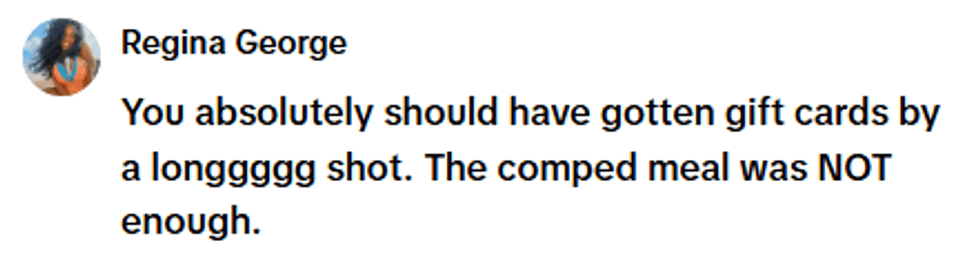 @hannahhrevels/TikTok
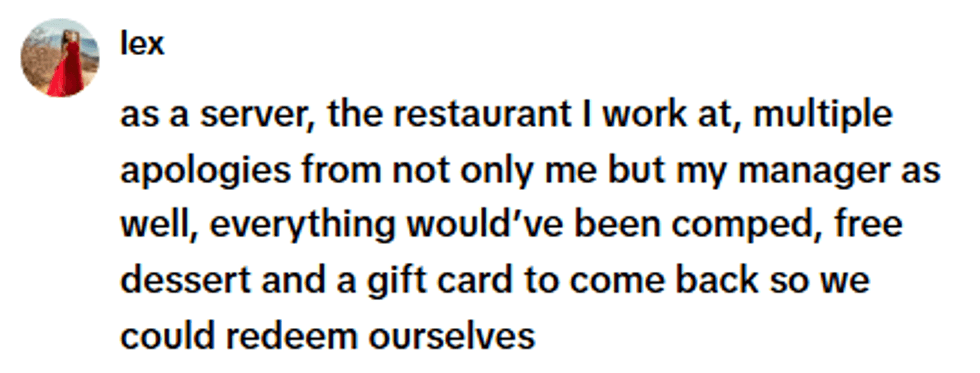 @hannahhrevels/TikTok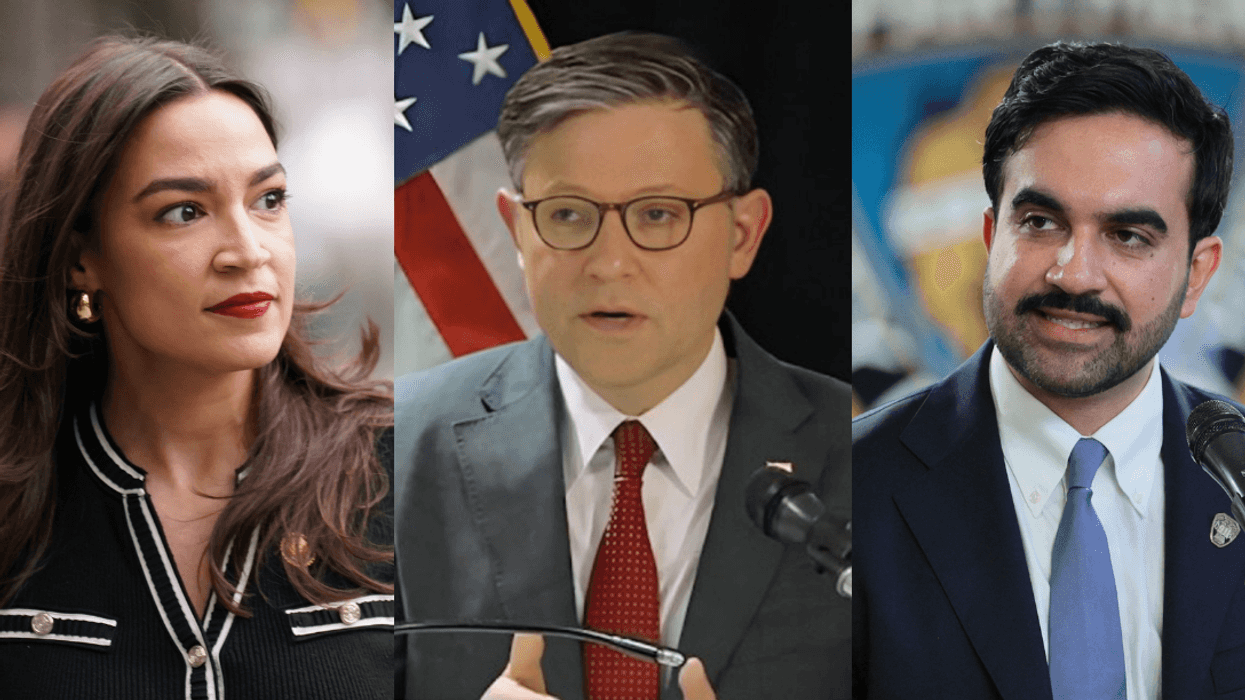
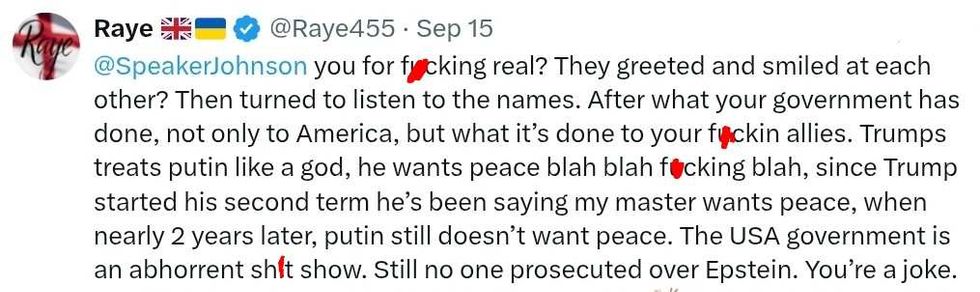 @Raye455/X
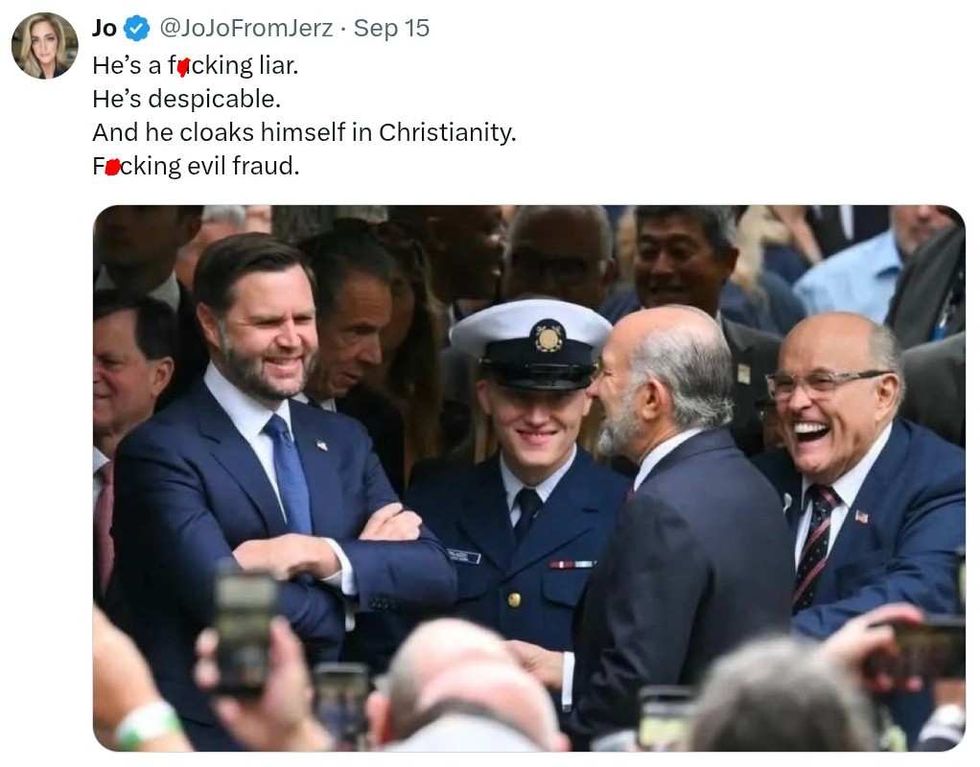 @JoJoFromJerz/X
 @phlynnmartin/TikTok
 @phlynnmartin/TikTok
 @phlynnmartin/TikTok
 @phlynnmartin/TikTok
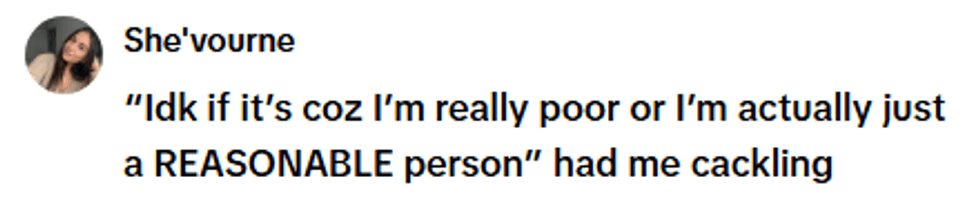 @phlynnmartin/TikTok
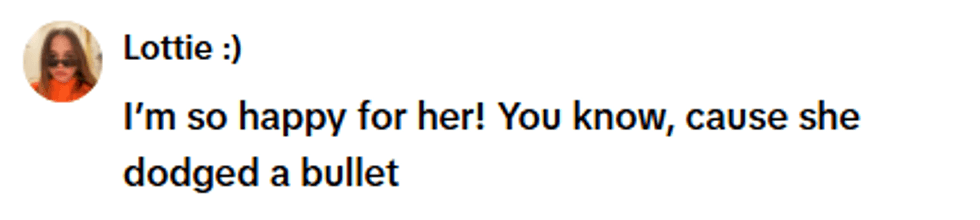 @phlynnmartin/TikTok
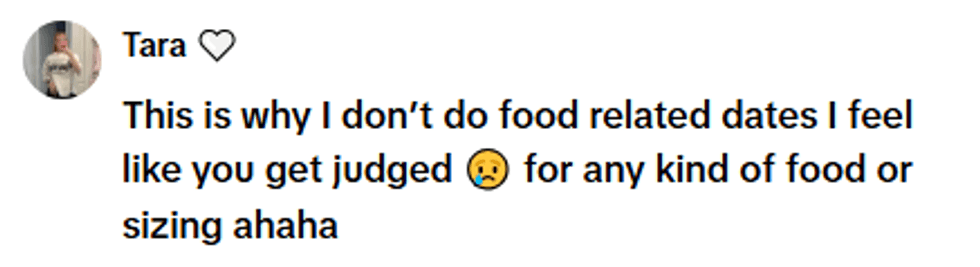 @phlynnmartin/TikTok
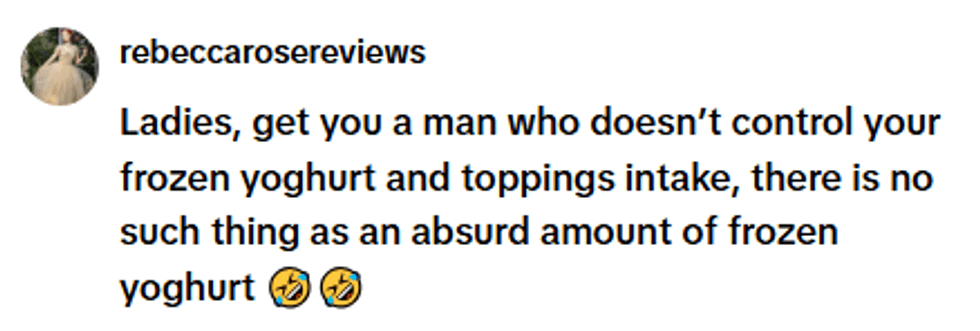 @phlynnmartin/TikTok
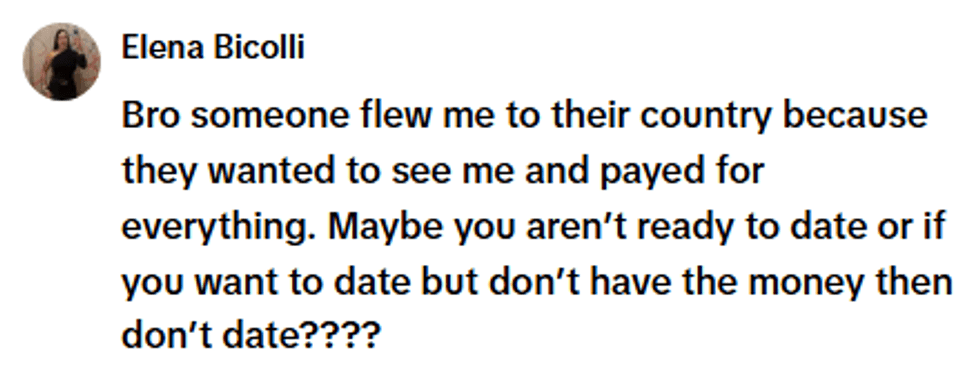 @phlynnmartin/TikTok
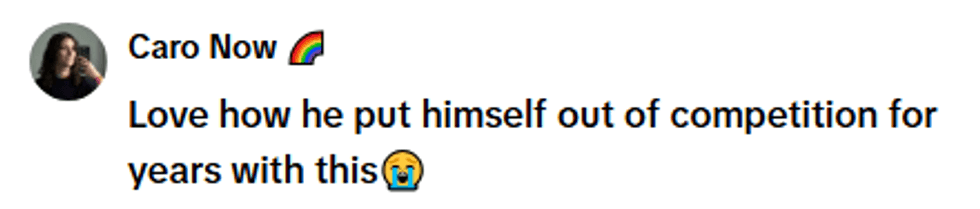 @phlynnmartin/TikTok
 @phlynnmartin/TikTok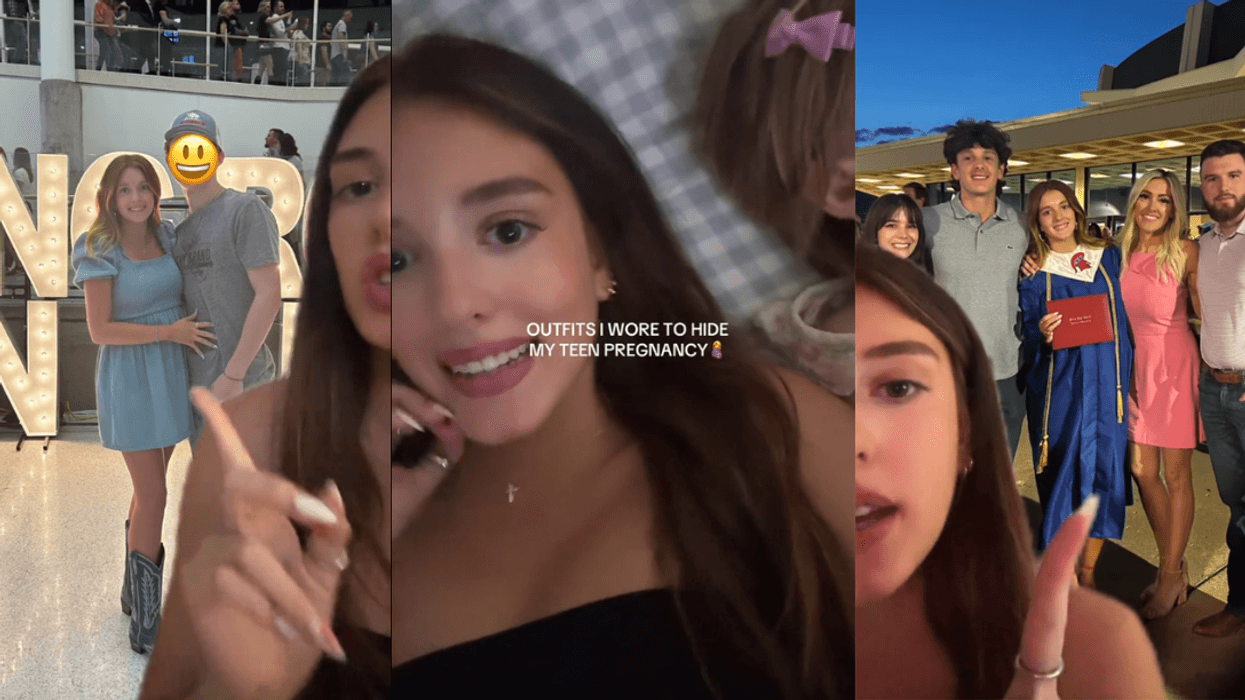
 @sailors.mama/TikTok
 @sailors.mama/TikTok
 @sailors.mama/TikTok
 @sailors.mama/TikTok
 @sailors.mama/TikTok
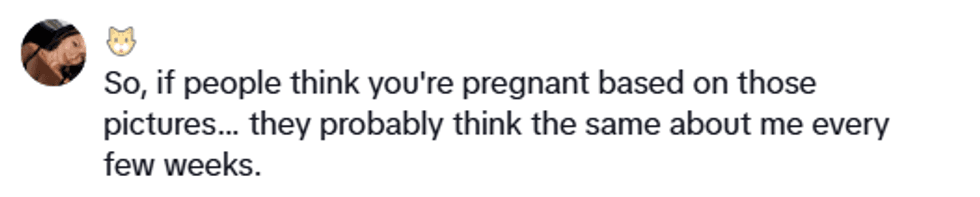 @sailors.mama/TikTok
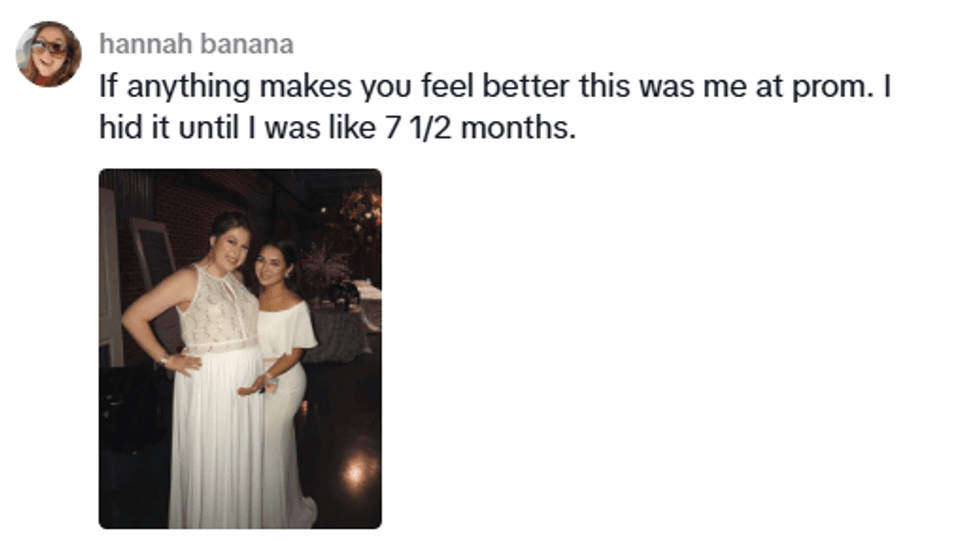 @sailors.mama/TikTok
 @sailors.mama/TikTok
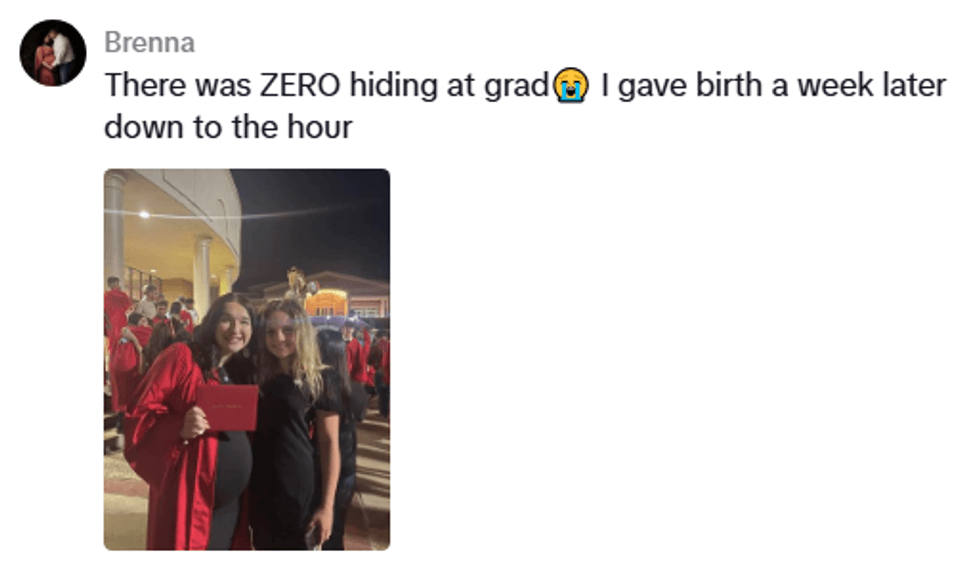 @sailors.mama/TikTok
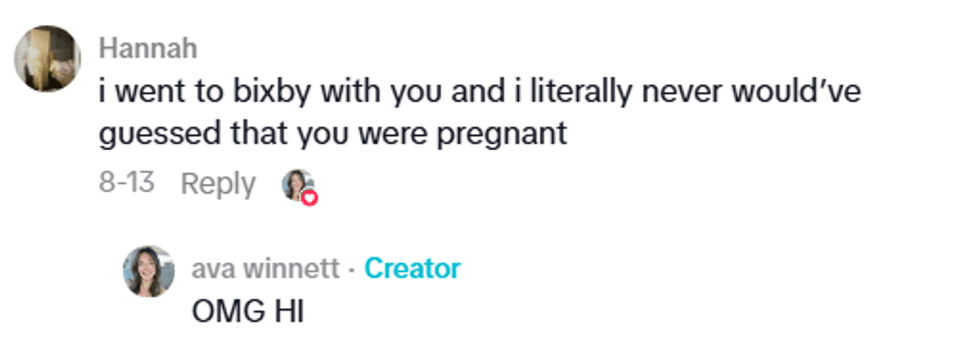 @sailors.mama/TikTok
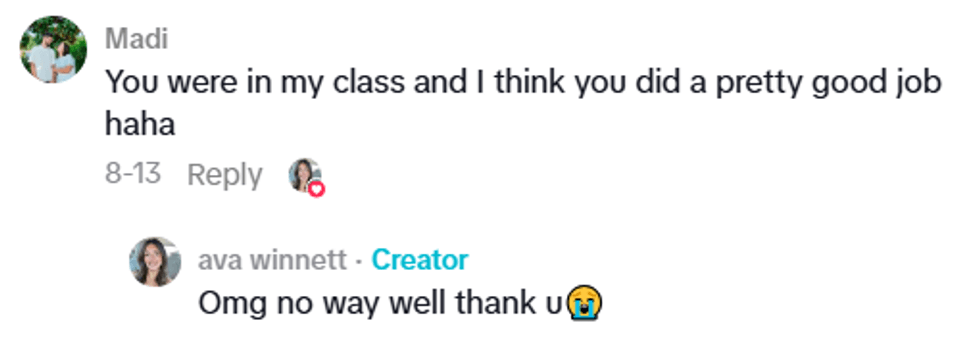 @sailors.mama/TikTok
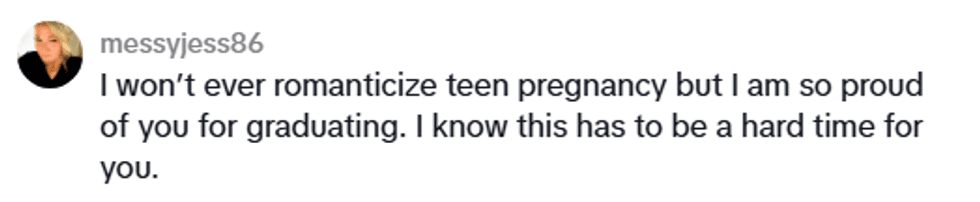 @sailors.mama/TikTok