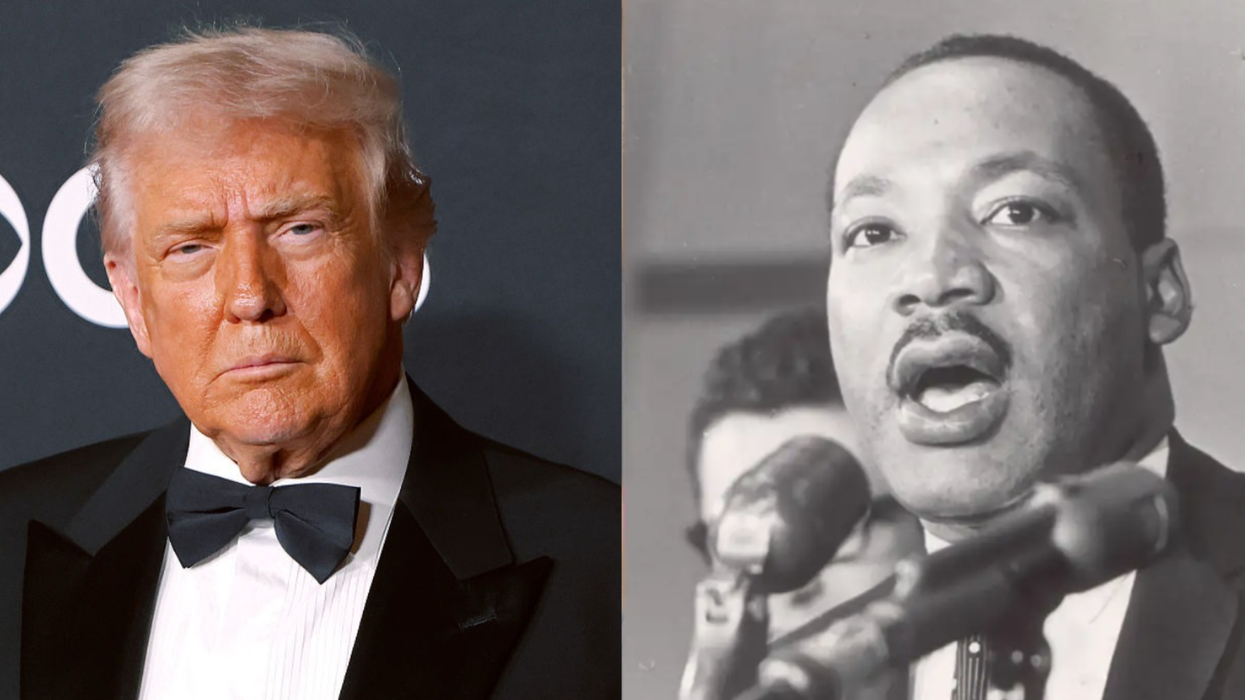
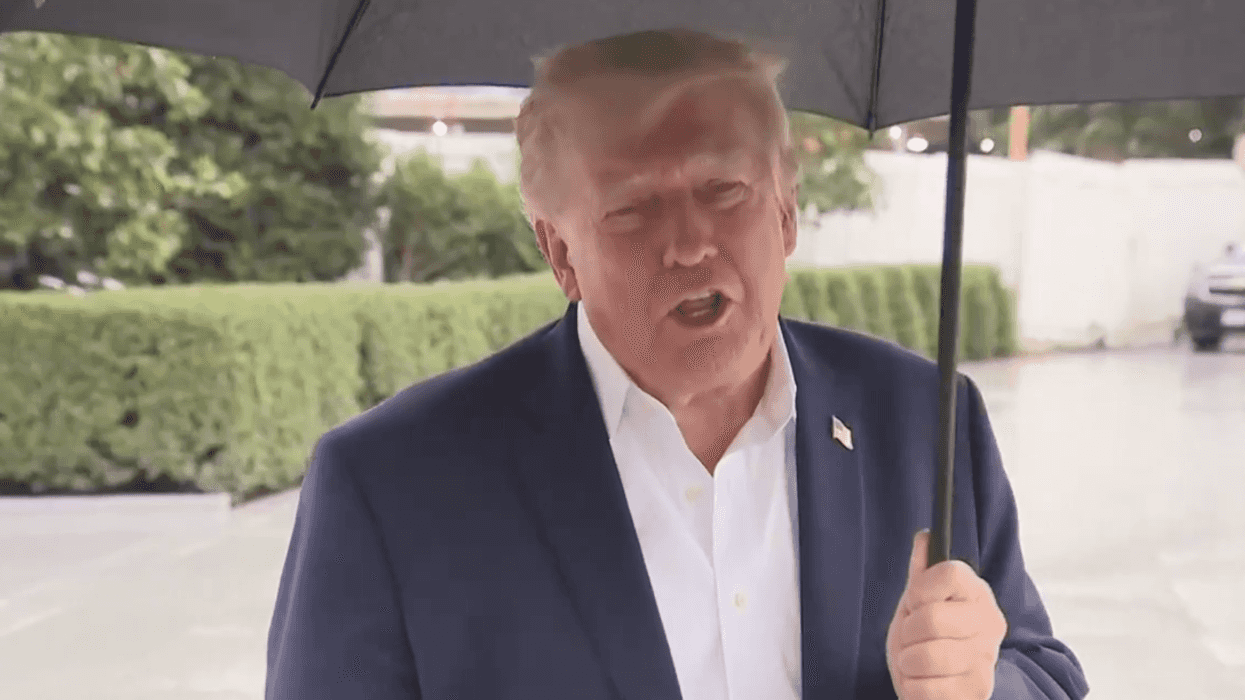
President Donald Trump was criticized after the National Park Service announced it will be dropping Martin Luther King Jr. Day and Juneteenth for next year's calendar of free-entry days and adding Trump's birthday, which happens to fall on Flag Day, on June 14.
Last month, the Department of the Interior unveiled changes to what it now calls its “resident-only patriotic fee-free days,” expanding the calendar to include new dates like the Fourth of July weekend and President Theodore Roosevelt’s birthday, while dropping others that had honored the department itself, including the Bureau of Land Management’s anniversary.
Under the revised policy, only U.S. citizens and legal residents will qualify for free entry. Visitors from outside the country will still be required to pay regular admission, and at some parks could face an additional surcharge of up to $100 per person aged 16 and older.
Although both Martin Luther King Jr. Day and Juneteenth have appeared on the fee-free calendar for at least the last two years, the timing of the new policy shift coincides with the Trump administration’s wider campaign to dismantle diversity, equity, and inclusion programs across the federal government.
Martin Luther King Jr. Day is observed on the third Monday of January each year. King was the chief spokesperson for nonviolent activism in the Civil Rights Movement, which protested racial discrimination in federal, state and local law.
King participated in and led marches for the right to vote, desegregation, labor rights and other civil rights. His actions—particularly as the first president of the Southern Christian Leadership Conference (SCLC)—achieved pivotal legislative gains in the Civil Rights Act of 1964, Voting Rights Act of 1965 and the Fair Housing Act of 1968.
King’s proposals run directly counter to incrementalism, which he considered an intellectually dishonest method of affecting social change.
Juneteenth is derived from June 19, 1865, when Union troops led by General Gordon Granger arrived in Galveston, Texas, and declared that all enslaved African Americans in the state were free.
Although the Emancipation Proclamation had gone into effect on January 1, 1863—freeing enslaved people in Confederate states—its enforcement depended on the advance of Union forces. Despite the Civil War ending in April 1865, news and enforcement of emancipation reached the westernmost Confederate state only months later.
While some enslavers in Texas were aware of the Proclamation, it wasn’t until Union troops arrived that the order was meaningfully enforced. Juneteenth commemorates the end of slavery in rebelling states—not nationwide emancipation, which came later with the ratification of the 13th Amendment.
Trump—who has been accused of racism many times—was swiftly called out.
Earlier this year, Trump faced criticism after he took to Truth Social on Juneteenth to whine about the number of "non-working holidays" Americans get, claiming that it costs businesses "billions of dollars."
Trump claimed that "soon we'll end up having a holiday for every once working day of the year" and insisted "it must change if we are going to, MAKE AMERICA GREAT AGAIN!"
This is coming from the same guy who once had a federal lawsuit filed against him in the 1970s alleging his real estate company had a policy of not renting to Black tenants, so let's not act too surprised here.
 @alicecharney/Instagram
 @florencepugh/Instagram
 @florencepugh/Instagram
 @joshgad/Instagram
 @wordclown/Threads
 @hudsonwilliamsofficial/Instagram
 @jameelajamil/Instagram
 Rae Markus/Facebook
 Jason Thomas/Facebook
 Terree Hautman Newberry/Facebook
 Judy Tyler/Facebook
 Cat Degges/Facebook
 Susie Doran/Facebook
 Matthew J Bushman/Facebook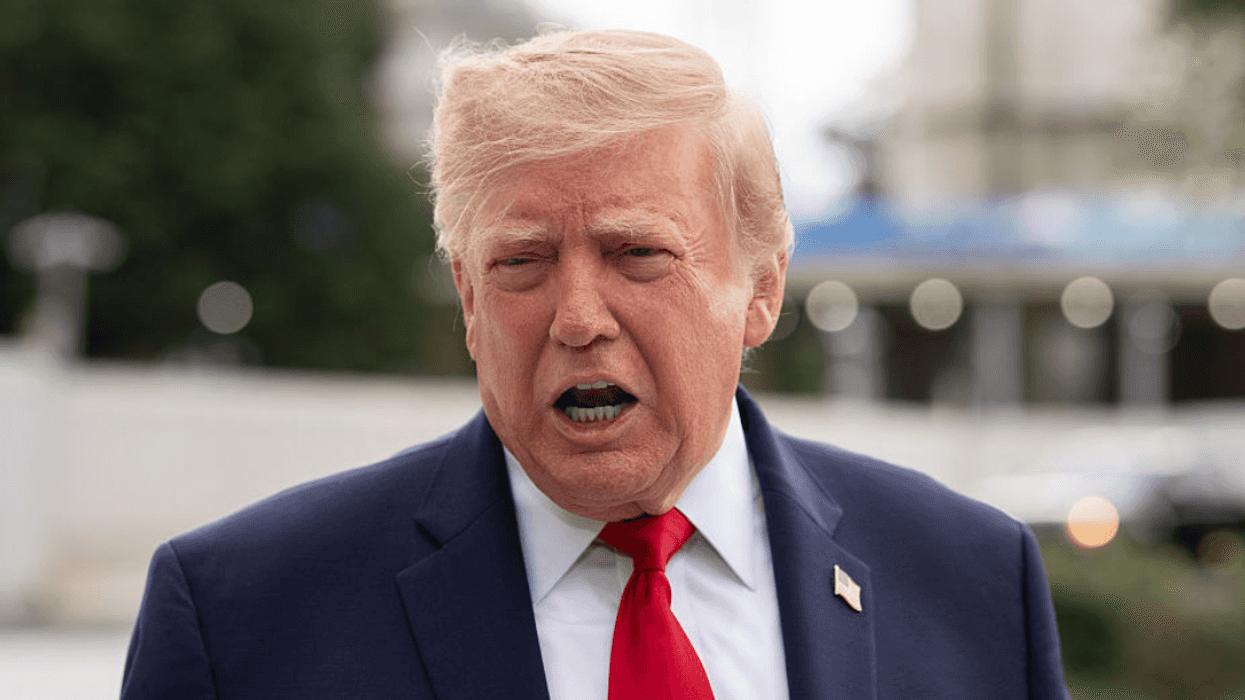
 @ddale8/X
 @ddale8/X
 @ddale8/X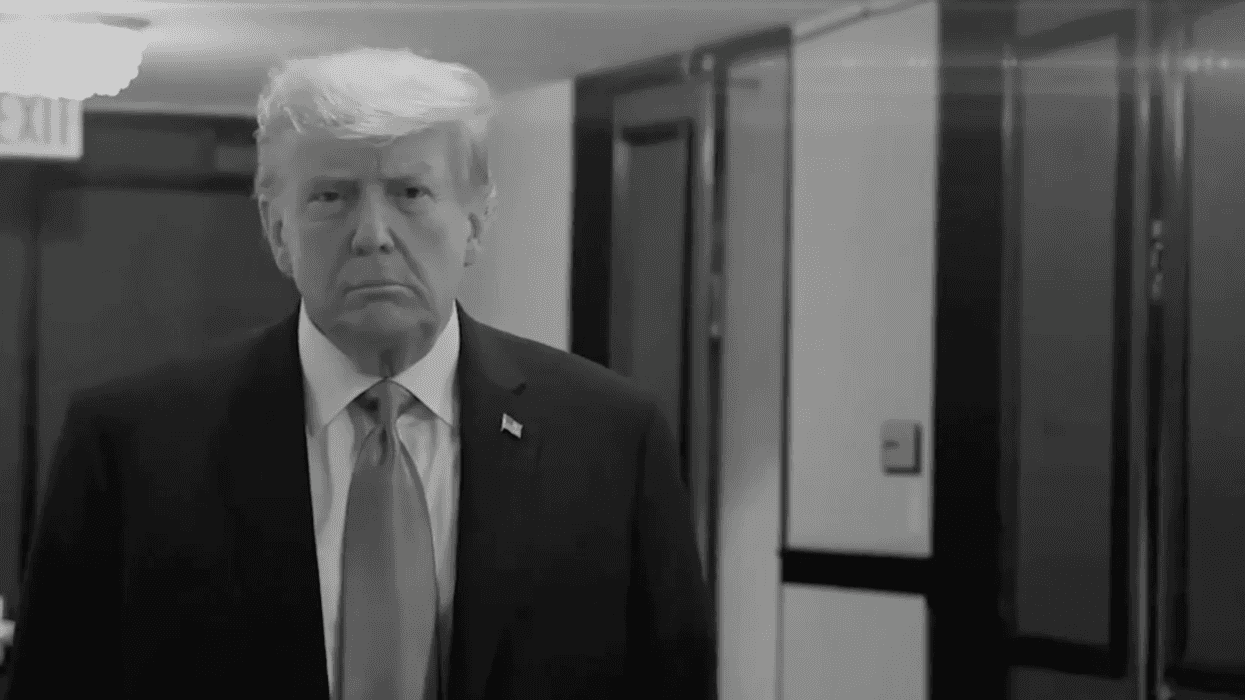
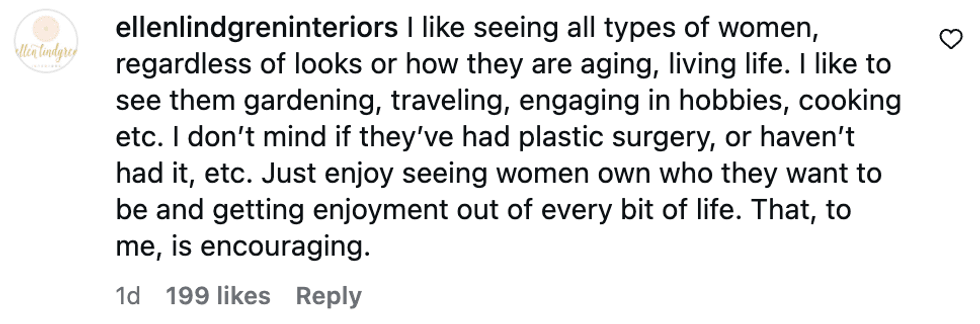 @ellenlindgreninteriors/Instagram
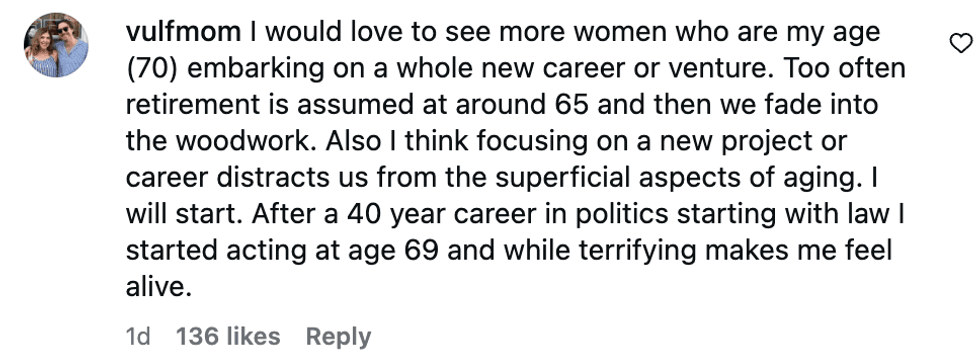 @vulfmom/Instagram
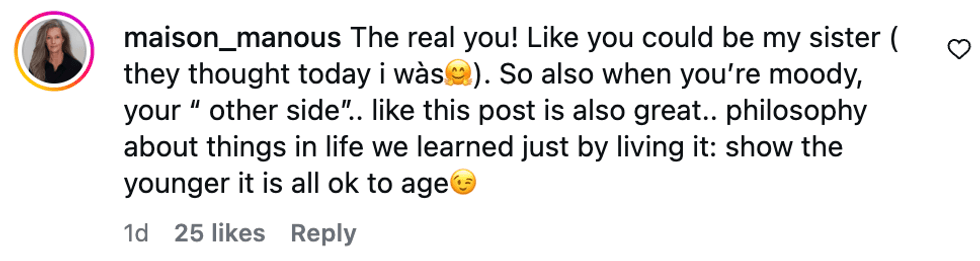 @maison_manous/Instagram
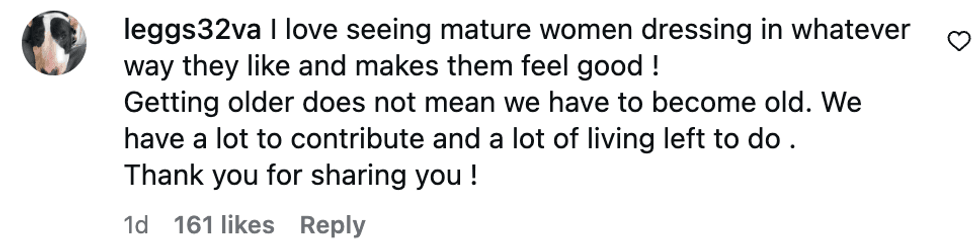 @leggs32va/Instagram
 @paulavaleriafridman/Instagram
 @holisticcolortherapist/Instagram
 @thelykkeviking/Instagram
 @joolz65/Instagram
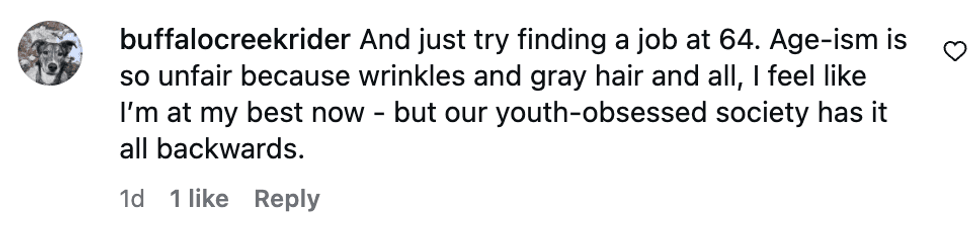 @buffalocreekrider/Instagram
 @healinghomescaping/Instagram
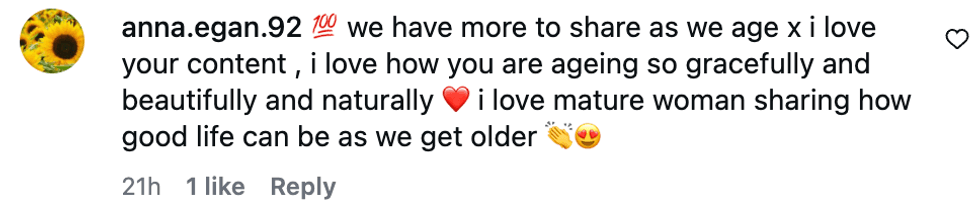 @anna.egan.92/Instagram
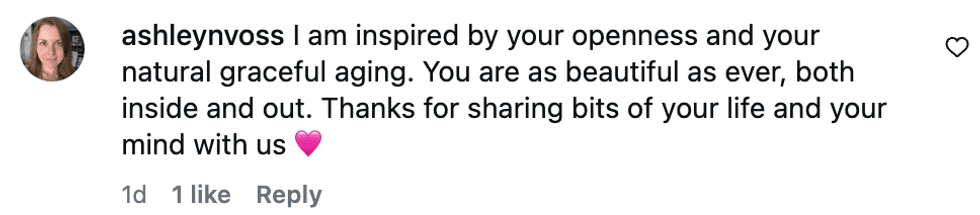 @ashleynvoss/Instagram