
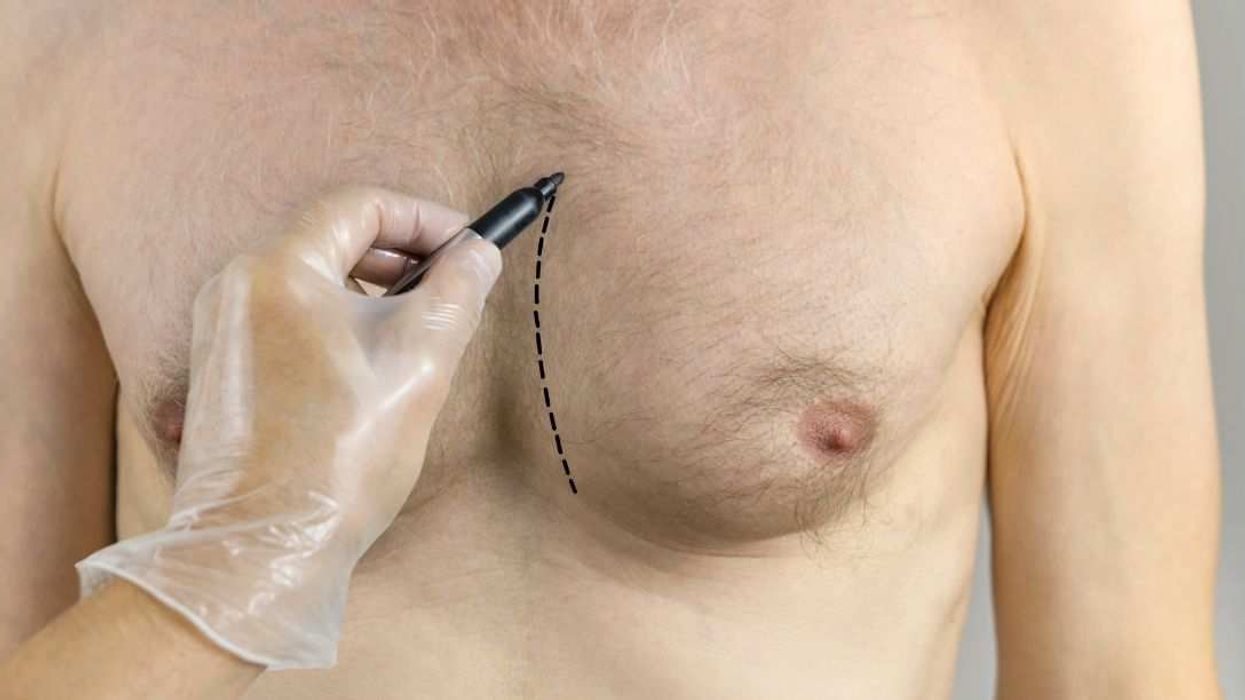

An article published by the New York Post gained widespread attention this week after interviewing cisgender men who sought breast reduction surgery to alleviate years of discomfort and embarrassment.
What started as a fluffy medical story quickly transitioned to larger conversations about gender-affirming care and the glaring double standard of when transgender people pursue the same procedure.
One of the men featured was Brooklyn resident Brian Lewis Gonzalez, who spent much of his youth trying to hide the breast tissue that made him the target of constant teasing. Gynecomastia affects millions of men, yet it is often dismissed as a joke or treated as something to be endured in silence.
Gonzalez remembered summers spent avoiding anything that required a Men’s Health magazine level of confidence:
“There were summers that I would wear two shirts just to feel comfortable enough to go outside, even if it was 100 degrees. And that was even when I wasn’t that heavy.”
After a painful breakup in his twenties, his weight climbed to 300 pounds.
The change intensified his chest growth and deepened his isolation:
“The additional weight made it much worse. It looked very much like a pair of women’s breasts. It was tough to socialize. It was tough to do anything.”
Even after losing more than 100 pounds, gynecomastia remained a daily frustration. In 2021, he decided it was time for a permanent solution. He took out loans and paid $10,000 for surgery.
Post-surgery, he revealed:
“It changed my life. I had to get used to walking with my chest out and having confidence. Before, it felt like I was carrying around a big bag of rocks—that’s what my gynecomastia was.”
Stories like his are becoming far more common. The American Society of Plastic Surgeons reported 26,430 male breast reductions in 2024, a significant rise from 2019. Gynecomastia often appears during puberty, but for many men, it never goes away.
Dr. Claudia Kim, chief medical officer and lead surgeon at New Look New Life in Manhattan, has watched demand grow steadily:
“Since 2020, I’ve definitely seen a steep increase in men doing consultations and going forward with gynecomastia surgery.”
Another story in the Post came from 32-year-old radio host Kelbin Ramirez, who recalled trying to make peace with the chest he developed as a teenager but never succeeded.
Ramirez revealed:
“I tried to wear stuff that I really liked … but at the end of the day, under the clothes, they were always there. And I always felt it.”
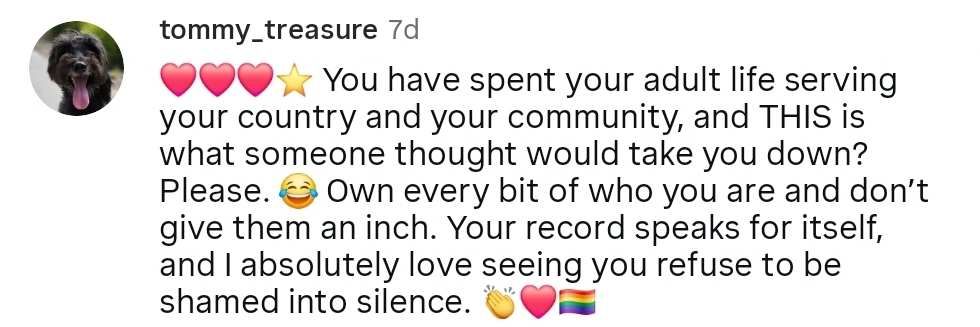
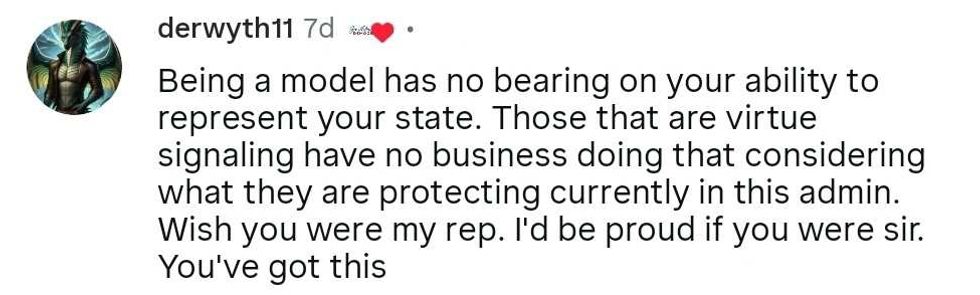
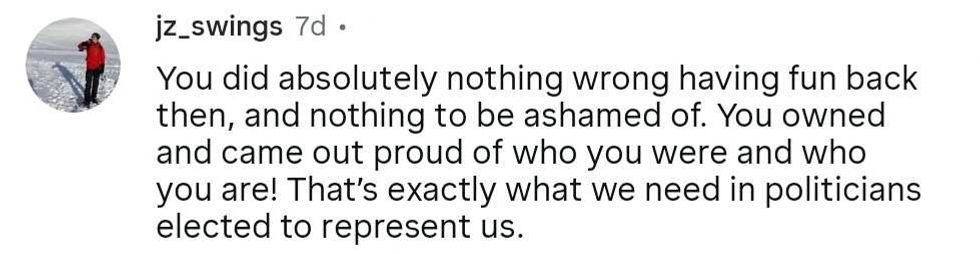
These candid and sympathetic accounts resonated across social media, where some readers responded with support but also sharp questions about fairness.
But many also pointed out that the surgery described in the Post is exactly the procedure known as top surgery, which transgender men and some nonbinary people seek for similar reasons. In both cases, surgeons remove breast tissue to bring someone’s body closer to how they understand themselves and to relieve emotional and physical distress.
As one viral comment put it:
“If you support this for cis men, congratulations. You already support gender affirming care. You just don’t think trans people deserve it.”
For transgender people, top surgery is frequently framed as just a political statement or something elective rather than a path to comfort.
Yet the men in the article describe the same feelings of fear, shame, and longing for the comfort and relief that trans patients have expressed for years. Studies continue to show low regret rates for gender affirming procedures, including top surgery, which makes the contrast in how these groups are treated even clearer.
As the story continued to spread, readers clapped back and shaded the same point: it is celebrated when cisgender men pursue this surgery, but condemned when transgender people seek the same outcome.
From the social media reactions, it’s clear this debate sits at the center of the viral response. If breast removal is seen as empowering for a cis man, why is a transgender man called misguided or dangerous for wanting that same relief?
Not to mention, the loudest critics in the room gain pleasure in using words to describe the procedure as “mutilation,” while conveniently supporting identical surgeries for cisgender men. That contradiction simply shows that the disapproval and judgment are not about the medical procedure itself, but about which bodies a close-minded society chooses to affirm and protect.
Civil rights also shape this conversation, highlighting how the 14th Amendment promises equal protection under the law, no matter who someone is. And needless to say, limiting access to top surgery for transgender adults, while tens of thousands of cis men receive the same procedure without question, exposes how uneven current policies have become.
What the Post story revealed, beyond Gonzalez and Ramirez's transformations, is how closely these experiences reflect one another. Whether cisgender or transgender, all people have the right to feel comfortable in their bodies and their own identity. They seek relief from daily insecurities and pain. They desire a life where simple activities do not cause dread or judgment.
The public response makes that connection clear and reminds us that compassion should extend to everyone, not hinge on chromosomes or bias.









 reply to @_gallantny/Instagram
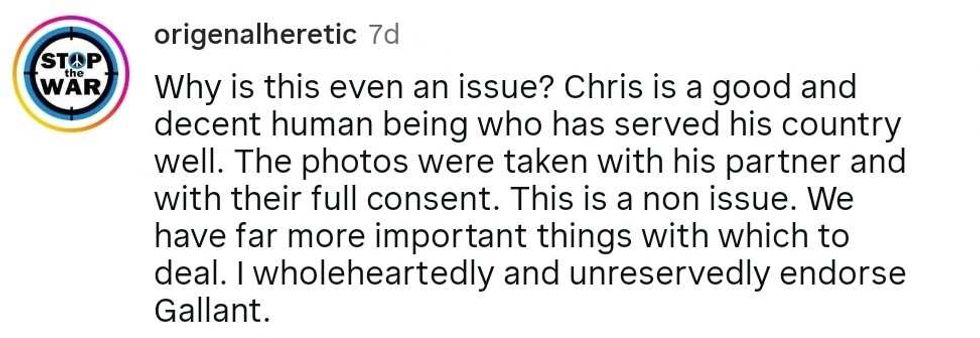 reply to @_gallantny/Instagram
 reply to @_gallantny/Instagram
 reply to @_gallantny/Instagram
 reply to @_gallantny/Instagram
 reply to @_gallantny/Instagram
 reply to @_gallantny/Instagram
 reply to @_gallantny/Instagram
 reply to @_gallantny/Instagram
 reply to @_gallantny/Instagram
 reply to @_gallantny/Instagram
 @HouseGOP/X