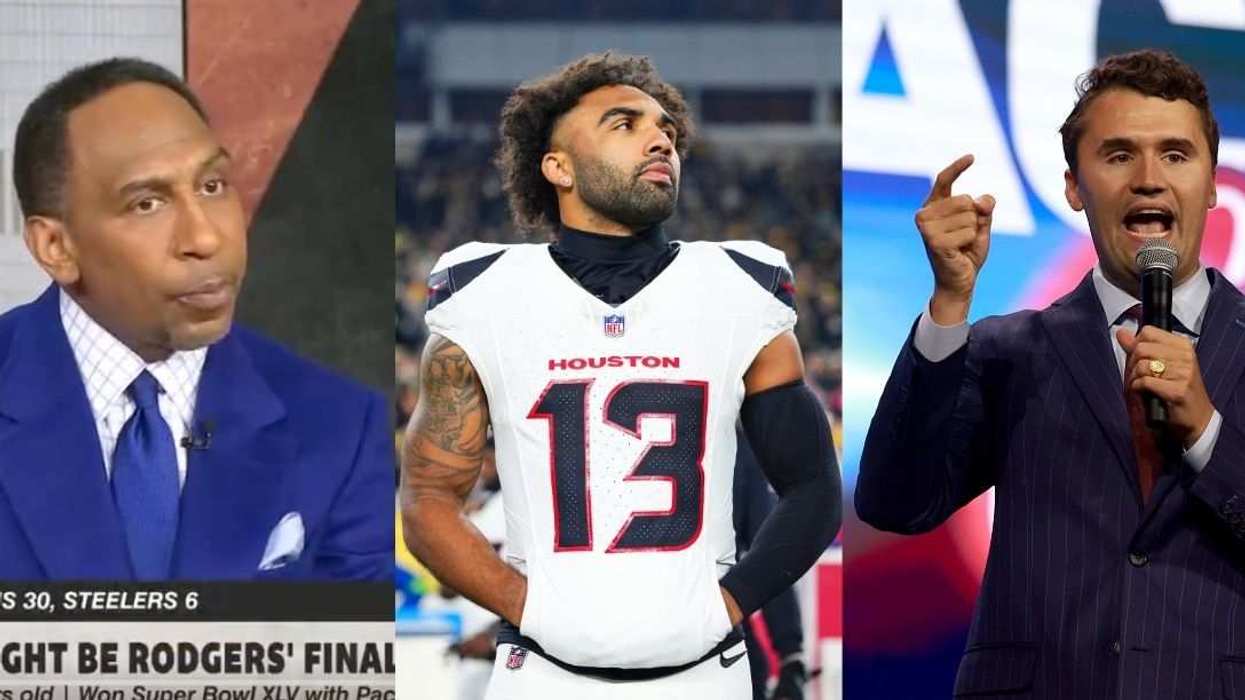

In an awkward moment that felt less like a harmless, maybe Freudian slip of some sort and more like an unfiltered tell on himself, ESPN star Stephen A. Smith found himself in hot water after confusing Houston Texans wide receiver Christian Kirk with radical right-wing political activist Charlie Kirk during a live broadcast of First Take.
The gaffe occurred Tuesday morning as Smith recapped the Texans’ dominant 30–6 playoff win over the Pittsburgh Steelers. While highlighting what was meant to be a key performance by Kirk, Smith instead invoked a name far outside the football universe.
The moment that stopped the segment cold:
“We saw Charlie Kirk catch eight receptions for 144 yards.”
Host Shae Peppler Cornette immediately corrected him, prompting a visibly rattled recovery.
Smith rushed to sloppily clean it up:
“I'm sorry. Christian. I apologize. I apologize. Oh my God. Christian Kirk.”
The clip, shared by Awful Announcing on X, quickly went viral, racking up more than 11 million views in a matter of hours.
You can watch the moment below:
ESPN later uploaded the full First Take segment to YouTube, though Smith’s misstatement appeared to be edited out.
Christian Kirk is an eight-year NFL veteran and a two-time Pro Bowler playing his first season with Houston. While his regular-season production dipped—28 receptions for 279 yards and one touchdown—he provided stability during the Texans’ postseason opener and is currently working to clear concussion protocol ahead of the divisional round.
Christian’s team faces the New England Patriots next Sunday, continuing a rare run of playoffs built more on defensive control than offensive perfection. But that convincing performance seemed to be briefly overshadowed by Smith’s verbal stumble, which carried added weight given his own history speaking forcefully about Charlie Kirk.
And for those who don’t recall, following Kirk’s assassination at a Turning Point USA event in September 2025, Smith was very outspoken in condemning those who celebrated the death, arguing that political disagreement never justified reveling in violence.
Smith condemned the reaction in blunt terms:
“I don’t care what his political beliefs were. I don’t care what he felt. That he’s dead at the age of 31. That his wife is a widow. That his children are fatherless because his ideas and his beliefs differed from somebody else, apparently. And then I’m going online, and I’m seeing people celebrating it. Shame! Shame on you!”
Smith would go on to expand that condemnation into a nearly 16-minute on-air monologue.
You can view it in full here:
- YouTubeStephen a Smith
Smith also inserted himself into broader free speech debates, criticizing the temporary suspension of Jimmy Kimmel Live! after comments Kimmel made about the assassination sparked backlash.
Speaking on SiriusXM, Smith warned:
“I am incredibly alarmed by what appears to be our First Amendment rights being attacked. This is what I do for a living. I don’t like that. But you know he’s coming. And you know part of the reason why is to get back at everybody who tried to take him down. The man is coming, and you have to adjust accordingly.”
So, needless to say, this confusion raised eyebrows not simply because Charlie Kirk has nothing to do with the NFL, but because Smith has long positioned himself as an unforgiving critic of media irresponsibility and political discourse on both sides of the aisle.
To his critics and defenders on the internet, this moment landed as ironic at best, careless at worst, and awkward all around:
Smith’s critics were quick to note the contrast between his usually sanctimonious posture and a moment in which two vastly different public figures were conflated on national television. The incident also fits into a longer pattern of controversy surrounding Smith’s on-air persona.
Over the years, his provocations have drawn backlash, most notably his 2014 suspension after suggesting women should avoid “provoking” domestic violence—remarks he later apologized for, even as he disputed the severity of ESPN’s response. He has also faced criticism for comments on the Black Lives Matter movement, coaching hires, and recent political commentary.
Smith once questioned the movement’s focus on social media:
“Where is all the noise about #BlackLivesMatter when black folks are killing black folks?”
Supporters argue that Smith’s overly confrontational style is designed to provoke debate and viral attention. Detractors counter that the volume often comes at the expense of care, context, or accountability.
In this case, Smith corrected himself almost immediately, and the show moved on. Christian Kirk has not publicly commented on the moment, and the Texans remain focused on their playoff push.
For viewers already skeptical of Smith’s self-appointed role as the arbiter of what we as society should take seriously, this viral slip reinforced a familiar critique: even the loudest voices are not immune from the carelessness they so often condemn.
 @charlotte.clymer/Bluesky
 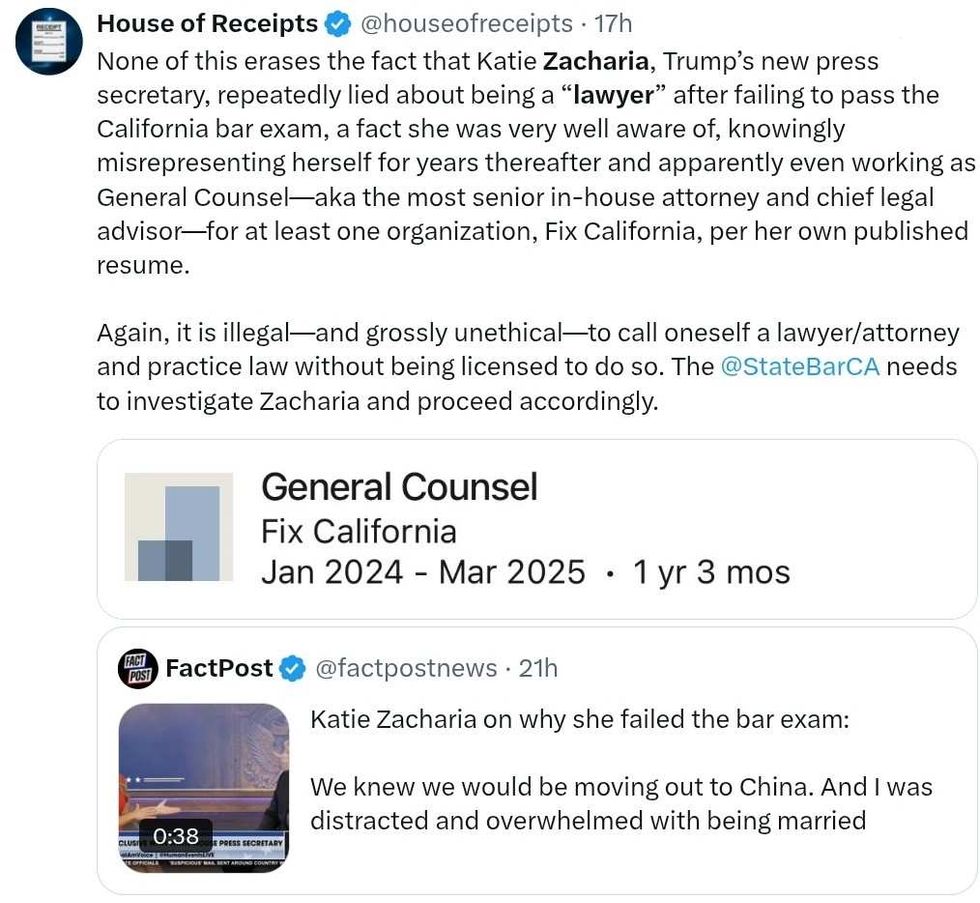 @houseofreceipts/X
 @lillys.healingera/TikTok
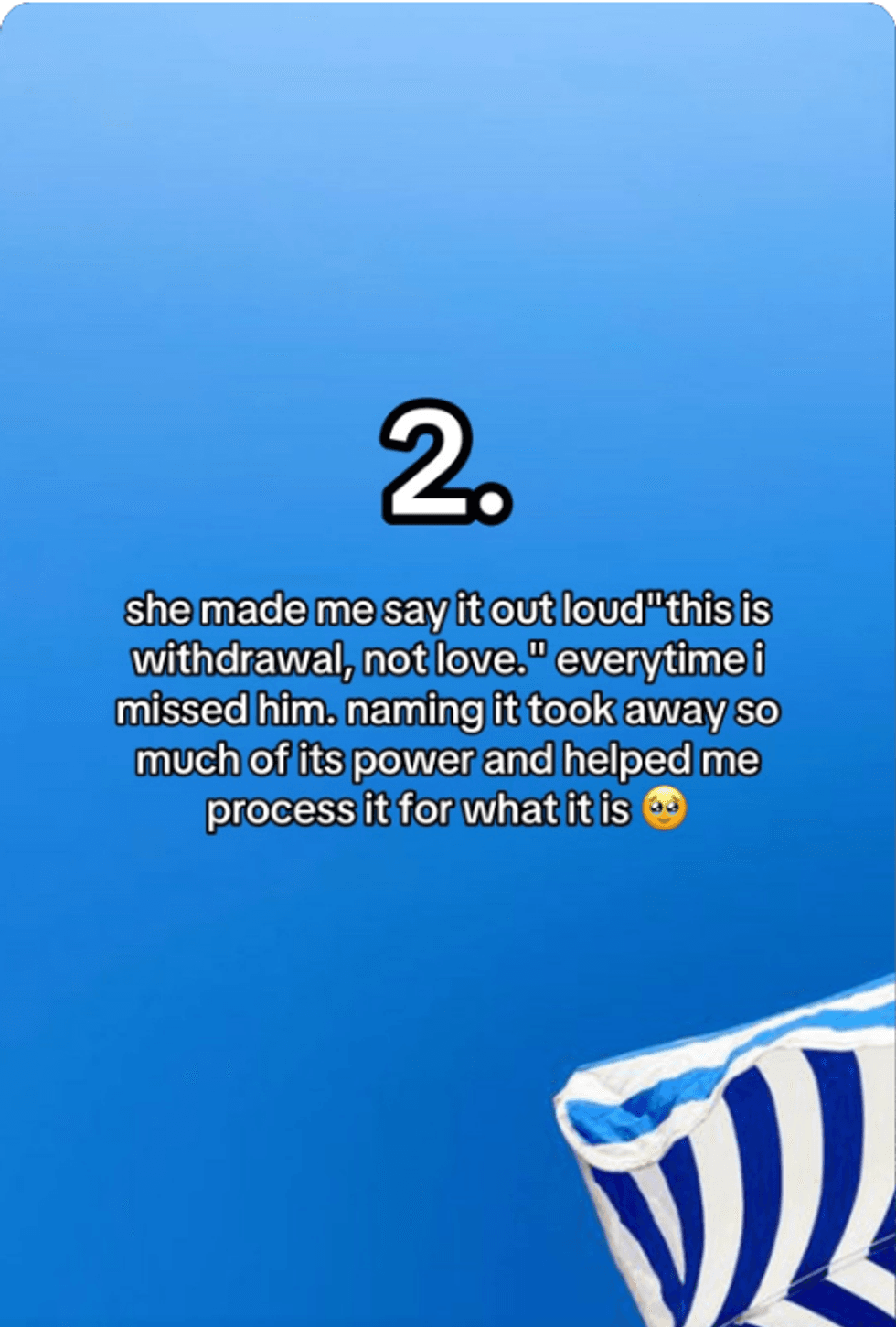 @lillys.healingera/TikTok
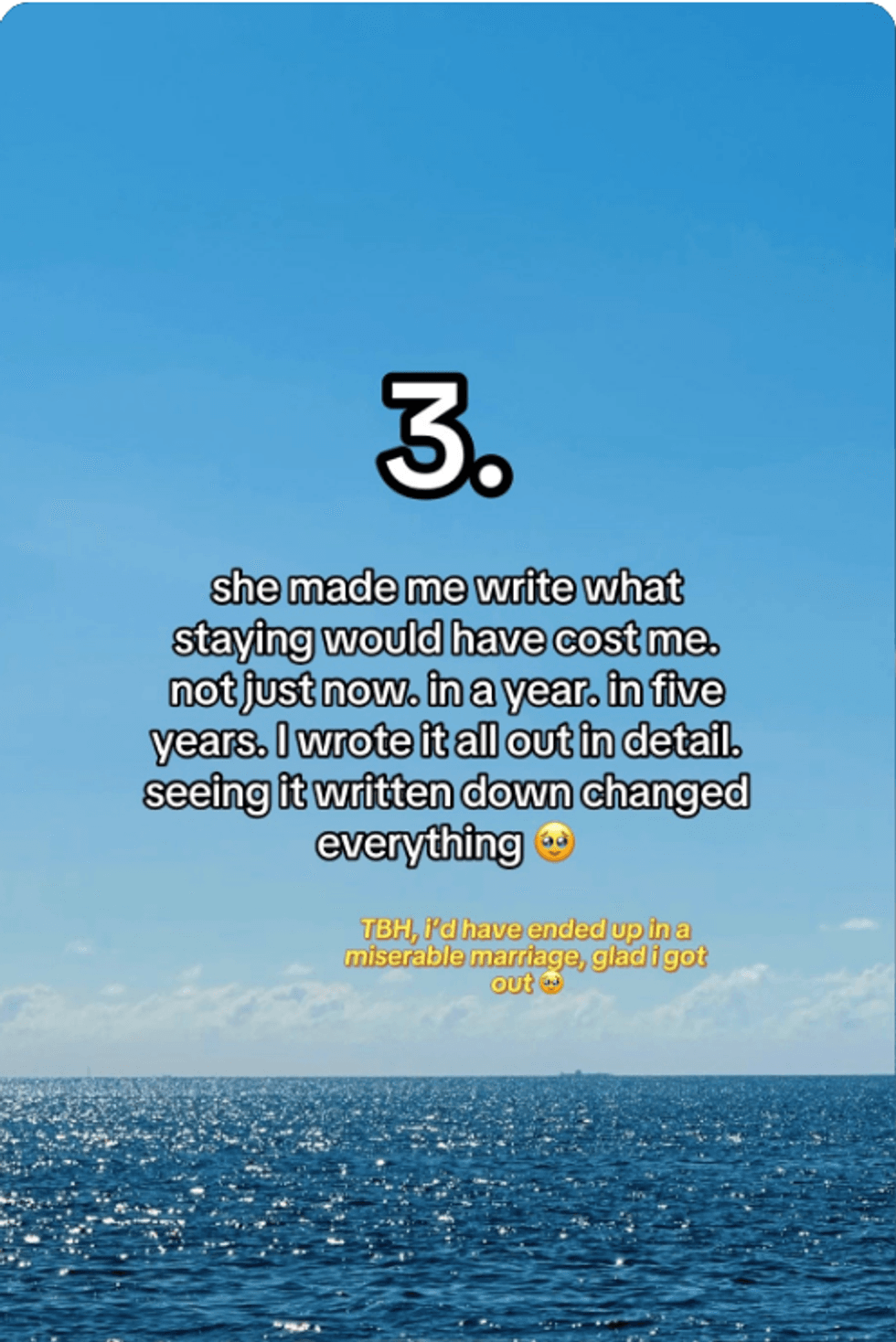 @lillys.healingera/TikTok
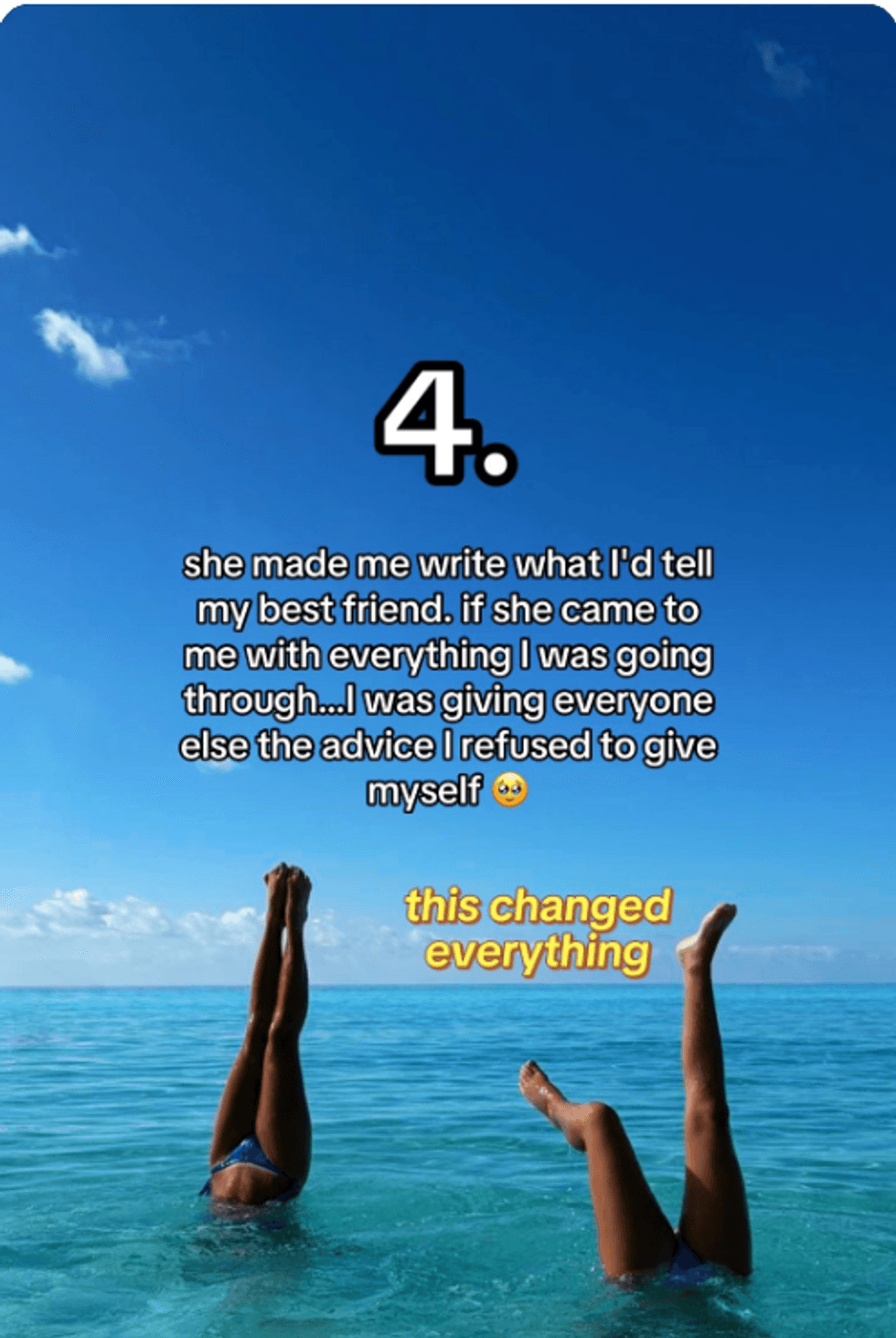 @lillys.healingera/TikTok
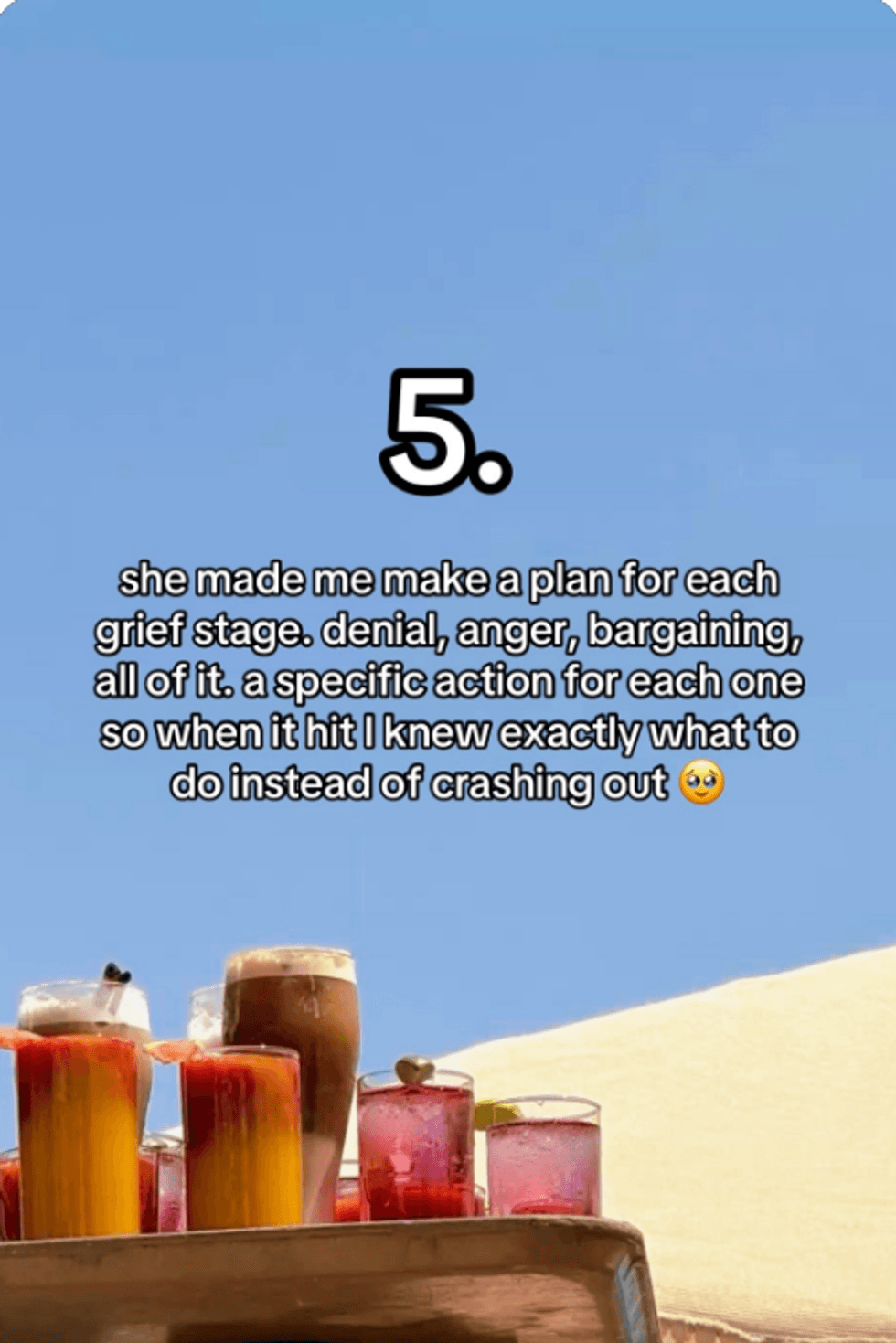 @lillys.healingera/TikTok
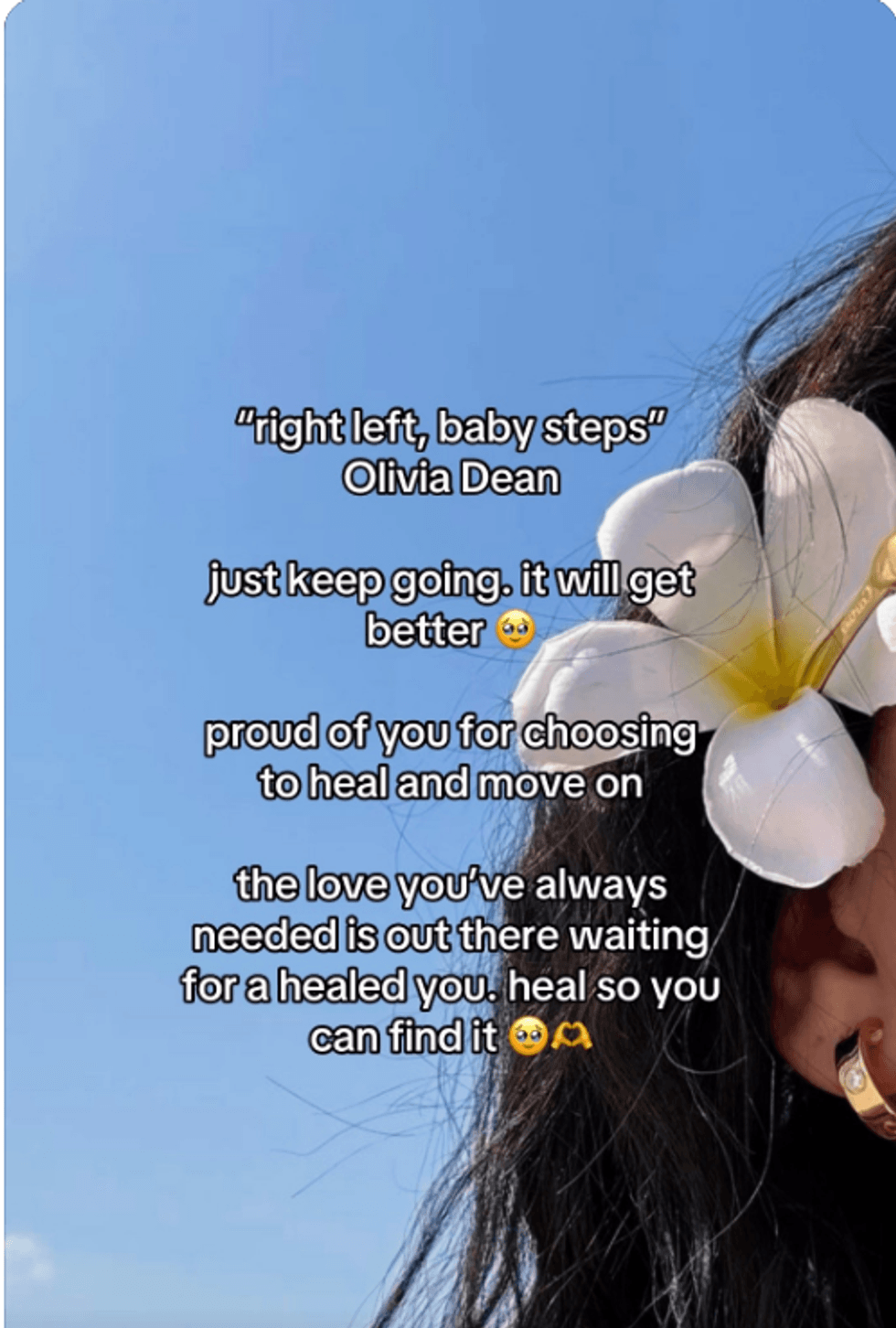 @lillys.healingera/TikTok
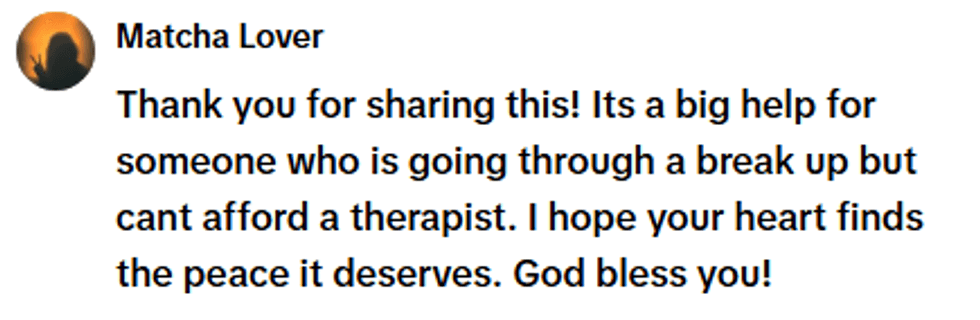 @lillys.healingera/TikTok
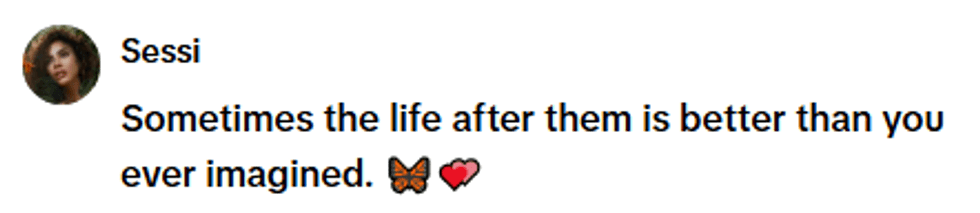 @lillys.healingera/TikTok
 @lillys.healingera/TikTok
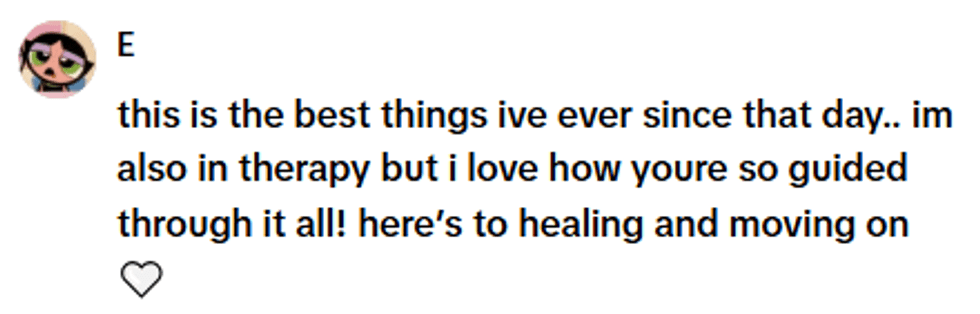 @lillys.healingera/TikTok
 @lillys.healingera/TikTok
 @lillys.healingera/TikTok
 @lillys.healingera/TikTok
 @lillys.healingera/TikTok
 @lillys.healingera/TikTok
 @lillys.healingera/TikTok
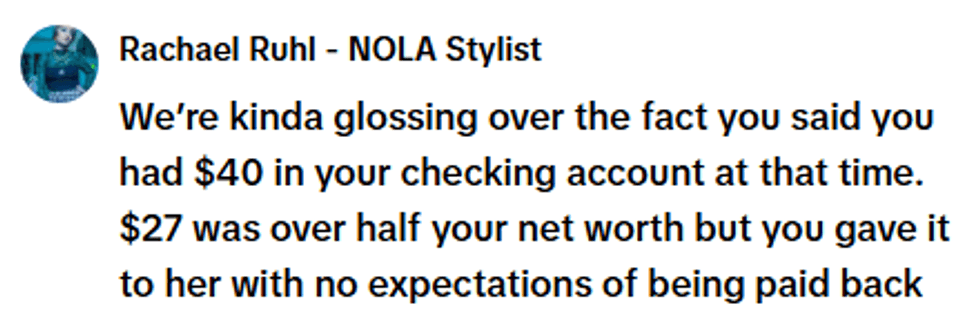 @whatsinthekoolaid/TikTok
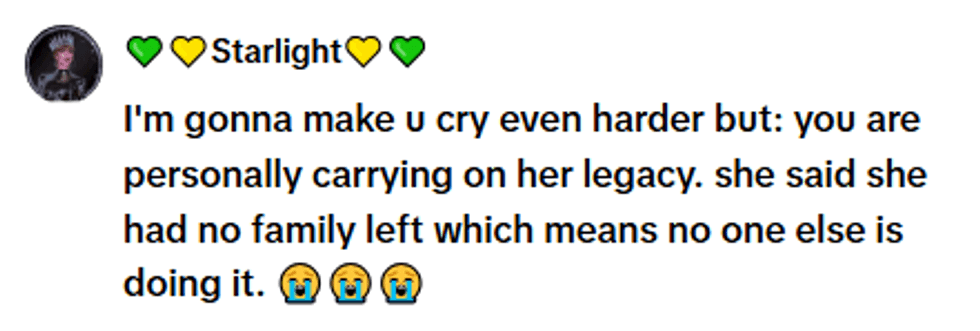 @whatsinthekoolaid/TikTok
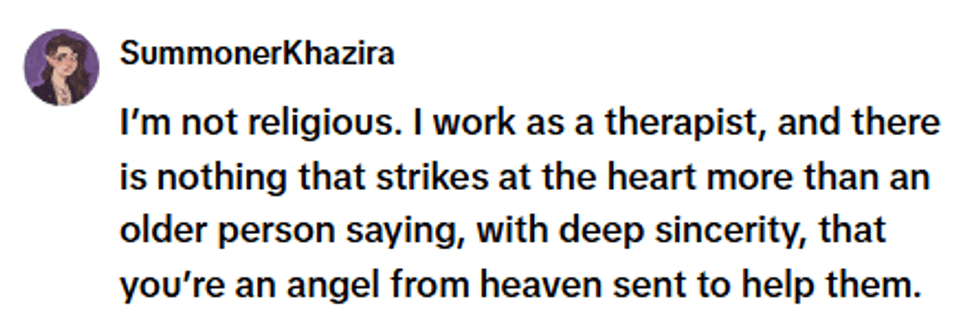 @whatsinthekoolaid/TikTok
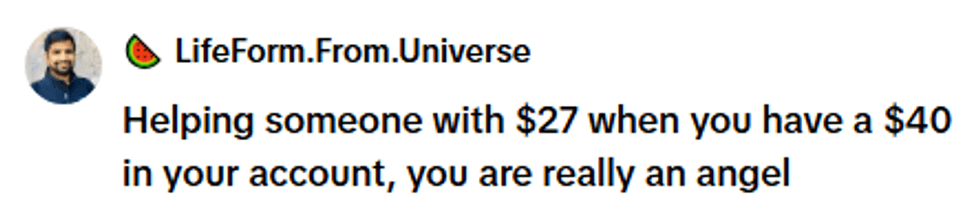 @whatsinthekoolaid/TikTok
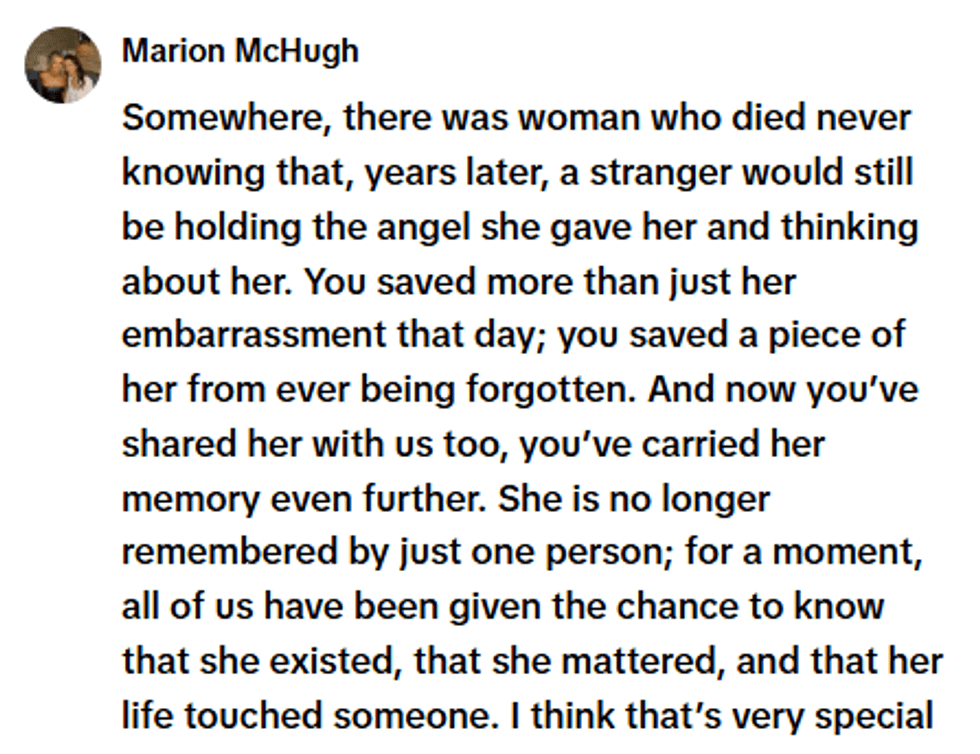 @whatsinthekoolaid/TikTok
 @whatsinthekoolaid/TikTok
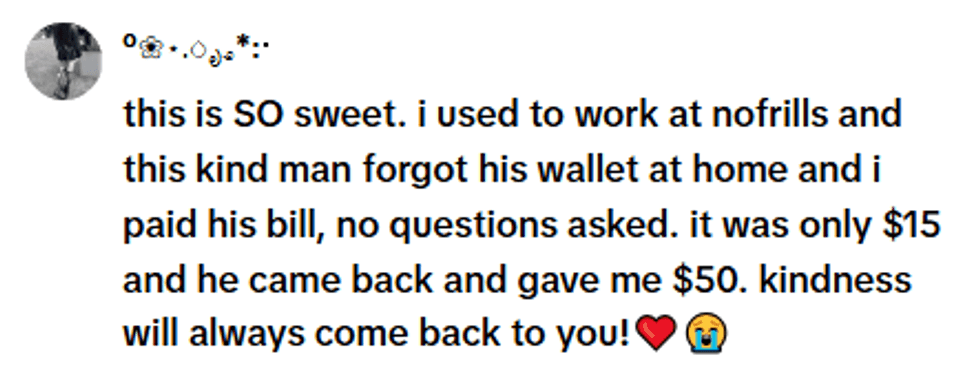 @whatsinthekoolaid/TikTok
 @whatsinthekoolaid/TikTok
 @whatsinthekoolaid/TikTok
 @whatsinthekoolaid/TikTok
 @palladiumpaladin/TikTok
 @palladiumpaladin/TikTok
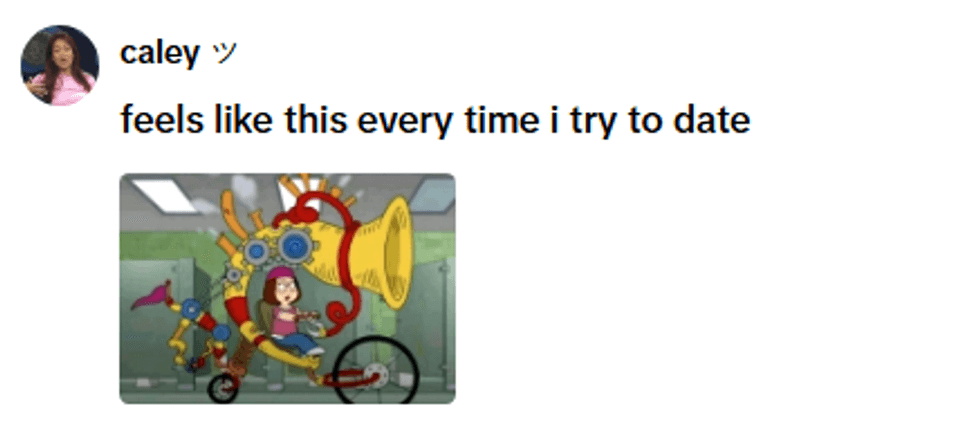 @palladiumpaladin/TikTok
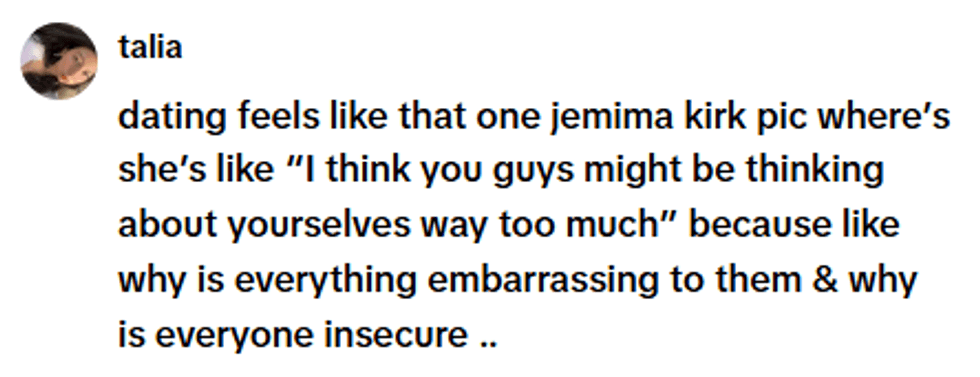 @palladiumpaladin/TikTok
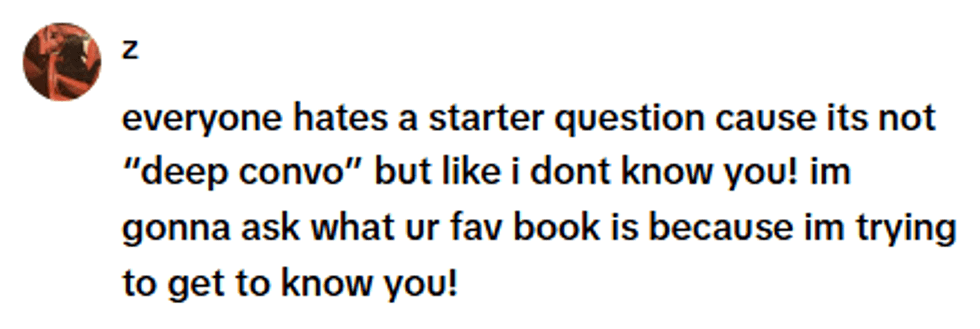 @palladiumpaladin/TikTok
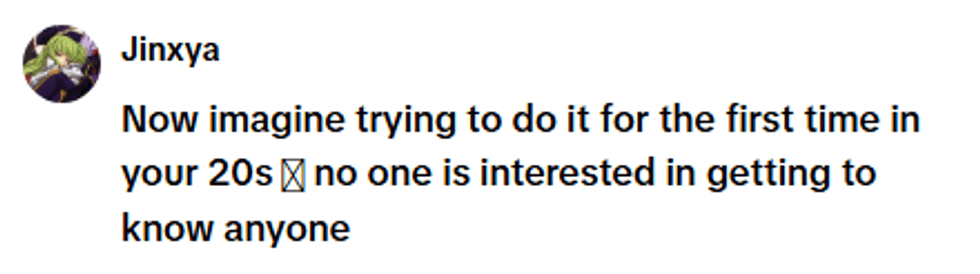 @palladiumpaladin/TikTok
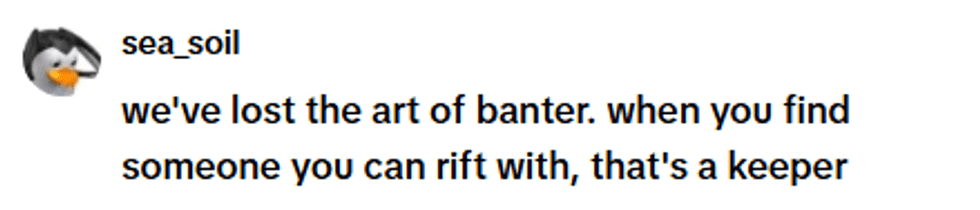 @palladiumpaladin/TikTok
 @palladiumpaladin/TikTok
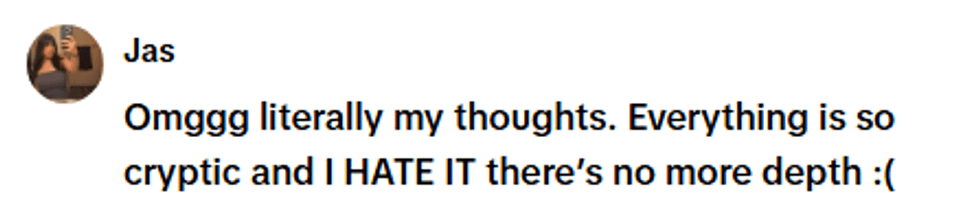 @palladiumpaladin/TikTok
 @palladiumpaladin/TikTok