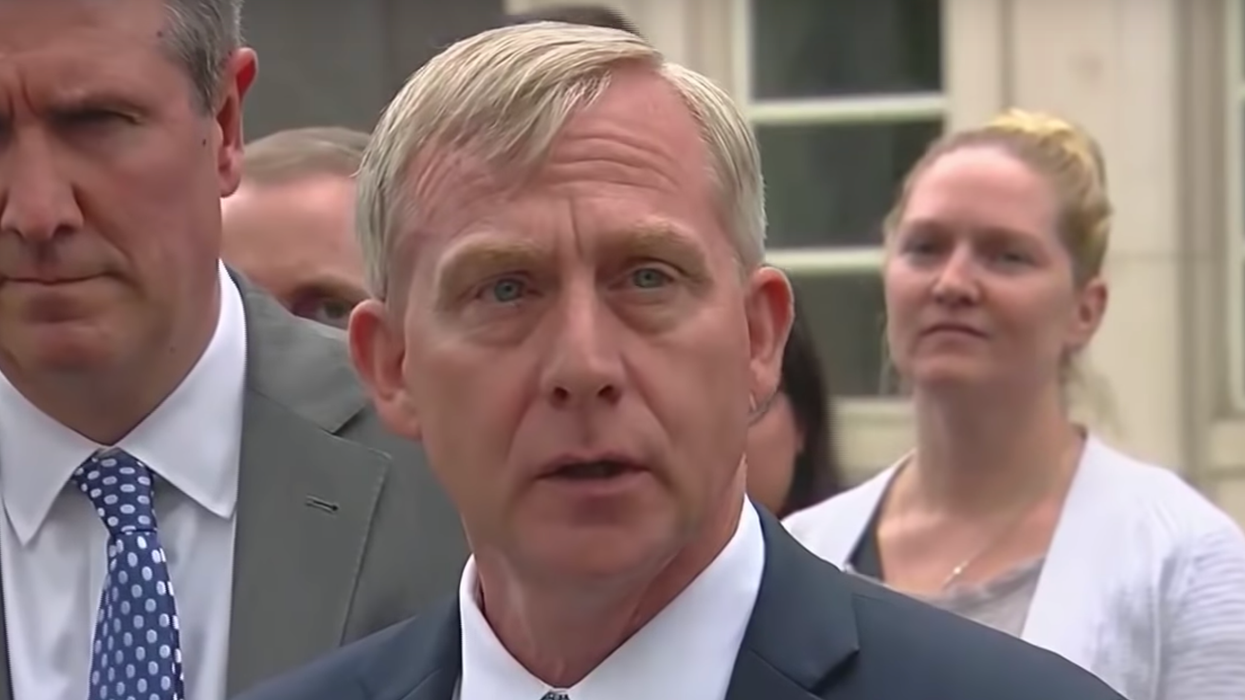

Richard P. Donoghue probably never expected to find himself at the center of the biggest crisis in American government since the Civil War. He was, after all, only recently appointed as Principal Associate Deputy Attorney General back in July of 2020, a mere six months before it all went down with the election and the White House coup attempt. And until recently, no one really paid him much attention; he was just the guy in meetings between the acting AG and Trump, dutifully taking notes.
But this completely misses the big, behind-the-scenes story. Those notes, as well as Donoghue's presence at critical meetings and junctures in the saga that unfolded last December and January, also make him a highly prized star witness. After all, Donoghue will be able to testify—with receipts—about the most eye-popping efforts by Trump to use the Justice Department to overturn the election. And if prosecutors seek charges against the former president, Donoghue will be key to their Holy Grail: Trump's guilty state of mind.
Donoghue Pushed Back on the White House's Dangerous Lackeys and Schemes.
If Richard Donoghue is an unlikely hero in this story, then Jeffrey Clark, who was acting Civil Division Chief of the Justice Department, is his villain counterpart. Unbeknownst to Donoghue, Clark had been introduced to Trump by a political ally in Pennsylvania as someone who believed that fraud had tainted the election results and was willing to press forward with theories being touted by the former president. Donoghue was suspicious of Clark after he mentioned that he spent a lot of time "reading on the internet"—meaning Clark may have drunk the election kool-aid being served by Trump and social media. (Donoghue's notes covering discussions with the former president also noted that Trump once said, "You guys may not be following the internet the way I do.")
Among the proposals raised by Clark but shot down by Donoghue was a news conference announcing that the Department was investigating election fraud allegations. The chaotic effect of such a news conference, had it actually taken place, is hard to overestimate.
There was also Clark's infamous draft letter to the Georgia legislature that would have falsely stated that the Department had "significant concerns" about the legitimacy of the Georgia election results and even would have urged the Georgia legislature to call itself back into special session to overturn the election results. Clark had stated, "I see no valid downsides" to issuing the letter and proposed that they "get it out as soon as possible"—even though such a false statement would have fueled even more outrage from the far right as it prepared for the January 6 insurrection.
Donoghue outright refused to go along. He wrote in response, "There is no chance I would sign this letter or anything remotely like this." The idea of the Justice Department releasing the letter was, in his words, "not even with the realm of possibility." Specifically, Donoghue admonished that the supposed "irregularities" mentioned in the letter "are of such a small scale that they simply would not impact the outcome of the Presidential Election." Donoghue also insisted that it was not the Department's business to urge a state legislature to take action on investigations upon which the Department normally wouldn't ever even comment. In a follow-up meeting on New Year's Eve, Donoghue blasted Clark saying flatly that what Clark was doing was wrong.
Donoghue also found himself with AG Rosen fending off the entreaties of White House Chief of Staff Mark Meadows, including the bizarre "kraken" theory that the election somehow had been hacked using Italian satellites. Meadows had forwarded to AG Rosen a link to a since-removed YouTube video posted by a former intelligence officer supposedly detailing the vast Italian conspiracy. "Pure insanity," Donoghue wrote back to Rosen after it was forwarded to him. An hour later, Meadows shared debunked claims about "signature matching anomalies in Fulton county, Ga." Rosen was incredulous. "Can you believe this?" he wrote to Donoghue. "I am not going to respond to the message below." Donoghue responded, "At least it's better than the last one, but that doesn't say much."
These events prepared Donoghue and Rosen to take on the madness of Trump himself. Donaghue was present, with his pen and pad, during the most damning moment when the former president, according to Donoghue's notes, asked the Department simply to "Just say that the election was corrupt and leave the rest to me and the [Republican] Congressmen." The Department pointedly declined to take action. Together with other instances where Donoghue and Rosen already had made clear that the Department did not believe the election was corrupt, this request comprises strong evidence that Trump knew he was asking Rosen and Donoghue to lie in order to help him politically—a criminal act if proven.
Donoghue's Actions Prevented Trump from Pressuring AGs and Installing Loyalists
It was clear to Donoghue that Trump had become fixated on the Georgia results, especially after he began to complain that the U.S. Attorney in Atlanta, Byung J. Pak, wasn't busy enough trying to find evidence of election fraud. In a call, Donoghue privately warned Pak that it might not be possible for Pak to continue to hold his position there given Trump's obsession and tactics. (We now know these included an infamous call to Georgia Secretary of State Brad Raffensperger asking him to "find" enough votes to flip the result and during which he openly criticized Pak.) Following these calls, Pak abruptly resigned in January, leaving Trump without a ready way to press for further bogus investigations in Fulton County.
At the tensest moment in those fateful weeks, Clark informed acting AG Rosen that Trump intended to elevate Clark to replace him, which meant in practical terms installing a true believer and crony willing to do Trump's bidding—and throwing the entire weight of the Justice Department behind his bid to undo the election results. As Rosen went to the White House to meet with Trump, Donoghue convened a conference call with Department leadership and corralled them into agreeing that, if Rosen were fired and replaced by Clark, they would resign en masse. It turned out that this threat was enough to stay Trump's hand: The unmistakable message of so many officials quitting would have undone whatever Departmental imprimatur Trump had wanted to create.
Donoghue's presence through each of these key moments in the final weeks of the Trump presidency, as well as his documentation of conversations and communications around election conspiracies and his role in organizing Departmental resistance, render him a crucial witness. And as an often-silent observer taking notes, Donoghue was also an impartial, third party witness to illegal White House activity. It is therefore surprising that the former president's lawyers have not offered resistance to the idea of Donoghue's notes being revealed or his testimony being given, as there would be at least arguable grounds to assert executive privilege over those communications. The evidence could at a minimum have been significantly delayed.
Instead, we are likely to hear a great deal more soon from Richard Donoghue, who can provide a unique and unvarnished look into the mind and possibly criminal motivations of Donald Trump in those final, fateful weeks.
 @MeidasTouch/X
 @MeidasTouch/X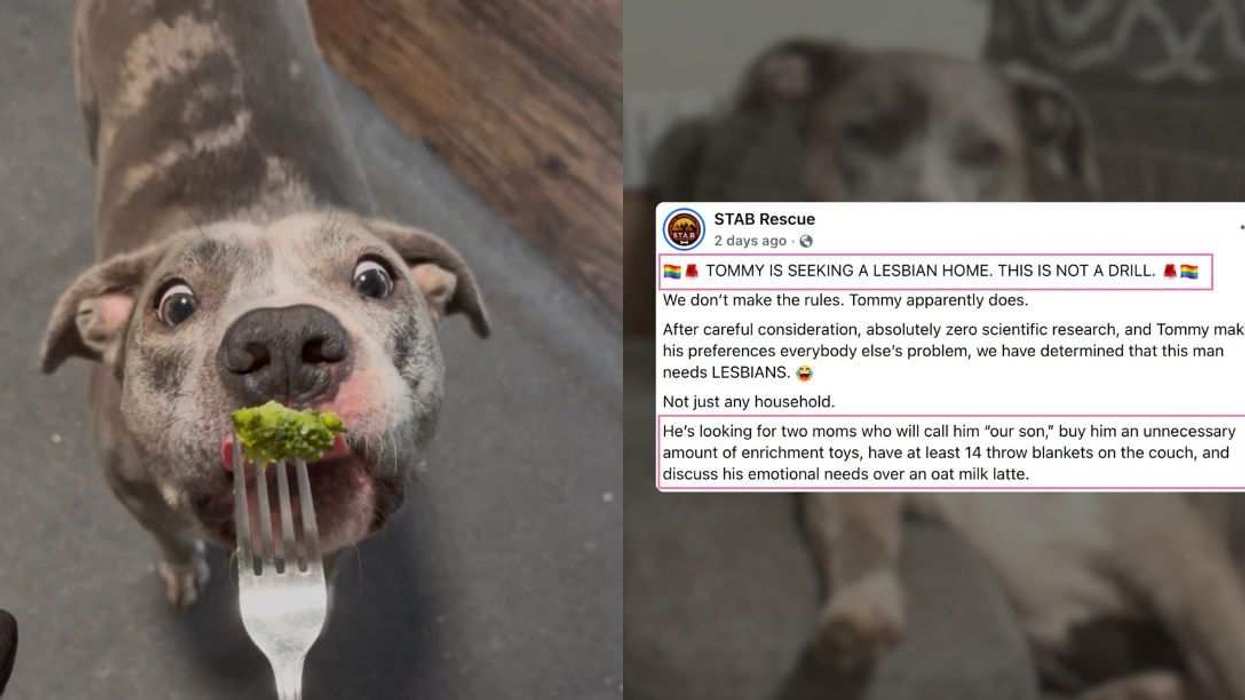
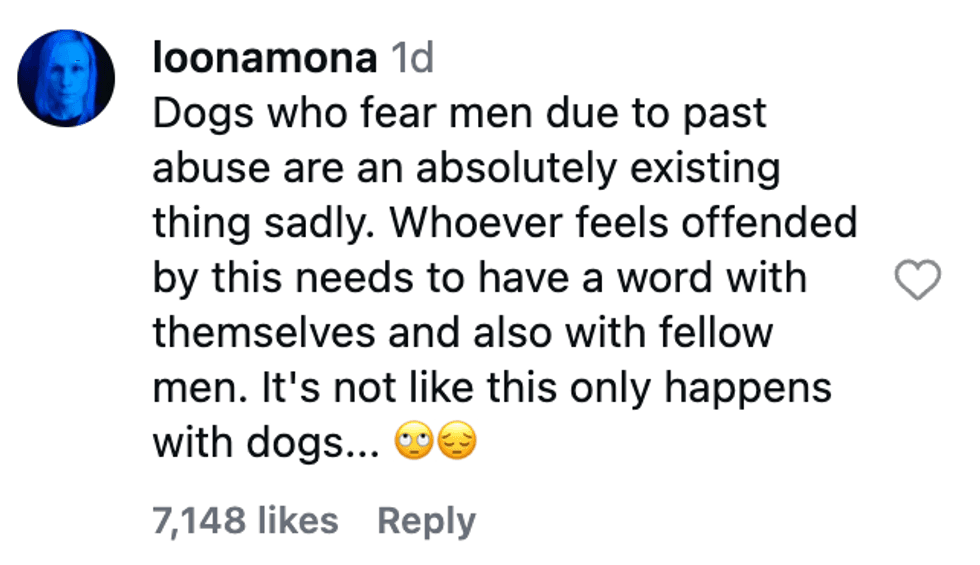 @loonamona/Instagram
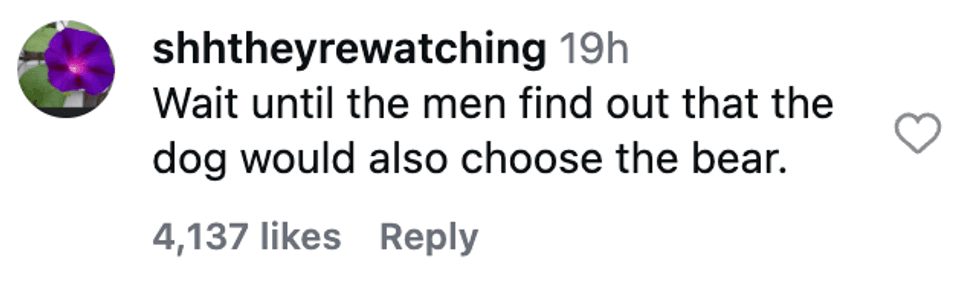 @shhtheyrewatching/Instagram
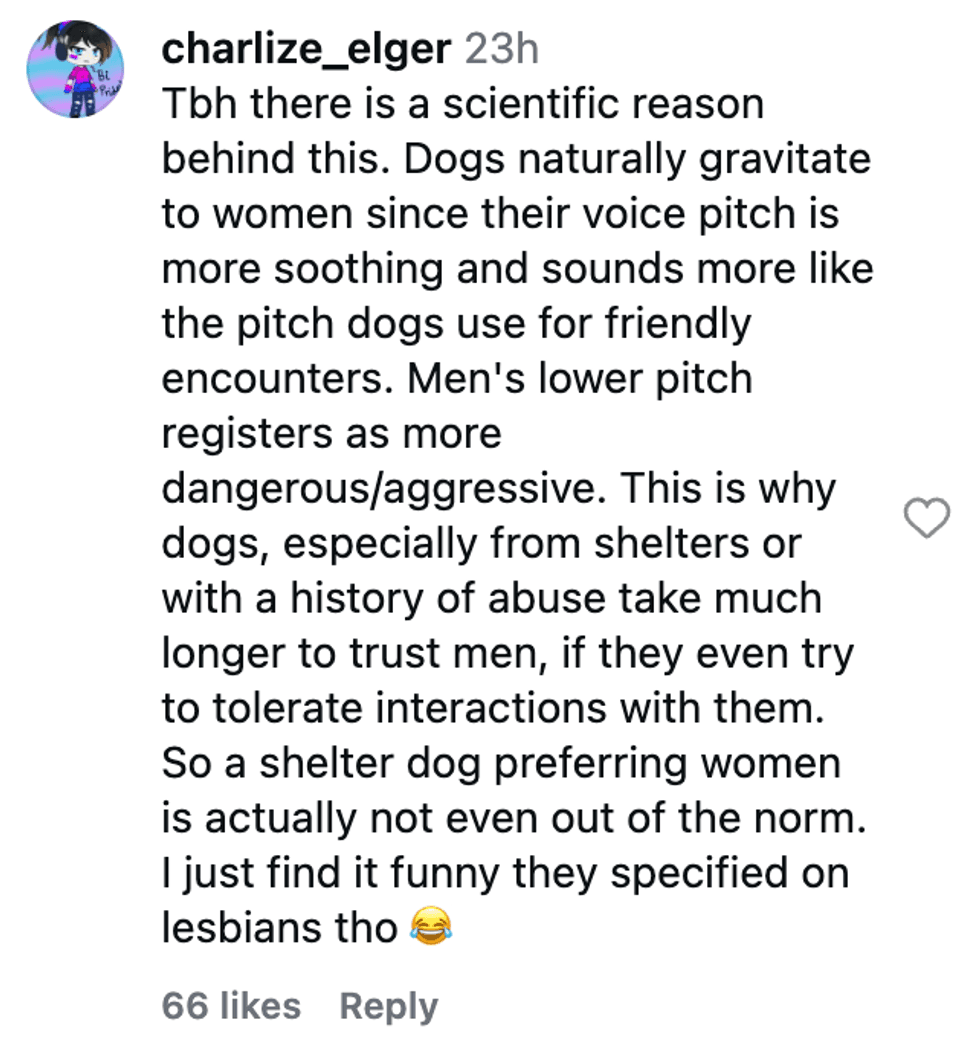 @charlize_elger/Instagram
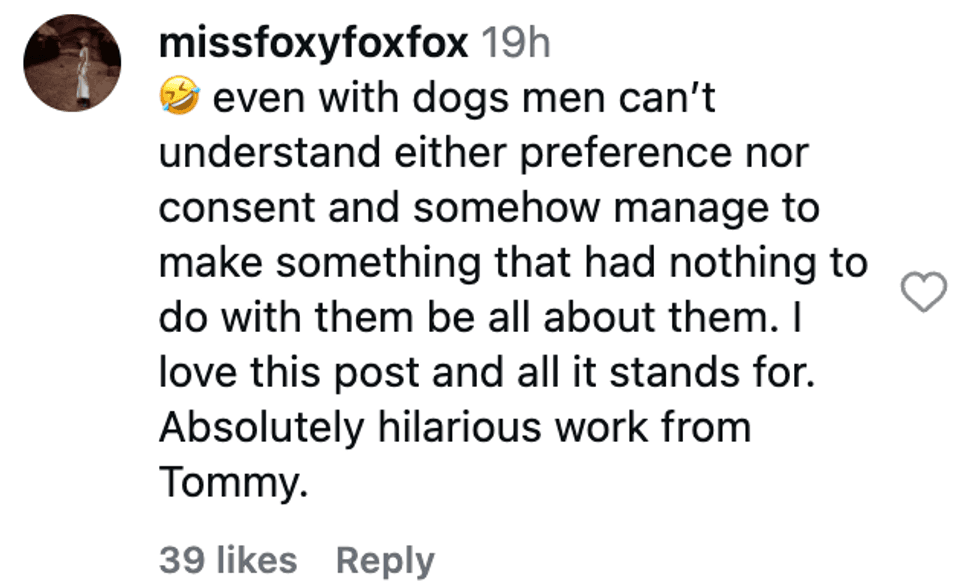 @missfoxyfoxfox/Instagram
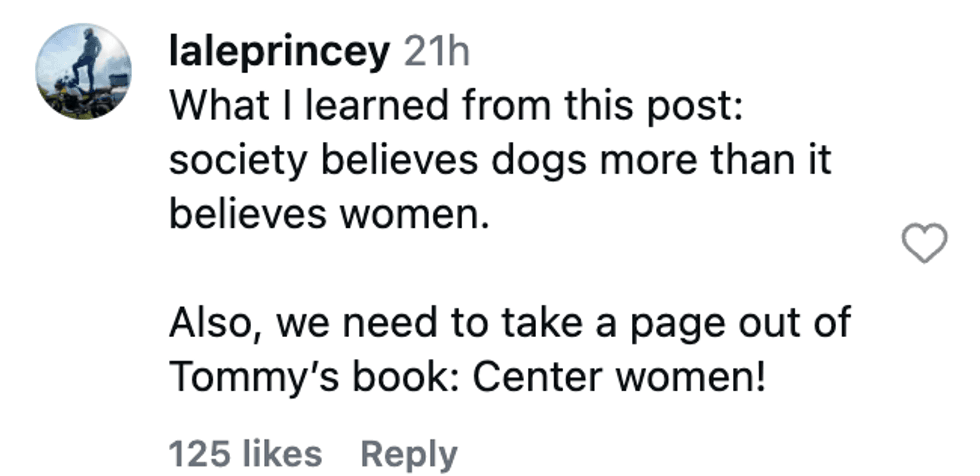 @laleprincey/Instagram
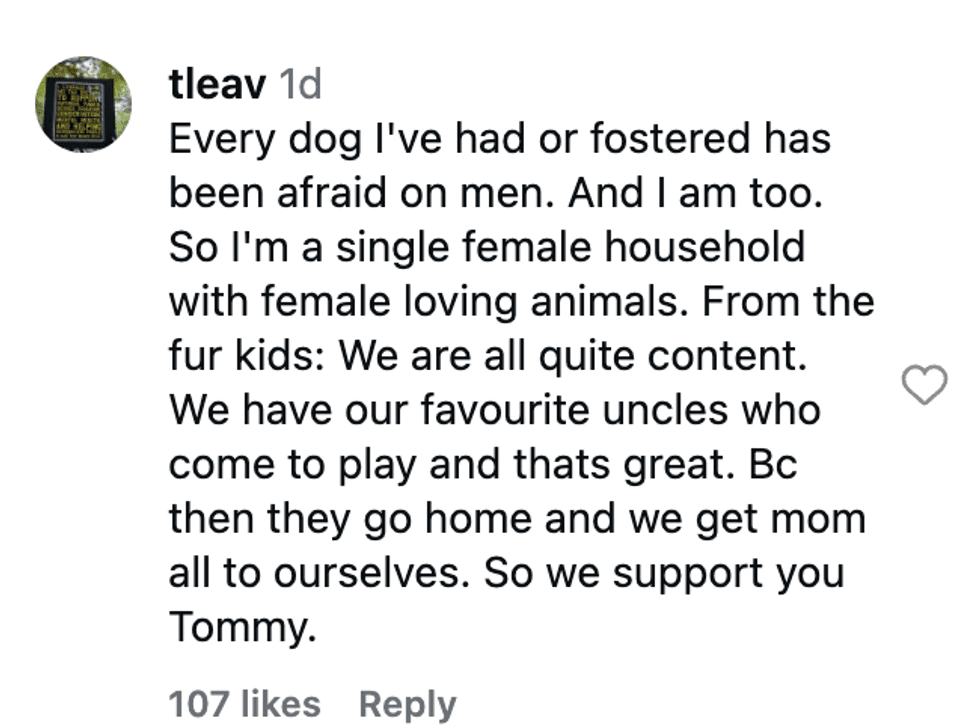 @tleav/Instagram
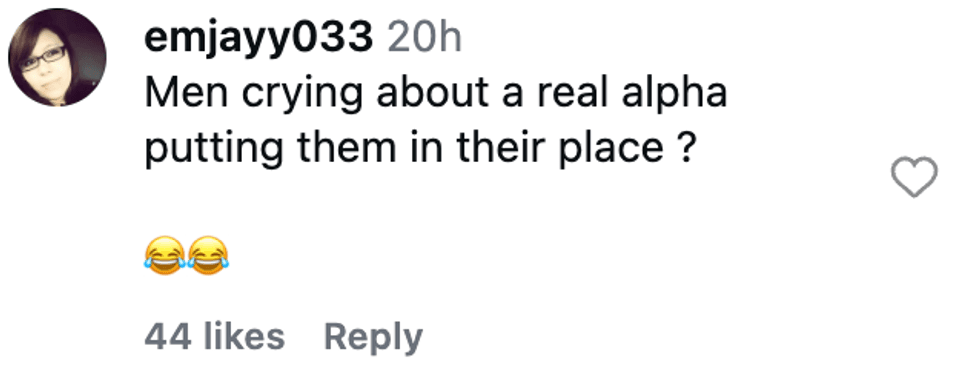 @emjayy033/Instagram
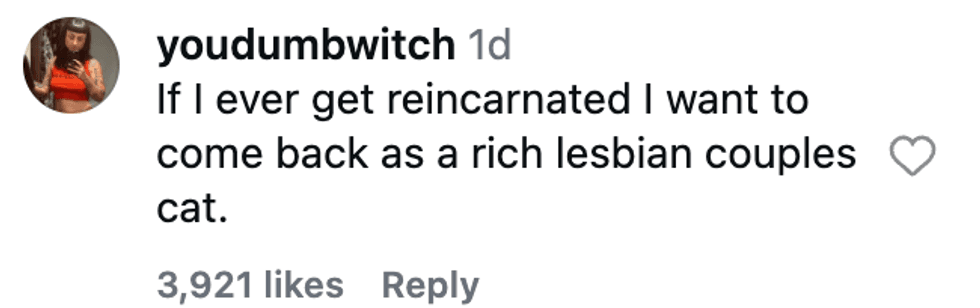 @youdumbwitch/Instagram
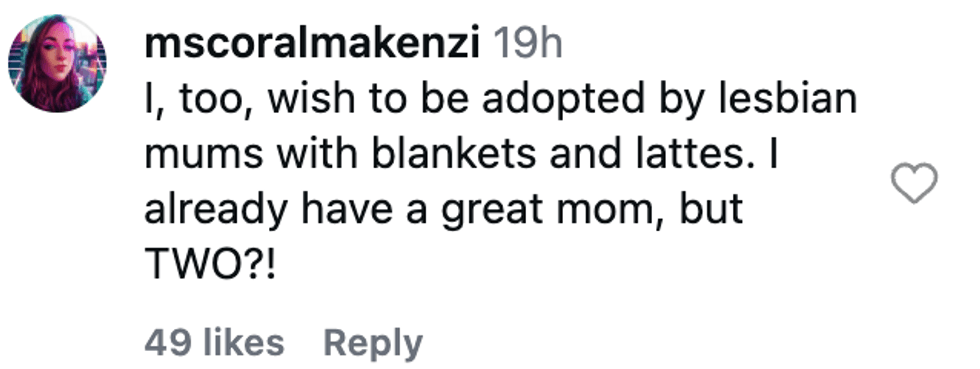 @mscoralmakenzi/Instagram
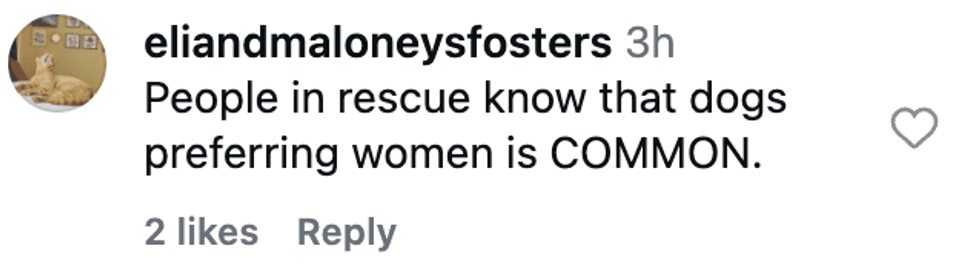 @eliandmaloneysfosters/Instagram
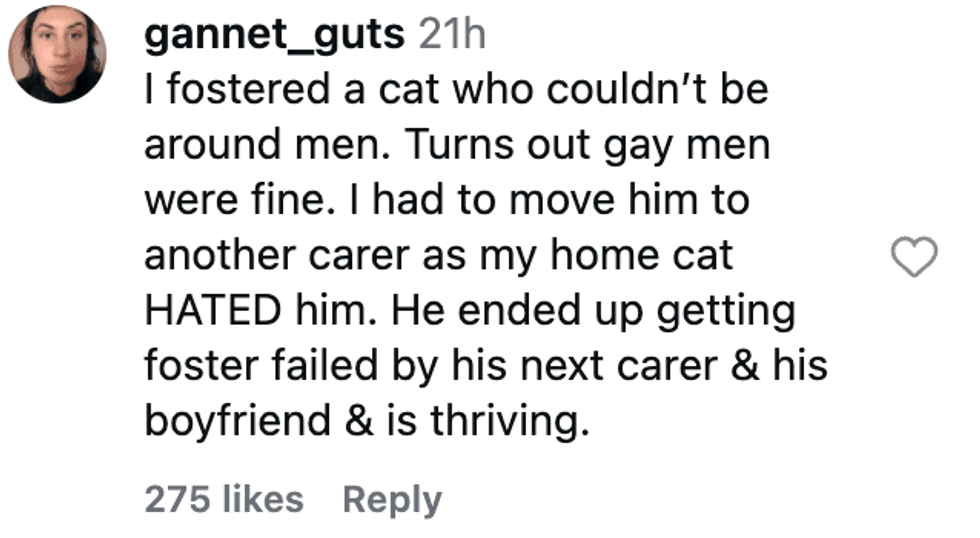 @gannet_guts/Instagram
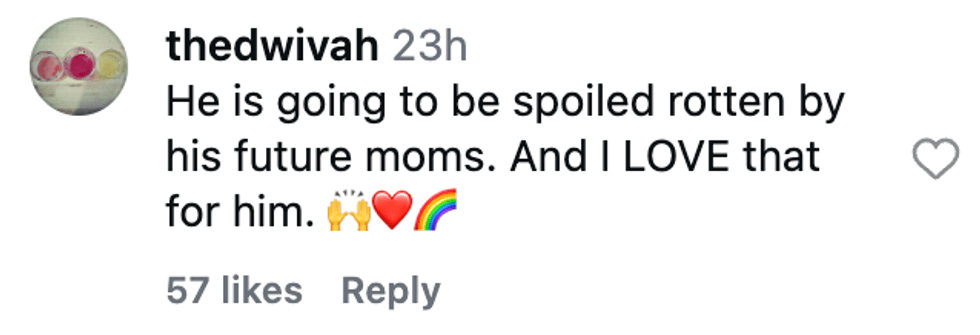 @thedwivah/Instagram