
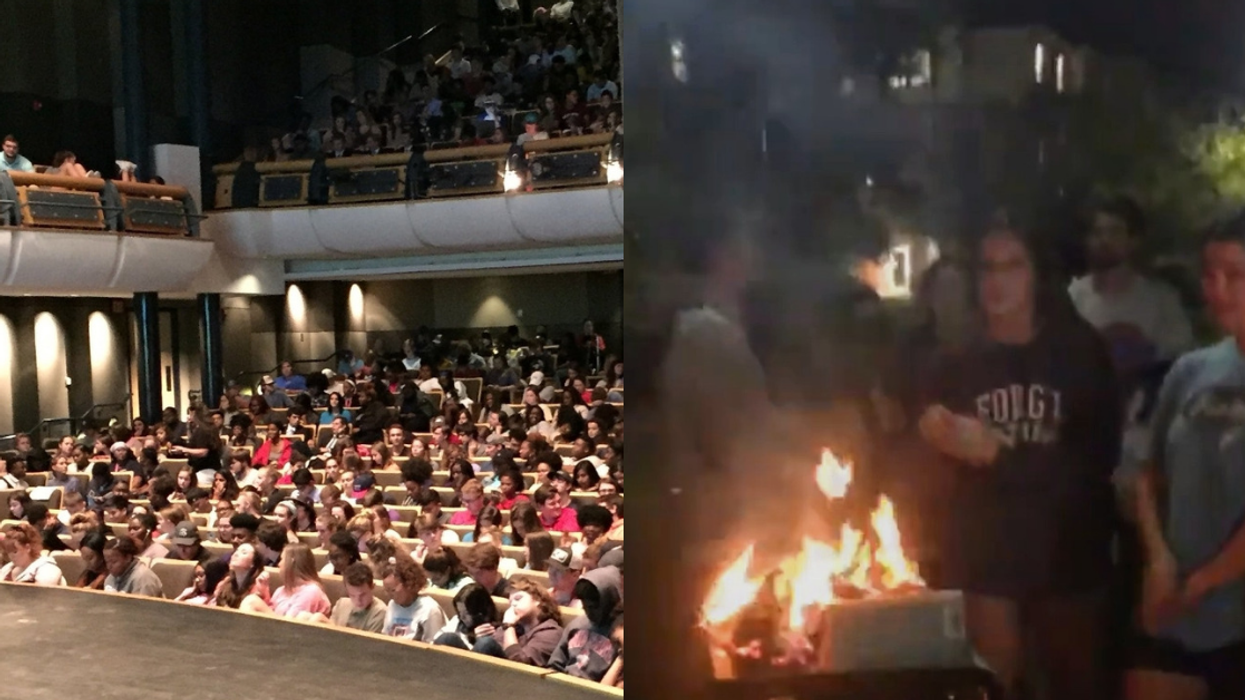
Georgia Southern University like many schools selects books for entering freshmen to read.
The discussion groups formed about a shared literary experience allows students from diverse backgrounds and across academic disciplines to interact.
It also gives the University a chance to address social issues that might occur on campus like depression, sexual harassment or assault and racism. Georgia Southern University decided to tackle on campus racism with one of their book selections in their First Year Experience (FYE) program.
The school's writing and linguistics program selected the 2015 novel Make Your Home Among Strangers, available here, by New York Times contributor Jennine Capó Crucet. In addition to being a published writer, she is also an associate professor at the University of Nebraska.
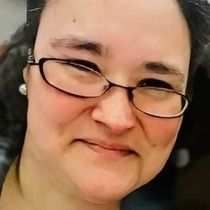
Professor Crucet seemed excited and nervous for the lecture.
Her novel drew on some of her own college experiences. Make Your Home Among Strangers, available here, tells the story of a Cuban American girl from Miami accepted to a prestigious New York college who struggles to fit into the privileged, predominantly White environment.
However Crucet's reference to White privilege during her lecture set off some students who called the discussion of race and privilege dynamics at predominantly White schools "bullying White people." During the lecture, students let her know during the question period—which Crucet later referred to as "aggressive & ignorant comments."
According to Georgia Southern school paper The George-Anne, one student asked Crucet:
"I noticed that you made a lot of generalizations about the majority of White people being privileged."
"What makes you believe that it's okay to come to a college campus, like this, when we are supposed to be promoting diversity on this campus, which is what we're taught. I don't understand what the purpose of this was."
Crucet responded:
"I came here because I was invited and I talked about White privilege because it's a real thing that you are actually benefiting from right now in even asking this question."
"What's so heartbreaking for me and what is so difficult in this moment right now is to literally have read a talk about this exact moment happening (a similar incident happens in Crucet's book) and it's happening again. That is why a different experience, the White experience, is centered in this talk."
Students—who would only speak anonymously—told Buzzfeed News:
"She came to our school and, the audience was predominantly White, and she came in and was attacking White people for an hour, putting all these stereotypes and generalizations on us. Like all White people are privileged and racist."
Another student said:
"She wanted everyone to be equal and says she is against racism but she was shitting on White people the whole time."
"I can understand the message she was trying to get out but I don't know what reaction she was expecting when she comes to a school that's 75% White. I agree there is such a thing as White privilege but the way she was saying it was not OK to our student body."
After the lecture, some students also chose to burn Crucet's book.
According to Carlin Blalock—who wanted to attend but had a class during the lecture—she came upon the book burning on her way back to her dorm.
She told The George-Anne:
"It makes me feel like we are being represented really badly. It makes me feel like these people make us look as a school and even as a freshman class really ignorant and racist."
"Just seeing it happen, I know they didn't read the book or they didn't care. It's so disrespectful to even think about doing anything to that book because that's her life story. I wish I could have been there to do something about it."
In largely since deleted tweets captured by The George-Anne, students also sent messages to Crucet accusing her of racism.
One person claiming to be a GSU student posted, then deleted:
"The only reason anyone showed up is because it was required and after the racist bigotry you displayed against the White race we should all be compensated for your book. I'm all for equality but not for hate which is what you displayed."
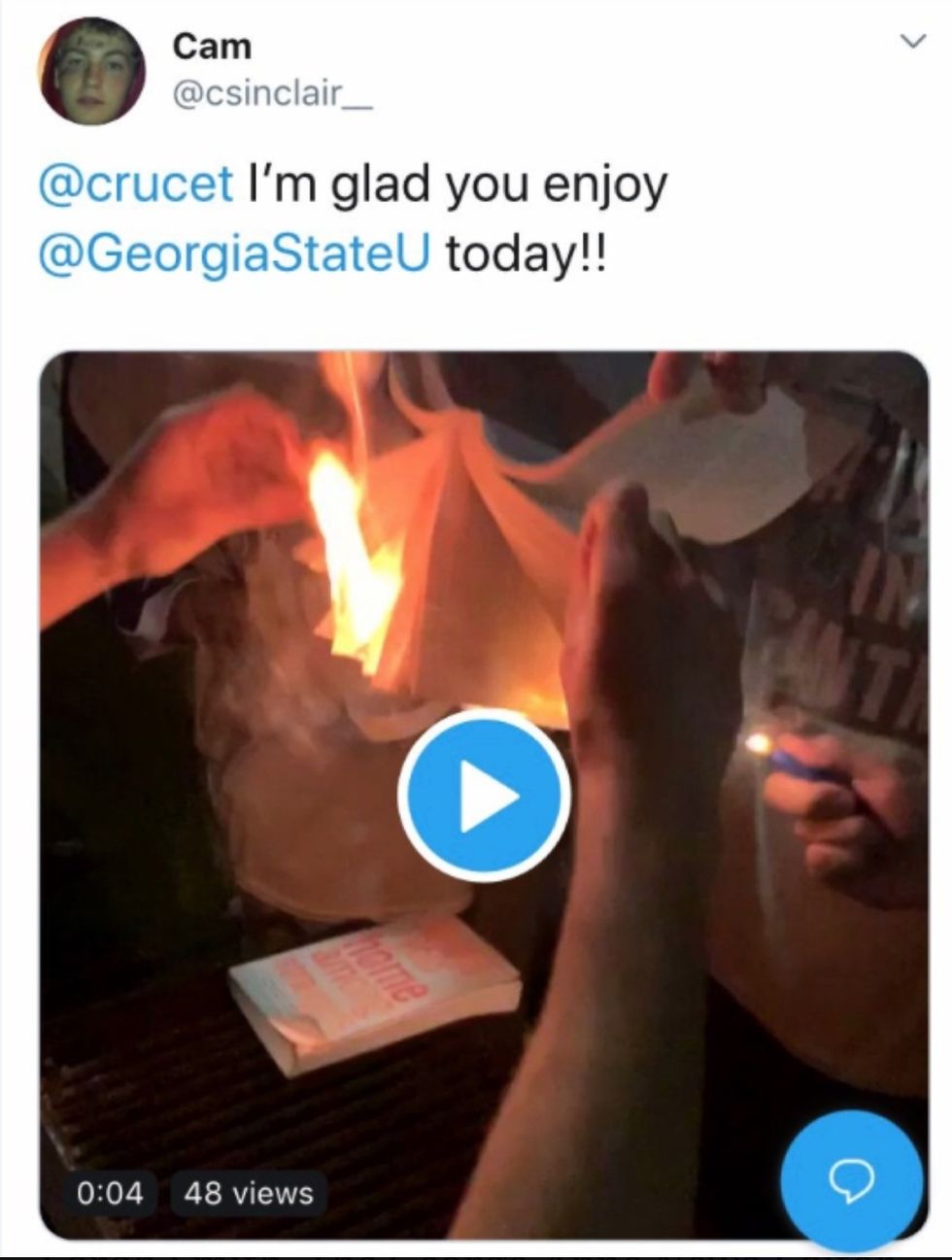 @csinclair_/Twitter
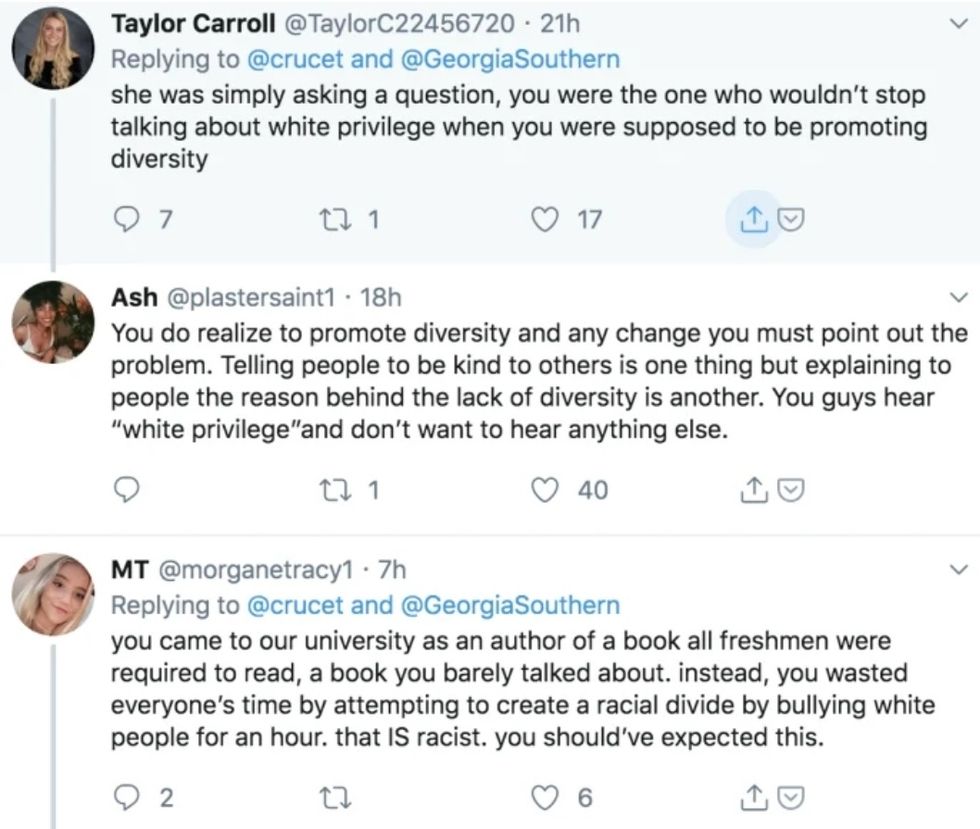 Twitter
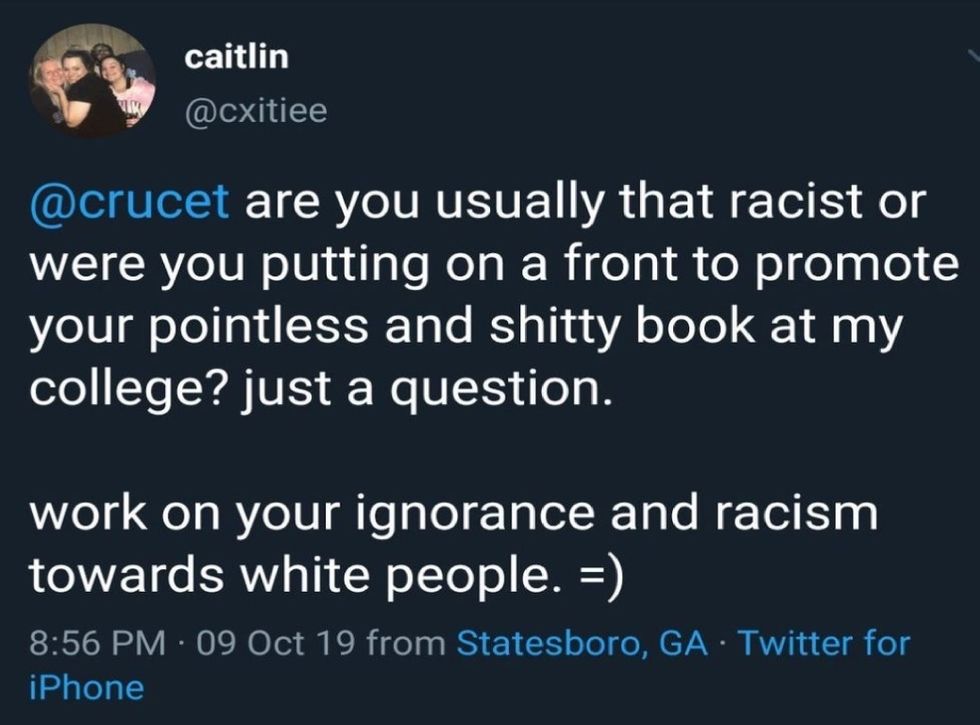 @cxitiee/Twitter
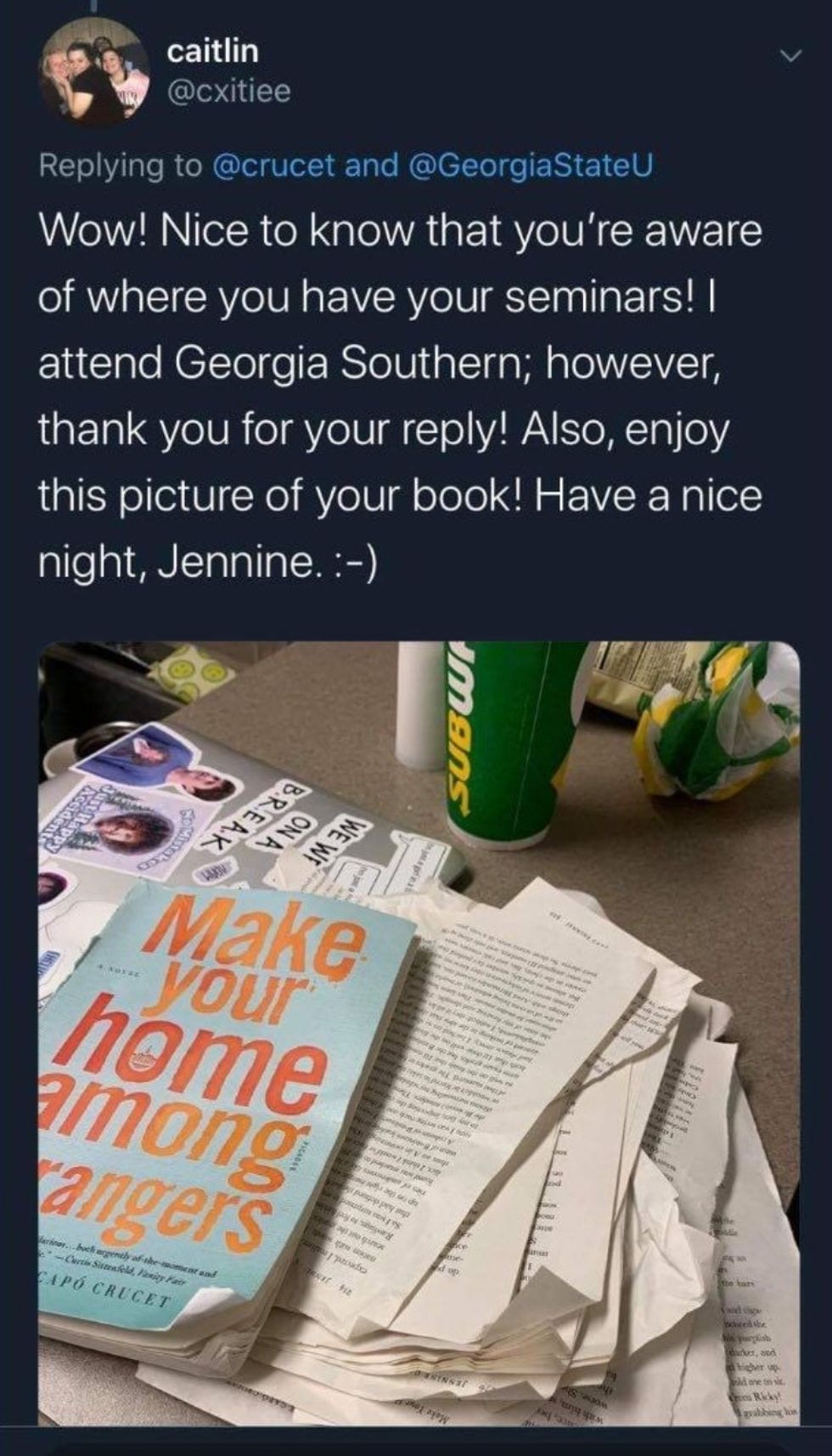 @cxitiee/Twitter
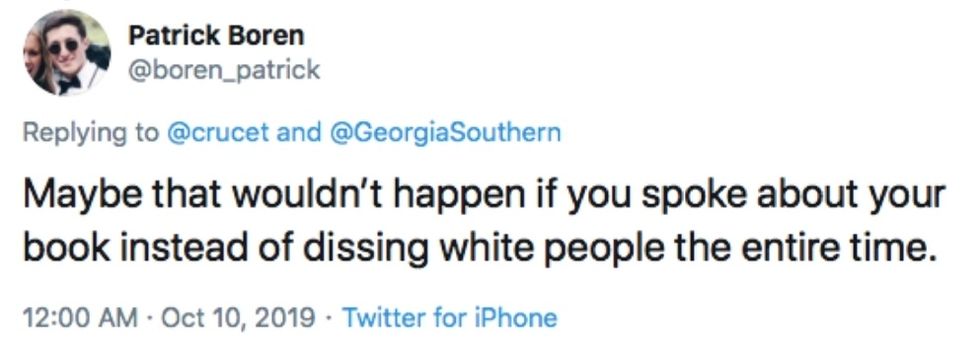 @boren_patrick/Twitter
Right...
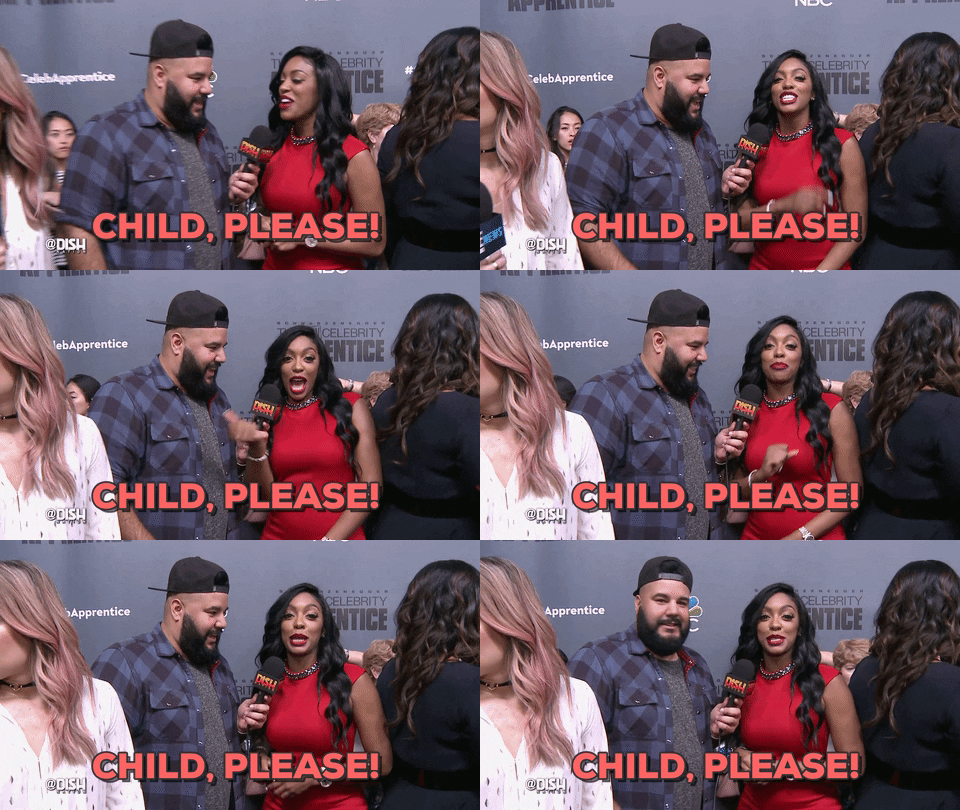
Because getting your feelings hurt when a person of color sharesd their real life experiences is the definition of racism.
In an email to The George-Anne, John Lester, Vice President for Strategic Communications and Marketing stated:
"While it's within the students' First Amendment rights, book burning does not align with Georgia Southern's values nor does it encourage the civil discourse and debate of ideas."
Crucet shared one of the mocking book burning tweets sent to her by a Georgia Southern student who has since deleted their tweet.
Professor Crucet shared an official statement on Twitter.
In an email to Buzzfeed News, a GSU student stated:
"We are also disappointed with our administration, as racial tension events have occurred in the past (what seems like an almost yearly occurrence now)."
"The admin of the university never really disciplined those involved, which leads there to be little consequences to deter those events from happening again."
While Georgia Southern University's official response left some students disheartened citing previous incidents, the department of Writing & Linguistics of Georgia Southern University issued a condemnation of the actions of the students on Facebook.
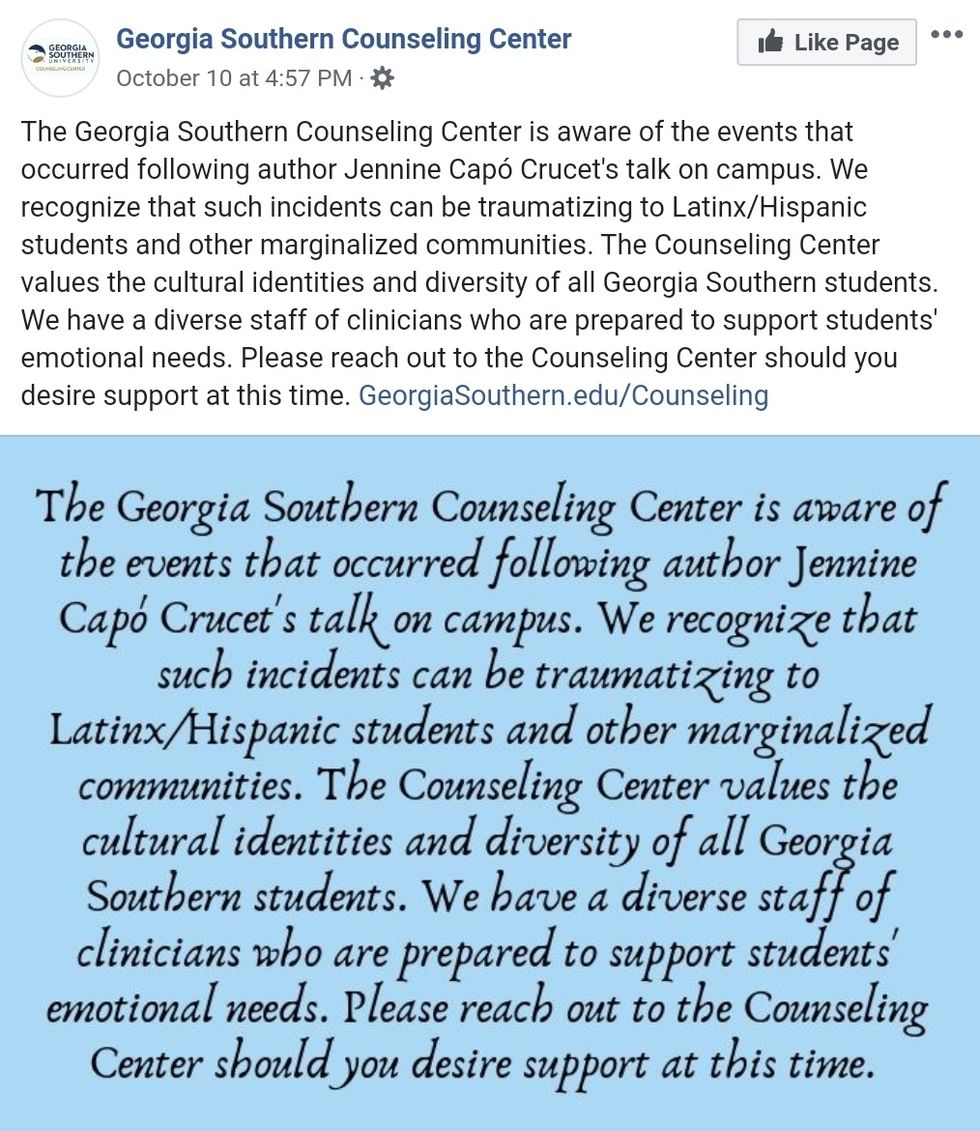
The Georgia Southern Counseling Center also posted on Facebook offering support for students who felt unsafe afterward.
 Facebook
The school has stated no disciplinary action will be taken. But perhaps the students can still learn a lesson.
If you want to show the world how not privileged and not racist you are, this isn't the way to do it.
White fragility—referring to the visceral reaction seen in these students when POC share their experiences with racism or White privilege—is a term coined by Robin DiAngelo. To understand more about this form of backlash, DiAngelo's book, White Fragility: Why It's So Hard for White People to Talk About Racism, is available here.
DiAngelo was also a guest on the Oh Myyy Pod! podcast. You can listen to it at the link below.
******
Have you listened to the first season of George Takei's podcast, 'Oh Myyy Pod!'?
In season one we explored the racially charged videos that have taken the internet by storm.
We're hard at work on season two so be sure to subscribe here so you don't miss it when it goes live.
Here's one of our favorite episodes from season one. Enjoy!




 Brendan Smialowski/AFP via Getty Images
 Brendan Smialowski/AFP via Getty Images
 Brendan Smialowski/AFP via Getty Images


 @hannahhrevels/TikTok
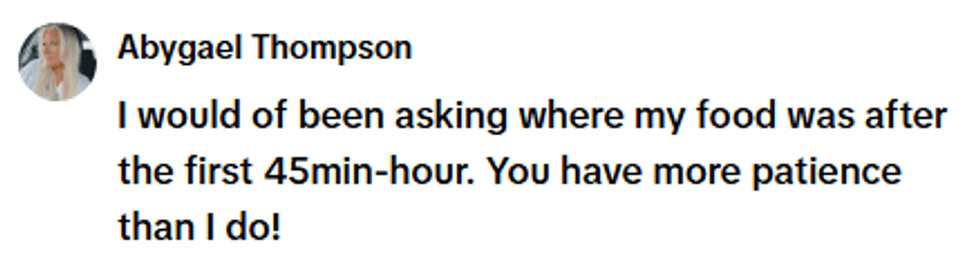 @hannahhrevels/TikTok
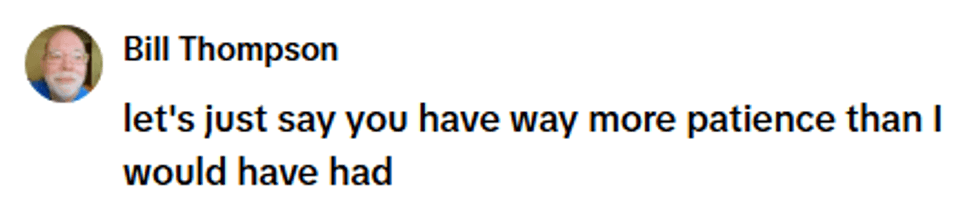 @hannahhrevels/TikTok
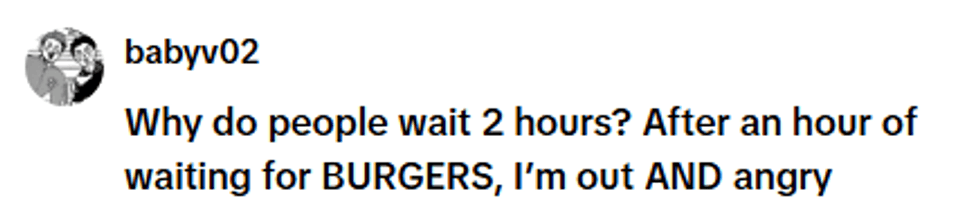 @hannahhrevels/TikTok
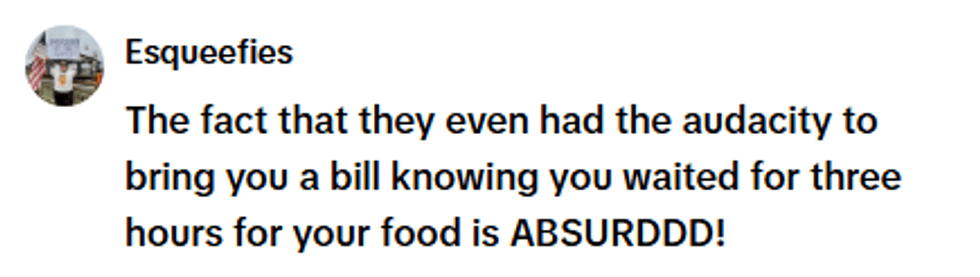 @hannahhrevels/TikTok
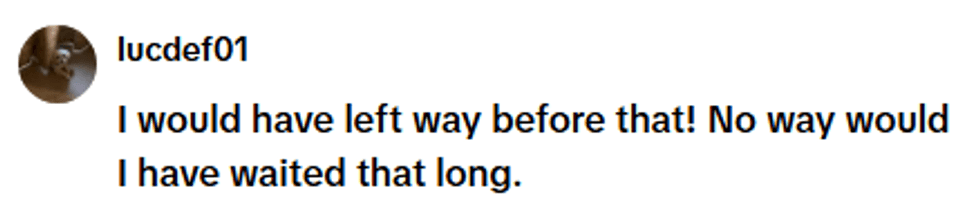 @hannahhrevels/TikTok
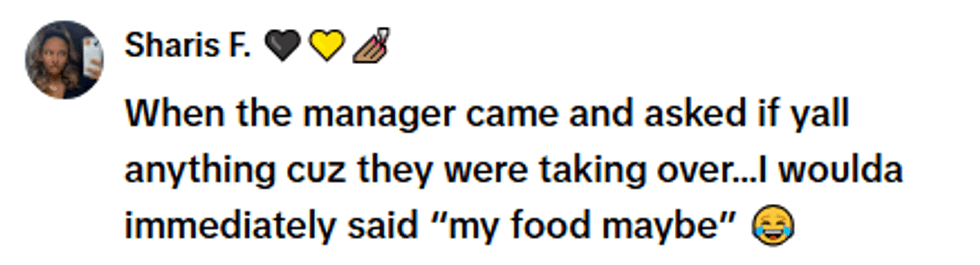 @hannahhrevels/TikTok
 @hannahhrevels/TikTok
 @hannahhrevels/TikTok
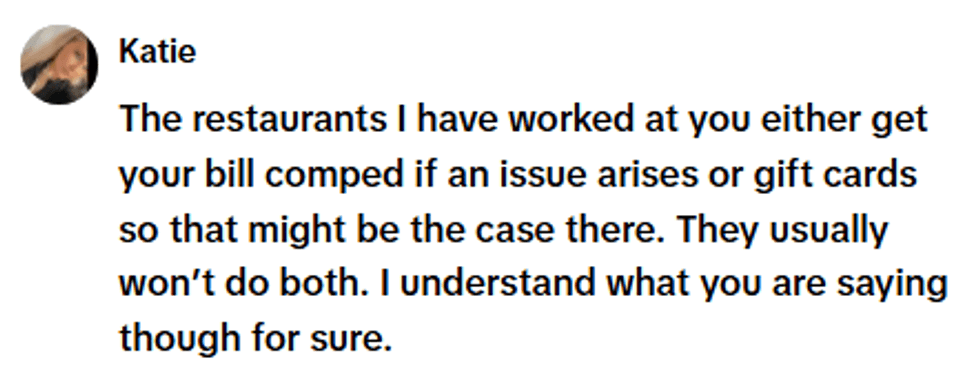 @hannahhrevels/TikTok
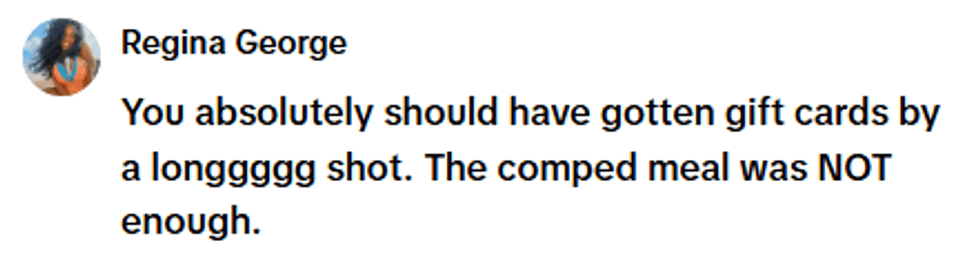 @hannahhrevels/TikTok
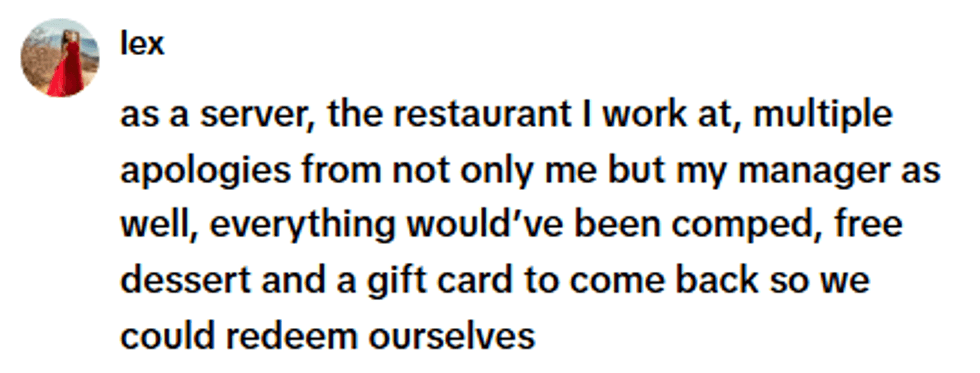 @hannahhrevels/TikTok
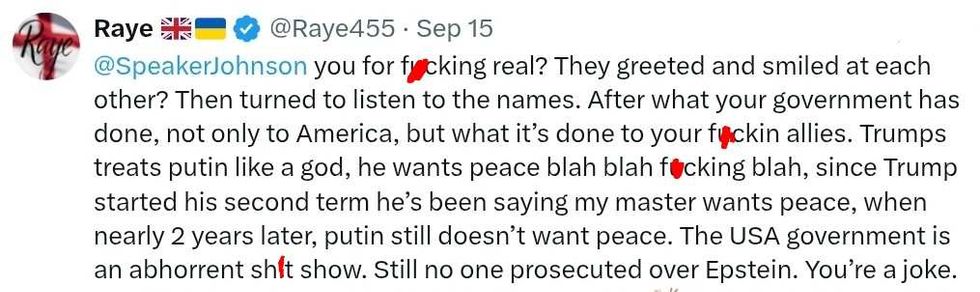 @Raye455/X
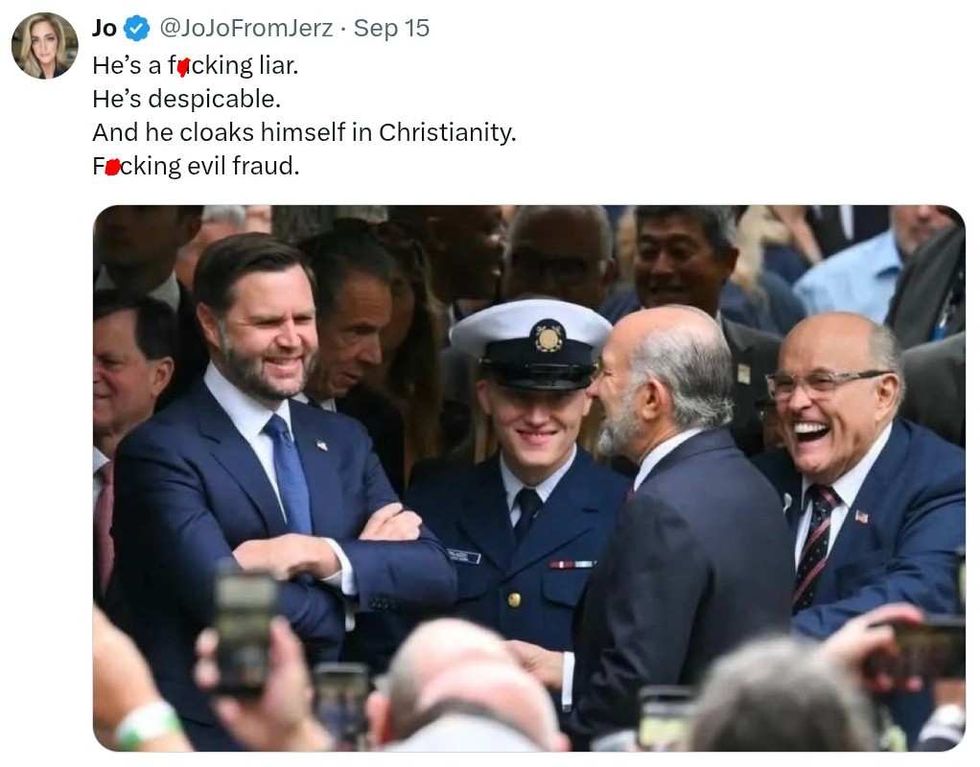 @JoJoFromJerz/X
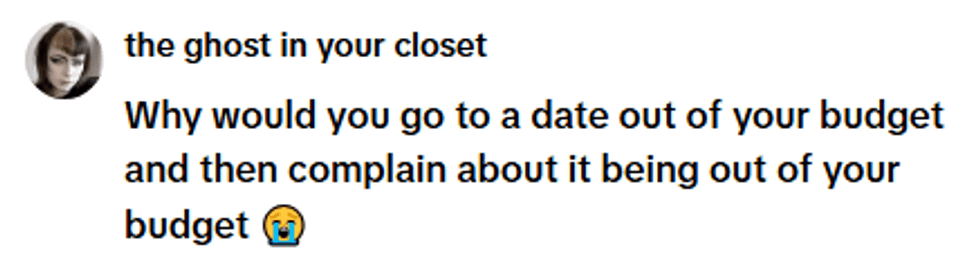 @phlynnmartin/TikTok
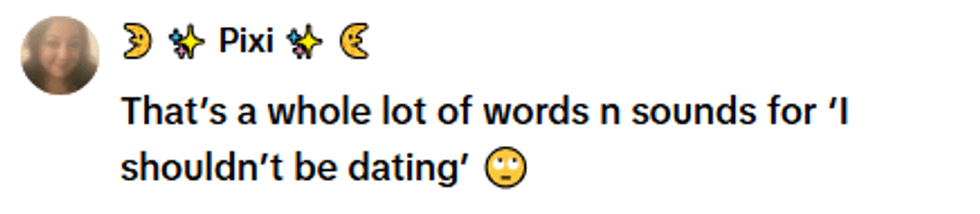 @phlynnmartin/TikTok
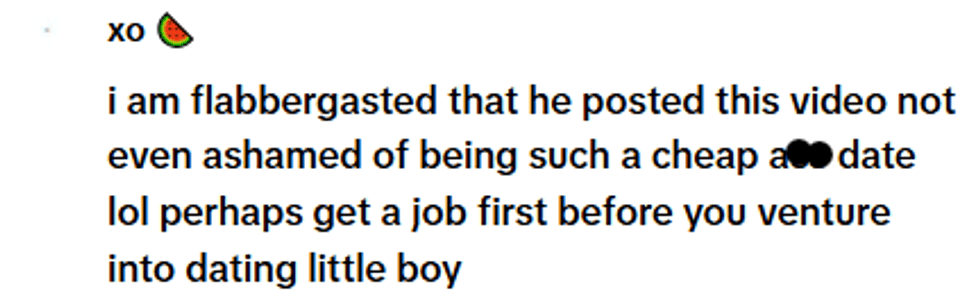 @phlynnmartin/TikTok
 @phlynnmartin/TikTok
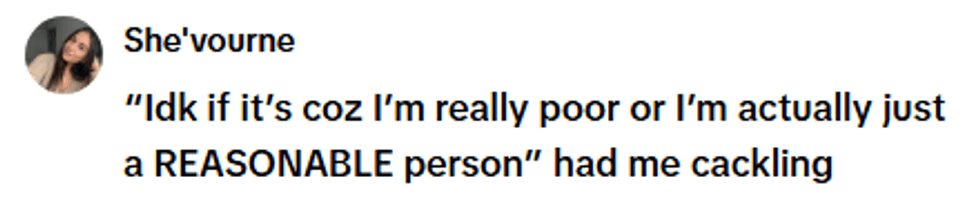 @phlynnmartin/TikTok
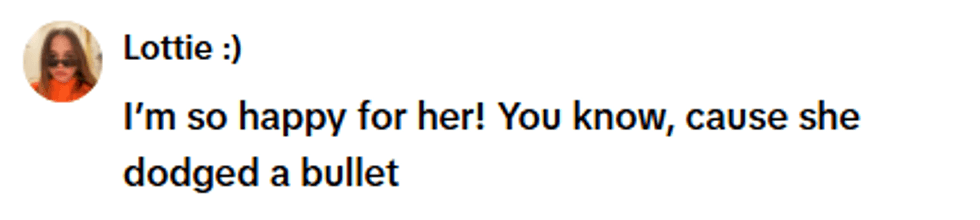 @phlynnmartin/TikTok
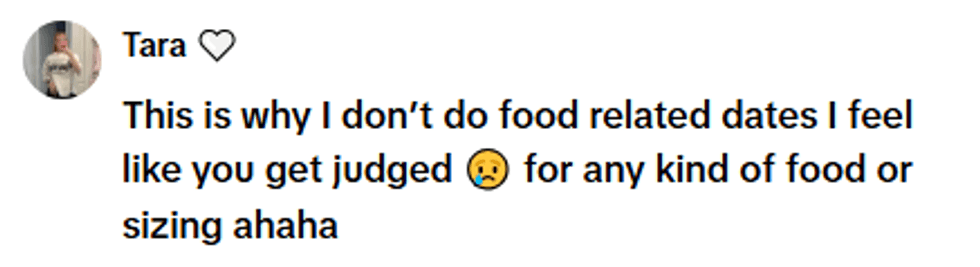 @phlynnmartin/TikTok
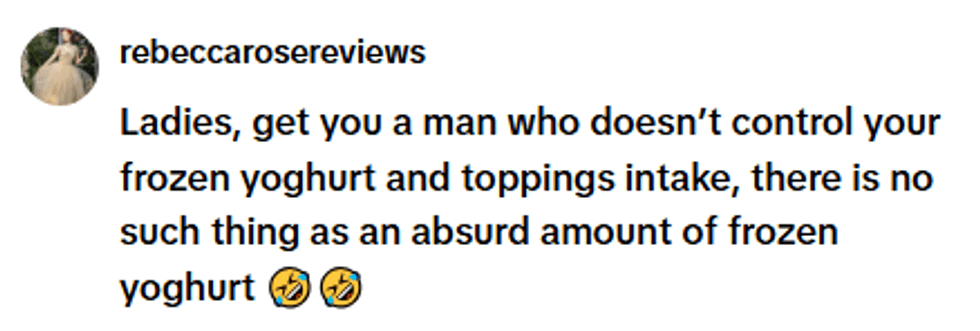 @phlynnmartin/TikTok
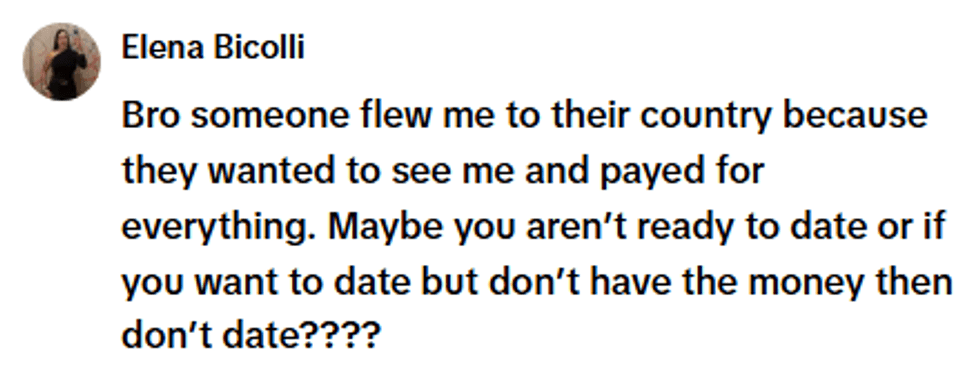 @phlynnmartin/TikTok
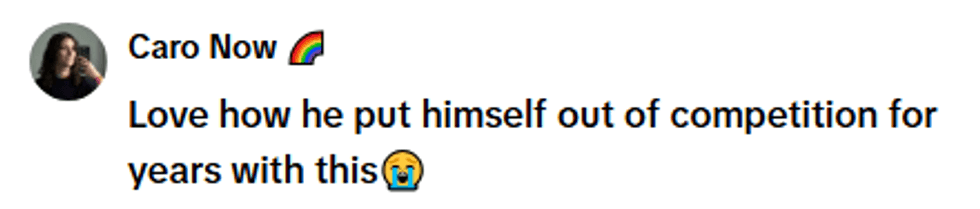 @phlynnmartin/TikTok
 @phlynnmartin/TikTok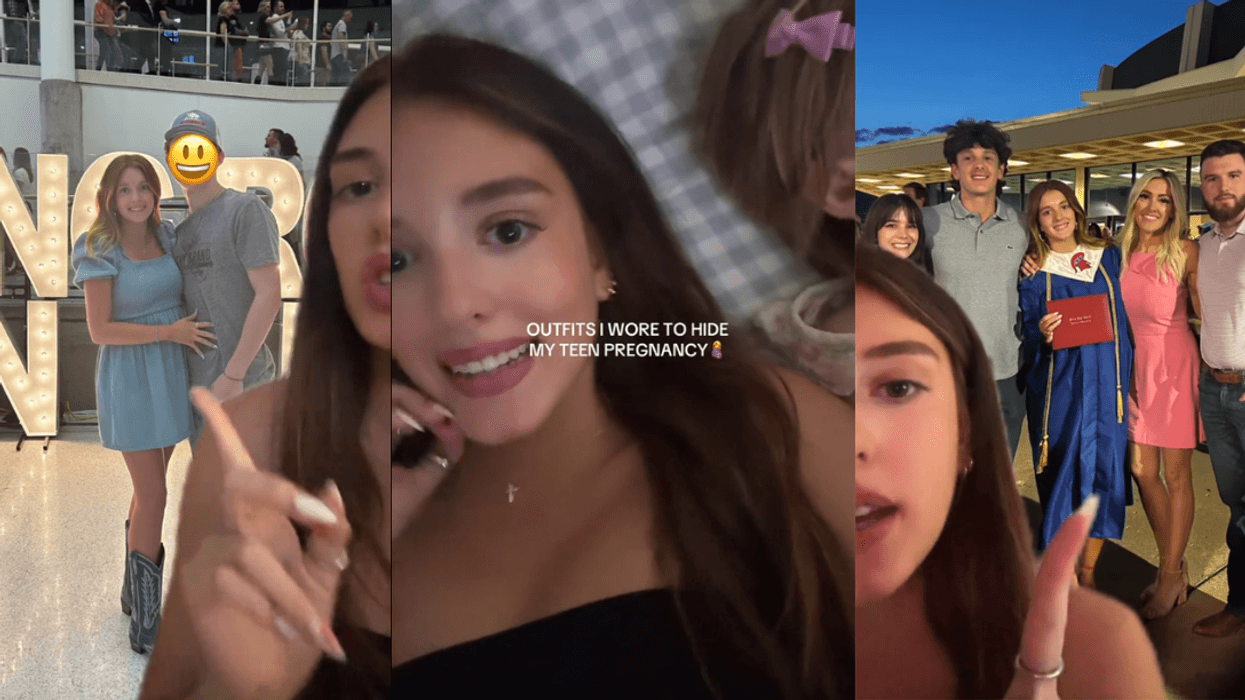
 @sailors.mama/TikTok
 @sailors.mama/TikTok
 @sailors.mama/TikTok
 @sailors.mama/TikTok
 @sailors.mama/TikTok
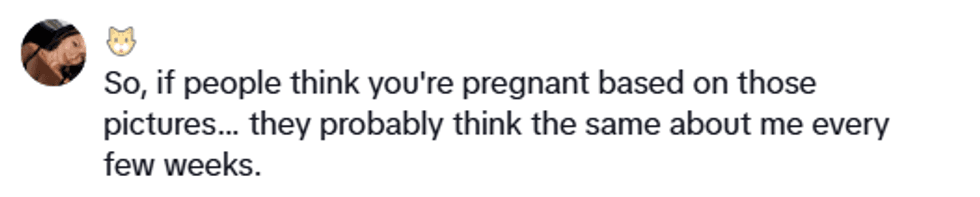 @sailors.mama/TikTok
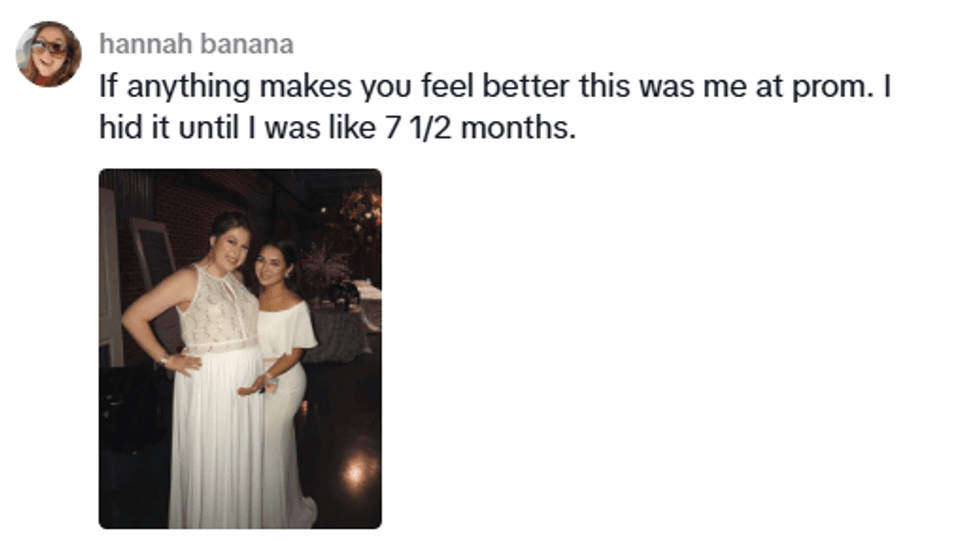 @sailors.mama/TikTok
 @sailors.mama/TikTok
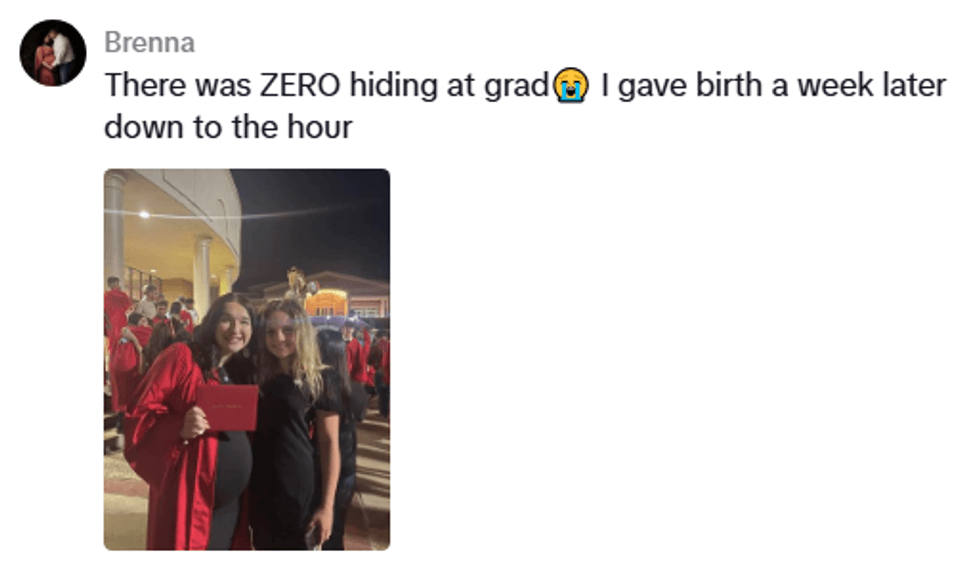 @sailors.mama/TikTok
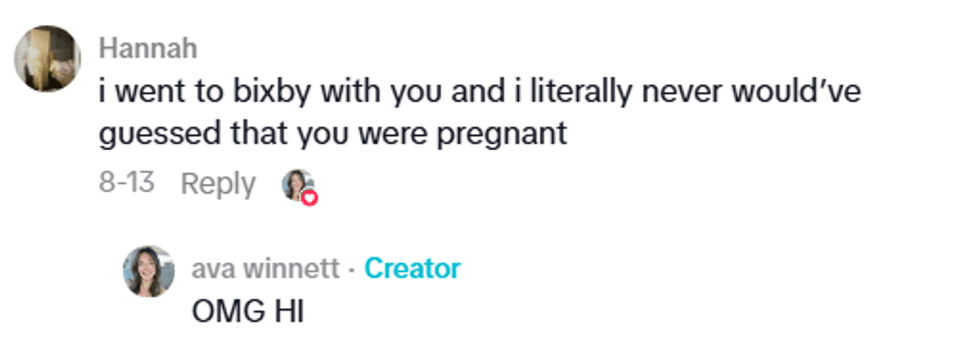 @sailors.mama/TikTok
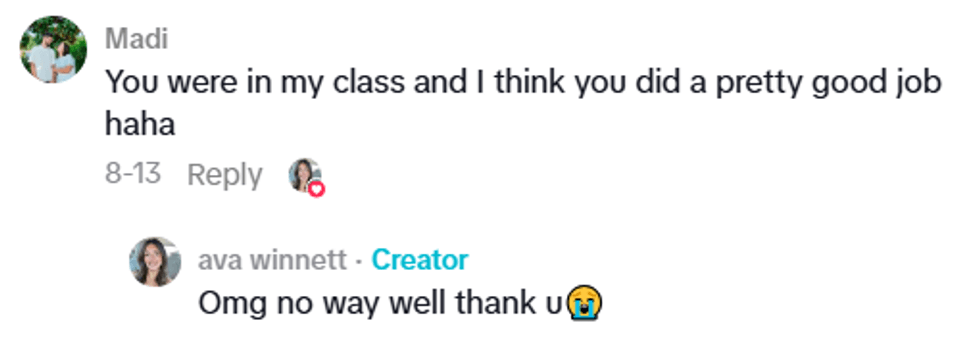 @sailors.mama/TikTok
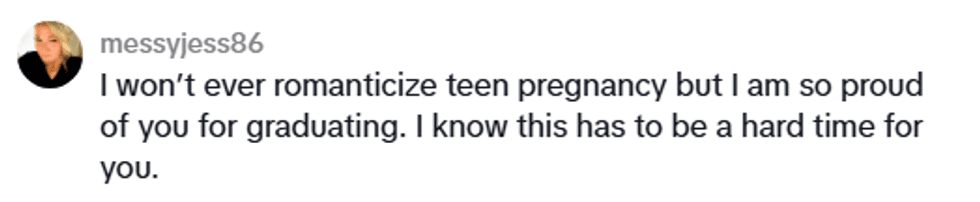 @sailors.mama/TikTok