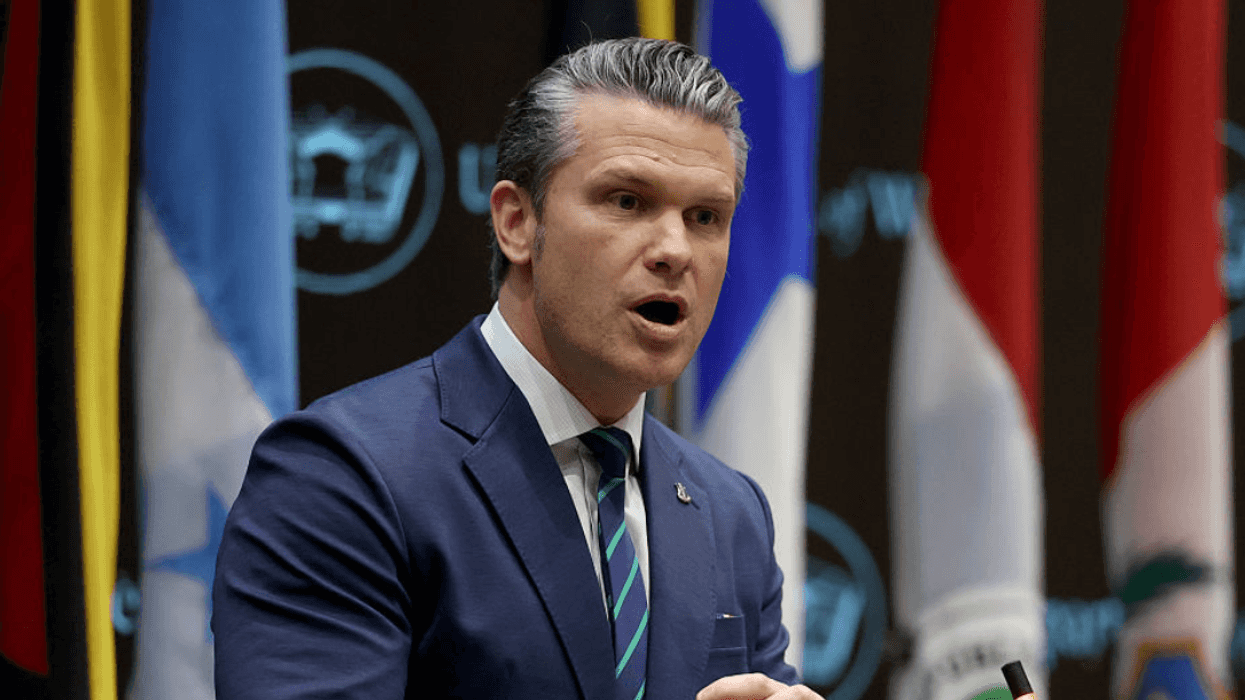
The internet reacted exactly as you might expect after the Pentagon announced it would ban some press photographers from briefings about the Iran war due to their "unflattering" photos of Defense Secretary Pete Hegseth.
Here's a silly one, just because.
 Roberto Schmidt/Getty Images
On March 2, just four days after the Trump administration authorized strikes on Iran, the Defense Department held a press briefing that marked the first time Hegseth had spoken from the Pentagon briefing room podium since June 26.
Several major outlets, including the Associated Press, Reuters, and Getty Images, sent photographers to cover the briefing. But after the agencies distributed their images, which are widely licensed to news organizations around the world, members of Hegseth’s staff complained internally that they disliked how Hegseth appeared in the photos.
According to two people familiar with the matter, his aides then barred photographers from the next two Pentagon briefings, held March 4 and March 10.
Pentagon Press Secretary Kingsley Wilson issued the following statement:
“In order to use space in the Pentagon Briefing Room effectively, we are allowing one representative per news outlet if uncredentialed, excluding pool. Photographs from the briefings are immediately released online for the public and press to use."
"If that hurts the business model for certain news outlets, then they should consider applying for a Pentagon press credential.”
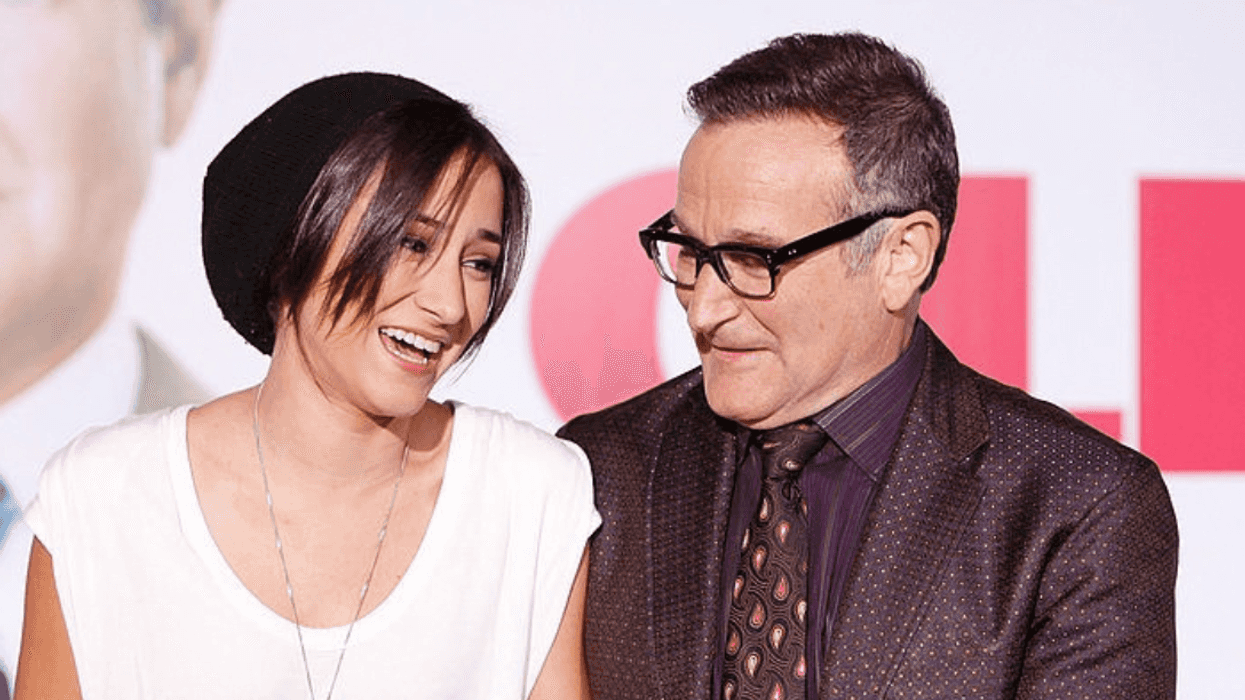
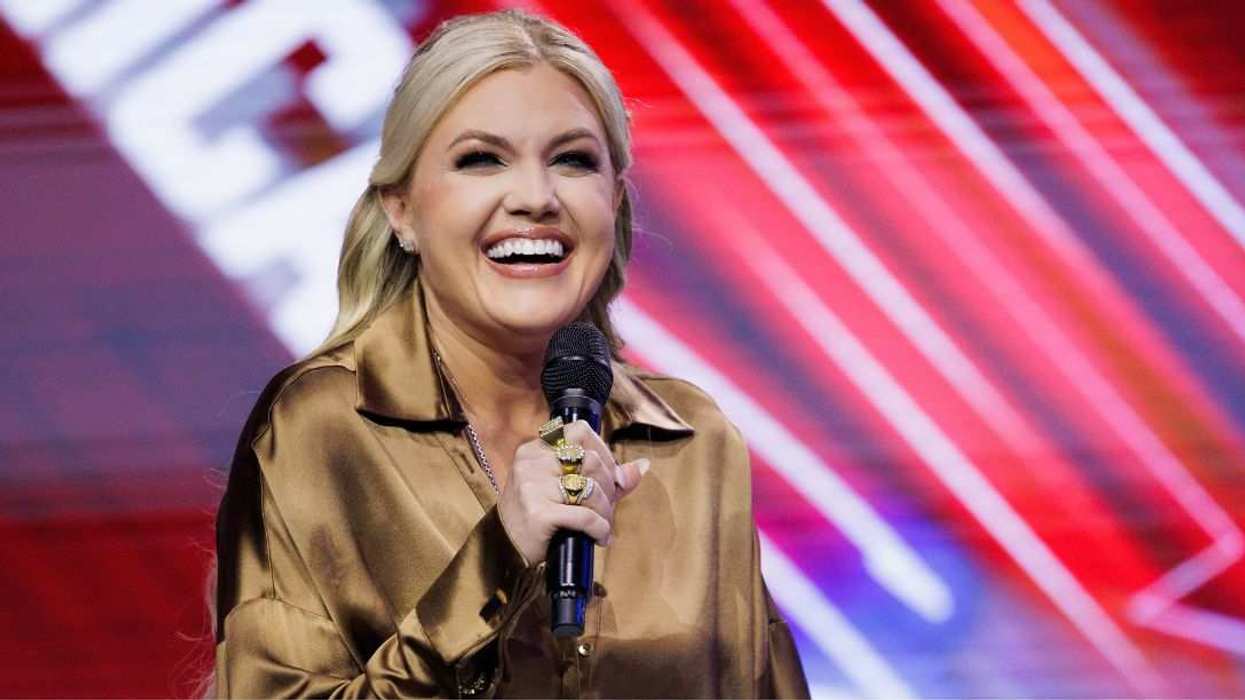
People immediately set out to post the most unflattering photos of Hegseth they could find—and can you blame them?
And others just have thoughts on this weird new policy.
The Pentagon has tried to control reporters in the past, sparking criticism from press advocacy organizations and news organizations alike.
Last year, hundreds of credentialed Pentagon reporters returned their press badges and dozens walked out after refusing to sign a policy that barred journalists from seeking information not explicitly authorized by the government.
The New York Times and one of its reporters, Julian E. Barnes, have since filed a lawsuit against the government, arguing the policy violates constitutional protections for press freedom and due process. The case remains ongoing, with a federal judge in Washington currently considering motions for summary judgment after hearing oral arguments on Friday.

 @joannawietrzyk/Instagram
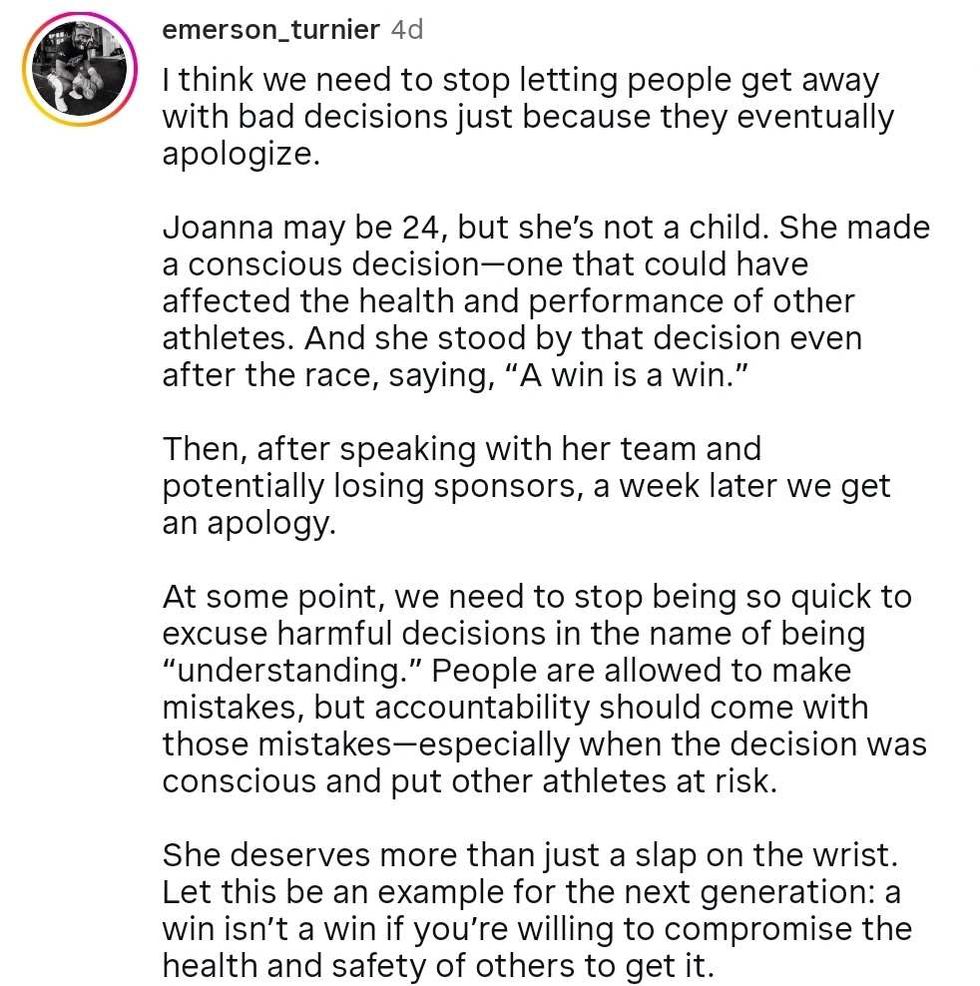 reply to @joannawietrzyk/Instagram
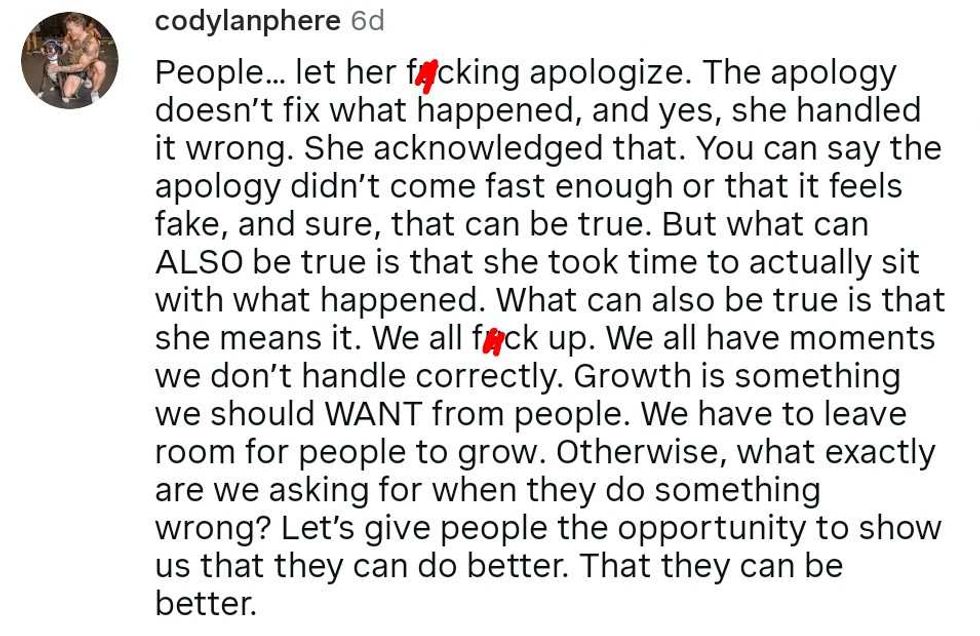 reply to @joannawietrzyk/Instagram
 reply to @joannawietrzyk/Instagram
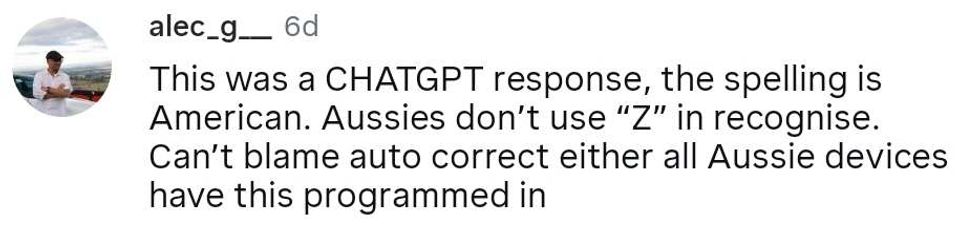 reply to @joannawietrzyk/Instagram
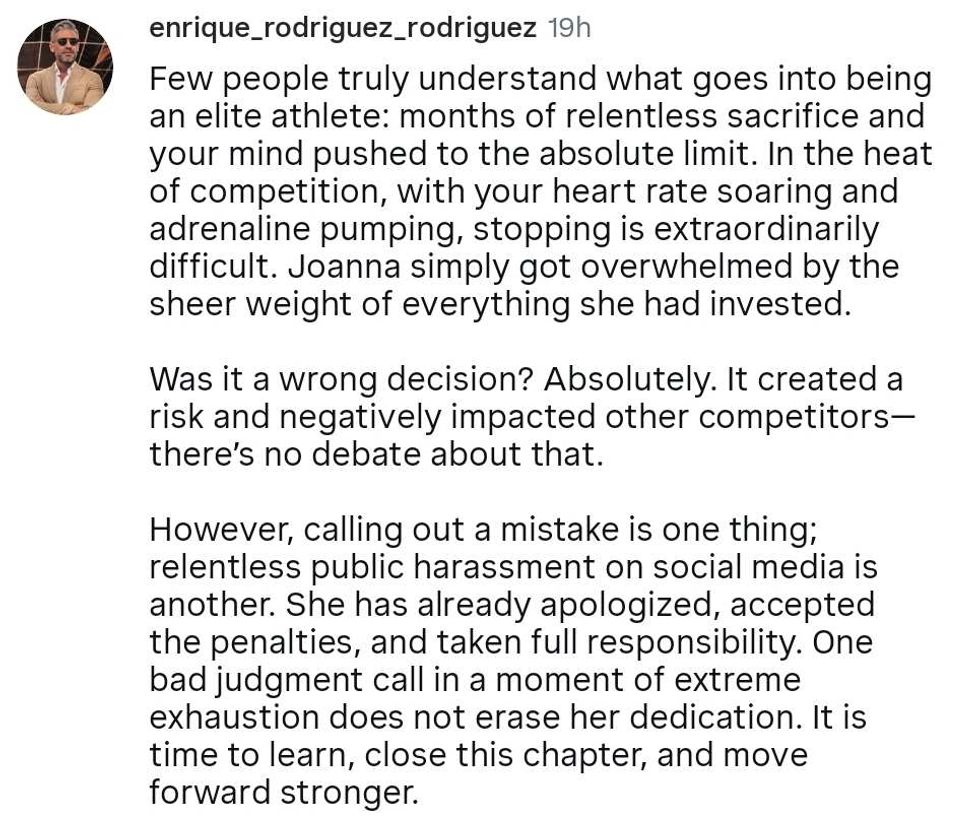 reply to @joannawietrzyk/Instagram
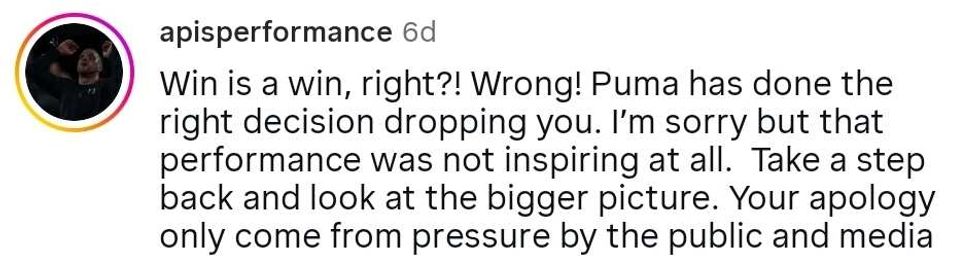 reply to @joannawietrzyk/Instagram
 reply to @joannawietrzyk/Instagram
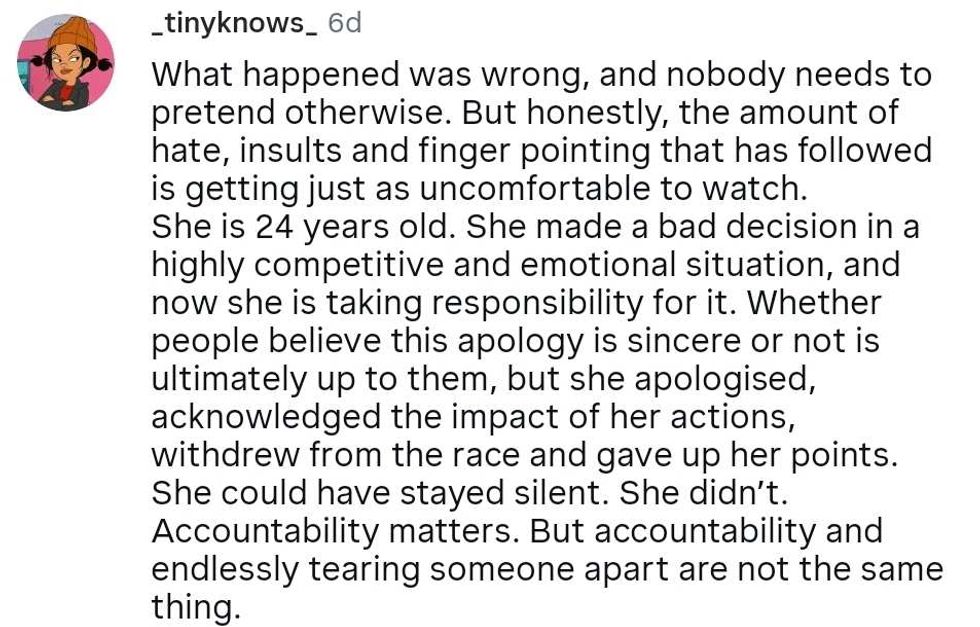 reply to @joannawietrzyk/Instagram
 reply to @joannawietrzyk/Instagram