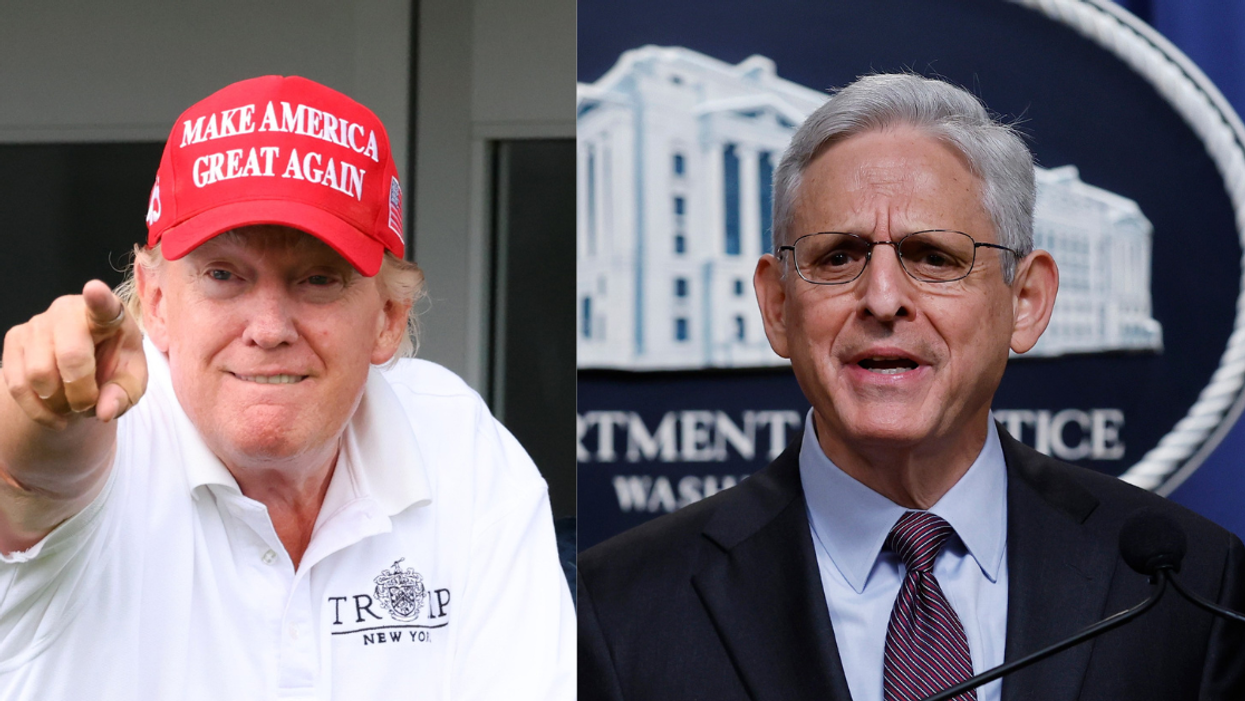

News broke last Tuesday evening from The Washington Post that former Republican President Donald Trump is now the subject of a criminal investigation by federal prosecutors, upping his legal exposure considerably in the eyes of legal observers.
It was also welcome news for critics of Attorney General Merrick Garland, from whom there had been no visible signs to date that Trump himself was a part of the broader investigation into January 6.
In fact, it now appears that Garland and the Department of Justice have been at this far longer than assumed.
The investigation into Trump’s possible criminal actions have been underway since at least April, according to the report, meaning investigators began long before the hearings by the January 6 Committee took place in June and July of this year and were not “prompted” in any way by the revelations of the Committee.
Those who have been calling for the resignation of Garland were probably unfamiliar with his track record of running very tight investigations of high profile cases with zero leaks.
It is important at this time to assess what it exactly means, however, that Donald Trump is now the “subject” of investigation.
As law professor Joyce Vance wrote in her analysis, citing from the Justice Manual (the prosecutors’ “bible” for civil and criminal procedure), there are three kinds of witnesses when it comes to federal cases:
- A "target" is a person who prosecutors believe is likely to be indicted, based on the evidence they have acquired;
- A "subject" is a person whose conduct falls within the scope of the crimes a grand jury is investigating and who may or may not progress to become a target; and
- A “witness” is a person whose testimony will advance an investigation but who is either not under investigation or has cut some deal to offer testimony in lieu of prosecution or for preferential treatment at sentencing.
Here, Trump is a “subject” of an investigation, meaning that while he is being actively investigated, the evidence so far does not yet make him a “target.” That should give small comfort to him and his cronies, however, because his status could change quickly depending on what others say about him.
We saw recently how District Attorney Fani Willis in Fulton County, Georgia notified a number of witnesses’ lawyers, out of professional courtesy, that after new evidence came to light, their clients were now considered targets of her investigation for election interference in her state.
I took note of three things in particular when I read the Post report about Trump now being the subject of a criminal investigation.
First, the Post revealed the Department had obtained phone records back in April of Trump’s key aides and other officials within his administration, including, importantly, those of Mark Meadows, his former chief of staff. These records will help form a roadmap for interviews and investigations of potential subject or target witness.
This is because each of the most serious charges under consideration when it comes to the Trump White House includes a “conspiracy” element: seditious conspiracy, conspiracy to obstruct an official proceeding, and conspiracy to defraud the United States.
Who was “in” on the conspiracy likely is a subset of those people with whom Mark Meadows regularly was communicating. It would not be surprising if Meadows himself, who has remained fairly quiet through these past few months, was already speaking and cooperating to some extent with investigators, if only to avoid becoming the “fall guy” for the former President.
Second was the fact that there were no less than four sources “familiar with the matter” who spoke about federal investigators’ questions regarding direct communications by witnesses with the former President.
As Prof. Vance notes, it is highly unlikely that the Posts’ sources are actual prosecutors or members of the grand jury; this would be a serious breach of confidentiality and Department guidelines. Nor do these witnesses include the highest profile witnesses to date, former Vice President Mike Pence’s chief of staff Marc Short and his senior legal counsel Greg Jacob, who reportedly both declined to comment.
Given the detailed nature of the response, including the tricky legal water that the Department must navigate with respect to what comprises protected First Amendment speech by Trump, the information may have come from staff members within the January 6 Committee who are aware of the Department’s activities due to information sharing, or from lawyers within the White House who were cooperating with the Committee including outspoken erstwhile attorney Eric Herschmann.
In any event, these statements likely went forward with the tacit understanding, and to the great relief, of the Justice Department. The timing, after all, could not be much better: The first round of hearings by the January 6 Committee just concluded the week before, so the Committee’s work would not be upstaged by the news.
And the former Republican President and Vice President Mike Pence each just gave rival speeches in D.C., the same day that this story broke. Either this reporting on the Trump criminal subject story is merely delightfully coincidental, or it is a psychological chess move of the highest order.
Third, two of the sources set out the legal terrain in plain terms, something ordinary witnesses would not normally understand. The realm of possibility for criminal charges, the sources said to the Post, divides into two tracks, one centering on seditious conspiracy and conspiracy to obstruct a government proceeding, and the other centering on fraud related to both the “fake” elector scheme and the false statements about a stolen election, known widely as the Big Lie.
These two tracks overlap.
They inexorably lead back to Trump, tying into and best understood within his singular goal of remaining in power after having lost the 2020 election. The Big Lie allowed Trump to muster, among his supporters across the nation, opposition to the election results, earning him hundreds of millions in donations and empowering him to gather an angry, violent mob of thousands in Washington, D.C.
The fake elector scheme was a necessary precondition and an express part of the corrupt obstruction plan laid out in the Eastman memo, under which Trump pressured Pence to cite the fake electors as justification to declare him the winner or send the election back to the states. The armed assault on the Capitol, planned by the Oath Keepers, the Proud Boys, and possibly by some within the White House itself, became the fallback option when Pence refused to go along with the coup.
Trump’s inaction for three hours and seven minutes, during which he did nothing to stop the assault, made him party to that seditious conspiracy by aiding and abetting the attempted overthrow of the government.
In an interview over the past weekend, NBC News’ Lester Holt spoke to Garland and confronted the question that has been on everyone’s mind.
Holt said:
“The indictment of a former President, and perhaps a candidate for President, would arguably tear the country apart."
“Is that your concern as you make your decision down the road here, do you have to think about things like that?”
Garland replied:
“We intend to hold everyone, anyone who was criminally responsible for the events surrounding Jan. 6, for any attempt to interfere with the lawful transfer of power from one administration to another, accountable."
"That’s what we do. We don’t pay any attention to other issues with respect to that.”
Given what we now understand Garland has known about for months, his response was telling. He didn’t speak about the balancing of political interests. He didn’t speak about the historic nature of indicting a former president or the blowback from appearing to punish a political rival of his boss, the current president.
Instead, he brought it back to the fact that no one, not even a former president or likely candidate for president, gets a free pass. If the evidence is sufficient to hold Trump criminally responsible, then that is what will happen.
So far, that evidence is still in the gathering phase, with more evidence out just yesterday from reporting by The New York Times, which revealed that at least one of the lawyers assisting the Trump campaign understood that the alternate elector scheme was a “fake” one—a key admission, in written emails to the campaign, when it comes to criminal intent to defraud.
It would be in keeping with Department practice to begin first with indictments against lower level aides who participated in the fraudulent schemes and conspiracies to obstruct, and to build the foundation of the case from there. These witnesses could provide the full story, from their perspectives, about what happened, who ordered what, and who ultimately should be held accountable.
That will take some time to accomplish, but the Department’s work is now very clearly well underway.
 @charlotte.clymer/Bluesky
 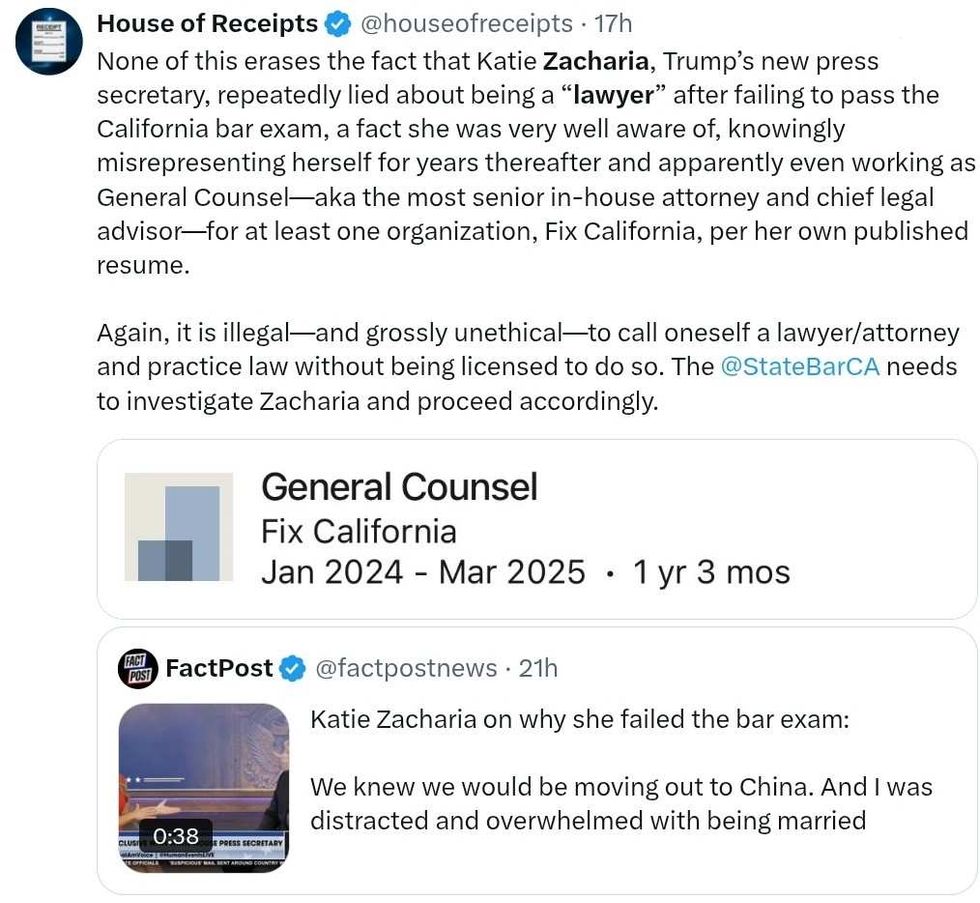 @houseofreceipts/X

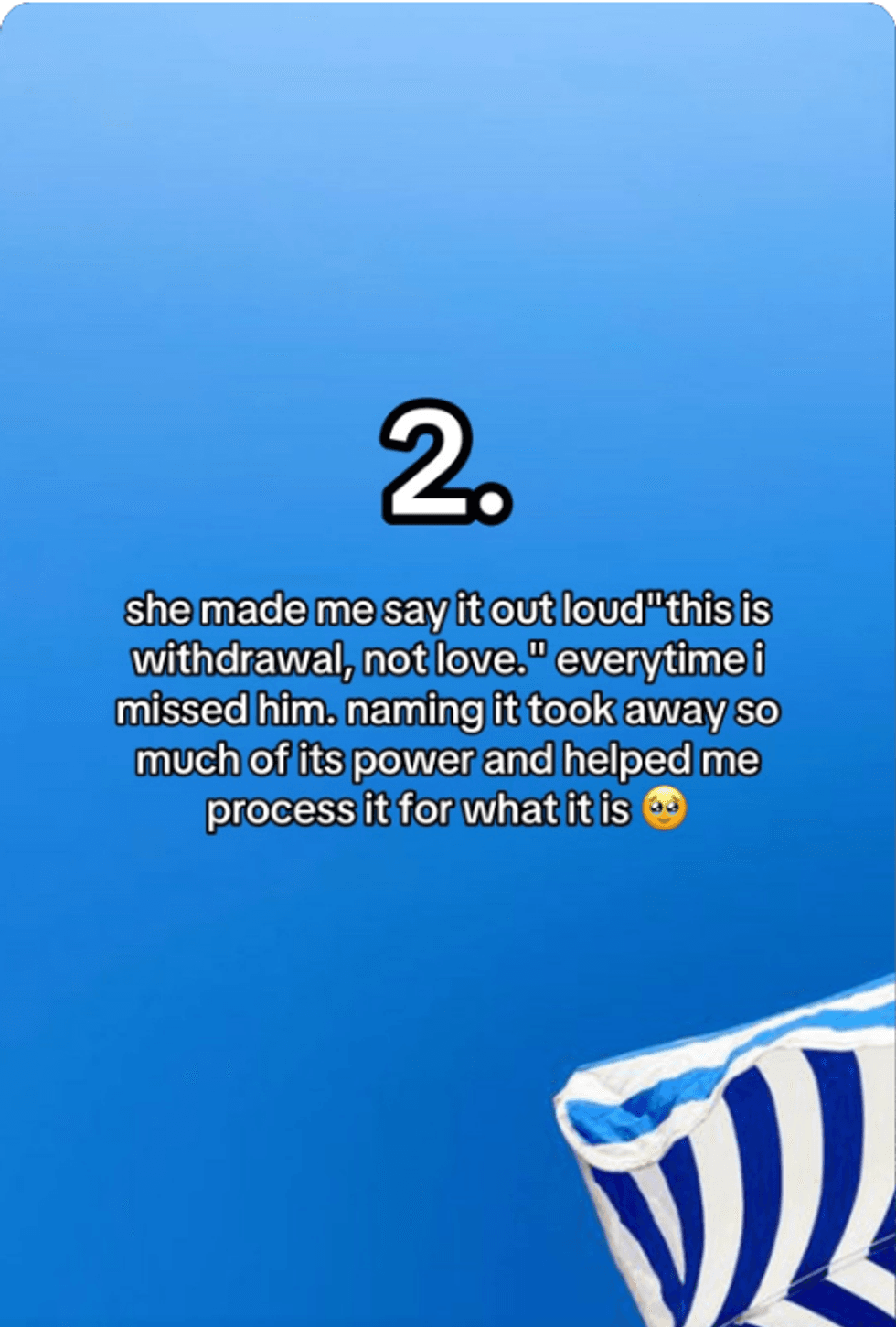
 @lillys.healingera/TikTok
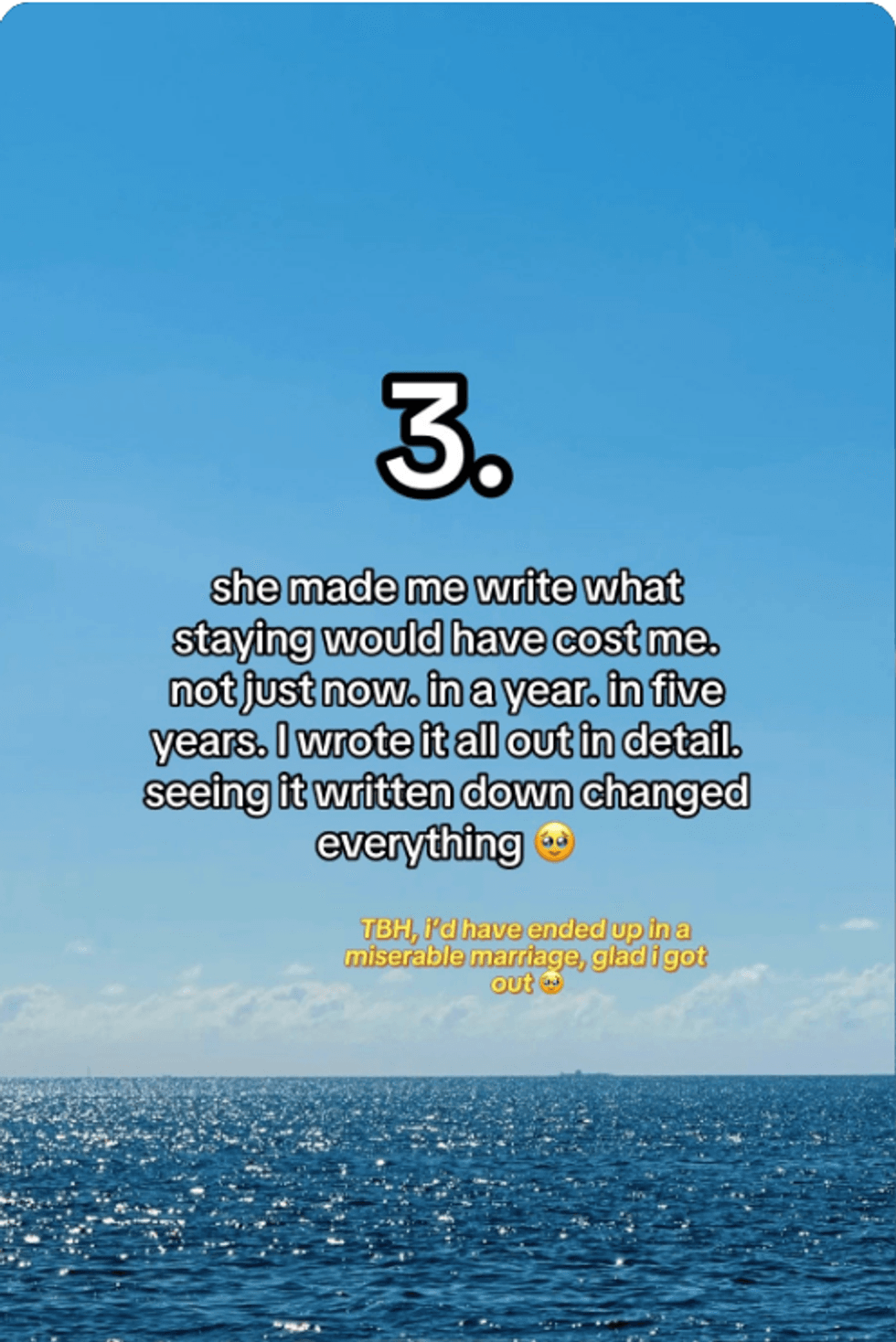
 @lillys.healingera/TikTok
 @lillys.healingera/TikTok
 @lillys.healingera/TikTok
 @lillys.healingera/TikTok
 @lillys.healingera/TikTok
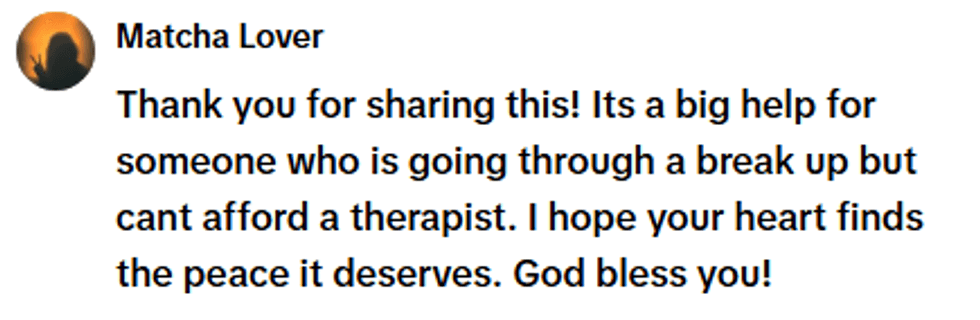 @lillys.healingera/TikTok
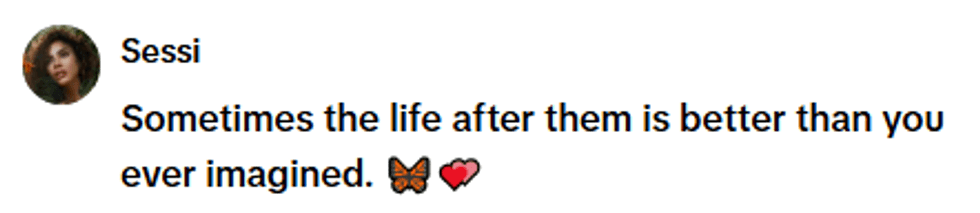 @lillys.healingera/TikTok
 @lillys.healingera/TikTok
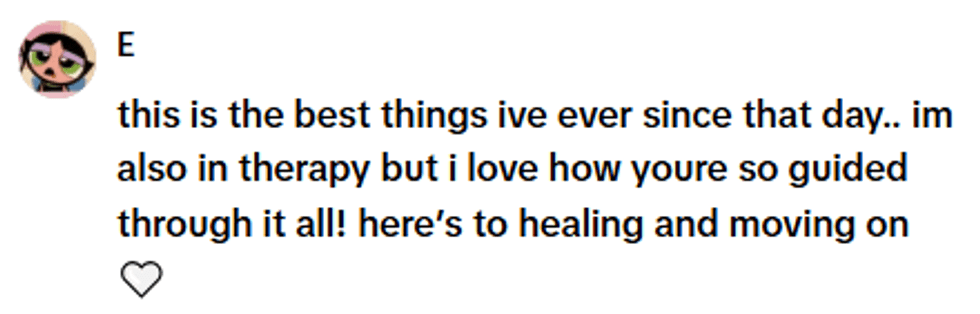 @lillys.healingera/TikTok
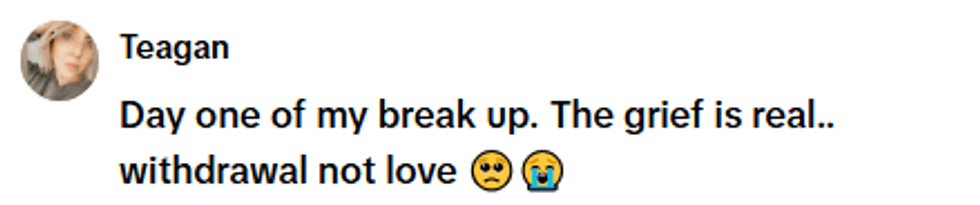 @lillys.healingera/TikTok
 @lillys.healingera/TikTok
 @lillys.healingera/TikTok
 @lillys.healingera/TikTok
 @lillys.healingera/TikTok
 @lillys.healingera/TikTok

 @whatsinthekoolaid/TikTok
 @whatsinthekoolaid/TikTok
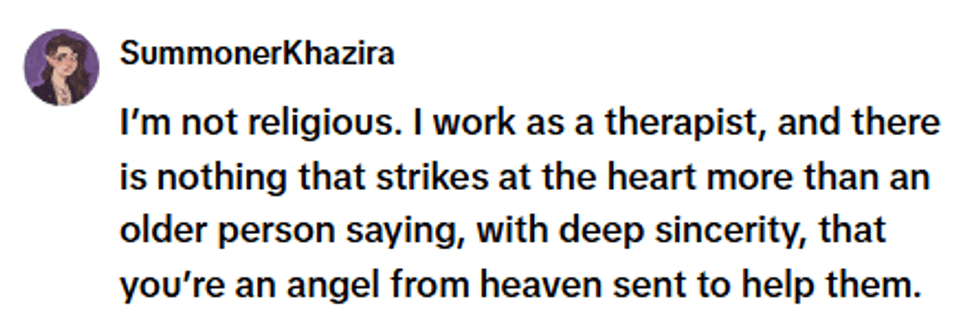 @whatsinthekoolaid/TikTok
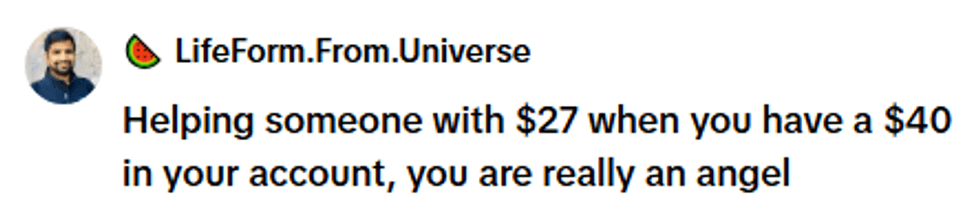 @whatsinthekoolaid/TikTok
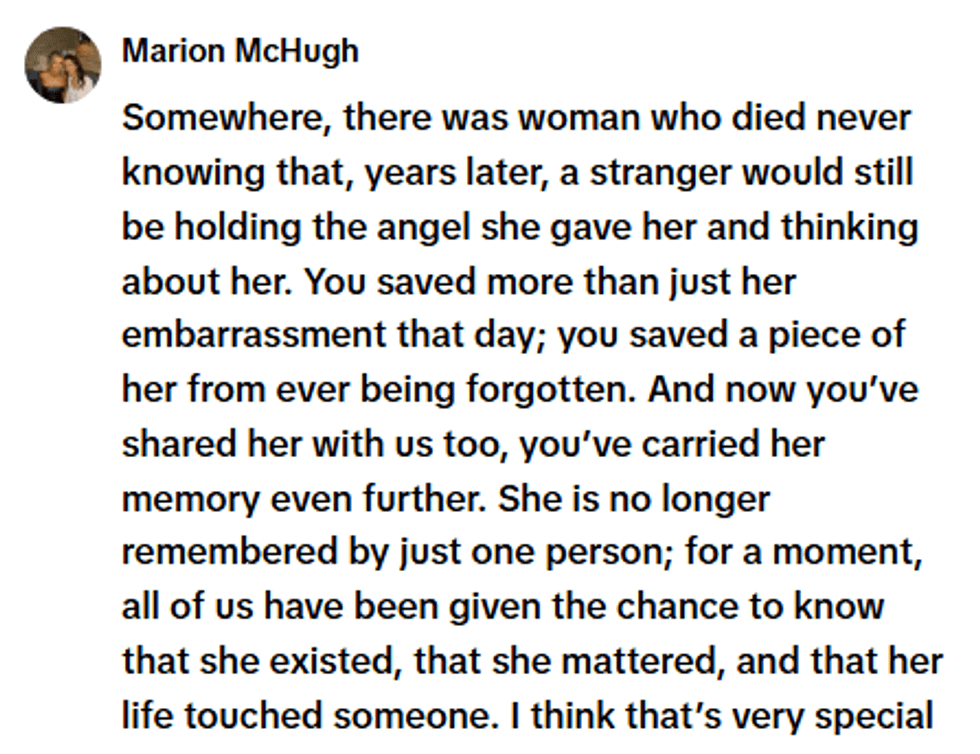 @whatsinthekoolaid/TikTok
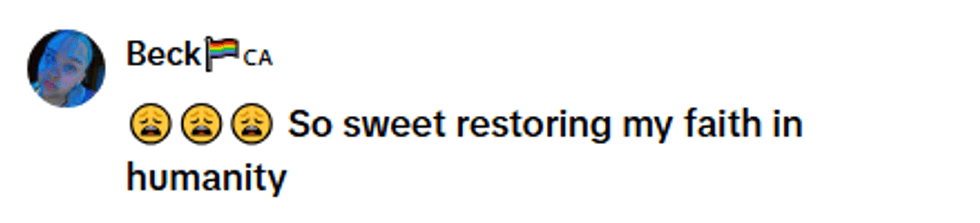 @whatsinthekoolaid/TikTok
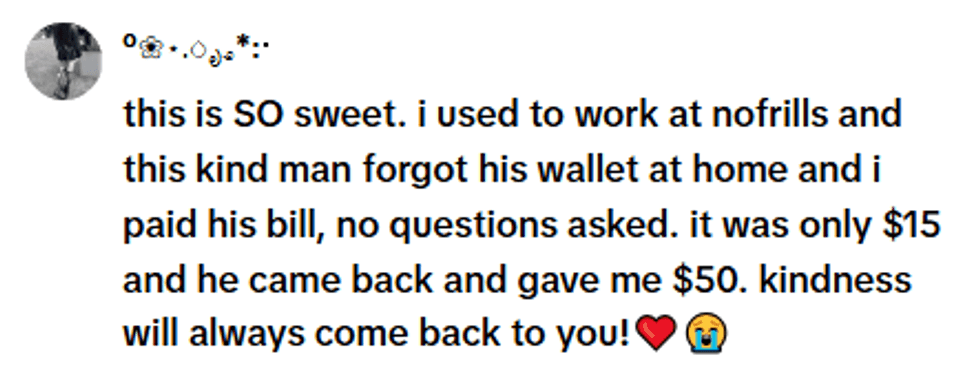 @whatsinthekoolaid/TikTok
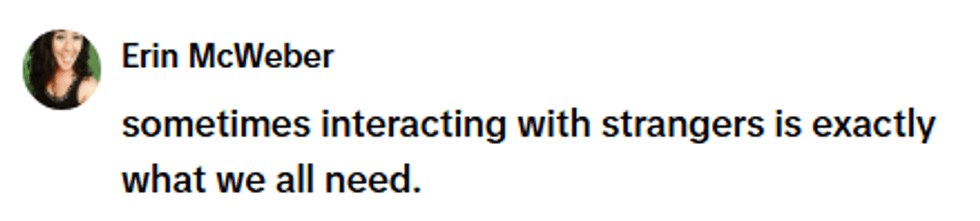 @whatsinthekoolaid/TikTok
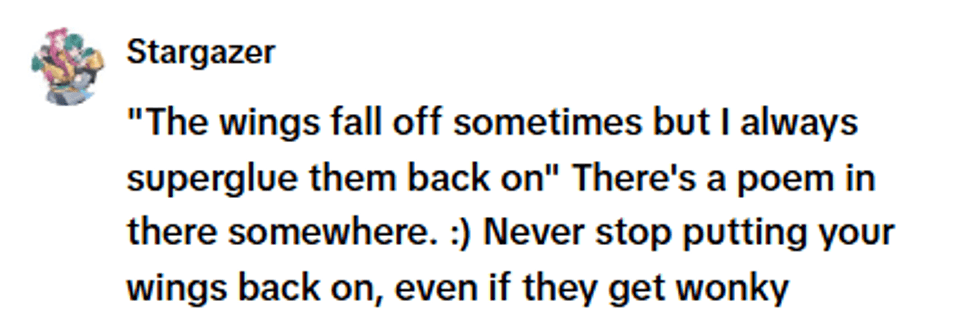 @whatsinthekoolaid/TikTok
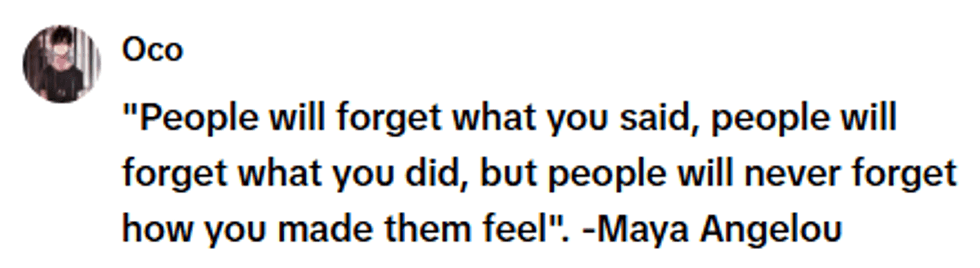 @whatsinthekoolaid/TikTok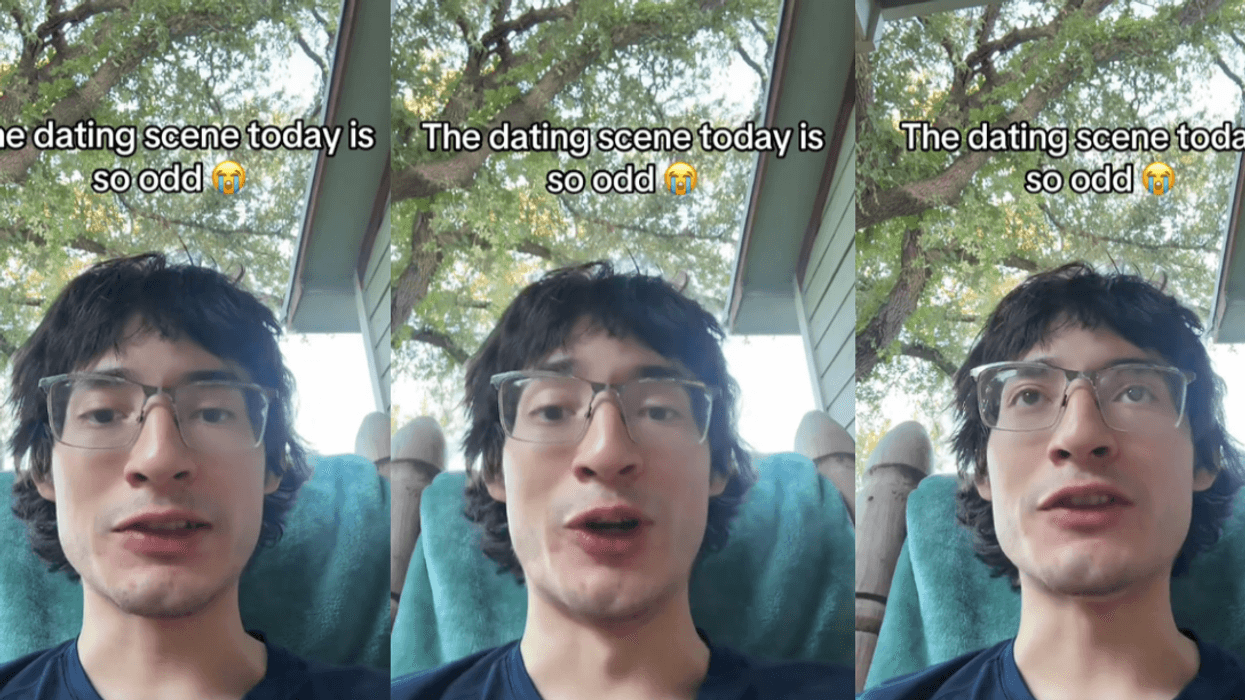
 @palladiumpaladin/TikTok
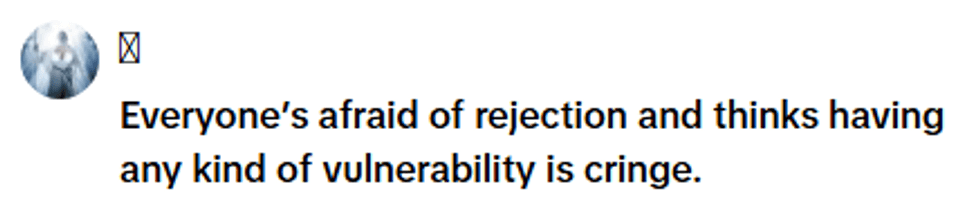 @palladiumpaladin/TikTok
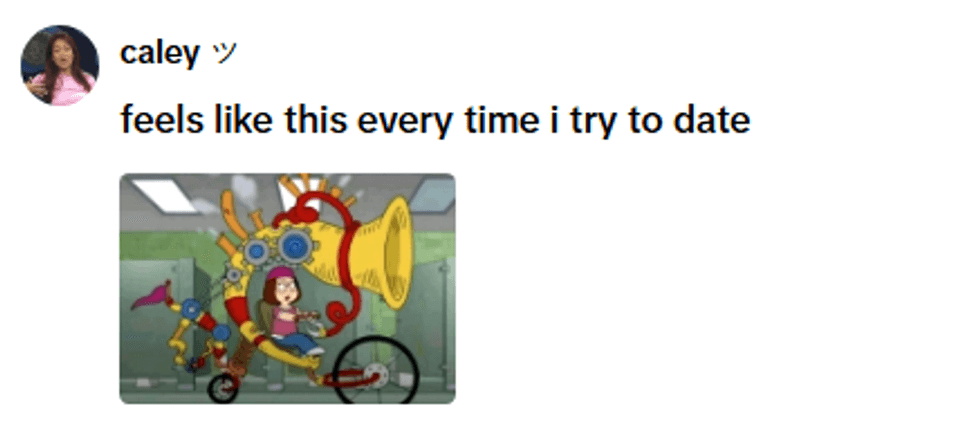 @palladiumpaladin/TikTok
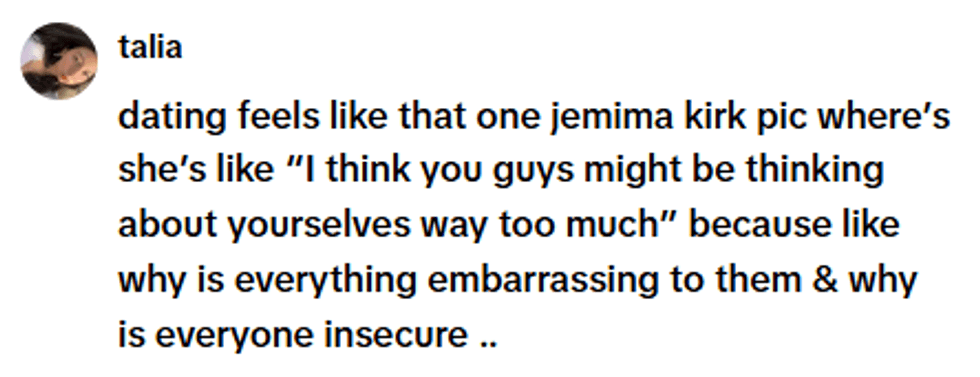 @palladiumpaladin/TikTok
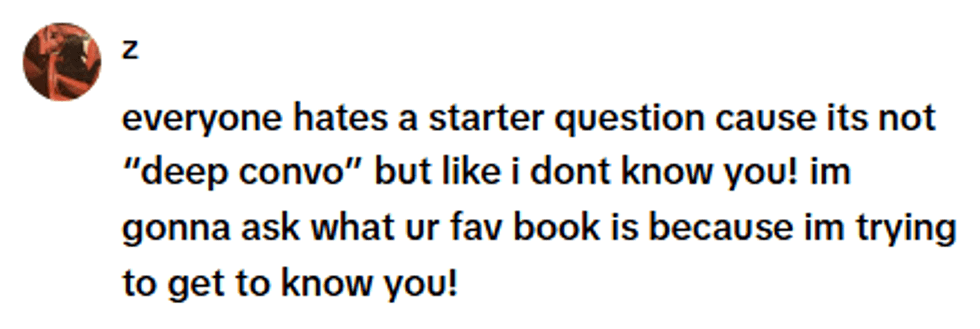 @palladiumpaladin/TikTok
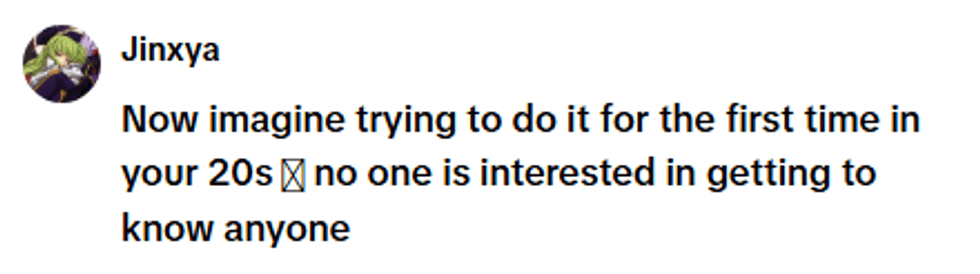 @palladiumpaladin/TikTok
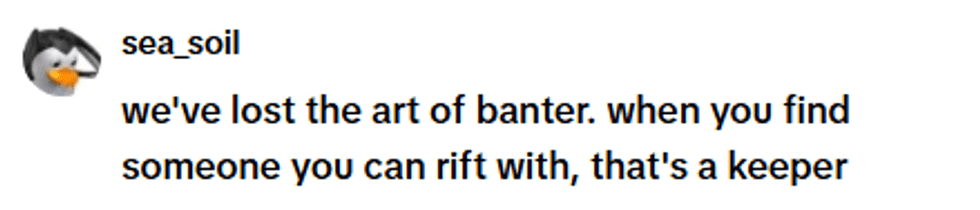 @palladiumpaladin/TikTok
 @palladiumpaladin/TikTok
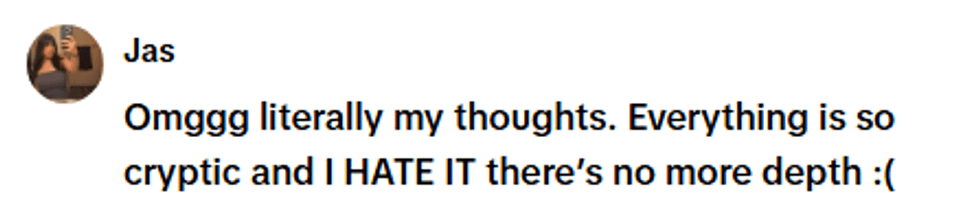 @palladiumpaladin/TikTok
 @palladiumpaladin/TikTok