
In 2003, Love Actually became a Christmas movie monolith. Directed by Richard Curtis and packed with a cast including Emma Thompson, Alan Rickman, Keira Knightley, Liam Neeson, and approximately half of Britain, the film cemented itself as both a holiday comfort movie and a recurring source of fictional emotional torture.
But no storyline exemplifies that damage quite like Karen and Harry.
And for those who don’t recall—or worse, haven’t seen this Christmas classic—not judging, but I’ll recap, because Love Actually deserves more than a vibes-based memory.
Emma Thompson plays Karen, a practical, loving papier-mâché queen and mother of two who spends the film quietly holding her household together while her husband Harry, portrayed by Rickman, quietly drifts into an emotional and physical affair with his employee, Mia. The betrayal is devastating because it’s so mundane.
Harry buys Mia a gold necklace. Karen later finds it in his coat and reasonably assumes it’s meant for her. On Christmas morning, instead of the necklace, Karen unwraps a Joni Mitchell CD. The realization lands immediately. She excuses herself, goes to her bedroom, cries, and then wipes her face and returns downstairs to be a mother.
It remains one of the most quietly brutal scenes in any holiday movie ever made.
Later, Karen confronts Harry with a speech that has been quoted, debated, and weaponized in relationships for two decades:
“Imagine your husband bought a gold necklace, and, come Christmas, gave it to somebody else. Would you wait around to find out if it’s just a necklace, or if it’s sex and a necklace, or if, worst of all, it’s a necklace and love? Would you stay? Knowing life would always be a little bit worse? Or would you cut and run?”
The film never shows Karen leaving him. That is the entire point. Curtis refuses the audience the comfort of closure. Instead, Love Actually gives us ambiguity, which is far crueler and far more realistic.
The final time Karen and Harry appear together is in the closing montage, set one month after Christmas. Karen and the children pick Harry up at the airport. They exchange a painfully awkward kiss on the cheek. Harry asks how she is.
Looking visibly uncomfy, she says, “Good to have you back,” then turns to the children, choosing to move on to small talk.
Nothing is resolved, and yet everything is altered. Their marriage survives, perhaps, but it is permanently scarred, side-eyed, and debated on the internets. Not to mention, the unresolved tension is widely considered one of the film’s most emotionally effective choices.
Which brings us to Timothée Chalamet, a self-proclaimed fan with a jam.
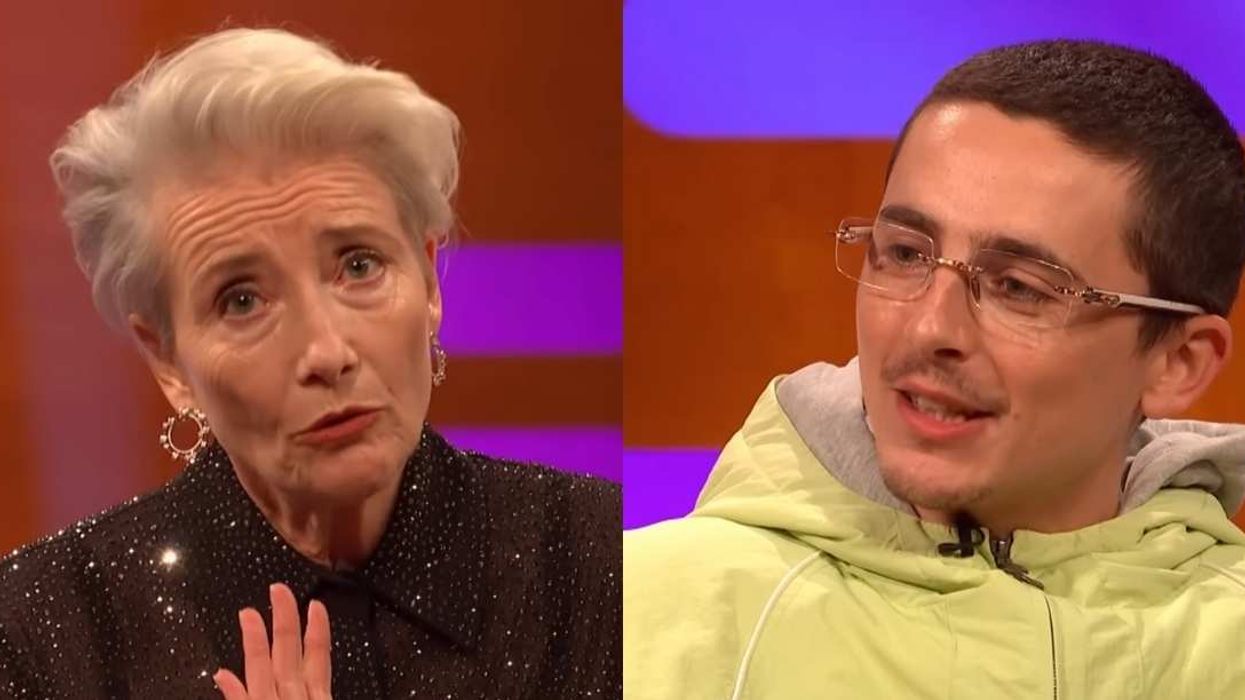
During a recent episode of The Graham Norton Show, Chalamet appeared alongside Thompson and Love Actually co-star Rowan Atkinson. When host Graham Norton mentioned that Love Actually was Chalamet’s favorite Christmas movie, things immediately went off the rails.
Chalamet said:
“Love Actually, what a jam! I was rewatching it last night, and that’s sort of a complicated, ethically, storyline, you know? Because you guys resolve the dispute quite easily.”
Dearest reader, they clearly do not.
Thompson’s face alone could have powered a graduate-level film seminar.
She gently, but firmly, corrected him:
“Well, do you think? I don’t think so. I think when he gets off that plane, Alan Rickman—God rest him, playing my husband—I think you just don’t know. You know it’ll never be the same again. That’s the thing.”
You can watch the full, deeply uncomfortable exchange here:
Fans immediately clocked Chalamet’s claim that Love Actually is his favorite Christmas movie. Forgetting a side plot is forgivable. Forgetting the entire emotional point of one of the film’s most famous arcs is not. Karen and Harry are not a redemption story. They are a cautionary tale about the quiet ways women absorb betrayal to keep families functioning.
Yet, in Chalamet’s defense—and this pains me—Love Actually is aggressively crowded. In addition, the film weaves together performances from Hugh Grant, Colin Firth, Laura Linney, Bill Nighy, Martine McCutcheon, Andrew Lincoln, Chiwetel Ejiofor, and Rowan Atkinson, all operating on different emotional frequencies.
Online reactions were swift, and not everyone was ready to revoke his Love Actually fan card just yet:
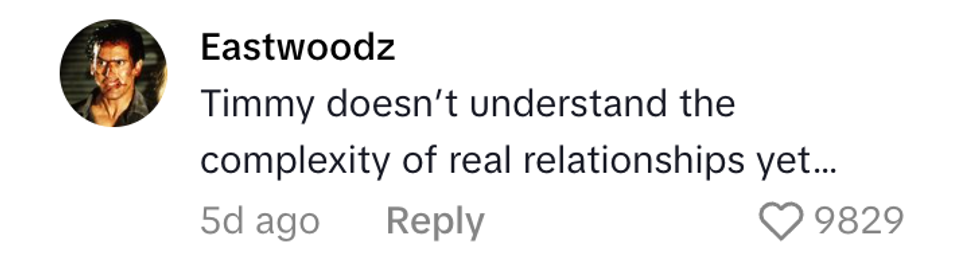 @malpaso99/TikTok
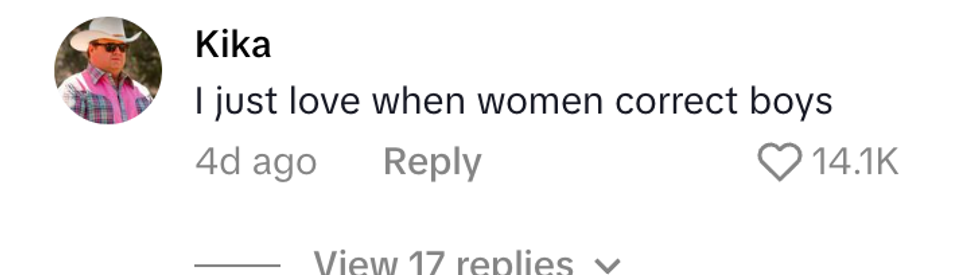 @kika26636/TikTok
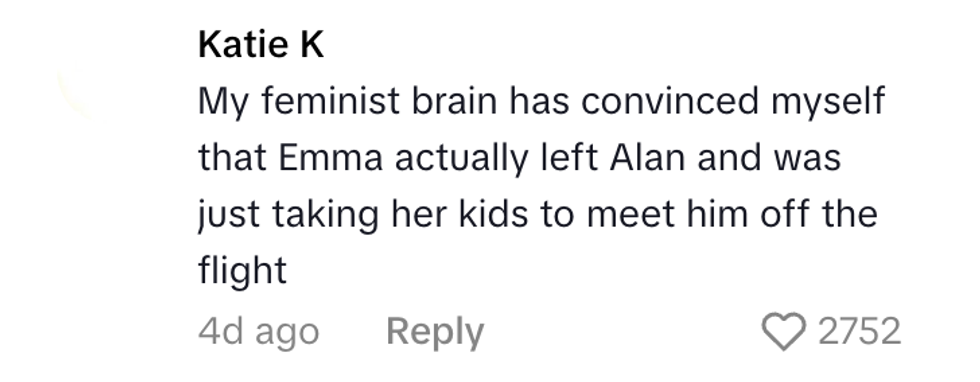 @kingkatie95/TikTok
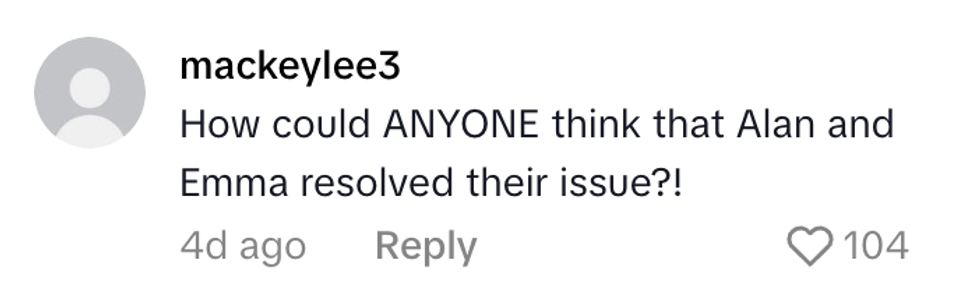 @mackeylee2/TikTok
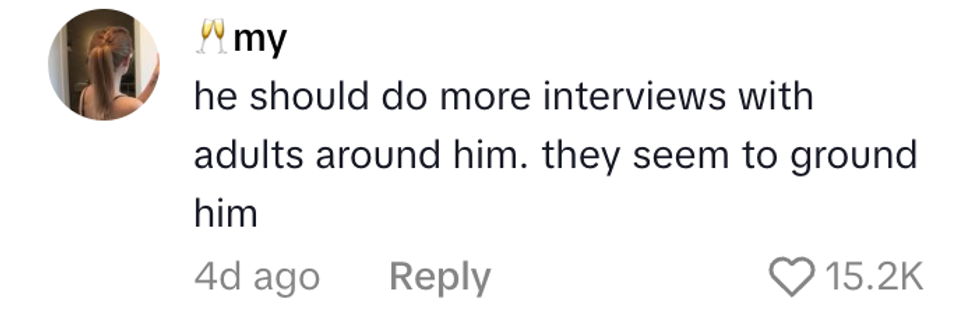 @_xobambi_/TikTok
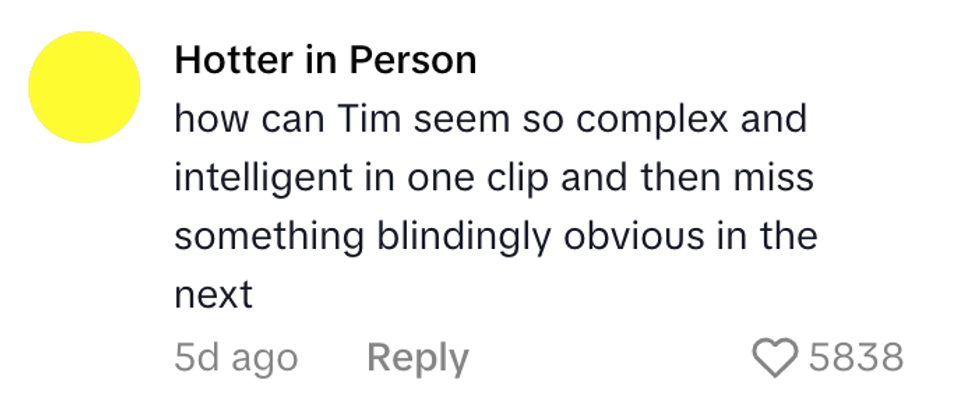 @gatecrasher4/TikTok
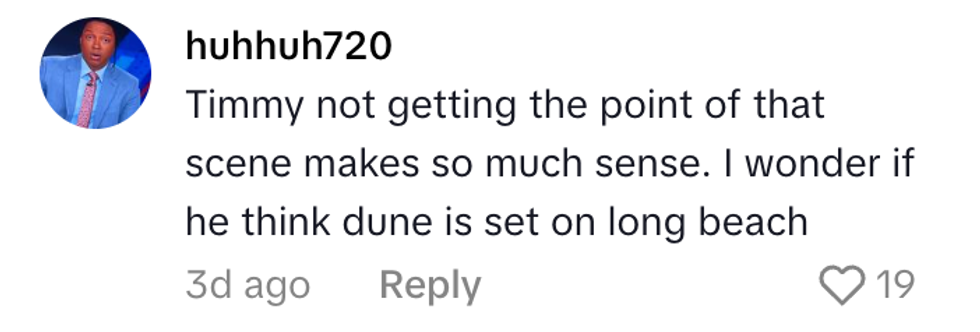 @huhhuh720/TikTok
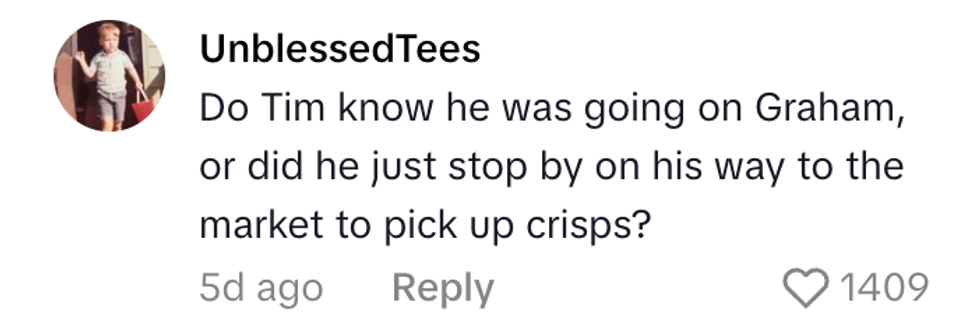 @fu3g0dieg0/TikTok
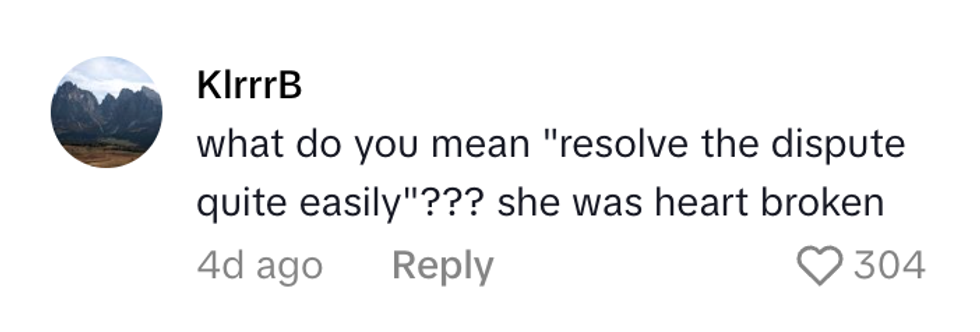 @klrrrb/TikTok
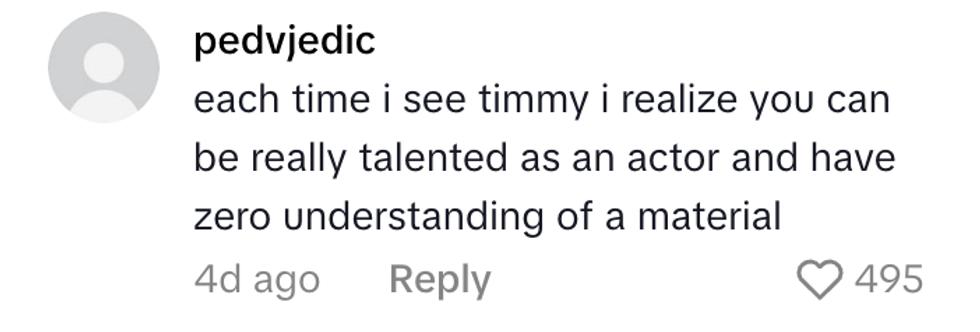 @pedvjedic/TikTok
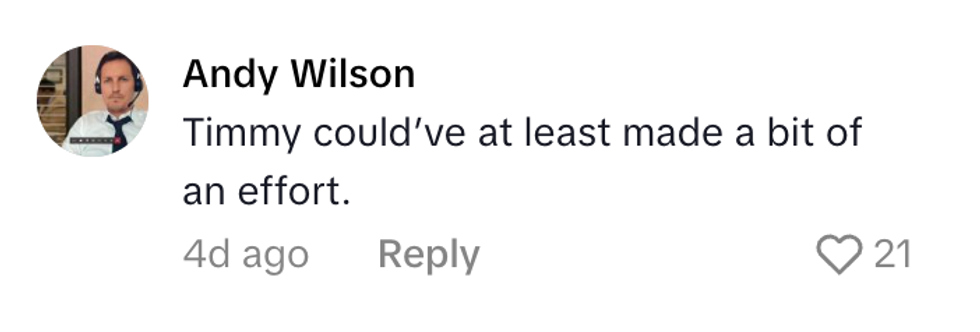 @andyzidane/TikTok
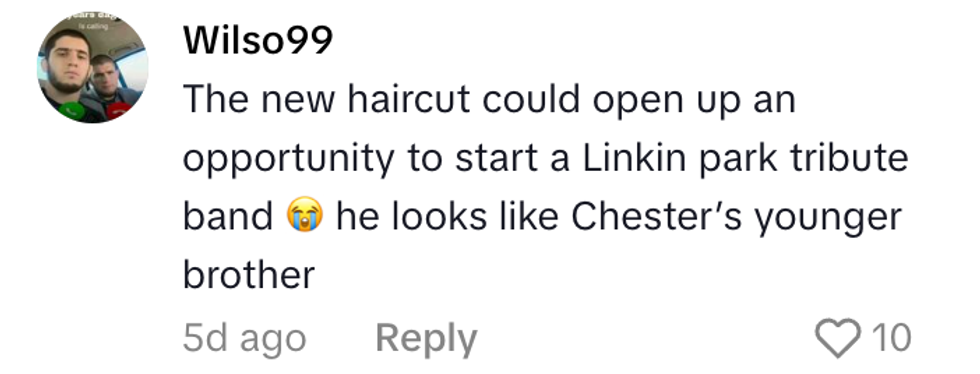 @madicepickman/TikTok
Chalamet was on the show promoting Marty Supreme, his upcoming film role that required a dramatic haircut, which he also addressed during the appearance.
Timmy explained:
Meanwhile, Norton attempted to steer the conversation back on track by asking Thompson and Atkinson about working together on the film. Atkinson, who memorably plays the retail worker who takes an eternity wrapping Mia’s necklace at Selfridges, recalled that the scene had to be shot overnight because the store refused to allow daytime filming.
The late hours, he noted, were not a hit with Rickman, whom he described as less than thrilled by the arrangement:
“Yeah, whereas I just did a spot of shopping!”
And let’s be 110 percent real, Chalamet’s misread doesn’t ruin the Christmas movie love of Love Actually. It simply reminded everyone why Karen remains the film’s emotional backbone, and why claiming her storyline “resolves quite easily” is the fastest way to reveal that you ain’t a real fan.






 reply to @imopodcasts
 reply to @imopodcasts
 reply to @imopodcasts
 reply to @imopodcasts
 reply to @imopodcasts
 reply to @imopodcasts
 reply to @imopodcasts
 reply to @imopodcasts
 reply to @imopodcasts
 reply to @imopodcasts
 reply to @imopodcasts
 reply to @imopodcasts
 reply to @imopodcasts
 reply to @imopodcasts
 reply to @imopodcasts
 @nikolcosmetics/TikTok
 @nikolcosmetics/TikTok
 @nikolcosmetics/TikTok
 @nikolcosmetics/TikTok
 @nikolcosmetics/TikTok
 @nikolcosmetics/TikTok
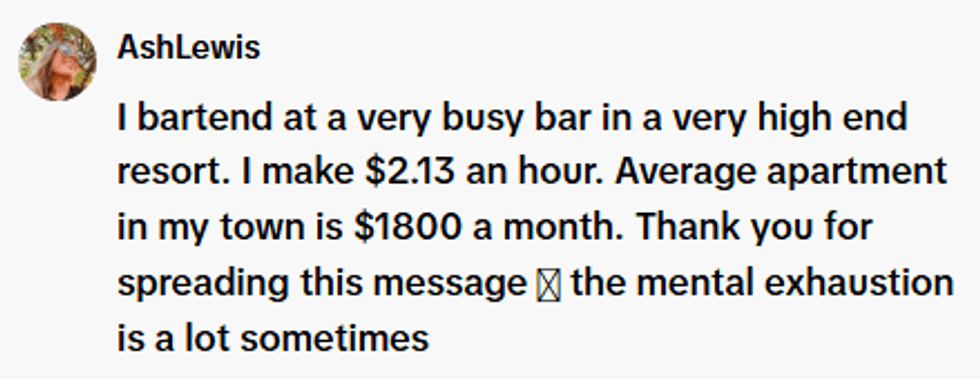 @nikolcosmetics/TikTok
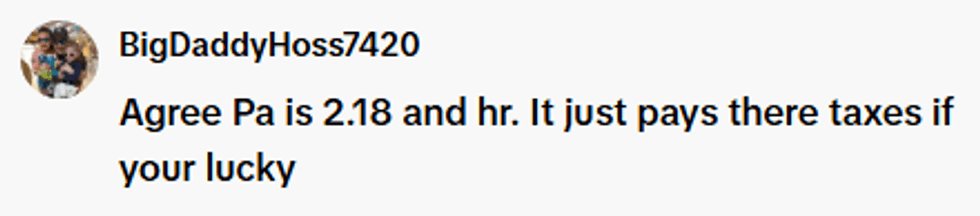 @nikolcosmetics/TikTok
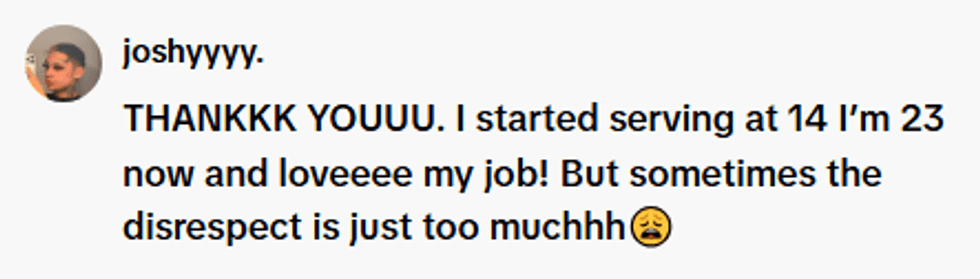 @nikolcosmetics/TikTok
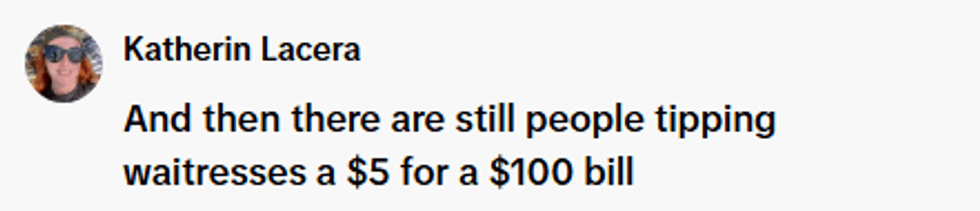 @nikolcosmetics/TikTok
 @nikolcosmetics/TikTok
 @nikolcosmetics/TikTok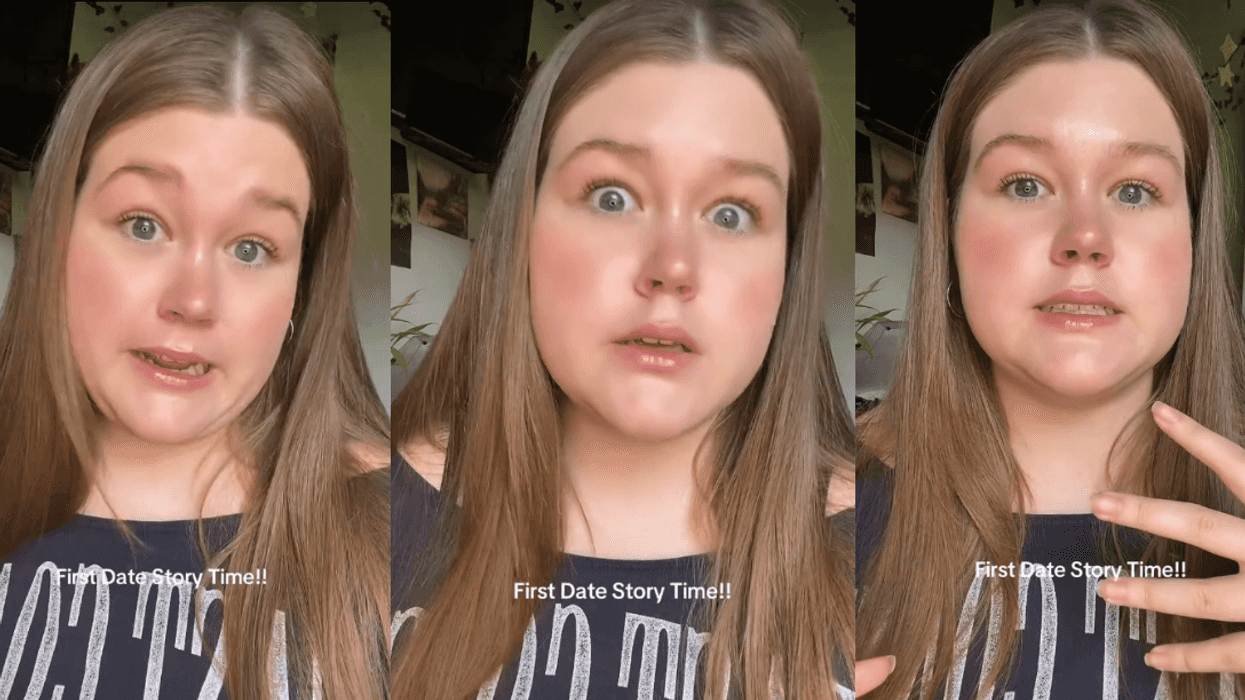
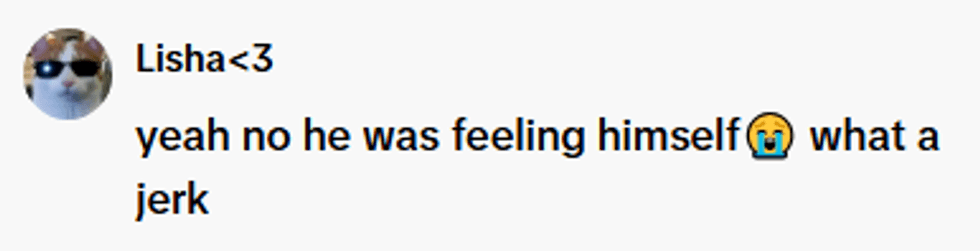 @spicycokezero/TikTok
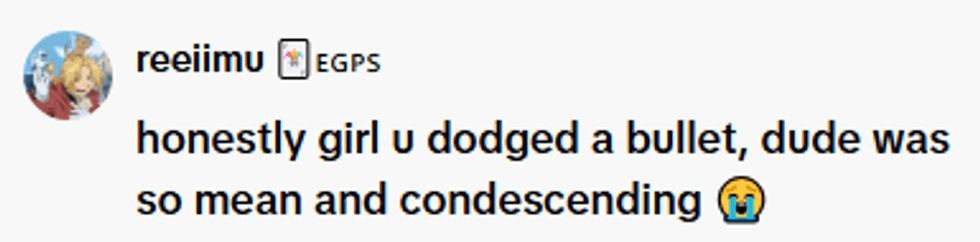 @spicycokezero/TikTok
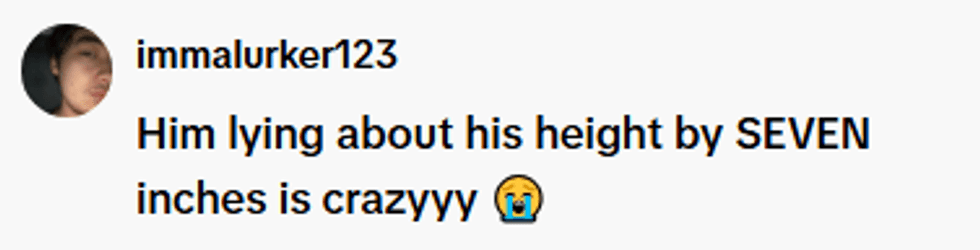 @spicycokezero/TikTok
 @spicycokezero/TikTok
 @spicycokezero/TikTok
 @spicycokezero/TikTok
 @spicycokezero/TikTok
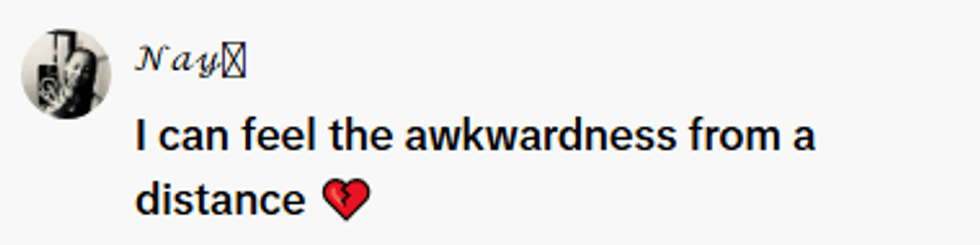 @spicycokezero/TikTok
 @spicycokezero/TikTok
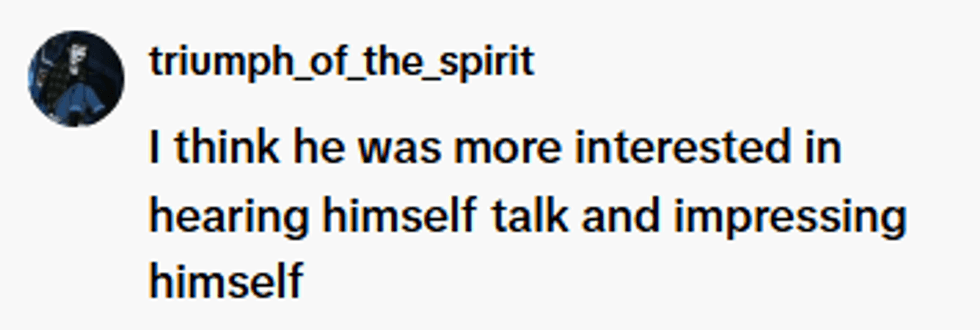 @spicycokezero/TikTok