
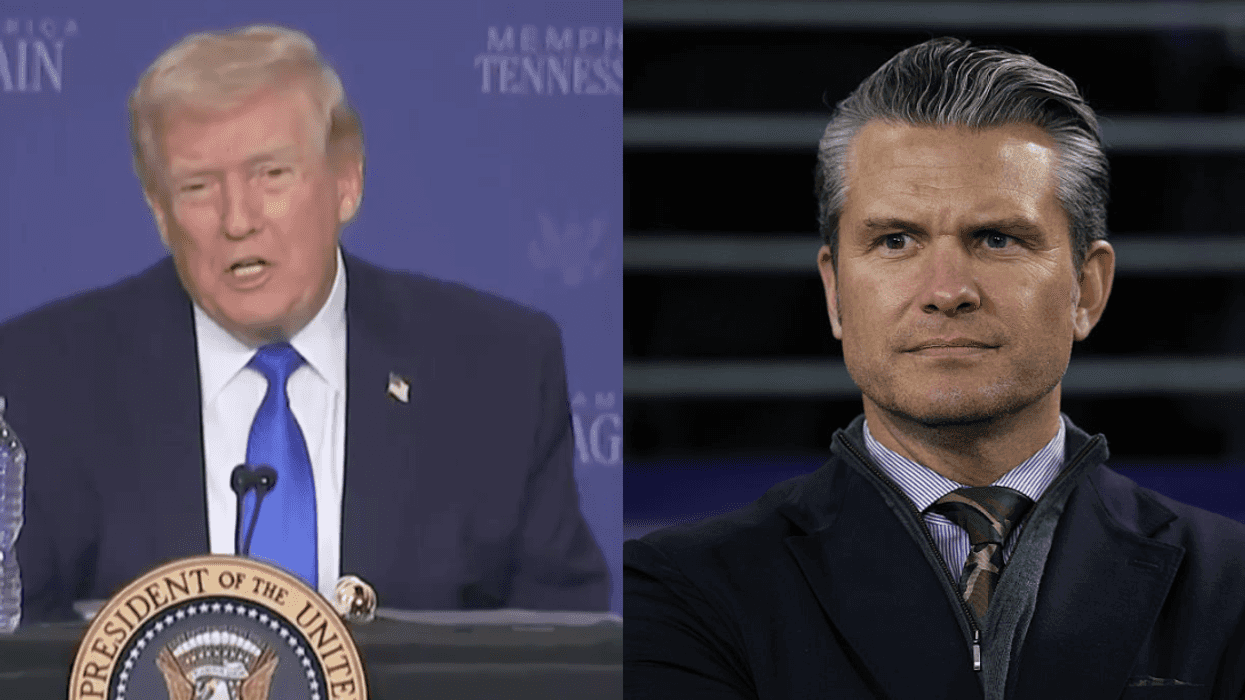

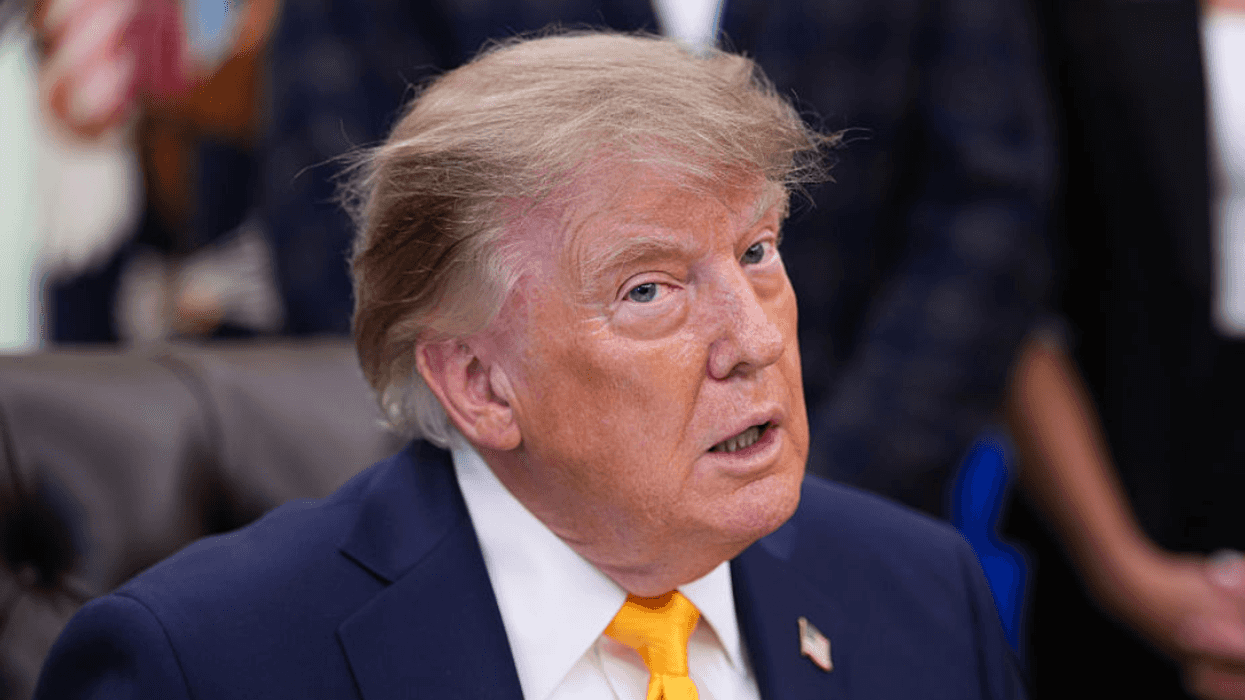
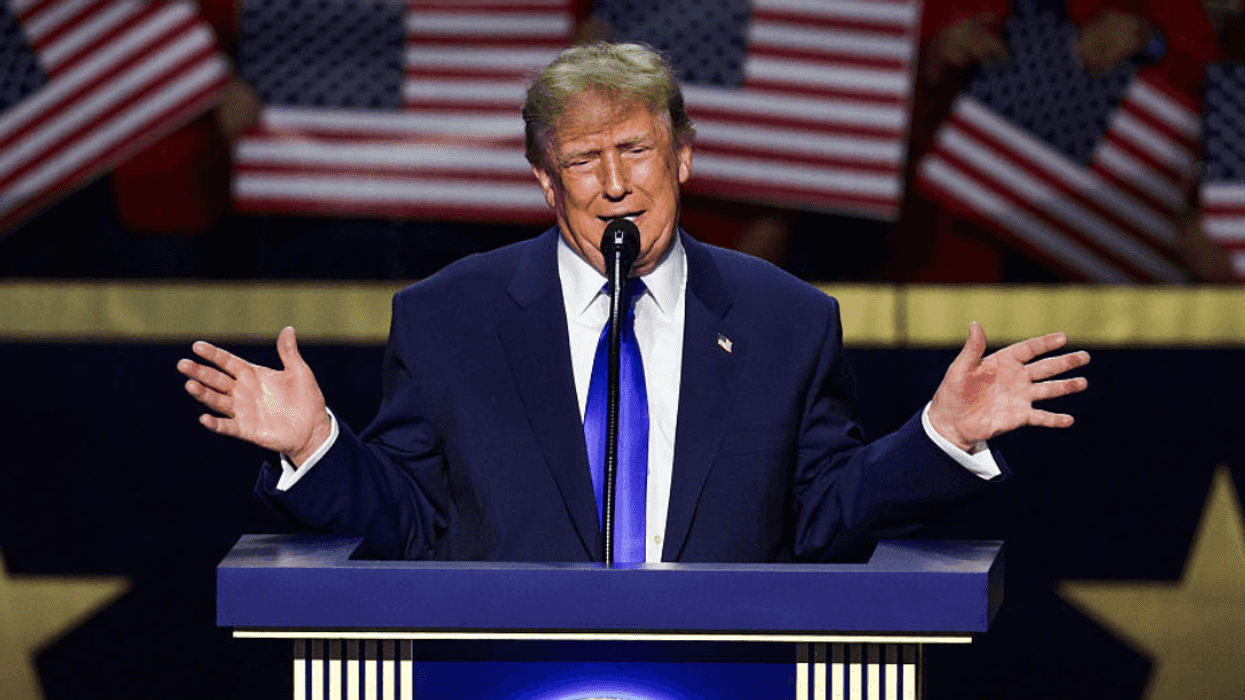
President Donald Trump threw Defense Secretary Pete Hegseth under the bus, claiming at a Memphis Safe Task Force roundtable in Tennessee that Hegseth was "the first one to speak up" about attacking Iran.
Hegseth has held press briefings at the Pentagon outlining U.S. military objectives in Iran, including efforts to eliminate the country’s ballistic missile program, drone production, and naval capabilities. During those appearances, he has also repeatedly criticized media outlets for reporting on opposition to the war.
Last week, he declined to say when U.S. military operations against Iran might end, telling reporters the administration did not want to “set a definitive timeframe.” He added that the campaign remains “very much on track,” with Trump expected to make the final decision on how the conflict concludes.
And while Trump has faced heavy criticism for the war he has bragged about since launching strikes on February 28, his remarks suggest that Hegseth bears much of the responsibility for why the U.S. went into Iran in the first place.
He said:
"I called Pete, I called General [Dan] Caine, I called a lot of our great people – we have a lot of great people – and I said, ‘Let’s talk. We’ve got a problem in the Middle East. We have a country, known as Iran, that has for 47 years been just a purveyor of terror and they’re very close to having a nuclear weapon.'"
“‘We can keep going and get that 50,000 up to 55 and 60 with no end, or we can take a stop and make a little journey into the Middle East and eliminate a big problem.’"
“And Pete, I think you were the first one to speak up and you said, ‘Let’s do it because you can’t let them have a nuclear weapon.’ So we are now having really good discussions. They started last, er, night, a little bit, the night before that…”
You can hear what he said in the video below.
People are unsurprised that Trump is already using Hegseth as a scapegoat.
The administration has offered several explanations for joining Israel’s assault on Iran.
Officials have said Tehran had resumed efforts to develop a nuclear weapon and posed an imminent threat to the United States—claims that come despite Trump’s earlier assertion that targeted strikes last summer “obliterated” Iran’s capabilities.
The conflict has triggered retaliatory attacks across the region. Thirteen U.S. service members have been killed so far, and global fuel prices have surged after Tehran tightened control over the Strait of Hormuz.
Several months ago, Hegseth, in defending the administration's decision to refer to the Department of Defense as the "Department of War," said the name change is important because the country has lost its "warrior ethos" and that the country's founders "wanted an empowered military—the handcuffs were taken off—to fight to win, and then bring those troops home."
He went further, claiming the founders "didn't want endless foreign entanglements" and "didn't want endless contingencies and deployments."
Considering there is no sign the war will end anytime soon, we're raising our eyebrows at Hegseth's judgment—or lack thereof.

 Brendan Smialowski/AFP via Getty Images
 Brendan Smialowski/AFP via Getty Images
 Brendan Smialowski/AFP via Getty Images

 @hannahhrevels/TikTok
 @hannahhrevels/TikTok
 @hannahhrevels/TikTok
 @hannahhrevels/TikTok
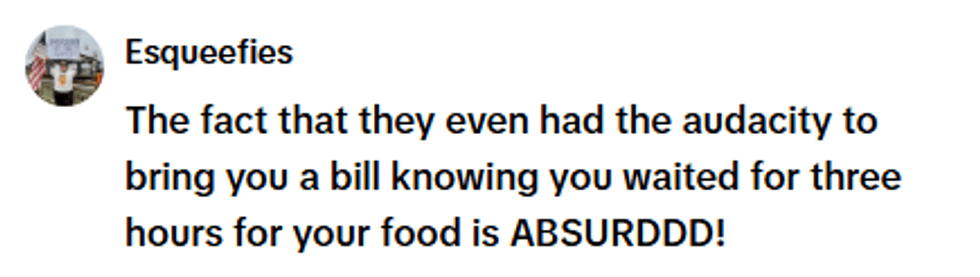 @hannahhrevels/TikTok
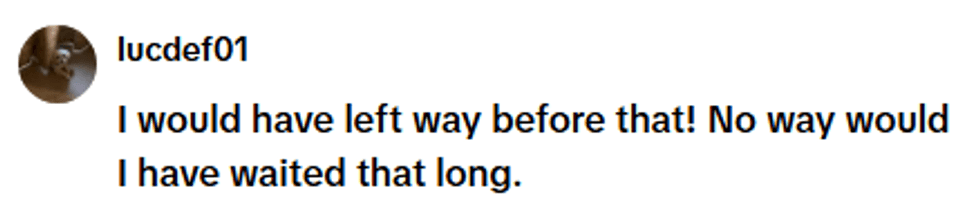 @hannahhrevels/TikTok
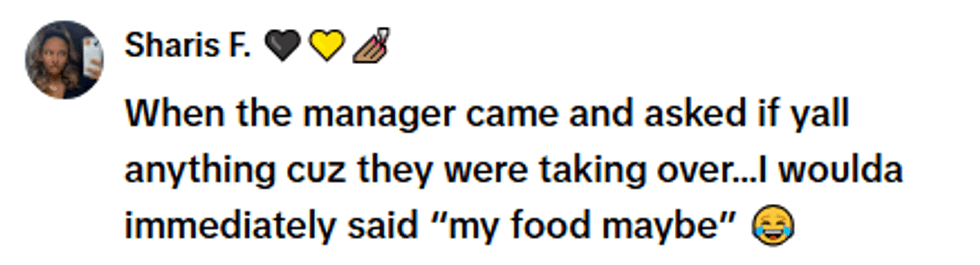 @hannahhrevels/TikTok
 @hannahhrevels/TikTok
 @hannahhrevels/TikTok
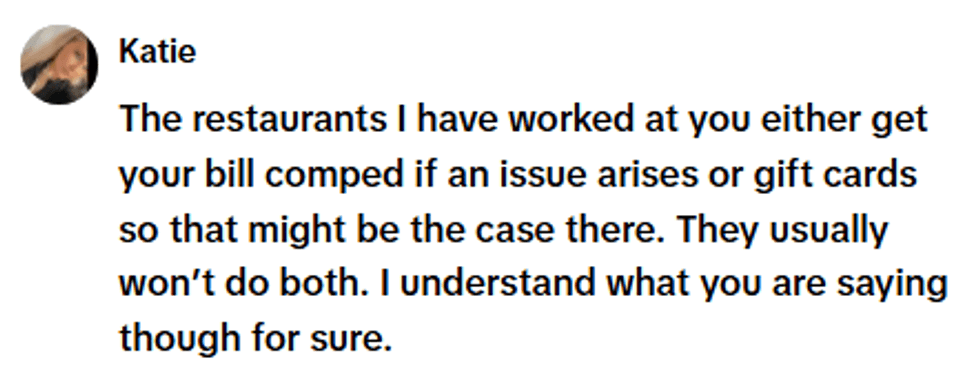 @hannahhrevels/TikTok
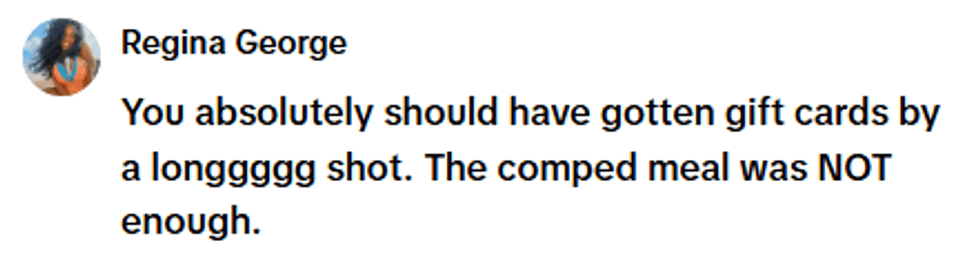 @hannahhrevels/TikTok
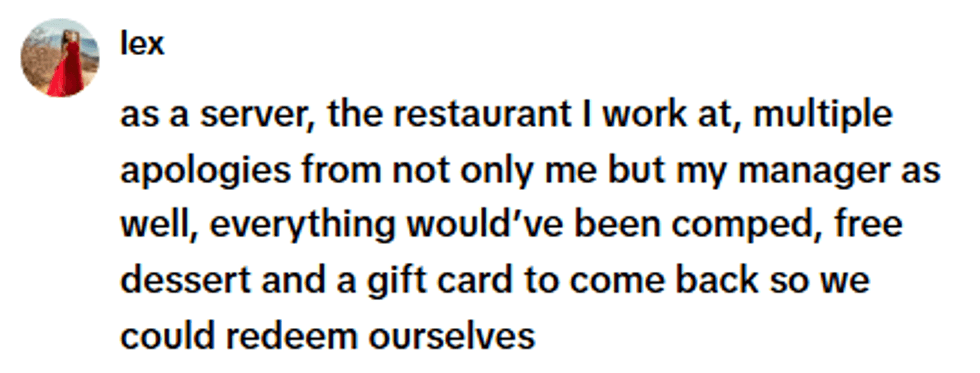 @hannahhrevels/TikTok
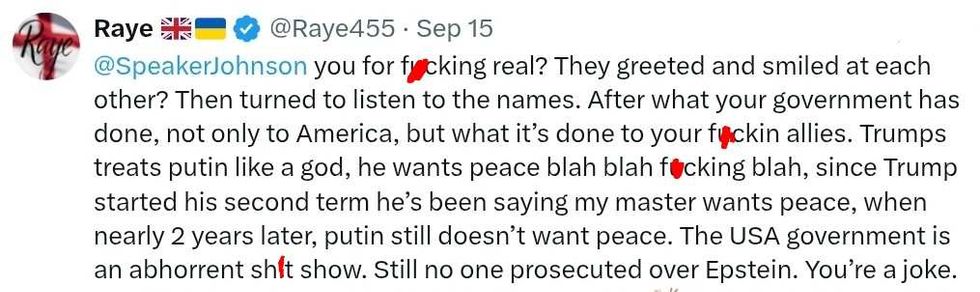 @Raye455/X
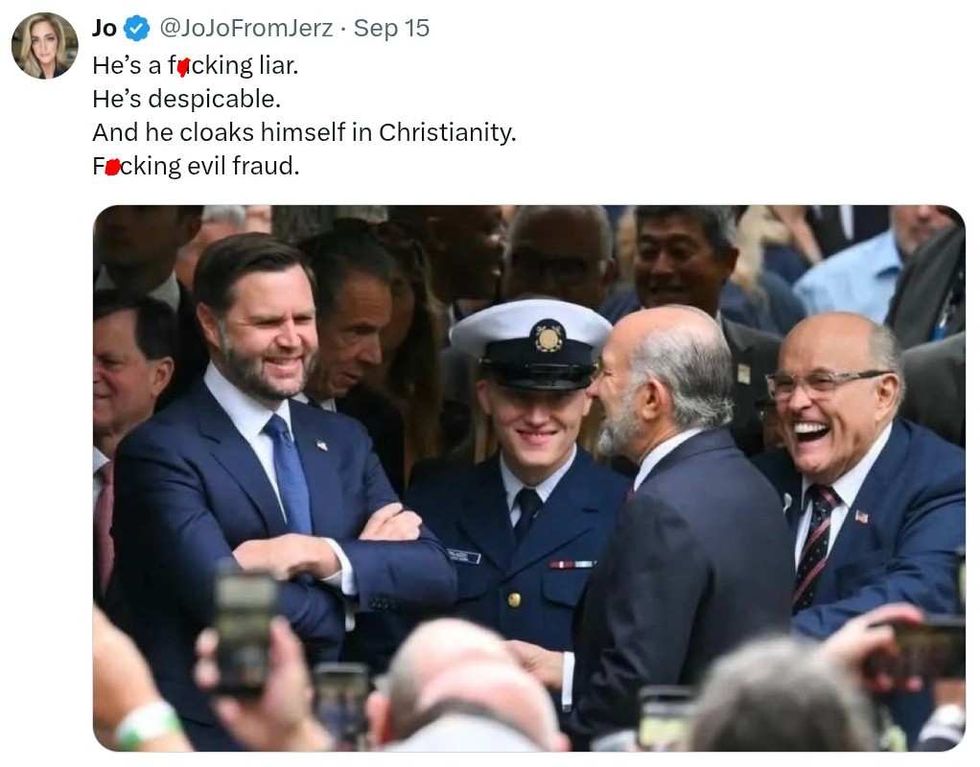 @JoJoFromJerz/X
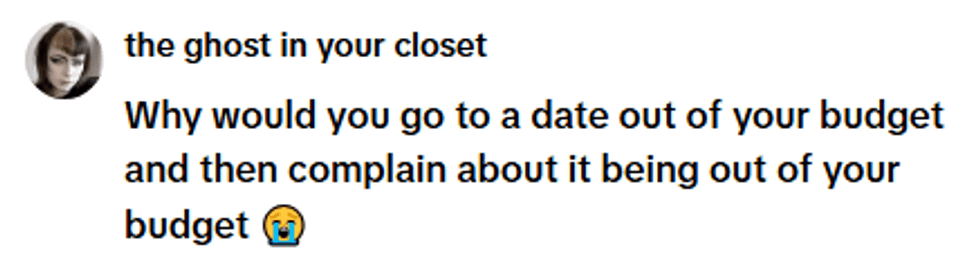 @phlynnmartin/TikTok
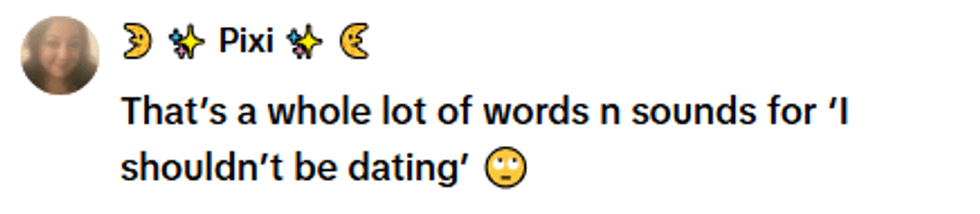 @phlynnmartin/TikTok
 @phlynnmartin/TikTok
 @phlynnmartin/TikTok
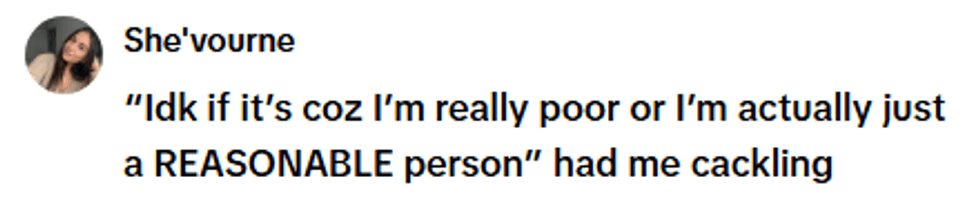 @phlynnmartin/TikTok
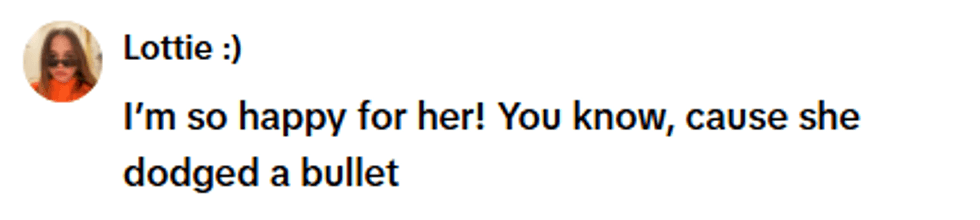 @phlynnmartin/TikTok
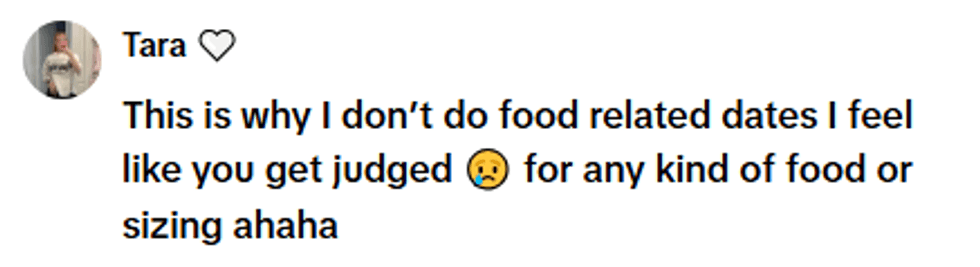 @phlynnmartin/TikTok
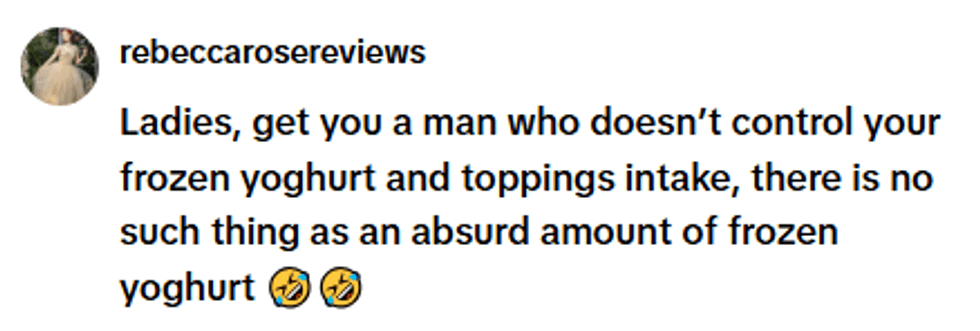 @phlynnmartin/TikTok
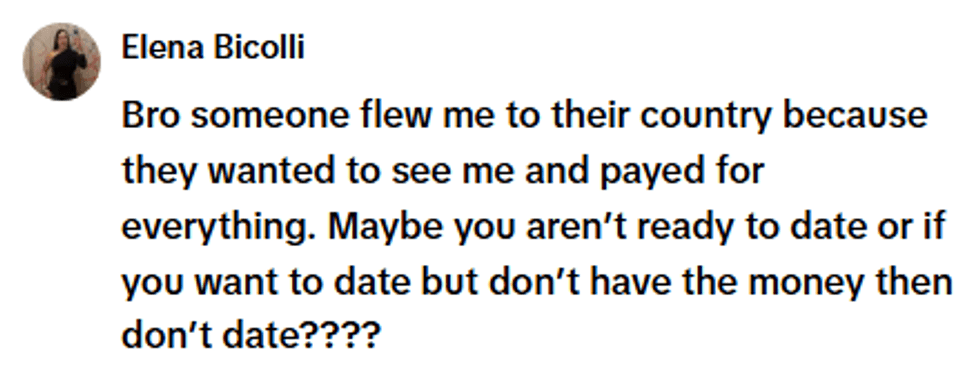 @phlynnmartin/TikTok
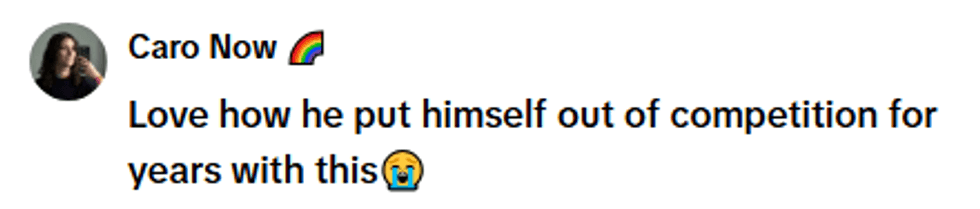 @phlynnmartin/TikTok
 @phlynnmartin/TikTok
 @sailors.mama/TikTok
 @sailors.mama/TikTok
 @sailors.mama/TikTok
 @sailors.mama/TikTok
 @sailors.mama/TikTok
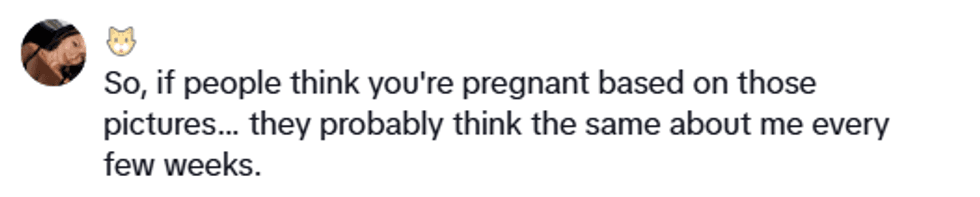 @sailors.mama/TikTok
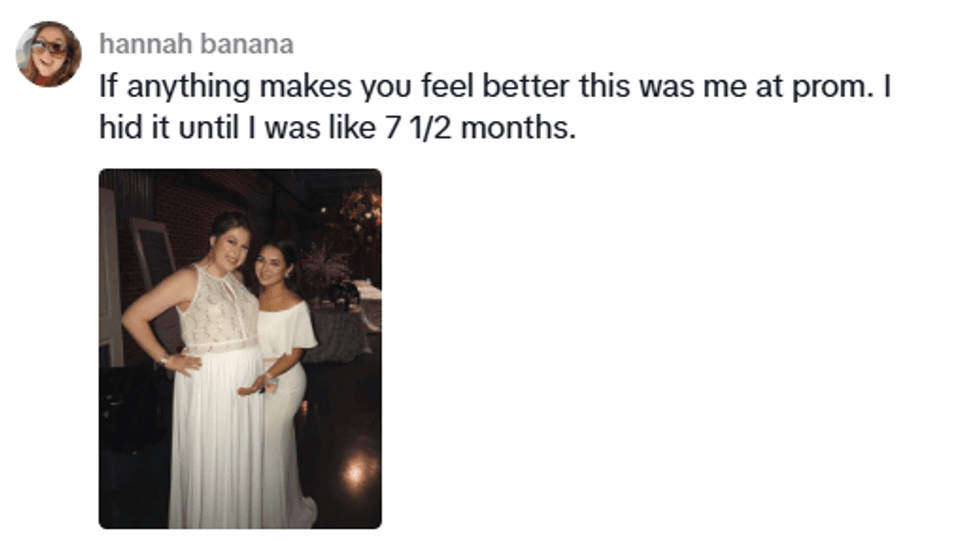 @sailors.mama/TikTok
 @sailors.mama/TikTok
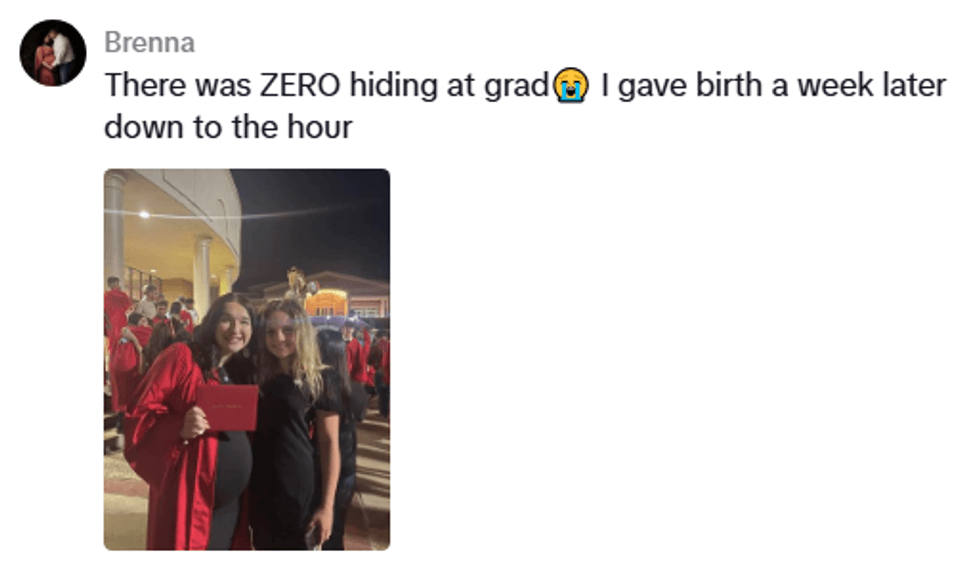 @sailors.mama/TikTok
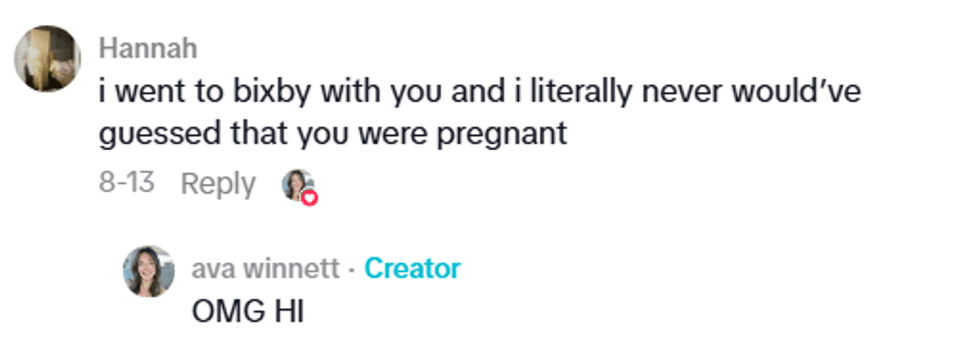 @sailors.mama/TikTok
 @sailors.mama/TikTok
 @sailors.mama/TikTok