

Dr. Mehmet Oz, President Donald Trump's administrator for the Centers for Medicare and Medicaid Services (CMS), raised eyebrows over his bizarre and surprisingly permissive defense of new guidelines for alcohol consumption, saying "it does allow people an excuse to bond and socialize, and there’s probably nothing healthier than having a good time with friends in a safe way."
Oz spoke as the Trump administration on Wednesday released updated dietary guidelines for Americans, emphasizing whole and minimally processed foods, reduced consumption of refined carbohydrates, and what officials described as a “war” on added sugars.
Reuters White House Correspondent Jeff Mason asked the following question:
"One of the changes that was made had to do with alcohol. Secretary Kennedy or Dr. Oz, could you explain the science behind the new language on not saying two drinks for men and one drink for a woman every day would be healthy, and whether or not the industry had an impact on the language of moderation versus just saying alcohol is not healthy and you shouldn’t drink it?”
Oz, taking the podium at the suggestion of Health and Human Services (HHS) Secretary Robert F. Kennedy Jr., replied:
“So alcohol is a social lubricant that brings people together. In the best-case scenario, I don’t think you should drink alcohol, but it does allow people an excuse to bond and socialize, and there’s probably nothing healthier than having a good time with friends in a safe way."
"If you look at the blue zones, for example, around the world where people live the longest, alcohol is sometimes part of their diet. Again, small amounts taken very judiciously and usually in a celebratory fashion."
"So there is alcohol in these dietary guidelines, but the implication is don’t have it for breakfast. This should be something done in a small amount, hopefully in some kind of an event that may have alcohol added."
"But they generally moved away from two glasses for men, one glass for women. There was never really good data to support that quantity of alcohol consumption. That data was probably primarily confounded with broader data about social connectedness."
You can hear what he said in the video below.
That's quite the statement from the same guy who made headlines last month for telling federal workers to stop eating so many Christmas cookies and included a section titled "Cutting Cubicle Cravings" in his department's newsletter.
Oz has been making the rounds for months preaching about all the ways Americans should "get healthier"—all while ignoring the soaring costs of healthcare premiums—so it's rather odd to see him defend drinking alcohol, which is linked to an increased risk of developing noncommunicable diseases, including liver disease, heart disease, and several types of cancer.
Oz was swiftly called out.
The new recommendations, which align with Kennedy's "Make America Healthy Again" initiative, urge Americans to prioritize high-quality protein, healthy fats, fruits, vegetables, and whole grains while avoiding highly processed foods.
The long-standing MyPlate guide—once used to illustrate balanced meals with roughly equal portions of grains, vegetables, protein, and fruit, plus some dairy—has been scrapped.
In its place, the administration has reintroduced a revised food pyramid, flipped upside down and slightly rearranged. Protein, dairy, healthy fats, fruits, and vegetables now dominate the chart, while whole grains play a much smaller role.
While medical associations have applauded spotlighting how ultra-processed foods, added sugars, and sodium contribute to a host of health problems such as heart disease and obesity, concerns remain.
The American Heart Association said in a statement that it is "concerned that recommendations regarding salt seasoning and red meat consumption could inadvertently lead consumers to exceed recommended limits for sodium and saturated fats, which are primary drivers of cardiovascular disease.”
Additionally, Marion Nestle—professor emerita of nutrition, food studies and public health at New York University—said that the focus on protein “makes no sense (Americans eat plenty) other than as an excuse to advise more meat and dairy, full fat, which will make it impossible to keep saturated fat to 10% of calories or less."





 @georgiamaythornley/TikTok
 @georgiamaythornley/TikTok
 @georgiamaythornley/TikTok
 @georgiamaythornley/TikTok
 @georgiamaythornley/TikTok
 @georgiamaythornley/TikTok
 @georgiamaythornley/TikTok
 @georgiamaythornley/TikTok
 @georgiamaythornley/TikTok
 @georgiamaythornley/TikTok







 @bsquaredtravels_/Instagram
 @bsquaredtravels_/Instagram
 @bsquaredtravels_/Instagram
 @bsquaredtravels_/Instagram
 @bsquaredtravels_/Instagram
 @bsquaredtravels_/Instagram
 @bsquaredtravels_/Instagram
 @bsquaredtravels_/Instagram
 @bsquaredtravels_/Instagram
 @bsquaredtravels_/Instagram
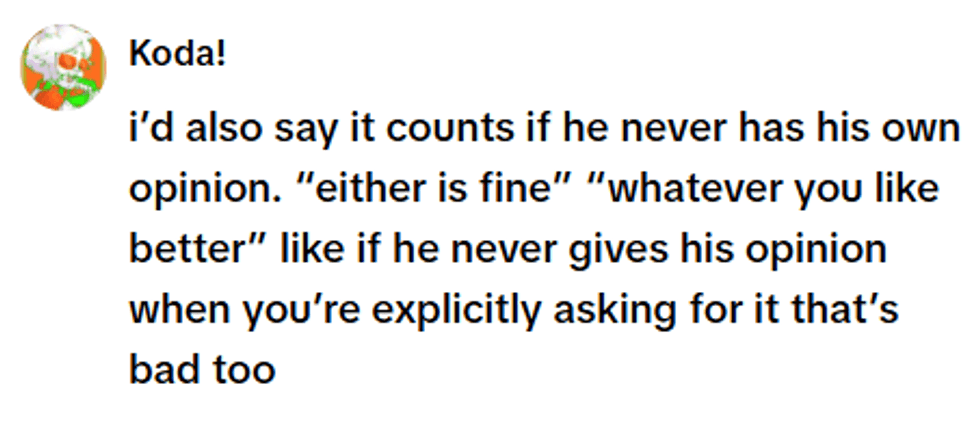 @maddie_bado/TikTok
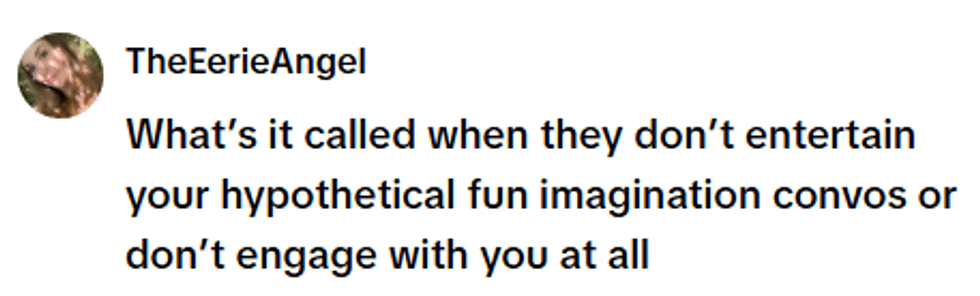 @maddie_bado/TikTok
 @maddie_bado/TikTok
 @maddie_bado/TikTok
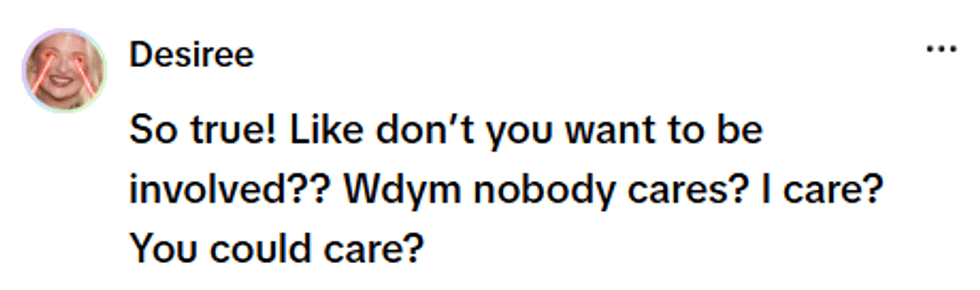 @maddie_bado/TikTok
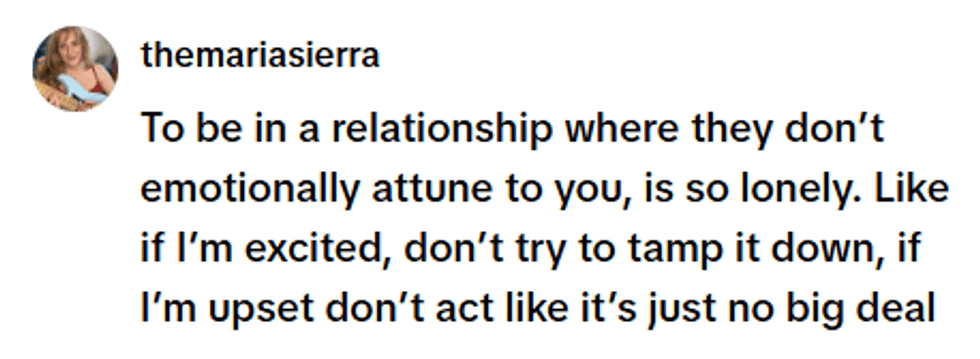 @maddie_bado/TikTok
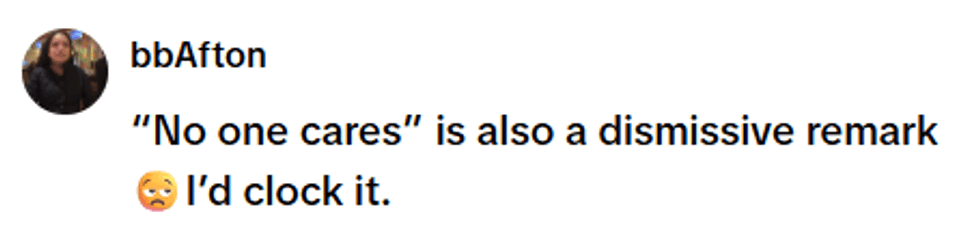 @maddie_bado/TikTok
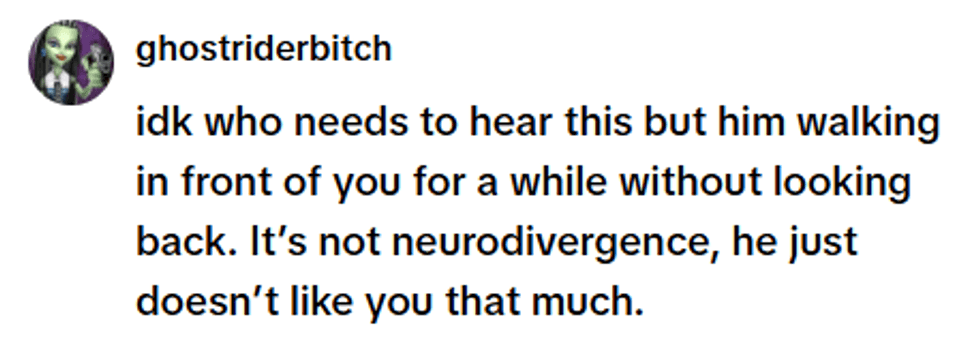 @maddie_bado/TikTok
 @maddie_bado/TikTok
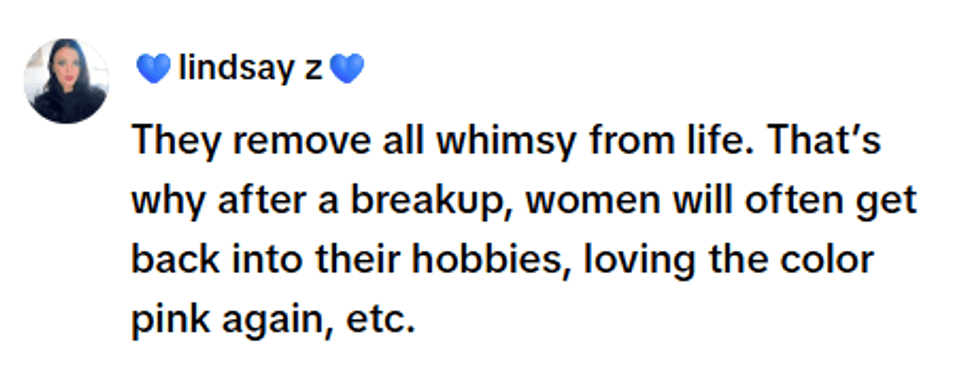 @maddie_bado/TikTok