
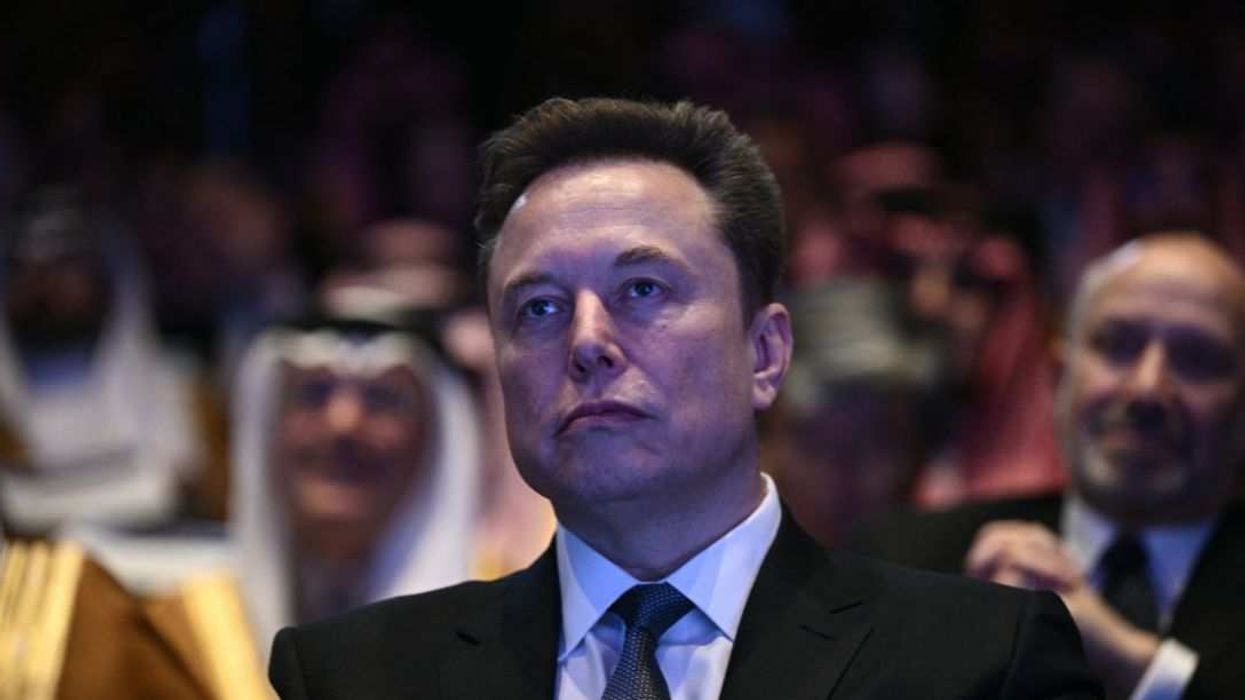

Elon Musk has spent the year picking fights, from health research funding to imagined productivity crises among federal workers and whether DOGE accomplished anything at all besides leaving chaos in its wake.
His latest grievance, however, is thinly disguised as grammatical. Specifically, he is once again furious that the Associated Press (AP) capitalizes “Black” while keeping “white” lowercase.
The policy Musk is railing against, however, is neither new nor sudden.
The AP made the decision in 2020 after extensive internal and external consultation and explained it plainly at the time:
“AP style will continue to lowercase the term white in racial, ethnic, and cultural senses. This decision follows our move last month to capitalize Black in such uses. We consulted with a wide group of people internally and externally around the globe and considered a variety of commentary in making these decisions.”
The explanation behind the controversial decision is pretty straightforward in journalism terms. In AP style, “Black” is capitalized to reflect the shared cultural identity and history shaped by the African diaspora and systemic discrimination. While the word “white,” by contrast, does not describe a unified cultural or historical experience.
And capitalizing risks validating white supremacist ideology rather than clarifying the meaning. In other words, one term names a collective identity forged under oppression; the other mostly describes skin color.
None of this is remotely controversial in journalism circles. It has been debated, decided, and implemented for years. But on X, Musk’s platform of choice and personal megaphone, the issue has become fresh outrage bait.
Replying to a post on X, a commenter named Tanya complained:
“Anti-White racism like this just fuels more racism against White people.”
Musk amplified the sentiment to his more than 230 million followers, adding a brief, ego-driven reply: “This is unfair!”
You can view the post below:
Again, this was not an isolated moment. Musk has repeatedly seized on capitalization as supposed proof of institutional “anti-White racism.” He previously boosted posts from Douglass Mackey, an alt-right social media influencer, who argued that lowercase “white” in a New York Times article rendered white people “second-class citizens.”
After the fatal stabbing in Charlotte, North Carolina, in September, Musk publicly scolded the paper's usage of the word “white”:
“Why is ‘white’ always in lowercase, but Black is uppercase, @nytimes?”
The post also reframed the tragedy as evidence of what Musk claims is institutional bias against white people, shifting attention from the victim and circumstances of the crime to a broader grievance about media racism.
He then escalated the accusation, writing:
“The NY Times is deliberate, precise and comprehensive in its anti-White racism.”
This framing has become a familiar refrain. Over the past year, Musk has increasingly positioned himself as a commentator on what he claims is systemic discrimination against white people. He regularly boosts right-wing figures who share that worldview, including Tucker Carlson.
When Carlson wrote:
“There is systemic racism in the United States, against whites. Everyone knows it. Nobody says it. How come?”
Musk replied simply with, “Concerning,” a response that managed to sound both ominous and entirely unoriginal.
The concern is not that Musk is confused about AP style. It is that he keeps using it as a gateway to broader narratives about white grievance, often while dismissing or minimizing the realities of racism faced by others. That pattern has accelerated alongside his growing political power and his consolidation of influence over X.
Once a Democratic-leaning critic of Donald Trump, Musk has spent the last several years moving steadily to the right. He is still a close Trump ally and an enthusiastic participant in culture war politics.
As the public face of the so-called Department of Government Efficiency, or DOGE, Musk has pushed aggressive cuts across federal agencies, including the elimination of diversity, equity, and inclusion programs. While opposition to DEI has become mainstream Republican positioning, Musk’s rhetoric goes further, veering into demographic panic and civilizational decline.
Musk claims that immigration and falling birth rates are “diluting” American culture. He has described illegal immigration as “civilizational suicide” and “an invasion.” He has repeatedly framed demographic change as an existential threat, while arguing that “smart people” should have more children. These claims are neither subtle nor detached from the racial resentment he amplifies.
Earlier this year, Musk also blamed DEI for the fatal aviation collision in Washington, writing:
“DEI has caused people to DIE.”
The statement was made without evidence and spread instantly to millions.
His most recent grievance was met with predictably mixed reactions online:
Imran Ahmed, who is the founder of the Center for Countering Digital Hate, offered a warning about this kind of social media grievance dynamic.
Ahmed said:
“As a spreader of hate and disinformation on his own platform, what pops into Mr. Musk’s head at 3 in the morning can be seen by millions of people. He is in a position of considerable political power, with the ability to withhold or increase government funding based on his whims.”
According to a Washington Post analysis, Musk seems to have nothing better to do but post about race, immigration, and diversity which has increased dramatically, making up roughly ten percent of his output in early 2024.
He frequently interacts with accounts that highlight crimes committed by Black people or immigrants, often responding with endorsements like “True” or a string of exclamation points.
In one exchange, after a post claimed, “White people aren’t allowed to have their own homelands,” Musk replied:
“I think it’s great that America is so diverse but this does seem asymmetric.”
The word “asymmetric” is his tell. You see, folks, Musk often frames his views as neutral and insightful observations rather than ideological commitments to position himself as an impartial and reluctant referee rather than an active participant in the grievance politics that have saturated the platform he owns.
It is a familiar move: rules for thee, but not for me.
But when those observations consistently center white grievance, minimize racism, and elevate extremist talking points—especially on a platform he controls—neutrality stops being a posture and starts functioning as a signal.
And whether the consequences of that signal are rhetorical or real remains debatable. What is not debatable is why this latest tantrum matters. It is not about grammar. It is about power, amplification, and the normalization of grievance politics under the guise of fairness.




 @Milbank/X


 reply to @girlcodelettie/TikTok
 reply to @girlcodelettie/TikTok
 reply to @girlcodelettie/TikTok
 reply to @girlcodelettie/TikTok
 reply to @girlcodelettie/TikTok
 reply to @girlcodelettie/TikTok
 reply to @girlcodelettie/TikTok
 reply to @girlcodelettie/TikTok
 reply to @girlcodelettie/TikTok
 @calebs_creative_arts/Instagram
 @drew.brooks15/Instagram
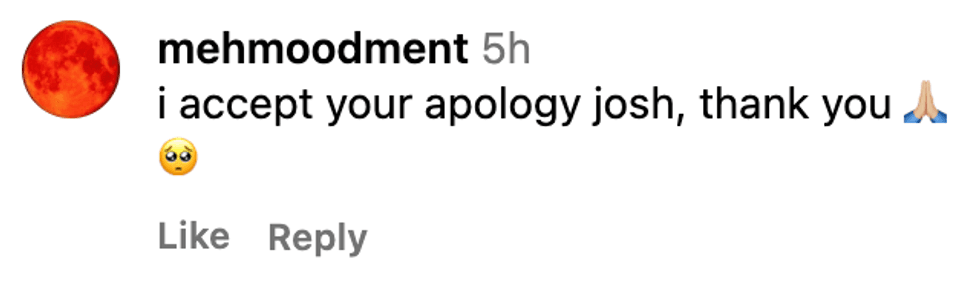 @mehmoodment/Instagram
 @jojokw_/Instagram
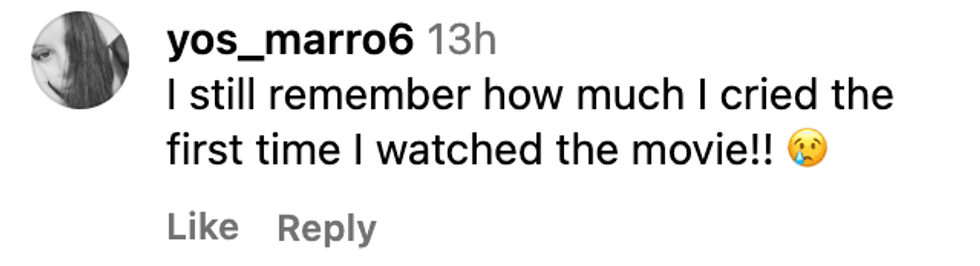 @yos_marro6/Instagram
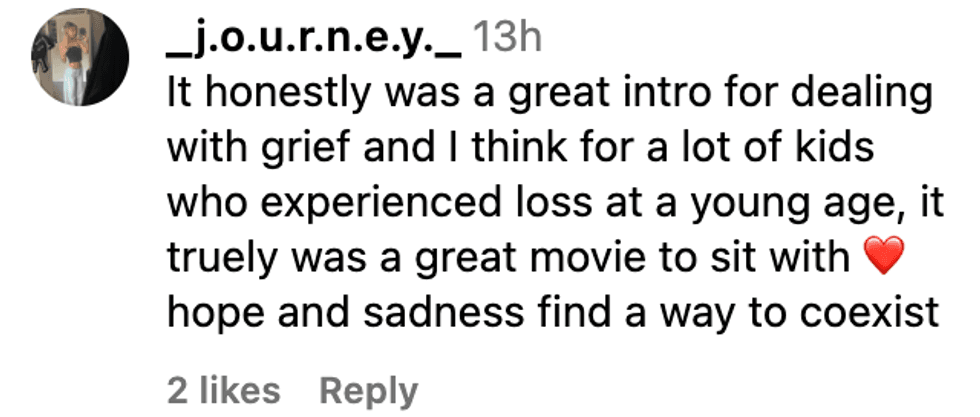 @_j.o.u.r.n.e.y._/Instagram
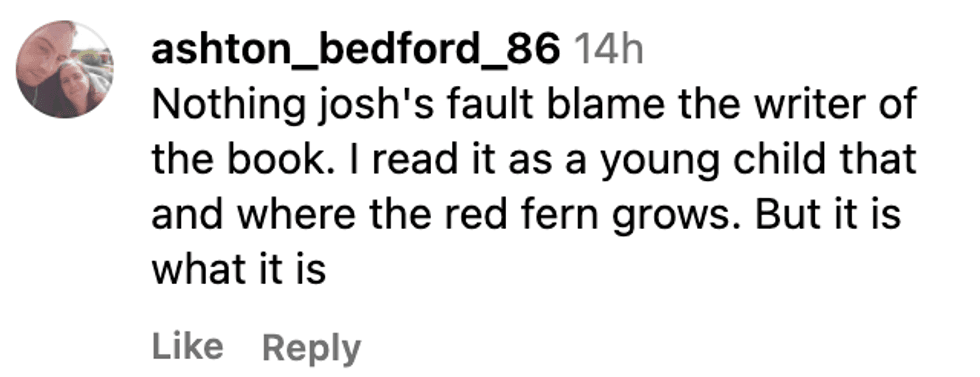 @ashton_bedford_86/Instagram
 @lindentreethesea/Instagram
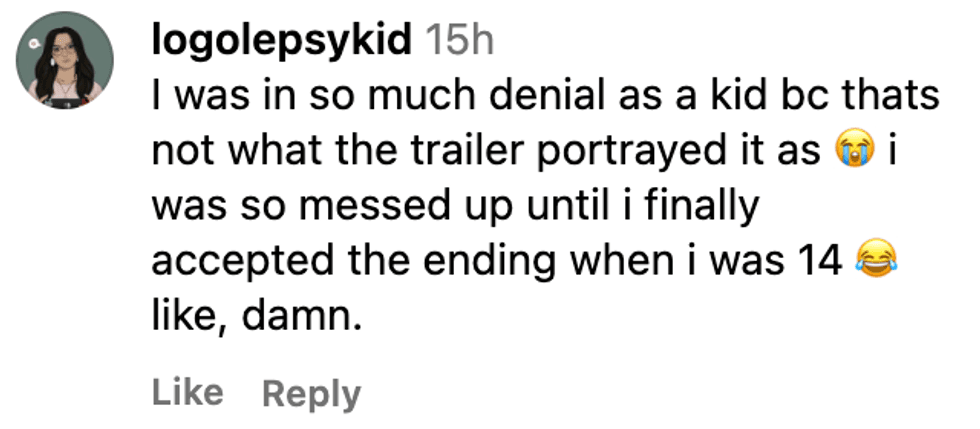 @logolepsykid/Instagram
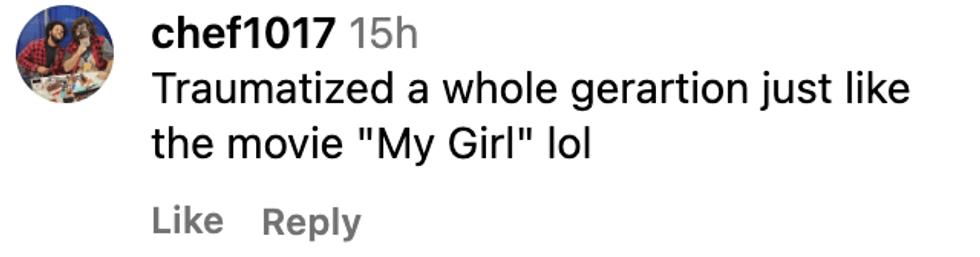 @chef1017/Instagram
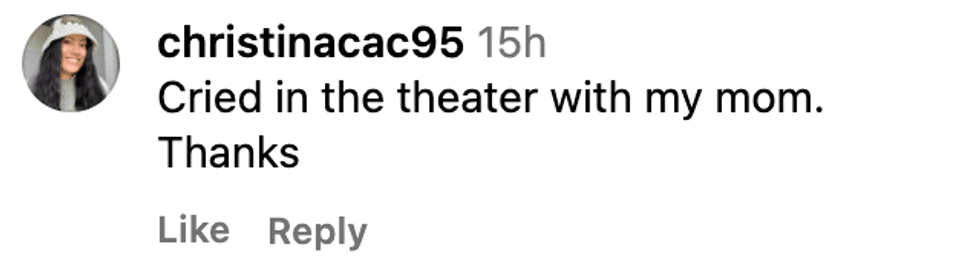 @christinacac95/Instagram
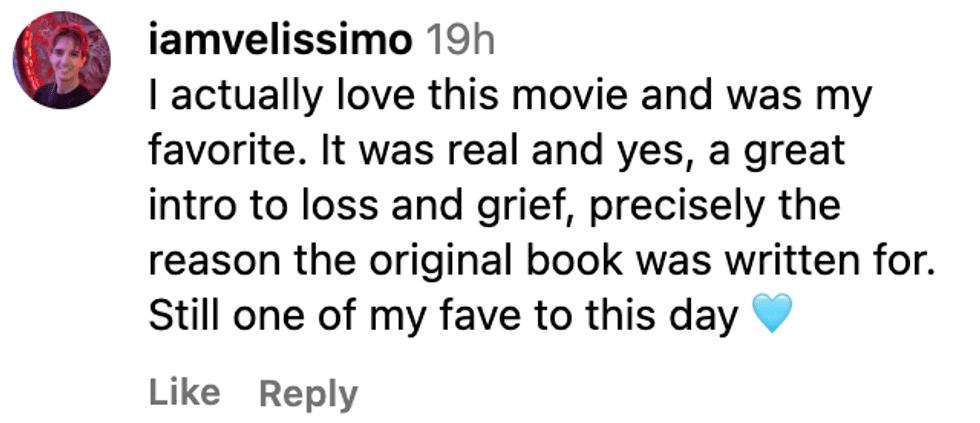 @iamvelissimo/Instagram
 u/cheerychacha/Reddit
 u/bibidumb/Reddit
 u/MDagg77/Reddit
 u/wefeellike/Reddit
 u/filmstvwatching/Reddit
 u/Cat-Dawg/Reddit
 @notmanabu/Instagram
 @ilovutony/Instagram
 @candidcaleb/Instagram
 @cherry_nz9296/Instagram
 @emilyayley/Instagram
 @flossedinparadise/Instagram