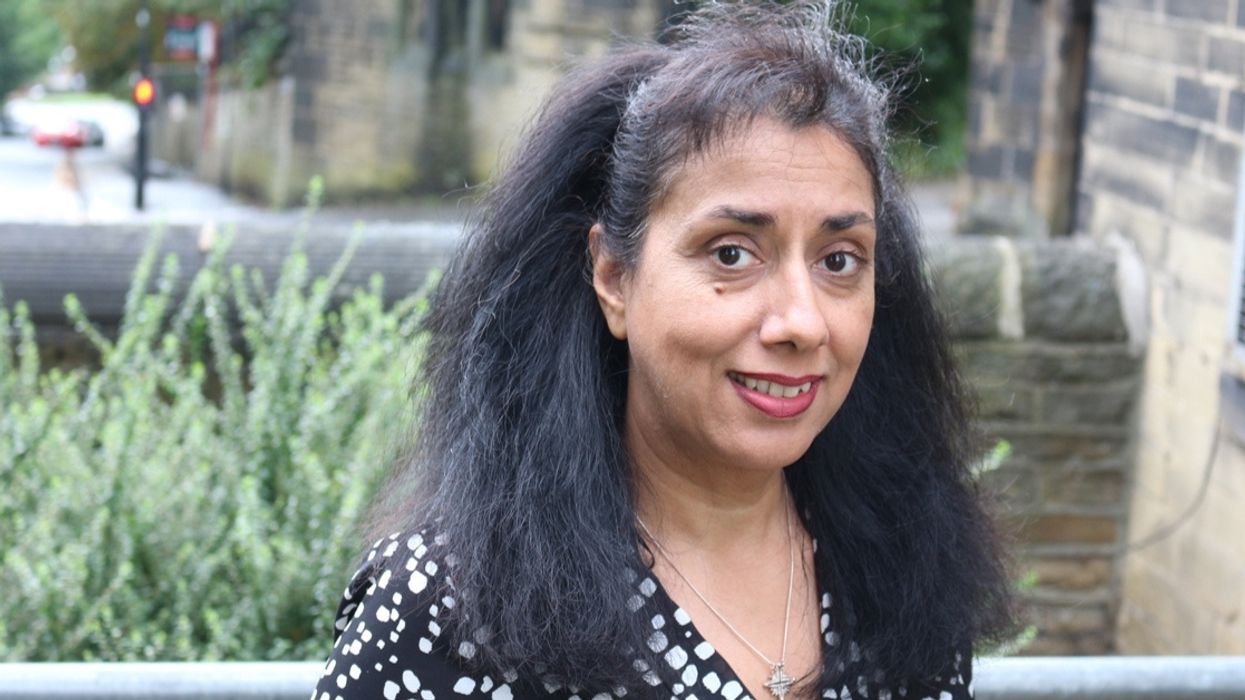

A sales supremo who longed to make a difference – swapping careers to became an intensive care nurse at 45 – spoke of her joy after donating her left kidney to save a young stranger's life.
Deeply affected by the patients she nursed with chronic kidney disease, when Narinder Kaur, 51, realized she could save someone by giving them her organ, she saw it as a privilege.
Explaining her decision, Narinder, of Bradford, West Yorkshire, England, who donated her kidney to a young man in December 2018, said:
“Being able to do this for someone who could eventually have died without this organ, meant I was able to give them the gift of life, which was a wonderful feeling."
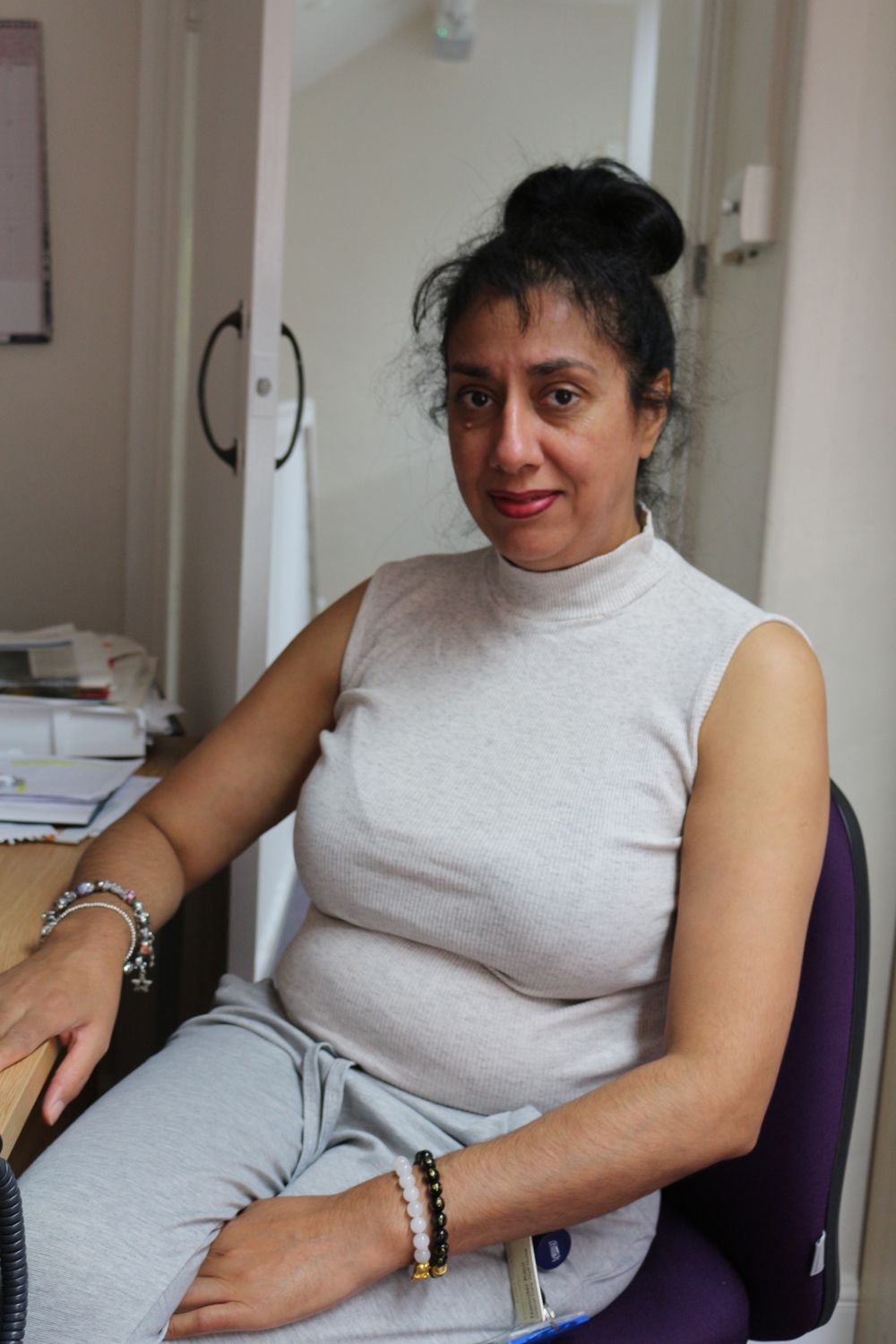
“Now I want to encourage more people to become donors, too, as I'm living proof that you can live well with one kidney."
“My life is no different than it was before."
Narinder had climbed the corporate ladder and was managing sales for a major carpet manufacturer, when she hit her forties and, by then, with enough savings to finance her studies, decided to follow her dream and train to become a nurse.
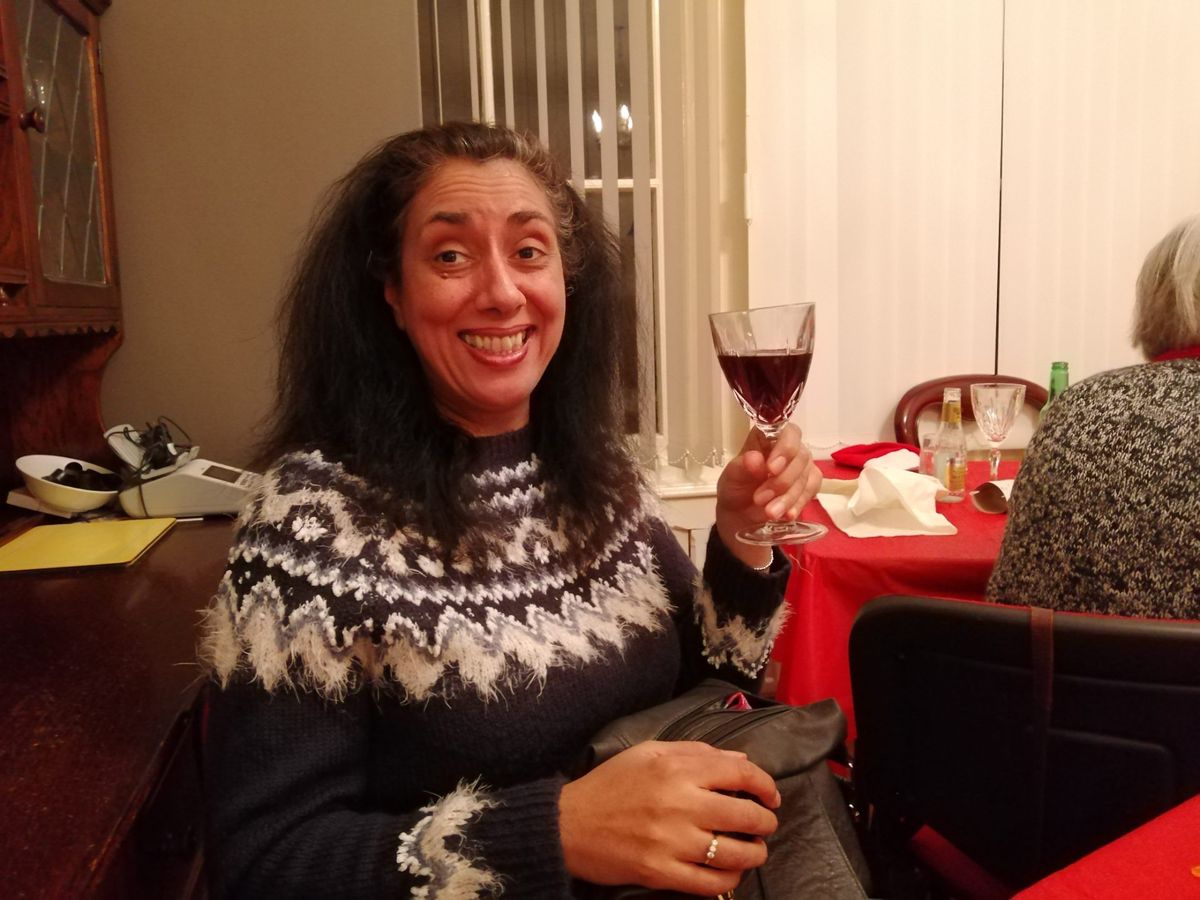
Landing a place at the University of Bradford, during her second year in 2013, she became aware of the chronic need for organ donors during a clinical placement on the renal medical ward at Bradford Royal Infirmary.
She said:
“I saw first-hand the impact that chronic kidney disease can have on people and the journey they have to go through."
“It's degenerative, patients have to have dialysis and restrict their diet and the amount of fluids they can have. It can lead to further problems with other major organs and further cardiovascular problems – meaning the best possible chance for patients is to be given a donor kidney."
She continued:
“That placement made a lasting impression on me. I was very keen to learn and my managers encouraged me to ask questions, while I also did a lot of research into kidney function and donation in my own time."
After graduating in 2014, Narinder's interest in becoming a donor increased when she landed a job on the renal ward at the same hospital.
She said:
“If you have a new kidney, you can go on to lead a perfectly normal life. It is literally lifesaving."
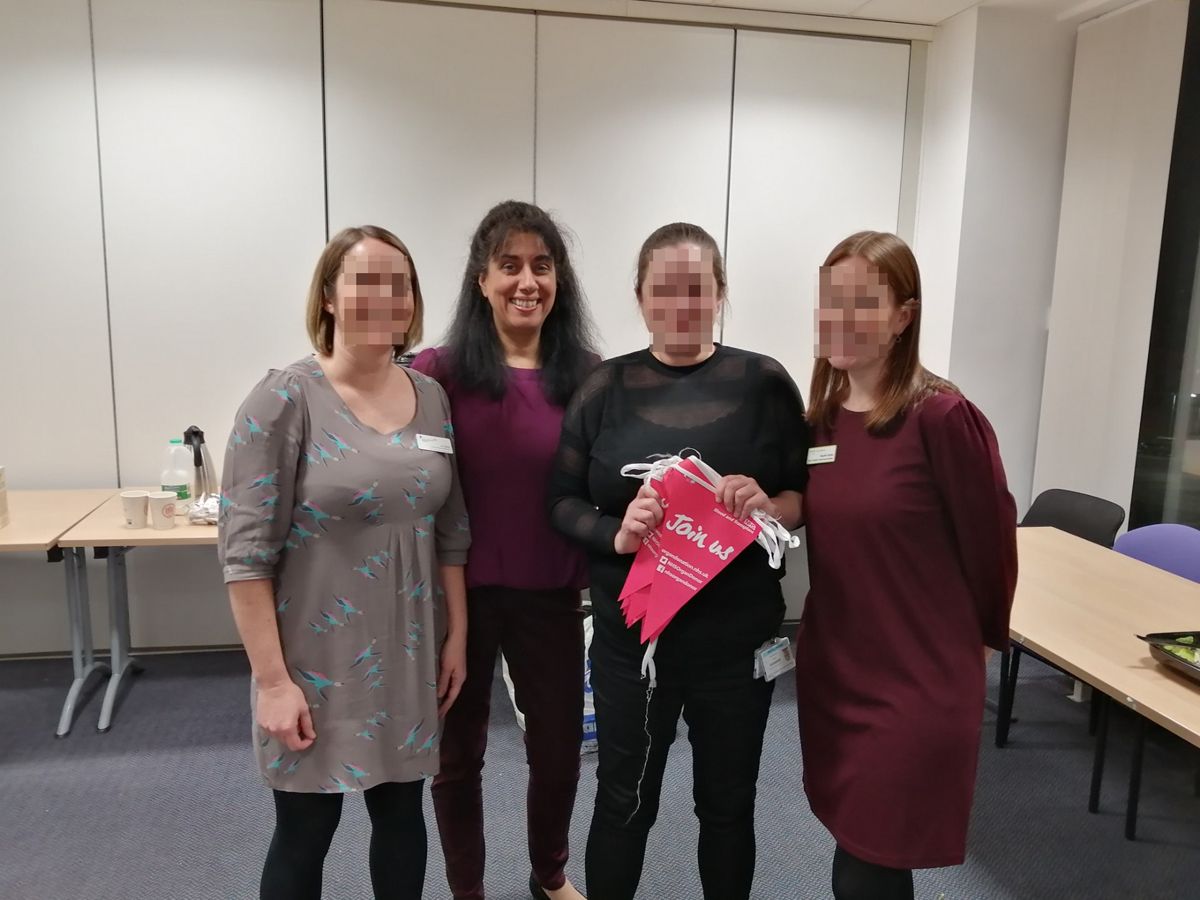
Narinder explained:
“I had seen people die because of chronic kidney disease. I saw people's journey from the beginning to the end and watched them pass away while they were waiting for a transplant that never came."
Narinder also realized there were longer waiting times for black and minority ethnic (BAME) patients – with NHS Blood and Transplant service statistics currently showing average waits for black patients to be 900 days, Asians to be 736 and other BAME patients to be 743 days – compared to 573 days for white organ recipients.
She said:
“I became very aware that people from the BAME community, like me, had to wait longer due to the need to match organs with blood and tissue type."
But it was nursing one particular patient that finally convinced Narinder to become a donor.
“When I started my training, I took this woman, who had chronic kidney disease, to the ward where she was going to have a kidney biopsy," she said.
“She held my hand and talked to me about how scared she was. She was very emotional."
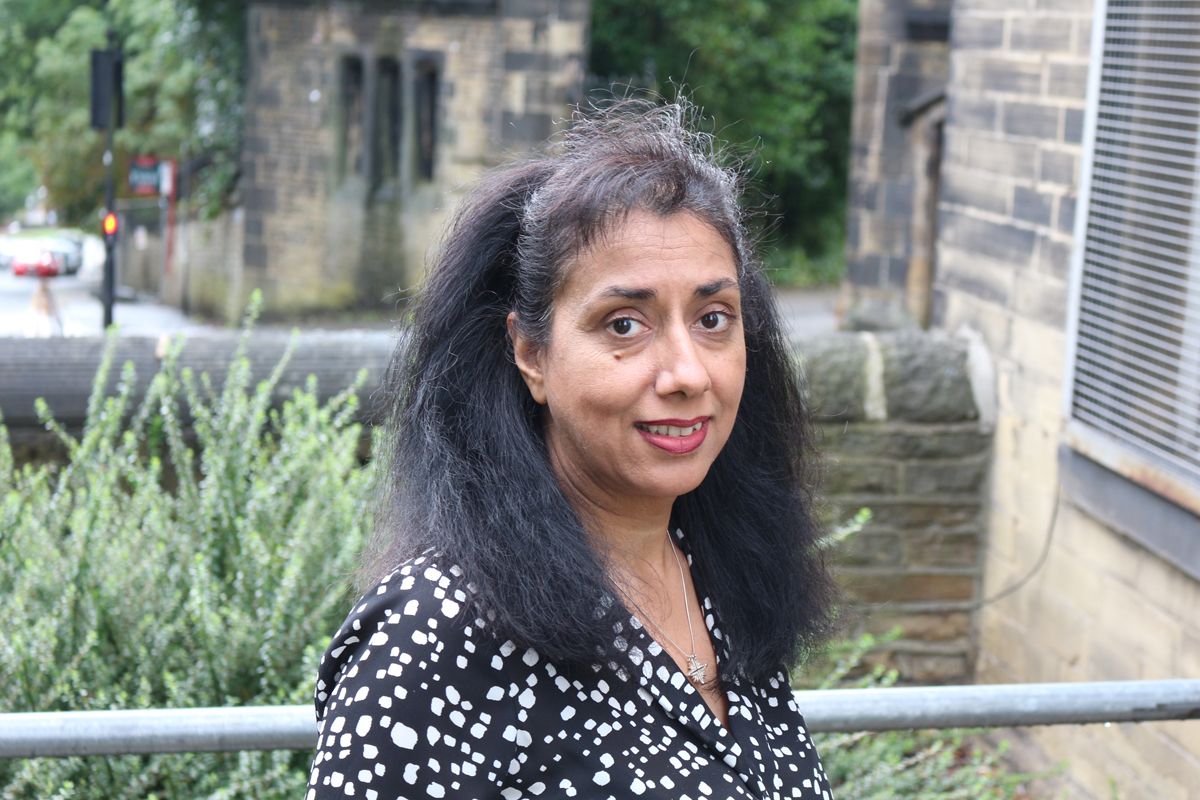
She continued:
“I supported her and she really appreciated having that human touch."
“Sadly, when I returned to work at the ward, she had passed away after suffering a cardiac arrest. That did have a massive impact on me, as I'd supported her on her journey."
Unable to get her patient out of her mind, Narinder was tested to see if she would be a suitable donor.
“It's something that kept coming into my head," she said.
“I knew I could lead a normal life with one kidney and I felt like I wanted to give something back to the universe, back to society."
“I was thinking, 'Why not?' It's completely safe for me as I have no other health conditions."
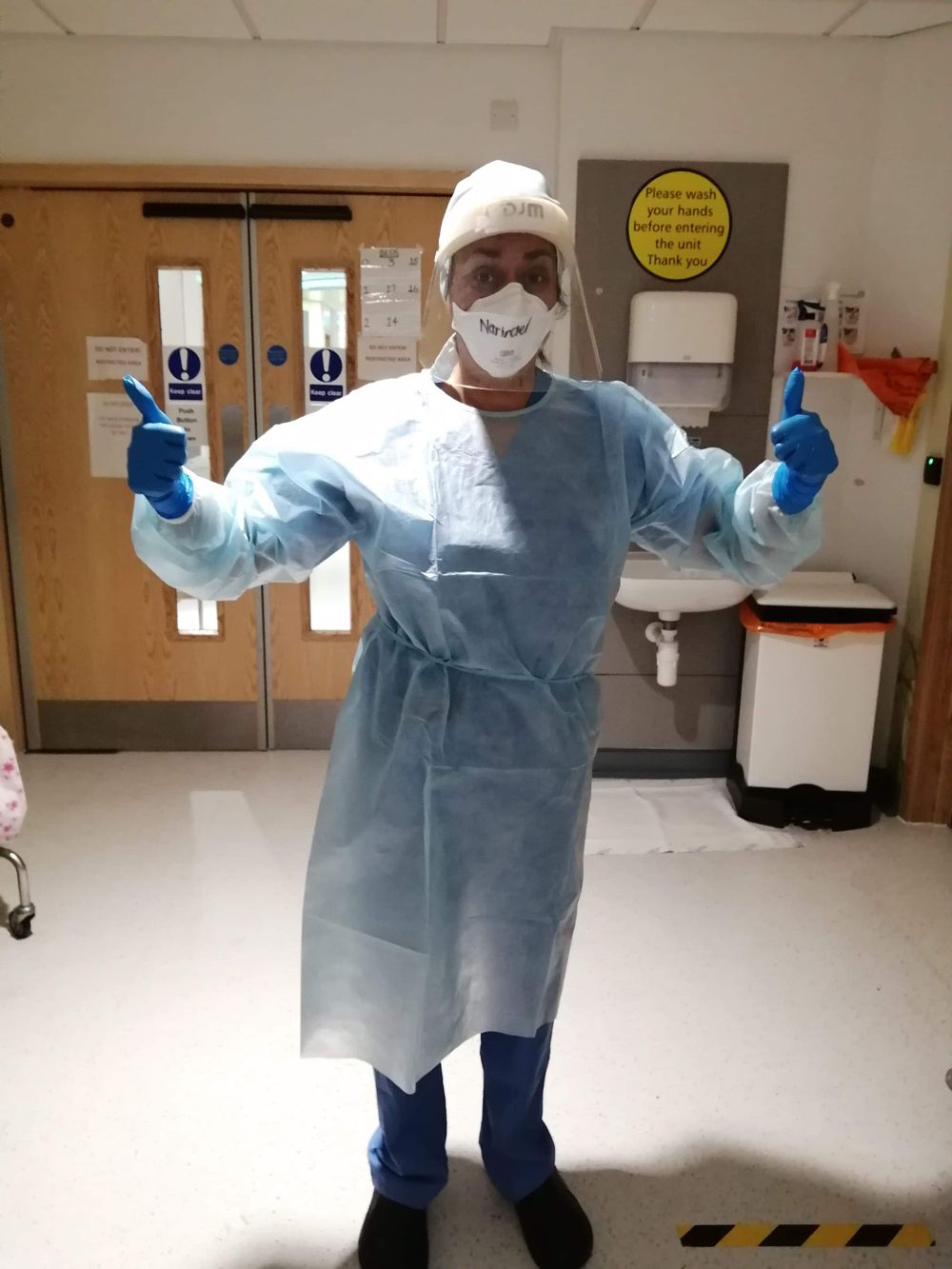
At the beginning of 2018, Narinder contacted the Bradford organ donation team and, following initial tests and a physiological assessment at the city's St. Luke's Hospital, she was referred for more thorough medical examinations at St. James' Hospital in Leeds – home to the regional kidney transplant center.
“I had a CT scan, a PET scan, chest scans, the full MOT," she said.
“They also did some psychological testing to check I was okay with going ahead. It was a very rigorous process."
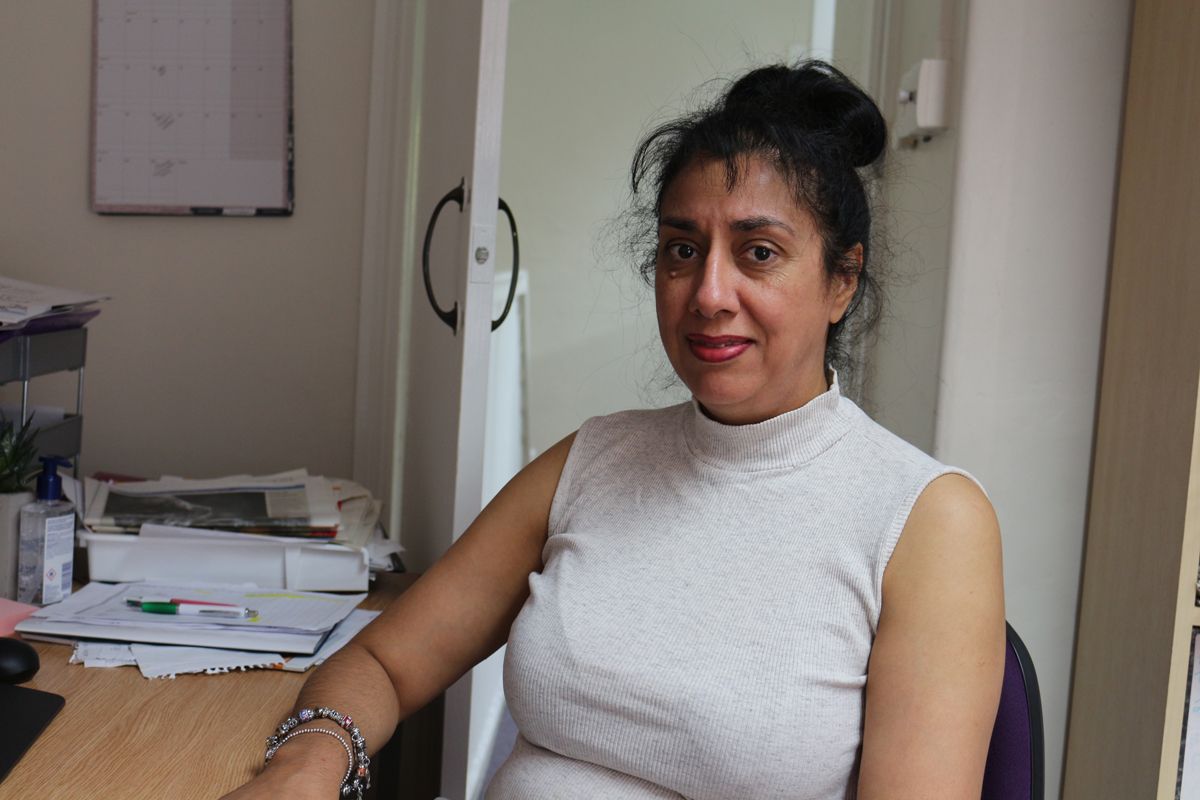
“I was found to be a bit anaemic, so I had to take iron tablets, which slowed the process down a bit," she added.
Then, in November 2018, a few months after the process began, Narinder received a call saying a match had been found for her kidney and the operation would be scheduled in a couple of weeks.
“I was finally told, 'Congrats Narinder, we've found a match and you are someone's golden ticket to a new lease of life!'"
“I was delighted," she recalled.
So, in December, Narinder had the operation at St. James' Hospital to remove her left kidney.
“The recipient was in a different hospital, so there was a vehicle waiting onsite to whisk my kidney off to them," she said.
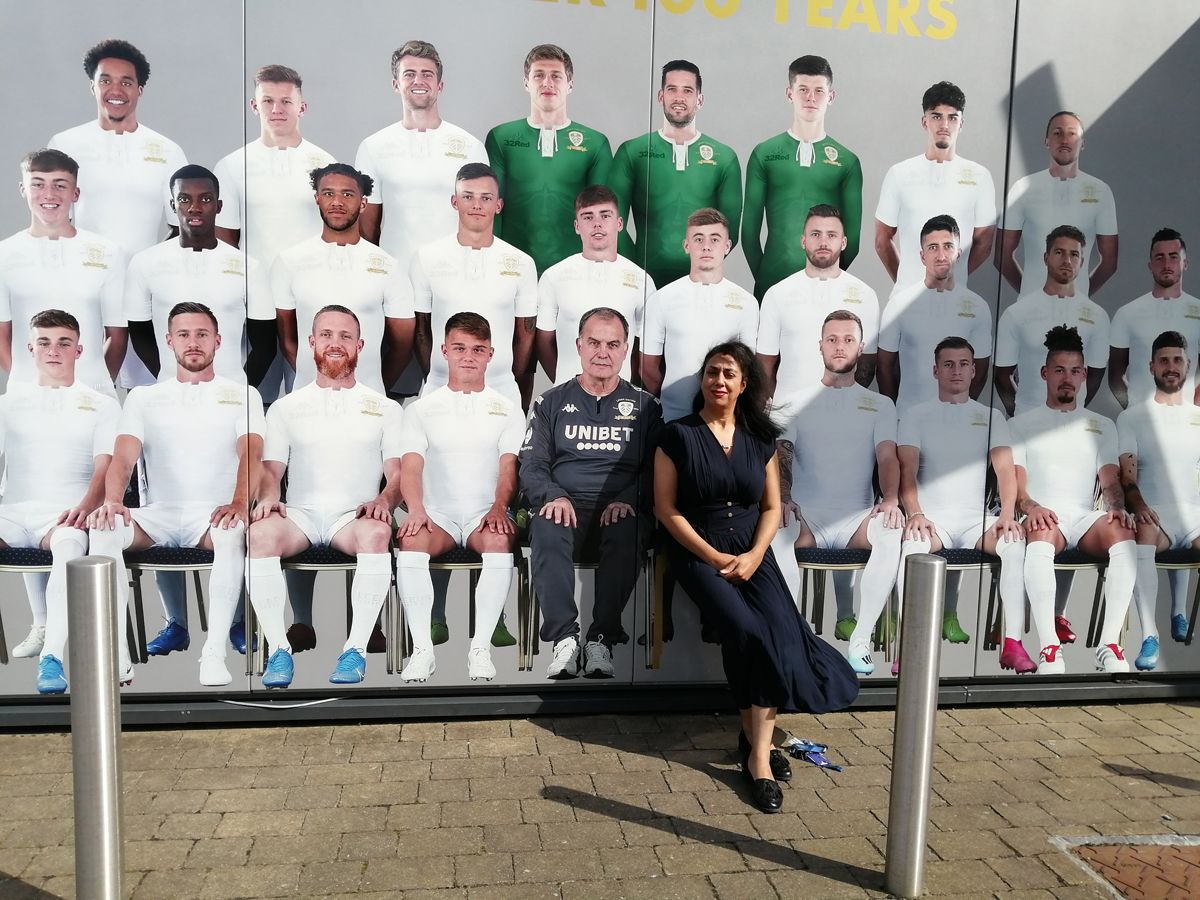
“I'm not sure how long I was under for, but as soon as I came round, I felt really satisfied. I was so happy."
“They asked me if I wanted contact with the recipient if they wanted to contact me, but I declined. I just wanted to know if the recipient was okay and whether the kidney was working."
“My transplant coordinator made a phone call and came back straight away to tell me that the recipient was not just surviving but thriving and the kidney was working okay."
Narinder said:
“All I know is that it went to a young man with chronic kidney disease."
“I didn't want to know any more. I knew that this had helped save someone's life and that this would have been a person, perhaps with children or with parents, siblings and relatives and that brought me joy."
Narinder spent two or three days in the hospital recovering, before being sent home and returning to work eight weeks later.
“It was a major operation, so I felt a little tired and sore to start with, but I was quickly back on my feet," she explained.
“I still have a yearly check up at the hospital, but it's now two years on and I'm in perfect health. I run and play netball and don't notice anything different."
Now Narinder wants to encourage more people to speak to their families about organ donation, particularly in Bradford, where, in August 2020, there were 85 patients waiting on a lifesaving kidney transplant, according to figures released by Bradford Teaching Hospitals NHS Foundation Trust. (BTHFT).
BTHFT statistics for 2020/21 also show that just 13 people in the city received a donor kidney, compared to 50 in 2019/20, as the pandemic has seriously impacted organ donation and transplantation services, despite the law changing in May to make all adults in England potential donors when they die, unless they have recorded a decision not to donate, or are in an excluded group.
Narinder said:
“I want to encourage others to help stop the suffering of those who end up staying on the transplant list through no fault of their own."
“We know that people within the BAME community have to wait longer for organ donations, due to the need to match organs with blood and tissue type."
She continued:
“They are also more likely to suffer with conditions such as high blood pressure, which can lead to chronic kidney disease, so getting people to talk about it is really important."
“People are dying while waiting on the transplant list, so having that discussion about opting in or opting out is vital."
“Donating means people can go on to lead long and happy lives with their family and loved ones."
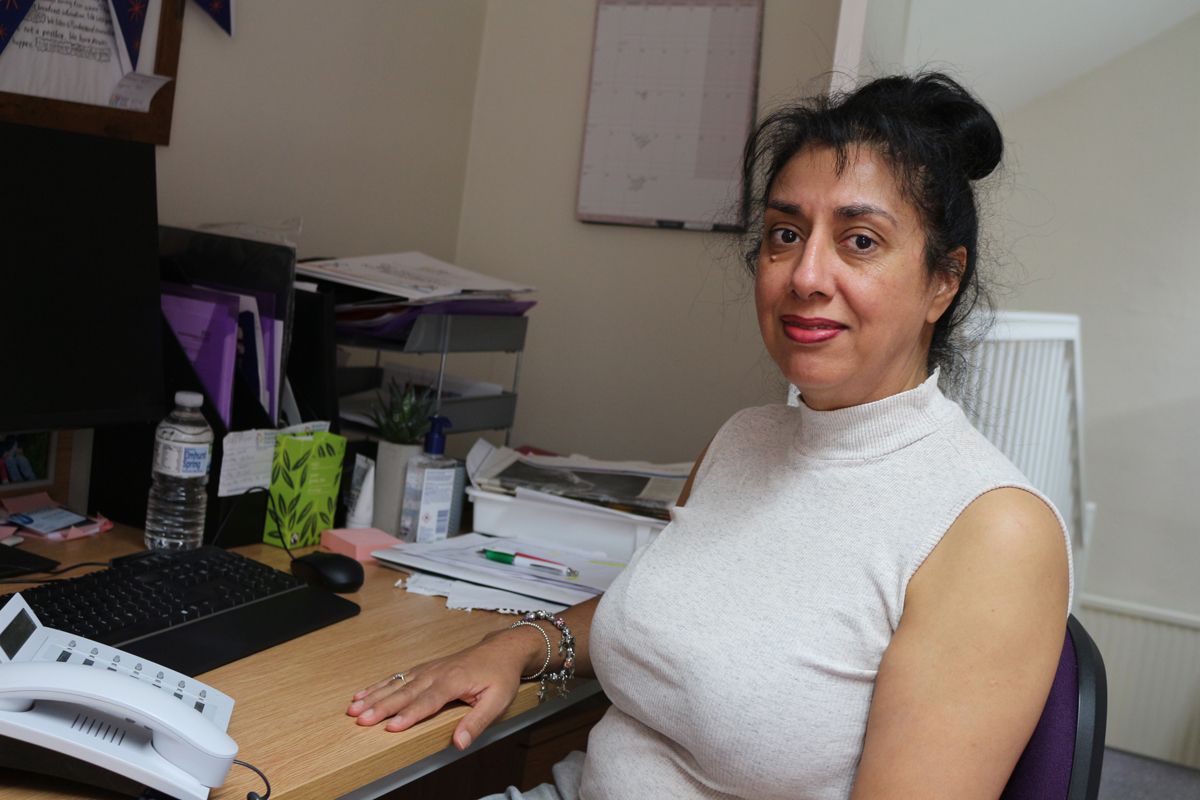
Clinical Lead for Organ Donation at BTHFT, Consultant Anesthetist, Dr. Andy Baker, has appealed for more people in his area to become donors.
He said:
“We desperately need more people in Bradford to talk about organ donation to increase the number of life-saving transplants. These conversations are especially important for those in our south Asian community."
“People from these communities are more likely to need a transplant and they will often have to wait longer on the list, as the best match is to receive a donated organ from someone of the same ethnicity."
Find out more about organ donation here.




 @skylergisondo/Instagram
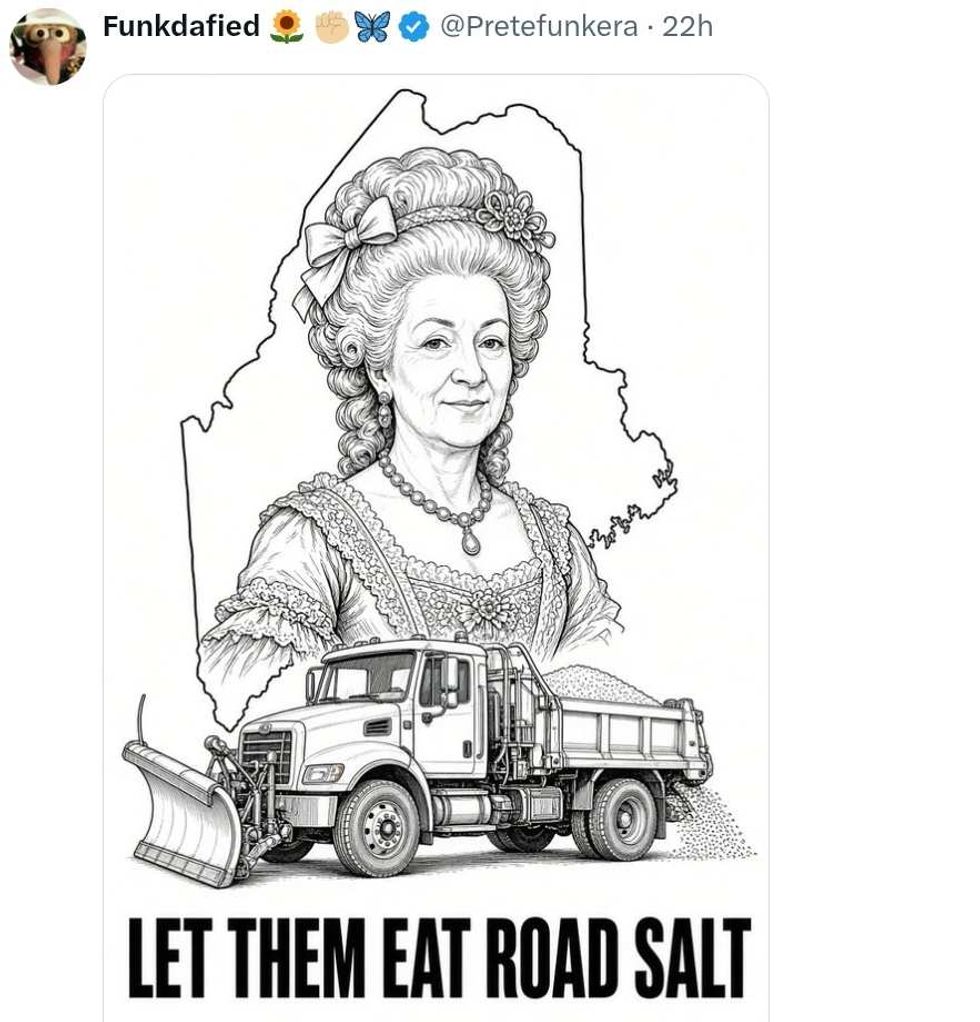 @Pretefunkera/X
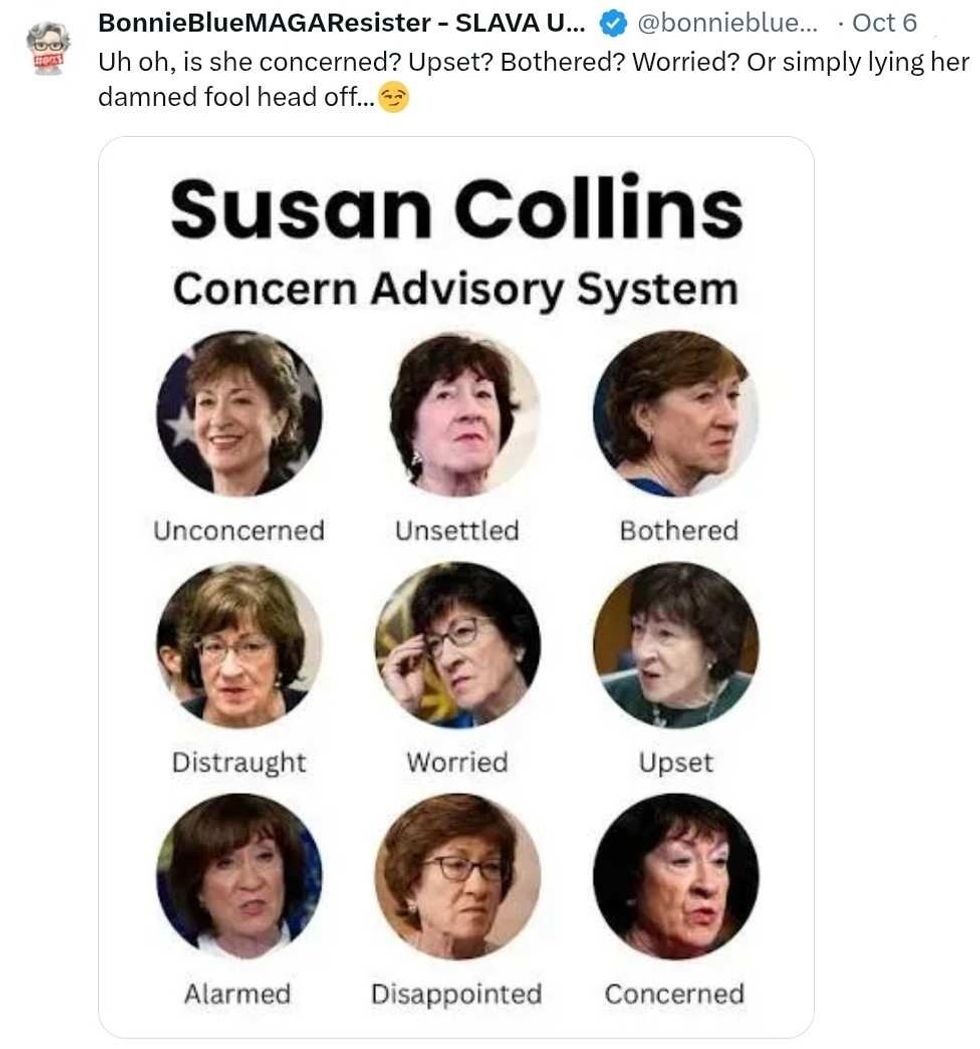 @bonnieblue2025/X
 @Andie00471/X