
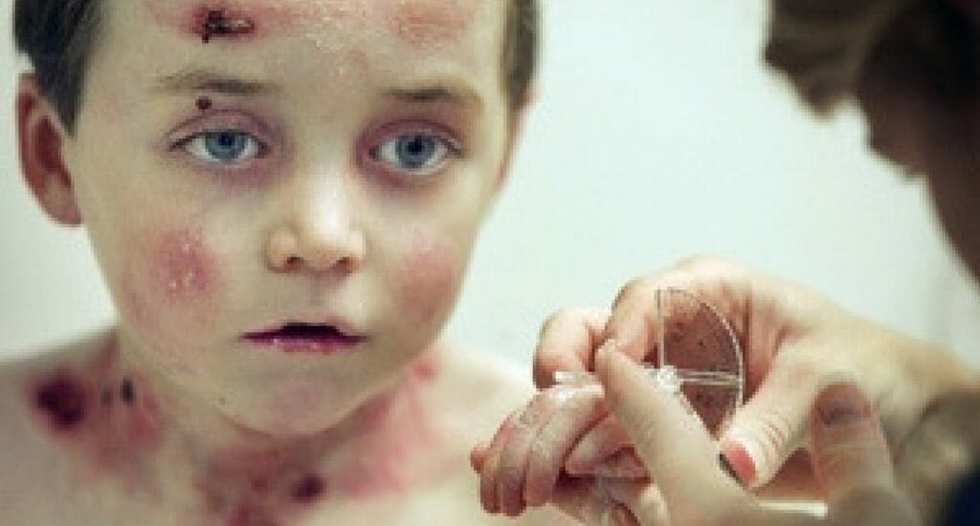

Imagine skin so fragile that a bump or scratch could cause deep, blistering wounds that wouldn’t heal.
This is daily life for kids with a rare inherited skin condition called epidermolysis bullosa (EB), a genetic mutation that results in paper-thin skin with the layers moving independently of each other instead of the dermis and epidermis being fused together. Sufferers’ skin is so fragile they’re often called “butterfly children,” as their skin is as delicate as butterfly wings.
For most, EB is a death sentence — those born with it rarely live past the age of 35 due to developing skin cancer. Though the exact reason for EB sufferers’ cancer development is unknown, scientists suspect that it’s easier for genetic mutations to develop given how often sufferers’ injury-prone skin needs to repair itself.
However, a team of scientists in Germany may have found a treatment for EB sufferers that involves growing new skin in a lab.
According to a Nov. 8 paper published in Nature, a 7-year-old Syrian boy named Hassan who suffered from EB was admitted to the Children’s Hospital at Ruhr University in Bochum, Germany, in June 2015 after 60 percent of his skin had sloughed off.
Dr. Tobias Rothoeft, a doctor who treated Hassan, described the boy’s grave condition in a statement: "He suffered from severe sepsis with high fever, and his body weight had dropped to a mere 17 kilogrammes [about 34 pounds] — a life-threatening condition." Rothoeft and his team tried all conventional techniques to save the boy, including a skin graft from Hassan’s father, but Hassan’s condition continued to worsen.
"After nearly two months we were absolutely sure there was nothing we could do for this kid and that he would die," Rothoeft, a surgeon at Ruhr University in Bochum, Germany, told Nature.
Instead, the doctors turned to an experimental procedure that involved genetically engineered skin using Hassan’s own skin cells. One member of the team, Michele De Luca, director of the Center for Regenerative Medicine at the University of Modena and Reggio Emilia, had used the procedure successfully in 2006 to replace a small skin patch on a patient, but no one had attempted to replace a larger section, let alone 80 percent of a person’s body — which is the amount of skin Hassan needed to have replaced in order to live.
After injecting a virus containing a healthy, non-EB gene into some of Hassan’s skin and stem cells, the team was able to grow transparent epidermal sheets that they then grafted onto the boy’s body over the course of several surgeries. To everyone’s surprise, the new “skin” began to regenerate, just like its naturally grown counterpart.
“For the first time outside of the hematopoietic system [e.g., blood-making organs like the liver and bone marrow] we’ve been able to show that a transgenic stem cell can permanently regenerate an entire tissue,” said De Luca.
Hassan was discharged from the hospital in 2016 and is now back in school. His skin is strong enough that he’s even able to play soccer.
"The kid is doing quite well," Rothoeft said. "The skin is of good quality, it doesn't need any ointments or stuff like that. It's perfectly smooth and it is quite stable. And if he gets any bruises, they just heal like bruises in every other kid."
Other applications for the process have yet to be tested. The team says an intervention like this is unusually aggressive and only something they would attempt if a patient’s life were in immediate danger. They plan to monitor the boy over the next few decades to see how long the stem cells can continue to regenerate, or if they will fail as time goes on.
Another concern the doctors have is the risk of cancer that comes with introducing a virus and new gene into human DNA. A similar procedure in 2002 using gene therapy, in which scientists inserted genes into bone marrow cells to treat severe combined immunodeficiency (SCID), was found to cause leukemia in some patients.
Still, for EB sufferers and their parents, the benefits of living something of a normal life may end up outweighing the risks.
“It felt like a dream,” said Hassan’s father of his recovery.

 reply to @Bobby_LaValley/X
 reply to @Bobby_LaValley/X
 reply to @Bobby_LaValley/X
 reply to @Bobby_LaValley/X




 U.S. Embassy Bern
 @CallyGingrich/X

 @time/TikTok
 @time/TikTok
 @time/TikTok
 @time/TikTok
 @time/TikTok
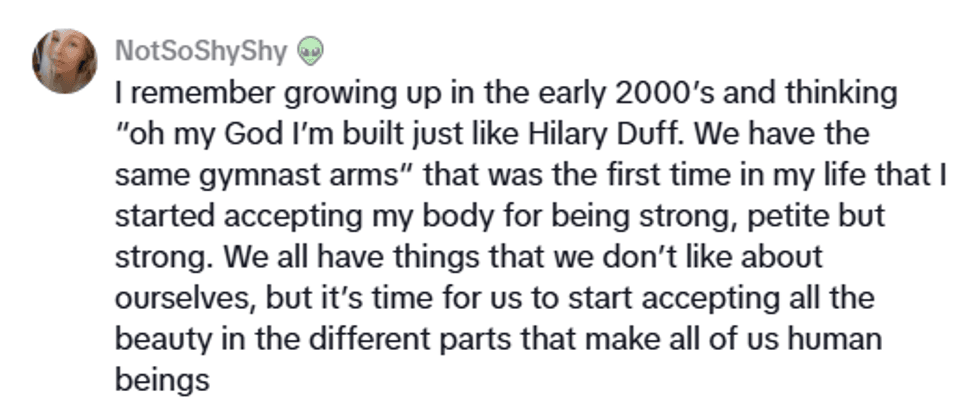 @time/TikTok
 @time/TikTok
 @time/TikTok
 @time/TikTok
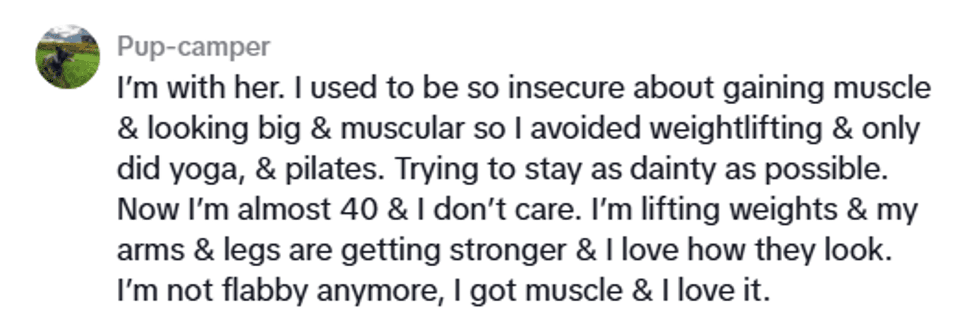 @time/TikTok
 @time/TikTok
 @time/TikTok
 @time/TikTok
 @time/TikTok
 @time/TikTok
 @time/TikTok
 @time/TikTok
 @time/TikTok
 @time/TikTok
 @time/TikTok
 @time/TikTok
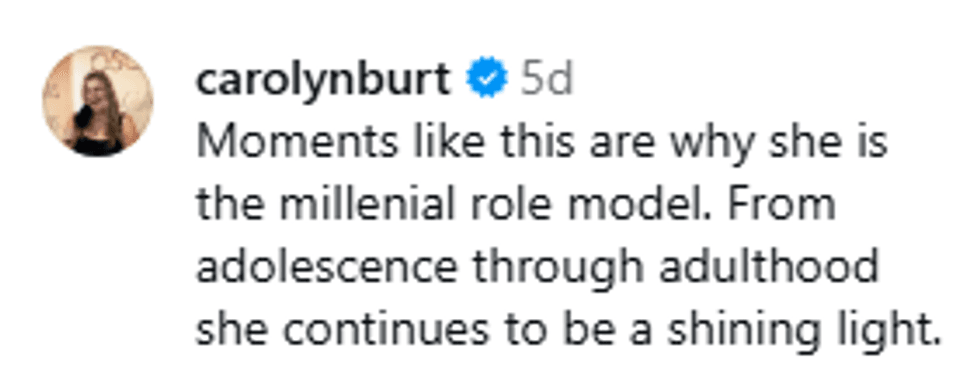 @time/Instagram
 @time/Instagram
 @time/Instagram
 @time/Instagram
 @time/Instagram
 @time/Instagram
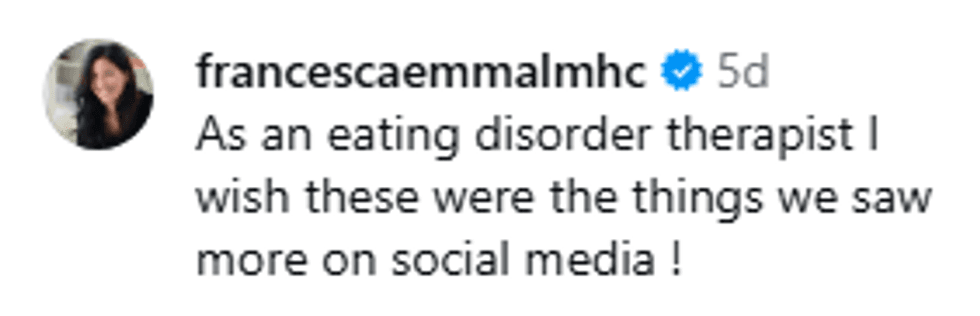 @time/Instagram
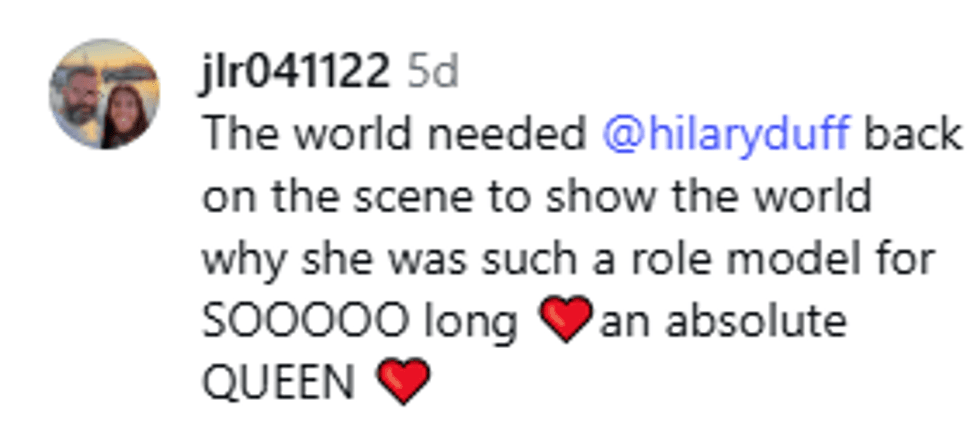 @time/Instagram
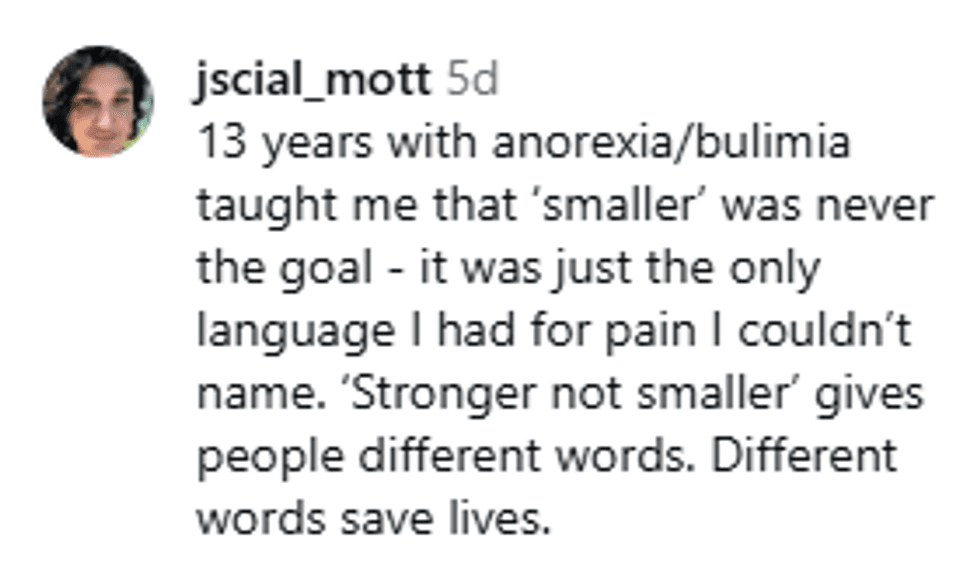 @time/Instagram
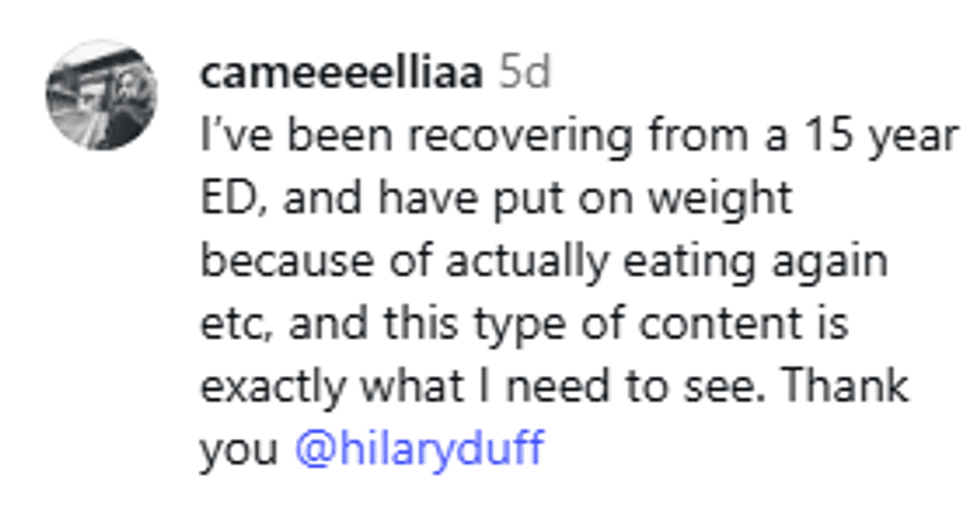 @time/Instagram
 @time/Instagram
 reply to @jimmyfowlie/Instagram
 reply to @jimmyfowlie/Instagram
 reply to @jimmyfowlie/Instagram
 reply to @jimmyfowlie/Instagram
 reply to @jimmyfowlie/Instagram
 reply to @jimmyfowlie/Instagram
 reply to @jimmyfowlie/Instagram
 reply to @jimmyfowlie/Instagram
 reply to @jimmyfowlie/Instagram
 reply to @jimmyfowlie/Instagram
 reply to @jimmyfowlie/Instagram
 reply to @jimmyfowlie/Instagram
 reply to @jimmyfowlie/Instagram
 reply to @jimmyfowlie/Instagram
 reply to @jimmyfowlie/Instagram
 reply to @jimmyfowlie/Instagram
 reply to @jimmyfowlie/Instagram
 reply to @jimmyfowlie/Instagram
 reply to @jimmyfowlie/Instagram
 reply to @jimmyfowlie/Instagram
 reply to @jimmyfowlie/Instagram
 reply to @jimmyfowlie/Instagram
 reply to @jimmyfowlie/Instagram
 reply to @jimmyfowlie/Instagram
 reply to @jimmyfowlie/Instagram
 reply to @jimmyfowlie/Instagram