


An ongoing legal battle between a Christian student group and the University of Iowa was back in the news this week. The case has now gone up to the U.S Court of Appeals for the Eighth Circuit.
Despite the discrimination the student group is accused of, previous appeals have not gone well for the university, and fallout has led to some dangerous implementations of the law.
The whole case started back in 2017, when an openly gay student sought a leadership position within the Business Leaders in Christ (BLiC), a group that promotes future entrepreneurs with Christian values. The group blocked the student from a leadership position based on the students' sexual orientation.
The student complained to the university and things escalated from there.
The crux of the issue for the student group is the ability to discriminate their selection of leadership based on a specific interpretation of their belief. They laid out a "statement of faith" that defined marriage as being between a man and a woman.
This is despite the fact that there are many LGBTQ+ people who are also religious.
However, the university did themselves no favors in this case. The BLiC was deregistered on grounds of violating the school's human rights policy and discriminating based on protected criteria.
The lawyers for BLiC argued that this was applied unevenly, as fraternities are allowed to select leaders and membership based on gender and other groups were allowed to select based on race and national origin.
Attorney Eric Baxter lays out his case in a Twitter thread.
This is what has led to issues with the case in the past. A previous ruling in 2019 found that the school was well within their rights to de-register the student group based on their human rights policy but were wrong to enforce it unevenly across student groups.
Despite the BLiC requesting monetary damages, Judge Stephanie Rose sided with the University of Iowa on this point, and awarded the group only a symbolic $1, and dismissed more than half the groups' claims.
There is a lot of nuance to this issue.
Still, the partial wins the group has been receiving and the consistently upheld assertion that the university failed to apply their rules evenly has emboldened the religious right. Iowa even passed a law specifically to protect "freedom of speech" for religious groups on campus and paving the way for discrimination.
What will happen next remains to be seen. The fallout from this case is particularly important, as it will see if freedom of speech includes allowing for discrimination based on protected status.
Despite the outcry from the religious right, there's a lot more discrimination happening against LGBTQ people.
Whatever the outcome, it's best we learn to treat each other with respect. We'll be watching this case with interest and based on previous rulings, a bit of dread.





 @MuffinsNsuch/X
 @serena_loscalzo/TikTok
 @serena_loscalzo/TikTok
 @serena_loscalzo/TikTok
 @serena_loscalzo/TikTok
 @serena_loscalzo/TikTok
 @serena_loscalzo/TikTok
 @serena_loscalzo/TikTok
 @serena_loscalzo/TikTok
 @serena_loscalzo/TikTok
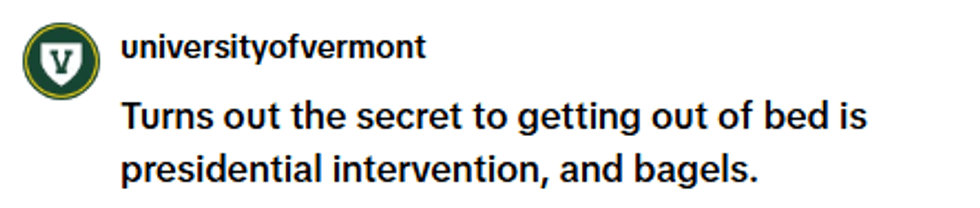 @serena_loscalzo/TikTok
 @itsvictoriavega/TikTok
 @itsvictoriavega/TikTok
 @itsvictoriavega/TikTok
 @itsvictoriavega/TikTok
 @itsvictoriavega/TikTok
 @itsvictoriavega/TikTok
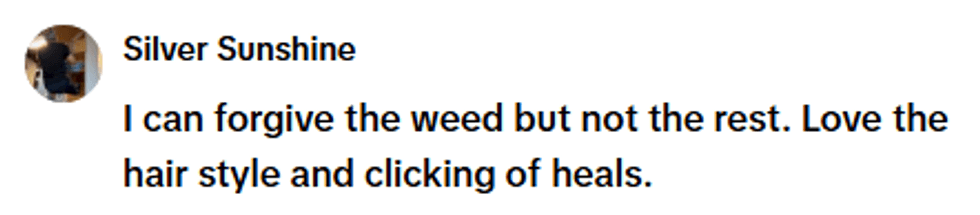 @itsvictoriavega/TikTok
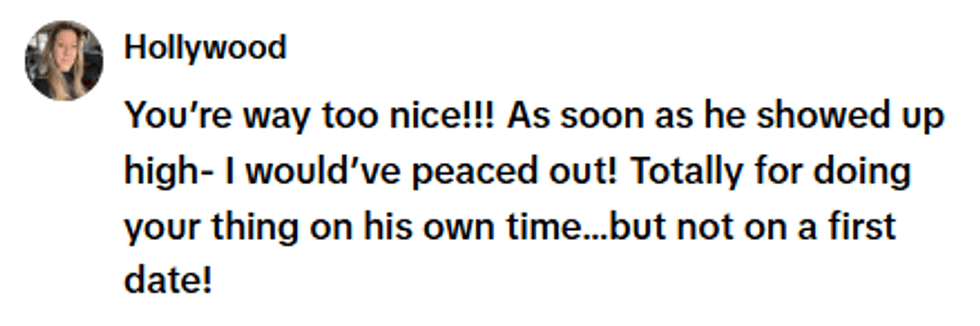 @itsvictoriavega/TikTok
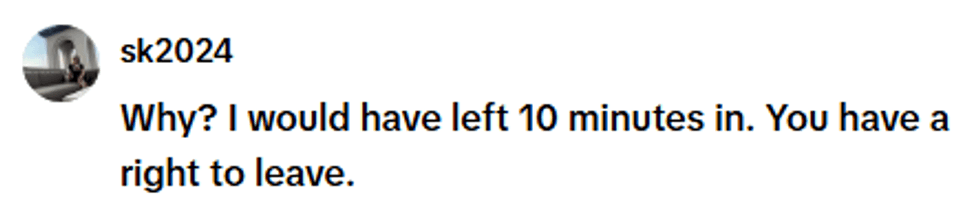 @itsvictoriavega/TikTok
 @itsvictoriavega/TikTok
 @lolxdlolxdlolxd23455/TikTok
 @lolxdlolxdlolxd23455/TikTok
 @lolxdlolxdlolxd23455/TikTok
 @lolxdlolxdlolxd23455/TikTok
 @lolxdlolxdlolxd23455/TikTok
 @lolxdlolxdlolxd23455/TikTok
 @lolxdlolxdlolxd23455/TikTok
 @lolxdlolxdlolxd23455/TikTok
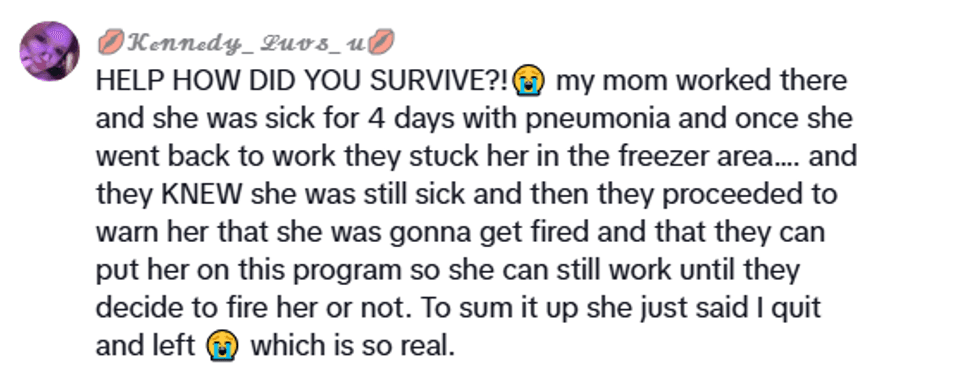 @lolxdlolxdlolxd23455/TikTok
 @lolxdlolxdlolxd23455/TikTok
Larry David's New Satirical Essay Mocking Democratic Socialists Isn't Sitting Well With People