

Capitalism is synonymous with American culture. It is the very thing that promotes a society dedicated to long work weeks and a competitive workforce.
Imagine that you and your coworkers are offered raises totaling $700 million. You’d celebrate your windfall, correct? Given how much of American society is driven by competitive salaries and profit margins, most Americans would jump at the offer. In Canada, however, the reaction has been the exact opposite. Doctors in Canada are resisting a proposed $700 million increase to their annual salaries.
A group of medical professionals in Quebec has signed a petition to refuse the increased salaries, stating that they do not want the hundreds of millions of dollars promised to them after contract negotiations with the government last month.
Instead, the doctors wants the money to be used to increase salaries of other medical professionals, such as nurses, as well as to improve the quality of healthcare services for their patients. The large allocation of money would, in theory, help to make healthcare more affordable to many of their patients.
"We, Quebec doctors who believe in a strong public system, oppose the recent salary increases negotiated by our medical federations. These increases are all the more shocking because our nurses, clerks and other professionals face very difficult working conditions, while our patients live with the lack of access to required services because of the drastic cuts in recent years and the centralization of power in the Ministry of Health. "We believe that there is a way to redistribute the resources of the Quebec health system to promote the health of the population and meet the needs of patients without pushing workers to the end," reads the petition from the group Médecins Québécois pour la Régime Public (or MQRP).
Currently, more than 700 physicians, residents, and specialists have signed the petition in an effort to reallocate the funds.
According to Quebec’s health minister, the government-controlled health ministry cannot rescind the raises. "That's something that I would accept if they would accept among themselves. But the doctors who are in that position are still the small minority. It's like a union itself in terms of functioning. In terms of getting compensation, they are grouped in a larger body to negotiate with the government,” Minister Gaetan Barrette told CNN.
In other words, the raises cannot be rescinded or reallocated unless voted for by the majority of doctors in Quebec.
In recent months, a nurses union has gained notoriety for its attempts to push the government to address a nursing shortage. The union has sought the passage of a law that would limit the number of patients that a nurse could see at one time.
In January, the nursing shortage reached a fever pitch, when a video posted to Facebook by a Quebec nurse went viral. In the video, Émilie Ricard appears exhausted and teary-eyed, having just finished a shift where she cared for over 70 patients as the only nurse on her floor.
“This is the face of nursing,” Ricard wrote in her post. “I don’t know where you're going to get your information, but it’s not in the reality of nursing,” the nurse wrote. “I am broken by my profession, I am ashamed of the poverty of the care that I provide as far as possible. My health system is sick and dying.”
Discrepancies in healthcare costs and the salaries to top tier physicians is not unique to Canada. In 2017, it was reported that Americans spent $3.4 trillion annually on healthcare costs. In contrast, the average annual full-time compensation for patient care was $294,000. Top tier medical professionals and specialists continue to make astronomical amounts of money, while the cost for access to medical care continues to rise, amid Trump’s repeated efforts to dismantle affordable healthcare coverage for Americans.
While this example is very Canadian (where else but Canada would doctors refuse raises?), it sheds light on a continuing global healthcare crisis.









 Doug Bell/Getty Images
 @saremtalksalot/TikTok
 @saremtalksalot/TikTok
 @saremtalksalot/TikTok
 @saremtalksalot/TikTok
 @saremtalksalot/TikTok
 @saremtalksalot/TikTok
 @saremtalksalot/TikTok
 @saremtalksalot/TikTok
 @saremtalksalot/TikTok
 @saremtalksalot/TikTok
 @saremtalksalot/TikTok
 @saremtalksalot/TikTok
 @saremtalksalot/TikTok
 @saremtalksalot/TikTok
 @saremtalksalot/TikTok
 @saremtalksalot/TikTok
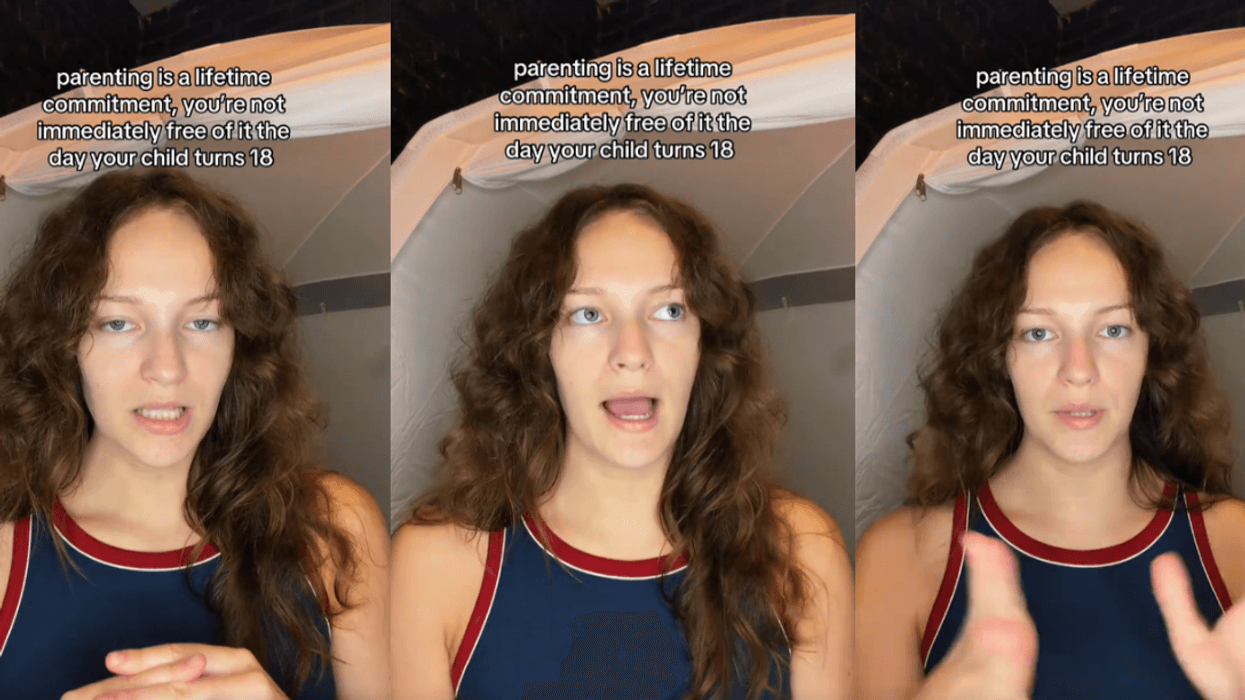
 @groovyrockerchick/TikTok
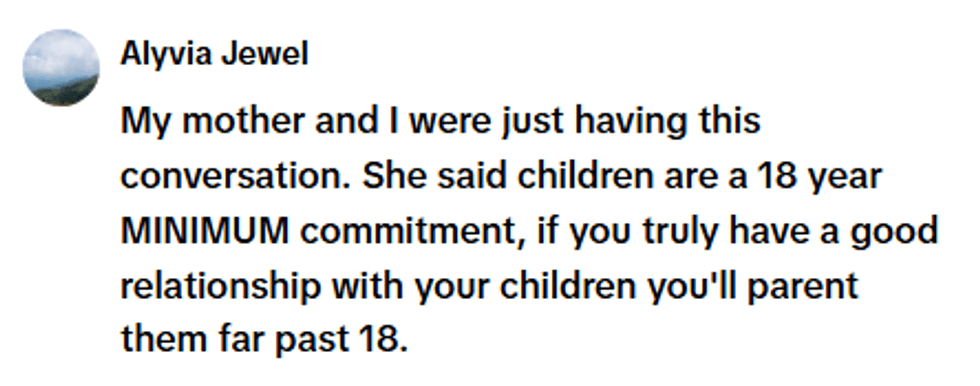 @groovyrockerchick/TikTok
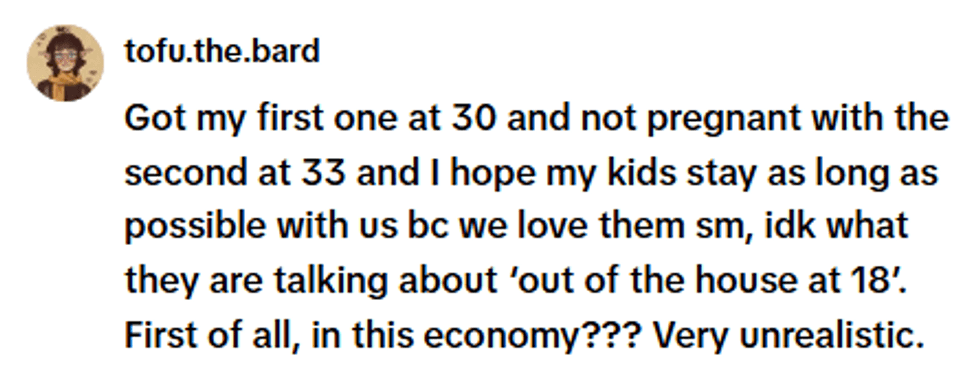 @groovyrockerchick/TikTok
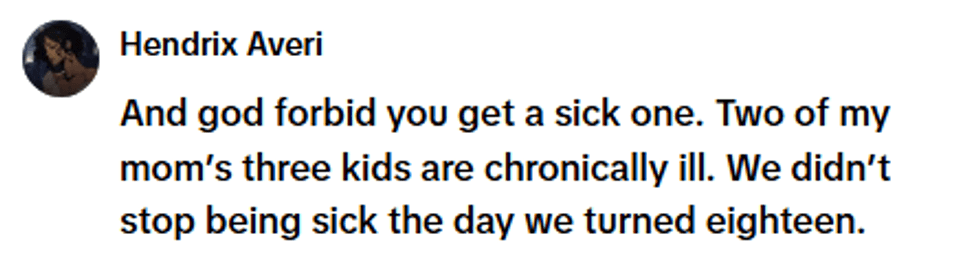 @groovyrockerchick/TikTok
 @groovyrockerchick/TikTok
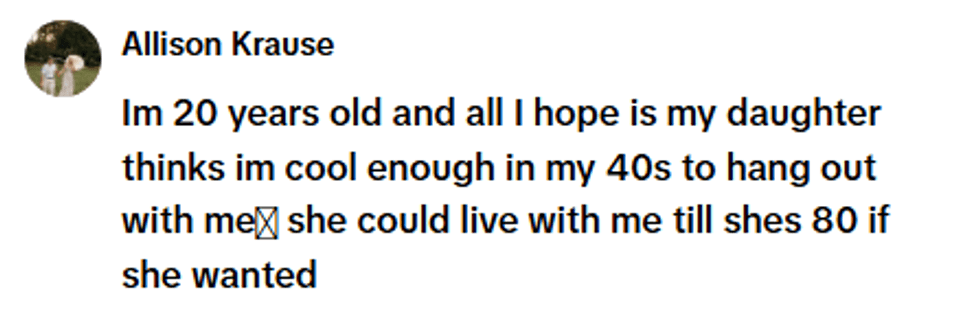 @groovyrockerchick/TikTok
 @groovyrockerchick/TikTok
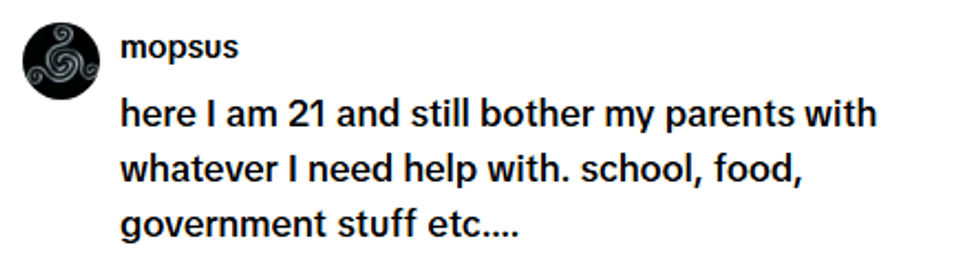 @groovyrockerchick/TikTok
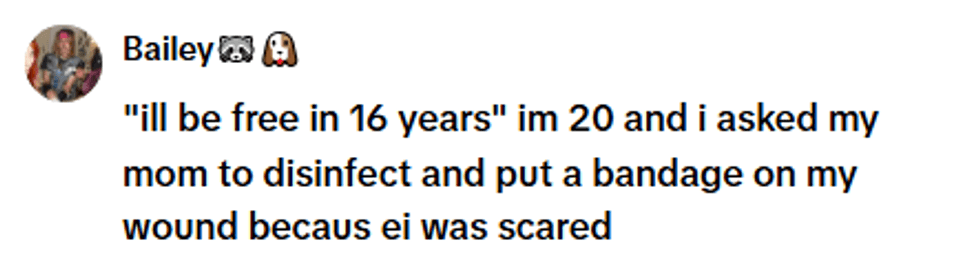 @groovyrockerchick/TikTok
 @groovyrockerchick/TikTok
 @groovyrockerchick/TikTok
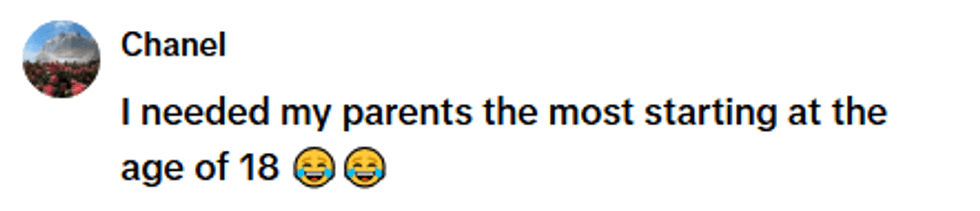 @groovyrockerchick/TikTok