President Donald Trump sparked outrage after admitting to reporters that he alerted not Congress but oil companies before invading Venezuela and ousting dictator Nicolás Maduro.
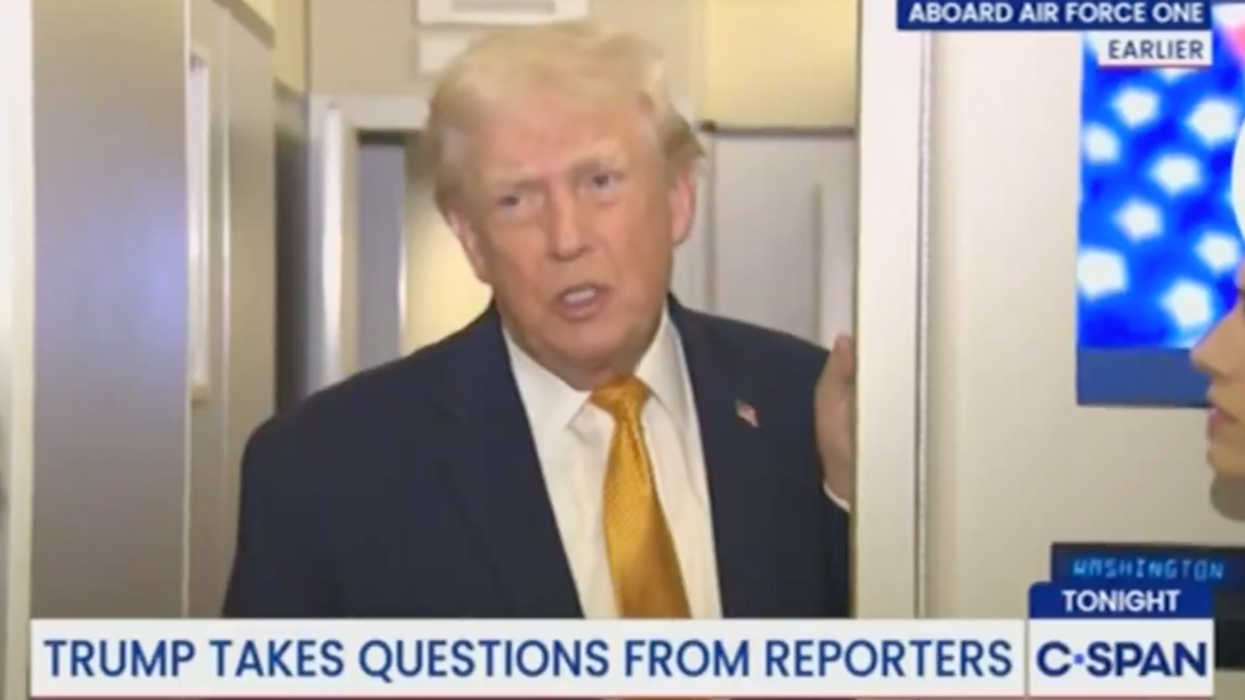
Speaking aboard Air Force One on Sunday, Trump said he spoke to oil executives “before and after” the attack, and described these communications as crucial to “fix the infrastructure” in Venezuela after decades of corruption and mismanagement.
After being asked by a reporter if he "tipped off" the oil companies, Trump said:
"Before and after. They want to go in and they’re going to do a great job for the people of Venezuela, and they’re going to represent us well."
“The infrastructure is rusty, rotten, most of it is unusable. It’s old. It’s broken. You see pipes lying all over the ground, nothing’s been invested for years.”
You can hear what Trump said in the video below.
Indeed, the Trump administration informed Congress of the operation to seize Maduro only after it was already underway.
The timing raised immediate questions about whether the action effectively bypassed the War Powers Resolution, the 1973 law designed to limit unilateral military action by the executive branch.
Enacted in the aftermath of the Vietnam War, the resolution requires presidents to notify Congress within 48 hours of introducing U.S. forces into hostilities and to withdraw them within 60 days unless lawmakers authorize the action or formally declare war. The law was a direct response to fears of an “imperial presidency,” fueled in part by Lyndon Johnson’s use of the 1964 Gulf of Tonkin Resolution to justify an open-ended conflict in Vietnam.
In this case, critics argue, the administration treats those constraints as optional.
Long before the operation against Maduro, Trump had advanced alternative legal theories to justify aggressive action, including executive orders designating Maduro and senior officials as “narco-terrorists” and authorizing interdictions of suspected drug-trafficking vessels in the Caribbean—moves that legal scholars say stretch, and in some cases violate, both domestic and international law.
Many have condemned Trump's action.
The Venezuelan ambassador to the United Nations, Samuel Moncada, accused Washington of an "illegitimate armed attack devoid of any legal justification," which involved "bombardments of its territory, the loss of civilian and military lives, the destruction of essential infrastructure, and the kidnapping" of Maduro.
The diplomat said Venezuela’s "natural wealth, oil, energy, strategic resources, and geopolitical position" is a "central element of the aggression." He further described the U.S. invasion as an example of "the worst practices of colonialism and neocolonialism."
Maduro and his wife, Cilia Flores, entered not guilty pleas in their first court appearance in New York after being abducted. He faces counts of narco-terrorism conspiracy, cocaine importation conspiracy, possession of machine guns and destructive devices, and conspiracy to possess machine guns and destructive devices.
Federal prosecutors allege that “for over 25 years, leaders of Venezuela have abused their positions of public trust and corrupted once-legitimate institutions to import tons of cocaine into the United States.”
 u/ZealousidealGroup559/Reddit
 u/herinaus/Reddit
 u/Amoreke85/Reddit
 u/GlitteringFlame888/Reddit
 u/i-love-glinda/Reddit
 u/NoToThugs/Reddit
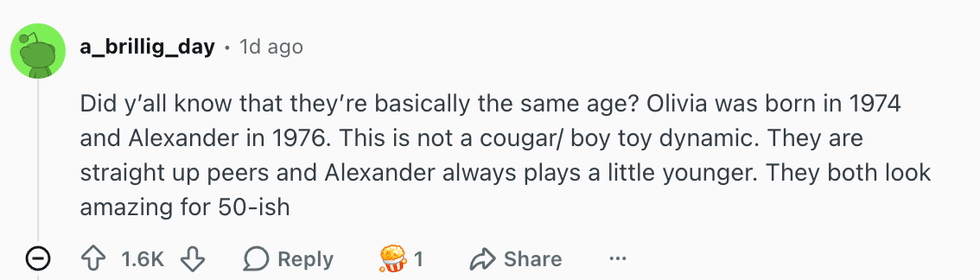 u/a_brillig_day/Reddit
 u/VictorTheCutie/Reddit
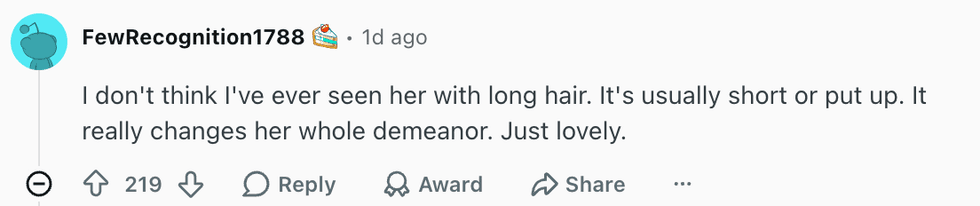 u/FewRecognition1788/Reddit
 u/verchiels/Reddit
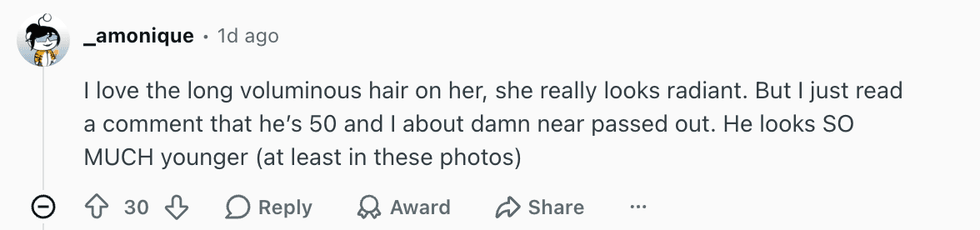 u/_amonique/Reddit
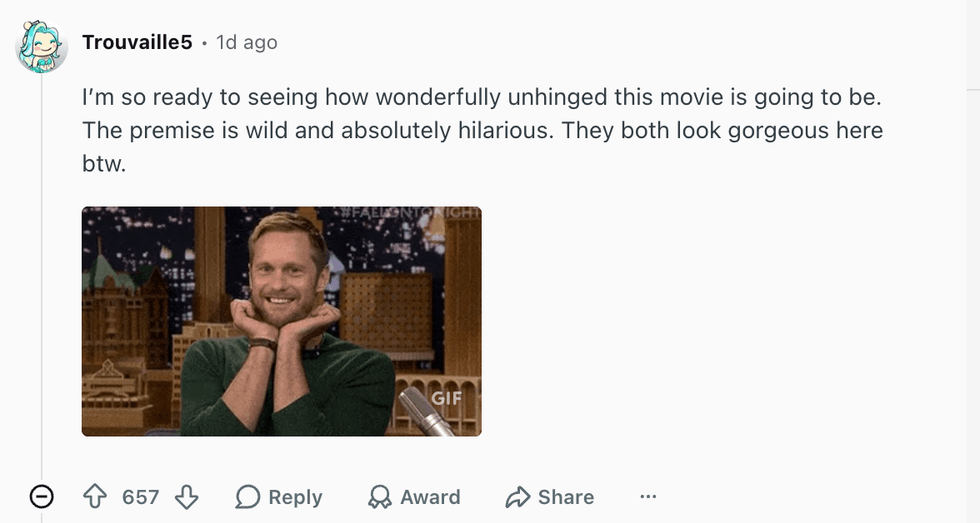 u/Trouvaille5/Reddit
 @realDonaldTrump/Truth Social
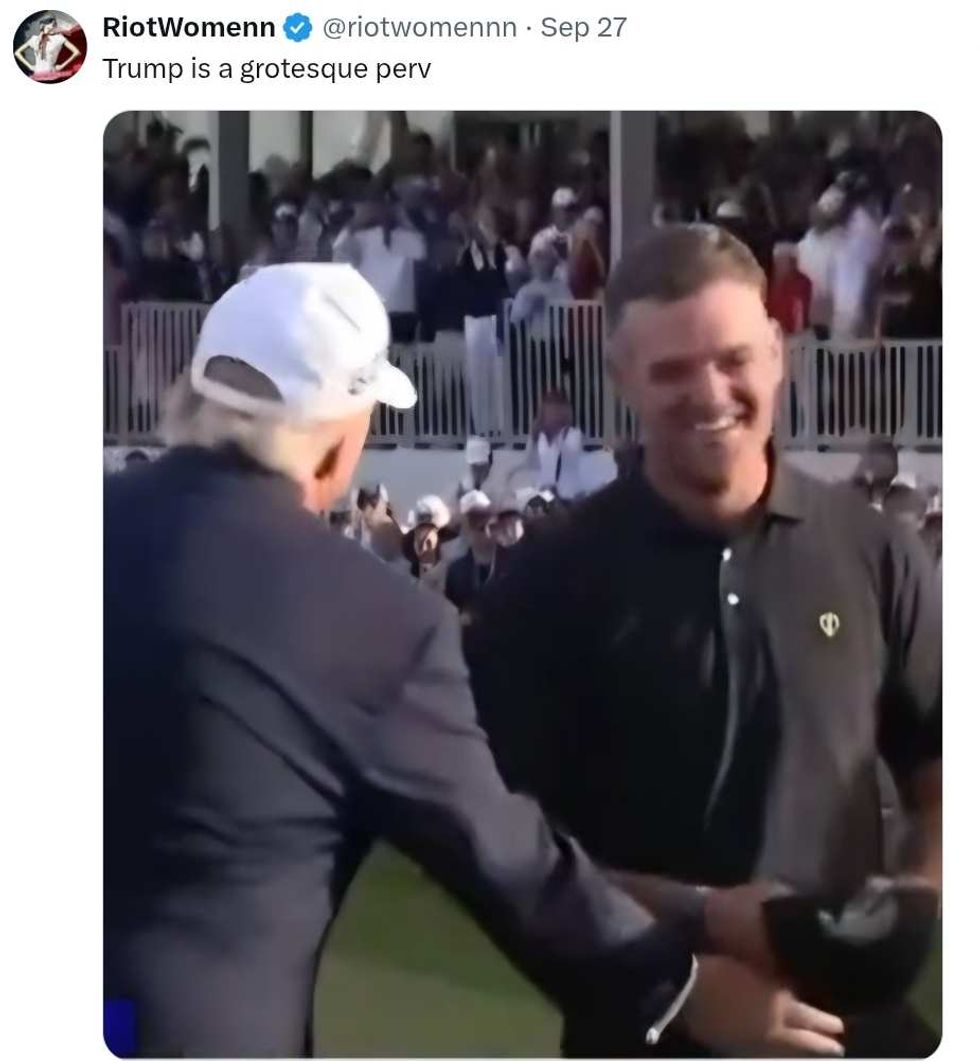 @riotwomennn/X
 @CCarl76/X