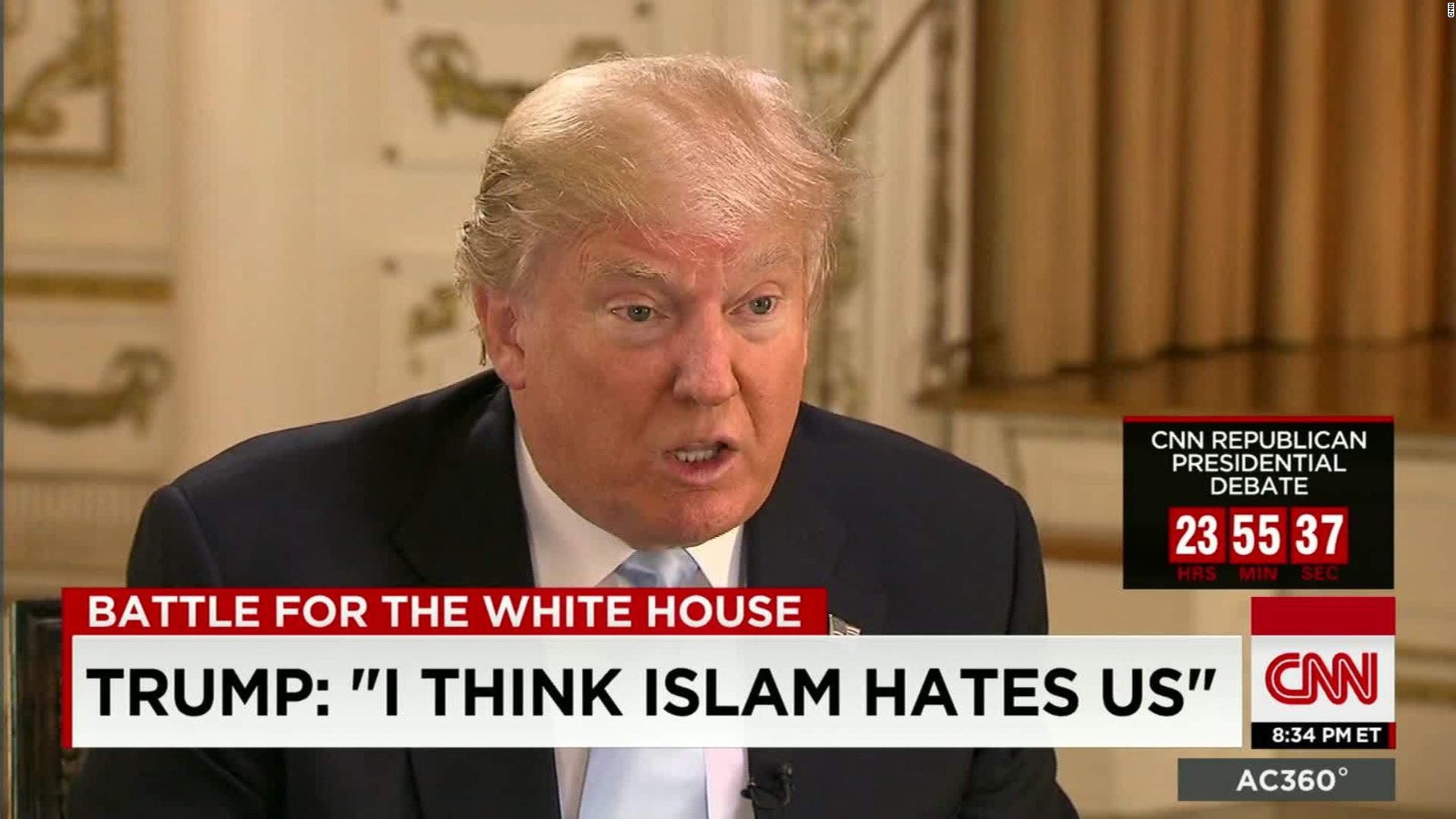
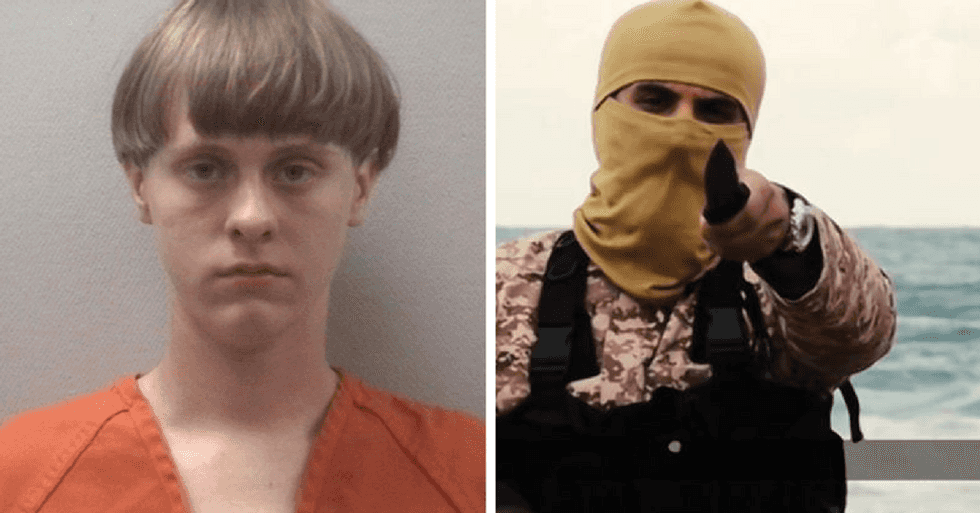

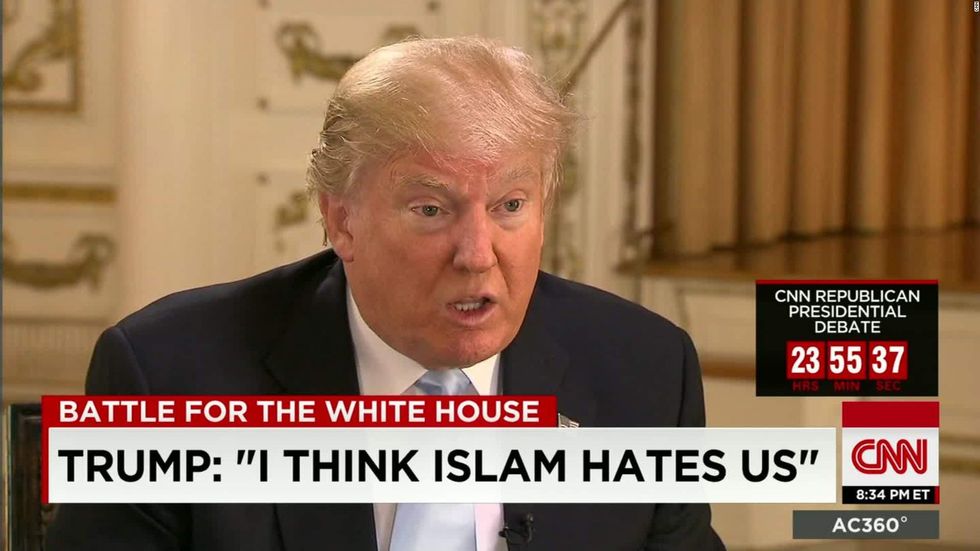
Radical Islamic terrorism — a phrase that may not have been coined by President Donald Trump, but is one he frequently uses and has employed since the early days of his campaign — has managed to convince a vast portion of America that it is the greatest threat currently facing the nation.
This idea not only ushered in Trump’s presidency; it has made way for bold, anti-Muslim executive orders and overreaching legislation — like the banning of travelers from six Muslim-majority countries. There is no doubt that terrorism is a threat to the world, though the radical Islamic variety usually occurs outside of America. Is terrorism really as colossal of a threat to Americans as it is so widely perceived?
Not so silently in the backdrop sits something much more statistically deadly to Americans than terrorism: gun violence.
Certainly, gun violence can fall into the greater category of terrorism, but in America, the fear of gun violence is generally overlooked when compared to the fear of terrorism. Republican policymakers’ efforts to fight gun control vehemently and often underscore and play off this fear.
As many Americans are aware, the National Rifle Association, or NRA — the biggest lobby for gun manufacturers — is politically aligned with conservative members of the U.S. Senate and House of Representatives, as well as some Republican governors and state legislators. This cycle of persuasion — propaganda followed by deregulation followed by gun sales which then fund the propaganda — has effectively convinced many Americans that a consistent lack of gun regulations is in no way responsible for the many gun-related deaths across America each year.
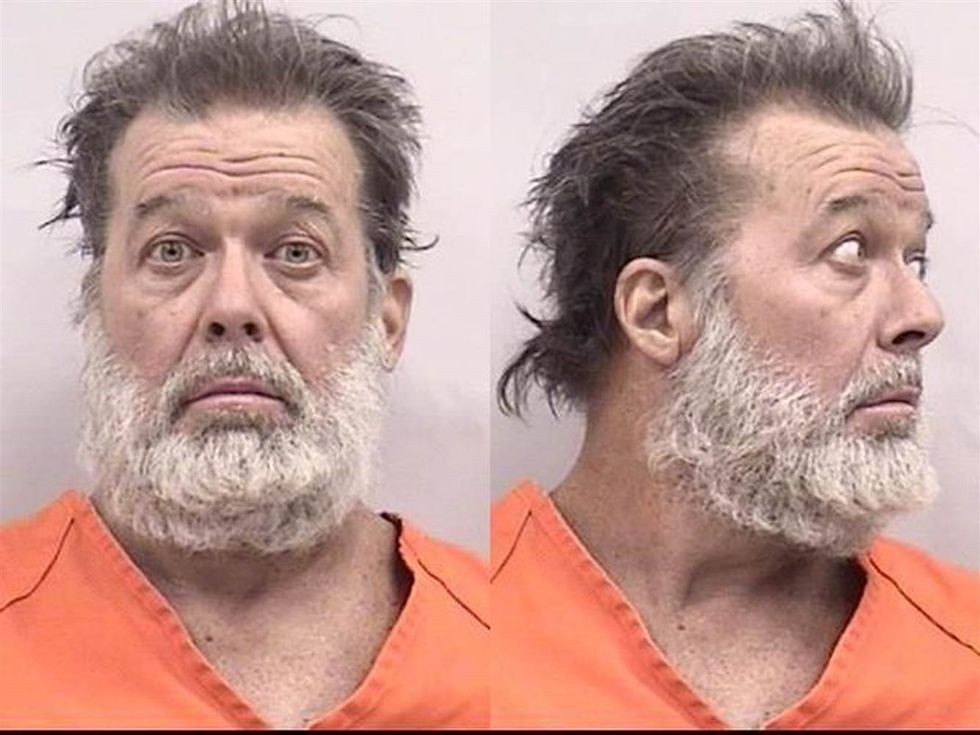 Robert Dear shot and killed a police officer and two civilians and injured four others during a shooting in Colorado Springs in 2015. (Credit: Source.)
However, another phenomenon plays into the disproportionately high fear of terrorism in the United States, and it is psychological in nature.
In the span of a full decade, between the years 2005 and 2015, jihadists killed 94 people, while 301,797 others died in gun-related incidents and not at the hands of jihadists. Given that statistic, it seems unlikely that Right-wing and pro-gun propaganda alone could convince the American public that radical Islamic terrorism is their most significant threat. The major driving force enhancing this popular American fear is something called risk perception, a psychological human phenomenon enhanced by propaganda.
Risk perception is the subjective judgment humans make about the characteristics and severity of a risk.
Past research has determined that when people make decisions about health and safety, we do not base these decisions on the highest or most urgent risk factors.
But What Exactly is Risk?
The term is defined based on its relation to the agency describing it and the consequences in question.
For example, the U.S. National Library of Medicine within the National Center for Biotechnology Information defines risk as “hazard times exposure equals consequence.”
The Environmental Protection Agency (EPA), which discusses risk assessment as it relates to environmental threats on its website, has its own definition: The agency defines risk as “the chance of harmful effects to human health or to ecological systems.” In this case, the focus is solely on human health.
 Credit: Source.
In layman’s terms, risk is simply “the probability of something bad occurring.”
So How Does Risk Perception Affect Americans’ Hierarchy of Fears?
We often assume that those who succumb to a risk perception gap do so out of ignorance; yet, studies have shown that risk perception is a typical component of humans’ hardwired ability to quickly assess threats.
Some view this notion psychologically, some anthropologically, and some interdisciplinarily.
From a psychological perspective, people have a tendency to use cognitive heuristics — or mental shortcuts, as opposed to algorithmic thinking — leaving us prone to lapses in logic and cognitive biases.
Anthropologists argue that risk perception is socially constructed by institutions, cultural values and ways of life. Cultural cognition — or the formation of human views based on the groups with which a human identifies — is one prevailing factor, according to this perspective.
Still, many believe a combination of both produces risk perception. In any case, perception of risk is both highly personal and simultaneously social.
Human biases reflect what worked to protect our ancestors. However, we have not yet developed the abilities to adequately respond to risks presented by statistics and data, media reports or politicians who employ fear-mongering rhetoric. That is, at least as far as our cognitive shortcuts are concerned.
In research, this operates differently because the setting is controlled. Risk assessment in a lab setting usually entails a four-step process: hazard identification, hazard characterization, exposure assessment and risk characterization. Quantitative and qualitative manifestations of risk, as well as some uncertainties, are included in this process with the goal of forming a decision based on the most rational analysis of the best available information.
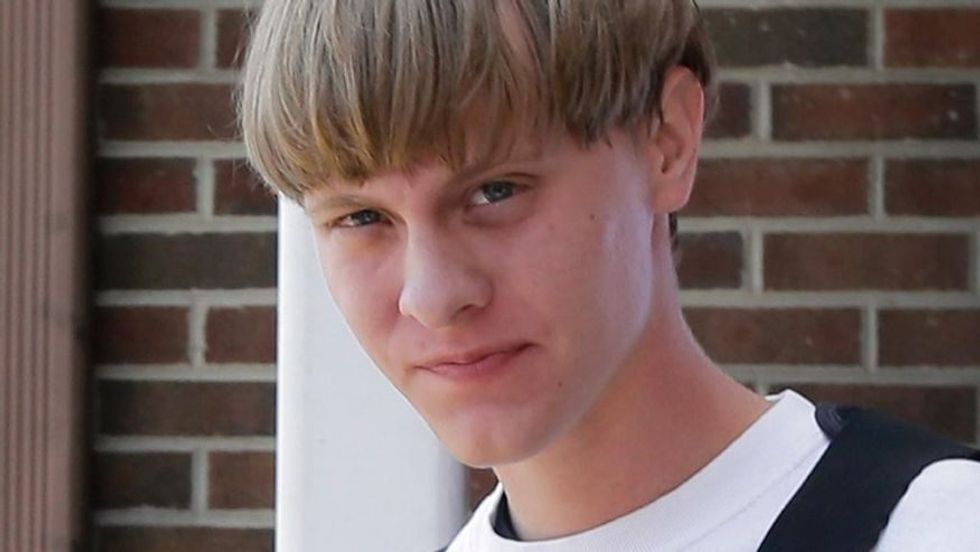 In 2015, Dylann Roof shot and killed nine people at Emanuel African Methodist Episcopal Church in Charleston, South Carolina. (Credit: Source.)
Individuals outside of a lab setting often use unconscious emotional processes to assess risk, such as quick and defensive reactions to perceived threats, including any sensory information, words or memories that trigger fear or danger. For instance, the word “chemicals” in instances of exposure risk communications is shown in studies to trigger an unconscious fear response in members of the general public.
Additionally, uncontrollable threats and threats that pose a risk to future generations tend to elicit greater anxiety.
Can Humans Work Around This Tendency?
The thing is, it is not entirely detrimental.
When humans are not entirely in possession of the facts, our only back-up plan is our sense of danger.
At the Institute of Risk Management in London, students are instructed to gather the most reliable information and consult experts before making risky decisions in their academic setting. In practice, this is the space between complete inaction and reckless action.
The challenge is not in eliminating emotion, but rather, in using it without distorting scientific evidence.
Effective risk communication depends upon the acknowledgment of various components of individual risk perception, though it does not always account for the subjectivity of “bad” or “dangerous.” The objective is to ultimately aid people in using both instinct and evidence to make the best possible choices for themselves.
 Credit: Source.
Of course, it is impossible to live a life without some risk; every choice we make increases some risks while lowering others. However, if we can understand our innate biases in our individual methods of risk management, we can adjust for them and generally remain safer.
In 2016, Americans’ number-one fear was “corruption of government officials,” just as it was in 2015. Terrorist attacks followed in second place. Of the top five American fears, two are related to terror. The fifth is not fear of guns, but rather, fear of government restrictions on guns. Gun violence is much further down the list.
On a larger scale, knowing this as Americans, we have the choice to address the greater threats facing us, or to continue to rely on biases and propaganda that scapegoat a single religion and an issue that — while important — cannot compete with gun violence.
So long as Donald Trump is president, this may prove an uphill battle, but awareness is the first step.